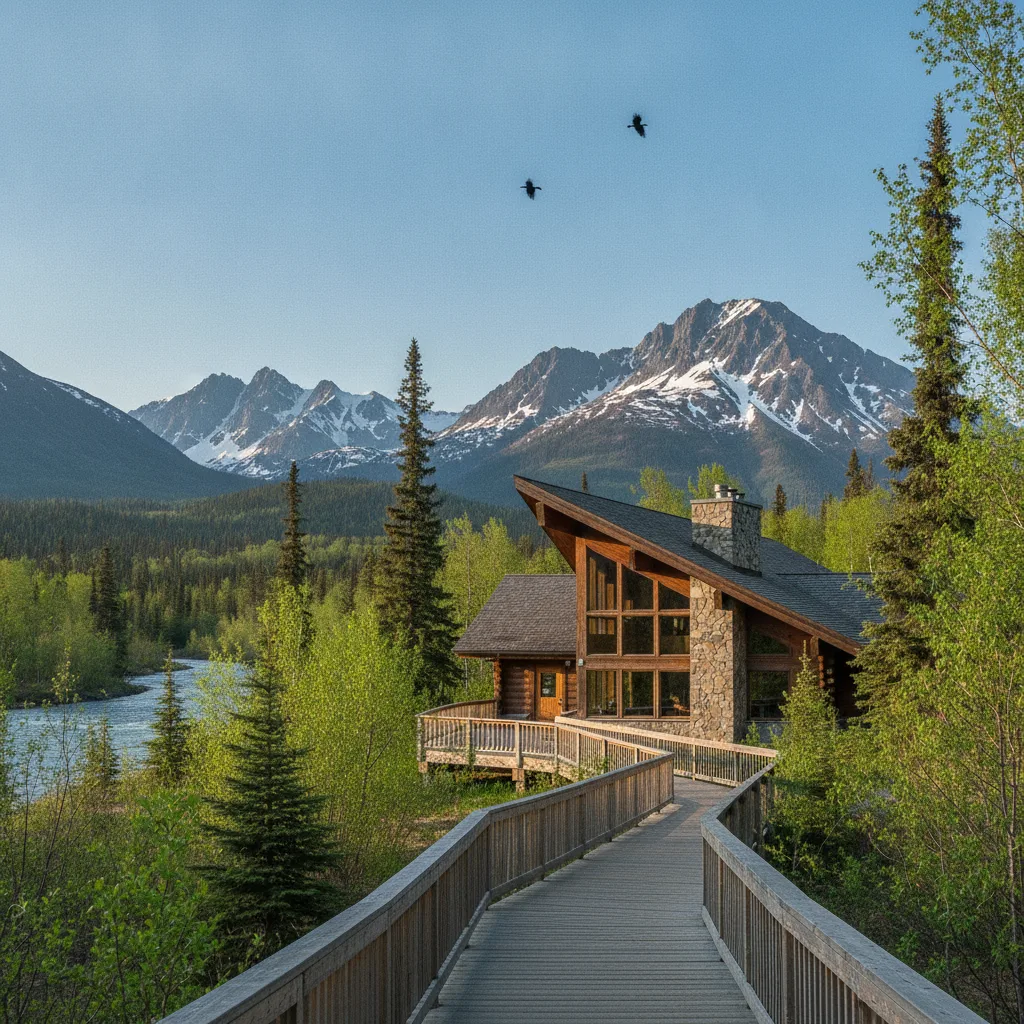
Our Eagle River Nature Center guide covers practical planning for Eagle River Nature Center Alaska — best time to visit, getting there, and what to do on the ground.
As independent US travel authorities, we've explored countless corners of this vast country, but few places capture the raw, untamed spirit of Alaska quite like the Last Frontier. Nestled within the breathtaking Chugach State Park, the Eagle River Nature Center Alaska is a prime example of the state's natural grandeur, offering unparalleled opportunities for wildlife viewing, educational programs, and access to an extensive network of trails along the pristine Eagle River. It’s a popular spot for salmon viewing in season, and our team is here to guide you through everything you need to know for a memorable visit.
Why Visit Eagle River Nature Center
The Eagle River Nature Center is more than just a gateway to Chugach State Park; it's a destination in itself, a place where the wild heart of Alaska beats strongly just a short drive from Anchorage. We find that visitors are consistently drawn to its stunning natural beauty, well-maintained trails, and serene atmosphere. This center provides educational programs and access to trails along the Eagle River, offering opportunities for wildlife viewing and understanding the local ecosystem. It's a popular spot for salmon viewing in season.
For us, the primary draw is the direct immersion into a vibrant Alaskan ecosystem. Imagine standing on a viewing deck, watching salmon fight their way upstream, or spotting a moose grazing peacefully in the valley. The center's commitment to interpretive education means that every visit is a chance to deepen your understanding of this unique environment. You'll learn about local flora and fauna, see small animal exhibits, and even grab souvenirs.
Beyond the immediate wildlife encounters, the Eagle River Nature Center serves as a vital hub for outdoor enthusiasts. It offers over 10 miles of hiking trails, park information services, and even overnight public use facilities like cabins and yurts. It’s a place where you can embark on a short, family-friendly stroll or launch into a multi-day backcountry adventure on the historic Iditarod Trail. The dramatic glacial river valley, surrounded by the majestic Chugach Mountains, provides a stunning backdrop for any activity.
We believe that a visit here offers a powerful connection to nature, fostering an appreciation for Alaska's wild spaces. It’s an opportunity to escape the hustle and bustle and truly experience the tranquility and grandeur of the Alaskan wilderness, making it a must-add to your US travel plans.
Who It's Best For
The Eagle River Nature Center caters to a wide array of visitors, making it a versatile destination for many types of travelers. Our team has observed that it particularly shines for:
- Families with Young Children: The Rodak Nature Loop, an easy, kid-friendly boardwalk, offers stunning valley views and educational decks, perfect for little legs and curious minds. Many of the nature programs, such as "Little Explorers," are specifically designed for babies and children up to age 6, accompanied by an adult.
- Wildlife Enthusiasts: If spotting iconic Alaskan wildlife is high on your list, this is the place. The center is renowned for its salmon viewing opportunities during peak season, which in turn attracts bears, moose, and eagles. Beaver activity is also frequently observed along the trails.
- Hikers of All Skill Levels: From easy, accessible boardwalks to challenging backcountry routes, the Eagle River Nature Center hiking trails offer something for everyone. Whether you're looking for a leisurely stroll or a strenuous trek, you'll find a path that suits your abilities.
- Nature Photographers: The dramatic landscapes of the Chugach Mountains, the winding Eagle River, and abundant wildlife provide endless photographic opportunities. The salmon viewing deck, in particular, is a favored spot for capturing wildlife.
- Educational Travelers: The center's mission revolves around interpretive education. With regular public programs, guided walks, and informative exhibits, visitors can learn extensively about the local ecosystem, geology, and history.
- Those Seeking a Rustic Getaway: For a truly immersive experience, the center offers rustic cabin and yurt rentals within hiking distance of the main trailhead. This provides a unique opportunity for an overnight stay in the Alaskan wilderness.
In essence, if you appreciate natural beauty, seek outdoor adventure, or wish to connect with Alaska's unique environment, the Eagle River Nature Center will undoubtedly resonate with you.
Getting There & Parking
Understanding how to get to Eagle River Nature Center and where to park is crucial for a smooth visit. Our team has found the journey to be quite scenic, offering a taste of the Alaskan wilderness even before you arrive.
The Eagle River Nature Center is located at Mile 12 of Eagle River Road in Eagle River Valley. If you're traveling from downtown Anchorage, the drive takes approximately 40 to 45 minutes. To reach us from Anchorage, take the Glenn Highway north. You'll exit at Hiland Rd./Eagle River Loop Rd, just past the truck weigh station. Follow Eagle River Loop Rd. for about 2 miles until you reach Eagle River Road (you'll see a Walmart on the corner). Turn right onto Eagle River Road and continue for 10 to 12 miles until you reach the parking lot and the log cabin visitor center at the end of the road. If you're coming from Palmer, expect a drive of close to an hour.
Regarding parking, there is a daily fee of $5 per vehicle, which directly supports the nature center's operations. It's important to note that the Alaska State Parks pass is not valid here, as the Nature Center is operated by a non-profit organization. You can pay this fee at the fee station located by the front door of the nature center, using a credit card or exact cash (no change is given). There's also a free station at the trailhead next to the summer overflow parking area.
The main parking lot has limited space, particularly for RVs and vehicles with trailers. The lower parking lot and overflow parking areas are generally not suitable for RVs or trailers. If the main lot is full, an overflow parking area can be accessed via a gravel service road just before the entry to the main parking lot on your right. However, this overflow area is also not suitable for RVs or trailers due to its steepness and lack of turnaround space. We strongly advise against parking along Eagle River Road or side streets where "NO PARKING" signs are present, as you may receive a ticket. You may park further down Eagle River Road where no signs indicate otherwise.
For those planning to visit with a group, a permit is not required for self-guided groups under 20 people for regular park activities. However, self-guided groups larger than 20 people must contact the Nature Center and acquire a permit from Chugach State Park.
Top Things to Do
The Eagle River Nature Center offers a wealth of activities, ensuring there's something to captivate every visitor. Our team has compiled a list of the top things to do at Eagle River Nature Center:
Explore the Eagle River Nature Center Hiking Trails
The network of Eagle River Nature Center hiking trails is undoubtedly a highlight. We encourage you to come see why explorer Walter Mendenhall called the Eagle River Valley "a miniature Yosemite" and hike these trails!. They range from easy, accessible paths to more challenging backcountry routes, all accessible from the trailhead behind the main log cabin building.
- Rodak Nature Trail: This easy, family-friendly loop is less than a mile long and features a boardwalk with stunning valley views and educational decks. It's particularly known for its Salmon Viewing Deck and Beaver Viewing Deck, offering excellent opportunities to observe wildlife. Allow about 30 minutes for this hike. Dogs must be leashed on the Rodak Trail.
- Albert Loop Trail: A three-mile loop that winds through a boreal forest and along the Eagle River, offering scenic views through diverse ecosystems. This trail can be muddy with standing water in places due to beaver activity and rainfall. The Albert Loop Trail is generally closed between late July and October due to bear activity when salmon return to spawn, increasing the risk of human-bear conflict. Hikers are encouraged to use the Bypass Trail to avoid potential flooding on an older section of the Albert Loop. Dogs must be leashed on the Albert Loop Trail.
- Dew Mound Trail: This trail offers a slightly more rugged hike. When combined with a section of the Crow Pass Trail, it forms a 7-mile loop with access to Dew Mound, Dew Lake, and a scenic viewpoint of the Eagle River Valley. Allow 4-5 hours for the loop.
- Historic Iditarod Trail/Crow Pass Trail: The nature center serves as the northern trailhead for a section of the historic Crow Pass Trail, a challenging 23-mile trail that stretches to Girdwood. While many undertake the multi-day traverse, you can hike shorter sections from the nature center, such as to Echo Bend. The trail gets skinnier, rootier, and rockier past the Yukla Yurt.
Remember to check the current trail conditions before heading out, as they can change due to weather, bear activity, or trail maintenance. For example, as of July 1, 2026, the ERNC trail crew will be working on improving the Bypass Trail, which will remain open during the project. Biking is not permitted on any ERNC trails during the summer months, with fat tire bike access only allowed in winter on the Lower Albert Loop Trail to access the Eagle River.
Wildlife Viewing
The Eagle River Nature Center is a premier location for wildlife viewing. We consistently find opportunities to observe Alaska's iconic animals here. Keep your eyes peeled for:
- Salmon: During the late summer and fall, witness the incredible salmon run, particularly from the Salmon Viewing Deck on the Rodak Nature Trail. Salmon work hard to make their annual appearance, leaping abandoned beaver dams and other obstacles.
- Bears: With salmon comes bears. Both brown and black bears are often seen around the nature center, especially in shallow waters feeding on salmon. Always be bear aware, carry bear spray, and check for recent bear activity signs before hiking. Trail closures, like the Albert Loop Trail's annual closure, are implemented to protect both visitors and bears during these times.
- Moose: These majestic animals are frequently spotted grazing in the valley and along the trails.
- Beavers: The Albert Loop Trail traverses wooded pond areas, often providing views of busy beavers and their dams. You can also observe beaver activity from the Beaver Viewing Deck on the Rodak Trail.
- Birds: The trails are also a great spot for year-round birding, with species like the American dipper visible in streams during winter.
Participate in Nature Programs and Guided Walks
The center offers a variety of educational programs and guided walks for all ages. We highly recommend checking their schedule for current offerings. In July 2026, programs include "Little Explorers" for young children, "Dam Good Engineers," "Birds, Butterflies, Blooms, Oh My!", "Solar Sunday," and "Crow Pass 101". Free daily nature walks are also offered throughout the summer months. These programs provide invaluable insights into the local ecosystem and are often free or have a modest fee.
Visit the Log Cabin Visitor Center
The main log cabin building serves as the visitor center, offering interpretive displays about the natural history of the area, small animal exhibits, and a gift shop where you can purchase souvenirs and snacks. It's a great place to gather information, pick up trail maps, and speak with knowledgeable staff or volunteer naturalists. The building hours are generally Wednesday-Sunday, 10 am-5 pm from May through September, and Friday-Sunday, 10 am-5 pm from October through April. Note that the main building may close for special events or holidays, such as Saturday, July 4, 2026. However, the trails are always open.
Best Time to Visit
Deciding on the best time to visit the Eagle River Nature Center largely depends on your priorities, as each season offers a distinct experience. Our team has explored the center throughout the year and can offer these insights:
Summer (June to August)
Summer is arguably the most popular time to visit, and for good reason. The weather is generally mild, and the days are long, allowing for extended exploration. This is when the landscape truly comes alive with lush greenery and wildflowers.
- Wildlife Viewing: Late summer, particularly August, is prime time for salmon viewing from the Salmon Viewing Deck on the Rodak Trail. This also increases your chances of spotting bears, moose, and eagles attracted to the salmon run.
- Hiking: All Eagle River Nature Center hiking trails are typically open and in good condition for hiking, though some sections, like the Albert Loop Trail, may close in late July due to bear activity. Trail crews may also be active, as seen with the Bypass Trail improvements starting June 1, 2026.
- Programs: The center offers numerous public programs and free daily nature walks throughout the summer months.
- Considerations: This is peak season, so expect more visitors and potentially crowded parking lots, especially on weekends. Be prepared for mosquitoes.
Fall (September to October)
Fall brings a dramatic change to the landscape as the leaves turn vibrant hues of gold and red. The crowds begin to thin, offering a more serene experience.
- Salmon Spawning: The salmon run continues into early fall, and you may still witness spawning activity.
- Bear Activity: Bears are still very active during the fall, foraging before winter hibernation. Trail closures, especially for the Albert Loop, may extend into October.
- Photography: The autumn colors against the backdrop of the Chugach Mountains are spectacular for photography.
- Considerations: Weather can be unpredictable, with cooler temperatures and a higher chance of rain or early snow. Dress in layers.
Winter (November to April)
Winter transforms the Eagle River Valley into a snowy wonderland, offering a different kind of adventure for those prepared for the cold.
- Winter Sports: The Rodak Nature Trail and Albert Loop Trail are groomed for cross-country skiing, and parts of the Crow Pass Trail are also groomed for skiing. Snowshoeing is also popular on trails like Dew Mound. Fat tire biking is permitted on the Lower Albert Loop Trail to access the Eagle River during winter months only.
- Tranquility: Fewer visitors mean a more peaceful and solitary experience in the snow-covered landscape.
- Wildlife Tracking: Fresh snow provides excellent opportunities for tracking wildlife.
- Considerations: Shorter daylight hours, colder temperatures, and potential for heavy snowfall. The nature center building operates on reduced hours (Friday-Sunday, 10 am-5 pm) during these months.
Spring (May)
Spring is a time of awakening, as the snow melts, and new life emerges. It's a transitional period with unique charms.
- Early Blooms: You can spot early blooms and enjoy the fresh spring greenery on trails like Dew Mound.
- Wildlife: Animals become more active as the weather warms.
- Considerations: Trails can be muddy and wet due to snowmelt. Some trails may still have snow patches, especially at higher elevations.
Ultimately, the "best" time to visit Eagle River Nature Center depends on what you hope to experience. For vibrant wildlife and lush scenery, summer is ideal. For solitude and stunning autumn colors, fall is excellent. For winter sports and snowy beauty, embrace the colder months.
Where to Stay Nearby
While the Eagle River Nature Center itself offers unique overnight accommodations, many visitors prefer to stay in the nearby town of Eagle River or Anchorage. Our team has researched a variety of options for Eagle River Nature Center lodging to suit different preferences and budgets.
On-Site Eagle River Nature Center Lodging: Cabins and Yurts
For a truly immersive experience, we highly recommend considering the rustic backcountry cabins and yurts managed by the Eagle River Nature Center. These facilities provide a unique opportunity to stay within the park, just a short hike from the main trailhead.
- Cabins: The Korohusk Cabin sleeps up to 6 people and is about 3 miles from the trailhead. The Paradise Haven Cabin sleeps up to 8 people and is 1.5 miles from the trailhead.
- Yurts: There are three yurts available: River Trail Yurt (14' diameter, sleeps up to 4), Rapids Camp Yurt (16' diameter, sleeps up to 6), and Yukla Yurt (16' diameter, sleeps up to 6). These are 1.5 to 2 miles from the trailhead.
Rental prices in 2026 are $100/night for non-members ($115 for Korohusk Cabin) and $85/night for members ($100 for Korohusk Cabin). Membership also includes discounted cabin and yurt rates. Rental includes parking passes for up to 4 vehicles. These facilities can be rented up to one year in advance, but reservations are non-refundable, and date changes are not allowed. Pets are allowed at the overnight yurt and cabin facilities.
Hotels in Eagle River
The town of Eagle River, just 12 miles from the nature center, offers several hotel options. This is a convenient choice for those who want to be close to the park entrance while still having access to local amenities like groceries, shops, and restaurants.
- Microtel Inn & Suites by Wyndham Eagle River/Anchorage Area: This is a popular budget-friendly option, offering modern amenities, complimentary continental breakfast, and free high-speed internet. Pets are welcome here.
- Eagle River Lodge: A newly renovated boutique lodge located at the base of Mount Baldy and adjacent to Chugach State Park. It offers deluxe beds, microwaves, mini-fridges, and mountain views from every room, with Denali views from executive suites.
- Aspen Suites Hotel Anchorage North: Located about 11 miles from Eagle River, this hotel offers a budget-friendly stay.
- Eagle Peak Guesthouse: A smoke-free facility with airy rooms, Wi-Fi, scenic views, private bathrooms, and fully equipped kitchen areas, offering complimentary parking.
Vacation Rentals
For a more home-like experience, especially for families or longer stays, vacation rentals in Eagle River are a great option. Websites like Trip.com and KAYAK list various houses and cabins available for rent. Examples include "Loft in the Clouds" in Peter's Creek with a rooftop deck and 360-degree views, or "The Misty Falls Getaway" with three cozy bedrooms.
Camping Near Eagle River Nature Center
While there are no campgrounds directly at the Eagle River Nature Center, several options are available nearby:
- Eagle River Campground: This state parks campground offers 57 sites along wooded lanes, nestled next to the river just off the highway. It's a great family campground with trails extending up the valley.
- Eklutna Lake Campground: Located on the beautiful Eklutna Lake, this campground offers 57 sites with flush toilets but no showers or hookups. It's a bit further from the nature center but a lovely place to stay.
- Backcountry Camping: Limited backcountry camping is available at the Rapids Camping Area (a group-site tent camping area 1.7 miles from the nature center, requiring a permit) and the Echo Bend Campsite (first-come, first-served, no permit required) on the Crow Pass Trail. Both have bear-proof food storage lockers and latrines.
Sample 2-Day Itinerary
To help you make the most of your visit, our team has crafted a sample 2-day itinerary for the Eagle River Nature Center, blending exploration, education, and relaxation.
Day 1: Immersion in Nature and Wildlife
- Morning (9:00 AM - 12:00 PM): Arrival and Rodak Nature Trail
- Arrive at the Eagle River Nature Center. Pay the $5 parking fee.
- Head straight to the main log cabin visitor center to pick up a trail map and check the current trail and bear conditions.
- Embark on the easy, family-friendly Rodak Nature Trail. This ¾-mile loop is perfect for a gentle introduction, featuring a boardwalk and interpretive signs. Spend time on the Salmon Viewing Deck and Beaver Viewing Deck, keeping an eye out for salmon, beavers, and birds. Allow about 30 minutes to hike the loop.
- Lunch (12:00 PM - 1:00 PM): Picnic by the River
- Enjoy a packed lunch at one of the picnic sites near the nature center or find a scenic spot along the river.
- Afternoon (1:00 PM - 4:00 PM): Albert Loop Trail or Educational Program
- If the Albert Loop Trail is open (check for seasonal bear closures), hike this 3-mile loop through the boreal forest and along the Eagle River. Be mindful of potential muddy sections and beaver activity. Alternatively, if there's a scheduled nature program that interests you, participate in an educational talk or guided walk.
- Late Afternoon (4:00 PM - 6:00 PM): Visitor Center Exploration & Relaxation
- Return to the visitor center to explore the exhibits, learn more about local flora and fauna, and browse the gift shop.
- Relax on the viewing deck, soaking in the mountain scenery.
- Evening: Dinner & Overnight Stay
- Head to Eagle River for dinner at a local restaurant.
- Check into your chosen accommodation in Eagle River or one of the nature center's rustic cabins or yurts if you've made reservations.
Day 2: Deeper Exploration and Scenic Vistas
- Morning (9:00 AM - 1:00 PM): Crow Pass or Dew Mound Trail Hike
- For a more challenging experience, hike a section of the Historic Iditarod Trail/Crow Pass Trail from the nature center trailhead towards Echo Bend. Alternatively, tackle the Dew Mound Trail, perhaps combining it with a section of Crow Pass for a longer loop and scenic viewpoints. This is an excellent opportunity to experience the rugged beauty of Chugach State Park.
- Remember to carry bear spray and make noise on the trails.
- Lunch (1:00 PM - 2:00 PM): Trailside Meal or Local Eatery
- Enjoy a packed lunch on the trail, or head back to Eagle River for a meal.
- Afternoon (2:00 PM - 5:00 PM): Explore Eagle River Town or Nearby Attractions
- Spend the afternoon exploring the town of Eagle River, checking out local shops or parks.
- Consider a visit to nearby attractions such as Thunderbird Falls Trailhead for another scenic hike, or if you're interested in broader Alaskan culture, the Alaska Native Heritage Center is a short drive away.
- For those interested in more extensive Alaskan adventures, consider extending your trip to Denali National Park & Preserve or Kenai Fjords National Park, both offering distinct Alaskan experiences.
- Late Afternoon/Evening: Departure or Extended Stay
- Depart from Eagle River, or if you're staying longer, enjoy another evening in this beautiful region.
Our team finds this itinerary provides a balanced mix of accessible nature experiences and opportunities for more adventurous exploration, ensuring a comprehensive visit to the Eagle River Nature Center.
Eagle River Nature Center camping
There are no campgrounds directly at the Eagle River Nature Center. However, limited backcountry camping is available at two sites along the Crow Pass Trail, which departs from the nature center: Rapids Camping Area and Echo Bend Campsite. Rapids Camping Area is a group-site tent camping area about 1.7 miles from the nature center and requires a permit. Echo Bend Campsite is first-come, first-served and does not require a permit. Both offer bear-proof food storage lockers and latrines. For developed campgrounds, nearby options include Eagle River Campground and Eklutna Lake Campground.
things to do in Eagle River (near Anchorage)
Beyond the Eagle River Nature Center, the town of Eagle River and its surroundings offer a variety of activities. You can explore the Eagle River Greenbelt with its network of trails for hiking and mountain biking, visit Eagle River Park, or picnic at Eagle River Campground. Other attractions include Thunderbird Falls Trailhead for another scenic hike, or during summer, enjoy rafting on the Eagle River. Eagle River also hosts local events like the Bear Paw Festival with its unique Slippery Salmon Olympics. For shopping, Eagle River Mall is an option, and Anchorage's Dimond Center is about 15 miles away.
Eagle River Nature Center with kids
The Eagle River Nature Center is an excellent destination for families with kids. The Rodak Nature Loop is an easy, kid-friendly boardwalk trail with educational decks and stunning valley views. The center offers specific "Little Explorers" programs designed for babies and children up to age 6, accompanied by an adult. Many other public programs are also suitable for children and aim to connect them with nature through interpretive education. Pets are allowed on trails but must be leashed.
best hotels near Eagle River Nature Center
For hotels near Eagle River Nature Center, the town of Eagle River offers several convenient options. The Microtel Inn & Suites by Wyndham Eagle River/Anchorage Area is a budget-friendly choice with modern amenities and pet-friendly rooms. The Eagle River Lodge is a newly renovated boutique lodge at the base of Mount Baldy, offering mountain views. Other nearby options include the Aspen Suites Hotel Anchorage North and various vacation rentals. Alternatively, for a rustic experience, consider renting one of the nature center's cabins or yurts.
Eagle River Nature Center tips
Our top tips for visiting the Eagle River Nature Center include: always check the weekly trail report and bear activity signs before heading out, as trail conditions and closures can change. Carry bear spray and know how to use it. Dress in layers, as Alaskan weather can be unpredictable. Wear sturdy footwear, especially for trails beyond the main boardwalks. Bring insect repellent, particularly during summer. The parking fee is $5 per vehicle (cash or credit card at the fee station), and Alaska State Parks passes are not valid. Pets are allowed on trails but must be leashed. Consider becoming a member for annual parking passes and discounts on cabin/yurt rentals.
where to stay near Eagle River Nature Center
Near the Eagle River Nature Center, you have several choices for accommodation. On-site, you can rent rustic cabins or yurts for a backcountry experience, though these require advance reservations. In the town of Eagle River, hotels like the Microtel Inn & Suites by Wyndham Eagle River/Anchorage Area and the Eagle River Lodge offer comfortable stays. Vacation rentals are also available for those seeking more space or a home-like environment. For camping, the Eagle River Campground and Eklutna Lake Campground are nearby options.
The Eagle River Nature Center Alaska stands as a testament to the raw, breathtaking beauty of the Last Frontier. Our team has found that whether you're seeking a gentle stroll with the family, a challenging backcountry adventure, or an immersive wildlife viewing experience, this destination delivers. With its diverse Eagle River Nature Center hiking trails, engaging educational programs, and opportunities for unforgettable wildlife encounters, it truly offers something for every type of traveler. We encourage you to plan your visit, embrace the wild spirit of Alaska, and discover the profound connection to nature that awaits you here.
Last updated: 2026-07-05 by the Roam States team.