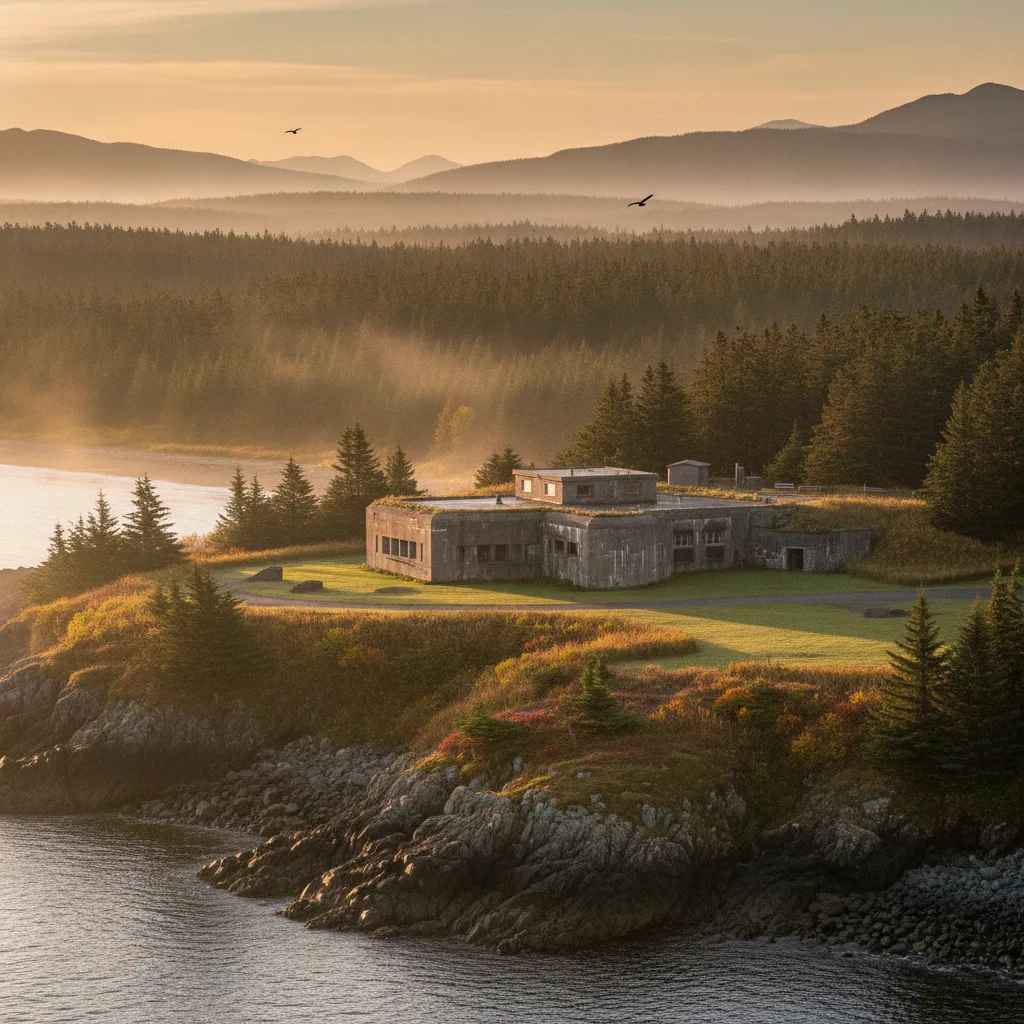
Fort Abercrombie State Historical Park Travel Guide — Alaska
Our Fort Abercrombie State Historical Park guide covers practical planning for Fort Abercrombie State Historical Park Alaska — best time to visit, getting there, and what to do on the ground.
For those seeking a truly unique Alaskan experience, where the echoes of history meet the raw beauty of the Last Frontier, we confidently recommend a journey to Fort Abercrombie State Historical Park Alaska. Located on the ruggedly beautiful Kodiak Island, this isn't just another state park; it's a living testament to a pivotal moment in American history, seamlessly integrated into a landscape teeming with wildlife and breathtaking coastal vistas. Here, moss-covered bunkers and concrete gun emplacements stand as silent sentinels, remnants of a crucial World War II coastal defense fort, inviting exploration amidst deep spruce forests, wildflower-laden meadows, and dramatic surf-pounded cliffs. We believe that understanding its past enriches the appreciation of its present, offering a profound connection to both nature and human resilience.
Why Visit Fort Abercrombie State Historical Park
We often find ourselves drawn to destinations that offer more than just pretty scenery – places that tell a story, challenge the imagination, and leave a lasting impression. Fort Abercrombie State Historical Park delivers on all fronts. This 182-acre park, established in 1969, holds the significant distinction of being a National Historic Landmark, recognized for its pivotal role as a World War II coastal defense installation.
Imagine standing where 150-200 soldiers once manned radar, searchlights, communications, and artillery, poised to defend against potential Japanese attacks on the Aleutian Islands and mainland Alaska between 1941 and 1945. While the fort never saw direct enemy fire, its strategic importance and the scale of its construction are palpable as you explore the surviving elements: massive concrete gun emplacements, underground magazines, and foundational remnants of buildings.
Beyond the captivating history, the park's natural beauty is simply unparalleled. We’ve explored countless state parks, but few offer such a dramatic juxtaposition of human history and untamed wilderness. Here, you'll discover steep, surf-pounded cliffs that plunge into the North Pacific, offering prime vantage points for spotting marine mammals like humpback, fin, gray, and orca whales, as well as harbor seals, sea lions, and sea otters. The dense Sitka spruce forests and vibrant wildflower meadows create a lush, emerald landscape, earning Kodiak its nickname, "the Emerald Isle." Birdwatchers will be delighted by the over 95 species that inhabit the park and its shores throughout the year.
Visiting Fort Abercrombie State Historical Park is an opportunity to step back in time, immerse yourself in Alaska's rich natural heritage, and gain a deeper understanding of the sacrifices made during wartime. It's a place where every trail leads to a discovery, be it a hidden bunker or a panoramic ocean view, making it an essential stop on any Alaskan itinerary.
Who It's Best For
Our team believes Fort Abercrombie State Historical Park caters to a diverse range of travelers, making it a truly inclusive destination on Kodiak Island. It's an ideal spot for history buffs eager to delve into World War II's Alaskan theater, offering tangible remnants like bunkers and gun emplacements that bring the past to life. Families will find it engaging, with plenty of space for children to explore and learn about history in an interactive outdoor setting. The park's self-guided historic walking tour and the Kodiak Military History Museum provide educational opportunities for all ages.
Outdoor enthusiasts, particularly hikers and nature lovers, will be in their element. With approximately seven miles of trails winding through spruce forests, around Lake Gertrude, and along ocean cliffs, there are options for various fitness levels. Wildlife photographers and birdwatchers will appreciate the abundant opportunities to capture stunning shots of marine mammals, seabirds, and the occasional Kodiak brown bear, especially during berry season. Anglers can enjoy trout fishing in Lake Gertrude.
Even those simply seeking a peaceful escape will find solace in the park's serene natural beauty, with numerous scenic overlooks and quiet spots for reflection. Whether you're a solo adventurer, a couple looking for a romantic backdrop, or a family on an educational trip, Fort Abercrombie State Historical Park offers something memorable for everyone.
Getting There & Parking
Reaching Fort Abercrombie State Historical Park requires a bit of planning, as it's nestled on Kodiak Island. First, you'll need to get to Kodiak. Most visitors arrive by air at Kodiak Airport (ADQ), which is served by Alaska Airlines from Anchorage. Alternatively, the Alaska Marine Highway System ferry offers a scenic journey to Kodiak from Homer, though we advise factoring in potential delays if you're on a tight schedule.
Once on Kodiak Island, the park is conveniently located just 3 to 4.5 miles northeast of the city of Kodiak. From downtown Kodiak, you'll head west on Center Street, make a right onto Rezanof Drive, and follow it for about 3.7 miles before turning right onto Abercrombie Drive, which leads directly to the park. If you're coming from Kodiak State Airport, turn right onto Rezanof Drive and follow it for approximately 8.5 miles before turning right onto Abercrombie Drive.
For those without a personal vehicle, taxis are readily available in Kodiak. A one-way ride from downtown to Fort Abercrombie State Historical Park typically costs around $20-$25 USD in 2026. We recommend arranging a specific pickup time or getting your driver's direct cell number for your return, as taxis can be in high demand, especially during cruise ship visits.
Regarding parking at Fort Abercrombie State Historical Park, a day-use fee of $5 per vehicle applies for all Kodiak road-based state parks. This can be paid with cash or check at a self-payment fee station located within the park. If you plan on frequenting Alaska's state parks throughout the year, an annual vehicle sticker is available for $60 and can be purchased online or at the Discover Kodiak Visitor Center. For those traveling in larger recreational vehicles, be aware that RVs over 20 feet in length should utilize the overflow parking area, as the campground's roads are narrow and winding, making maneuvering difficult.
The park is generally open year-round, though specific hours for facilities like the visitor center or the Kodiak Military History Museum may vary, so we always advise checking their official websites or contacting the Kodiak State Parks Headquarters for the most current 2026 information.
Top Things to Do
When planning your visit to Fort Abercrombie State Historical Park, you'll quickly realize that the park offers an exceptional blend of historical exploration and natural adventure. Our team has spent considerable time here, and we can confidently say there are myriad things to do at Fort Abercrombie State Historical Park that cater to every interest.
Explore World War II Fortifications
The primary draw for many visitors is the opportunity to explore the remnants of the World War II coastal defense fort. We recommend starting with a self-guided historic walking tour, which leads you through concrete bunkers, gun emplacements, and the sites of former buildings. You can walk inside clammy concrete bunkers, imagining the soldiers who once stood guard. Don't miss the impressive 8-inch gun mounts on Miller Point, which once housed artillery capable of firing shells 20 miles offshore. These structures offer a tangible connection to Kodiak's critical role in the Aleutian Campaign.
Visit the Kodiak Military History Museum
Housed in a restored Ready Ammunition Bunker at Miller Point, the Kodiak Military History Museum is a must-visit for a deeper dive into the fort's past. This volunteer-run museum features military artifacts, many of which are interactive. It requires a separate $5 entrance fee, which is well worth it for the insights it provides. While hours can be limited, especially outside of peak season, the museum can often be opened by appointment for groups or WWII veterans.
Hiking the Scenic Trails
Fort Abercrombie State Historical Park is a hiker's paradise, boasting approximately seven miles of trails that wind through diverse landscapes. The Miller Point coastal trail offers dramatic cliffside views, taking you through spruce forests and opening to rocky overlooks where you can spot whales offshore. For a different experience, the Lake Gertrude Trail circles a small freshwater lake, offering a quieter walk through meadows and forests. Part of this trail features a wooden boardwalk and is wheelchair accessible on its west side, making it suitable for novice hikers or those with mobility considerations.
Wildlife and Marine Mammal Viewing
The park is a fantastic spot for wildlife viewing. From Miller Point and other coastal overlooks, we've frequently observed humpback, fin, gray, and even orca whales, particularly during migration seasons. Keep an eye out for harbor seals, sea lions, and sea otters playing in the waters below. Birdwatchers will appreciate the chance to spot some of the 95+ bird species that call the park home. While less common, Kodiak brown bears do occasionally visit the park, especially during berry season, so always practice bear safety and consider carrying bear spray.
Fishing in Lake Gertrude
For those who enjoy angling, Lake Gertrude within the park is regularly stocked with land-locked Chinook or Coho salmon and rainbow trout. Fishing can be enjoyed year-round, and it's a peaceful way to spend an afternoon amidst beautiful scenery.
Beachcombing and Tidepooling
The park offers access to several beaches, perfect for beachcombing and exploring tide pools at low tide. This is a great activity for families and anyone interested in discovering the unique marine life of Kodiak's coastline.
Picnicking and Recreation
Fort Abercrombie State Historical Park provides several picnic areas, including a reservable picnic pavilion with tables, a fire ring, and a charcoal grill. There's also a volleyball court and horseshoe pit for some active fun. During the summer, the park hosts various naturalist programs, including a Junior Ranger Program for children aged seven to twelve, making these things to do at Fort Abercrombie State Historical Park even more enriching.
Best Time to Visit
Determining the best time to visit Fort Abercrombie State Historical Park largely depends on your priorities, as each season on Kodiak Island offers a distinct experience. However, for most visitors, we recommend the summer months, from June through August.
During summer, you'll experience the mildest weather, with daytime temperatures typically ranging from 50–65°F (10–18°C). This is also when Kodiak enjoys the longest daylight hours, giving you ample time to explore the park's extensive trails and historical sites. The lush spruce forests are at their most vibrant, and wildflower meadows are in full bloom, creating stunning photographic opportunities. Marine mammal viewing, including whale watching from Miller Point, is excellent during this period. Additionally, summer brings the most organized activities, such as guided interpretive walks and naturalist programs.
Spring (May) and Fall (September) can also be wonderful, offering fewer crowds and unique transitional beauty. In spring, the island awakens, and migrating birds return. Fall brings a change in foliage and can be excellent for fishing. However, these shoulder seasons can also be more unpredictable in terms of weather, with increased chances of rain and cooler temperatures.
Winter (October through April) transforms the park into a quiet, often snow-dusted landscape. While temperatures hover around freezing (33–34°F or 0–1°C) with frequent Pacific storms, the park remains open for exploration. The trails are less crowded, offering serene opportunities for wildlife spotting without disturbance. Just be prepared for rain or snow, strong ocean breezes, and shorter daylight hours. If you're seeking solitude and don't mind bundling up, a winter visit can be incredibly rewarding.
Regardless of when you choose to visit, we always advise checking the local weather forecast and being prepared for Kodiak's famously changeable maritime climate. Layers are key, and waterproof outer gear is a must for any time of year.
Where to Stay Nearby
After a day of exploring the historical fortifications and natural wonders of Fort Abercrombie State Historical Park, you'll want a comfortable place to rest and recharge. While there are no major resorts directly within the park, Kodiak Island offers a variety of lodging options just a short drive away in and around the city of Kodiak. When considering Fort Abercrombie State Historical Park lodging, we've found several excellent choices that cater to different preferences and budgets.
Hotels in Kodiak City
The city of Kodiak, located only a few miles from the park, provides the most extensive selection of hotels. The Best Western Kodiak Inn is a popular choice, often praised for its convenient downtown location, ocean-view restaurant, and complimentary breakfast and Wi-Fi. It's an excellent base for exploring both the park and other downtown attractions. Another reliable option is the Quality Inn Kodiak, known for being budget-friendly and offering free breakfast and shuttle service, especially convenient if you're arriving by air.
For those seeking a more modern stay, Kodiak Suites offers well-furnished units, some with kitchens and laundry facilities, making them ideal for longer stays or families. The Shelikof Lodge also provides comfortable accommodations with good guest ratings.
Bed & Breakfasts and Vacation Rentals
For a more intimate or unique experience, Kodiak has charming bed and breakfasts and numerous vacation rentals. The Cranky Crow Bed and Breakfast is often highlighted for its excellent hospitality and cozy atmosphere. Vacation rental platforms like Vrbo and Expedia list a wide array of options, from cozy waterfront cottages and rustic cabins to spacious private homes with stunning mountain or ocean views. These can be perfect for families or groups who prefer a home-like setting with amenities such as full kitchens and Wi-Fi.
Some unique Fort Abercrombie State Historical Park lodging options include "Awesome View Vacation Rentals" like The Captains Quarters and The Mermaid Lair, which often boast beautiful views and convenient locations. For a true wilderness feel that's still accessible, consider the "Cozy Island Lake Cabin in Kodiak."
Public Use Cabins
For a more rustic, immersive experience within or very close to the park, Alaska State Parks manages public use cabins. The Spruce Cabin, located within Fort Abercrombie State Historical Park, offers ocean views through the forest and is equipped with sleeping platforms, a table, cooktop counter, bench, and woodstove. The Monashka Cabin is another option, sometimes under renovation but available for public use. These cabins require reservations, typically made online through Reserve America, and usually incur a small transaction fee. Remember, these are not hotels, so you'll need to bring your own sleeping gear, food, and cooking supplies.
Whether you prefer the convenience of a hotel, the charm of a B&B, or the adventure of a public use cabin, Kodiak provides ample Fort Abercrombie State Historical Park lodging to suit your travel style.
Sample 2-Day Itinerary
To truly appreciate the blend of history and nature at Fort Abercrombie State Historical Park, we recommend dedicating at least two days to the area. This allows for a deeper exploration without feeling rushed. Here’s a sample 2-day itinerary crafted by our team to maximize your experience:
Day 1: History and Coastal Exploration
- Morning (9:00 AM - 12:00 PM): Fort Abercrombie's WWII Legacy
Start your day by heading directly to Fort Abercrombie State Historical Park. Begin with the self-guided historic walking tour, exploring the main fortifications on Miller Point. We suggest focusing on the concrete gun emplacements, the plotting and spotting rooms, and the generator houses. Allow ample time to read the interpretive signs that bring the wartime stories to life. Don't forget to snap that iconic photo from inside one of the bunkers overlooking Monashka Bay.
- Lunch (12:00 PM - 1:00 PM): Picnic with a View
Pack a picnic lunch to enjoy at one of the park's scenic picnic areas. The reservable picnic pavilion offers tables and grills, or you can find a quiet spot along the cliffs with breathtaking ocean views.
- Afternoon (1:00 PM - 4:00 PM): Kodiak Military History Museum & Coastal Trails
After lunch, visit the Kodiak Military History Museum, housed in a restored ammunition bunker. This museum offers a fascinating collection of artifacts and exhibits that provide context to the fort's operations. Following your museum visit, take to the coastal trails, specifically the Miller Point trail. This path winds through spruce forests and opens to dramatic rocky overlooks, perfect for whale watching with binoculars.
- Late Afternoon (4:00 PM - 6:00 PM): Beachcombing or Lake Gertrude
Depending on the tide, head down to one of the park's beaches for some beachcombing and tidepooling. Alternatively, if you prefer a calmer setting, stroll along a section of the Lake Gertrude Trail, enjoying the serene freshwater lake and surrounding meadows.
- Evening: Dinner in Kodiak
Return to Kodiak city for dinner. Options like the Chart Room at the Best Western Kodiak Inn offer ocean views and local cuisine.
Day 2: Nature, Trails, and Local Culture
- Morning (9:00 AM - 12:00 PM): Fort Abercrombie State Historical Park Hiking Trails
Dedicate your second morning to exploring more of the Fort Abercrombie State Historical Park hiking trails. We recommend tackling a longer loop that combines sections of the Miller Point and Lake Gertrude trails to experience the full ecological diversity of the park. Keep an eye out for wildlife, from diverse bird species to potentially a Kodiak brown bear (remember your bear safety!). The varied terrain, from dense forest to open cliffs, makes for a rewarding hike.
- Lunch (12:00 PM - 1:00 PM): Local Eatery in Kodiak
Head back into Kodiak for lunch at a local cafe or restaurant. Perhaps try some fresh Alaskan seafood.
- Afternoon (1:00 PM - 5:00 PM): Kodiak City Exploration & Nearby Parks
Spend your afternoon exploring the cultural side of Kodiak. Visit the Alutiiq Museum to learn about the island's rich indigenous heritage, or the Kodiak History Museum. If time allows and you have a vehicle, consider a short drive to the Kodiak National Wildlife Refuge Visitor Center (not to be confused with the refuge itself, which requires flightseeing for bear viewing) to learn about the famous Kodiak brown bears and the island's ecosystem.
- Evening: Relax and Reflect
Enjoy a relaxed evening, perhaps with a final stroll along the harbor or a quiet dinner, reflecting on the unique history and stunning natural beauty you've experienced at Fort Abercrombie State Historical Park and Kodiak Island.
Last updated: 2026-07-05 by the Roam States team.