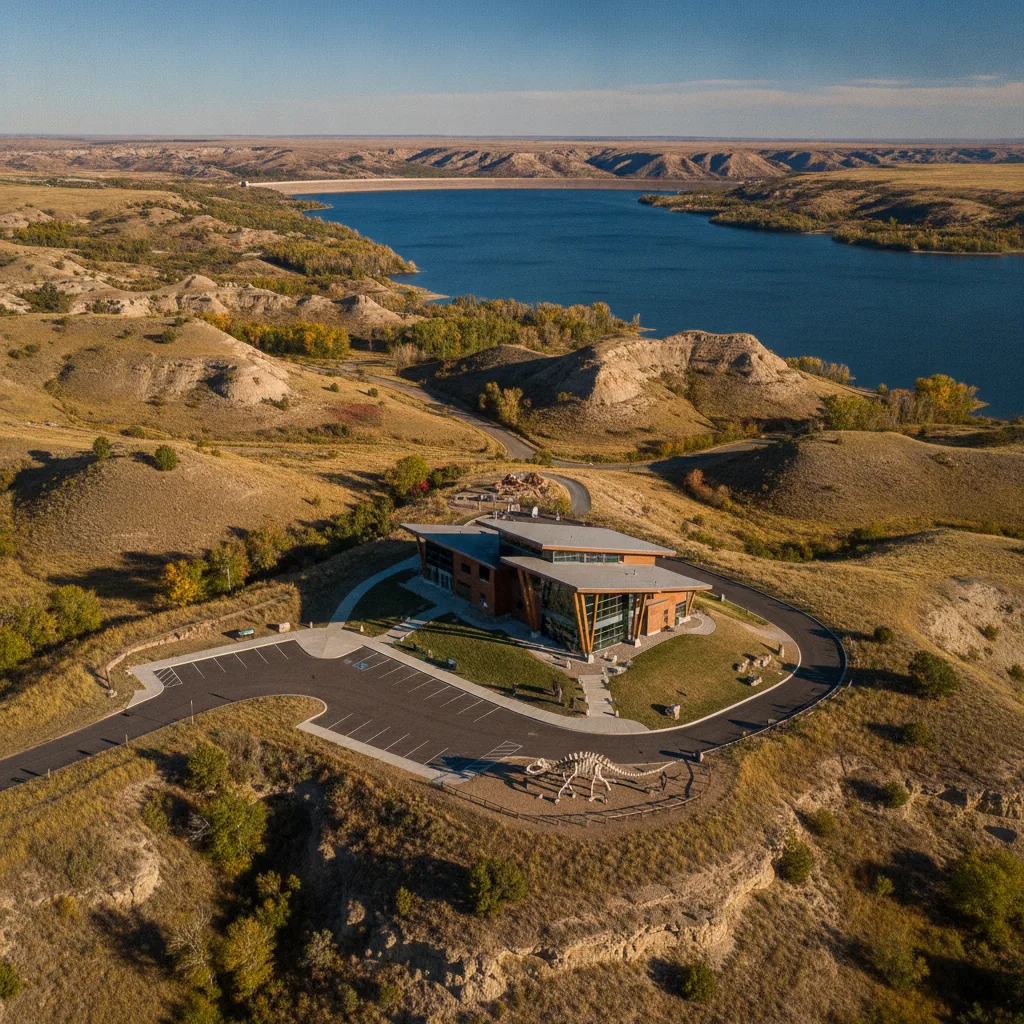
Fort Peck Interpretive Center & Museum Travel Guide — Montana
Our Fort Peck Interpretive Center & Museum guide covers practical planning for Fort Peck Interpretive Center & Museum Montana — best time to visit, getting there, and what to do on the ground.
For those seeking a genuine glimpse into Montana's monumental history, the Fort Peck Interpretive Center & Museum Montana stands as an essential stop. We've compiled this comprehensive guide to ensure your visit is as enriching and seamless as possible, steering clear of generic advice to give you the specific, actionable insights you need for an unforgettable journey to this remarkable destination.
Why Visit Fort Peck Interpretive Center & Museum
We consider the Fort Peck Interpretive Center & Museum a cornerstone of understanding both the natural and human history that shaped northeastern Montana. This isn't just another small-town museum; it's a deep dive into the colossal undertaking of building the Fort Peck Dam, its profound and lasting impact on the region, and the ancient natural history of the Missouri River. The center, a collaborative effort between the U.S. Army Corps of Engineers and the U.S. Fish & Wildlife Service, offers a compelling narrative that spans millions of years.
The exhibits here are truly captivating. You'll be greeted by a life-size, fleshed-out model of "Peck's Rex," a Tyrannosaurus Rex discovered just 20 miles southeast of Fort Peck in 1997. A full skeleton cast of this impressive dinosaur is also on display, alongside other significant regional paleontology exhibits, including a detailed Cretaceous Sea display that transports you back to a time when Montana was covered by an ancient ocean.
Beyond the prehistoric, the museum meticulously documents the construction of the Fort Peck Dam, a monumental New Deal project that transformed the landscape and provided employment for thousands during the Great Depression. We find the firsthand accounts and archival photographs particularly moving, illustrating the sheer scale of human endeavor involved in creating the largest hydraulically filled dam in the United States.
The center also houses two of Montana's largest freshwater aquariums, showcasing the diverse fish species inhabiting Fort Peck Lake and the Missouri River. These vibrant displays offer a living connection to the aquatic ecosystems that thrive here today. During the summer months, the Fort Peck Interpretive Center & Museum enhances its offerings with interpretive programs, hands-on children's activities, and guided nature walks, making it a dynamic educational experience for all ages.
Who It's Best For
Our team believes the Fort Peck Interpretive Center & Museum is ideal for a wide array of visitors, particularly those with a keen interest in history, paleontology, engineering, and natural science. Families will find it exceptionally engaging, thanks to interactive exhibits and the awe-inspiring presence of "Peck's Rex." The hands-on children's activities offered during the summer ensure that younger visitors remain captivated and learn through exploration.
History buffs will appreciate the in-depth coverage of the Fort Peck Dam's construction, a pivotal moment in American infrastructure and economic recovery during the Great Depression. The detailed archives and personal stories provide a profound understanding of this era.
Nature enthusiasts and wildlife observers will also be drawn to the center's focus on the Missouri River ecosystem and the Charles M. Russell National Wildlife Refuge. The aquariums and wildlife exhibits offer valuable insights into the local flora and fauna, serving as an excellent prelude to exploring the vast outdoor recreation opportunities in the surrounding area. Furthermore, its inclusion on the Montana Dinosaur Trail makes it a must-visit for dinosaur enthusiasts and those exploring the state's rich paleontological heritage.
Getting There & Parking
Understanding how to get to Fort Peck Interpretive Center & Museum is straightforward, though it requires a bit of driving through Montana's expansive landscapes. The center is conveniently located 1.5 miles east of the town of Fort Peck, at 157 Yellowstone Road, adjacent to the powerhouses of the Fort Peck Dam.
If you're approaching from U.S. Highway 2, the primary east-west route through northern Montana, you'll turn south onto Montana Highway 117. Follow this for approximately 10 miles, then continue straight onto Yellowstone Road. The Interpretive Center will be about 1.5 miles further down Yellowstone Road.
Parking at the Fort Peck Interpretive Center & Museum is readily available on-site and, importantly, is free of charge. We found ample space for visitors, making access hassle-free. Adjacent to the center, you'll also find the Downstream Campground and Kiwanis Park Day Use Area, which offer additional amenities like picnic shelters and playground equipment, all easily accessible from the center's parking area.
Top Things to Do
There are numerous things to do at Fort Peck Interpretive Center & Museum and in the surrounding area, ensuring a visit filled with discovery and outdoor adventure. Our team recommends allocating ample time to fully explore the offerings.
At the Fort Peck Interpretive Center & Museum:
- Encounter Peck's Rex: The centerpiece of the museum is undoubtedly "Peck's Rex," a life-size model and skeleton cast of the Tyrannosaurus Rex discovered nearby. This is one of the most complete T-Rex fossils ever found, and it's truly magnificent.
- Delve into Paleontology: Beyond Peck's Rex, explore other fascinating regional paleontology displays, including a Struthiomimus skeleton and a captivating Cretaceous Sea exhibit featuring ancient marine reptiles. The Fort Peck Interpretive Center is a proud stop on the Montana Dinosaur Trail.
- Understand Dam Construction: Immerse yourself in the history of the Fort Peck Dam. Exhibits detail the engineering marvel, the daily lives of the thousands of workers during the Great Depression, and the dam's lasting legacy.
- Explore Aquatic Life: Witness the diverse fish species of Fort Peck Lake and the Missouri River in the center's two largest freshwater aquariums in Montana. It's a fantastic way to connect with the living ecosystem of the region.
- Participate in Programs: Especially during the summer, look for interpretive programs, hands-on children's activities, and nature walks designed to deepen your understanding of the area's natural and cultural heritage.
Things to do in Fort Peck and Beyond:
- Visit the Fort Peck Dam: Drive across this massive structure, the largest hydraulically filled dam in the United States. While powerhouse tours are currently unavailable due to health and safety concerns, the sheer scale of the dam is impressive.
- Explore Fort Peck Lake: As the fifth largest artificial lake in the U.S., Fort Peck Lake offers unparalleled opportunities for boating, fishing (known for walleye, northern pike, and Chinook salmon), and other water sports. Its 1,520-mile shoreline is longer than California's coastline.
- Hike or Bike Nature Trails: A three-mile paved nature trail runs adjacent to the Interpretive Center, perfect for birding and wildlife viewing. Other trails are available in the surrounding Charles M. Russell National Wildlife Refuge.
- Wildlife Viewing: The Charles M. Russell National Wildlife Refuge, which surrounds Fort Peck Lake, is a haven for wildlife. Look for mule deer, elk, bighorn sheep, pronghorn, and a vast array of bird species. The Leo B. Coleman Wildlife Pasture, near the town, is home to Fort Peck's bison herd.
- Attend a Performance at the Fort Peck Summer Theatre: This historic theatre, built in 1934, offers live performances during the summer season, providing a unique cultural experience in a beautifully restored venue.
- Camp at Downstream Campground: Located just below the dam, this U.S. Army Corps of Engineers campground offers full hookup sites and is a popular spot for fishing and summer recreation. Reservations for 2026 are open via recreation.gov.
- Visit the Fort Peck State Fish Hatchery: Learn about the efforts to stock Fort Peck Lake and other waterways with various fish species.
- Lewis and Clark Observation Point: Just northeast of Fort Peck, this vantage point offers breathtaking views where the Missouri and Milk Rivers meet, along with vistas of Milk Coulee Bay and Fort Peck Lake.
Best Time to Visit
Based on our research and experience, the best time to visit the Fort Peck Interpretive Center & Museum and the surrounding area is during the **summer months**, specifically from late May through early September.
During this period, the Fort Peck Interpretive Center & Museum operates on its most extensive schedule, being open Friday, Saturday, Sunday, and Monday from 9:00 AM to 4:00 PM. This allows for maximum flexibility in planning your visit. Summer also brings the full complement of interpretive programs, hands-on children's activities, and nature walks, enriching the educational experience.
Beyond the museum, summer is when the Fort Peck Lake area truly comes alive for outdoor recreation. The weather is generally warm and conducive to boating, fishing, hiking, and wildlife viewing. The Fort Peck Summer Theatre also hosts its performance season during these months, adding a cultural highlight to your trip.
While the center may be open by appointment on weekdays outside of the summer season (requiring 24 hours advance notice), the full range of activities and the vibrancy of the region are best experienced when the weather is favorable and all facilities are operating at peak capacity.
Where to Stay Nearby
When planning your trip to the Fort Peck Interpretive Center & Museum, finding suitable lodging is key to a comfortable and convenient experience. While Fort Peck itself is a small community, there are several options available, and a wider selection in the nearby town of Glasgow.
Fort Peck Interpretive Center & Museum Lodging Options:
- The Historic Fort Peck Hotel: This charming wooden hotel, built in the 1930s, offers a step back in time. It's listed on the National Register of Historical Buildings and provides lodging, fine dining, and a lounge. Many rooms feature a double and single bed, with some offering claw-foot tubs. It's a truly unique stay, filled with history and within minutes of the lake and wildlife refuge.
- Lakeridge Motel and Tackle: Another option directly in Fort Peck, this motel provides convenient accommodation, often catering to those looking to fish and explore the lake.
- Vacation Rentals: For those seeking more space or a home-away-from-home feel, several cabin rentals and vacation lodges are available in Fort Peck and the surrounding area. Options range from waterfront guesthouses to larger homes suitable for families or groups.
- Downstream Campground: For a more immersive outdoor experience, the U.S. Army Corps of Engineers operates the Downstream Campground just below the Fort Peck Dam. It offers full hookup sites and is a popular spot for campers. Reservations for the 2026 season are open and can be made through recreation.gov.
Lodging in Glasgow (approximately 15 miles from Fort Peck Interpretive Center & Museum):
Glasgow, a larger community, offers more conventional hotel and motel choices, which many previous clients have enjoyed. These include:
- Cottonwood Inn & Suites: A popular choice offering comfortable accommodations.
- Campbell Lodge: Known for being surprisingly quiet and reasonably priced.
- Rundle Suites: Offers excellent guest ratings and a positive experience.
- Rustic Lodge: Another good option for a comfortable stay in Glasgow.
When considering Fort Peck Interpretive Center & Museum lodging, we recommend booking in advance, especially during the peak summer season, to secure your preferred accommodation.
Sample 2-Day Itinerary
To help you make the most of your visit, our team has crafted a sample 2-day itinerary, focusing on the Fort Peck Interpretive Center & Museum and the rich experiences available in the surrounding area.
Day 1: Dam History, Dinosaurs, and Wildlife
- Morning (9:00 AM - 1:00 PM): Fort Peck Interpretive Center & Museum Deep Dive
Start your day at the Fort Peck Interpretive Center & Museum Montana. Dedicate a good portion of your morning to exploring the various exhibits. Begin with the awe-inspiring "Peck's Rex" displays, then move through the paleontology section, including the Cretaceous Sea exhibit. Spend time understanding the monumental history of the Fort Peck Dam's construction, viewing the archival photographs and worker accounts. Don't miss the aquariums showcasing local fish species. We recommend allowing at least 3-4 hours here to fully absorb the information and engage with the exhibits. - Lunch (1:00 PM - 2:00 PM): Picnic by the Dam or Local Fare
Enjoy a picnic lunch at the Kiwanis Park Day Use Area, adjacent to the Interpretive Center, which offers picnic shelters and scenic views. Alternatively, grab a casual meal at the Fort Peck Marina or Gateway Bar & Grill in Fort Peck. - Afternoon (2:00 PM - 5:00 PM): Fort Peck Dam and Wildlife Drive
After lunch, drive across the impressive Fort Peck Dam itself, taking in the panoramic views of Fort Peck Lake and the Missouri River. Then, embark on a scenic drive through the Leo B. Coleman Wildlife Pasture, located near the town of Fort Peck and Downstream Campground, to spot the resident bison herd and other local wildlife. Consider a stop at the Fort Peck State Fish Hatchery to learn about fish stocking efforts. - Evening (6:00 PM onwards): Historic Dining and Theatre
Dine at The Historic Fort Peck Hotel, which offers fine dining in a beautifully preserved 1930s setting. After dinner, catch a performance at the Fort Peck Summer Theatre, a cultural gem that hosts various productions during the summer months. - Overnight: Stay at The Historic Fort Peck Hotel for a unique experience or the Lakeridge Motel and Tackle. Alternatively, set up camp at the Downstream Campground.
Day 2: Lake Exploration and Natural Wonders
- Morning (8:00 AM - 12:00 PM): Fort Peck Lake Adventures
Dedicate your second morning to experiencing Fort Peck Lake. Rent a boat from the Fort Peck Marina for fishing (walleye and northern pike are popular catches) or simply cruising the vast waters. For those who prefer land, explore the three-mile paved nature trail adjacent to the Interpretive Center, which is excellent for birding and gentle hiking. - Lunch (12:00 PM - 1:00 PM): Lakeside Refreshment
Pack a picnic to enjoy by the lake or grab a bite at the Fort Peck Marina or Paradise Point Marina & RV Resort if you're on the water. - Afternoon (1:00 PM - 5:00 PM): Charles M. Russell National Wildlife Refuge Exploration
Venture into the expansive Charles M. Russell National Wildlife Refuge. This 1.1-million-acre refuge offers incredible opportunities for wildlife viewing, photography, and more rugged hiking. Keep an eye out for elk, deer, bighorn sheep, and various bird species. The remote nature of the refuge provides a true sense of Montana's wild beauty. - Late Afternoon (5:00 PM - 6:00 PM): Scenic Overlook and Departure Prep
Before heading out, visit the scenic overlook just east of the dam on Montana Highway 24 for one last breathtaking view of Fort Peck Lake and the surrounding landscape, with interpretive panels detailing the Lewis and Clark journey through the area. - Evening: Depart for your next US travel destination, perhaps heading west towards Glacier National Park or south towards Yellowstone National Park (North), carrying memories of Montana's "Big Sky Country."
Is It Worth Visiting?
Our resounding answer is yes, the Fort Peck Interpretive Center & Museum is worth visiting. For travelers seeking an authentic and educational experience away from the more crowded tourist hubs, this destination offers a unique blend of natural history, engineering marvels, and cultural insights.
The free admission to the Fort Peck Interpretive Center & Museum makes it an incredibly accessible and valuable stop for any budget-conscious traveler. You're getting world-class paleontology exhibits, including one of the most complete Tyrannosaurus rex skeletons ever found ("Peck's Rex"), alongside comprehensive historical displays about the Fort Peck Dam, all without an entry fee.
Beyond the cost, the sheer scope of what you can learn and experience here is impressive. From the ancient past of dinosaurs and the Cretaceous Sea to the monumental human effort of building the dam during the Great Depression, the center provides a rich narrative. The aquariums and wildlife exhibits connect you to the living environment of the Missouri River and the vast Charles M. Russell National Wildlife Refuge. For anyone interested in the intersection of geology, ecology, and human ingenuity, the Fort Peck Interpretive Center & Museum offers a deeply rewarding visit.
FAQ
Fort Peck Interpretive Center & Museum with kids
Absolutely! The Fort Peck Interpretive Center & Museum is an excellent destination for families with children. The life-size model and skeleton cast of "Peck's Rex" are huge hits with kids, sparking their imagination about dinosaurs. The center also offers engaging, hands-on children's activities and interpretive programs, especially during the summer months, making learning fun and interactive. The aquariums with local fish species also captivate young visitors.
Best hotels near Fort Peck Interpretive Center & Museum
For convenience, the Historic Fort Peck Hotel and the Lakeridge Motel and Tackle are located directly in Fort Peck. The Fort Peck Hotel offers a unique, historic experience. If you prefer more options, Glasgow, about 15 miles away, has several well-regarded hotels such as the Cottonwood Inn & Suites, Campbell Lodge, Rundle Suites, and Rustic Lodge. For an outdoor experience, the Downstream Campground offers full hookup sites.
Fort Peck Interpretive Center & Museum tips
We recommend visiting during the summer (May 22 - Sept 7) for the most extensive operating hours (Fri-Mon, 9 AM - 4 PM) and access to all programs. Admission is free. Wear comfortable shoes if you plan to explore the adjacent nature trails. Bring binoculars for wildlife viewing around the dam and lake. Consider combining your visit with a performance at the Fort Peck Summer Theatre or a fishing trip on Fort Peck Lake.
Where to stay near Fort Peck Interpretive Center & Museum
Your primary options for Fort Peck Interpretive Center & Museum lodging are in the town of Fort Peck itself, including the historic Fort Peck Hotel and the Lakeridge Motel and Tackle. For camping, the Downstream Campground is a popular choice with full hookups. A wider selection of hotels and motels, including the Cottonwood Inn & Suites and Rundle Suites, can be found in Glasgow, approximately 15 miles away.
Fort Peck Interpretive Center & Museum parking
Parking at the Fort Peck Interpretive Center & Museum is free and readily available on-site. The center is located at 157 Yellowstone Road, adjacent to the powerhouses, with ample space for visitors. You'll find it convenient and easy to access.
Best time to visit Fort Peck Interpretive Center & Museum
The best time to visit the Fort Peck Interpretive Center & Museum is during the summer season, from May 22 through September 7, 2026, when it is open Friday through Monday from 9:00 AM to 4:00 PM. This period offers the full range of exhibits, programs, and optimal weather for exploring Fort Peck Lake and the surrounding outdoor attractions.
Conclusion
Our journey to the Fort Peck Interpretive Center & Museum Montana confirmed its status as a destination of profound historical and natural significance. From the colossal scale of the Fort Peck Dam to the ancient echoes of "Peck's Rex," this independent US travel authority confidently recommends a visit. We found it to be a place that not only educates but truly inspires, offering a unique window into the resilience of both nature and humanity in the heart of Montana's "Big Sky Country." Plan your trip, embrace the wide-open spaces, and discover the remarkable stories waiting for you.
Last updated: 2026-07-07 by the Roam States team.