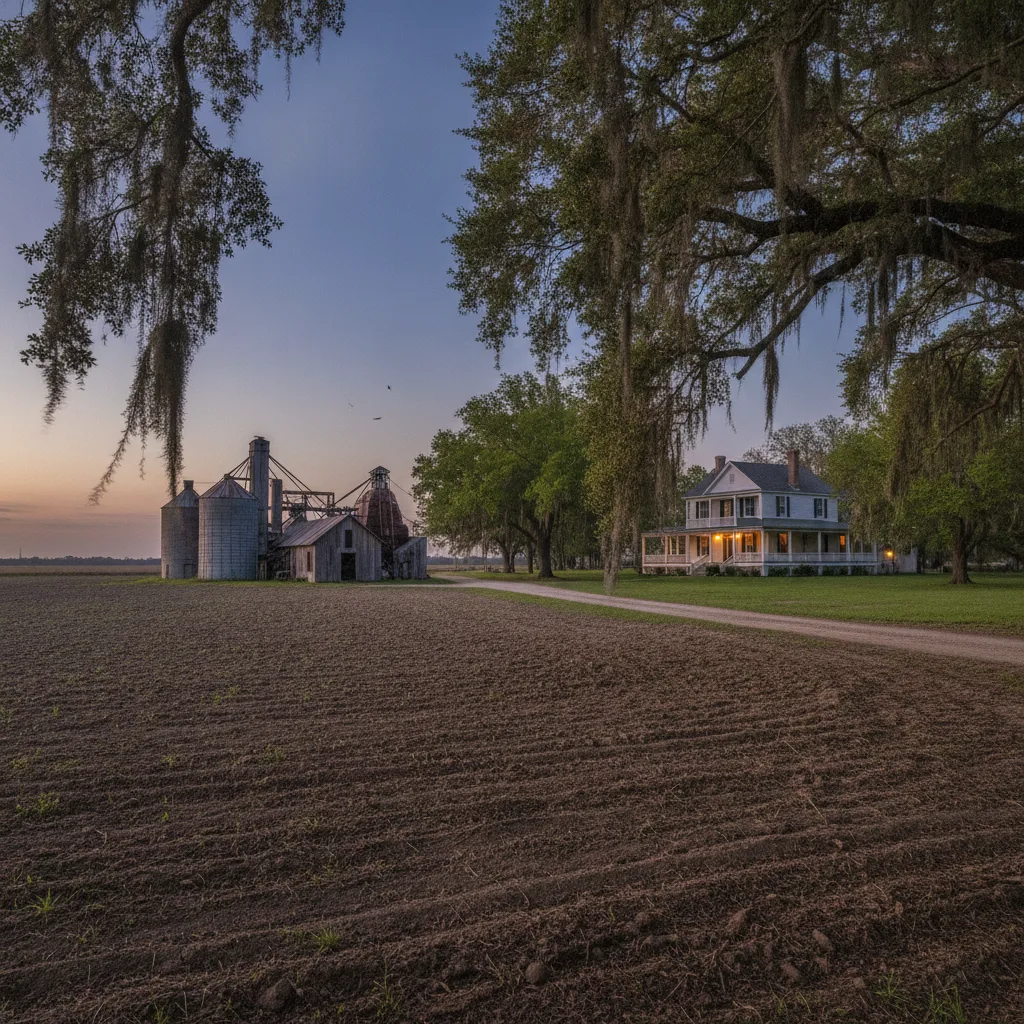
Our Frogmore Cotton Plantation and Gins guide covers practical planning for Frogmore Cotton Plantation and Gins Louisiana — best time to visit, getting there, and what to do on the ground. We've meticulously researched every detail to ensure your trip is as enriching and seamless as possible, from understanding the historical context to navigating the plantation's modern operations.
Why Visit Frogmore Cotton Plantation and Gins
We often field questions about which historical sites truly deliver an authentic and impactful experience. For us, Frogmore Cotton Plantation and Gins Louisiana stands out as an essential pilgrimage for anyone seeking a profound understanding of the American South's complex agricultural and social history. This isn't just a preserved landmark; it's a living, breathing testament to over two centuries of cotton production, from the antebellum era to the present day. What makes Frogmore truly unique among Southern plantations is its dual identity as both a historical museum and a continuously working 1,800-acre cotton farm.
Our team believes that to truly grasp the narrative of cotton in Louisiana, you must witness its evolution firsthand. At Frogmore, you'll encounter 19 restored antebellum buildings, some dating back to the late 1700s, offering an intimate glimpse into the past. A highlight is the Smithsonian-quality, steam-powered cotton gin from 1884, a rare piece of industrial history listed on the National Register. This historical machinery is then starkly contrasted with a state-of-the-art, computerized cotton gin that processes up to 900 bales daily during harvest season. This "Cotton, Then and Now" approach provides unparalleled context, showing how the labor-intensive past transitioned into the mechanized present.
Beyond the agricultural innovations, Frogmore offers an unflinching look at the lives of enslaved persons who were fundamental to the plantation's operation. Through guided tours and authentically furnished cabins, visitors gain insight into their daily routines, customs, and even the secret songs they used for communication. The plantation also delves into the impact of the Civil War, the era of sharecropping, and the ongoing legacy of these historical periods. It's a comprehensive, often challenging, but ultimately vital educational experience that Rand McNally has rightly recognized as a "Must See Site" in the South.
Who It's Best For
Frogmore Cotton Plantation and Gins is ideal for history enthusiasts, educators, and anyone with a keen interest in American agriculture, industrial innovation, and the profound social history of the South. Our team finds that it particularly resonates with those who appreciate a hands-on, immersive learning experience rather than a superficial overview. If you're looking for a destination that doesn't shy away from the complexities of the past, including the realities of slavery and its aftermath, this is for you.
Families with older children and teenagers will find the educational tours engaging, offering a tangible connection to textbook history. The opportunity to pick cotton in the fields (available mid-July through April) provides a memorable, interactive element. While younger children might enjoy the open spaces and the chance to see farm equipment, the depth of the historical narratives is best appreciated by those mature enough to process sensitive topics. We also recommend it for researchers and students of Southern culture, as the plantation's extensive archives and reliance on former slave narratives offer rich primary source material.
Accessibility is a priority at Frogmore, with complimentary golf carts available for visitors with impaired mobility, ensuring that everyone can experience the guided tours through the various historical buildings. Multilingual tours (English, Spanish, French, German, and Italian) also make it welcoming for international visitors. If you're someone who values a comprehensive, unvarnished, and deeply informative historical journey, Frogmore Cotton Plantation and Gins will exceed your expectations.
Getting There & Parking
Navigating to Frogmore Cotton Plantation and Gins is straightforward, as it's conveniently located on U.S. Highway 84 in Frogmore, Louisiana. The official address is 11656 U.S. 84, Frogmore, LA 71334. This places it near the town of Ferriday, Louisiana, and approximately a 20-minute drive west of Natchez, Mississippi. For those traveling from further afield, it's about 45 minutes east of Pineville, LA, accessible via LA 28 to U.S. 84 East.
Our team always advises travelers to factor in driving time, especially if combining a visit with other Louisiana attractions like the historic French Quarter in New Orleans, which is a considerably longer drive south. Frogmore is situated in the heart of the Mississippi Delta, offering a scenic drive through agricultural landscapes. We recommend using a GPS for precise directions, but the location on a major highway makes it easy to spot.
Regarding parking at Frogmore Cotton Plantation and Gins, visitors will find ample space available on-site. This includes dedicated bus parking, making it convenient for large groups and tour operators. There are no specific fees mentioned for parking, and we've found that the facilities are well-maintained. Just follow the signage upon arrival. While the plantation is generally accessible, be aware that nature trails, if you choose to explore them, might be challenging after heavy rains.
Top Things to Do
A visit to Frogmore Cotton Plantation and Gins offers a rich tapestry of experiences, blending deep historical immersion with the realities of modern agriculture. Our team has identified the top things to do at Frogmore Cotton Plantation and Gins to ensure you make the most of your time:
- Take the "Cotton, Then and Now" Tour: This is the flagship experience, a 1.5-hour guided tour that takes you on a journey from the 1700s to the present day. You'll explore 19 authentically restored antebellum buildings, including slave cabins, an overseer's cottage, and a plantation store. The tour culminates with a look at the modern, computerized cotton gin, providing a powerful contrast between historical and contemporary farming methods. This comprehensive tour is truly one of the best things to do in Frogmore.
- Explore the Lives of Enslaved Persons: A crucial part of the "Cotton, Then and Now" tour, this segment focuses on the daily lives, customs, and struggles of the enslaved people who lived and worked on the plantation. Guides use first-hand narratives and historical archives to paint a vivid picture, often including discussions of secret songs used for communication and the blending of African and European cuisine.
- Witness the Steam Gin in Action (or via video): The rare 1884 Munger steam-powered cotton gin is a National Register-listed marvel. While the modern gin operates from mid-September to the end of October, a comprehensive video shows the historical gin in full swing during other times of the year, demonstrating its intricate workings.
- Pick Cotton in the Fields: From mid-July through April, visitors have the unique opportunity to pick cotton directly from the fields, offering a tangible connection to the crop that shaped the region's history.
- Learn About the Civil War's Impact: Opt for "The Plantation Civil War: Challenges and Changes" tour (1.5 hours) for an in-depth look at how the conflict affected plantations, owners, and enslaved individuals, including Frogmore's role as a Union encampment site.
- Discover Modern Cotton Farming: The "Modern Ginning and Farming" tour (30 minutes) focuses specifically on the high-tech, computerized operations of today's working cotton farm. You'll see how technology has transformed planting, harvesting, and ginning.
- Experience the Delta Music Tour (Group Only, Reservation Required): For groups, this 2.5-hour tour is a highlight, featuring rhythm and song in the rare 1800s plantation church. Vocalists blend African cultural songs with hymns, and guests can interactively learn about "double voicing" lyrics used for communication. This is another one of the unique things to do at Frogmore Cotton Plantation and Gins.
- Visit the Plantation Store: Before you leave, browse the authentically furnished 1800s sharecropper store and gift shop for souvenirs and a deeper sense of the post-Civil War economy.
- Explore Native American Mounds: Frogmore Plantation was built near ancient Native American mounds, one of which measures 14 feet high and 200 feet long. It's part of the state's Ancient Mounds Heritage Area and Trails, offering a glimpse into even earlier history.
Best Time to Visit
Choosing the best time to visit Frogmore Cotton Plantation and Gins can significantly enhance your experience, especially if you're keen to see specific aspects of the working farm. Our team has analyzed the seasonal variations to provide clear recommendations.
If your primary goal is to witness the modern cotton gin in full operation, the ideal window is from **mid-September through the end of October**. During this fall harvest season, you'll see the computerized gin actively processing cotton, a truly impressive display of modern agriculture. This period also often coincides with pleasant weather, making outdoor exploration comfortable.
For visitors who want to experience picking cotton by hand, the fields have cotton available from **mid-July through April**. So, if a hands-on historical activity is a priority, late summer through spring offers this unique opportunity.
Generally, the **spring (March 1 - May 31)** and **fall (September 1 - November 15)** seasons offer the most comfortable temperatures for touring the outdoor historical buildings and walking the grounds. The plantation's hours during these periods are typically Monday through Friday from 9 am to 3 pm, with some Saturdays available in early spring and fall.
Summer months (June, July, August) can be quite hot and humid in Louisiana, with hours often adjusted to 9 am to 1 pm on weekdays. While tours are still available, we recommend planning your visit for earlier in the morning during this season to avoid the peak heat. The plantation is closed on July 4th.
Winter hours vary, and the site is typically closed from November to January each year, particularly for its nature trails. We always advise calling ahead (318-757-2453) or checking their official website for the most up-to-date hours, especially if you're traveling long distances or visiting during the winter months. Reservations are required for groups of 20 or more and for the Delta Music Tour.
Where to Stay Nearby
While Frogmore Cotton Plantation and Gins is a destination in itself, there are no on-site lodging options. Our team recommends staying in nearby towns that offer a range of accommodations to suit different preferences and budgets. The closest major hub with a good selection of hotels is Natchez, Mississippi, just a short drive across the Mississippi River.
Natchez, approximately 20-30 minutes east of Frogmore, is renowned for its antebellum architecture and charming bed and breakfasts. Staying in Natchez allows you to extend your historical immersion, exploring its grand mansions and vibrant downtown. You'll find a mix of chain hotels, boutique inns, and historic B&Bs there. For those seeking a more local, small-town experience with Frogmore Cotton Plantation and Gins lodging nearby, Ferriday, Louisiana, is even closer, though its lodging options may be more limited.
Further afield, if you're planning a broader tour of Louisiana, you might consider staying in Alexandria or Pineville, which are about 45 minutes to an hour away to the west. These cities offer more commercial lodging choices, including various hotel chains and dining establishments. While farther, they could serve as a convenient base if you're exploring attractions in central Louisiana, such as Kent Plantation in Alexandria.
When considering Frogmore Cotton Plantation and Gins lodging, we always suggest booking accommodations in advance, especially during peak travel seasons like spring and fall, when the weather is most favorable for touring. Look for hotels that offer amenities like complimentary breakfast and easy access to Highway 84 for a smooth commute to the plantation.
Sample 2-Day Itinerary
To fully appreciate the depth of history and culture surrounding Frogmore Cotton Plantation and Gins, we recommend dedicating at least two days to the area. Here’s a sample itinerary crafted by our team to maximize your experience:
Day 1: Immersion at Frogmore Cotton Plantation and Gins
- Morning (9:00 AM - 1:00 PM): Arrive at Frogmore Cotton Plantation and Gins Louisiana. Begin your visit with the comprehensive "Cotton, Then and Now" tour. This 1.5-hour guided experience will take you through the historical buildings, slave cabins, and the rare steam gin, contrasting it with the modern computerized gin. This is an essential introduction to the plantation's history and ongoing operations. Allow extra time to independently explore the grounds and pick cotton if it's mid-July through April.
- Lunch (1:00 PM - 2:00 PM): Enjoy a picnic lunch on the plantation grounds, overlooking the cotton fields, or head to a local eatery in Ferriday for some regional flavor.
- Afternoon (2:00 PM - 4:00 PM): Delve deeper into specific historical aspects. Consider the "Plantation Civil War: Challenges and Changes" tour for a focused look at the war's impact on the region and the plantation. Alternatively, revisit certain exhibits or spend more time reflecting in the authentically furnished slave cabins.
- Late Afternoon (4:00 PM - 5:00 PM): Browse the plantation store for unique souvenirs and educational materials.
- Evening: Drive to Natchez, Mississippi (approx. 20-30 minutes), check into your chosen accommodation. Enjoy dinner at one of Natchez's historic restaurants, perhaps a Southern comfort food spot or a fine dining establishment in an antebellum mansion.
Day 2: Exploring Natchez and Beyond
- Morning (9:00 AM - 12:00 PM): Spend the morning exploring the historic charm of Natchez, Mississippi. Take a guided tour of one of its famous antebellum mansions, such as Longwood or Stanton Hall, to gain further insight into the wealth and society of the Old South. Stroll along the bluff overlooking the Mississippi River.
- Lunch (12:00 PM - 1:00 PM): Have lunch in Natchez, perhaps at a café downtown or a casual spot with a view.
- Afternoon (1:00 PM - 5:00 PM): Depending on your interests and onward travel plans, you have a few options:
- Option A (More History): Head back into Louisiana to explore other significant historical sites. Consider a visit to the Whitney Plantation, known for its powerful focus on the lives of enslaved people, or Oak Alley Plantation, famous for its stunning oak-lined avenue. Both are further south but offer different perspectives on plantation history.
- Option B (Nature and Wildlife): Explore the natural beauty of the region. The Frogmore Plantation itself is located in the northernmost reaches of the Atchafalaya National Basin, the largest river swamp in the U.S., known for birdwatching. You could also visit nearby Lake Bruin State Park.
- Option C (Civil War Focus): For those deeply interested in the Civil War, consider visiting other sites in Louisiana mentioned as nearby in search results, such as Fort DeRussy State Historic Site in Marksville or Grant's Canal in Lake Providence.
- Evening: Depart for your next destination, perhaps continuing your journey through the Best places in Louisiana, or enjoy another evening in Natchez.
Last updated: 2026-07-05 by the Roam States team.