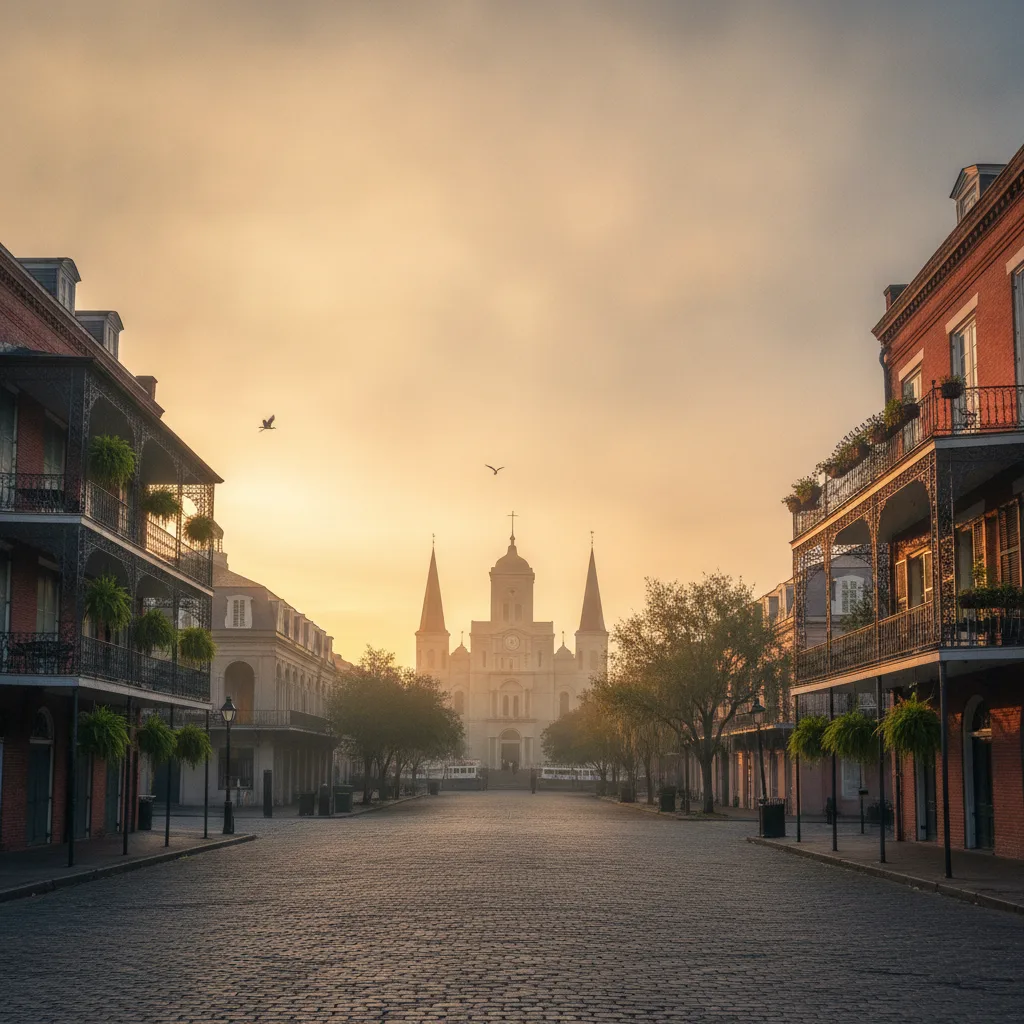
As the Visit America editorial team, we know that some destinations simply demand a dedicated guide, and the French Quarter in New Orleans, Louisiana, is unequivocally one of them. This is not just another neighborhood; it's the historic heart of a city unlike any other, a place where centuries of culture, music, and culinary traditions converge into an experience that is both intoxicating and unforgettable.
Why Visit French Quarter
If you've ever wondered, "is French Quarter worth visiting?", our answer is an emphatic yes. This iconic district is where New Orleans began, a vibrant tapestry woven from French, Spanish, and African influences that shaped its unique identity. From the moment you step onto its cobblestone streets, you're immersed in a living museum of ornate architecture, wrought-iron balconies, and the ever-present sounds of jazz. It's a place that engages all your senses, offering a profound connection to American history and a lively, celebratory atmosphere that's truly infectious. The French Quarter isn't just a collection of sights; it's an experience that stays with you long after you've left.
Who It's Best For
The French Quarter truly offers something for everyone, making it a versatile destination for a diverse range of travelers. History buffs will revel in its preserved colonial architecture and tales of its past, from the Louisiana Purchase to the origins of jazz. Foodies will find themselves in a culinary paradise, with world-renowned Creole and Cajun cuisine, from upscale dining to casual beignet runs. Music lovers, of course, will be in their element, with live jazz spilling from every doorway, especially on Bourbon Street and nearby Frenchmen Street. Couples seeking a romantic getaway will find charming courtyards and candlelit dinners, while solo adventurers can easily lose themselves in its vibrant street life and rich cultural offerings. Even families, with careful planning, can enjoy the historical sites, riverboat cruises, and unique cultural experiences. It’s a destination that adapts to your pace and interests, whether you're looking for lively nightlife or quiet contemplation.
Getting There & Parking
Understanding how to get to French Quarter and navigate its charming, yet sometimes challenging, streets is key to a smooth visit. Louis Armstrong New Orleans International Airport (MSY) is your gateway, located approximately 13 miles from the French Quarter.
- Taxi: Taxis are readily available at the airport's Level 1 Baggage Claim. The flat rate to the French Quarter for 1-2 passengers is $36.00, while three or more passengers will pay $15.00 per person. Taxis are required to accept credit card payments.
- Ride-shares (Uber/Lyft): Services like Uber and Lyft are also an option, with fares typically ranging from $30-$35, though prices can fluctuate with demand.
- Public Bus: The most budget-friendly option is the RTA's 202 Airport Express bus, costing $1.50 per ride. However, it operates on a limited schedule, so plan your arrival accordingly.
- Airport Shuttle: A shared airport shuttle costs $24.00 for a one-way trip and $44.00 for a round trip.
- Streetcar: Once in the city, New Orleans' historic streetcars are a charming and affordable way to get around. A single ride costs $1.25 (exact change needed), or you can purchase a Jazzy Pass for unlimited rides: $3 for 1 day, $8 for 3 days, or $15 for 7 days. These passes can be bought via the Le Pass app or at select Walgreens locations. The Riverfront Line and Canal Street Line can bring you to the edge of the French Quarter.
French Quarter Parking
Parking in the French Quarter can be challenging and expensive, especially during festivals or peak times. We strongly recommend utilizing public transportation, ride-shares, or walking if possible. If you must drive, be aware of strict parking regulations and potential road closures.
During major events like the Essence Festival (July 3-6, 2026) or French Quarter Festival (April 16-19, 2026), significant road closures and parking restrictions are enforced throughout the French Quarter. Only emergency vehicles, hotel guests, residents, and businesses are typically allowed within the closure areas. Cars left in no-parking zones risk being towed.
For general visits, several parking garages are available on the perimeter. The French Market offers Premium Parking Lots P407 (433 St. Peter Street) and P408 (2150 Decatur Street), with rates varying. Expect to pay upwards of $20-$40+ for daily parking. Street parking is scarce and often metered, with strict time limits. Always check signage carefully to avoid tickets or towing. Using the RTA's Le Pass app can also help you track streetcars and buses, making it easier to avoid parking altogether.
Top Things to Do
When considering things to do at French Quarter, the options are as diverse as the neighborhood itself. Our team has curated a list of essential experiences to ensure you capture the true spirit of this historic district and discover the best things to do in New Orleans.
- Stroll Bourbon Street: While often synonymous with nightlife, Bourbon Street is worth experiencing both day and night. By day, you can appreciate the historic architecture before the crowds descend. At night, it transforms into a lively hub of music, bars, and revelry.
- Explore Jackson Square: This historic park is the heart of the French Quarter, framed by the iconic St. Louis Cathedral. It's a vibrant gathering place for artists, street performers, and musicians. Take a moment to sit on a bench, enjoy the atmosphere, and perhaps commission a portrait from a local artist.
- Visit St. Louis Cathedral: Overlooking Jackson Square, the St. Louis Cathedral is the oldest continuously active Catholic cathedral in the United States and a magnificent architectural landmark. Admission is free, though donations are appreciated. It is generally open daily from 9:30 AM to 4:00 PM, with the last visitors admitted at 3:45 PM, but hours can vary due to special events like weddings, so checking their calendar is advised. Guided tours are available, including exclusive early-morning access tours.
- Indulge at Café Du Monde: No visit to the French Quarter is complete without beignets and café au lait at the iconic open-air Café Du Monde. This landmark has been serving its famous powdered sugar-dusted doughnuts and chicory coffee since 1862. It's open 24 hours a day, except on Christmas Day and during severe weather. Expect lines, especially on weekend mornings, but they move quickly.
- Wander the French Market: One of the oldest public markets in the United States, the French Market stretches for several blocks along Decatur Street. It's divided into sections, offering everything from fresh produce and local foods in the Farmers Market (open daily 10 AM-6 PM) to souvenirs, crafts, and antiques in the Flea Market (open daily 10 AM-4 PM).
- Discover Royal Street: Just a block away from the lively Bourbon Street, Royal Street offers a more refined experience with its exquisite antique shops, art galleries, and talented street musicians. It's the perfect place for a leisurely stroll and some unique window shopping.
- Experience Preservation Hall: For an authentic, intimate jazz experience, head to Preservation Hall. This historic venue showcases traditional New Orleans jazz in a no-frills setting. Shows are frequent, and tickets can be purchased in advance online.
- Take a Steamboat Cruise on the Mississippi: See the city from a different perspective with a steamboat cruise on the mighty Mississippi River. The Steamboat Natchez offers daily tours and jazz dinner cruises from the Toulouse Street Wharf.
- Explore the Voodoo and Macabre: Delve into New Orleans' mysterious side with a visit to the New Orleans Voodoo Museum or Marie Laveau's House of Voodoo. Consider a haunted ghost, voodoo, or vampire walking tour to hear chilling tales of the city's past.
- Visit the Sazerac House: Learn about the history of New Orleans' official cocktail, the Sazerac, at this interactive museum. It's a fascinating look into the city's spirited past.
- Take a Cooking Class: Immerse yourself in the city's renowned culinary scene by taking a class at the New Orleans School of Cooking, where you can learn to prepare classic Creole and Cajun dishes.
Visiting With Kids
Bringing the family to the French Quarter? While some areas are more adult-oriented, there are plenty of things to do at French Quarter that are perfect for younger visitors. Our team suggests focusing on activities that blend history, culture, and fun.
- Audubon Aquarium of the Americas: Located on the riverfront, just a short walk from the French Quarter, this aquarium offers engaging exhibits and interactive experiences, including a chance to touch stingrays.
- Audubon Butterfly Garden and Insectarium: Part of the Audubon Nature Institute, this fascinating attraction allows kids to get up close with thousands of butterflies in an Asian garden setting and learn about insects from around the world.
- Horse-Drawn Carriage Tours: A charming way to see the French Quarter's historic streets is by horse-drawn carriage. These tours provide a relaxing ride and entertaining commentary suitable for all ages. Carriages typically line up on Decatur Street.
- French Market Exploration: Kids will love wandering through the French Market, especially the Flea Market section, where they can find unique souvenirs and watch street performers.
- Steamboat Natchez Daytime Cruise: A daytime jazz cruise on the Mississippi River offers fantastic views and a relaxing experience for the whole family.
- Jackson Square Street Performers: The lively atmosphere of Jackson Square, with its musicians, magicians, and artists, provides free entertainment that captivates children. Remember to tip the performers if you stop to enjoy their show.
- Beignets at Café Du Monde: This is a universal hit! Who can resist warm, sugar-dusted beignets? It's a delicious treat that's a quintessential New Orleans experience for kids and adults alike.
Best Time to Visit
The best time to visit the French Quarter largely depends on your priorities, but our team generally recommends the spring (February to May) and fall (October to November) for ideal weather and a packed events calendar.
- Spring (February - May): This is arguably the most popular time, with mild temperatures, lower humidity, and a city buzzing with festivals. Mardi Gras often falls in February or March, transforming the city into a spectacular celebration. The French Quarter Festival (April 16-19, 2026) is a massive free music and food festival, while the New Orleans Jazz & Heritage Festival typically follows in late April/early May. Be aware that these periods mean higher hotel prices and larger crowds.
- Fall (October - November): Similar to spring, fall offers pleasant weather and a vibrant cultural scene with numerous festivals, often with fewer crowds than Mardi Gras season.
- Summer (June - September): Summers are hot and humid, with a higher chance of rain and hurricanes. However, this is also the off-season, meaning lower accommodation rates and fewer tourists. If you can handle the heat, you'll find a more relaxed pace.
- Winter (December - January): Winters are generally mild and pleasant, with festive holiday decorations. While not as busy as Mardi Gras, the period around Christmas and New Year's can still see a significant influx of visitors.
Expert Verdict: For the quintessential New Orleans experience without the peak Mardi Gras crowds, we highly recommend visiting during the French Quarter Festival (April 16-19, 2026). This free festival offers an incredible showcase of local music and food across multiple stages, allowing you to experience the Quarter's vibrant culture at its best.
Where to Stay Nearby
Staying in or near the French Quarter puts you right in the heart of the action, but several adjacent neighborhoods offer different vibes and price points. Our team recommends considering these options:
- French Quarter: For those who want to be steps away from the music, food, and historic charm, staying directly in the French Quarter is ideal. You'll find a range of accommodations, from historic boutique hotels with lush courtyards to larger, well-known chains. Keep in mind that some areas, particularly near Bourbon Street, can be noisy at night.
- Faubourg Marigny: Just east of the French Quarter, the Marigny is known for its colorful Creole cottages and a more local, bohemian atmosphere. It's home to Frenchmen Street, a hub for live music that offers a more authentic jazz experience than some parts of Bourbon Street. It's a short, walkable distance to the French Quarter.
- Central Business District (CBD): Located west of the French Quarter, the CBD offers a mix of modern hotels, upscale dining, and easy access to attractions like the National WWII Museum. It's generally quieter than the French Quarter at night and often has more business-oriented hotels. It's also well-connected by streetcar.
- Warehouse District/Arts District: South of the CBD, this area is known for its art galleries, museums, and trendy restaurants. It offers a more contemporary feel and is still within walking distance or a short streetcar ride to the French Quarter.
- Garden District: For a more serene and picturesque experience, consider the New Orleans Garden District, famous for its stunning antebellum mansions and lush gardens. It's a streetcar ride away from the French Quarter, offering a beautiful contrast to the Quarter's bustling energy.
Sample 2-Day Itinerary
To help you make the most of your visit to the French Quarter, our team has crafted a sample 2-day itinerary, blending iconic sights with authentic experiences. This itinerary focuses on the French Quarter Louisiana and its immediate surroundings, providing ample time to soak in the atmosphere.
Day 1: French Quarter Immersion
- Morning (8:00 AM - 12:00 PM):
- Start your day with a quintessential New Orleans breakfast: hot beignets and café au lait at the iconic Café Du Monde.
- Afterward, take a leisurely stroll through Jackson Square, admiring the artists and street performers.
- Visit the majestic St. Louis Cathedral, exploring its historic interior.
- Walk down Pirate's Alley, a charming narrow street tucked beside the Cathedral.
- Afternoon (12:00 PM - 5:00 PM):
- Head to the French Market for lunch, choosing from a variety of local and international foods.
- Spend time browsing the stalls of the French Market, from the Farmers Market to the Flea Market, for unique souvenirs and local crafts.
- Explore Royal Street, known for its elegant antique shops and art galleries.
- Consider a ghost or voodoo walking tour to delve into the Quarter's darker history.
- Evening (5:00 PM onwards):
- Enjoy an early dinner at a classic Creole restaurant in the French Quarter.
- Experience an intimate, traditional jazz performance at Preservation Hall. (Reservations highly recommended).
- Afterward, take a walk down Bourbon Street to soak in the lively atmosphere and hear music spilling from the many bars.
Day 2: Culture, History & Beyond
- Morning (8:00 AM - 12:00 PM):
- Grab breakfast at a local cafe, perhaps trying a savory breakfast po'boy.
- Head to the National WWII Museum, consistently ranked as one of the country's best museums. Allow at least 3-4 hours here.
- Afternoon (12:00 PM - 5:00 PM):
- Take a streetcar ride up St. Charles Avenue to explore the beautiful New Orleans Garden District, admiring the stunning mansions.
- Have lunch in the Garden District, perhaps at a charming cafe on Magazine Street.
- Alternatively, consider a half-day trip to a historic plantation like Oak Alley Plantation or Whitney Plantation to learn about Louisiana's complex history.
- Evening (5:00 PM onwards):
- Enjoy a sunset steamboat jazz cruise on the Mississippi River with dinner.
- For a different musical vibe, head to Frenchmen Street in Faubourg Marigny for a more local and diverse live music scene.
FAQ Longtails
French Quarter tips
Our top tips for visiting the French Quarter include wearing comfortable, closed-toe shoes due to uneven cobblestones and frequent street cleanings that leave puddles. Always carry cash for street performers and small vendors, but be aware that many official festival vendors are cashless. Stay hydrated, especially in warmer months, and remember that open containers are allowed, but glass bottles are not. Explore beyond Bourbon Street to discover the quieter, more authentic charm of Royal and Chartres Streets. Finally, slow down and savor the unique atmosphere – New Orleans is meant to be felt, not rushed.
French Quarter parking
Parking in the French Quarter is limited and can be expensive. Street parking is scarce and often subject to strict restrictions, especially during festivals. We recommend using parking garages on the perimeter, such as those near the French Market (e.g., Premium Parking Lots P407 at 433 St. Peter Street and P408 at 2150 Decatur Street). During major events like the Essence Festival (July 3-6, 2026) and French Quarter Festival (April 16-19, 2026), many streets are closed, and no-parking zones are strictly enforced, with towed vehicles incurring fees. Public transportation like streetcars and ride-shares are often more convenient options.
best time to visit French Quarter
The best time to visit the French Quarter is generally during the spring (February to May) or fall (October to November). These seasons offer pleasant weather, lower humidity, and a vibrant calendar of festivals. Spring hosts major events like Mardi Gras (often Feb/March) and the French Quarter Festival (April 16-19, 2026), though these periods also bring larger crowds and higher prices. Fall provides similar agreeable weather with a slightly less intense festival schedule. Summers are hot and humid, while winters are mild but can be busy around the holidays.
French Quarter hours and fees
The French Quarter itself is an open, walkable district with no general "hours" or "fees." However, individual attractions, shops, and restaurants within it have their own operating times and admission costs. For example, St. Louis Cathedral is free to enter, open daily 9:30 AM - 4:00 PM (with variations for events). Café Du Monde is open 24 hours, except on Christmas Day and during severe weather. The French Market's Flea Market is open daily 10 AM - 4 PM, and the Farmers Market 10 AM - 6 PM. We recommend checking specific venue websites for the most current 2026 information on hours, fees, and any necessary reservations, especially during peak season or festivals.
French Quarter itinerary
A solid French Quarter itinerary for two days might involve exploring Jackson Square, St. Louis Cathedral, and enjoying beignets at Café Du Monde on the first morning. The afternoon could be spent wandering the French Market and Royal Street, followed by dinner and a jazz performance at Preservation Hall or a stroll down Bourbon Street in the evening. Day two could include a visit to the National WWII Museum, a streetcar ride to the Garden District, or a plantation tour, concluding with a steamboat cruise or live music on Frenchmen Street.
French Quarter travel guide
As the Visit America editorial team, our French Quarter travel guide emphasizes experiencing the district's unique blend of history, culture, and culinary delights. We advise travelers to embrace walking its charming streets, delve into its diverse attractions from St. Louis Cathedral to Preservation Hall, and savor its world-renowned food. We highlight the importance of planning for transportation and parking, especially during festivals, and suggest visiting in spring or fall for the best weather and events. Our guide aims to provide confident, specific, and non-generic advice to ensure an authentic and unforgettable journey into the heart of New Orleans.
We hope this comprehensive guide from the Visit America editorial team helps you plan an unforgettable journey to the French Quarter. This historic district truly offers a unique slice of American culture, and we are confident that you will leave with lasting memories of its charm, vibrancy, and unparalleled spirit. Remember to check local event calendars and specific attraction websites for the most up-to-date information as you finalize your plans. Enjoy the Big Easy!
Last updated: 2026-07-05 by the Visit America team.