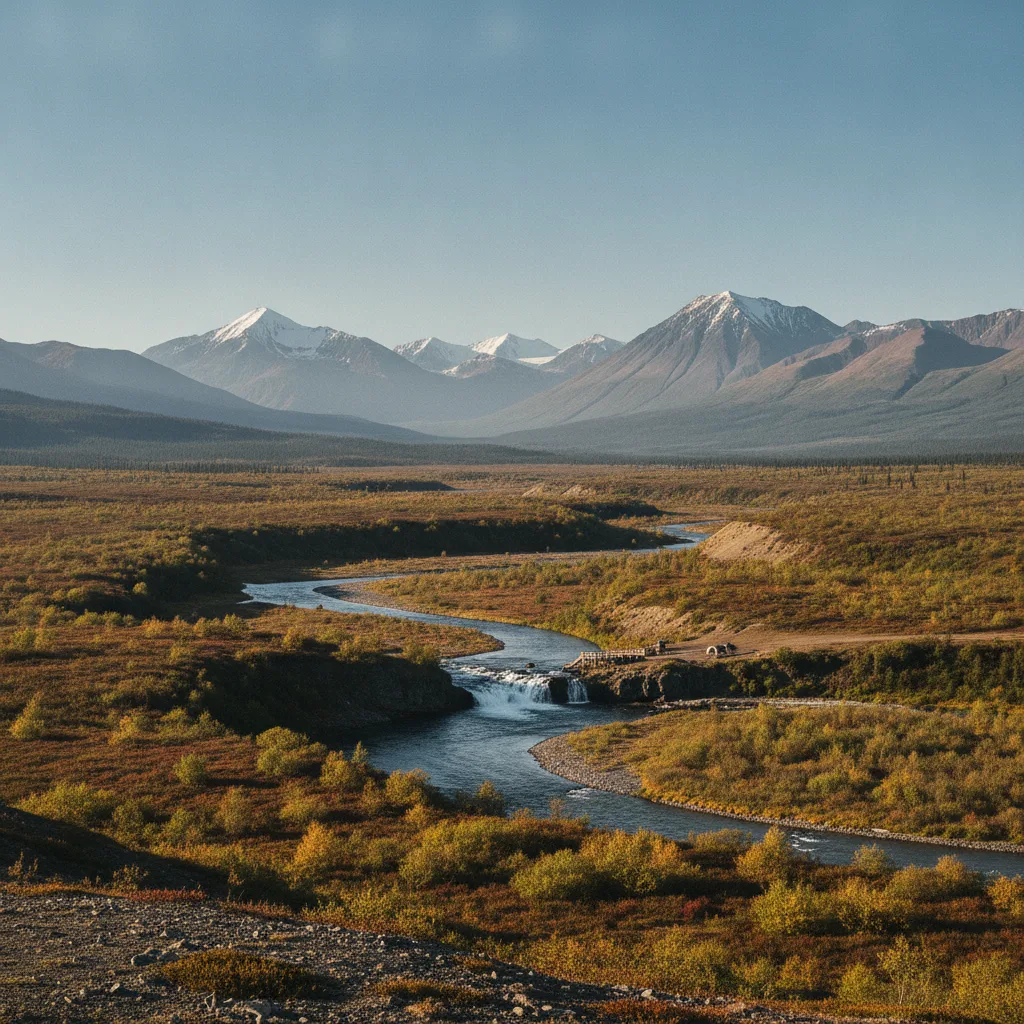
Welcome to our definitive guide to Alaska's most extraordinary wilderness experience: Katmai National Park Alaska. Our team at Roam States has meticulously researched and compiled everything you need to know for an unforgettable journey into this remote land of brown bears and volcanic landscapes. Forget generic travel fluff; we're here to provide confident, specific, and actionable advice to help you plan your adventure to Katmai National Park in King Salmon, Alaska. From navigating the complex logistics of getting there to maximizing your wildlife viewing opportunities, we've got you covered.
Why Visit Katmai National Park
Katmai National Park is not just another national park; it's a world-renowned sanctuary for Alaskan brown bears and a testament to the raw power of nature. Most visitors are drawn here by the unparalleled opportunity to witness brown bears in their natural habitat, particularly at Brooks Falls, where they gather to feast on sockeye salmon during the annual runs. Imagine standing on a viewing platform, safely observing a dozen massive bears vying for prime fishing spots – it’s a scene straight out of a wildlife documentary, and it happens repeatedly from late June through September.
Beyond the iconic bear viewing, Katmai offers a landscape shaped by one of the 20th century's most significant volcanic eruptions. The Valley of Ten Thousand Smokes, a vast ash-filled caldera created by the 1912 eruption of Novarupta Volcano, presents an otherworldly, desolate beauty that is a stark contrast to the verdant bear country. This park is a true wilderness destination, offering opportunities for solitude and profound connection with the wild that are increasingly rare.
Who It's Best For
Katmai National Park is ideal for adventurous travelers, wildlife enthusiasts, and photographers seeking an immersive, once-in-a-lifetime experience. If you dream of seeing brown bears up close and personal, this is your destination. It's particularly suited for those who appreciate remote wilderness and are prepared for the logistical challenges and costs associated with reaching such an isolated location. While the primary draw is wildlife, hikers and those interested in geological history will also find much to explore. It's perfect for travelers who prioritize unique experiences over luxury amenities, though Brooks Lodge does offer some comforts. Families with older, well-behaved children who can follow strict bear safety guidelines will also find it rewarding, but it's not a typical "family vacation" spot for very young kids due to the intense focus on wildlife safety and the remote nature of the park.
Getting There & Parking
Understanding how to get to Katmai National Park is crucial, as there are no roads leading into the park. This isolation is part of its charm but requires careful planning. Most visitors begin their journey by flying commercially from Anchorage (ANC) to King Salmon (AKN), which serves as the park's headquarters and the main transportation hub. Alaska Airlines is a common carrier for this approximately 1.5-hour flight, with round-trip costs typically ranging from $300-$500 when booked in advance.
From King Salmon, the final leg of your journey to Brooks Camp, the most visited area of Katmai National Park, is by floatplane or boat. Floatplane rides take about 25-30 minutes and can cost around $500 round trip per person with operators like Katmai Air. Alternatively, a water taxi across Naknek Lake takes approximately 45-60 minutes and costs around $475 round trip per person. Both options are weather-dependent, and delays or cancellations are common in Alaska's unpredictable summer conditions. Some visitors also opt for direct floatplane flights to Katmai from Anchorage, Kenai, or Homer.
Regarding Katmai National Park parking, there is no vehicle access or parking within the park itself. Once you arrive at Brooks Camp, you'll be navigating on foot. If you drive to Anchorage, there is long-term parking available at Ted Stevens Anchorage International Airport if you're flying out from there.
Top Things to Do
The primary draw and one of the absolute top things to do at Katmai National Park is bear viewing, particularly at Brooks Falls. The park is home to an estimated 2,200 brown bears, many of whom congregate at the Brooks River to feed on salmon.
- Bear Watching at Brooks Falls: This is the iconic Katmai experience. Elevated viewing platforms at Brooks Falls, the Riffles, and the Lower River provide safe and unobstructed views of bears fishing for sockeye salmon. The Falls Platform is the most famous, offering incredible photo opportunities of bears catching salmon mid-leap. During peak season (late June through July), rangers manage platform capacity with timed sessions to ensure fair viewing for everyone. Don't forget to check out the live webcams if you want a preview or to enjoy from afar.
- Explore the Valley of Ten Thousand Smokes: Take a bus tour into this dramatic landscape, created by the 1912 eruption of Novarupta Volcano. The 23-mile gravel road leads to a vast ash-filled valley, offering a unique geological experience. Ranger-led tours often provide insightful commentary on this historic event.
- Hiking: While known for bears, Katmai National Park hiking trails offer opportunities to explore the diverse landscape. The most popular is the Brooks Falls Trail, an easy 2.3-mile (3.8 km) hike from Brooks Camp to the famous viewing platforms. Be prepared for bear encounters on this trail; making noise is recommended. The Cultural Site Trail is a short, easy 0.5-mile (0.8 km) path leading to an ancient native village site, offering insights into the region's 9,000 years of human history. For a more strenuous option, consider the Dumpling Mountain Trail, a 3-mile out-and-back hike with an 800-foot elevation gain, providing panoramic views of Brooks Camp and Naknek Lake. Remember, bears also use these trails, so always be alert and follow park guidelines.
- Fishing: Katmai is a world-class sport fishing destination, particularly for salmon and trout. Guided fly-fishing trips are available on the Brooks River, offering a different perspective of the wildlife and landscape. A free permit is required for fishing in the Brooks River Corridor.
- Paddling on Naknek Lake: Kayak or canoe rentals are available at Brooks Camp, allowing you to explore the pristine waters of Naknek Lake. This offers a chance for serene exploration and potentially spotting wildlife from the water.
- Ranger Programs: Attend daily ranger-led tours and "Bear School" at the Brooks Camp Visitor Center, which are mandatory for all visitors to learn about bear safety and park regulations. These programs enhance your understanding of the park's ecology and history.
- Flightseeing Tours: For a breathtaking aerial perspective of Katmai's vast wilderness, including active volcanoes and glacial lakes, consider a flightseeing tour. These tours often depart from King Salmon, Anchorage, or Homer.
Best Time to Visit
The best time to visit Katmai National Park largely depends on your primary goal: bear viewing. While the park is technically open year-round, concessioner services at Brooks Camp operate from June through mid-September.
- Late June through July: This is the peak season for bear viewing at Brooks Falls, coinciding with the first major sockeye salmon run. Bears are abundant, often seen catching salmon mid-leap, making for incredible photographic opportunities. Expect the highest concentration of bears (sometimes 60-70 bears simultaneously) and the largest crowds during this period.
- August: Bear activity can decrease in August as salmon disperse, but viewing opportunities are still good, and crowds typically thin out compared to July. Weather can be pleasant, and you might have a better chance of securing accommodations.
- September: This is the second prime window for bear viewing, as bears return to the Brooks River to feed on spawned-out salmon before hibernation. You'll see "fat bears" bulking up for winter, and the fall colors add a beautiful backdrop. Crowds are generally smaller than in July.
- June: Early June sees the arrival of salmon and increasing bear activity. It's a good time for first-time visitors seeking excellent viewing opportunities with potentially fewer crowds than peak July.
Weather in Katmai can be highly variable, with wet and cool conditions predominating in spring, summer, and fall. Summer temperatures range from 30°F to 80°F (-1°C to 27°C). We strongly recommend bringing high-quality waterproof clothing and dressing in layers, as strong winds are common year-round.
Where to Stay Nearby
Accommodation options directly within Katmai National Park are limited and highly sought after, requiring reservations far in advance.
- Brooks Lodge: Located at Brooks Camp, this is the only lodge within the primary visitor area of the park. Rooms at Brooks Lodge book out extremely quickly, often requiring participation in a lottery system that opens in December for the following summer season. For 2026, the lottery application window for Brooks Lodge was open from December 1-30, 2024, with results by February 7, 2025. Any remaining availability typically opens to the public by phone or email around February 11, 2026, though late June, July, August, and September dates usually fill during the lottery.
- Brooks Camp Campground: This campground offers a more rustic and affordable option, with a 60-person capacity. Reservations are essential and are released in three blocks: January 7 (May-June), February 7 (July-August), and March 7 (September-October) at 8 AM Alaska Time. These permits sell out within minutes, especially for peak July dates. The cost for 2026 is $18 per person per night during peak season (June 1 - September 17) and $10 per person per night during shoulder season. Campers are limited to 7 nights in July and 14 nights per calendar year. The campground is surrounded by an electric fence for bear deterrence, and cooking shelters and food/gear caches are provided.
- Wilderness Camping: For the truly adventurous, wilderness camping is permitted everywhere in Katmai National Park outside of a 1.5-mile radius from Brooks Camp. No fees or permits are required for wilderness camping, but strict bear safety protocols, including the use of electric fences and bear canisters, are highly recommended.
Outside the park, the closest community is King Salmon, which offers some limited lodging options. Many visitors also opt to stay in Anchorage, Homer, or Kodiak and take day trips or multi-day tours into Katmai.
Sample 2-Day Itinerary
This itinerary focuses on maximizing your bear viewing and exploring the main attractions of Katmai National Park Alaska from Brooks Camp.
Day 1: Arrival and Brooks Falls Immersion
- Morning: Fly from Anchorage to King Salmon, then take a floatplane or water taxi to Brooks Camp. Upon arrival, check in at the Brooks Camp Visitor Center for your mandatory bear safety orientation ("Bear School").
- Afternoon: After setting up camp or checking into Brooks Lodge, head directly to the Brooks Falls Trail. This easy 1.2-mile walk (one way) leads to the famous Brooks Falls viewing platforms. Spend several hours rotating between the Falls Platform, Riffles Platform, and Lower River Platform, observing brown bears fishing for salmon.
- Evening: Enjoy dinner at Brooks Lodge (reservations recommended) or prepare your own meal at the campground's cooking shelters. Take a leisurely walk around Brooks Camp, keeping an eye out for bears that may wander through.
Day 2: Valley of Ten Thousand Smokes and Further Exploration
- Morning: Embark on a bus tour to the Valley of Ten Thousand Smokes. This guided excursion offers a fascinating journey into the park's volcanic heart, providing stunning views of the ash-filled caldera and insights into the 1912 eruption.
- Afternoon: Return to Brooks Camp. Depending on your energy levels and interests, you could:
- Revisit the bear viewing platforms for more wildlife photography.
- Hike the Dumpling Mountain Trail for panoramic views of the area.
- Rent a kayak or canoe from the Katmai Trading Post and paddle on Naknek Lake.
- Explore the Cultural Site Trail to learn about the region's human history.
- Late Afternoon/Evening: Enjoy a final dinner at Brooks Camp. Prepare for your departure, ensuring all gear is packed and ready for your floatplane or water taxi back to King Salmon and then your flight back to Anchorage.
Is It Worth Visiting?
For those questioning "is Katmai National Park worth visiting?", our resounding answer is yes, absolutely. Katmai offers an unparalleled wildlife experience, particularly for brown bear viewing, that is difficult to replicate anywhere else in the world. The sheer number of bears at Brooks Falls during the salmon runs is a spectacle that leaves a lasting impression. Beyond the bears, the dramatic volcanic landscape of the Valley of Ten Thousand Smokes adds another layer of unique natural beauty and geological significance.
However, it's important to approach Katmai with realistic expectations. It is a remote, wild, and expensive destination. Travel involves multiple flights and is highly dependent on weather conditions. Accommodations, especially at Brooks Camp, are extremely limited and require booking months, sometimes over a year, in advance. There are no roads, no cell service, and minimal amenities. But for those prepared for the adventure and the investment, the reward of witnessing nature's raw power and abundant wildlife makes Katmai National Park an unequivocally worthwhile journey.
Katmai National Park Camping
Camping in Katmai National Park offers an immersive wilderness experience, with options ranging from a developed campground to remote backcountry sites. The most popular option for Katmai National Park camping is the Brooks Camp Campground, located near the famous Brooks Falls.
The Brooks Camp Campground is unique, accommodating up to 60 people in a fenced-in area designed to deter bears. While there are no designated individual sites, campers share the space. Facilities include covered cooking shelters with picnic tables, fire rings, and food/gear storage caches. Reservations for 2026 were released in three blocks (January 7 for May-June, February 7 for July-August, and March 7 for September-October) and typically sell out within minutes. The cost is $18 per person per night during peak season (June 1 - September 17) and $10 per person per night during shoulder season. Campers are limited to 7 nights in July and 14 nights per calendar year.
For those seeking more solitude, wilderness camping is permitted everywhere in Katmai National Park outside of a 1.5-mile radius from Brooks Camp. There are no fees or permits required for wilderness camping. Common wilderness camping areas include beyond Brooks Camp on Dumpling Mountain, along the Valley of Ten Thousand Smokes Road, Hallo Bay, and Amalik Bay. When wilderness camping, it is crucial to be self-sufficient and practice strict bear safety, including carrying an electric fence and using bear-resistant food containers. Remember, there are no established campsites in the backcountry, and you must pack out everything you pack in.
Expert Verdict: Katmai National Park
Our team unequivocally recommends Katmai National Park for any traveler seeking an unparalleled wildlife encounter in a truly wild landscape. The journey is an investment in time and resources, but the reward of witnessing brown bears in their natural environment, particularly at Brooks Falls, is an experience that transcends typical travel. Plan meticulously, book far in advance, and prepare for a remote wilderness adventure. This is not a casual trip; it's an expedition into the heart of Alaskan wilderness, and it will leave you changed. For more incredible Alaskan adventures, be sure to explore our guide to the Best Places in Alaska, including Denali National Park & Preserve and Glacier Bay National Park.
Last updated: 2026-07-13 by the Roam States team.