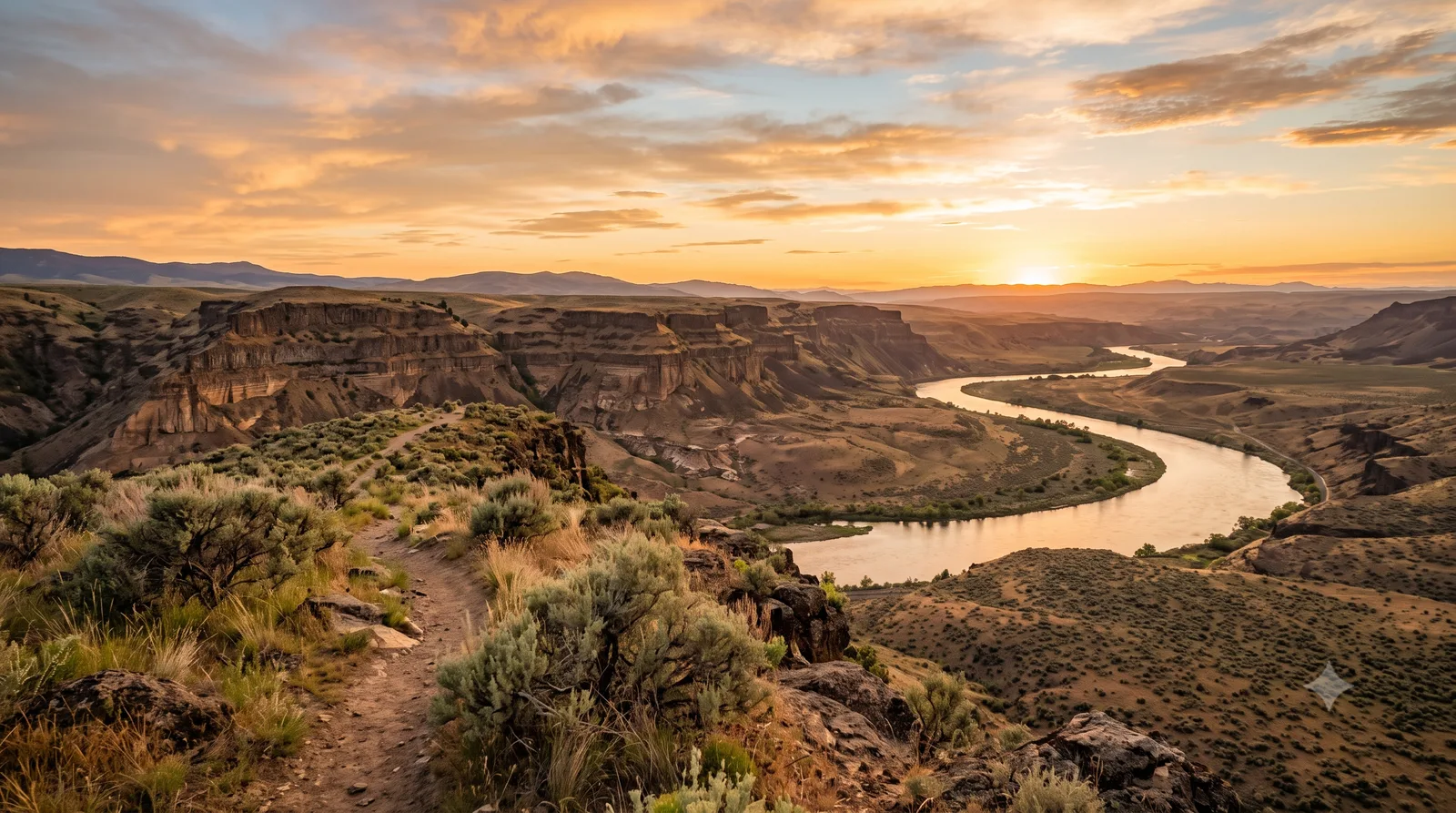
Our Hagerman Fossil Beds National Monument guide covers practical planning for Hagerman Fossil Beds National Monument Idaho — best time to visit, getting there, and what to do on the ground.
For those drawn to the deep echoes of geologic time and the pioneering spirit of the American West, Idaho offers a truly unique destination: Hagerman Fossil Beds National Monument Idaho. Our team at Roam States has compiled this comprehensive guide to ensure your visit to this remarkable site is as enriching and seamless as possible. This monument preserves the world's richest fossil deposits from the Pliocene epoch, including the largest concentration of Hagerman Horse fossils, offering an unparalleled window into an ancient ecosystem that thrived millions of years ago.
Why Visit Hagerman Fossil Beds National Monument
Hagerman Fossil Beds National Monument is not just another stop on a road trip; it's a journey back in time. Here, the bluffs above the Snake River hold secrets from the Pliocene epoch, roughly 3.5 million years ago, when this high desert landscape was a lush environment of grasslands and wetlands. The monument is internationally significant for protecting the world's richest known fossil deposits from this period. It is home to an extraordinary concentration of fossils, with over 200 plant and animal species cataloged, including mastodons, saber-toothed cats, giant ground sloths, and a diverse array of birds and fish.
The undisputed star of the Hagerman Fossil Beds is Equus simplicidens, commonly known as the Hagerman Horse. This ancient equine is Idaho's official state fossil, and the monument boasts the largest concentration of its remains ever discovered—over 200 individual animals from a single quarry site. This density of preservation allows paleontologists to study entire population characteristics, offering crucial insights into evolutionary patterns and ancient ecosystems. Beyond the paleontological marvels, visitors can also walk in the footsteps of pioneers, as visible wagon ruts from the historic Oregon Trail are still preserved within the monument.
Who It's Best For
Hagerman Fossil Beds National Monument caters to a diverse range of travelers, though some will find it particularly captivating. It's an ideal destination for:
- Paleontology Enthusiasts: With its world-renowned Pliocene fossil deposits and the iconic Hagerman Horse, this monument is a must-visit for anyone interested in ancient life and evolutionary history. The visitor center offers extensive exhibits and replicas, providing context for the significant discoveries made here.
- History Buffs: The visible wagon ruts of the Oregon Trail offer a tangible connection to America's pioneering past. Interpretive signs at overlooks blend the stories of ancient ecosystems with human history.
- Nature Lovers and Hikers: While the monument's primary draw is its fossils, the high desert landscape, expansive views of the Snake River Valley, and opportunities for birdwatching provide a scenic backdrop for outdoor exploration. The Emigrant Trail offers a moderate hiking experience with historical significance.
- Families with Curious Kids: The Thousand Springs Visitor Center, shared with Thousand Springs State Park, features engaging fossil displays and ranger talks that can spark a lifelong interest in science and history. The accessible overlooks and shorter trails are suitable for younger visitors.
- Those Seeking a Unique Idaho Experience: If you're looking to delve deeper into Idaho's natural and cultural heritage beyond the more commonly visited sites, Hagerman Fossil Beds offers a distinctive and educational experience. It's an excellent complement to other nearby attractions like Bruneau Dunes State Park or Craters of the Moon National Monument.
While some visitors might find the monument's undeveloped nature a bit sparse if they expect extensive facilities on the bluffs, those who appreciate a raw, authentic encounter with natural and historical wonders will find it incredibly rewarding.
Getting There & Parking
Understanding how to get to Hagerman Fossil Beds National Monument is crucial for a smooth visit. The monument is located in southern Idaho, approximately 100 miles southeast of Boise and 30 miles northwest of Twin Falls.
How to Get There
- From Boise: Take Interstate 84 East, then exit onto US Highway 30. Follow US-30 South towards Hagerman.
- From Twin Falls: Take US Highway 93 North, then connect to US Highway 30 West towards Hagerman.
- The Visitor Center: The Thousand Springs Visitor Center, which serves as the primary gateway for Hagerman Fossil Beds National Monument and Thousand Springs State Park, is located at 17970 US Highway 30, about one mile north of downtown Hagerman. We strongly recommend starting your visit here to gather maps, information, and engage with the exhibits.
- Monument Overlooks and Trails: The monument's scenic overlooks and trails are located approximately 9 miles from the visitor center, on Bell Rapids Road. From the Thousand Springs Visitor Center, turn left (south) onto US Highway 30, drive through Hagerman, and just after crossing the Snake River bridge, turn right onto Bell Rapids Road. Follow Bell Rapids Road for about 2.5 miles to the Snake River Overlook, and continue another 2.5 miles to the Oregon Trail Overlook.
Be aware that GPS navigation and highway signage for the new visitor center location may not be fully updated, so relying on the provided directions is advisable.
Parking
Parking is available at the Thousand Springs Visitor Center. For the monument's overlooks and trailheads, there are designated pull-offs and parking areas along Bell Rapids Road. We recommend checking the monument's official National Park Service website for any current advisories regarding road conditions, especially during winter, as some roads leading to overlooks are unpaved and not maintained.
There are no fees to enter Hagerman Fossil Beds National Monument or its visitor center. Reserved parking spaces are available at the visitor center with wheelchair-accessible walkways.
Top Things to Do
While Hagerman Fossil Beds National Monument is primarily a site of scientific importance, there are several compelling things to do at Hagerman Fossil Beds National Monument that make for a memorable visit. We recommend dedicating at least a couple of hours to fully appreciate the offerings.
- Explore the Thousand Springs Visitor Center: This is your essential first stop. The visitor center, shared with Thousand Springs State Park, houses impressive exhibits on the Pliocene ecosystem, cast replicas of key fossils, and informational displays that provide crucial context for the site. National Park Service rangers are on hand to answer questions and offer insights into the ongoing research. This is the only place within the monument where you can see actual fossils on display, including a full Hagerman Horse skeleton.
- Visit the Oregon Trail Overlook: A short drive on a gravel road from Hagerman leads to the Oregon Trail Overlook, one of the most accessible viewpoints in the monument. From here, you can gaze across the Snake River canyon to the bluffs where major fossil quarries are located, and more importantly, see deeply eroded wagon ruts left by emigrants on the historic Oregon Trail. Interpretive signs explain both the paleontological significance and the pioneer history of the area.
- Discover the Snake River Overlook: This overlook provides panoramic views of the Snake River and the surrounding high desert landscape. It's an excellent spot for photography and to contemplate the ancient environment that once flourished here. A short paved walkway leads to a viewing platform, making it accessible for those with mobility limitations.
- Hike the Emigrant Trail: For those seeking a more active experience, the Emigrant Trail is the primary hiking opportunity within the monument. This moderate, 6.8-mile (10.9 km) route roughly parallels visible remnants of the historic Oregon Trail, offering a unique perspective on the pioneers' journey. While hiking, you'll experience open, wind-swept terrain with expansive views. Be sure to bring plenty of water and sun protection, as shade is limited.
- Attend Ranger-Led Programs: Especially during the summer season, NPS rangers offer periodic programs that delve deeper into the monument's rich history and scientific discoveries. These can include fossil exploration events and special guest lectures, providing an engaging way to learn more about the Hagerman Fossil Beds.
- Birdwatching: The Snake River Valley is a haven for various bird species. Keep an eye out for raptors, songbirds, pelicans, cormorants, and nesting waterfowl, particularly along the river and in nearby wetland areas.
These things to do at Hagerman Fossil Beds National Monument offer a blend of education, history, and natural beauty, ensuring a rewarding visit.
Hagerman Fossil Beds National Monument Hiking Trails
The Hagerman Fossil Beds National Monument hiking trails offer visitors a chance to immerse themselves in the unique high desert environment and connect with both ancient and pioneer history. Due to the fragile nature of the fossil deposits and steep, unstable terrain, hiking is restricted to designated trails.
The most prominent of the Hagerman Fossil Beds National Monument hiking trails is the **Emigrant Trail**. This moderate, 6.8-mile (10.9 km) out-and-back trail takes approximately 3 hours to complete. It roughly parallels the historic Oregon Trail, allowing you to see actual wagon ruts and imagine the arduous journey of early emigrants. Trailheads are located at the Oregon Trail Overlook and the Snake River Overlook, making it possible to hike a shorter section or arrange a shuttle for a one-way trip. The trail traverses open, wind-swept bluffs, offering expansive views of the Snake River Valley.
While within the monument's direct boundaries, the Emigrant Trail is the primary designated hiking route, nearby Thousand Springs State Park units offer additional opportunities. For instance, the Malad Gorge West Rim Trail, an easy 1.4-mile (2.2 km) path, provides impressive panoramic views of the Malad River gorge and its dramatic waterfalls. This trail is family-friendly and can be completed in about 34 minutes. Another option in the vicinity is the longer Malad Gorge trail, a 4.6-mile (7.4 km) route through the scenic gorge.
When exploring the Hagerman Fossil Beds National Monument hiking trails, we advise being prepared for high desert conditions. This means bringing ample water, wearing sturdy shoes, and protecting yourself from the sun, as shade is minimal. Be aware of potential wildlife, including rattlesnakes. Remember that off-trail travel is prohibited to protect the natural and cultural resources.
Best Time to Visit
Choosing the best time to visit Hagerman Fossil Beds National Monument can significantly enhance your experience. The monument is open year-round, but conditions vary by season.
- Spring (March-May) and Fall (September-October): We consider these the most optimal seasons for a visit. Temperatures are mild and comfortable, typically ranging between 65°F and 86°F (18°C and 30°C) during the day in May and September. These conditions are ideal for walking the bluffs and exploring the overlooks without the intense heat of summer or the cold winds of winter. While there might be some rainfall, it's generally moderate.
- Summer (June-August): Summer can be very hot and exposed, with daytime highs reaching up to 95°F (35°C) in July. If you visit during these months, we strongly recommend starting early in the morning to avoid the peak heat. Ranger-led programs are often more frequent during the summer, offering additional educational opportunities.
- Winter (November-February): Winter brings solitude and dramatic light, but be prepared for cold temperatures and potentially strong winds on the open bluffs. Daytime highs can drop to 37°F (3°C) in December, with nighttime lows around 21°F (-6°C). While the monument overlooks and trails remain open from sunrise to sunset, they are not maintained during winter, so road conditions on gravel sections may be challenging. Snowfall is common, with January typically seeing the most.
The Thousand Springs Visitor Center has seasonal hours. During summer (May 21 to September 7 in 2026), it is open 7 days a week from 9 am to 5 pm. In spring (March 1 through the Wednesday before Memorial Day) and fall (day after Labor Day through October 31), it is open Thursday through Monday from 9 am to 3 pm, closed Tuesdays and Wednesdays. Winter hours (November 1 through February 28) see the visitor center open Friday through Sunday from 9 am to 3 pm. We advise checking the National Park Service website or calling ahead for the most current operating hours, especially during the off-season.
Where to Stay Nearby
While there is no camping directly within the monument itself (more on that in the FAQ), finding comfortable Hagerman Fossil Beds National Monument lodging nearby is straightforward. The town of Hagerman and the surrounding Magic Valley offer a range of options, from cozy inns to RV parks.
- Hagerman Valley Inn: Located right off Thousand Springs Scenic Highway 30, the Hagerman Valley Inn offers a boutique hotel experience with cozy rooms, some with balconies, and is pet-friendly. It's conveniently situated near local eateries and attractions like Blue Heart Springs. Guest reviews often highlight its comfort, cleanliness, and friendly staff.
- Billingsley Creek: This accommodation in Hagerman is highly rated and features spacious rooms, often with river views, and free WiFi. It's noted for its charming cabins and proximity to wildlife. A new Billingsley Creek Campground also opened in 2025 adjacent to the Thousand Springs Visitor Center, offering another option for Hagerman Fossil Beds National Monument lodging for campers.
- Amber Inn Motel (Bliss): Located about 8 miles from Hagerman in the town of Bliss, the Amber Inn Motel is a budget-friendly and pet-friendly option, offering free Wi-Fi and convenient access to Highway 30.
- Downtown Hagerman Hot Springs Getaway: For those seeking a vacation rental experience, this recently renovated home in Hagerman offers comfort, unique decor, and is well-equipped, with positive guest reviews.
- Hotels in Twin Falls and Jerome: For a wider selection of chain hotels, Twin Falls (about 30 miles away) and Jerome (about 25 miles away) offer options like Best Western, La Quinta Inn & Suites, Hampton Inn, and Comfort Inn & Suites. These provide reliable amenities, often including free breakfast and WiFi, suitable for families and budget travelers.
- RV Parks and Campgrounds: Beyond Billingsley Creek Campground, other RV parks in the area include Hagerman RV Village (which also has cabins) and Sligar's Thousand Springs Resort. These offer excellent bases for exploring the monument and nearby Thousand Springs State Park.
When considering Hagerman Fossil Beds National Monument lodging, we recommend booking in advance, especially during peak seasons, to secure your preferred accommodation.
Sample 2-Day Itinerary
To fully experience Hagerman Fossil Beds National Monument and its surrounding natural wonders, we recommend a two-day itinerary. This allows for a deeper dive into the paleontological and historical significance, as well as time to explore the beautiful Thousand Springs Valley.
Day 1: Pliocene Past & Pioneer Trails
- Morning (9:00 AM - 12:00 PM): Thousand Springs Visitor Center & Hagerman Horse
- Begin your day at the Thousand Springs Visitor Center (17970 US Highway 30, Hagerman). Allow ample time to explore the exhibits detailing the Pliocene epoch, the diverse fossil record, and the iconic Hagerman Horse. Engage with National Park Service rangers and pick up maps and brochures.
- Participate in any available ranger-led programs or fossil exploration events, especially if visiting during summer.
- Lunch (12:00 PM - 1:00 PM): Local Hagerman Fare
- Enjoy lunch at one of Hagerman's local eateries. The Snake River Grille, adjacent to Hagerman Valley Inn, is a popular choice for homestyle meals.
- Afternoon (1:00 PM - 4:00 PM): Overlooks & Emigrant Trail
- Drive south on US Highway 30, then turn onto Bell Rapids Road to access the monument's bluffs.
- Visit the Snake River Overlook for panoramic views of the canyon and river.
- Continue to the Oregon Trail Overlook to see the deeply etched wagon ruts of the historic Oregon Trail.
- Hike a section of the Emigrant Trail. Even a shorter walk on this 6.8-mile trail offers a sense of the pioneers' journey and the vastness of the landscape.
- Late Afternoon/Evening (4:00 PM onwards): Relaxation & Hot Springs
- After a day of exploration, unwind at one of the area's natural hot springs, such as Miracle Hot Springs or Banbury Hot Springs, both a short drive south of Hagerman.
- Enjoy dinner in Hagerman or at your chosen accommodation.
Day 2: Thousand Springs & Scenic Byway
- Morning (9:00 AM - 12:00 PM): Thousand Springs State Park Exploration
- Dedicate your second day to exploring the stunning units of Thousand Springs State Park, which are closely intertwined with the Hagerman Valley.
- Visit Box Canyon Springs Preserve for its incredible turquoise waters and waterfalls (reservations sometimes required for access).
- Explore Ritter Island, accessible by road from Hagerman, featuring spring-fed waterfalls, walking trails, and picnic areas. It provides a lush contrast to the fossil beds.
- Lunch (12:00 PM - 1:00 PM): Picnic or Local Cafe
- Pack a picnic to enjoy at one of the state park units, or grab a bite at a cafe in Hagerman.
- Afternoon (1:00 PM - 4:00 PM): Scenic Drives & Water Wonders
- Drive a portion of the Thousand Springs Scenic Byway, which showcases the geology and history of the Snake River Canyon, with numerous waterfalls and springs cascading into the river.
- Consider a visit to nearby Malad Gorge State Park, about 20 minutes east of Hagerman, to see the dramatic basalt canyon and the Devil's Washbowl. Short walking trails and picnic facilities are available.
- For the adventurous, consider kayaking to Blue Heart Springs, known for its Caribbean-blue waters, accessible via the Snake River.
- Late Afternoon/Evening: Departure or Extended Stay
- Depending on your schedule, you can depart or enjoy another evening in Hagerman, perhaps trying a different local restaurant.
This itinerary provides a robust exploration of the Hagerman area, blending the ancient history of Hagerman Fossil Beds National Monument with the natural beauty of the Thousand Springs region. Consider extending your trip to other Idaho gems like the Boise River Greenbelt or Bruneau Dunes State Park.
Is It Worth Visiting?
For many travelers, the question arises: is Hagerman Fossil Beds National Monument worth visiting? Our resounding answer is yes, especially for those with a specific interest in paleontology, history, or unique natural landscapes. This site offers an extraordinary glimpse into a prehistoric world and a tangible connection to America's past.
What makes Hagerman Fossil Beds National Monument worth visiting is its unparalleled scientific significance. It holds the world's richest fossil deposits from the Pliocene epoch, making it a crucial site for understanding the evolution of species like the Hagerman Horse, the earliest known representative of the genus Equus. The sheer number and preservation quality of the fossils here are globally important.
Beyond the scientific marvels, the monument also preserves sections of the historic Oregon Trail, with wagon ruts still visible. This dual attraction of deep time and pioneer history creates a unique educational experience. The Thousand Springs Visitor Center provides excellent context through exhibits and ranger programs, making the complex science accessible and engaging for all ages.
However, it's important to set expectations. Unlike some national parks with extensive paved roads and numerous facilities directly on the bluffs, Hagerman Fossil Beds National Monument is a more undeveloped landscape. The actual fossil beds are protected and not accessible for public digging or direct viewing in situ. Visitors primarily experience the monument through the visitor center, scenic overlooks, and designated hiking trails.
If you're looking for a destination with extensive recreational activities like whitewater rafting or rock climbing within the monument itself, you might find options limited. However, the surrounding Hagerman Valley and Thousand Springs State Park offer abundant opportunities for hot springs, kayaking, and more. For those who appreciate a quiet, contemplative, and deeply educational experience, Hagerman Fossil Beds National Monument is absolutely worth visiting. It's a place where you can truly feel the immense sweep of time, from ancient horses to pioneering footsteps, making it a standout destination in Idaho.
Last updated: 2026-07-12 by the Roam States team.
Our Hagerman Fossil Beds National Monument guide covers practical planning for Hagerman Fossil Beds National Monument Idaho — best time to visit, getting there, and what to do on the ground.
For those drawn to the deep echoes of geologic time and the pioneering spirit of the American West, Idaho offers a truly unique destination: Hagerman Fossil Beds National Monument Idaho. Our team at Roam States has compiled this comprehensive guide to ensure your visit to this remarkable site is as enriching and seamless as possible. This monument preserves the world's richest fossil deposits from the Pliocene epoch, including the largest concentration of Hagerman Horse fossils, offering an unparalleled window into an ancient ecosystem that thrived millions of years ago.
Why Visit Hagerman Fossil Beds National Monument
Hagerman Fossil Beds National Monument is not just another stop on a road trip; it's a journey back in time. Here, the bluffs above the Snake River hold secrets from the Pliocene epoch, roughly 3.5 million years ago, when this high desert landscape was a lush environment of grasslands and wetlands. The monument is internationally significant for protecting the world's richest known fossil deposits from this period. It is home to an extraordinary concentration of fossils, with over 200 plant and animal species cataloged, including mastodons, saber-toothed cats, giant ground sloths, and a diverse array of birds and fish.
The undisputed star of the Hagerman Fossil Beds is Equus simplicidens, commonly known as the Hagerman Horse. This ancient equine is Idaho's official state fossil, and the monument boasts the largest concentration of its remains ever discovered—over 200 individual animals from a single quarry site.