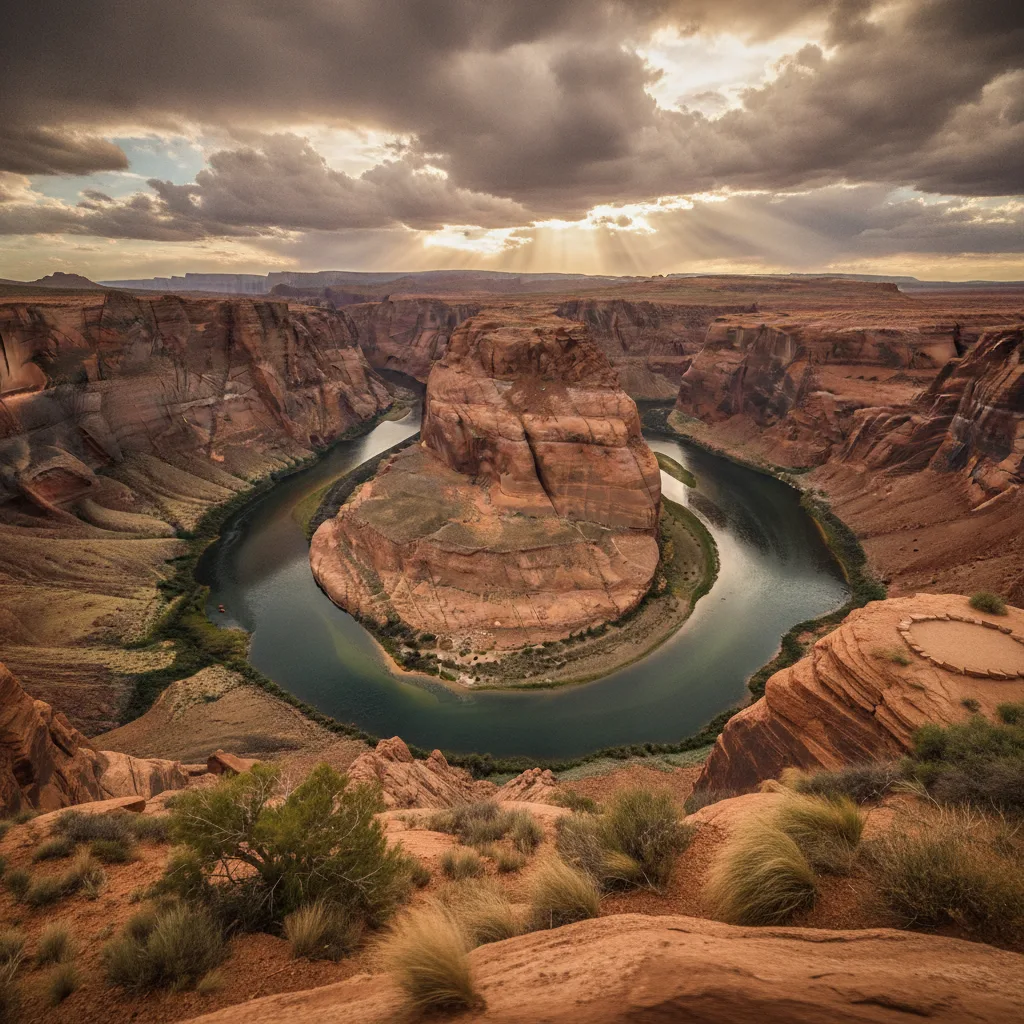
Horseshoe Bend Travel Guide — Arizona
Our team at Roam States has long championed the American Southwest as a premier travel destination, and among its most iconic natural wonders is Horseshoe Bend Arizona. This dramatic, horseshoe-shaped meander of the Colorado River, carved deep into ancient sandstone, offers a breathtaking vista that belongs on every traveler's itinerary. We cut through the generic travel fluff to bring you the confident, specific details you need to plan an unforgettable visit to this scenic marvel and the surrounding Page, Arizona area.
Why Visit Horseshoe Bend
There are views, and then there are *views*. Horseshoe Bend falls firmly into the latter category. We've seen countless natural formations across the United States, but the sheer scale and perfect curvature of the Colorado River here are truly unique. It’s a geological masterpiece, a testament to millions of years of erosion where the river has sculpted a 270-degree bend nearly 1,000 feet below the rim. The vibrant contrast of the deep emerald river against the reddish-orange Navajo sandstone cliffs is a sight that photographs can only begin to capture. Visiting Horseshoe Bend isn't just about snapping a picture; it's about standing at the edge of something immense, feeling the vastness of the landscape, and connecting with the raw power of nature. It’s a moment of quiet awe, a place where the grandeur of the American West truly reveals itself.
Beyond its visual appeal, Horseshoe Bend offers an accessible adventure. Unlike some remote natural wonders, it requires only a moderate walk from the parking area, making it achievable for most visitors. This accessibility, combined with its dramatic beauty, solidifies its status as a must-see destination in Arizona. It’s a perfect addition to any USA road trip planner, particularly for those exploring the wider best places in Arizona.
Who It's Best For
Horseshoe Bend is a remarkably versatile destination, appealing to a wide array of travelers. We find it's particularly ideal for:
- **Photographers:** The iconic vista, especially during sunrise or late afternoon, provides unparalleled opportunities for stunning landscape photography. The way the light plays on the canyon walls and the river below creates dynamic and ever-changing scenes.
- **Nature Enthusiasts:** Those who appreciate geological wonders and dramatic natural scenery will be captivated by the sheer scale and beauty of the bend. It’s a prime example of the Colorado River's carving power.
- **Families with Older Children:** While the trail is generally easy, the unfenced sections of the rim necessitate constant vigilance. Families with older, more responsible children who can understand and adhere to safety warnings will find it a rewarding experience. We'll delve more into Horseshoe Bend with kids below.
- **Road Trippers:** Its location near Page, Arizona, makes it an excellent stop for those exploring the Grand Circle region, including destinations like Grand Canyon National Park, Zion, and Bryce Canyon.
- **Adventure Seekers (with caution):** While the overlook itself is a viewing experience, the surrounding area of Page offers numerous outdoor activities, from kayaking the Colorado River to exploring slot canyons.
It's important to note that while the hike is relatively short, the exposure to the elements and the sheer drop at the rim mean it might not be suitable for very young children who cannot follow instructions, or individuals with severe vertigo. However, for many, the reward far outweighs the effort.
Getting There & Parking
Understanding how to get to Horseshoe Bend and managing parking is crucial for a smooth visit. Horseshoe Bend is conveniently located just south of Page, Arizona. From downtown Page, it's about a 5-mile drive on US-89. Look for the well-marked turnoff on the west side of the highway between mile markers 545 and 544.
The parking situation at Horseshoe Bend is managed by the City of Page, not the National Park Service. As of 2026, the parking lot is open from sunrise to sunset, 365 days a year. There is a mandatory parking fee, which is collected at the entrance booth. For a standard passenger vehicle (car, truck, SUV, RV, motorhome), the fee is $10. Motorcycles pay $5. Commercial vehicles have higher fees based on passenger capacity, ranging from $35 to $140. It's important to remember that federal park passes, such as the America the Beautiful pass, are *not* accepted here, as the lot is city-operated. We recommend having cash on hand, especially if you plan to visit during major US holidays like Memorial Day or Christmas, as the booth may only accept cash at those times.
The lot has approximately 300 standard spaces, plus a separate section for oversized vehicles and RVs. During peak hours, particularly from 9 AM to 2 PM and throughout the busy summer months (May through September), the parking lot can fill up. If the lot is full, you will be turned away and asked to return later; waiting in line on the highway is not permitted. We strongly advise against parking on the shoulder of US-89 or attempting roadside drop-offs or pick-ups, as this is strictly prohibited by City of Page ordinance and violators will be ticketed and towed. Planning your arrival for early morning (sunrise) or late afternoon can help you avoid the largest crowds and potential parking issues.
Top Things to Do
While the iconic overlook is the main draw, there are more things to do at Horseshoe Bend itself and in the immediate vicinity to enrich your visit. The primary activity, of course, is the hike to the viewpoint. The trail is 0.6 to 0.7 miles each way (1.2 to 1.4 miles round trip) on a hard-packed sand path with a gentle uphill slope on the return. Allow 60-90 minutes for the entire experience, including time at the rim. There are two shade structures along the trail, but the path itself is largely unshaded. We recommend wearing sturdy, closed-toe shoes, a hat, sunscreen, and bringing plenty of water, especially during warmer months.
Once at the rim, you'll find a viewing platform with some guardrails, offering a safe vantage point for photographs. However, much of the rim remains exposed, so exercise extreme caution, especially with children. The sheer 1,000-foot drop is a constant reminder of the natural forces at play. For those seeking an accessible experience, a partial ADA-accessible path was added in 2020 on the left branch of the trail.
Beyond the overlook, the area around Page, Arizona, offers a wealth of things to do in Page. We highly recommend pairing your Horseshoe Bend visit with a tour of Antelope Canyon, a world-renowned slot canyon located nearby. Please note that Antelope Canyon is on Navajo Nation land and requires a guided tour with advance reservations. Options include Upper, Lower, or Canyon X, each offering a unique light and rock formation experience. Many tour operators offer combination packages that include both Horseshoe Bend and Antelope Canyon.
Another prominent attraction is Lake Powell, the second-largest man-made lake in the United States, formed by the Glen Canyon Dam. Here, you can enjoy a variety of water activities, including boating, kayaking, paddleboarding, and guided scenic cruises. The Glen Canyon Dam itself offers tours and overlooks, providing insight into its engineering marvel and impact on the Colorado River. For those looking for more hiking, the nearby Vermilion Cliffs National Monument offers stunning landscapes and trails, including the famous (and permit-restricted) Wave. For a unique cultural experience, consider the Red Heritage Navajo Dinner Show in Page.
Best Time to Visit
Choosing the best time to visit Horseshoe Bend can significantly impact your experience, both in terms of lighting for photography and crowd levels. We consistently recommend two prime windows:
- **Late Afternoon/Sunset:** For the most dramatic lighting on the Colorado River, aim for late afternoon. Specifically, 4:30 PM to 6:00 PM from April through October, and 3:00 PM to 4:30 PM in winter, allows the sun to illuminate the river, bringing out its vibrant colors and casting warm tones on the sandstone cliffs. This is often referred to as "golden hour" for photographers. While popular, the views are truly spectacular.
- **Sunrise:** If avoiding crowds is your top priority, arriving right at sunrise is your best bet. You'll experience cooler temperatures and significantly fewer people, offering a more serene and contemplative visit. The soft morning light can also be beautiful, though the river itself may be in shadow.
We generally advise against visiting between 9 AM and 2 PM, especially from May through September. These are the busiest hours, with the largest crowds, and the sun is directly overhead, which can wash out colors and create harsh shadows, making photography challenging. Furthermore, summer temperatures in Page can soar above 110°F (43°C) during midday, making the unshaded hike uncomfortable and potentially dangerous if you're not adequately prepared with water and sun protection.
Seasonally, Horseshoe Bend is open year-round. Spring (April-May) and Fall (September-October) offer pleasant temperatures and manageable crowds. Winter visits can be surprisingly beautiful, with a dusting of snow occasionally enhancing the landscape. Just be prepared for colder temperatures and shorter daylight hours. Always check the weather forecast before your visit and dress in layers.
Where to Stay Nearby
The closest and most convenient place to stay when visiting Horseshoe Bend is the town of Page, Arizona. Page serves as the primary gateway to many of the region's natural wonders, offering a range of accommodations to suit different budgets and preferences. We recommend booking your lodging in advance, especially during peak travel seasons (spring, summer, and fall), as Page can get quite busy.
You'll find a variety of chain hotels in Page, from budget-friendly options to mid-range hotels with amenities like pools and complimentary breakfast. Many of these are located along Lake Powell Boulevard, providing easy access to restaurants, shops, and tour operators. For those seeking a more unique experience, there are also locally owned motels and vacation rentals available. Consider checking availability at hotels near Wahweap Marina or Antelope Point Marina if you plan to spend significant time on Lake Powell, as these offer convenient access to boat rentals and tours.
For travelers interested in camping, there are several options in the surrounding Glen Canyon National Recreation Area. Lone Rock Beach is a popular spot for dispersed camping right on the shores of Lake Powell. Additionally, organized campgrounds are available, though some, like Lees Ferry Campground, may have partial closures for renovations in 2026, so it’s always wise to check current conditions with the National Park Service.
If you're looking to extend your trip and explore more of Arizona's diverse landscapes, consider combining your visit with other incredible destinations. For instance, a drive south could take you to the historic mining town of Bisbee Historic District, offering a completely different vibe, or the ancient cliff dwellings of Canyon de Chelly. Page also serves as a jumping-off point for exploring the vastness of Grand Canyon National Park, typically a 2.5-hour drive to the South Rim.
Sample 2-Day Itinerary
To truly experience the magic of Horseshoe Bend and its incredible surroundings, we recommend dedicating at least two full days to the Page area. Here’s a sample itinerary crafted by our team to maximize your exploration without feeling rushed:
Day 1: Iconic Views & Slot Canyon Wonders
- **Morning (Sunrise):** Start your day early with a visit to Horseshoe Bend Arizona for sunrise. This is the optimal time to avoid crowds and experience the serene beauty of the bend as the first rays of light paint the canyon walls. Allow 1.5-2 hours for parking, the hike, and enjoying the views. Remember your $10 parking fee.
- **Late Morning/Lunch:** Head back to Page for breakfast or an early lunch. Afterward, prepare for your pre-booked Antelope Canyon tour.
- **Afternoon:** Embark on your guided tour of Antelope Canyon. Whether you choose Upper, Lower, or Canyon X, booking in advance is essential, as these tours sell out quickly. Your Navajo guide will lead you through the stunning slot canyon, highlighting its unique formations and light beams.
- **Evening:** Enjoy dinner in Page. Consider a scenic drive to the Glen Canyon Dam Overlook for panoramic views of the dam, Lake Powell, and the Colorado River as the sun sets.
Day 2: Lake Powell Adventures & Local Exploration
- **Morning:** Dedicate your morning to Lake Powell. You have several options:
- **Boat Tour:** Take a guided boat tour from Wahweap Marina or Antelope Point Marina to explore the vastness of Lake Powell, visiting hidden coves and geological formations.
- **Kayaking/Paddleboarding:** Rent kayaks or paddleboards for a more intimate experience on the lake, perhaps paddling into a smaller slot canyon accessible from the water.
- **Swimming/Beach Time:** Relax at a beach area like Lone Rock Beach, enjoying the unique desert lake environment.
- **Lunch:** Grab a casual lunch at one of the marinas or back in Page.
- **Afternoon:** Explore more of Page's attractions. You could visit the Carl Hayden Visitor Center at Glen Canyon Dam for exhibits on the dam's history and geology. Alternatively, consider an off-road UTV tour into the Vermilion Cliffs National Monument for a different perspective on the region's rugged beauty.
- **Evening:** Enjoy a final dinner in Page. If available, check for local events or stargazing opportunities, which are often offered in this dark sky region.
This itinerary provides a robust exploration of the area. For those with more time, consider extending your trip to explore other Arizona gems like Monument Valley Navajo Park to the northeast or even a multi-day adventure into Grand Canyon National Park.
Last updated: 2026-07-12 by the Roam States team.