Lee Metcalf Wilderness Travel Guide — Montana
Our Lee Metcalf Wilderness guide covers practical planning for Lee Metcalf Wilderness Montana — best time to visit, getting there, and what to do on the ground. This designated wilderness area within the Beaverhead-Deerlodge and Gallatin National Forests offers rugged mountains, pristine lakes, and extensive trails for backpacking and solitude. It's a true escape into the Montana backcountry.
Why Visit Lee Metcalf Wilderness
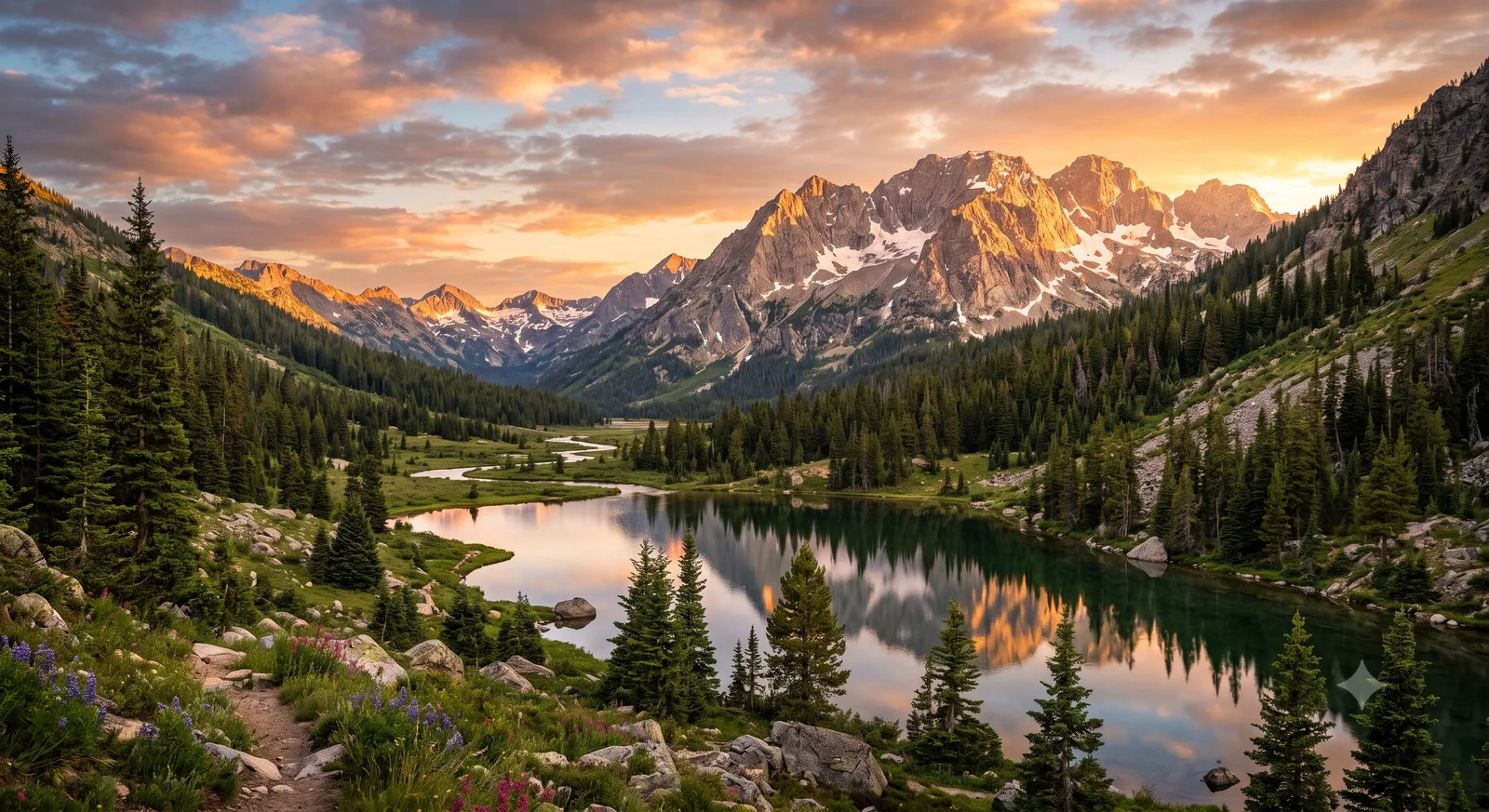
The Lee Metcalf Wilderness Montana is more than just a destination; it's an immersion into the untamed heart of the Northern Rockies. What draws us here, time and again, is the unparalleled opportunity for solitude and genuine wilderness experience. Unlike some of Montana's more heavily trafficked natural areas, the Lee Metcalf offers a profound sense of escape, where the only sounds are the wind through the pines and the distant call of wildlife. Spanning over 242,000 acres across four distinct units—Spanish Peaks, Taylor Hilgard, Monument Mountain, and Bear Trap Canyon—this wilderness boasts a dramatic landscape of towering alpine peaks, vast meadows, and deep canyons.
We're talking about elevations ranging from approximately 4,500 feet in the Bear Trap Canyon along the Madison River to the impressive 11,316-foot summit of Hilgard Peak, one of Montana's highest points outside the Beartooth Range. This incredible vertical relief creates a diverse array of ecosystems, from dry canyonlands to sub-alpine and alpine environments above the tree line, which typically sits between 9,000 and 10,000 feet. The evidence of ancient glaciers is etched into the landscape, with U-shaped valleys and cirque basins bearing witness to the powerful forces that shaped this region.
Beyond the stunning scenery, the Lee Metcalf Wilderness is a critical component of the Greater Yellowstone Ecosystem, supporting a robust and diverse wildlife population. Here, you might encounter mountain goats, bighorn sheep, moose, elk, cougars, and even both black and grizzly bears. Its pristine lakes and streams are teeming with cutthroat, rainbow, and brook trout, making it a haven for anglers. For those seeking a true backcountry adventure, the rugged terrain and extensive trail system provide endless opportunities for exploration and a deep connection with nature.
Who It's Best For
The Lee Metcalf Wilderness is not for the casual sightseer looking for paved roads and gift shops. Our team considers it ideal for experienced backpackers, serious hikers, and those truly seeking solitude and a challenge. If you thrive on self-sufficiency, navigating rugged trails, and carrying everything you need on your back, this wilderness will reward you immensely. It's a place where you can truly disconnect from the digital world and reconnect with nature on its own terms.
Wildlife enthusiasts and photographers will find ample opportunities, though patience and a keen eye are required in this vast landscape. Anglers, particularly fly fishermen, will appreciate the abundant trout in the high alpine lakes and streams. Horse packers also frequent the area, utilizing the extensive trail system for multi-day trips. However, it’s crucial to understand that this is bear country, and proper food storage and carrying bear spray are non-negotiable for anyone venturing into the backcountry.
If your idea of a perfect trip involves well-marked, easy trails and predictable conditions, you might find the Lee Metcalf Wilderness more demanding than expected. This is a place where preparation, respect for the environment, and a spirit of adventure are paramount. It's for those who embrace the "untrammeled by man" ethos of wilderness and are prepared to be self-reliant.
Getting There & Parking
Accessing the Lee Metcalf Wilderness requires some planning, as it's a designated wilderness area with no motorized or mechanized vehicles allowed within its boundaries. The wilderness is comprised of four units spread across the Madison Range: the Spanish Peaks, Taylor Hilgard, Monument Mountain, and Bear Trap Canyon units. These units are managed by either the U.S. Forest Service (Gallatin and Beaverhead-Deerlodge National Forests) or the Bureau of Land Management (for Bear Trap Canyon).
There are approximately 28 trailheads providing access to the 300 miles of trails within the Lee Metcalf Wilderness. Many of these trailheads are located off Highway 191, which runs north-south between Bozeman and West Yellowstone, and Highway 287, which parallels the Madison River. For example, popular trailheads near Big Sky include Beehive Basin, Taylor Fork, Dudley Creek, and Spanish Creek. The Lava Lake Trailhead, a popular entry point to the Spanish Peaks unit, has parking available off Highway 191 in the Gallatin Gateway area. For the Bear Trap Canyon unit, hiker access is at the north end of the canyon, while floater access is at the south end, reachable by turning east off US Hwy 287 at McAllister and following the Ennis Lake road to the Wilderness Boat Launch.
Parking at trailheads is typically unmonitored and free, but spaces can fill up quickly during peak season. We always recommend arriving early, especially for popular trails like Beehive Basin or Lava Lake. There are generally no fees to enter the Lee Metcalf Wilderness itself, as it is managed by the Forest Service and BLM as a wilderness area. However, specific campgrounds or recreation sites in the surrounding national forests might have fees. Always check with the local Forest Service or BLM offices for the most current information regarding parking, road conditions, and any potential closures for 2026. For instance, the Earthquake Lake Visitor Center, managed by the Custer Gallatin National Forest, is open daily from 10 am to 5 pm from Memorial Day weekend through September 15th, and can provide local information.
When considering how to get to Lee Metcalf Wilderness, remember that road access to some trailheads, especially at higher elevations, may be seasonal and dependent on snowmelt. For example, some upper gates on roads like Moose Creek Rd. and Portal Creek Rd. in the Custer Gallatin National Forest typically open around June 16th. Always consult the Custer Gallatin National Forest or Beaverhead-Deerlodge National Forest websites for current road and trail status before heading out.
Top Things to Do
The Lee Metcalf Wilderness is a playground for the self-sufficient adventurer, offering a range of activities that truly immerse you in Montana's wild heart. When considering things to do at Lee Metcalf Wilderness, we focus on experiences that align with the wilderness ethos of minimal impact and maximum natural engagement.
- Hiking and Backpacking: With over 300 miles of trails and 28 trailheads, hiking and backpacking are the primary ways to experience this wilderness. From challenging alpine ascents to multi-day traverses, the options are extensive. Popular trails include the 5.5-mile out-and-back Lava Lake Trail in the Spanish Peaks unit, which offers expansive views. For more strenuous endeavors, the Sphinx Mountain Trail is a 12.5-mile round-trip with a 4,500-foot elevation gain, providing incredible views. The Bear Trap Canyon Trail is another excellent option, offering a 7-mile round-trip to Bear Trap Creek or a full 15 miles to the Madison Dam Powerhouse, with year-round access. Remember that many trails, especially in the Spanish Peaks and Taylor Hilgard units, are challenging and recommended for experienced hikers.
- Fishing: The pristine lakes and streams of the Lee Metcalf Wilderness are renowned for their trout fishing, with cutthroat, rainbow, and brook trout abundant. A valid Montana fishing license is required.
- Wildlife Viewing and Photography: This wilderness is home to a diverse array of wildlife, including grizzly bears, black bears, moose, elk, mountain goats, bighorn sheep, cougars, and wolves. Wildlife viewing is a rewarding activity, especially during the off-season. Always observe from a distance and never feed animals.
- Paddling and Whitewater Rafting: The Bear Trap Canyon unit, managed by the Bureau of Land Management, features a nine-mile stretch of the Madison River with exciting whitewater, including the Class IV-V "Kitchen Sink" rapid. This is a thrilling option for experienced paddlers, but you'll need to bring your own watercraft as rentals aren't available nearby.
- Backcountry Skiing and Snowshoeing: While access is minimal in winter, the Lee Metcalf Wilderness offers exceptional opportunities for backcountry skiing and snowshoeing for those with the skills and proper equipment.
- Hunting: Hunting is permitted in the Lee Metcalf Wilderness, but requires specific permits that can be purchased online. Hunters should be aware of specific regulations for deer, elk, antelope, moose, sheep, and goat, which are updated annually by Montana FWP. Always check the latest Montana Fish, Wildlife & Parks regulations for 2026.
Whatever things to do at Lee Metcalf Wilderness you choose, always practice Leave No Trace principles to preserve this incredible environment. This includes proper waste disposal, staying on durable surfaces, and respecting wildlife.
Best Time to Visit
Choosing the best time to visit the Lee Metcalf Wilderness largely depends on the kind of experience you're seeking, as conditions vary dramatically with the seasons.
- Summer (July to early September): This is arguably the most popular time for hiking and backpacking, offering the warmest temperatures and generally snow-free trails at higher elevations. Daytime temperatures can reach as high as 100 degrees Fahrenheit, but are more moderate in the spring and fall. However, summer also brings the highest potential for crowds, especially on popular trails like Beehive Basin and Lava Lake. Thunderstorms are common in the afternoons, so be prepared for rapidly changing weather. Mosquitoes can also be quite prevalent, particularly near lakes and streams.
- Fall (Mid-September to October): Our team believes fall is a truly magical time in the Lee Metcalf Wilderness. The crowds thin out, the autumn colors are spectacular, and wildlife activity often increases as animals prepare for winter. Temperatures are more moderate, and the crisp air makes for invigorating hiking. However, be prepared for early season snow at higher elevations, and always check weather forecasts and trail conditions. Hunting season is also in full swing, so wear bright colors and be aware of hunters in the area.
- Spring (May to June): Spring is a transitional season. Lower elevation trails, like those in Bear Trap Canyon, can be accessible earlier in the season. However, higher elevation trails will still be covered in snow, and stream crossings can be high and swift due to snowmelt. This is also prime time for wildlife viewing as animals emerge from winter, but it's essential to be extra cautious of bears. Temperatures are more moderate during this time.
- Winter (November to April): For the truly intrepid, winter offers unparalleled solitude and opportunities for backcountry skiing and snowshoeing. However, access is minimal, and many roads and trailheads are closed or impassable due to deep snow. This is a time for experienced winter backcountry travelers only, requiring extensive knowledge of avalanche safety, navigation, and survival skills. Temperatures can drop as low as -30 degrees Fahrenheit.
Regardless of when you visit, always check current weather forecasts, trail conditions, and any alerts or closures from the Beaverhead-Deerlodge and Custer Gallatin National Forests. Bear activity is present year-round, so carrying bear spray is always recommended.
Where to Stay Nearby
While the essence of the Lee Metcalf Wilderness is backcountry camping, our team understands that not everyone wants to spend every night under the stars. For those seeking a blend of wilderness adventure and comfortable amenities, there are excellent options for Lee Metcalf Wilderness lodging in nearby gateway communities.
Camping within the Wilderness and National Forests:
- Backcountry Camping: The most authentic Lee Metcalf Wilderness lodging experience is backcountry camping. This requires adherence to Leave No Trace principles, including proper food storage to deter bears. There are specific regulations regarding group size (15-person limit for Lee Metcalf) and stock limitations in different units. Campfires are generally restricted in certain sensitive areas, such as within half a mile of Lava Lake, where only camp stoves are permitted. Always check current fire restrictions.
- Developed Campgrounds: The surrounding Beaverhead-Deerlodge and Custer Gallatin National Forests offer numerous developed campgrounds. These provide amenities like vault toilets, picnic tables, and sometimes potable water. Examples include Bear Creek Campground, which also serves as a trailhead for Sphinx Mountain. These campgrounds are typically seasonal, opening from late May or early June through September or October. Reservations are often recommended, especially during peak summer months.
Towns with Lee Metcalf Wilderness Lodging:
The towns of Ennis and West Yellowstone serve as excellent bases for exploring the Lee Metcalf Wilderness. Each offers a distinct vibe and range of accommodations.
- Ennis, Montana: Located in the Madison River Valley, Ennis is a charming town known for its fly-fishing scene and proximity to the western units of the wilderness. Here, you'll find a variety of Lee Metcalf Wilderness lodging options, from cozy motels to rustic cabins and guesthouses.
- **El Western Cabins & Lodges:** Celebrating over 75 years, El Western offers log cabin-style accommodations with various options, including creekside cabins for overnight trips and mountainside cabins with multiple bedrooms and full kitchens for longer stays. It's about 70 miles north of the West Yellowstone entrance to Yellowstone National Park, making it a good base for both.
- **Sportsman's Lodge:** A historic lodge built in 1945, offering cozy rooms and cabins with a relaxed, traditional Big Sky Country atmosphere.
- **Red Bear Inn:** A budget-friendly motel in the heart of Ennis.
- Other options include the Riverside Motel, Lure Me Inn, and the Ennis Homestead, which offers log cabin rentals on a historic property. You can also find vacation rentals with kitchens and fireplaces.
- West Yellowstone, Montana: Situated right at the west entrance to Yellowstone National Park, West Yellowstone is a larger hub with more amenities and a wider range of hotels. It provides convenient access to the southern units of the Lee Metcalf Wilderness, particularly those bordering Yellowstone.
- **Kelly Inn West Yellowstone:** A highly-rated option offering free breakfast, parking, an indoor pool, and hot tub, just a 15-minute walk from Yellowstone National Park's West Entrance.
- **Holiday Inn West Yellowstone:** Offers first-class comfort and family-friendly amenities within half a mile of Yellowstone's West Entrance, with ADA parking and accessible dining.
- **Gray Wolf Inn & Suites:** A tranquil hotel with an indoor pool and hot tub, comfortable rooms with refrigerators and microwaves, and close proximity to restaurants.
- **Stage Coach Inn:** A budget-friendly option, good for families and adventure seekers.
- Other well-regarded hotels include Yellowstone Lodge, Yellowstone Park Hotel, and Starlite Yellowstone, Tapestry Collection by Hilton.
When planning your Lee Metcalf Wilderness lodging, especially in summer, we strongly advise booking accommodations well in advance. Prices for hotels in West Yellowstone, for instance, are typically highest in May, averaging around $433 per night, while October tends to be the cheapest month.
Sample 2-Day Itinerary
For a true taste of the Lee Metcalf Wilderness, we recommend a multi-day backpacking trip. Here’s a sample 2-day itinerary focusing on the Spanish Peaks unit, a popular and accessible area from the Gallatin Valley.
Day 1: Ascent to Lava Lake and Alpine Exploration
- Morning (8:00 AM): Begin your journey at the Lava Lake Trailhead, located off Highway 191 in the Gallatin Gateway area. Ensure your pack is ready, you have plenty of water, and your bear spray is easily accessible. The initial 2.75-mile hike to Lava Lake is moderately strenuous but offers beautiful scenery along Cascade Creek.
- Late Morning (11:00 AM): Arrive at Lava Lake. Take some time to enjoy the views of the lake surrounded by the towering Spanish Peaks. Note that campfires are prohibited within half a mile of Lava Lake, so plan to use a camp stove for cooking.
- Afternoon (1:00 PM): After a packed lunch, continue beyond Lava Lake towards higher alpine areas. While there isn't a single "official" trail beyond Lava Lake into the deeper wilderness, experienced hikers can navigate towards areas like Beehive Basin or the Spanish Lakes (which require more advanced navigation and route-finding skills). For this itinerary, we suggest exploring the immediate basin around Lava Lake, finding a suitable, durable campsite at least 200 feet from water sources, and away from the main trail, adhering strictly to Leave No Trace principles.
- Evening (6:00 PM): Set up camp, prepare a stove-cooked meal, and enjoy the profound solitude of the wilderness. Keep all food and scented items secured in a bear-resistant canister or hung properly. Spend the evening stargazing – the dark skies here are incredible.
Day 2: Summit Views and Descent
- Morning (7:00 AM): Wake early to catch the sunrise over the peaks. Enjoy a quick, warm breakfast and coffee. Break down camp, ensuring no trace is left behind.
- Late Morning (9:00 AM): Embark on a day hike from your campsite to gain higher elevation views. Depending on your comfort and skill level, you could aim for a ridge overlooking Lava Lake or explore some of the adjacent cirques. Always be mindful of weather, trail conditions, and your energy levels. The Spanish Peaks unit is known for its rugged terrain and lack of clearly marked trails in many areas, so navigation skills are key.
- Early Afternoon (1:00 PM): Begin your descent back towards Lava Lake and then the trailhead. Allow ample time for the return journey, as downhill travel can be taxing on knees.
- Late Afternoon (5:00 PM): Arrive back at the Lava Lake Trailhead. Take a moment to reflect on your wilderness experience before heading back to civilization.
This itinerary is a suggestion for a rewarding Lee Metcalf Wilderness experience. Always tailor your plans to your group's fitness, experience, and the current conditions. Remember to carry a physical map and compass in addition to any GPS devices, as electronic devices can fail in remote areas.
Last updated: 2026-07-06 by the Roam States team.