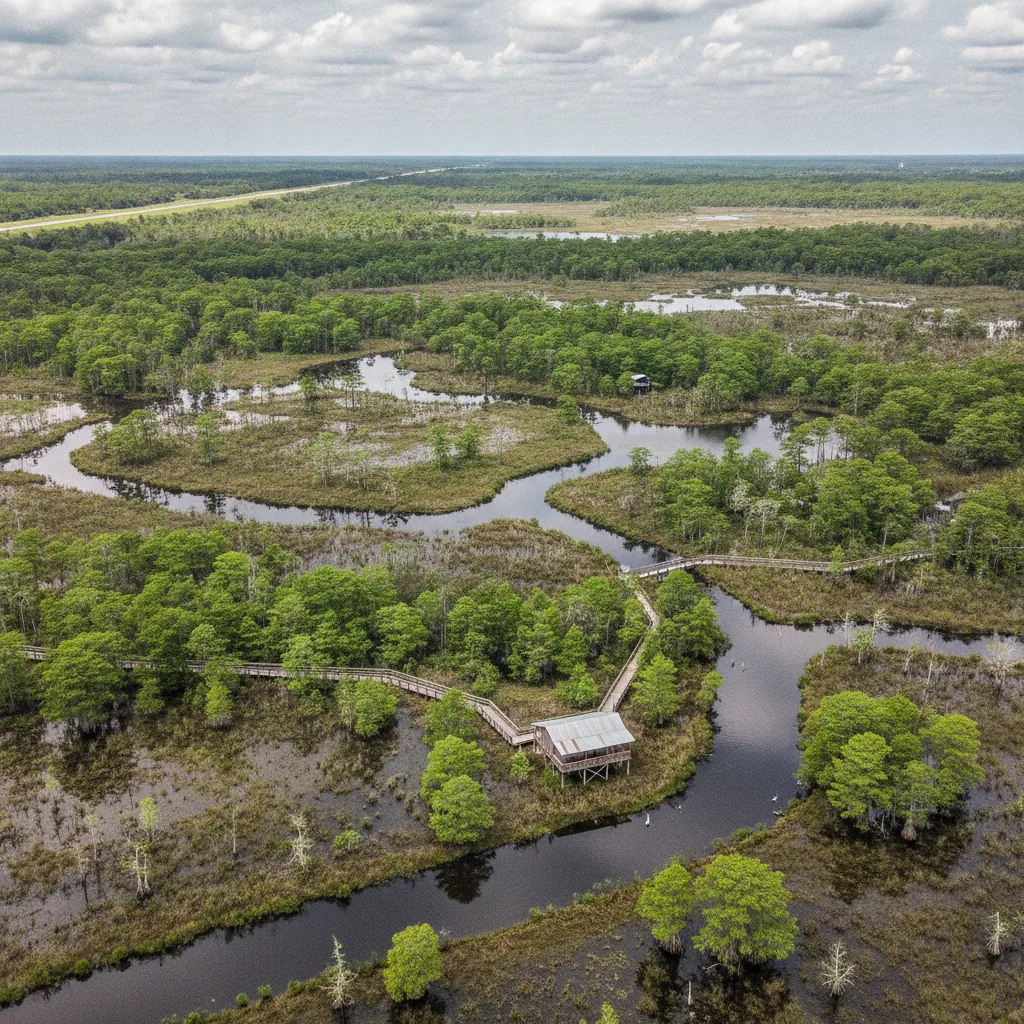
Our Mandalay National Wildlife Refuge guide covers practical planning for Mandalay National Wildlife Refuge Louisiana — best time to visit, getting there, and what to do on the ground.
As the Roam States editorial team, we’ve explored countless natural wonders across the US, but few offer the raw, untamed beauty quite like the Mandalay National Wildlife Refuge Louisiana. This essential guide is your key to unlocking the secrets of this remarkable wetland, providing all the practical details you need for an unforgettable trip in 2026. Forget generic travel advice; we're here to give you the confident, specific insights that only an independent US travel authority can provide.
Why Visit Mandalay National Wildlife Refuge
Imagine a place where the ancient rhythm of the bayou still dictates life, where cypress trees draped in Spanish moss rise majestically from still waters, and the air hums with the calls of countless birds. That's the essence of Mandalay National Wildlife Refuge. Established in 1996, this vital sanctuary protects over 4,212 acres of freshwater marsh and cypress-tupelo swamp, serving as a critical habitat for waterfowl, migratory birds, and a diverse array of wildlife.
What truly sets Mandalay apart is its unique "flotant marsh" – a fascinating floating marsh ecosystem that supports an incredible density of life. Our team finds this refuge to be a profound escape, a place where you can truly disconnect from the modern world and immerse yourself in the wild heart of Louisiana. It's a sanctuary not just for wildlife, but for anyone seeking tranquility and a deeper connection with nature. From the silent glide of an alligator to the vibrant flash of a roseate spoonbill, the refuge offers an unparalleled opportunity for wildlife observation in an authentic bayou setting.
Who It's Best For
The Mandalay National Wildlife Refuge caters to a specific kind of traveler, one who appreciates the subtle beauty and quiet adventure of a protected wetland. We confidently recommend it for:
- Birdwatchers: With thousands of migratory waterfowl gracing its marshes and forested habitats providing critical spring and fall stopovers for neotropical migratory birds, Mandalay is a birder's paradise. Keep an eye out for bald eagles nesting in cypress trees between October and April.
- Nature Photographers: The ethereal quality of the cypress swamps, the golden light over the marsh, and the abundant wildlife offer endless opportunities for stunning shots. The morning fog in winter can create particularly mystical landscapes.
- Paddlers (Kayakers & Canoeists): Exploring the refuge's waterways by kayak or canoe offers an intimate perspective, allowing you to silently glide through the marsh and get closer to wildlife.
- Hikers: While much of the refuge is difficult to access on foot, the Mandalay Nature Trail provides an easy and rewarding experience.
- Families with an interest in nature: The easy nature trail and opportunities for wildlife spotting make it a great educational outing for children, though direct access to much of the refuge is boat-only.
- Anglers: Fishing is a popular activity within the refuge, offering a chance to catch local species in a serene environment.
If you're looking for bustling tourist attractions or manicured parks, this might not be your ideal destination. But for those who crave an authentic, immersive bayou experience, Mandalay National Wildlife Refuge delivers.
Getting There & Parking
Understanding how to get to Mandalay National Wildlife Refuge is crucial, as its unique access requirements are part of its wild charm. The refuge is located approximately 5 miles southwest of Houma, Louisiana, in Terrebonne Parish. Houma itself is about 60 miles southwest of New Orleans.
Driving Directions to Mandalay National Wildlife Refuge
From New Orleans, we advise taking I-10 West to US-90 West, then following LA-24 South to Houma. From Lafayette, take US-90 East to Houma. Once you reach Houma, the primary land access point for the Mandalay Nature Trail is at 3599 Bayou Black Drive, Houma, LA 70360. You'll head west on LA-182 W/Bayou Black Drive to Rue de la Manson, turn left, and proceed about half a mile to the site.
Parking at Mandalay National Wildlife Refuge
For the Mandalay Nature Trail, there is a designated parking area accessible by vehicle. Our research indicates there are no specific parking fees for the refuge itself as of 2026. However, always check for any updated local regulations upon arrival.
Boat Access
It's important to note that most of the Mandalay National Wildlife Refuge is accessible by boat only, with foot travel being extremely difficult due to the soft marsh environment. This means that to truly explore the vastness of the refuge, you'll need to arrange boat transportation. Popular boat access points include Bayou Black Marina and Munson Slip, both located in Houma. Several local operators offer guided tours and boat rentals, which we highly recommend for navigating the intricate waterways and gaining expert insight into the ecosystem.
When boating, be aware of specific regulations: air-cooled propulsion engines are permitted, but air-thrust boats or marsh buggies are strictly prohibited. Motorized boat use is restricted to existing canals, ditches, trenasses, and ponds. All State of Louisiana boating regulations apply, including requirements for running lights, registration, and personal flotation devices.
Top Things to Do
The Mandalay National Wildlife Refuge offers a wealth of activities for those seeking to connect with Louisiana's unique bayou environment. Here are the top things to do at Mandalay National Wildlife Refuge:
Wildlife Observation and Photography
This is arguably the premier activity here. The refuge is a haven for diverse wildlife. You can expect to see alligators, river otters, and various turtle species. Birdwatching is exceptional, especially during peak migration seasons. Look for wading birds like great blue herons, and a multitude of waterfowl including redheads, pintails, and gadwalls. Bald eagles are often spotted nesting in the cypress trees from October to April. The observation deck at the end of the Mandalay Nature Trail is an excellent spot for this.
Paddling the Waterways
For an immersive experience, we highly recommend exploring the refuge by canoe, kayak, or pirogue. These non-motorized boats allow for silent navigation through the freshwater marsh and cypress-tupelo swamp, offering intimate encounters with wildlife. Remember that motorized boat use is restricted to existing canals, ditches, trenasses, and ponds. Several local outfitters in Houma can provide rentals and guidance for navigating the bayou.
Fishing
Recreational fishing is permitted year-round during daylight hours (sunrise to sunset) within the refuge. State of Louisiana creel limits apply, and all lines must be attended. Recreational crabbing is also allowed. Commercial fishing and the use of nets, traps, or unattended lines are prohibited. This is a fantastic opportunity to cast a line in a serene, wild setting.
Hiking the Mandalay Nature Trail
While most of the refuge is boat-only access, the Mandalay Nature Trail provides a fantastic opportunity for foot exploration. This 3/4-mile out-and-back trail is an easy walk, perfect for families, and leads through cypress-lined paths and quiet wetlands. It culminates in an elevated boardwalk and an observation deck overlooking the wetlands, offering excellent views of shorebirds, waterfowl, and alligators. The trail offers a glimpse into three different habitat types within a roughly 45-minute hike. Remember to stay on the boardwalks and avoid wading or swimming due to the presence of alligators.
Hunting (with restrictions)
Hunting is permitted in specific areas of the refuge under strict date, time, and lottery restrictions. Opportunities include archery hunting for deer and feral hogs, as well as waterfowl hunting in designated units. Youth hunters often receive preference in lottery permits. Hunters must consult refuge staff for current regulations and obtain necessary permits, which are available at the refuge headquarters or online. Airboats and marsh buggies are not allowed for hunting or any other activity.
Best Time to Visit
Choosing the best time to visit Mandalay National Wildlife Refuge significantly impacts your experience. Our team has found that the optimal seasons offer a balance of comfortable weather and abundant wildlife activity.
We strongly recommend visiting during the **fall and winter months, from October to April**. During this period, temperatures are mild, ranging from approximately 50°F to 75°F (10°C to 24°C). This cooler, drier weather makes outdoor activities far more enjoyable than the sweltering summer. Critically, November through February marks the peak bird migration season, when thousands of migratory waterfowl flock to the refuge, creating spectacular birdwatching opportunities. Bald eagles are also commonly sighted nesting in the cypress trees during these months. Mornings can be foggy in winter, which, while potentially limiting early visibility, often creates incredibly atmospheric and photogenic landscapes.
Spring, specifically **March and April**, also offers a beautiful experience with lush vegetation, spring wildflowers, and active wildlife. However, as temperatures begin to rise, so does the humidity and the presence of insects. For those interested in seeing crawfish, July is peak season in Houma, with festivals and boils across the region.
We generally advise **avoiding the summer months, from June to September**. This period is characterized by extremely hot and humid conditions, with temperatures often exceeding 90°F (32°C), making prolonged outdoor activity uncomfortable. Mosquito activity is also significantly higher during the summer. Furthermore, June to November is hurricane season in Louisiana, with August and September being particularly active months, which can lead to unexpected closures or hazardous conditions.
Where to Stay Nearby
When planning your visit to Mandalay National Wildlife Refuge, you'll find that Houma, Louisiana, serves as the most convenient and well-equipped base camp. Our team recommends focusing your search for Mandalay National Wildlife Refuge lodging in and around Houma, particularly in the western part of the city near Bayou Black.
Houma offers a range of accommodations, from familiar hotel chains to charming local guesthouses. Many options are within a 15-20 minute drive of the main boat launches that provide access to the refuge. We always advise booking your lodging in advance, especially if you plan to visit during peak tourist seasons (spring and fall) or during local festivals, as rooms can fill up quickly.
While there are no hotels directly within the refuge, Houma provides comfortable and accessible options. For a taste of local charm, consider exploring boutique hotels or bed and breakfasts that often reflect the rich Cajun and Creole culture of the region. For those preferring more standard accommodations, you'll find brands like Ramada by Wyndham Houma, Plantation Inn of Houma, and Wingate by Wyndham Houma LA, which typically offer amenities like free breakfast and WiFi.
Staying in Houma also places you strategically for exploring other attractions in the area, such as the Bayou Terrebonne Waterlife Museum or the Southdown Plantation House. This allows you to combine your wildlife adventure with cultural immersion in the heart of Cajun Country. For more extensive travel planning in the state, be sure to check out our Best places in Louisiana guide.
Sample 2-Day Itinerary
To truly experience the Mandalay National Wildlife Refuge and the surrounding Houma area, we suggest a two-day itinerary that balances wildlife immersion with local culture.
Day 1: Immersion in the Refuge
- Morning (Sunrise - Noon): Begin your day early with a guided boat tour into the heart of Mandalay National Wildlife Refuge. Since the refuge is primarily boat-accessible, a local guide will be invaluable for navigating the freshwater marsh and cypress-tupelo swamp, pointing out alligators, migratory birds, and the unique flotant marsh. Many tours depart from Bayou Black Marina.
- Lunch: Pack a picnic to enjoy on the boat or find a casual eatery in Houma upon your return.
- Afternoon (1:00 PM - 4:00 PM): Explore the Mandalay Nature Trail. This easy 3/4-mile out-and-back trail offers a chance to stretch your legs and provides excellent wildlife viewing from its elevated boardwalk and observation deck.
- Late Afternoon/Evening: Head back to your lodging in Houma. Consider a relaxed dinner at a local Houma restaurant, savoring authentic Cajun cuisine.
Day 2: Local Culture and Nearby Explorations
- Morning (9:00 AM - Noon): Dive into Houma's rich heritage. Visit the National WWII Museum in New Orleans if you're willing to drive an hour, or stay local and explore the Bayou Terrebonne Waterlife Museum, which offers engaging exhibits on the aquatic culture and history of the bayou region. Alternatively, tour the historic Southdown Plantation House, a 19th-century sugar plantation with a museum detailing local life and the sugar industry.
- Lunch: Enjoy lunch at another local Houma eatery, perhaps trying a seafood boil if in season.
- Afternoon (1:00 PM - 5:00 PM): Take a different kind of bayou adventure with a swamp tour from a native Cajun guide. Companies like Cajun Man's Swamp Tours offer insights into the flora, fauna, folklore, and traditions of the deep Louisiana swamps, often with alligator sightings. You could also head to the charming village of Cocodrie, less than an hour from Houma, to see houses built on stilts and a community deeply connected to fishing.
- Evening: Enjoy a final dinner in Houma. If time and interest allow, consider a drive to New Orleans to experience the vibrant French Quarter. For more ideas on planning your broader trip, consult our Plan Your US Trip guide.
Is It Worth Visiting?
From our extensive experience as the Roam States editorial team, we can confidently say: yes, Mandalay National Wildlife Refuge is absolutely worth visiting for the right traveler. If your idea of a perfect getaway involves pristine natural landscapes, unparalleled wildlife viewing, and a deep dive into an authentic Louisiana ecosystem, then this refuge will exceed your expectations.
What makes Mandalay National Wildlife Refuge worth visiting is its raw, undeveloped nature. Unlike some more heavily trafficked parks, it remains stubbornly wild. There's no visitor center or extensive network of interpretive signs; instead, it offers an opportunity for self-guided discovery and an intimate connection with the environment. The chance to see thousands of migratory waterfowl, spot alligators in their natural habitat, and navigate the tranquil bayous by boat is a truly unique experience. The easy Mandalay Nature Trail also provides accessible entry into this remarkable ecosystem for all visitors. For those seeking quiet adventure and a genuine taste of the Louisiana bayou, Mandalay National Wildlife Refuge is an essential stop on your itinerary.
FAQ
Mandalay National Wildlife Refuge camping
General public camping is not permitted at Mandalay National Wildlife Refuge. Camping is restricted to individuals involved in refuge wildlife-dependent activities and is limited to no more than 14 days during any consecutive 30-day period in a designated campground. Campers must mark their campsite with identification and dates of occupancy. We advise checking the latest refuge regulations or contacting the U.S. Fish and Wildlife Service directly for specific details regarding any limited camping opportunities for permitted activities.
things to do in Houma
Houma, Louisiana, offers a rich blend of Cajun and Creole culture, history, and outdoor activities. Beyond the refuge, you can visit the Bayou Terrebonne Waterlife Museum to learn about local aquatic culture, or explore the historic Southdown Plantation House, a 19th-century sugar plantation. Swamp tours with local Cajun guides are popular for seeing alligators and learning about bayou folklore. Downtown Houma features quaint shops, local eateries, and live music venues. For a unique experience, consider a trip to the nearby fishing village of Cocodrie.
Mandalay National Wildlife Refuge with kids
Visiting Mandalay National Wildlife Refuge with kids can be a rewarding experience, especially for families who appreciate nature. The Mandalay Nature Trail is an easy, 3/4-mile out-and-back walk that is suitable for families and leads to an observation deck where kids can spot birds and alligators from a safe distance. Guided boat tours can also be a fantastic way for children to see wildlife without extensive walking. Always ensure children stay on designated paths and maintain a safe distance from wildlife, particularly alligators. Remember to bring insect repellent, especially during warmer months.
best hotels near Mandalay National Wildlife Refuge
The best hotels near Mandalay National Wildlife Refuge are located in Houma, Louisiana. Options include chains like Ramada by Wyndham Houma, Plantation Inn of Houma, and Wingate by Wyndham Houma LA, which generally offer free breakfast and WiFi. For specific recommendations, we suggest looking for accommodations in west Houma, as these are typically within a 15-20 minute drive of the main boat launches accessing the refuge. Always book in advance, especially during peak seasons.
Mandalay National Wildlife Refuge tips
Our top tips for visiting Mandalay National Wildlife Refuge include: plan for boat access as most of the refuge is water-only; visit during fall or winter for milder weather and peak bird migration; bring binoculars, a camera, and insect repellent (especially in warmer months); wear comfortable shoes for the nature trail; and always respect wildlife by maintaining a safe distance. Check the U.S. Fish and Wildlife Service website for the latest regulations and any seasonal closures before your trip.
where to stay near Mandalay National Wildlife Refuge
The most practical place to stay near Mandalay National Wildlife Refuge is Houma, Louisiana. This city provides the closest and most comprehensive range of lodging options, including hotels and guesthouses. We particularly recommend looking for accommodations in the western part of Houma, which offers convenient access to the boat launches serving the refuge. Booking in advance is advisable, especially during popular travel seasons.
Last updated: 2026-07-05 by the Roam States team.