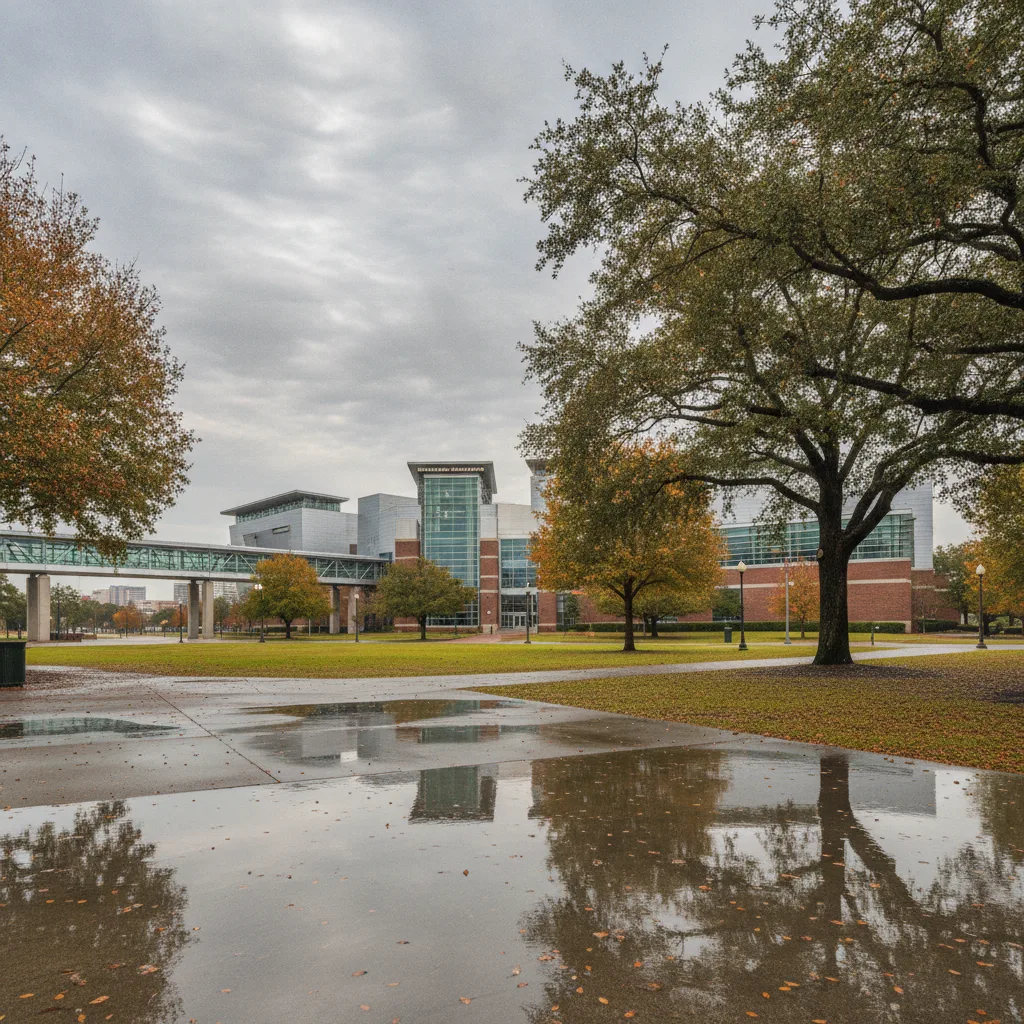
National WWII Museum Travel Guide — Louisiana
Louisiana" — We, the Visit America editorial team, are your independent US travel authority, and we’ve compiled this comprehensive guide to ensure your visit to the National WWII Museum in New Orleans, Louisiana, is nothing short of extraordinary. From its immersive exhibits to its profound historical significance, this institution stands as a testament to the American spirit during one of humanity's most challenging periods. We’ll cover everything from getting there and parking to the top things to do, helping you plan an unforgettable journey into history.
Why Visit National WWII Museum
The National WWII Museum is more than just a collection of artifacts; it’s a deeply moving, educational experience that transports visitors directly into the heart of World War II. Our team believes it’s an essential stop for anyone seeking to understand the immense sacrifices and pivotal moments that shaped the 20th century. The museum’s commitment to storytelling, utilizing personal narratives, interactive exhibits, and powerful multimedia presentations, ensures that the history feels alive and relevant. It’s a place where you can truly grasp the global scale of the conflict, the ingenuity of those on the home front, and the bravery of the soldiers who fought across multiple theaters. We are particularly impressed by its dedication to preserving the stories of the "greatest generation" for future generations, making it a living monument to courage and resilience. This isn't just a museum; it's a journey through a defining era, offering profound insights into the human spirit under immense pressure.
Who It's Best For
The National WWII Museum appeals to a remarkably broad audience. History buffs, of course, will find themselves utterly captivated by the depth of information and the meticulous detail of the exhibits. However, it’s also an incredibly valuable experience for families, especially those with older children, as it provides a tangible connection to textbook history. Educators will find a wealth of resources and inspiration for teaching about this critical period. Anyone with an interest in military history, technological innovation, or the social impact of war will find something compelling here. We also recommend it for individuals seeking a reflective and thought-provoking experience, as the museum doesn't shy away from the difficult realities of war while simultaneously celebrating the spirit of unity and determination. While younger children might find some of the content intense, the museum does offer specific considerations for visiting with kids, which we’ll delve into later.
Getting There & Parking
Understanding how to get to National WWII Museum is straightforward, as it's conveniently located in the Central Business District (CBD) of New Orleans, just a short distance from the historic French Quarter. Our team recommends considering various transportation options depending on your starting point and preferences.
Driving and Parking
If you're driving, the museum is easily accessible from major highways. The physical address is 945 Magazine Street, New Orleans, LA 70130. For parking, the National WWII Museum offers its own parking garage, which is typically the most convenient option. As of 2026, the museum's parking garage is located at 1024 Magazine Street and generally operates from 8:00 AM to 5:00 PM daily. Parking fees are usually charged per hour or for a full day. For instance, recent information indicates parking can be around $10 for the first hour and up to $30 for a full day, though these rates can fluctuate. We strongly advise checking the official museum website for the most current 2026 parking rates and availability before your visit, especially during peak seasons. Street parking in the surrounding area can be scarce and subject to strict regulations, so the museum garage is often your best bet for a hassle-free experience.
Public Transportation
New Orleans offers several public transportation options that can get you to the museum. The New Orleans Regional Transit Authority (RTA) operates streetcar lines and bus routes. The St. Charles Streetcar Line, a historic and scenic option, has a stop a few blocks from the museum. You can disembark at Lee Circle and enjoy a short walk. Several RTA bus routes also serve the area around the museum. Using public transport is an excellent way to avoid parking concerns and experience a bit of local New Orleans charm. For detailed route planning and schedules, we recommend using the RTA's official website or a reliable transit app. Knowing how to get to National WWII Museum using these methods can save time and money.
Ride-Sharing and Taxis
Ride-sharing services like Uber and Lyft, as well as traditional taxis, are readily available throughout New Orleans and offer a convenient door-to-door option. This can be particularly useful if you're traveling with a group or have mobility considerations. The museum has designated drop-off and pick-up areas to facilitate easy access.
Top Things to Do
The National WWII Museum is vast and rich with experiences, offering a multitude of things to do at National WWII Museum that will easily fill a full day, if not more. Our team has highlighted some of the must-see exhibits and attractions to help you prioritize your visit.
Explore the Permanent Exhibits
The museum is organized into several pavilions, each focusing on different aspects of the war. The "Road to Berlin" and "Road to Tokyo" exhibits are incredibly immersive, guiding visitors through the chronological progression of the war in both the European and Pacific theaters. You’ll encounter detailed dioramas, personal artifacts, and powerful multimedia presentations that bring the stories of soldiers and civilians to life. Don't miss the "U.S. Freedom Pavilion: The Boeing Center," which houses large artifacts like a B-17 bomber and other aircraft, offering a breathtaking scale to the war effort. The "Louisiana Memorial Pavilion" delves into the home front and the contributions of Louisiana residents.
Experience Beyond All Boundaries
This 4D cinematic experience, narrated by Tom Hanks, is a highlight for many visitors. "Beyond All Boundaries" is a powerful and emotional journey that uses archival footage, special effects, and sensory elements to transport you into the heart of the war. It's an excellent way to begin your visit and gain an overarching understanding of the conflict before diving into the more detailed exhibits. We consider this one of the essential things to do at National WWII Museum.
Visit Campaigns of Courage: European and Pacific Theaters
These two expansive exhibits, "Road to Berlin" and "Road to Tokyo," are the core of the museum's narrative. They meticulously detail the strategies, battles, and human experiences of the war across the globe. You’ll walk through recreated battlefields, hear firsthand accounts, and witness the technological advancements that defined the conflict. Allow ample time for these sections, as they are incredibly dense with information and artifacts.
Engage with the Interactive Experiences
The museum incorporates numerous interactive elements that cater to different learning styles. From touchscreens providing deeper dives into specific topics to simulated experiences, these features enhance engagement and understanding. The "Dog Tag Experience" allows you to follow the story of a real WWII service member, adding a personal dimension to your visit.
Reflect at the Memorials and Gardens
Take a moment to visit the various memorials and gardens throughout the museum campus. These spaces offer opportunities for quiet reflection and remembrance, honoring the sacrifices made during the war.
Explore New Orleans Beyond the Museum
While the museum itself is a full-day affair, remember that you're in one of America's most vibrant cities. There are countless things to do in New Orleans. After immersing yourself in history, consider exploring the lively French Quarter with its unique architecture, vibrant music scene, and delicious Creole cuisine. Stroll through the historic New Orleans Garden District, Louisiana, marveling at the antebellum mansions. For a taste of Louisiana's natural beauty and history, consider day trips to nearby attractions like Oak Alley Plantation or the Atchafalaya National Basin, Louisiana. These experiences offer a rich contrast to the solemnity of the museum and round out your New Orleans adventure. We encourage visitors to explore the diverse cultural landscape that makes New Orleans so unique, offering a perfect complement to the historical depth of the museum.
Best Time to Visit
Choosing the best time to visit the National WWII Museum can significantly enhance your experience. Our team has a few recommendations to help you avoid crowds and enjoy comfortable weather.
Seasonality
New Orleans experiences distinct seasons. The fall (October to November) and spring (March to May) are generally considered the best times to visit. During these months, the weather is typically mild and pleasant, with lower humidity, making it ideal for exploring both the museum and the city. Winter (December to February) can also be a good option, with cooler temperatures, though you might encounter larger crowds around holidays. Summers (June to September) in New Orleans are notoriously hot and humid, which can make extended outdoor exploration less comfortable. However, the museum is fully air-conditioned, making it a good indoor escape from the summer heat.
Days of the Week and Time of Day
To avoid the largest crowds, we recommend visiting the museum on weekdays, particularly Tuesday through Thursday. Weekends and holidays tend to be the busiest. Aim to arrive shortly after the museum opens in the morning. This allows you to experience some of the most popular exhibits, like "Beyond All Boundaries," with fewer people. The museum typically opens at 9:00 AM. Crowds often build up by late morning and peak in the early afternoon. Visiting later in the afternoon, a few hours before closing, can also offer a less crowded experience, though you'll need to be mindful of the closing time to ensure you see everything you want.
Special Events and Exhibitions
Keep an eye on the museum's official website for any special exhibitions, lectures, or events that might coincide with your visit. While these can sometimes draw additional visitors, they often offer unique opportunities to delve deeper into specific topics or hear from experts. Planning your visit around these can add another layer of richness to your National WWII Museum experience.
Where to Stay Nearby
New Orleans offers a wide array of accommodation options, and staying near the National WWII Museum provides convenient access to the museum itself, as well as other attractions in the Central Business District (CBD) and the adjacent Arts/Warehouse District. Our team has identified a few areas and types of accommodations to consider.
Arts/Warehouse District
This vibrant neighborhood, where the museum is located, is an excellent choice. It’s known for its art galleries, trendy restaurants, and repurposed industrial buildings. You'll find a mix of boutique hotels, modern chains, and stylish vacation rentals here. Staying in the Arts/Warehouse District means you can often walk to the museum, and you'll be well-positioned to explore other cultural institutions and dining spots.
Central Business District (CBD)
Just a stone's throw from the museum, the CBD is home to many larger, upscale hotels, including well-known national and international brands. This area is convenient for business travelers and tourists alike, offering easy access to public transportation, convention centers, and a variety of dining options. It's a bustling area with a more urban feel.
Garden District
For those seeking a more picturesque and historic setting, the New Orleans Garden District, Louisiana, offers beautiful antebellum mansions, charming bed and breakfasts, and boutique hotels. While not within immediate walking distance of the museum, it's a short streetcar or ride-share away. This area provides a quieter, more residential feel with stunning architecture and lush gardens.
French Quarter
The iconic French Quarter is a popular choice for first-time visitors to New Orleans, known for its lively atmosphere, historic buildings, and Bourbon Street nightlife. While it offers a quintessential New Orleans experience, it can be a bit further from the museum (a moderate walk or short ride) and potentially noisier. However, if you want to be in the heart of the action, many excellent hotels and guesthouses are available here.
Hotel Types
- Boutique Hotels: Often found in the Arts/Warehouse District and Garden District, these offer unique charm, personalized service, and distinct decor.
- Luxury Hotels: The CBD and parts of the French Quarter boast several five-star establishments with full amenities.
- Chain Hotels: You'll find reliable and comfortable options from major hotel chains in the CBD and surrounding areas.
- Vacation Rentals: Platforms like Airbnb and Vrbo offer a range of apartments and homes, particularly in the Arts/Warehouse District and Garden District, which can be ideal for families or longer stays.
We recommend booking your accommodations well in advance, especially if you're visiting during peak season or major New Orleans events.
Sample 2-Day Itinerary
To help you make the most of your visit to the National WWII Museum and explore the best of New Orleans, our team has crafted a sample 2-day itinerary. This plan balances immersive historical exploration with the city's unique culture.
Day 1: Deep Dive into WWII History
- Morning (9:00 AM - 1:00 PM): Arrive at the National WWII Museum right at opening. Start with the "Beyond All Boundaries" 4D film to set the stage. Then, immerse yourself in the "Road to Berlin" exhibit, focusing on the European Theater.
- Lunch (1:00 PM - 2:00 PM): Enjoy lunch at one of the museum's cafes, such as The American Sector Restaurant & Bar, or grab a quick bite at the Jeri Nims Soda Shop.
- Afternoon (2:00 PM - 5:00 PM): Continue your museum exploration with the "Road to Tokyo" exhibit, covering the Pacific Theater, and the "U.S. Freedom Pavilion: The Boeing Center" to see the large aircraft. Don't forget to engage with the interactive exhibits.
- Evening: After a full day of history, head to the nearby Arts/Warehouse District for dinner at one of its acclaimed restaurants. Consider a leisurely stroll through the district's art galleries if time permits.
Day 2: New Orleans Culture and Reflection
- Morning (9:00 AM - 12:00 PM): Begin your day with a walk or streetcar ride to the French Quarter. Explore Jackson Square, visit St. Louis Cathedral, and wander through the charming streets, perhaps stopping for beignets and coffee at Cafe Du Monde.
- Lunch (12:00 PM - 1:00 PM): Enjoy a classic New Orleans lunch in the French Quarter, perhaps a po'boy or gumbo.
- Afternoon (1:00 PM - 5:00 PM): Choose your adventure. You could take a historical walking tour of the French Quarter, visit the New Orleans Garden District, Louisiana, to admire its stunning architecture, or take a swamp tour to experience Louisiana's unique natural environment. Alternatively, for more historical context, consider a visit to Oak Alley Plantation or Whitney Plantation, Louisiana (a bit further afield, but profoundly impactful).
- Evening: Enjoy a farewell dinner in a neighborhood of your choice, perhaps trying some live jazz on Frenchmen Street or a fine dining experience in the Garden District.
This itinerary is flexible and can be adjusted based on your interests and pace. Remember to check hours and make reservations for popular attractions and restaurants, especially for evening dining.
National WWII Museum with Kids
Visiting the National WWII Museum with kids can be a deeply educational and impactful experience, but it requires some planning, as some exhibits deal with mature and sensitive themes. Our team believes it's certainly possible to have a meaningful visit for families.
- Prepare Them: Before your visit, talk to your children about what they will see and learn. Explain the historical context and the seriousness of the war.
- Pace Yourselves: The museum is vast. Don't try to see everything in one go, especially with younger children. Focus on key exhibits that might resonate most with them.
- Interactive Elements: Encourage engagement with the interactive displays, which can make the history more accessible and less overwhelming. The "Dog Tag Experience" is often a hit, allowing kids to follow a personal story.
- Beyond All Boundaries: This 4D film is powerful. While engaging, it can be intense for very young or sensitive children due to loud noises and realistic depictions. Consider if your child is ready for it.
- Age-Appropriate Content: While the museum doesn't have specific "kids' exhibits," some areas, like the U.S. Freedom Pavilion with its large aircraft, tend to capture children's imaginations.
- Take Breaks: Utilize the museum's cafes and seating areas for breaks. The Jeri Nims Soda Shop can be a fun stop for a treat.
- Discussion: Encourage questions and discussions throughout your visit. This helps children process the information and connect with the history.
Overall, visiting the National WWII Museum with kids, particularly those in middle school and high school, can foster a profound appreciation for history and the sacrifices made during the war. For younger children, parental guidance and careful pacing are key to a positive experience.
Is It Worth Visiting?
From our perspective as the Visit America editorial team, the resounding answer to "is National WWII Museum worth visiting?" is an unequivocal yes. This institution is not just a museum; it's a profound journey through a pivotal moment in human history, meticulously curated and powerfully presented. We believe it offers an unparalleled educational experience for visitors of all ages, providing context, personal stories, and a deep understanding of the global conflict and its lasting impact.
The sheer scale and depth of the exhibits, from the immersive "Road to Berlin" and "Road to Tokyo" pavilions to the awe-inspiring "U.S. Freedom Pavilion," are truly impressive. The museum does an exceptional job of balancing historical facts with compelling human narratives, ensuring that the sacrifices and triumphs of the "greatest generation" are never forgotten. The 4D "Beyond All Boundaries" film alone is worth the admission price for its emotional impact and storytelling prowess. We find that the museum's commitment to authenticity and its use of cutting-edge exhibit design create an experience that is both educational and deeply moving.
Beyond the exhibits, the museum serves as a vital reminder of the importance of freedom and the costs of conflict. It encourages reflection, empathy, and a deeper appreciation for the world we live in today. For anyone traveling to Louisiana, particularly to New Orleans, dedicating a significant portion of your time to this institution is an absolute must. It stands as a beacon of historical preservation and education, making the question "is National WWII Museum worth visiting?" easily answered with a resounding affirmative. It’s a destination that leaves a lasting impression and offers invaluable insights.
Last updated: 2026-07-05 by the Visit America team.