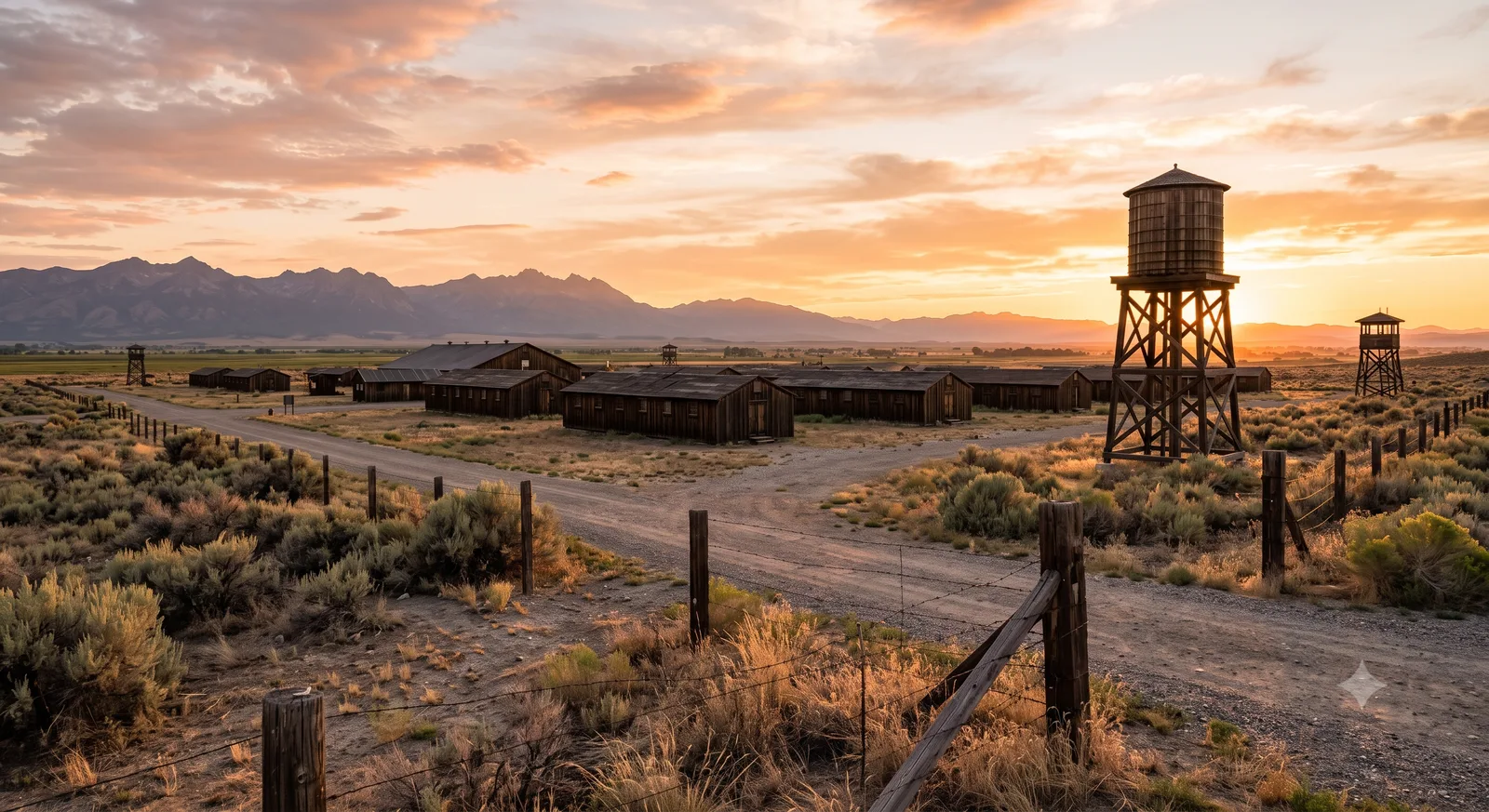
Our Minidoka National Historic Site guide covers practical planning for Minidoka National Historic Site Idaho — best time to visit, getting there, and what to do on the ground.
Our team at Roam States believes travel should be transformative, and few places in the United States offer as profound an experience as the Minidoka National Historic Site Idaho. This isn't a typical vacation spot; it's a solemn and essential destination, preserving the stark legacy of Japanese American incarceration during World War II. Visiting in 2026 provides a powerful opportunity for reflection, education, and understanding a critical chapter of American history. We've compiled this comprehensive guide to help you plan your visit, ensuring you approach this significant site with the respect and preparation it deserves.
Why Visit Minidoka National Historic Site
A visit to Minidoka National Historic Site is more than just a historical excursion; it's an immersive educational journey into a difficult, yet vital, part of the American narrative. During World War II, over 120,000 people of Japanese ancestry, two-thirds of whom were American citizens, were forcibly removed from their homes and incarcerated without due process. Minidoka was one of ten such concentration camps, holding over 13,000 Japanese Americans from Oregon, Washington, and Alaska between 1942 and 1945.
What remains today, though largely reconstructed, speaks volumes about the resilience of those who endured unimaginable injustice. Our team finds that walking the historic grounds, seeing the reconstructed guard tower and perimeter fence, and exploring the visitor center exhibits provides a tangible connection to the past that textbooks simply cannot replicate. It's a place that challenges visitors to confront uncomfortable truths about civil liberties, prejudice, and the fragility of constitutional rights. We believe that understanding this history is crucial for ensuring such injustices are never repeated. This site is not about blame, but about remembrance, learning, and honoring the lives forever changed by the experience.
Who It's Best For
Minidoka National Historic Site is best suited for visitors seeking a deeply meaningful and educational travel experience. It appeals to history enthusiasts, educators, students, and anyone with an interest in civil rights, World War II history, and the Japanese American experience. The site encourages quiet contemplation and a willingness to engage with challenging historical narratives.
Families with older children may find it particularly impactful, as the Junior Ranger program offers an accessible way for younger visitors to learn about the site's history. However, due to the somber nature and the need for respectful engagement, we generally recommend it for children mature enough to understand and process complex historical events. It is not a recreational park in the traditional sense, but rather a place for serious reflection and learning. Those who appreciate sites that challenge and educate, rather than simply entertain, will find Minidoka to be an incredibly rewarding destination.
Getting There & Parking
How to Get There
Minidoka National Historic Site is located in a rural area of south-central Idaho, near the town of Jerome, approximately 20 miles northeast of Twin Falls. The remoteness is part of its historical context, emphasizing the isolation experienced by those incarcerated here. To get to Minidoka National Historic Site, most visitors will arrive by car.
-
From Boise: The drive from Boise takes approximately 2 hours, covering about 132 miles. Take I-84 East toward Twin Falls. Continue to Exit 194 and follow US-93 North. Turn right on Hunt Road and follow signs to the Minidoka National Historic Site. Alternatively, some routes suggest taking I-84 East to Exit 173, then north on US 93 for 6 miles to the Eden exit/turnoff, then east on Highway 25 for 10 miles to Hunt Road, then 2 miles to the site.
-
From Twin Falls: The site is a short 20-30 minute drive from Twin Falls. Head north on US-93, then turn right onto Hunt Road and follow it until you reach the site entrance.
While the roads to Minidoka National Historic Site are generally open year-round, conditions can vary, especially in winter. We always recommend checking local road conditions before you travel, particularly during colder months.
Parking
Upon arrival, you'll find ample parking available at the Visitor Center, located at 1428 Hunt Road, Jerome, ID 83338. There's also a smaller parking lot near the reconstructed guard tower, which you'll encounter first as you drive along Hunt Road. Parking is free of charge.
Top Things to Do
Minidoka National Historic Site offers a range of activities designed to educate and foster reflection. Our team recommends allocating at least 2-3 hours for a thorough visit, though many visitors find themselves spending longer, deeply immersed in the exhibits and grounds. Here are the top things to do at Minidoka National Historic Site:
-
Visitor Center: Begin your visit at the Visitor Center, which houses powerful exhibits, photographs, and interpretive materials detailing the history of Japanese American incarceration. You can watch the park film, narrated by actor and activist George Takei, which provides essential context and personal stories. The Visitor Center is open seasonally, from May 1 to September 27, 2026, Fridays through Sundays, 10 am to 5 pm. When the Visitor Center is closed, brochures and passport stamps are available in an after-hours box outside.
-
Walking Trails: Explore the site's 1.6-mile walking trail, which features 23 outdoor exhibit signs. These signs interpret the historic structures, landscape, and the daily life of those confined here. You'll walk among the preserved foundations of barracks and buildings, gaining a sense of the camp's scale. The trail is open daily from sunrise to sunset, year-round.
-
Reconstructed Features: See the replica Honor Roll, recognizing Japanese Americans from Minidoka who served in the U.S. military during WWII. Observe the reconstructed perimeter fence and guard tower, which serve as stark reminders of the confinement. An original barrack building and a mess hall have also been returned and restored to the site, offering a tangible glimpse into living conditions.
-
Ranger-Led Programs: During the summer season (when the Visitor Center is open), ranger-led tours of the site are offered on Saturdays and Sundays at 11 am. These tours are free and first-come, first-served, lasting approximately 1.5 hours. We highly recommend these tours for deeper insights and personal stories.
-
Junior Ranger Program: For families visiting with children, the Junior Ranger program provides engaging activities to help younger visitors learn about the site's history and earn a badge or patch.
Things to Do in Jerome
While the primary focus of your trip will be Minidoka National Historic Site, the nearby town of Jerome, Idaho, offers additional attractions and amenities. Our team suggests exploring these local highlights to complement your historical visit:
-
Snake River Canyon Parks: Jerome sits close to the dramatic Snake River Canyon. You can hike along the rim, visit Mermaid Cove with its beautiful waterfall, or find lesser-known lookouts for stunning views of Shoshone Falls, often with fewer crowds than the main park.
-
Jerome Country Club: If you're a golf enthusiast, the Jerome Country Club, established in 1926, offers an 18-hole, par 72 course on the picturesque north side of the Snake River Canyon.
-
Local Shops and Cafes: Explore downtown Jerome for local businesses like Renew Coffee Shop, which offers delicious food and Idaho local goods, perfect for a souvenir or a quick bite.
-
North Side Park: A great spot for families, this large park features a skate park, playground, and during the summer, a splash pad.
-
Jerome County Historical Society Museum: For more local history, the Jerome County Historical Society Museum can provide further context on the region and the Minidoka War Relocation Center.
Best Time to Visit
The best time to visit Minidoka National Historic Site largely depends on your priorities and tolerance for weather conditions. The site grounds are open year-round from sunrise to sunset, but the experience varies significantly by season.
-
Spring (April-May) & Fall (September-October): Our team considers these to be the ideal times to visit. The weather is generally comfortable, making it perfect for walking the outdoor trails and engaging in quiet reflection. Crowds are typically smaller than in summer, allowing for a more personal experience. The Visitor Center is open during much of the fall (until late September) and opens in May for spring visitors.
-
Summer (June-August): This is the most popular season to visit, offering warm days and the highest likelihood of special programs and ranger-led tours. The Visitor Center is fully operational during these months. However, summer in Idaho's high desert can be very hot with little shade, so we advise bringing plenty of water, sun protection, and wearing comfortable walking shoes.
-
Winter (November-March): The site takes on a quiet, solemn atmosphere during winter. While facilities may be more limited (the Visitor Center is closed), the stillness can enhance the reflective nature of the visit. Be prepared for cold temperatures, snow, and potentially challenging road conditions. The walking trails remain open, but restrooms are unavailable when the visitor center is closed.
Regardless of the season, we recommend checking the official National Park Service website for Minidoka National Historic Site (nps.gov/miin) for the most up-to-date operating hours and conditions before your trip.
Where to Stay Nearby
Minidoka National Historic Site Lodging
Given the rural location of Minidoka National Historic Site, direct onsite lodging is not available. Visitors will need to seek accommodations in nearby towns. The closest major towns offering a range of Minidoka National Historic Site lodging options are Jerome and Twin Falls. Our team generally recommends Twin Falls for a wider selection of hotels, restaurants, and amenities, though Jerome provides closer proximity and a more small-town feel.
-
Twin Falls, Idaho: Located approximately 20-30 minutes southwest of Minidoka, Twin Falls is the largest city in the Magic Valley region and offers the most comprehensive selection of hotels, from budget-friendly chains to more upscale options. You'll find numerous dining choices, grocery stores, and other conveniences here. Twin Falls is also home to the spectacular Shoshone Falls, often called the "Niagara of the West," which makes for an excellent additional stop on your trip. You can find more information about visiting Shoshone Falls here.
-
Jerome, Idaho: Jerome is closer to the historic site, offering a more immediate base for your visit. While lodging options are more limited than in Twin Falls, you can find local motels and the Jerome KOA Holiday, which offers RV sites, camping, and cabins, complete with amenities like a pool and play area. Staying in Jerome provides a quieter experience and reduces driving time to and from Minidoka. When considering Minidoka National Historic Site lodging, Jerome offers a convenient, albeit smaller, selection.
For those interested in exploring more of Idaho's diverse landscapes, consider extending your stay and venturing further afield. The Craters of the Moon National Monument offers a starkly beautiful volcanic landscape, while the Sawtooth National Recreation Area provides stunning alpine scenery and abundant outdoor activities. For a comprehensive look at the state, explore our guide to the Best Places in Idaho.
Sample 2-Day Itinerary
To fully appreciate the Minidoka National Historic Site and its surrounding area, our team suggests a two-day itinerary, allowing for deep immersion and exploration without feeling rushed. This itinerary assumes you're basing yourself in Twin Falls for its wider range of amenities, but it can easily be adapted if you choose to stay in Jerome.
Day 1: Immersion at Minidoka National Historic Site
-
Morning (9:00 AM - 1:00 PM): Arrival and Visitor Center Exploration
Drive from Twin Falls to Minidoka National Historic Site (approx. 20-30 minutes). Begin your visit at the Visitor Center (open May-September, Fri-Sun, 10 am - 5 pm). Allow ample time to explore the exhibits, read the interpretive panels, and watch the park film. This foundational understanding is crucial before venturing out onto the grounds. Engage with park rangers, who can offer additional insights and answer questions.
-
Lunch (1:00 PM - 2:00 PM): Picnic or Nearby Snack
Pack a picnic lunch to enjoy at the site (check for designated picnic areas) or grab a quick bite in Jerome before returning for the afternoon's activities. Options in Jerome include Renew Coffee Shop for sandwiches and pastries.
-
Afternoon (2:00 PM - 5:00 PM): Walking Trails and Ranger Tour
Embark on the 1.6-mile self-guided walking trail. Take your time at each interpretive sign, visualizing the daily life and challenges faced by those incarcerated. Visit the reconstructed guard tower, perimeter fence, barrack, and mess hall. If your visit falls on a Saturday or Sunday during the summer, consider joining the 11 am ranger-led tour for a more guided experience. Remember to bring water and sun protection, especially in warmer months.
-
Evening: Dinner and Reflection in Twin Falls
Return to Twin Falls for dinner. Use the evening to reflect on your experiences at Minidoka. Consider visiting a local bookstore to find resources on Japanese American history or civil rights.
Day 2: Local Exploration and Natural Wonders
-
Morning (9:00 AM - 12:00 PM): Jerome and Snake River Canyon
Start your day exploring Jerome. Grab coffee at Renew Coffee Shop. Then, head to the Jerome side of the Snake River Canyon. Hike down to Mermaid Cove to see its hidden waterfall or find a scenic overlook for views of Pillar Falls or Shoshone Falls. The Snake River Canyon Parks offer various hiking and viewing opportunities.
-
Lunch (12:00 PM - 1:00 PM): Lunch in Twin Falls
Head back to Twin Falls for lunch, choosing from its diverse array of restaurants.
-
Afternoon (1:00 PM - 5:00 PM): Shoshone Falls and Perrine Bridge
Dedicate your afternoon to Twin Falls' natural marvels. Visit Shoshone Falls Park to witness the impressive waterfall. Afterwards, drive to the Perrine Bridge, a popular spot for base jumping (weather permitting) and offering panoramic views of the Snake River Canyon. Consider a walk along the canyon rim trail for different perspectives.
-
Evening: Departure or Further Exploration
Depending on your travel plans, you can depart from Twin Falls or choose to extend your trip to other Idaho destinations. For instance, the unique volcanic landscapes of Craters of the Moon National Monument are just a couple of hours away, or head north to the majestic Sawtooth National Recreation Area for stunning mountain vistas and outdoor adventures.
Is It Worth Visiting?
Without a doubt, our team believes that Minidoka National Historic Site is worth visiting. It is a profoundly important site that offers an unparalleled opportunity to learn about a dark but critical period in American history. The experience here is not about entertainment, but about education, empathy, and remembrance.
Many visitors describe Minidoka as a powerful and poignant place, offering a tangible connection to the past. Despite the limited remains of the original camp, the preserved foundations, reconstructed elements, and comprehensive interpretive exhibits effectively convey the scale of the incarceration and the human stories behind it. The efforts to preserve this history and the resilience of the Japanese Americans who were incarcerated here are deeply moving. If you are seeking a meaningful travel experience that challenges you to think critically about civil liberties and social justice, then Minidoka National Historic Site is absolutely worth visiting.
FAQ
Minidoka National Historic Site with kids
Visiting Minidoka National Historic Site with kids can be a powerful educational experience for families, especially those with older children. The site offers a Junior Ranger program, which includes activities designed to engage younger visitors and help them understand the history in an age-appropriate way. We recommend preparing children in advance by discussing the historical context of Japanese American incarceration to ensure they approach the site with understanding and respect. The walking trails are easy to navigate, but there is little shade, so bring water and sun protection. Restrooms are available when the Visitor Center is open (May-September).
Best hotels near Minidoka National Historic Site
The best hotels near Minidoka National Historic Site are primarily found in Twin Falls, which is about 20-30 minutes away. Twin Falls offers a wide range of chain hotels, from budget-friendly to mid-range, along with diverse dining options. Jerome, Idaho, is closer to the site and provides more limited but convenient lodging choices, including local motels and the Jerome KOA Holiday, which features RV sites, camping, and cabins. We advise booking your Minidoka National Historic Site lodging in advance, especially during the peak summer season.
Minidoka National Historic Site tips
Our top tips for visiting Minidoka National Historic Site include: start at the Visitor Center for context (open May-September, Fri-Sun, 10 am - 5 pm), wear comfortable walking shoes for the 1.6-mile interpretive trail, bring plenty of water and sun protection as there is little shade, and allow at least 2-3 hours for a thorough visit. Consider joining a ranger-led tour during the summer for deeper insights. Remember that the site grounds are open daily from sunrise to sunset year-round, even when the Visitor Center is closed.
Where to stay near Minidoka National Historic Site
When planning where to stay near Minidoka National Historic Site, your best options are the towns of Twin Falls and Jerome, Idaho. Twin Falls, located about 20-30 minutes away, offers the most extensive selection of hotels, restaurants, and amenities. Jerome, while closer to the site, has fewer lodging choices but can be a convenient base for your visit. The Jerome KOA Holiday provides camping and cabin options. We recommend considering your preference for amenities versus proximity when choosing your accommodation.
Minidoka National Historic Site parking
Minidoka National Historic Site offers free and ample parking at its Visitor Center, located at 1428 Hunt Road, Jerome, ID 83338. There is also a smaller parking area near the reconstructed guard tower. The roads leading to the site and the parking lots are accessible year-round. No reservations are needed for parking.
Best time to visit Minidoka National Historic Site
The best time to visit Minidoka National Historic Site is during spring (April-May) or fall (September-October) for comfortable weather and fewer crowds, ideal for walking the outdoor trails. The Visitor Center is open from May 1 to September 27, 2026, Fridays through Sundays, 10 am to 5 pm, making summer a popular time for ranger programs, but also hotter. The site grounds are open daily from sunrise to sunset year-round.
Conclusion
A visit to Minidoka National Historic Site Idaho is a journey into a crucial, often painful, chapter of American history. Our team at Roam States believes it is a destination that demands our attention, offering invaluable lessons on civil liberties, prejudice, and the enduring strength of the human spirit. From walking the historic grounds and exploring the insightful exhibits to reflecting on the stories of resilience, Minidoka provides a deeply moving experience that stays with you long after you leave. We encourage all travelers to consider this profound site when planning their next trip to Idaho.
Last updated: 2026-07-06 by the Roam States team.