Our Montana de Oro State Park guide covers practical planning for Montana de Oro State Park California — best time to visit, getting there, and what to do on the ground.
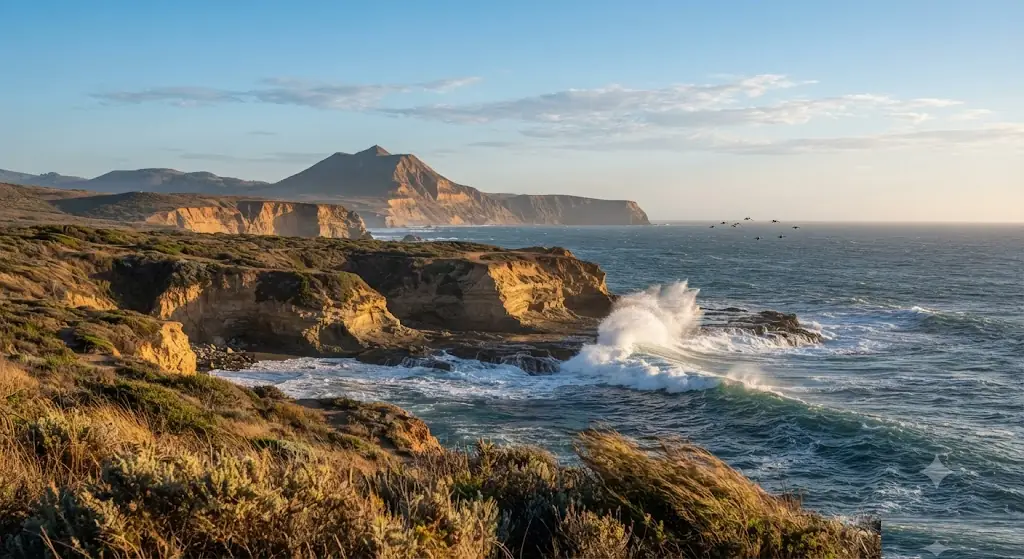
Located in Los Osos, Montana de Oro State Park California offers over 8,000 acres of rugged bluffs, sandy beaches, canyons, and undeveloped coastline along the San Luis Obispo County coast. This expansive park is a true gem of the Central Coast, renowned for its dramatic ocean views, diverse ecosystems, and golden wildflowers that blanket the hillsides in spring, lending the park its Spanish name, "Mountain of Gold". Our team at Roam States is dedicated to providing you with the most accurate and up-to-date information to ensure your visit is unforgettable, steering clear of generic travel advice to offer confident, specific recommendations.
Why Visit Montana de Oro State Park
Montana de Oro State Park stands out as a premier destination for those seeking an authentic California coastal experience. Unlike more developed areas, this park preserves a significant stretch of undeveloped coastline, offering a raw and majestic natural beauty that is increasingly rare. We find its appeal lies in the sheer variety of landscapes it presents: from the towering cliffs and secluded coves to the tranquil coastal plains and the rugged peaks like Valencia Peak, which reaches 1,347 feet. The park is a haven for outdoor enthusiasts, providing ample opportunities for hiking, mountain biking, horseback riding, and exploring tide pools.
Beyond the active pursuits, the park offers a profound sense of peace and solitude. The fresh ocean breezes and the constant sound of the pounding surf create an invigorating atmosphere, perfect for disconnecting and reconnecting with nature. Whether you're a seasoned adventurer or simply looking for a scenic spot to relax and observe wildlife, Montana de Oro delivers. The opportunity to witness migrating whales, sea otters, and diverse birdlife against a backdrop of stunning scenery is a compelling reason to visit.
Who It's Best For
Montana de Oro State Park truly caters to a wide array of travelers, making it a versatile destination on California's Central Coast. We recommend it particularly for:
- Hikers and Mountain Bikers: With trails ranging from easy coastal strolls to challenging summit climbs, the park is a paradise for those who love to explore on foot or two wheels.
- Nature Enthusiasts and Wildlife Observers: The park's diverse habitats support a rich variety of plant and animal life. Birdwatchers, tidepool explorers, and those hoping to spot marine mammals will find plenty to delight in.
- Families: While some trails are rugged, many areas, like Spooner's Cove Beach and the easier bluff trails, are perfect for families with children to enjoy the beach, picnic, and explore tide pools. However, it's important to note that dogs are generally not allowed on trails, only in campgrounds, roadways, and Spooner's Cove Beach, and must be on a leash.
- Photographers: The dramatic coastline, golden wildflowers, and stunning sunsets provide endless opportunities for breathtaking landscape photography.
- Campers Seeking a Rustic Experience: The park offers primitive camping options, ideal for those who prefer a more rugged overnight stay without the amenities of full hookups.
If you're looking for a destination that combines rugged beauty with accessible outdoor activities, Montana de Oro State Park is an excellent choice. It offers a quieter, more natural experience compared to some of California's more heavily visited attractions like Disneyland Resort or the bustling Hollywood & Los Angeles area.
Getting There & Parking
Understanding how to get to Montana de Oro State Park and navigate its parking is crucial for a smooth visit. The park is conveniently located near several Central Coast communities, making it an accessible day trip or overnight destination. From San Luis Obispo, the park is approximately 15 miles west.
Directions to Montana de Oro State Park
To reach Montana de Oro State Park from San Luis Obispo, we recommend taking Highway 101 North to the Los Osos Valley Road off-ramp. Turn left towards Los Osos and continue for about 11 miles until it becomes Pecho Valley Road. Follow Pecho Valley Road for approximately 3.5 miles to reach the Spooner Ranch House and the main campground area.
Alternatively, from Morro Bay, take Highway 1 North to the South Bay Blvd. off-ramp. Turn left and proceed about 6 miles, then turn right onto Los Osos Valley Road. Continue for 1.5 miles until it transitions into Pecho Valley Road, and follow it for another 3.5 miles to the Spooner Ranch House. For a more scenic, albeit longer, route from Monterey, you can take Highway 1 south through Big Sur (when road conditions permit), a journey of about 158 miles. Please note that Pecho Valley Road terminates at the Coon Creek parking lot, and there is no drive-through access to the south; you must exit the park the same way you entered.
Parking at Montana de Oro State Park
Day-use parking at Montana de Oro State Park is free, with no entrance or parking fees. This is a significant advantage, allowing visitors to enjoy the park's amenities without additional costs. There are several parking turnouts located throughout the park, with the main parking area situated near the Spooner Ranch House.
Designated accessible parking spaces are available in the day-use area at Sand Spit, across from the Valencia Peak Trailhead on Pecho Valley Road, and at the end of Pecho Valley Road near the restrooms and picnic tables at the gate to Point Buchon. Parking at the nature center and at the end of Pecho Valley Road is on firm terrain, though not always marked. We advise arriving early, especially on weekends and holidays, to secure a spot at popular trailheads.
For those considering an extended USA road trip planner that includes this stunning part of California, the accessibility and free parking make Montana de Oro State Park an attractive stop. We always recommend checking current road conditions, especially if traveling through areas like Big Sur & PCH, which can experience closures due to weather.
Top Things to Do
Montana de Oro State Park offers an impressive array of activities that cater to all interests, from serene beachcombing to strenuous mountain climbs. Our team has curated a list of the top things to do at Montana de Oro State Park to help you make the most of your visit.
- Hiking: This is arguably the most popular activity, with trails for every skill level. We detail some of the best options below.
- Beachcombing and Tidepooling at Spooner's Cove: Spooner's Cove is the heart of the park and an excellent starting point for any visit. It's a fantastic spot for picnicking, searching for sea glass, and exploring vibrant tide pools at low tide. Dogs are permitted on leash at Spooner's Cove Beach.
- Mountain Biking: Many of the park's trails are open to mountain bikers, offering varied terrain from flat, wide paths to technical singletrack. Popular routes include the Bluff Trail, Islay Creek Trail, and Hazard Peak Trail.
- Horseback Riding: Equestrian enthusiasts will find several designated trails and even a dedicated Hazard Canyon Horse Camp for overnight stays.
- Wildlife Viewing: Keep an eye out for a diverse range of wildlife, including sea otters, seals, dolphins, and migrating gray whales, especially from coastal bluffs. Land animals like squirrels and chipmunks are also common.
- Photography: The dramatic coastal scenery, rugged cliffs, and golden wildflowers provide endless opportunities for stunning photographs.
- Visiting the Spooner Ranch House Visitor Center: This historic ranch house, built in the 1890s, serves as the park's visitor center. It offers exhibits on the area's ranching past, trail maps, and a small nature store.
When planning your things to do at Montana de Oro State Park, remember to dress in layers due to the changeable coastal weather and bring plenty of water and snacks, as there are no food services within the park.
Montana de Oro State Park Hiking Trails
Montana de Oro State Park is a hiker's paradise, boasting an extensive network of trails that showcase its diverse landscapes. Our team highlights some of the best Montana de Oro State Park hiking trails, ranging from easy coastal walks to challenging climbs with panoramic views:
- Bluff Trail: This is a favorite for many, including our team, for its accessibility and continuous ocean views. This easy, mostly flat 2.2 to 4.6-mile round trip trail hugs the rugged cliffs, offering breathtaking vistas of the Pacific and access to tide pools at Corallina Cove. It's also known as the "Whale Trail" due to frequent wildlife sightings.
- Valencia Peak Trail: For those seeking a challenge, the Valencia Peak Trail is a moderate to difficult 4.4-mile out-and-back hike that ascends to the 1,347-foot summit of Valencia Peak. The reward is an unparalleled 360-degree panoramic view of the coastline, Morro Bay, and the Irish Hills. Allow 2-3 hours for this hike.
- Hazard Peak Trail: This 6-mile trail offers a steady, manageable ascent through chaparral and coastal sage scrub, leading to Hazard Peak with excellent views of Morro Bay and the ocean. It's popular with both hikers and mountain bikers.
- Islay Creek Trail: An easy out-and-back trail that follows a wide path up a coastal canyon, passing a small seasonal waterfall. It's a gentle hike perfect for families and those looking for a less strenuous option.
- Hazard Reef Trail: A very easy 0.3-mile trail providing quick access to coastal features and tide pools.
- Oats Peak Trail: One of the park's longer and more challenging trails, this 10.8-mile out-and-back hike offers sweeping views of the Irish Hills and the coastline.
When exploring Montana de Oro State Park hiking trails, always stay on designated paths to protect the fragile ecosystem and be aware of poison oak, which grows throughout the park. Dogs are not permitted on any hiking trails, only in campgrounds, roadways, and Spooner's Cove Beach.
Best Time to Visit
The Central Coast of California enjoys a mild climate year-round, making Montana de Oro State Park an appealing destination in any season. However, based on what you're hoping to experience, certain times of the year might be more ideal.
- Spring (March to May): We consider spring the absolute best time to visit. This is when the park truly lives up to its name, as the hillsides burst into a spectacular display of golden wildflowers, including California poppies. The weather is typically pleasant, with comfortable temperatures for hiking and outdoor activities. Wildlife is also very active during this time.
- Summer (June to August): Summer offers consistently warm, but often foggy, coastal weather. The marine layer keeps temperatures cooler than inland areas, sometimes by as much as 30 degrees. This is a popular time for beach activities and camping, but trails can be busier. Reservations for camping are highly recommended during this peak season.
- Fall (September to November): Fall brings clear skies and warm temperatures, often referred to as "Indian Summer" on the Central Coast. The crowds begin to thin, offering a more peaceful experience on the trails. It's an excellent time for hiking and enjoying the dramatic coastal light.
- Winter (December to February): While cooler and wetter, winter can still be a beautiful time to visit, especially for storm watching and dramatic ocean swells. Whale migration is also a highlight during the winter months. Some trails may be muddy after rain, but the park's rugged beauty remains captivating.
Regardless of the season, we always recommend dressing in layers, as coastal weather can change rapidly. Mornings can be foggy, giving way to sunny afternoons, and evenings can cool down significantly. Always check the local weather forecast before your visit.
Where to Stay Nearby
While Montana de Oro State Park offers primitive camping, many visitors prefer the comfort of local accommodations. When considering Montana de Oro State Park lodging, you'll find a range of options in the nearby towns of Los Osos and Morro Bay, catering to different preferences and budgets.
Hotels and Inns
The closest town for accommodations is Los Osos, located about 4 miles north of the campground. Morro Bay is another excellent option, approximately 10 miles north of the campground, offering a wider selection of hotels and amenities. Here are some highly-rated options for Montana de Oro State Park lodging:
- Sea Pines Golf Resort (Los Osos): Located approximately 1.92 km from Montana de Oro State Park, this resort offers a convenient stay with golf amenities.
- Back Bay Inn (Los Osos): Situated about 3.58 km from the park, the Back Bay Inn provides comfortable lodging with bay views.
- Inn at Morro Bay (Morro Bay): This 3.5-star hotel is about 6 miles from Montaña de Oro State Park and offers an outdoor pool and free WiFi.
- Harbor House Inn Morro Bay (Morro Bay): A budget-friendly, pet-friendly option with excellent guest ratings.
- 456 Embarcadero Inn & Suites (Morro Bay): Located in Morro Bay, this hotel is well-regarded by travelers.
- Masterpiece Hotel (Morro Bay): A budget-friendly motel about 7 miles from the park, known for its good guest ratings.
Many of these hotels offer amenities like free parking and are within easy reach of dining and other attractions in Morro Bay and Los Osos. For a comprehensive list and to compare options, we recommend checking travel sites like Trip.com, Expedia, or Orbitz.
Vacation Rentals
For those seeking more space or a home-away-from-home feel, numerous vacation rentals are available in Los Osos, Baywood-Los Osos, and Morro Bay. Options range from cozy cottages to larger homes, many of which are dog-friendly. These can be an excellent choice for families or groups, offering kitchens and private yards.
Whether you choose a hotel, inn, or vacation rental, securing your Montana de Oro State Park lodging in advance, especially during peak season, is always a wise decision.
Sample 2-Day Itinerary
To help you maximize your visit, our team has crafted a sample 2-day itinerary for Montana de Oro State Park. This plan balances active exploration with opportunities for relaxation, ensuring you experience the park's highlights without feeling rushed.
Day 1: Coastal Exploration & Iconic Views
- Morning (9:00 AM - 12:00 PM): Arrival & Spooner's Cove
- Arrive at Montana de Oro State Park and head directly to Spooner's Cove. Park your vehicle in the main lot.
- Visit the Spooner Ranch House Visitor Center to pick up a map and learn about the park's history and ecosystems.
- Spend time exploring Spooner's Cove Beach, beachcombing, and, if the tide is low, discovering the marine life in the tide pools.
- Lunch (12:00 PM - 1:00 PM): Picnic by the Ocean
- Enjoy a packed picnic lunch at one of the picnic tables near Spooner's Cove or find a scenic spot along the bluff. Remember to pack out all trash.
- Afternoon (1:00 PM - 5:00 PM): Bluff Trail Hike
- Embark on the easy Bluff Trail, a 2.2 to 4.6-mile round trip, offering continuous, stunning ocean views and opportunities to spot sea otters, seals, and seabirds. This is one of the essential Montana de Oro State Park hiking trails.
- Take your time to enjoy the dramatic coastal scenery and perhaps descend to Corallina Cove (if accessible and safe) for more tidepooling.
- Evening (5:00 PM onwards): Sunset & Dinner in Los Osos/Morro Bay
- Head back to your chosen accommodation.
- Enjoy a spectacular Central Coast sunset from a scenic overlook within the park or a viewpoint in Los Osos or Morro Bay.
- Dine at one of the local restaurants in Los Osos or Morro Bay. Both towns offer a variety of dining options, from casual eateries to more upscale experiences.
Day 2: Summit Challenge & Inland Beauty
- Morning (8:00 AM - 12:00 PM): Valencia Peak Ascent
- Start your day early with a hike up the challenging Valencia Peak Trail. This 4.4-mile out-and-back trail offers a rewarding ascent to the park's highest point.
- From the summit, soak in the panoramic views of the Pacific Ocean, Morro Bay, and the Irish Hills. Allow 2-3 hours for this hike.
- Lunch (12:00 PM - 1:00 PM): Recharge
- Grab a quick lunch in Los Osos or at a picnic spot near the park entrance.
- Afternoon (1:00 PM - 4:00 PM): Mountain Biking or Elfin Forest
- Option A (Mountain Biking): If you brought your bike, explore some of the park's mountain biking trails like Islay Creek Trail or Hazard Peak Trail.
- Option B (Nature Walk): For a more relaxed afternoon, visit the nearby Elfin Forest Preserve in Los Osos. This unique 90-acre coastal nature preserve features boardwalk trails through pygmy oak woodland and salt marsh habitats, offering excellent birdwatching opportunities.
- Late Afternoon (4:00 PM onwards): Departure or Extended Stay
- Enjoy a final scenic drive through the park before heading home, or consider extending your trip to explore other nearby California attractions, such as Hearst Castle to the north or Channel Islands National Park to the south.
FAQ Longtails
Montana de Oro State Park camping
Montana de Oro State Park offers several camping options for those looking to stay overnight amidst its rugged beauty. The primary facility is the Islay Creek Campground, which provides 47 primitive campsites suitable for both tent camping and recreational vehicles up to 27 feet in length. These sites include a fire ring and picnic table, with water spigots and chemical toilets nearby. Firewood is often available for sale from the campground host. Additionally, there are four Environmental Camps that require a hike of approximately 100 yards to half a mile to reach, offering a more secluded experience with pit toilets but no potable water or campfires allowed. For those with horses, the Hazard Canyon Horse Camp provides four campsites designed specifically for equestrian camping, including stalls and watering troughs. Reservations for Montaña de Oro State Park camping are highly recommended, especially during summer and holiday weekends, and can be made up to six months in advance via ReserveCalifornia. It's important to note that the park does not offer RV electrical hookups, RV sanitation/water-fill stations, or showers. Dogs are permitted in campsites and on park roads but must be on a leash and are not allowed on trails.
Things to do in Los Osos (San Luis Obispo County)
Los Osos, the charming town adjacent to Montana de Oro State Park, offers a variety of activities that complement a visit to the park. Beyond Montaña de Oro itself, visitors can explore the Elfin Forest Preserve, a unique 90-acre coastal nature preserve with boardwalk trails through pygmy oak woodland and salt marsh habitats, perfect for birdwatching and gentle walks. The Morro Coast Audubon Society Sweet Springs Nature Preserve is another excellent spot for nature lovers and birdwatchers. For those interested in local culture and dining, Los Osos and nearby Baywood Park feature a vibrant farmers market with farm-fresh cuisine. You can also enjoy kayaking in Morro Bay, which is easily accessible from Los Osos, or try a private surf lesson. The Los Osos Valley Road itself offers scenic views of the Irish Hills and the Nine Sisters volcanic mountains. Nearby Morro Bay also provides additional attractions like Morro Rock and Morro Bay State Park.
Montana de Oro State Park with kids
Montana de Oro State Park is a fantastic destination for families with children, offering numerous opportunities for outdoor adventure and learning. We recommend focusing on activities that are engaging and accessible for younger visitors. Spooner's Cove Beach is an ideal starting point, perfect for building sandcastles, searching for unique sea glass, and exploring the fascinating tide pools at low tide. The Bluff Trail is an easy, mostly flat hike that provides stunning ocean views and is manageable for most children, allowing them to spot marine wildlife like sea otters and seabirds. The Spooner Ranch House Visitor Center offers a glimpse into the area's history and has a small nature store with educational items. While dogs are allowed on leash at Spooner's Cove Beach and in campgrounds, they are not permitted on trails, so plan accordingly if traveling with pets. Always be mindful of poison oak and ticks, and ensure children stay on designated paths.
Best hotels near Montana de Oro State Park
When searching for the best hotels near Montana de Oro State Park, visitors will find excellent options primarily in Los Osos and Morro Bay. In Los Osos, the Sea Pines Golf Resort is a popular choice, located very close to the park. The Back Bay Inn in Los Osos also receives high ratings and offers bay views. In Morro Bay, a short drive away, the Inn at Morro Bay is a 3.5-star property with an outdoor pool and good reviews. Other well-regarded options in Morro Bay include the Harbor House Inn Morro Bay, known for being budget-friendly and pet-friendly, and the 456 Embarcadero Inn & Suites. For those seeking private accommodations, charming coastal getaway homes and cottages are also available in Los Osos and Baywood-Los Osos. We recommend checking reviews and booking in advance, especially during peak travel seasons.
Montana de Oro State Park tips
To ensure a fantastic visit to Montana de Oro State Park, our team has compiled some essential tips. First, dress in layers, as the coastal weather is notoriously changeable, with cool mornings, sunny afternoons, and chilly evenings. Pack plenty of water and food, as there are no food services within the park itself. Always remember to pack out everything you pack in to keep the park pristine. Arrive early, especially on weekends and holidays, to secure parking at popular trailheads. While day-use parking is free, camping fees still apply, and reservations are highly recommended for campsites. Stay on designated trails to protect the natural environment and be aware of poison oak, which is prevalent in the park. If you're bringing a dog, remember they are only allowed in campgrounds, on park roads, and at Spooner's Cove Beach, and must be on a leash – they are strictly prohibited on trails. Finally, stop by the Spooner Ranch House Visitor Center for maps and current park information. For more detailed planning, consider visiting the official Visit California website.
Where to stay near Montana de Oro State Park
For visitors wondering where to stay near Montana de Oro State Park, the most convenient options are found in the nearby towns of Los Osos and Morro Bay. Los Osos is just 4 miles north of the park's campground and offers a more laid-back atmosphere with several vacation rentals and the Sea Pines Golf Resort and Back Bay Inn. Morro Bay, about 10 miles north, provides a wider range of hotel choices, including the Inn at Morro Bay, Harbor House Inn Morro Bay, and 456 Embarcadero Inn & Suites. These towns offer various amenities like gas stations, grocery stores, and dining options. For those seeking a more rustic experience, the park itself has the Islay Creek Campground, Hazard Canyon Horse Camp, and Environmental Camps, though these are primitive with no hookups or showers. Booking accommodations in advance, especially during peak seasons, is always advisable to secure your preferred lodging.
Is It Worth Visiting?
Without a doubt, our team believes that Montana de Oro State Park is absolutely worth visiting. This remarkable California state park offers a truly unique and diverse experience that sets it apart from many other coastal destinations. With over 8,000 acres of rugged bluffs, pristine sandy beaches, dramatic canyons, and undeveloped coastline, it presents a rare opportunity to immerse yourself in raw, natural beauty.
The park's appeal lies in its versatility. Whether you're an avid hiker eager to conquer Valencia Peak, a family looking for a peaceful day of beachcombing at Spooner's Cove, or a mountain biker seeking thrilling trails, there's something here for everyone. The vibrant displays of golden wildflowers in spring are a spectacle in themselves, giving the park its evocative name. The opportunity to spot diverse wildlife, from sea otters to migrating whales, further enhances the experience.
Compared to more commercialized coastal areas, Montana de Oro State Park offers a sense of wildness and tranquility that is increasingly hard to find. The free entry and parking make it an accessible and budget-friendly option for exploring California's stunning Central Coast. While it may lack the extensive facilities of some national parks like Yosemite National Park or Grand Canyon National Park, its primitive charm is precisely what makes it so special. If you're seeking an invigorating, memorable visit filled with spectacular views and fresh ocean breezes, then Montana de Oro State Park is worth visiting, and we wholeheartedly recommend adding it to your Best places in California itinerary.
Our team's verdict: Montana de Oro State Park is a must-visit for anyone seeking an authentic, rugged, and diverse coastal California experience. Its stunning landscapes, extensive trail network, and commitment to preserving undeveloped coastline make it a standout destination on the Central Coast. We are confident you'll find it to be a truly golden experience.
Last updated: 2026-07-13 by the Roam States team.