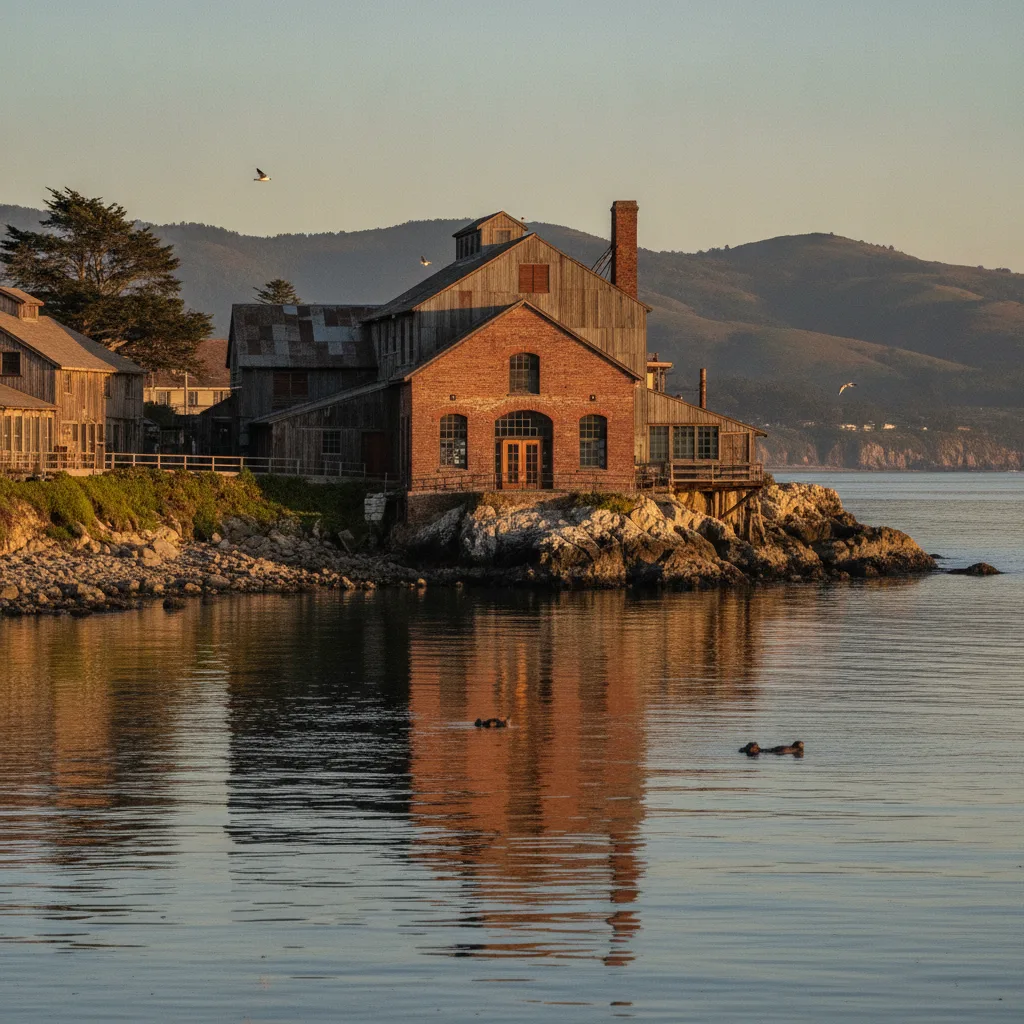
Monterey Bay Aquarium Travel Guide — California
As the independent US travel authority, our team at Visit America is dedicated to bringing you confident, specific, and never generic insights into the nation's premier destinations. We've meticulously researched every detail to ensure your visit to this world-renowned institution is nothing short of spectacular. Situated on the historic Cannery Row, the Monterey Bay Aquarium California offers an unparalleled window into the vibrant marine life of the Pacific, making it a must-see for any traveler exploring the Golden State.
Why Visit Monterey Bay Aquarium
The Monterey Bay Aquarium is more than just an aquarium; it's a global leader in ocean conservation and research, boasting an incredible array of marine life native to the local Monterey Bay and beyond. Since its opening in October 1984, the aquarium has captivated over 70 million visitors with its immersive exhibits and commitment to inspiring ocean conservation. We believe its unique oceanfront location, directly on Cannery Row, provides an authentic connection to the marine environment it showcases.
Here, you'll encounter everything from playful sea otters to mesmerizing jellyfish and the awe-inspiring, three-story Kelp Forest exhibit, which was the first of its kind. The institution's pioneering work in animal husbandry, particularly with jellyfish and its past success in exhibiting great white sharks, sets it apart. Beyond the captivating displays, the aquarium's dedication to programs like the sea otter recovery program and its globally influential Seafood Watch advisory list underscores its profound impact on marine conservation.
Is It Worth Visiting?
Absolutely, the Monterey Bay Aquarium is worth visiting. Our team unequivocally recommends it as a premier destination in California. With its reputation as one of the top-rated aquariums in the United States, it draws an average of two million visitors annually, a testament to its quality and appeal. The aquarium's immersive regional focus on Monterey Bay's marine habitats means you're seeing creatures in an environment closely mirroring their natural home. From the moment you step inside, you're transported into an underwater world that is both educational and deeply inspiring.
The sheer scale of exhibits, such as the 1.2-million-gallon Open Sea exhibit, provides breathtaking encounters with large ocean animals, including hammerhead sharks and green sea turtles. For families, couples, and curious travelers alike, the interactive displays and massive tanks create an unforgettable experience. Many visitors describe the feeling as stepping into another world—calm, awe-inspiring, and deeply educational. Considering the non-profit nature of the institution, the admission fees directly support vital conservation efforts and research, making your visit a contribution to a greater cause. The Monterey Bay Aquarium truly offers a unique and enriching experience that justifies the trip.
Who It's Best For
The Monterey Bay Aquarium truly offers something for everyone, making it an ideal destination for a diverse range of visitors. Families with children of all ages will find endless wonder, from toddlers captivated by the vibrant colors of the jellyfish to older children and teenagers engaging with the interactive exhibits and animal feedings.
Couples seeking a unique and memorable outing will appreciate the serene beauty of the exhibits and the romantic backdrop of Monterey Bay. Marine biology enthusiasts and conservationists will be particularly drawn to the aquarium's cutting-edge research and conservation programs, including the renowned Seafood Watch program. Educators and students often visit for field trips, benefiting from the extensive learning programs and the opportunity to see marine science in action. Even solo travelers looking for a peaceful and reflective experience will find solace in the quiet contemplation of the deep-sea creatures and the calming sway of the kelp forest. The aquarium's commitment to accessibility also ensures that it strives to be welcoming to all guests.
Visiting With Kids
Bringing the family to the Monterey Bay Aquarium with kids is an adventure that promises to delight and educate. The aquarium is renowned for its family-friendly atmosphere and exhibits designed to engage young minds. Our team highly recommends planning your visit around the various animal feeding times, which are not only entertaining but also offer insightful narration about the animals' habitats and lifestyles.
Key attractions for children include the Splash Zone and Rocky Shores exhibits, where little ones can safely touch bat rays, starfish, hermit crabs, and barnacles. The immense Open Sea tank, with its swirling anchovies and graceful hammerheads, often leaves even phone-addicted teens mesmerized. The jellyfish corridors, glowing with violet light, create a feeling of deep space that captivates all ages. Strollers are permitted throughout most of the aquarium, with designated parking areas, though we advise being mindful of crowds, especially in popular sections like the sea otter exhibit mezzanine and the auditorium. For the best experience at the Monterey Bay Aquarium with kids, consider arriving right at opening or in the late afternoon to avoid peak crowds, and be sure to grab a daily schedule to prioritize feedings and talks.
How to Get There
Navigating to the Monterey Bay Aquarium is straightforward, whether you're driving or utilizing public transportation. The aquarium is conveniently located at 886 Cannery Row, Monterey, CA 93940, right at the west end of historic Cannery Row.
Driving & Parking
For those driving, the Monterey Bay Aquarium does not offer on-site public parking. However, numerous public parking lots and garages are available nearby. We recommend the Cannery Row Lot 7 (160 Irving St.), the Cannery Row Parking Garage (601 Foam St.), and Cannery Row Parking Lot 21 (32 Cannery Row) as close options. Metered street parking is also available on Foam Street, Ocean View Boulevard, and Wave Street. For those seeking free parking, you might find spots a few blocks away on streets like Irving or David, though this often involves a slightly longer walk. Disabled parking is available on surrounding streets at metered spaces for free with a valid placard.
Public Transportation
Public transportation is a convenient way to get to Monterey Bay Aquarium, especially during peak seasons. The Monterey-Salinas Transit (MST) system offers routes that serve the area. The Lighthouse / Irving stop on bus line 1 or line 2 is a short seven-minute walk to the aquarium. The JAZZ A or B lines also stop at Foam/Irving, just a five-minute walk away. During the summer season (Memorial Day weekend through Labor Day), a free MST trolley runs daily from 10 a.m. to 6 p.m., departing every 10-15 minutes from downtown Monterey, Fisherman's Wharf, Cannery Row, and the Aquarium. You can park at the Downtown East Garage (340 Tyler Street) for a flat fee of $12 for the entire day and catch the trolley from there. This is an excellent option to avoid traffic and parking hassles, particularly if you're wondering how to get to Monterey Bay Aquarium without the stress of finding a spot.
Monterey is approximately 125 miles south of San Francisco and 360 miles north of Los Angeles, making it an accessible road trip destination from many parts of California. Consider adding a visit to Golden Gate Bridge or Yosemite National Park to your California itinerary for a truly unforgettable trip across Best places in California.
Top Things to Do
The Monterey Bay Aquarium offers an incredible array of exhibits and experiences, but the surrounding area of Monterey also boasts a wealth of attractions. Here's our guide to the top things to do, both within the aquarium and in the charming city of Monterey.
Inside the Monterey Bay Aquarium
- Explore the Open Sea Exhibit: This 1.2-million-gallon tank is the largest at the aquarium and a true highlight. It's home to impressive long-distance swimmers like green sea turtles, hammerhead sharks, and massive schools of Pacific sardines. The sheer scale and diversity of life here are breathtaking.
- Wander Through the Kelp Forest: As the first aquarium to successfully exhibit a living kelp forest, this three-story exhibit is a marvel. Watch leopard sharks, wolf-eels, and other creatures navigate the swaying kelp fronds, replicating the dynamic ecosystem of Monterey Bay.
- Observe Sea Otters: The sea otter exhibit is consistently a crowd favorite. Witness these charismatic animals at play, especially during feeding times, when trainers often hide food in toys for an engaging display. You can view them from above or through underwater windows.
- Marvel at the Jellies: The jellyfish exhibits are renowned for their ethereal beauty. Pulsating, luminous jellies of various species create a mesmerizing, almost otherworldly experience.
- Discover "Into the Deep": This $15 million exhibition showcases bizarre and beautiful creatures from the deep sea, many of which have only recently been discovered and have never been shown in aquariums before. It's a testament to the aquarium's research and exploration efforts.
- Engage with Touch Pools: Perfect for younger visitors, the Splash Zone and Rocky Shores touch pools allow hands-on interaction with animals like bat rays, sea stars, and hermit crabs.
- Attend Animal Feedings and Talks: Check the daily schedule for feeding times at the sea otters, Open Sea, seabirds, and kelp forest exhibits. These are excellent opportunities to see the animals at their most active and learn from expert staff.
- Take a Behind-the-Scenes Tour: For an extra fee, you can join tours like the "Aquarium Past and Present Tour" or "All About Animal Care Tour" to gain deeper insights into the aquarium's operations and animal care.
Things to Do in Monterey Beyond the Aquarium
Beyond the Monterey Bay Aquarium, the city of Monterey and its surrounding areas offer a wealth of attractions. If you're looking for more things to do in Monterey, you'll find a vibrant coastal community steeped in history and natural beauty.
- Stroll Cannery Row: Right outside the aquarium, Cannery Row is a historic waterfront street immortalized by John Steinbeck. It's now bustling with shops, restaurants, and art galleries, perfect for a leisurely walk.
- Visit Old Fisherman's Wharf: A short walk from Cannery Row, this iconic wharf offers fresh seafood restaurants, souvenir shops, and opportunities for whale watching tours. You can often spot sea lions basking in the sun here.
- Go Whale Watching: Monterey Bay is a prime location for whale watching year-round. Depending on the season, you might spot gray whales, humpbacks, blue whales, and various dolphin species. Several tour operators depart from Fisherman's Wharf.
- Kayak or Paddleboard in Monterey Bay: Experience the bay's marine life up close by renting a kayak or paddleboard. You might encounter sea otters, harbor seals, and various seabirds.
- Drive the 17-Mile Drive: This scenic toll road through Pebble Beach and Pacific Grove offers stunning coastal views, famous golf courses, and iconic landmarks like the Lone Cypress.
- Explore Lovers Point Park: A beautiful park in Pacific Grove, ideal for picnics, beach access, and enjoying panoramic ocean views.
- Discover the Monarch Butterfly Sanctuary: In late fall and winter, visit Pacific Grove to witness thousands of monarch butterflies migrating to the area.
- Visit Dennis the Menace Park: A fantastic playground for kids, designed by Hank Ketcham, the creator of Dennis the Menace.
Best Time to Visit
Timing your visit to the Monterey Bay Aquarium and the Monterey region can significantly enhance your experience. Our team has found that the "sweet spot" for visiting is generally during the fall and winter seasons, roughly from October to March, to avoid the heaviest crowds.
Specifically, September and October are often considered the "crown months" in Monterey. During this period, daytime temperatures are warm, rainfall is minimal, and the persistent marine layer (coastal fog) that can characterize early summer has largely retreated, offering clearer afternoons and beautiful golden light. The crowds also tend to ease after the second week of October.
If you must visit during the summer (high season), we recommend planning your trip on a Tuesday or Wednesday, as mid-week days generally see fewer visitors. Regardless of the season, arriving right when the aquarium opens (typically 10 a.m.) or in the late afternoon (between 2 p.m. and 6 p.m.) can help you avoid the largest crowds and enjoy a more relaxed experience. The aquarium is often quietest one to two hours before closing, especially in fall and winter, as school groups typically depart by 2 p.m. on weekdays.
While November through February brings more rain and cooler temperatures, it also means the fewest visitors and more spacious exhibits, offering a more intimate experience. This period also marks the restart of the gray whale season. The Monterey Bay Aquarium is generally open daily from 10 a.m. to 5 p.m. or 6 p.m., except for December 25. Always check the official website for the most current hours and any special closures or events for 2026 before your visit.
Where to Stay Nearby
Choosing the right accommodation near the Monterey Bay Aquarium can significantly enhance your trip, placing you within easy reach of Cannery Row and other attractions. Our team has identified several excellent options, ranging from luxury resorts to charming inns.
On Cannery Row (Walking Distance)
- InterContinental The Clement Monterey: Directly on Cannery Row, this luxury hotel offers stunning bay views, a spa, and easy access to the aquarium and shops.
- Monterey Plaza Hotel & Spa: Another top-tier option with oceanfront dining and a prime location, just a short walk from the aquarium.
- Cannery Row Inn: A well-regarded inn known for its friendly staff, cleanliness, and convenient location to the aquarium and shops.
- Spindrift Inn: Offers a charming experience with excellent views and proximity to the aquarium.
- Monterey Bay Inn: Praised for its excellent service and location right on the bay.
A Short Drive Away (Monterey & Pacific Grove)
- Portola Hotel & Spa at Monterey Bay: Located about a mile from the aquarium, this 4-star resort offers a blend of adventure and relaxation.
- Hyatt Regency Monterey Hotel & Spa: Approximately two miles from the aquarium, this resort is suitable for families and business travelers.
- Casa Munras Garden Hotel & Spa: A historic boutique hotel about 1.9 miles from the aquarium, offering comfort and a convenient base for exploring Monterey.
- Martine Inn: A highly-rated option in Pacific Grove, known for its charm and hospitality.
- Stargazer Hotel: A cozy motel option about two miles from the aquarium, ideal for budget-conscious travelers.
Many hotels in the area are family-friendly, and some may offer packages that include aquarium tickets or discounts. We recommend checking with your chosen accommodation for any current deals or amenities. For a broader exploration of the state, consider our guide to Best places in California.
Sample 2-Day Itinerary
To help you make the most of your visit to the Monterey Bay Aquarium and the surrounding area, our team has crafted a sample 2-day itinerary, balancing marine wonders with coastal charm.
Day 1: Immerse in the Monterey Bay Aquarium
- Morning (9:30 AM - 1:00 PM): Aquarium Deep Dive
- Arrive at the Monterey Bay Aquarium shortly before opening to beat the initial rush. Head directly to popular exhibits like the Open Sea and Kelp Forest to experience them with fewer crowds.
- Catch the first Sea Otter Feeding (typically around 10:30 AM) and explore the Jellies and Into the Deep exhibits.
- Lunch (1:00 PM - 2:00 PM): Cannery Row Bites
- Exit the aquarium (remember to get a hand stamp for re-entry) and enjoy lunch at one of the many restaurants on Cannery Row. Options range from casual eateries to seafood fine dining.
- Afternoon (2:00 PM - 5:00 PM): Aquarium Continued & Cannery Row Exploration
- Re-enter the aquarium to revisit favorite exhibits or explore areas you missed, like the Splash Zone with kids. The aquarium tends to be less crowded in the late afternoon.
- After leaving the aquarium for the day, take a leisurely stroll along Cannery Row, browsing the unique shops and galleries.
- Evening: Dinner & Sunset Views
- Enjoy dinner at a restaurant with bay views on Cannery Row or near Fisherman's Wharf.
- Consider a sunset walk along the Monterey Bay Coastal Recreation Trail.
Day 2: Coastal Exploration & Monterey Charm
- Morning (9:00 AM - 12:00 PM): Whale Watching or Kayaking
- Embark on a whale watching tour from Old Fisherman's Wharf. Book in advance, especially during peak seasons.
- Alternatively, rent kayaks or paddleboards and explore Monterey Bay's calm waters, often encountering sea otters and harbor seals.
- Lunch (12:00 PM - 1:30 PM): Fisherman's Wharf Delights
- Have a fresh seafood lunch at one of the eateries on Old Fisherman's Wharf.
- Afternoon (1:30 PM - 5:00 PM): Scenic Drive or Park Visit
- Drive the iconic 17-Mile Drive for breathtaking coastal scenery, stopping at viewpoints and beaches.
- Alternatively, visit Lovers Point Park in Pacific Grove for a relaxing afternoon, or if traveling with kids, head to Dennis the Menace Park.
- Evening: Farewell Dinner & Reflection
- Enjoy a final dinner in Monterey, perhaps trying a local favorite off the main tourist paths.
- Reflect on your incredible journey through the marine wonders of the Monterey Bay Aquarium California and the charm of the Monterey Peninsula.
FAQ
Monterey Bay Aquarium tips
To maximize your visit to the Monterey Bay Aquarium, we recommend purchasing tickets online in advance to ensure smooth entry, as walk-in tickets are not available. Arrive early, ideally before opening, or later in the afternoon (after 2 p.m.) to avoid the busiest crowds. Grab a daily schedule upon arrival or check online to plan your day around the popular animal feeding times and talks. Don't forget to get a hand stamp if you plan to leave and re-enter the aquarium during the day. Consider visiting during the fall or winter for a more relaxed experience with fewer visitors.
Monterey Bay Aquarium parking
The Monterey Bay Aquarium does not have its own public parking. Visitors can find public parking at several nearby lots and garages, including Cannery Row Lot 7 (160 Irving St.), Cannery Row Parking Garage (601 Foam St.), and Cannery Row Parking Lot 21 (32 Cannery Row). Metered street parking is also available on Foam St., Ocean View Blvd., and Wave St. For a more budget-friendly option, look for free street parking a few blocks uphill on Irving or David streets. During the summer, a free MST trolley runs from downtown parking areas, such as the Downtown East Garage ($12 flat fee), directly to the aquarium.
best time to visit Monterey Bay Aquarium
The best time to visit the Monterey Bay Aquarium to avoid the heaviest crowds is during the fall and winter months, from October to March, particularly on mid-week days (Tuesday through Thursday). For optimal weather and slightly fewer crowds than peak summer, September and October are highly recommended. To experience popular exhibits with fewer people, arrive right at opening (10 a.m.) or in the late afternoon (between 2 p.m. and 6 p.m.). The aquarium is generally open daily from 10 a.m. to 5 p.m. or 6 p.m., except for December 25.
Monterey Bay Aquarium hours and fees
As of 2026, general admission tickets for the Monterey Bay Aquarium are priced at $65 for adults (ages 18–69), $50 for youth (ages 5–17), and $50 for seniors (ages 70+). Children aged 4 and under receive free admission. Tickets are non-refundable but can be exchanged for another date up to 4 p.m. PT on the scheduled visit day. The aquarium is generally open daily from 10 a.m. to 5 p.m. or 6 p.m., with the exception of December 25. Members may have earlier entry times. It is essential to check the official website for specific hours on your intended visit date, as they can vary.
Monterey Bay Aquarium itinerary
A typical visit to the Monterey Bay Aquarium lasts three to four hours. We suggest starting your day by arriving at opening to experience the most popular exhibits, such as the Open Sea and Kelp Forest, before they get too crowded. Prioritize attending animal feedings and talks, especially the sea otter feeding. Utilize the touch pools for interactive experiences. After a few hours, you can take a break for lunch on Cannery Row, then re-enter the aquarium to explore any missed sections or revisit favorites. Consider a behind-the-scenes tour for a deeper dive into the aquarium's operations if time permits. This allows for a comprehensive and enjoyable experience.
Monterey Bay Aquarium travel guide
This Monterey Bay Aquarium travel guide provides all the essential information for planning your trip to this world-class institution in Monterey, California. We've covered everything from verifying 2026 operating hours (generally 10 a.m. to 5 p.m. or 6 p.m., closed December 25) and ticket prices (Adult $65, Youth $50, Senior $50, Children 4 and under free), to parking options (no on-site, public garages and street parking nearby) and the recommendation to purchase tickets online in advance. We've also highlighted the best times to visit (fall/winter, mid-week, early morning or late afternoon), top things to do both inside the aquarium and in the wider Monterey area, and suggested nearby accommodations. Our aim is to ensure you have a confident, specific, and memorable trip to the Monterey Bay Aquarium California.
The Monterey Bay Aquarium California stands as a beacon of marine conservation and an unparalleled visitor experience. Our team at Visit America is confident that with this guide, you are well-equipped to plan an enriching and unforgettable journey to this iconic California destination. From the mesmerizing Open Sea to the playful sea otters, and the vibrant life of Cannery Row, Monterey offers a truly unique blend of natural wonder and coastal charm. We encourage you to delve deep into the wonders of the Pacific and leave inspired by the urgent mission to protect our oceans.
Last updated: 2026-07-05 by the Visit America team.