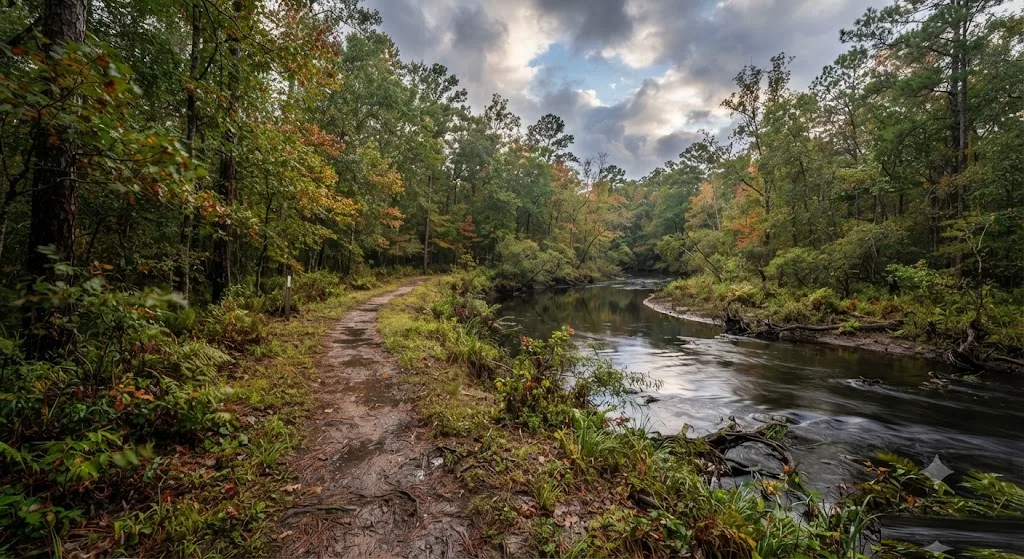
Our Mountains-to-Sea Trail (Eastern Sections) guide covers practical planning for Mountains-to-Sea Trail (Eastern Sections) North Carolina — best time to visit, getting there, and what to do on the ground. We are the Roam States editorial team, and we've compiled essential information to help you navigate and enjoy the diverse landscapes of this iconic North Carolina pathway. From the coastal plains to the rolling Piedmont, these eastern segments offer a unique blend of natural beauty and cultural experiences, perfect for hikers, cyclists, and nature enthusiasts alike.
Why Visit Mountains-to-Sea Trail (Eastern Sections)
For those seeking an authentic North Carolina adventure, the Mountains-to-Sea Trail (Eastern Sections) North Carolina presents an unparalleled opportunity to immerse yourselves in the state's varied ecosystems. We find that many travelers wonder, "is Mountains-to-Sea Trail (Eastern Sections) worth visiting?" Our answer is a resounding yes. These segments of the statewide trail offer a distinct perspective, moving away from the rugged peaks of the Appalachians towards the gentler, yet equally captivating, terrain of the central and eastern regions. You'll traverse historic towns, serene forests, and picturesque waterways, experiencing the heart and soul of North Carolina at a slower, more intimate pace.
The trail's eastern half provides a remarkable contrast to its western counterparts, showcasing the state's rich biodiversity and cultural heritage. From the maritime forests near the Outer Banks to the bustling urban greenways of the Triangle region, each section offers a fresh discovery. We believe the accessibility and varied terrain make it an ideal destination for a wide range of outdoor enthusiasts, whether you're planning a challenging multi-day trek or a leisurely afternoon stroll. The chance to witness diverse wildlife, explore charming small towns, and connect with nature makes us confident that visiting these sections of the Mountains-to-Sea Trail (Eastern Sections) is a truly rewarding experience.
Who It's Best For
The Mountains-to-Sea Trail (Eastern Sections) caters to a broad spectrum of adventurers. It's ideal for avid hikers and long-distance cyclists looking to conquer significant mileage, with well-maintained paths and plenty of scenic vistas. However, it's equally perfect for families seeking accessible day hikes, nature photographers hoping to capture unique flora and fauna, and history buffs interested in North Carolina's past. The trail's diverse segments mean there's something for everyone, from paved greenways suitable for strollers and wheelchairs to more rugged, natural surface trails for experienced trekkers.
Our team recommends these eastern sections for those who appreciate a less mountainous landscape, preferring the tranquility of coastal marshes, riverine forests, and rolling farmlands. It's an excellent choice for solo travelers seeking solitude, couples desiring a romantic natural escape, or groups planning an active getaway. Birdwatchers will find abundant opportunities, especially along the coastal and river sections, while those interested in local culture can explore the many towns and communities the trail passes through. Whether you're a seasoned thru-hiker or a casual weekend explorer, the Mountains-to-Sea Trail (Eastern Sections) offers an inviting and fulfilling outdoor experience.
Getting There & Parking
Understanding how to get to Mountains-to-Sea Trail (Eastern Sections) is crucial for planning your adventure. Given the trail's extensive length, access points are numerous and vary widely depending on the specific section you wish to explore. The eastern segments generally run from the Piedmont region eastward towards the Outer Banks, with major access points often located near state parks, municipal parks, and public lands.
For those arriving by air, Raleigh-Durham International Airport (RDU) serves as a convenient gateway for accessing many of the Piedmont sections, while coastal airports like Wilmington International Airport (ILM) or Coastal Carolina Regional Airport (EWN) in New Bern provide closer proximity to the easternmost parts of the trail. From these airports, rental cars are the most practical way to reach trailheads. We recommend consulting the official Mountains-to-Sea Trail website for detailed maps and specific trailhead locations, as these are continuously updated.
Parking availability also varies by location. Many state parks and designated trailheads offer free parking, though some may have day-use fees. For instance, parking at Falls Lake State Recreation Area, a popular section of the Mountains-to-Sea Trail (Eastern Sections) near Raleigh, typically incurs a daily fee of $7 per vehicle for North Carolina residents and $9 for out-of-state visitors during peak season (March-November) as of 2026. Off-season parking is generally free. Always check the specific park or trailhead website for the most current information on fees and hours of operation before your visit. For urban greenway sections, street parking or designated public lots may be available, but can be limited, especially on weekends. We advise arriving early to secure a spot, particularly at popular trailheads. While some sections might offer shuttle services through private outfitters, especially for longer point-to-point hikes, these are not universally available, so planning your own transportation or carpooling is often necessary when considering how to get to Mountains-to-Sea Trail (Eastern Sections).
Top Things to Do
The Mountains-to-Sea Trail (Eastern Sections) offers a wealth of activities beyond just walking. Here are some of the top things to do at Mountains-to-Sea Trail (Eastern Sections):
Exploring Mountains-to-Sea Trail (Eastern Sections) Hiking Trails
Hiking is, of course, the primary draw. The eastern segments offer a diverse range of Mountains-to-Sea Trail (Eastern Sections) hiking trails, from easy, paved paths to more challenging natural surface trails. Near the Triangle region, the Falls Lake Trail section provides scenic views and varied terrain suitable for day hikes, with distances ranging from a few miles to over 20 miles. Further east, sections along the Neuse River Greenway offer flat, paved surfaces perfect for a leisurely stroll or a family bike ride. We recommend exploring the trail segments within state parks like Cliffs of the Neuse State Park, which offers unique geological formations and riverside trails. For a coastal experience, the sections near the Outer Banks, such as those within the Croatan National Forest, provide a completely different environment, with maritime forests and marsh views. Always carry a map, water, and appropriate gear, and be mindful of local regulations and conditions on these Mountains-to-Sea Trail (Eastern Sections) hiking trails.
Biking the Eastern Segments
Many parts of the Mountains-to-Sea Trail (Eastern Sections) are excellent for cycling. The extensive network of greenways in cities like Raleigh, Durham, and Chapel Hill are popular for road and hybrid bikes. The Neuse River Greenway Trail, a significant part of the MST, stretches for over 30 miles and is entirely paved, offering a smooth ride through varied landscapes. For mountain bikers, some natural surface sections, particularly within state forests and recreation areas, can offer more challenging terrain. Always check the trail surface and regulations for specific sections before heading out on your bike.
Paddling and Water Activities
The Mountains-to-Sea Trail (Eastern Sections) isn't just for land-based activities. Several segments incorporate paddle trails, allowing you to experience the trail from the water. The section through the Croatan National Forest, for example, includes paddle routes along rivers and estuaries. You can rent kayaks or canoes from local outfitters in towns like New Bern or Swansboro to explore these waterways. We suggest checking for guided tours or rental availability in advance, especially during peak season.
Wildlife Viewing and Photography
The diverse ecosystems along the eastern MST segments are a haven for wildlife. Birdwatchers will delight in the variety of species, from waterfowl in coastal marshes to songbirds in the Piedmont forests. Keep an eye out for deer, foxes, and various reptiles and amphibians. The photographic opportunities are endless, capturing everything from serene river scenes to vibrant wildflowers. These are just some of the top things to do at Mountains-to-Sea Trail (Eastern Sections).
Exploring Historic Towns and Cultural Sites
The trail often passes through or near charming North Carolina towns, offering a chance to delve into local history and culture. Near the eastern terminus, you can explore the historic port city of Wilmington, home to the Battleship North Carolina. Further inland, towns like New Bern, with its Tryon Palace, offer a glimpse into colonial and early American history. We encourage taking detours to explore these communities, sample local cuisine, and learn about the region's heritage.
Best Time to Visit
The best time to visit the Mountains-to-Sea Trail (Eastern Sections) largely depends on your preferred activities and tolerance for weather. Our team generally recommends spring (April to early June) and fall (late September to November) for the most pleasant conditions. During these seasons, temperatures are mild, humidity is lower, and the natural scenery is at its most vibrant. Spring brings blooming wildflowers and lush greenery, while fall showcases stunning foliage, particularly in the Piedmont sections.
Summers (June to August) can be hot and humid, especially in the eastern coastal plains, with temperatures often exceeding 90°F (32°C) and a higher chance of thunderstorms and mosquitoes. If you plan to visit during summer, we advise starting your activities early in the morning, carrying plenty of water, and being prepared for bug repellent. Winters (December to March) are generally mild in eastern North Carolina, with occasional cold snaps. While snow is rare, icy conditions can occur on trails, making some sections less accessible. However, winter can offer crisp, clear days perfect for hiking without the crowds, especially if you dress in layers. Always check the local weather forecast for the specific section you plan to visit before heading out.
Where to Stay Nearby
Finding suitable accommodations is an important part of planning your journey along the Mountains-to-Sea Trail (Eastern Sections). Given the trail's length, lodging options are plentiful and varied, ranging from rustic campsites to charming bed and breakfasts and modern hotels in nearby towns.
Mountains-to-Sea Trail (Eastern Sections) Lodging Options
For those seeking a more immersive experience, several state parks and recreation areas along the eastern MST offer camping facilities. For example, Falls Lake State Recreation Area provides multiple campgrounds with tent and RV sites, many with electric and water hookups. Reservations for campsites are highly recommended, especially during peak seasons, and can typically be made up to 11 months in advance via the North Carolina State Parks website. Primitive camping may be allowed in certain designated areas within national forests, but always verify regulations and obtain any necessary permits beforehand. Backcountry camping is generally not permitted directly on the trail outside of designated sites, so planning your Mountains-to-Sea Trail (Eastern Sections) lodging in advance is essential.
If you prefer more comfort, numerous towns along the trail offer a range of hotels, motels, and vacation rentals. In the Piedmont, cities like Raleigh, Durham, and Chapel Hill provide extensive choices, from budget-friendly options to upscale boutique hotels. For instance, you could find a comfortable stay near the trail in downtown Raleigh, offering easy access to urban greenway sections. As you move eastward, smaller towns such as Clayton, Smithfield, or New Bern offer local inns and chain hotels. Near the coastal segments, towns like Swansboro, Morehead City, or even Wilmington (a short drive from some eastern trailheads) provide a variety of accommodations, including beachfront rentals. We recommend booking your Mountains-to-Sea Trail (Eastern Sections) lodging well in advance, especially if your trip coincides with local events or holidays. You can find more comprehensive options for your North Carolina trip by visiting our guide to Best places in North Carolina.
Sample 2-Day Itinerary
This sample itinerary focuses on a popular and accessible section of the Mountains-to-Sea Trail (Eastern Sections) in the central Piedmont, offering a blend of natural beauty and urban convenience.
Day 1: Falls Lake Recreation Area & Raleigh Greenways
- **Morning (8:00 AM - 1:00 PM):** Begin your day with a hike along the Mountains-to-Sea Trail (MST) section within the Falls Lake State Recreation Area, just north of Raleigh. We recommend starting at the Blue Jay Point County Park access point, which offers ample parking (check for any 2026 fees, typically $7-9 during peak season). Hike a 5-7 mile loop or out-and-back segment, enjoying the scenic views of Falls Lake and the diverse forest ecosystem. The trail here is well-maintained and moderately easy.
- **Lunch (1:00 PM - 2:30 PM):** Head into North Raleigh for lunch. There are numerous casual dining options, from local eateries to well-known chains.
- **Afternoon (2:30 PM - 5:30 PM):** Explore a section of the Neuse River Greenway, which is part of the MST and offers a paved, flat surface perfect for a leisurely walk or bike ride. Access points are plentiful, with parking available at various parks along the river. This section is ideal for families or those seeking an easier stroll.
- **Evening:** Check into a hotel in Raleigh. Enjoy dinner at one of Raleigh's many acclaimed restaurants.
Day 2: Historic Durham & Eno River State Park
- **Morning (9:00 AM - 1:00 PM):** Drive to Durham and explore the MST segments within Eno River State Park. This park offers a more rugged, natural hiking experience with beautiful river views, rocky bluffs, and historic mill sites. We suggest the Cox Mountain Trail (3.75 miles) or the Bobbitt Hole Trail (2.5 miles), both offering moderate difficulty. Parking is available at various access points within the park, with no entry fees.
- **Lunch (1:00 PM - 2:30 PM):** Head into downtown Durham for lunch. Explore the vibrant American Tobacco Campus or the historic Brightleaf Square for diverse culinary options.
- **Afternoon (2:30 PM - 4:30 PM):** Visit the Visit North Carolina information center or explore the Sarah P. Duke Gardens on the Duke University campus, a stunning botanical garden that offers a peaceful conclusion to your trip. Alternatively, for a deeper dive into North Carolina's natural history, consider a visit to the NC Museum of Natural Sciences in Raleigh.
- **Evening:** Depart from RDU or continue your North Carolina adventure. For those interested in extending their trip, consider exploring the Blue Ridge Parkway in the western part of the state or the Biltmore Estate.
Last updated: 2026-07-12 by the Roam States team.