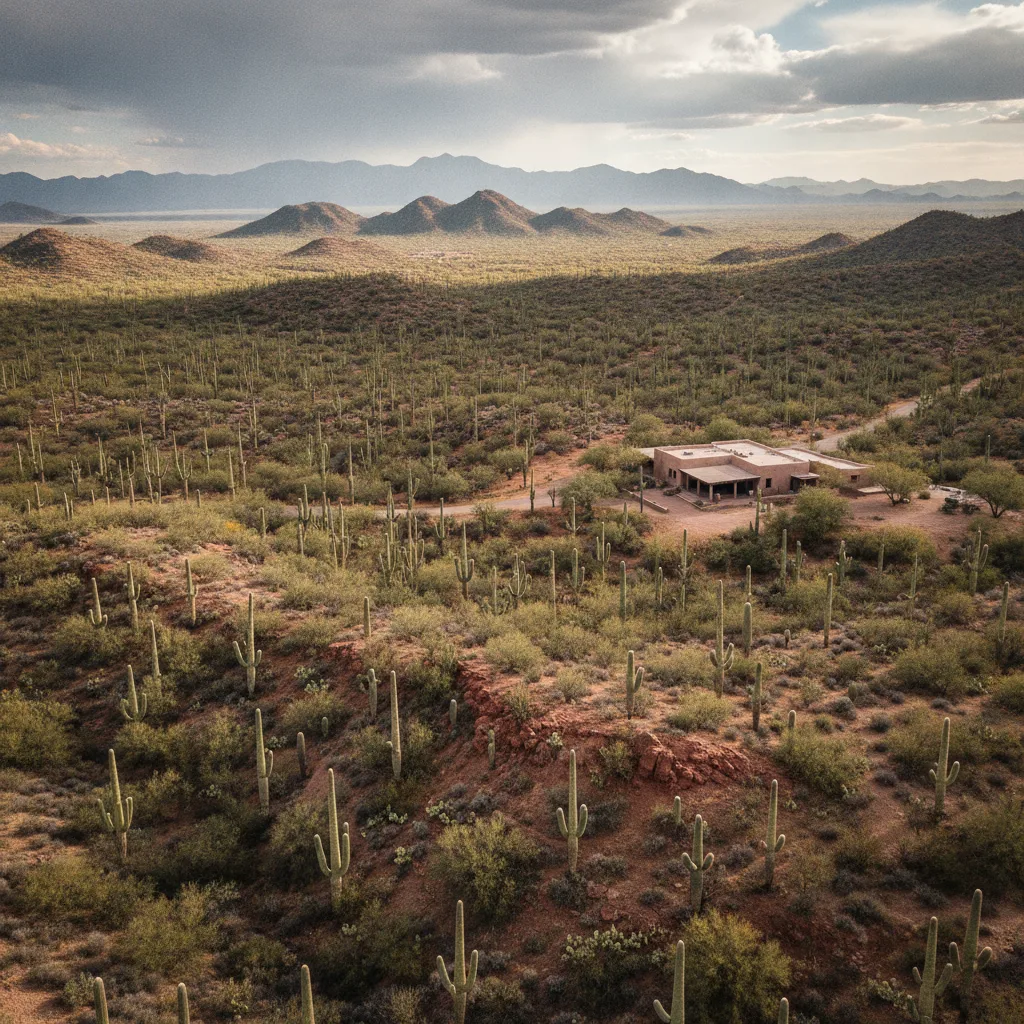
Organ Pipe Cactus Monument Travel Guide — Arizona
Welcome to our comprehensive guide to Organ Pipe Cactus Monument Arizona, a truly unique and breathtaking destination in the Sonoran Desert. As independent US travel authorities, our team is dedicated to providing confident, specific, and never generic advice for your adventures. This remarkable national monument, nestled in Ajo, Arizona, offers an unparalleled opportunity to immerse yourself in the vibrant ecosystem of the Sonoran Desert, home to the iconic organ pipe cactus and a diverse array of wildlife. We've compiled everything you need to know for an unforgettable trip, from planning your visit to exploring its rugged trails and scenic drives.
Why Visit Organ Pipe Cactus Monument
Organ Pipe Cactus National Monument stands as a testament to the raw beauty and incredible biodiversity of the Sonoran Desert. It's the only place in the United States where the stately organ pipe cactus grows naturally in abundance, making it a truly special sight. Beyond its namesake, the monument protects over 500 square miles of pristine desert landscape, showcasing a rich tapestry of plant and animal life, including more than 30 species of cacti, 270 bird species, and 100 different reptiles and amphibians. This area is not just a national monument but also a UNESCO Biosphere Reserve, recognized globally for its ecological significance.
We recommend a visit for those seeking solitude, stunning desert vistas, and a deep connection with nature away from the crowds of more heavily visited parks. The monument offers a genuine wilderness experience, with expansive views, incredible stargazing opportunities, and a chance to witness the desert's subtle yet profound beauty.
Who It's Best For
Organ Pipe Cactus National Monument is ideal for a specific type of traveler, one who appreciates quiet contemplation and rugged outdoor exploration over bustling attractions. We find it particularly suited for:
- **Nature Enthusiasts and Botanists:** With its unique collection of cacti and diverse flora, it's a living laboratory for those fascinated by desert ecosystems.
- **Hikers and Backpackers:** From easy nature walks to challenging backcountry routes, there are trails for various skill levels.
- **Photographers:** The dramatic landscapes, unique plant life, and stunning sunrises and sunsets provide endless photographic opportunities.
- **Stargazers:** Far from urban light pollution, the monument boasts exceptionally dark skies, perfect for admiring the Milky Way.
- **Road Trippers:** The scenic drives offer an accessible way to experience the desert's grandeur from the comfort of your vehicle.
- **Families with an adventurous spirit:** The Junior Ranger program and accessible trails offer engaging activities for children.
If you're looking for a destination with extensive amenities, paved paths everywhere, or a fast-paced experience, this might not be the right fit. However, for those craving an authentic Sonoran Desert immersion, Organ Pipe Cactus National Monument delivers.
Getting There & Parking
Understanding how to get to Organ Pipe Cactus Monument is crucial, as it's a remote destination. The primary access route is via Arizona Highway 85 (AZ-85).
- **From Phoenix/Gila Bend:** Take I-8 East or West to Gila Bend, then head south on AZ-85. The drive from Gila Bend to the Kris Eggle Visitor Center is approximately one hour, passing through the towns of Ajo and Why.
- **From Tucson:** Head west on Arizona Highway 86 through the Tohono O'odham Reservation to the town of Why, then turn left (south) onto AZ-85.
- **From Yuma:** Take I-8 East to Gila Bend, then south on AZ-85.
The Kris Eggle Visitor Center is located on Highway 85, about 25 miles south of Why, AZ, and 5 miles north of Lukeville, AZ, near the US-Mexico border.
We strongly recommend fueling up in Ajo, the nearest town with services, before heading into the monument, as gas stations are scarce within and immediately around the park. Also, be aware that cell service can be spotty, so download maps and information in advance.
Parking at Organ Pipe Cactus Monument
Parking is generally ample at the Kris Eggle Visitor Center and at designated trailheads and scenic drive pull-offs. For those with larger vehicles or RVs, the Ajo Mountain Drive has a vehicle length limit of 25 feet, so plan accordingly. While parking is available, some backcountry roads may require high-clearance or 4x4 vehicles, especially after heavy rains. Always check current road conditions at the visitor center.
Top Things to Do
There are plenty of things to do at Organ Pipe Cactus Monument, catering to various interests and energy levels. Our team recommends focusing on these core experiences to truly appreciate the monument's unique character:
- **Scenic Drives:** The Ajo Mountain Drive is a must-do. This 21-mile, one-way unpaved loop offers stunning views of dense cactus forests, including many organ pipes and saguaros, and volcanic mountains. Allow 1-2 hours without stops. Pick up a free driving guide at the Kris Eggle Visitor Center to enhance your experience. The Puerto Blanco Drive is another scenic option, a 41-mile unpaved road that requires a high-clearance vehicle and at least 4-5 hours to complete.
- **Kris Eggle Visitor Center:** Start your visit here. The visitor center offers exhibits, a 15-minute park film, and information on current conditions, ranger programs, and hiking trails. You can also pay your entrance fee here.
- **Hiking:** Explore the diverse network of Organ Pipe Cactus Monument hiking trails. (More details in its dedicated section below.)
- **Stargazing:** Due to its remote location and minimal light pollution, Organ Pipe Cactus National Monument offers some of the best night sky viewing in southern Arizona. Attend a ranger-led night sky program during winter months.
- **Birdwatching:** The monument is home to over 270 species of birds, making it a fantastic spot for birders. Quitobaquito Springs is a notable birding location.
- **Ranger Programs:** During the cooler winter months, the park offers a variety of ranger-led programs, including guided walks and talks on local ecology and history.
- **Junior Ranger Program:** For families with children, the Junior Ranger program provides an engaging way for kids to connect with the Sonoran Desert. Activity booklets are available at the visitor center.
These things to do at Organ Pipe Cactus Monument provide a comprehensive experience of this unique desert landscape.
Best Time to Visit
To fully enjoy Organ Pipe Cactus National Monument, timing your visit is key. We unequivocally recommend visiting during the cooler months to avoid the extreme desert heat.
- **Winter (December to March):** This is the most popular time to visit due to mild daytime temperatures, typically ranging from the mid-60s to low 80s Fahrenheit. Nights can be cool, dropping to the 30s and 40s. This season is ideal for hiking, scenic drives, and enjoying ranger programs.
- **Spring (March to April):** Early spring, especially after winter rains, brings the desert to life with blooming wildflowers and cacti, offering a vibrant display of colors. Temperatures are warm but generally not yet scorching.
- **Fall (October to November):** Similar to spring, fall offers pleasant temperatures for exploration before the peak winter crowds arrive.
We advise against visiting in the **summer (May to September)**, when temperatures regularly exceed 100°F (38°C). While the monsoon season (mid-July to mid-September) can bring a "green desert" and unique blooms, the intense heat and potential for flash floods make it a less comfortable and potentially hazardous time for extensive outdoor activity.
Regardless of when you visit, always carry plenty of water, wear sun protection, and plan strenuous activities for the early morning or late afternoon.
Where to Stay Nearby
While there is no lodging within Organ Pipe Cactus National Monument itself, several options are available in nearby towns. Our team suggests considering these locations for your base:
- **Ajo, Arizona:** Located about 30 minutes north of the monument, Ajo is the closest town with a range of services and accommodations. It offers a charming historic plaza, art galleries, and local dining. The Sonoran Desert Inn & Conference Center, housed in a restored 1940s school, is a highly-rated option known for its unique character and support for local artists. Other choices include the Marine Motel and various vacation rentals.
- **Why, Arizona:** A smaller community just 4 miles from the monument entrance, Why offers basic services and some private campgrounds.
- **Lukeville, Arizona:** Located right at the US-Mexico border, 5 miles south of the visitor center, Lukeville has very limited options, primarily consisting of basic motels and campgrounds.
- **Gila Bend, Arizona:** Further north on AZ-85, Gila Bend provides additional hotel and dining choices, but it's about an hour's drive from the monument.
- **Tucson or Phoenix:** These major cities are 2 to 2.5 hours away from the park. While they offer extensive amenities, we recommend staying closer if you plan to spend significant time exploring the monument.
For those interested in exploring more of Arizona's unique destinations, consider extending your trip to places like Saguaro National Park near Tucson, or the Bisbee Historic District for a taste of mining history. You can find more inspiration on our Best places in Arizona guide.
Sample 2-Day Itinerary
To truly experience the Organ Pipe Cactus Monument Arizona has to offer, we recommend at least two full days. This allows for a balance of scenic drives, hiking, and appreciation of the desert's tranquility.
Day 1: Scenic Drives & Short Hikes
- **Morning (8:00 AM - 12:00 PM):** Arrive at the Kris Eggle Visitor Center. Pay your entrance fee ($25 per vehicle, valid for seven days; America the Beautiful passes accepted). Collect maps, check current conditions, and watch the park film. Then, embark on the **Ajo Mountain Drive**. This 21-mile loop is an excellent introduction to the monument. Stop at viewpoints, take photos, and enjoy short walks like the Arch Canyon Trail (1.2 miles roundtrip, easy to moderate) to see the natural arches.
- **Lunch (12:00 PM - 1:00 PM):** Enjoy a packed lunch at one of the picnic areas along the Ajo Mountain Drive.
- **Afternoon (1:00 PM - 5:00 PM):** Explore the **Puerto Blanco Drive** (North section if time is limited or you don't have a high-clearance vehicle for the full loop). Consider a short, easy hike like the Desert View Trail (1.2 miles loop, easy), offering vistas of the Sonoyta Valley.
- **Evening:** Head back to your accommodation in Ajo or the Twin Peaks Campground. Enjoy dinner.
- **Night:** If camping, take advantage of the dark skies for stargazing.
Day 2: Deeper Exploration & Desert Immersion
- **Morning (8:00 AM - 12:00 PM):** Focus on a longer hike. We suggest the Estes Canyon-Bull Pasture Trail (4.0 miles roundtrip, strenuous), which offers spectacular views and a challenging ascent. Alternatively, for a moderate option, try the Victoria Mine Trail (4.4 miles roundtrip, easy to moderate) to explore an historic mining site.
- **Lunch (12:00 PM - 1:00 PM):** Picnic lunch at a trailhead or designated area.
- **Afternoon (1:00 PM - 4:00 PM):** Visit Quitobaquito Springs, a rare natural oasis that supports unique plant and animal life and is excellent for birdwatching. Alternatively, explore the Alamo Canyon Trail (1.8 miles, easy-to-moderate) from the primitive campground, known for its solitude and wildlife.
- **Late Afternoon/Evening:** Return to Ajo. Explore the historic Ajo Plaza, visit local art galleries, or enjoy a meal at a local restaurant.
Remember to carry plenty of water, snacks, and sun protection for all activities. Check with the Kris Eggle Visitor Center for current conditions and any advisories. The Kris Eggle Visitor Center is typically open daily from 8:30 AM to 4:30 PM, but hours can vary seasonally.
Organ Pipe Cactus Monument Hiking Trails
The Organ Pipe Cactus Monument hiking trails offer incredible opportunities to immerse yourself in the Sonoran Desert. With over 28 miles of established trails ranging from easy strolls to strenuous climbs, there's something for every hiker.
- **Visitor Center Nature Trail (0.15 miles loop, easy):** An accessible brick path behind the Kris Eggle Visitor Center with interpretive exhibits, perfect for a quick introduction to desert plants. Leashed pets are allowed.
- **Campground Perimeter Trail (1 mile loop, easy):** Located in Twin Peaks Campground, this trail offers views of desert plants and is partially ADA accessible. Leashed pets are allowed.
- **Desert View Trail (1.2 miles loop, easy):** This trail provides spectacular vistas of Senita Basin and the Sonoyta Valley, ideal for sunrises and sunsets.
- **Arch Canyon Trail (1.2 miles roundtrip, easy to moderate):** Leading into a lush canyon, this trail offers views of natural arches in the volcanic rock. A more strenuous, unmaintained route can take you closer to the arches.
- **Estes Canyon Trail (3.2 miles roundtrip, moderate):** A great trail for birding and offers a more gradual route to Bull Pasture. Can be combined with Bull Pasture Trail for a loop.
- **Bull Pasture Trail (3 miles roundtrip, strenuous):** This challenging trail climbs 500 feet to exposed cliffs, rewarding hikers with spectacular views of Mexico and the monument.
- **Victoria Mine Trail (4.4 miles roundtrip, easy to moderate):** Meander through Sonoran Desert landscapes to an historic mining structure.
- **Alamo Canyon Trail (1.8 miles, easy to moderate):** Starting from the primitive Alamo Canyon Campground, this trail offers solitude and opportunities for wildlife viewing, including hummingbirds and cottontails.
- **Senita Basin Trail (3.1-mile loop or 8.2-mile loop, easy to difficult):** This trailhead offers options for a shorter loop through Senita Basin or a longer loop to the Milton and Baker mine areas.
When tackling Organ Pipe Cactus Monument hiking trails, always carry at least one gallon of water per person per day, wear sturdy shoes, a hat, and sun protection. Inform someone of your hiking plans, and be aware that backcountry permits are required for overnight trips.
Organ Pipe Cactus Monument Camping
For a truly immersive desert experience, Organ Pipe Cactus Monument camping offers several options, from developed campgrounds to primitive backcountry sites. We highly recommend reserving your spot, especially during the peak winter season (December-April).
- **Twin Peaks Campground:** This is the main, developed campground, located 1.5 miles from the Kris Eggle Visitor Center. It features 208 sites, including 34 tent-only sites and 174 sites for RVs (some accommodating up to 45 feet, though no hookups are available). Restrooms have running water and some offer solar-heated showers. A dump station with potable water is also available. Reservations are made through Recreation.gov or by calling 877-444-6777, up to six months in advance. Group sites are also available for 18-45 people.
- **Alamo Canyon Campground:** For a more primitive experience, Alamo Canyon Campground offers four tent-only sites nestled in a quiet desert landscape. It has vault toilets but no water, RVs, or fires are permitted. Reservations are also made via Recreation.gov.
- **Backcountry Camping:** For the ultimate wilderness adventure, backcountry camping is permitted in designated zones. A permit is required and can be obtained at the Kris Eggle Visitor Center. This option allows you to truly escape the crowds and experience the profound solitude of the Sonoran Desert. Backcountry camping is $5.00 per zone and is good for 7 nights.
Beyond the monument, dispersed camping is available on nearby BLM land, such as Gunsight Wash, approximately 3 miles from the monument entrance. These sites are primitive, with no facilities, water, or services, and adhere to Leave No Trace principles. Private campgrounds are also located in Ajo, Why, and Lukeville.
Remember that a separate $25 entrance fee (valid for seven consecutive days) per vehicle is required in addition to camping reservations.
Is It Worth Visiting?
We firmly believe that Organ Pipe Cactus National Monument is absolutely worth visiting for the right traveler. If you're seeking a destination that offers:
- **Unique Flora:** It's the only place in the U.S. where the organ pipe cactus grows naturally, making it a truly distinctive botanical experience. You'll also encounter an incredible variety of other cacti and desert plants.
- **Unparalleled Solitude:** Compared to more famous national parks, Organ Pipe Cactus National Monument sees fewer visitors, allowing for a more peaceful and contemplative experience of the desert wilderness.
- **Stunning Natural Beauty:** The rugged mountains, vast desert plains, and dramatic skies create a breathtaking backdrop for scenic drives and hikes.
- **Rich Biodiversity:** As a UNESCO Biosphere Reserve, it's a haven for diverse wildlife and a fantastic spot for birdwatching.
- **Exceptional Stargazing:** The remote location provides some of the clearest, darkest night skies in the country.
If your idea of a perfect trip involves immersing yourself in a unique, protected desert ecosystem, exploring scenic routes, and enjoying the quiet grandeur of nature, then Organ Pipe Cactus National Monument is undoubtedly worth visiting. It's a place that rewards those who take the time to explore its subtle wonders and appreciate its profound beauty.
Last updated: 2026-07-13 by the Roam States team.