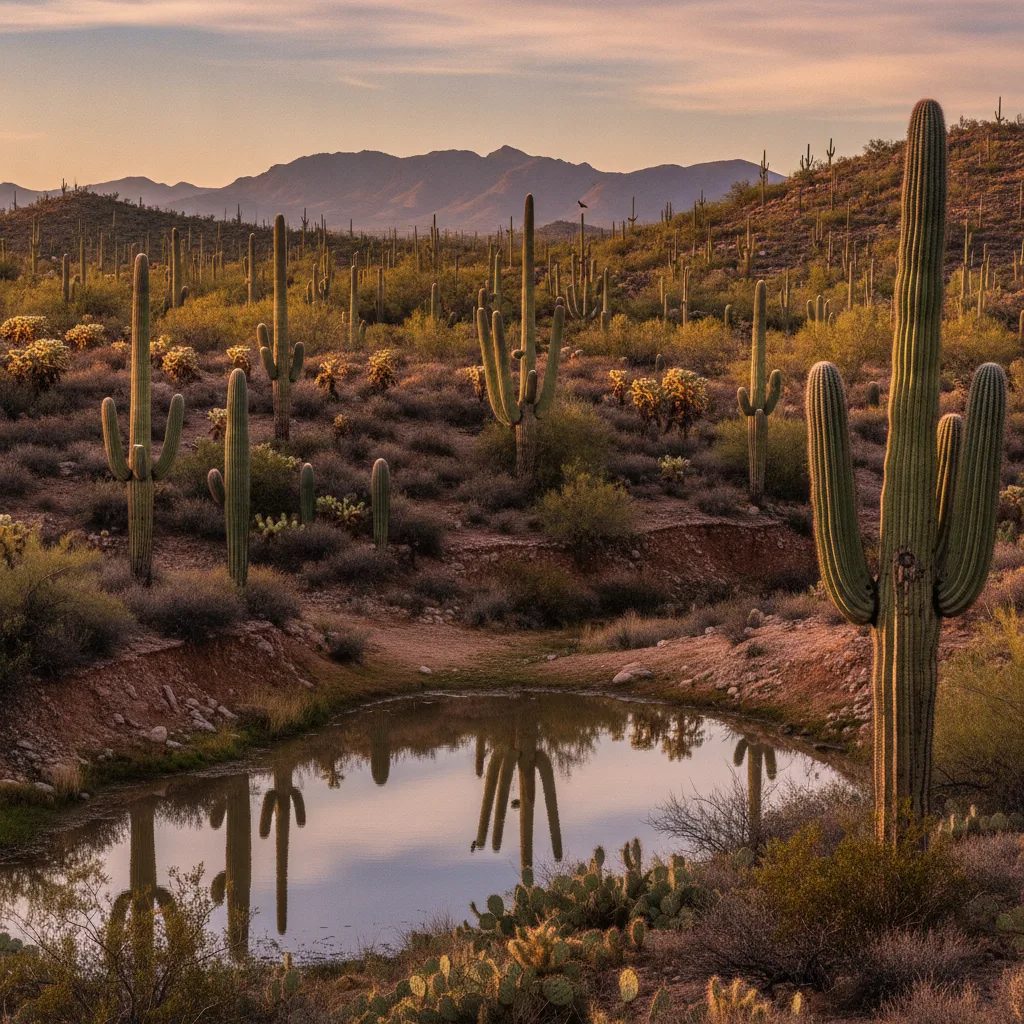
We believe that to truly experience the American Southwest, a visit to Saguaro National Park Arizona is not just recommended, it's essential. This iconic desert landscape, split into two distinct districts flanking Tucson, offers a unique immersion into a world dominated by the majestic saguaro cactus, a symbol of resilience and natural beauty.
Why Visit Saguaro National Park
Imagine standing amidst a forest of giants, some saguaros reaching 50 feet tall and living over 200 years, their arms silhouetted against a vibrant desert sunset. This isn't a fantasy; it's the everyday reality at Saguaro National Park. We find ourselves continually drawn to this park for its unparalleled concentration of saguaro cacti, a species that grows naturally only in the Sonoran Desert. The park's two districts, the Tucson Mountain District (West) and the Rincon Mountain District (East), each offer a unique perspective on this remarkable ecosystem.
Beyond the impressive cacti, Saguaro National Park provides a vital habitat for diverse wildlife, from Gila woodpeckers nesting in saguaro cavities to elusive javelinas roaming the desert floor. It's a living laboratory of desert ecology, where every hike reveals a new wonder. The stark beauty of the landscape, with its rugged mountains, vibrant wildflowers in spring, and dramatic sunsets, creates an unforgettable experience. We consider it a cornerstone of any Arizona adventure, complementing other incredible destinations like Grand Canyon National Park and Monument Valley Navajo Park.
Who It's Best For
Saguaro National Park caters to a wide array of visitors, making it an ideal destination for families, solo adventurers, and couples alike. If you're a nature enthusiast, photographer, or hiker, you'll find endless opportunities to connect with the desert. The park offers accessible trails for those seeking a leisurely stroll, as well as strenuous backcountry routes for experienced backpackers. We particularly recommend it for those who appreciate unique landscapes and want to witness the iconic saguaro cactus in its natural, awe-inspiring habitat.
Families with children will find the easy, paved nature trails engaging and educational, offering a chance to learn about desert flora and fauna up close. Birdwatchers will delight in the park's avian diversity, while photographers will be captivated by the dramatic light and unique forms of the cacti, especially during sunrise and sunset. Even those with limited mobility can enjoy the scenic drives and accessible visitor center exhibits. The park's proximity to Tucson also makes it perfect for those looking to combine urban exploration with natural immersion.
How to Get There & Parking
Saguaro National Park is conveniently located just outside Tucson, Arizona, with its two districts flanking the city. This unique layout means you'll need to plan your approach depending on which district you intend to visit first.
- Tucson Mountain District (West): To reach the west district, which is about 16 miles west of downtown Tucson, we recommend taking Speedway Boulevard west. It will eventually become Gates Pass Road, leading directly to Kinney Road and the park entrance. Alternatively, you can take Kinney Road directly.
- Rincon Mountain District (East): The east district is approximately 15 miles east of downtown Tucson. You can access it via Old Spanish Trail. Travel east on Broadway or Speedway Boulevard to Freeman Road, then turn right onto Freeman Road. Drive south for about 3-4 miles to Old Spanish Trail, turn left, and the park entrance will be on your left.
For those flying in, Tucson International Airport (TUS) is your closest option, located about 30 minutes from either district. Major car rental agencies are available at the airport, and we highly recommend renting a vehicle to fully explore both districts and the surrounding Tucson area.
Parking:
- Tucson Mountain District (West): Parking is generally available at the Red Hills Visitor Center and various trailheads along the Bajada Loop Scenic Drive. The Bajada Loop Scenic Drive (Golden Gate Road and Hohokam Road) is open to vehicles daily during daylight hours.
- Rincon Mountain District (East): Parking is available at the Rincon Mountain Visitor Center and along the Cactus Forest Loop Drive. We note that a significant construction project to reconfigure the entrance and expand parking at the Rincon Mountain Visitor Center began in October 2025 and is expected to be completed in the fall of 2026. Visitors should anticipate changing traffic patterns during this time, but services will remain open. The Cactus Forest Loop Drive is an 8.3-mile paved road providing access to picnic areas and trailheads and is open from 5:00 AM to 8:30 PM. However, trailers and RVs longer than 35 feet or wider than 8 feet are not permitted on this loop. For larger RVs, it's advisable to check with rangers or use a smaller vehicle within the park, potentially parking big rigs at pullouts just inside the Cactus Forest Drive when the main lot is full.
It's important to note that Saguaro National Park has gone cashless at its entrance booths, so be prepared to pay with a debit or credit card.
Top Things to Do
When considering things to do at Saguaro National Park, you'll find a wealth of activities that showcase the unique beauty of the Sonoran Desert. Our team recommends allocating ample time to explore both the Tucson Mountain District (West) and the Rincon Mountain District (East), as each offers distinct experiences.
- Scenic Drives: Both districts boast impressive scenic drives. In the west, the Bajada Loop Scenic Drive offers a graded dirt road experience, winding through dense saguaro forests and providing access to numerous trailheads and picnic areas. In the east, the paved Cactus Forest Loop Drive is an 8.3-mile route with stunning views of the Rincon Mountains and opportunities for hiking and cycling. We suggest driving these loops at different times of day to experience the changing light and shadows across the landscape.
- Visitor Centers: Start your visit at one of the two visitor centers: the Red Hills Visitor Center in the west or the Rincon Mountain Visitor Center in the east. Both offer valuable information, exhibits on desert life, and park bookstores. The Red Hills Visitor Center patio offers spectacular views of the saguaro forest and Red Hills.
- Petroglyph Viewing: The Signal Hill Petroglyph Site in the Tucson Mountain District (West) is a must-see. It's the largest petroglyph site in this district, offering a glimpse into the ancient Hohokam culture that once thrived here.
- Stargazing: Saguaro National Park is an excellent spot for stargazing due to its dark night skies. We encourage visitors to stay after sunset and witness the incredible celestial display.
- Wildflower Viewing: If your visit aligns with spring, typically from mid-March through mid-April, you'll be treated to a spectacular display of desert wildflowers. Saguaro flowers themselves usually peak in May.
- Photography: The park's dramatic landscapes, towering cacti, and vibrant sunsets offer endless photographic opportunities. Gates Pass overlook in the west is particularly renowned for its sunset views.
- Ranger-Led Programs: Check the park's calendar for ranger-led tours, talks, and guided hikes. These programs offer deeper insights into the desert's unique ecosystem and history.
These things to do at Saguaro National Park provide a comprehensive experience, from leisurely scenic drives to engaging cultural and natural explorations.
Best Time to Visit
Our team consistently recommends visiting Saguaro National Park between **October and April** for the most comfortable and enjoyable experience. During these months, daytime temperatures are mild, typically ranging from the high 50s to low 80s Fahrenheit. This period is ideal for hiking, cycling, and exploring the park's many trails without the extreme heat of summer.
Specifically:
- Spring (March-April): This is arguably the most beautiful time to visit, as the desert comes alive with vibrant wildflowers. The saguaro cacti begin to bloom in late April, with their white flowers peaking in May. Temperatures are pleasant, making it perfect for outdoor activities.
- Winter (November-February): Winter months offer comfortable, uncrowded conditions, with mild daytime temperatures and cooler nights. This is an excellent time for longer hikes and interpretive programs, and you're less likely to encounter poisonous reptiles.
- Fall (October-November): Similar to spring, fall brings comfortable temperatures, making it a great time for outdoor activities and enjoying the clear desert skies.
Times to potentially avoid:
- Summer (May-September): We advise caution if visiting during the summer. Temperatures can be sweltering, often exceeding 100°F and sometimes reaching 115°F (46°C). The monsoon season, from mid-July through mid-September, brings humidity and afternoon thunderstorms. If you must visit in summer, plan activities for very early mornings, ideally before 8 AM, and be off trails by noon to minimize heat exposure.
Overall, for general outdoor tourist activities, the best times are from late April to mid-June and from early September to late October, with a peak score in the last week of September. However, for hiking, the cooler months are definitively superior.
Where to Stay Nearby
While Saguaro National Park itself does not offer front-country camping, the surrounding Tucson area provides a wide range of accommodation options, from hotels and resorts to various campgrounds. We recommend staying in or near Tucson to easily access both park districts and enjoy the city's amenities.
- Hotels and Resorts in Tucson: Tucson offers numerous hotels to suit every budget and preference. Upscale options can be found in the Catalina Foothills, which also serves as a gateway to outdoor adventures like Sabino Canyon and Mount Lemmon Scenic Byway. Many hotels provide convenient access to both the east and west districts of Saguaro National Park.
- Campgrounds Near Saguaro National Park: For those who prefer camping, several excellent options are available just outside the park boundaries:
- Gilbert Ray Campground: This is the closest established campground to the Tucson Mountain District (West), located about a 13-minute drive from the Red Hills Visitor Center. It now operates on a reservation-only system via Pima County.
- Colossal Cave Mountain Park: Situated about a 20-minute drive south of the Rincon Mountain District (East) Visitor Center, this park offers camping opportunities.
- Coronado National Forest: Located off the Catalina Highway, 16-30 miles north of Tucson, Coronado National Forest offers numerous camping spots, including Rose Canyon, Spencer Canyon, Gordon Hirabayashi Campground, and Molino Basin Campground. Prices range from $20-50 per night, and some sites have RV length limits. Molino Basin Campground is open roughly October through April and offers first-come, first-served sites with picnic tables and fire rings, but no water or hookups.
- Catalina State Park Campground: North of Tucson, at the base of the Santa Catalina Mountains, this state park offers 120 spacious sites with water and electric hookups, picnic tables, and BBQ grills. Reservations are required, and nightly fees are around $30.
- Private RV Parks and Campgrounds: The Tucson area also features various private RV resorts and campgrounds like Tucson KOA Resort, offering more amenities for RV and tent campers. Some private properties, like Saguaro Sky Ranch, offer vintage trailer and tent sites with easy access to Saguaro National Park West.
When planning your stay, consider the district you primarily wish to explore, as this will help you choose the most convenient lodging. For a full Arizona travel experience, we recommend exploring other unique destinations like Sedona & Oak Creek Canyon or Antelope Canyon, which might involve separate accommodations.
Sample 2-Day Itinerary
To fully appreciate the distinct beauty of both districts of Saguaro National Park, our team has crafted a sample 2-day itinerary. This plan balances scenic drives, accessible hikes, and opportunities for deeper immersion into the Sonoran Desert.
Day 1: Saguaro National Park West (Tucson Mountain District)
We recommend dedicating your first day to the Tucson Mountain District, known for its dense saguaro forests and easily accessible trails. This district is often considered ideal for a first visit due to its high concentration of iconic cacti and rewarding views.
- Morning (Early Start): Arrive at the Red Hills Visitor Center shortly after it opens (9 AM from October 1st to May 31st, 8 AM from June 1st to September 30th). Gather maps and information. From the visitor center patio, enjoy the panoramic views of the saguaro-studded landscape.
- Late Morning: Embark on some of the easy Saguaro National Park hiking trails. The Desert Discovery Trail (0.4 miles, paved, educational signs) is perfect for a leisurely stroll and an introduction to the desert. For more stunning views with minimal effort, hike the Valley View Overlook Trail (0.8 miles round trip). The Signal Hill Trail (0.3 miles, out and back) also offers easy access to petroglyphs.
- Lunch: Enjoy a picnic at one of the designated picnic areas within the park or head back into Tucson for a meal.
- Afternoon: Drive the Bajada Loop Scenic Drive. This 6-mile graded dirt road provides excellent opportunities for photography and further exploration of the dense saguaro forests. Consider a slightly more challenging hike like the King Canyon Trail (also known as Wasson Peak via Kings Canyon, Hugh Norris, & Gould Mine Trail) for stunning views of the Tucson Mountains.
- Evening: Conclude your day with a memorable sunset at Gates Pass. This popular overlook offers breathtaking panoramic views of the Tucson Mountains and the desert as the sun dips below the horizon.
Day 2: Saguaro National Park East (Rincon Mountain District)
The Rincon Mountain District offers a different landscape, climbing from the desert floor to nearly 9,000 feet in the Rincon Mountains, providing opportunities for longer hikes and diverse ecology.
- Morning (Early Start): Head to the Rincon Mountain Visitor Center (open 9 AM from October 1st to May 31st, 8 AM from June 1st to September 30th). Note that parking lot construction is ongoing through fall 2026, so expect some changes in traffic flow.
- Late Morning: Drive the Cactus Forest Loop Drive, an 8.3-mile paved scenic road. Stop at various pullouts for photos and short walks. We recommend the Mica View & Cactus Forest Loop (2 miles, easy) for a pleasant walk through a saguaro forest with views of Tanque Verde Peak and Mica Mountain. The Desert Ecology Trail (0.3 miles, easy) is another excellent option for learning about the desert environment.
- Lunch: Picnic at Javelina Picnic Area or Mica View Picnic Area, both accessible from the Cactus Forest Loop Drive.
- Afternoon: For those seeking more strenuous Saguaro National Park hiking trails, consider a portion of the Tanque Verde Ridge Trail. This trail offers panoramic views and climbs into higher elevations. Even a shorter ascent provides rewarding vistas. Alternatively, explore the Loma Verde Loop (3.4 miles, easy) for immersion in Sonoran Desert vegetation.
- Evening: Enjoy a final desert sunset from the Javelina Rocks pullout or a spot along the Cactus Forest Loop Drive in the east district.
This itinerary allows for a comprehensive exploration of both districts, highlighting the best of Saguaro National Park Arizona.
Saguaro National Park Hiking Trails
The Saguaro National Park hiking trails offer an incredible diversity of experiences, from leisurely strolls suitable for all ages to challenging backcountry treks. We emphasize that proper preparation, including carrying plenty of water, is crucial for any hike in the desert, especially during warmer months.
Tucson Mountain District (West) Hiking Trails:
This district is known for its dense saguaro forests and generally lower elevation trails, making it excellent for shorter, more accessible hikes. Here are some of our top picks for Saguaro National Park hiking trails in the west:
- Desert Discovery Trail: An easy, paved 0.4-mile loop with interpretive signs, perfect for families and those seeking a quick introduction to the desert's flora and fauna. It's one of our favorite easy trails.
- Valley View Overlook Trail: A gentle, 0.8-mile round trip hike that offers stunning views of the saguaro-filled landscape without significant effort. This is our favorite easy hike in the park.
- Signal Hill Trail: A short, 0.3-mile out-and-back trail leading to a prominent petroglyph site, offering a blend of nature and ancient culture.
- Wasson Peak via Kings Canyon, Hugh Norris, & Gould Mine Trail: For a more moderate challenge, this 8-mile loop takes you to Wasson Peak, the highest point in the Tucson Mountains, providing expansive views. The Kings Canyon portion offers gorgeous views of Saguaro West.
Rincon Mountain District (East) Hiking Trails:
The east district features trails that climb into the Rincon Mountains, offering varied terrain, higher elevations, and opportunities for longer, more strenuous hikes and backcountry exploration.
- Mica View & Cactus Forest Loop: An easy 2-mile loop that provides a wonderful introduction to the Rincon Mountains' scenery, winding through a saguaro cactus forest. The Mica View Trail portion is hard-surfaced and wheelchair-accessible. Note that the Mica View Trail will be closed for resurfacing Monday through Thursday from January 5 to March 7, 2026, but will be open Friday through Sunday.
- Desert Ecology Trail: Another easy, 0.3-mile loop that is great for learning about the desert's ecosystem.
- Bridal Wreath Falls Trail: A moderate 6-mile out-and-back trail leading to a seasonal waterfall, offering a rewarding destination within the desert landscape.
- Tanque Verde Ridge Trail: This strenuous trail offers panoramic views as it ascends the ridge. You can hike as far as you wish, with views improving as you climb. The Juniper Basin Campground is located 6.9 miles from the trailhead, and Tanque Verde Peak is 8.7 miles.
- Loma Verde Loop: An easy 3.4-mile route that immerses you in the Sonoran Desert, showcasing saguaros and diverse plant life.
Whether you're looking for a short, accessible walk or an all-day trek, the Saguaro National Park hiking trails provide an intimate connection with this unique desert environment. Always check current trail conditions and weather forecasts before heading out, and remember that sun exposure can make even short distances feel challenging.
Saguaro National Park Camping
For those seeking an immersive overnight experience, Saguaro National Park offers a unique approach to camping. Unlike many national parks, there are no developed, drive-in campgrounds within the park itself. All Saguaro National Park camping is backcountry wilderness camping, accessible only by hiking. This means you'll need to be prepared for a backpacking adventure.
The park's six designated wilderness campgrounds are located exclusively in the Rincon Mountain District (East). The closest campground requires a minimum hike of 4.4 miles (7 km), while Manning Camp, one of the higher elevation sites, is a minimum 10-mile (22.5 km) hike depending on your starting trailhead.
Backcountry Camping Details:
- Permits: A backcountry permit is required for all overnight stays and costs $8 per campsite per night. These permits can be reserved online through Recreation.gov on a rolling basis, typically 1-2 months in advance. While not as competitive as some other national parks, we still recommend booking in advance, especially for holiday weekends or during peak spring season.
- Campgrounds: The six primitive campgrounds are:
- Douglas Spring
- Grass Shack
- Juniper Basin
- Happy Valley Saddle
- Spud Rock Spring
- Manning Camp
- Closures: As of November 2025, all six backcountry campgrounds remained open with no closures. However, always check the park's official website for the most current conditions and any temporary closures, such as those due to wildfires. For instance, the Box Fire in June 2026 temporarily impacted trails and campgrounds, but they were subsequently reopened.
For those who prefer front-country camping or RV camping, several options are available just outside the park, as detailed in our "Where to Stay Nearby" section, including Gilbert Ray Campground, Colossal Cave Mountain Park, Coronado National Forest, and Catalina State Park. These provide a convenient base for exploring Saguaro National Park Arizona without the need for a full backpacking setup.
Is It Worth Visiting?
From our perspective as independent US travel authorities, the question "is Saguaro National Park worth visiting?" can be answered with an emphatic yes. This park offers a truly unique and quintessentially Sonoran Desert experience that you won't find anywhere else. The sheer scale and density of the saguaro cacti are breathtaking, creating a landscape that feels both ancient and alive.
We believe that Saguaro National Park provides exceptional value, whether you're a seasoned national park enthusiast or a first-time visitor to Arizona. The accessibility of both districts from Tucson makes it an easy addition to any US trip itinerary. With options ranging from scenic drives and easy, paved nature walks to challenging mountain hikes and remote backcountry camping, there's something for everyone to enjoy.
The opportunity to witness a saguaro forest, explore ancient petroglyphs, and experience the stunning desert sunsets makes Saguaro National Park an incredibly rewarding destination. It's a place where you can connect with nature, learn about a unique ecosystem, and capture unforgettable photographs. Even if you only have one day, focusing on the Tucson Mountain District (West) offers an excellent mix of short hikes, dense saguaro forests, and big-payoff views. Therefore, we confidently assert that Saguaro National Park is absolutely worth visiting for its unparalleled natural beauty and distinctive cultural and ecological significance.
Frequently Asked Questions
What are things to do in Tucson?
Tucson, Arizona, offers a vibrant array of attractions and activities beyond Saguaro National Park. Our team recommends exploring the Arizona-Sonora Desert Museum, which combines a zoo, botanical garden, aquarium, and natural history museum into one immersive experience. Other popular attractions include the Pima Air & Space Museum, Mission San Xavier del Bac, and the historic Old Tucson. For cultural experiences, visit the Tucson Museum of Art, explore the historic Barrio Viejo neighborhood with its colorful adobe homes, or catch a show at the Fox Tucson Theatre. Outdoor enthusiasts can also enjoy Sabino Canyon Recreation Area, offering scenic desert landscapes and a refreshing creek. The University of Arizona campus also houses attractions like the Arizona State Museum and the Flandrau Science Center and Planetarium.
Can you visit Saguaro National Park with kids?
Absolutely! Saguaro National Park is an excellent destination for families with kids. Both districts offer easy, family-friendly trails that are perfect for little legs. The Desert Discovery Trail in the Tucson Mountain District (West) is paved and features educational signs, making it an engaging option for children. The Mica View & Cactus Forest Loop in the Rincon Mountain District (East) also offers an easy walk through the saguaro forest, with a significant paved and ADA-accessible portion. Ranger-led programs and talks about desert wildlife are often kid-friendly and provide educational opportunities. We recommend visiting during the cooler months (October to April) and bringing plenty of water and sun protection to ensure a comfortable experience for the whole family.
What are some Saguaro National Park tips?
To make the most of your visit to Saguaro National Park, our team offers these essential tips:
- Visit in the Cooler Months: Aim for October through April to avoid extreme summer heat, especially if you plan to hike.
- Start Early: Even in cooler months, morning hikes are more comfortable and offer better light for photography. If visiting in summer, hike before 8 AM.
- Carry Plenty of Water: The desert environment is dehydrating. Bring more water than you think you'll need, especially on trails.
- Wear Sun Protection: Hats, sunscreen, and long sleeves are essential year-round due to intense desert sun.
- Explore Both Districts: The Tucson Mountain District (West) and Rincon Mountain District (East) offer distinct experiences. Try to visit both if time allows.
- Utilize Visitor Centers: Stop at the Red Hills (West) or Rincon Mountain (East) Visitor Centers for maps, information, and exhibits.
- Be Mindful of Wildlife: Observe animals from a distance and never feed them. Be aware of venomous creatures, especially during warmer months.
- Stay on Marked Trails: Protect the delicate desert ecosystem and your safety by remaining on designated paths.
- Check for Closures: Always verify park conditions, road closures, and trail status on the official NPS website before your visit.
- Cashless Payments: Be prepared to pay entrance fees with a debit or credit card, as the park has gone cashless at its booths.
What are the Saguaro National Park parking options?
Saguaro National Park offers various parking options within both its districts. In the Tucson Mountain District (West), parking is available at the Red Hills Visitor Center and at trailheads along the Bajada Loop Scenic Drive, which is open from dawn to dusk. In the Rincon Mountain District (East), parking can be found at the Rincon Mountain Visitor Center and along the Cactus Forest Loop Drive. However, visitors should be aware of an ongoing construction project at the Rincon Mountain Visitor Center parking lot, expected to be completed in fall 2026, which may alter traffic patterns and parking availability. This project aims to expand parking and improve access, including additional accessible spots. The Cactus Forest Loop Drive is open from 5:00 AM to 8:30 PM, but vehicles longer than 35 feet or wider than 8 feet are not permitted on this loop. For larger RVs, it's recommended to use a smaller vehicle within the park or consult with rangers about suitable parking outside the main visitor areas.
What is the best time to visit Saguaro National Park?
The best time to visit Saguaro National Park is from **October through April**. During these months, the weather is most favorable for outdoor activities, with mild temperatures ranging from the high 50s to low 80s Fahrenheit. Spring (mid-March to mid-April) is particularly spectacular for wildflowers, and saguaro blooms peak in May. Winter offers comfortable, uncrowded conditions and is ideal for hiking and interpretive programs. We advise against visiting during the summer months (May to September) due to extreme heat, which can make hiking dangerous, and the monsoon season (mid-July to mid-September). If a summer visit is unavoidable, plan activities for very early mornings.
What are the Saguaro National Park hours and fees?
Saguaro National Park is open year-round, 24 hours a day for pedestrians and cyclists in both districts. Vehicle access hours vary by district:
- Tucson Mountain District (West): Open to vehicles from sunrise to sunset daily.
- Rincon Mountain District (East): The Cactus Forest Loop Drive is open from 5:00 AM to 8:30 PM daily.
Visitor Center hours are seasonal:
- October 1st to May 31st: 9:00 AM - 5:00 PM daily.
- June 1st to September 30th: 8:00 AM - 4:00 PM daily.
Both visitor centers are closed on Thanksgiving and Christmas Day.
Fees (as of 2026):
- Private Vehicle: $25.00. This pass is valid for 7 consecutive days and covers all passengers in one vehicle for both districts.
- Motorcycle: $20.00.
- Per Person (on foot or bike): $15.00. Children aged 15 and under are free.
The park accepts payment in person at visitor centers or automated fee machines using debit/credit cards only (no cash). America the Beautiful Passes (Annual, Senior, Access, Military, etc.) are honored and cover entrance fees. Beginning January 1, 2026, changes to entrance fees and passes for non-US residents took effect, with non-residents paying regular fees on traditionally free entrance days. Additionally, there are several fee-free days throughout 2026 for US citizens and residents, including Presidents Day (February 16), Memorial Day (May 25), Independence Day weekend (July 3-5), and the 110th Birthday of the National Park Service (August 25).
Last updated: 2026-07-05 by the Visit America team.