Our Pahranagat National Wildlife Refuge Birding Trail guide covers practical planning for Pahranagat National Wildlife Refuge Birding Trail Nevada — best time to visit, getting there, and what to do on the ground.
As the Roam States editorial team, we've explored countless corners of the US, and few places capture the essence of a serene escape quite like the Pahranagat National Wildlife Refuge. This isn't your typical Nevada experience of neon lights and bustling casinos; instead, it's an authentic immersion into a vital desert oasis, a critical stopover for migratory birds, and an unparalleled destination for nature enthusiasts. Our team is dedicated to bringing you independent, verified travel insights, and for 2026, we’ve meticulously gathered the facts to ensure your visit to this remarkable refuge is seamless and unforgettable.
Why Visit Pahranagat National Wildlife Refuge Birding Trail
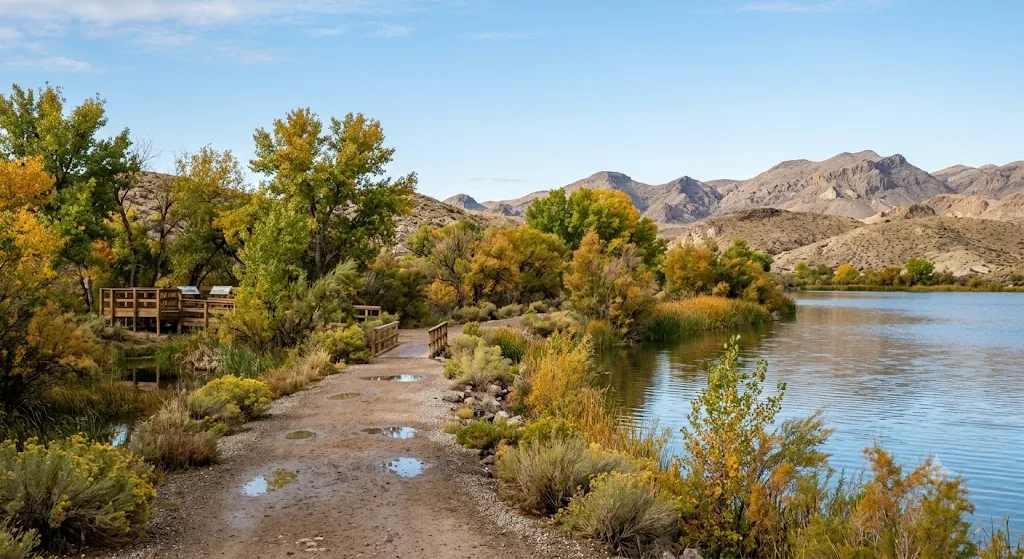
The allure of the Pahranagat National Wildlife Refuge lies in its stark contrast to the surrounding Mojave Desert. Here, life-giving waters from Crystal and Ash Springs create a lush, vibrant ecosystem of lakes, marshes, and wet meadows, attracting an astonishing diversity of wildlife. For birdwatchers, this refuge is nothing short of a paradise. Over 260 species of birds have been recorded within its boundaries, making it a prime location along the Pacific Flyway for observing everything from waterfowl and shorebirds to raptors and songbirds during their migrations.
Beyond the exceptional birding opportunities, the refuge offers a profound sense of peace and solitude. It’s a place where you can truly disconnect, with virtually no cell service, allowing for an undisturbed connection with nature. The expansive, uncrowded landscapes invite quiet contemplation, photography, and a chance to witness the delicate balance of a desert wetland. We find that the refuge’s commitment to conservation, managed by the U.S. Fish and Wildlife Service, shines through in its pristine condition and the abundance of its wildlife.
Moreover, the Pahranagat Valley holds significant cultural importance, having been utilized by the Paiute people for thousands of years. The Paiute name "Pahranagat" itself means "Valley of Shining Water," a testament to the area's enduring natural beauty. Visitors can discover elements of this rich history through petroglyphs and pictographs found throughout the refuge, offering a glimpse into the past.
Who It's Best For
The Pahranagat National Wildlife Refuge caters to a specific kind of traveler – those seeking genuine outdoor experiences, tranquility, and a deep appreciation for wildlife. Our team confidently recommends it for:
- Birdwatchers and Ornithologists: This is unequivocally a top destination for birding. The sheer volume and variety of migratory and resident birds make it a must-visit for anyone with binoculars and a bird guide.
- Nature Photographers: The diverse landscapes, from shimmering lakes to desert uplands, combined with abundant wildlife, offer endless photographic opportunities, especially during the golden hours of sunrise and sunset.
- Campers and RV Enthusiasts: With free, first-come, first-served primitive campsites directly on Upper Pahranagat Lake, it’s ideal for those who enjoy rustic camping under exceptionally dark skies.
- Families with a Love for the Outdoors: The refuge provides a family-friendly environment with picnic areas, easy hiking trails, and educational opportunities at the visitor center. The annual Scorpion Hunt and Night Hike in September is a unique and engaging activity for all ages.
- Those Seeking a Digital Detox: The limited to no cell service is a feature, not a bug, for travelers looking to truly unplug and immerse themselves in their surroundings.
- Day-Trippers from Las Vegas: Located just about 90 miles north of The Las Vegas Strip, it offers a refreshing contrast to the city's energy and makes for an accessible escape into nature.
If you're looking for luxury resorts, bustling nightlife, or extensive amenities, this refuge might not be your primary destination. However, for an authentic, peaceful, and wildlife-rich experience, it’s truly unmatched.
Getting There & Parking
Navigating to the Pahranagat National Wildlife Refuge is straightforward, primarily via US-93, also known as the Great Basin Highway. For those wondering how to get to Pahranagat National Wildlife Refuge Birding Trail, we’ve outlined the most common routes:
- From Las Vegas, Nevada: Travel north on I-15 for approximately 26 miles. Take Exit 64 for US-93 North (Great Basin Highway) and continue for about 64 miles. The refuge will be on your right. The entire drive takes roughly 90 minutes.
- From Great Basin National Park, Nevada: Head west on US-50 for about 30 miles, then turn left onto US-93 South. Continue for approximately 169 miles, passing through Pioche, Caliente, and Alamo.
- From St. George, Utah: Travel south on I-15 for 68 miles. Take Exit 91, turn left onto Glendale Blvd for 0.5 miles, then right onto Highway 168 for 24 miles. Turn right onto US-93 North and continue for 33 miles.
The refuge's Visitor Center, located just off Highway 93, is easily accessible with clear signage and a paved entrance road. Ample parking is available at the Visitor Center, providing a convenient starting point for your visit. Throughout the refuge, various parking lots offer access to trails and observation points. It's important to note that parking is prohibited after the refuge is closed to public entry, which is generally one hour after sunset, except for campers.
While most main roads within the refuge are well-maintained, some backcountry routes, like Alamo Road, which connects to Desert National Wildlife Refuge, require a high-clearance vehicle, and 4x4 is recommended. These routes are not regularly maintained and lack services, so plan accordingly. Remember to check your vehicle's tires, fuel, fluids, and battery before venturing into remote areas, and always carry a spare tire and the necessary tools.
Top Things to Do
When planning your visit, you'll find a wealth of activities that truly highlight the natural beauty and ecological importance of this area. Here are the things to do at Pahranagat National Wildlife Refuge Birding Trail that our team recommends:
Exceptional Birdwatching
The primary draw of the refuge is, without a doubt, its incredible birdlife. As a critical stopover on the Pacific Flyway, you can expect to see thousands of migratory birds, especially during the spring and fall. Keep an eye out for diverse waterfowl like ducks, geese, and swans, as well as various shorebirds. Raptors are also common, and the cottonwood and willow trees provide excellent habitat for migratory songbirds. We recommend bringing high-quality binoculars to fully appreciate the distant species. Early morning and late evening are the best times for wildlife observation.
Explore the Pahranagat National Wildlife Refuge Birding Trail Hiking Trails
For those who love to explore on foot, the refuge offers approximately 7 miles of diverse Pahranagat National Wildlife Refuge Birding Trail hiking trails. These trails are generally easy and provide fantastic opportunities to immerse yourself in the varied habitats. Some popular options include:
- Pahranagat Loop Trail: A short, 0.4-mile loop starting behind the Visitor Center, perfect for a quick introduction to the refuge's flora and fauna.
- Cabin Trail: Another short walk accessible from the Visitor Center, offering interactive and informational nature exhibits.
- Upper Pahranagat Lake Trail: This trail provides excellent opportunities to see waterfowl and other migratory birds year-round, including Bald Eagles in winter. It’s a 1.4-mile marked trail, or can be extended to a 3-mile loop by following the campground road.
- Davenport Trail: A longer option, stretching about 4 miles out to the North Lake dam and back, allowing for deeper exploration of the refuge's habitats.
These pedestrian and bike-friendly trails are open year-round from sunrise to sunset. Remember to stay on designated paths to protect sensitive habitats and always keep pets on a leash.
Camping Under Dark Skies
Experience the tranquility of the desert night by camping at the refuge. Fifteen free, first-come, first-served primitive campsites are available along Upper Pahranagat Lake. Each site includes a picnic table, fire ring, and grill, with vault toilets nearby. There are no hookups, so come prepared for a rustic experience. The minimal light pollution here makes for spectacular stargazing, a highlight for many visitors.
Fishing and Boating
Anglers can enjoy fishing in the refuge's lakes, which are home to bass, crappie, and catfish. Fishing requires appropriate permits. Boating is permitted on Upper Lake, Middle Marsh, and Lower Lake, but with restrictions: only non-motorized boats or those with electric motors are allowed. Note that Upper Lake is closed to all boating from October 1 through February 1, and North Marsh is closed to all watercraft year-round. Swimming is strictly prohibited.
Visitor Center Exploration
Start your visit at the Pahranagat National Wildlife Refuge Visitor Center. Here, you can watch a short film about the refuge, explore interactive exhibits on local flora, fauna, and human history, and pick up brochures and bird lists. Knowledgeable staff and volunteers are on hand to provide information and tips for maximizing your time. The Visitor Center also boasts the best restrooms along Highway 93, open from sunrise to sunset even when the center itself is closed.
Scorpion Hunt and Night Hike
For a truly unique experience, consider visiting in September for the free Scorpion Hunt and Night Hike led by the U.S. Fish and Wildlife Services. This guided activity allows you to search for scorpions using ultraviolet flashlights and learn about their adaptations to the desert environment. It's a family-friendly event, but space is limited, so inquire at the Visitor Center for details.
Best Time to Visit
Our team at Roam States emphasizes timing for an optimal experience at Pahranagat National Wildlife Refuge. While the refuge is open year-round, certain seasons offer distinct advantages, especially for birdwatching:
- Spring (March to May) and Fall (September to November): These are hands down the best times to visit. During these migratory seasons, thousands of waterfowl and songbirds pass through the refuge, making for spectacular birdwatching opportunities. The weather is also considerably milder and more comfortable for outdoor activities like hiking and camping.
- Winter (December to February): While colder, winter still offers excellent birding, particularly for viewing wintering waterfowl and raptors, including Bald Eagles. The refuge is generally less crowded during this time.
- Summer (June to August): Summer in the Mojave Desert brings extreme heat, with temperatures often exceeding 100°F. While the refuge is open, we advise limiting outdoor activities to early mornings and evenings to avoid heat-related issues. The Visitor Center operates on reduced hours during these months.
Regardless of the season, we always recommend visiting in the early morning or late evening for the best wildlife viewing opportunities, as many species are most active during these cooler parts of the day. Weekdays are typically less busy than weekends, offering a more solitary experience.
Where to Stay Nearby
While the refuge offers fantastic free camping, for those preferring traditional accommodations, options for Pahranagat National Wildlife Refuge Birding Trail lodging are primarily found in the nearby town of Alamo. Our team has scouted the area to provide you with the most reliable choices:
- Alamo, Nevada: Located just a few miles north of the refuge, Alamo is the closest community offering amenities. Here, you'll find a couple of local, family-run motels that provide clean and straightforward lodging:
- Sunset View Inn L.L.C.: A family-run motel in downtown Alamo, known for its clean rooms and welcoming atmosphere.
- Alamo Inn: Simple, no-frills lodging, ideal for a convenient overnight stop.
Alamo also has a gas station and a grocery store, which are essential services given the remote nature of the area.
- Windmill Ridge: Located near Alamo, this establishment offers a more rustic experience with an on-site restaurant, providing a quintessential rural Nevada feel.
- RV Parks: If you're traveling in an RV but prefer hookups or additional amenities beyond the refuge's primitive camping, several RV parks are located within a reasonable driving distance:
- Picketts RV Park: Approximately 8.8 miles from the refuge in Alamo, offering spacious sites and convenient access to natural landscapes.
- Green Valley Grocery RV Park: About 16 miles from the refuge, providing a serene desert escape with access to an on-site grocery store.
- Young's RV Park: Located about 40 miles from the refuge, offering amenities like complimentary WiFi, laundry, and clean restrooms.
- The Little A'Le'Inn: For a quirky, Area 51-themed experience, The Little A'Le'Inn is about 45 miles from the refuge in Rachel, Nevada. It offers lodging, RV spaces, and campsites, along with a world-famous restaurant and unique gifts.
For more extensive services, including a wider variety of accommodations, restaurants, and shopping, you'd need to travel further to Caliente (about 40 miles northeast) or Las Vegas (about 90 miles south). When considering Pahranagat National Wildlife Refuge Birding Trail lodging, remember that reservations for motels and RV parks typically cannot be made online for same-day bookings, and phone reservations might not always be accepted, so plan ahead.
Sample 2-Day Itinerary
To help you make the most of your visit to the Pahranagat National Wildlife Refuge, our team has crafted a sample 2-day itinerary, balancing wildlife observation with exploration and relaxation.
Day 1: Arrival & Upper Lake Exploration
- Morning (Arrival & Visitor Center): Arrive at the refuge, ideally in the mid-morning. Head straight to the Visitor Center. Spend an hour watching the introductory film, exploring the exhibits, and gathering maps and bird lists from the knowledgeable staff. This is also a great opportunity to ask about current wildlife sightings and any temporary closures.
- Late Morning (Upper Pahranagat Lake Trail): Embark on the Upper Pahranagat Lake Trail. This 1.4-mile (or 3-mile loop) path offers excellent opportunities for birdwatching, especially for waterfowl and raptors. Take your time, use your binoculars, and enjoy the peaceful scenery.
- Lunch: Enjoy a picnic lunch at one of the designated picnic areas near Upper Pahranagat Lake, taking advantage of the provided tables and grills.
- Afternoon (Camping Setup & Photography): Secure one of the free, first-come, first-served campsites along Upper Pahranagat Lake. Set up your camp and spend the late afternoon enjoying the lakeside views or capturing the changing light with your camera.
- Evening (Sunset Birding & Stargazing): As the sun begins to set, find a good vantage point for some evening birding. Many species become more active during this time. After dark, prepare for an incredible stargazing experience, as the refuge boasts exceptionally dark skies. Enjoy a campfire in a provided fire ring, adhering to any fire restrictions.
Day 2: Middle Marsh, Lower Lake & Departure
- Early Morning (Sunrise Birding & Breakfast): Wake up before dawn to witness the sunrise over the refuge, a truly magical experience. This is another prime time for birdwatching as the refuge awakens. Enjoy breakfast at your campsite.
- Late Morning (Middle Marsh & Lower Lake): Drive to the Middle Marsh and Lower Lake areas of the refuge. These sections offer different habitats and can yield sightings of diverse bird species, including wading birds and various shorebirds. Explore the available access points and short trails.
- Mid-day (Davenport Trail or Alamo Exploration): Depending on your energy levels and interests, you have a couple of options:
- Option A (More Hiking): Tackle a portion of the Davenport Trail, a longer hike that provides deeper access into the refuge's diverse ecosystems.
- Option B (Local Culture): Head into Alamo, the nearest town, for a quick exploration. You can grab any last-minute supplies or simply experience the quiet charm of this rural Nevada community.
- Lunch: Enjoy another picnic at the refuge or grab a bite in Alamo if you chose Option B.
- Afternoon (Final Wildlife Viewing & Departure): Spend your final hours revisiting a favorite spot for one last round of birdwatching or wildlife photography. Pack up your campsite and begin your journey home, carrying memories of Nevada's shining water valley.
Remember that this is a suggested itinerary, and you can always adjust it based on your interests and the specific conditions of your visit. Always check the Visitor Center for the latest information on wildlife sightings, trail conditions, and any fire restrictions.
Is It Worth Visiting?
Our team at Roam States unequivocally believes the Pahranagat National Wildlife Refuge Birding Trail Nevada is worth visiting, especially for those seeking a tranquil and enriching encounter with nature. This refuge offers a unique blend of ecological significance, stunning landscapes, and a peaceful escape from the everyday hustle.
The primary draw, of course, is the unparalleled birdwatching. With over 260 recorded bird species, including thousands of migratory birds stopping along the Pacific Flyway, it's a birder's dream. The opportunity to witness such diverse avian life in a vibrant desert oasis is a rare privilege. Beyond the birds, the refuge provides a habitat for various other wildlife, including mule deer, coyotes, and even the elusive Mojave rattlesnake and desert tortoise.
What truly sets Pahranagat apart is its serene, uncrowded atmosphere. Unlike more heavily trafficked national parks, you can often find solitude here, allowing for a deeper connection with the natural world. The free camping, with its spectacular stargazing opportunities, adds immense value to the experience. For families, the accessible trails, picnic areas, and educational visitor center make it an engaging destination.
While the lack of extensive amenities or cell service might deter some, we view this as part of its charm – an authentic opportunity to unplug. If you appreciate wildlife, quiet contemplation, and the raw beauty of Nevada's diverse landscapes, then a visit to the Pahranagat National Wildlife Refuge Birding Trail will undoubtedly be a rewarding experience.
Internal Links to Other Nevada Destinations
While exploring the Pahranagat National Wildlife Refuge, consider extending your Nevada adventure. The Silver State offers a remarkable range of landscapes and experiences, from the vibrant energy of The Las Vegas Strip to the engineering marvel of Hoover Dam. For more natural beauty, destinations like Valley of Fire State Park and Red Rock Canyon National Conservation Area offer stunning geological formations and hiking opportunities. To explore more of what Nevada has to offer, check out our comprehensive guide to the Best places in Nevada.
Frequently Asked Questions
Pahranagat National Wildlife Refuge Birding Trail camping
Yes, Pahranagat National Wildlife Refuge Birding Trail camping is available and free of charge. There are fifteen primitive, first-come, first-served campsites located along Upper Pahranagat Lake. These sites include picnic tables, fire rings, grills, and vault toilets, but no electrical, water, or waste hookups. The campground is open year-round, 24 hours a day, with a maximum stay of 14 days within a 31-day period. We advise arriving early, especially on weekends, as spots can fill up quickly.
things to do in Alamo
Beyond the refuge, the small town of Alamo, Nevada, primarily serves as a quiet desert stopover. The main attraction is its proximity to the Pahranagat National Wildlife Refuge. Other things to do in Alamo include exploring the scenic drives along the Extraterrestrial Highway, known for its quirky attractions and proximity to the mysterious Area 51 (though trespassing into Area 51 is strictly prohibited). Alamo offers basic services like gas, a grocery store, and a couple of local motels.
Pahranagat National Wildlife Refuge Birding Trail with kids
The Pahranagat National Wildlife Refuge Birding Trail with kids is a fantastic family-friendly destination. The refuge offers easy hiking trails suitable for all ages, picnic areas, and the chance to observe a wide variety of wildlife. The Visitor Center provides educational exhibits and a short film. A highlight for families is the free Scorpion Hunt and Night Hike offered in September, led by the U.S. Fish and Wildlife Services, which uses ultraviolet flashlights to spot scorpions. Remember to bring plenty of water, sunscreen, and hats, especially during warmer months.
best hotels near Pahranagat National Wildlife Refuge Birding Trail
The best hotels near Pahranagat National Wildlife Refuge Birding Trail are located in the nearby town of Alamo, Nevada. These include the Sunset View Inn L.L.C. and the Alamo Inn, both offering clean, straightforward lodging. For a more rustic experience, Windmill Ridge is also near Alamo. If you're open to a slightly longer drive (about 45 miles), The Little A'Le'Inn in Rachel offers a unique, Area 51-themed motel experience. For RV travelers, several RV parks with more amenities than the refuge's primitive camping are also available in the surrounding area.
Pahranagat National Wildlife Refuge Birding Trail tips
Our top Pahranagat National Wildlife Refuge Birding Trail tips include visiting during spring or fall migration for the best birdwatching. Go in the early morning or late evening for peak wildlife activity. Bring binoculars, a good bird guide, and a camera. Since there's virtually no cell service, download maps beforehand and inform others of your plans. Pack plenty of water, as there is no potable water available, and use sunscreen and a hat. If camping, arrive early for first-come, first-served spots, and be aware of fire restrictions, especially after May 29, 2026. [cite: 7, 9,
Our Pahranagat National Wildlife Refuge Birding Trail guide covers practical planning for Pahranagat National Wildlife Refuge Birding Trail Nevada — best time to visit, getting there, and what to do on the ground.
As the Roam States editorial team, we've explored countless corners of the US, and few places capture the essence of a serene escape quite like the Pahranagat National Wildlife Refuge. This isn't your typical Nevada experience of neon lights and bustling casinos; instead, it's an authentic immersion into a vital desert oasis, a critical stopover for migratory birds, and an unparalleled destination for nature enthusiasts. Our team is dedicated to bringing you independent, verified travel insights, and for 2026, we’ve meticulously gathered the facts to ensure your visit to this remarkable refuge is seamless and unforgettable.
Why Visit Pahranagat National Wildlife Refuge Birding Trail
The allure of the Pahranagat National Wildlife Refuge lies in its stark contrast to the surrounding Mojave Desert. Here, life-giving waters from Crystal and Ash Springs create a lush, vibrant ecosystem of lakes, marshes, and wet meadows, attracting an astonishing diversity of wildlife. For birdwatchers, this refuge is nothing short of a paradise. Over 260 species of birds have been recorded within its boundaries, making it a prime location along the Pacific Flyway for observing everything from waterfowl and shorebirds to raptors and songbirds during their migrations. [cite: 3, 8, 12]
Beyond the exceptional birding opportunities, the refuge offers a profound sense of peace and solitude. It’s a place where you can truly disconnect, with virtually no cell service, allowing for an undisturbed connection with nature. [cite: 9] The expansive, uncrowded landscapes invite quiet contemplation, photography, and a chance to witness the delicate balance of a desert wetland. We find that the refuge’s commitment to conservation, managed by the U.S. Fish and Wildlife Service, shines through in its pristine condition and the abundance of its wildlife. [cite: 8, 11, 12]
Moreover, the Pahranagat Valley holds significant cultural importance, having been utilized by the Paiute people for thousands of years. The Paiute name "Pahranagat" itself means "Valley of Shining Water," a testament to the area's enduring natural beauty. [cite: 8, 11, 18] Visitors can discover elements of this rich history through petroglyphs and pictographs found throughout the refuge, offering a glimpse into the past. [cite: 8]
Who It's Best For
The Pahranagat National Wildlife Refuge caters to a specific kind of traveler – those seeking genuine outdoor experiences, tranquility, and a deep appreciation for wildlife. Our team confidently recommends it for:
- Birdwatchers and Ornithologists: This is unequivocally a top destination for birding. The sheer volume and variety of migratory and resident birds make it a must-visit for anyone with binoculars and a bird guide.
- Nature Photographers: The diverse landscapes, from shimmering lakes to desert uplands, combined with abundant wildlife, offer endless photographic opportunities, especially during the golden hours of sunrise and sunset.
- Campers and RV Enthusiasts: With free, first-come, first-served primitive campsites directly on Upper Pahranagat Lake, it’s ideal for those who enjoy rustic camping under exceptionally dark skies. [cite: 9, 11, 13, 16]
- Families with a Love for the Outdoors: The refuge provides a family-friendly environment with picnic areas, easy hiking trails, and educational opportunities at the visitor center. The annual Scorpion Hunt and Night Hike in September is a unique and engaging activity for all ages. [cite: 5, 8]
- Those Seeking a Digital Detox: The limited to no cell service is a feature, not a bug, for travelers looking to truly unplug and immerse themselves in their surroundings. [cite: 9]
- Day-Trippers from Las Vegas: Located just about 90 miles north of The Las Vegas Strip, it offers a refreshing contrast to the city's energy and makes for an accessible escape into nature. [cite: 3, 4, 8, 11, 17, 18, 19]
If you're looking for luxury resorts, bustling nightlife, or extensive amenities, this refuge might not be your primary destination. However, for an authentic, peaceful, and wildlife-rich experience, it’s truly unmatched.
Getting There & Parking
Navigating to the Pahranagat National Wildlife Refuge is straightforward, primarily via US-93, also known as the Great Basin Highway. For those wondering how to get to Pahranagat National Wildlife Refuge Birding Trail, we’ve outlined the most common routes:
- From Las Vegas, Nevada: Travel north on I-15 for approximately 26 miles. Take Exit 64 for US-93 North (Great Basin Highway) and continue for about 64 miles. The refuge will be on your right. [cite: 17, 18] The entire drive takes roughly 90 minutes. [cite: 3, 4, 8, 11, 19]
- From Great Basin National Park, Nevada: Head west on US-50 for about 30 miles, then turn left onto US-93 South. Continue for approximately 169 miles, passing through Pioche, Caliente, and Alamo. [cite: 17, 18]
- From St. George, Utah: Travel south on I-15 for 68 miles. Take Exit 91, turn left onto Glendale Blvd for 0.5 miles, then right onto Highway 168 for 24 miles. Turn right onto US-93 North and continue for 33 miles. [cite: 17, 18]
The refuge's Visitor Center, located just off Highway 93, is easily accessible with clear signage and a paved entrance road. [cite: 11] Ample parking is available at the Visitor Center, providing a convenient starting point for your visit. [cite: 11] Throughout the refuge, various parking lots offer access to trails and observation points. It's important to note that parking is prohibited after the refuge is closed to public entry, which is generally one hour after sunset, except for campers. [cite: 15, 21]
While most main roads within the refuge are well-maintained, some backcountry routes, like Alamo Road, which connects to Desert National Wildlife Refuge, require a high-clearance vehicle, and 4x4 is recommended. These routes are not regularly maintained and lack services, so plan accordingly. [cite: 7, 24] Remember to check your vehicle's tires, fuel, fluids, and battery before venturing into remote areas, and always carry a spare tire and the necessary tools. [cite: 24]
Top Things to Do
When planning your visit, you'll find a wealth of activities that truly highlight the natural beauty and ecological importance of this area. Here are the things to do at Pahranagat National Wildlife Refuge Birding Trail that our team recommends:
Exceptional Birdwatching
The primary draw of the refuge is, without a doubt, its incredible birdlife. As a critical stopover on the Pacific Flyway, you can expect to see thousands of migratory birds, especially during the spring and fall. Keep an eye out for diverse waterfowl like ducks, geese, and swans, as well as various shorebirds. Raptors are also common, and the cottonwood and willow trees provide excellent habitat for migratory songbirds. [cite: 3, 7, 8, 12, 19] We recommend bringing high-quality binoculars to fully appreciate the distant species. [cite: 9] Early morning and late evening are the best times for wildlife observation. [cite: 7]
Explore the Pahranagat National Wildlife Refuge Birding Trail Hiking Trails
For those who love to explore on foot, the refuge offers approximately 7 miles of diverse Pahranagat National Wildlife Refuge Birding Trail hiking trails. These trails are generally easy and provide fantastic opportunities to immerse yourself in the varied habitats. Some popular options include: [cite: 7]
- Pahranagat Loop Trail: A short, 0.4-mile loop starting behind the Visitor Center, perfect for a quick introduction to the refuge's flora and fauna. [cite: 7, 20]
- Cabin Trail: Another short walk accessible from the Visitor Center, offering interactive and informational nature exhibits. [cite: 7]
- Upper Pahranagat Lake Trail: This trail provides excellent opportunities to see waterfowl and other migratory birds year-round, including Bald Eagles in winter. It’s a 1.4-mile marked trail, or can be extended to a 3-mile loop by following the campground road. [cite: 7]
- Davenport Trail: A longer option, stretching about 4 miles out to the North Lake dam and back, allowing for deeper exploration of the refuge's habitats. [cite: 7, 20]
These pedestrian and bike-friendly trails are open year-round from sunrise to sunset. [cite: 7] Remember to stay on designated paths to protect sensitive habitats and always keep pets on a leash. [cite: 24]
Camping Under Dark Skies
Experience the tranquility of the desert night by camping at the refuge. Fifteen free, first-come, first-served primitive campsites are available along Upper Pahranagat Lake. [cite: 7, 9, 11, 13, 16] Each site includes a picnic table, fire ring, and grill, with vault toilets nearby. [cite: 8, 11, 13, 16] There are no hookups, so come prepared for a rustic experience. [cite: 13, 16] The minimal light pollution here makes for spectacular stargazing, a highlight for many visitors. [cite: 9]
Fishing and Boating
Anglers can enjoy fishing in the refuge's lakes, which are home to bass, crappie, and catfish. [cite: 13] Fishing requires appropriate permits. [cite: 8] Boating is permitted on Upper Lake, Middle Marsh, and Lower Lake, but with restrictions: only non-motorized boats or those with electric motors are allowed. [cite: 15, 24] Note that Upper Lake is closed to all boating from October 1 through February 1, and North Marsh is closed to all watercraft year-round. [cite: 15, 21, 23, 24] Swimming is strictly prohibited. [cite: 8, 22]
Visitor Center Exploration
Start your visit at the Pahranagat National Wildlife Refuge Visitor Center. Here, you can watch a short film about the refuge, explore interactive exhibits on local flora, fauna, and human history, and pick up brochures and bird lists. [cite: 7, 11, 20, 22] Knowledgeable staff and volunteers are on hand to provide information and tips for maximizing your time. [cite: 7, 11, 20] The Visitor Center also boasts the best restrooms along Highway 93, open from sunrise to sunset even when the center itself is closed. [cite: 20]
Scorpion Hunt and Night Hike
For a truly unique experience, consider visiting in September for the free Scorpion Hunt and Night Hike led by the U.S. Fish and Wildlife Services. This guided activity allows you to search for scorpions using ultraviolet flashlights and learn about their adaptations to the desert environment. It's a family-friendly event, but space is limited, so inquire at the Visitor Center for details. [cite: 8]
Best Time to Visit
Our team at Roam States emphasizes timing for an optimal experience at Pahranagat National Wildlife Refuge. While the refuge is open year-round, certain seasons offer distinct advantages, especially for birdwatching:
- Spring (March to May) and Fall (September to November): These are hands down the best times to visit. During these migratory seasons, thousands of waterfowl and songbirds pass through the refuge, making for spectacular birdwatching opportunities. [cite: 7, 8, 12] The weather is also considerably milder and more comfortable for outdoor activities like hiking and camping. [cite: 5, 7]
- Winter (December to February): While colder, winter still offers excellent birding, particularly for viewing wintering waterfowl and raptors, including Bald Eagles. [cite: 7] The refuge is generally less crowded during this time.
- Summer (June to August): Summer in the Mojave Desert brings extreme heat, with temperatures often exceeding 100°F. While the refuge is open, we advise limiting outdoor activities to early mornings and evenings to avoid heat-related issues. [cite: 7] The Visitor Center operates on reduced hours during these months. [cite: 7, 17, 20]
Regardless of the season, we always recommend visiting in the early morning or late evening for the best wildlife viewing opportunities, as many species are most active during these cooler parts of the day. [cite: 7, 9] Weekdays are typically less busy than weekends, offering a more solitary experience. [cite: 7]
Where to Stay Nearby
While the refuge offers fantastic free camping, for those preferring traditional accommodations, options for Pahranagat National Wildlife Refuge Birding Trail lodging are primarily found in the nearby town of Alamo. Our team has scouted the area to provide you with the most reliable choices:
- Alamo, Nevada: Located just a few miles north of the refuge, Alamo is the closest community offering amenities. Here, you'll find a couple of local, family-run motels that provide clean and straightforward lodging:
- Sunset View Inn L.L.C.: A family-run motel in downtown Alamo, known for its clean rooms and welcoming atmosphere. [cite: 4]
- Alamo Inn: Simple, no-frills lodging, ideal for a convenient overnight stop. [cite: 4, 19]
Alamo also has a gas station and a grocery store, which are essential services given the remote nature of the area. [cite: 13]
- Windmill Ridge: Located near Alamo, this establishment offers a more rustic experience with an on-site restaurant, providing a quintessential rural Nevada feel. [cite: 4]
- RV Parks: If you're traveling in an RV but prefer hookups or additional amenities beyond the refuge's primitive camping, several RV parks are located within a reasonable driving distance:
- Picketts RV Park: Approximately 8.8 miles from the refuge in Alamo, offering spacious sites and convenient access to natural landscapes. [cite: 2]
- Green Valley Grocery RV Park: About 16 miles from the refuge, providing a serene desert escape with access to an on-site grocery store. [cite: 2]
- Young's RV Park: Located about 40 miles from the refuge, offering amenities like complimentary WiFi, laundry, and clean restrooms. [cite: 2]
- The Little A'Le'Inn: For a quirky, Area 51-themed experience, The Little A'Le'Inn is about 45 miles from the refuge in Rachel, Nevada. It offers lodging, RV spaces, and campsites, along with a world-famous restaurant and unique gifts. [cite: 2]
For more extensive services, including a wider variety of accommodations, restaurants, and shopping, you'd need to travel further to Caliente (about 40 miles northeast) or Las Vegas (about 90 miles south). [cite: 7] When considering Pahranagat National Wildlife Refuge Birding Trail lodging, remember that reservations for motels and RV parks typically cannot be made online for same-day bookings, and phone reservations might not always be accepted, so plan ahead. [cite: 2]
Sample 2-Day Itinerary
To help you make the most of your visit to the Pahranagat National Wildlife Refuge, our team has crafted a sample 2-day itinerary, balancing wildlife observation with exploration and relaxation.
Day 1: Arrival & Upper Lake Exploration
- Morning (Arrival & Visitor Center): Arrive at the refuge, ideally in the mid-morning. Head straight to the Visitor Center. Spend an hour watching the introductory film, exploring the exhibits, and gathering maps and bird lists from the knowledgeable staff. This is also a great opportunity to ask about current wildlife sightings and any temporary closures. [cite: 7, 11, 20]
- Late Morning (Upper Pahranagat Lake Trail): Embark on the Upper Pahranagat Lake Trail. This 1.4-mile (or 3-mile loop) path offers excellent opportunities for birdwatching, especially for waterfowl and raptors. Take your time, use your binoculars, and enjoy the peaceful scenery. [cite: 7]
- Lunch: Enjoy a picnic lunch at one of the designated picnic areas near Upper Pahranagat Lake, taking advantage of the provided tables and grills. [cite: 8, 11]
- Afternoon (Camping Setup & Photography): Secure one of the free, first-come, first-served campsites along Upper Pahranagat Lake. Set up your camp and spend the late afternoon enjoying the lakeside views or capturing the changing light with your camera. [cite: 9, 11, 13, 16]
- Evening (Sunset Birding & Stargazing): As the sun begins to set, find a good vantage point for some evening birding. Many species become more active during this time. After dark, prepare for an incredible stargazing experience, as the refuge boasts exceptionally dark skies. [cite: 7, 9] Enjoy a campfire in a provided fire ring, adhering to any fire restrictions. [cite: 7, 12]
Day 2: Middle Marsh, Lower Lake & Departure
- Early Morning (Sunrise Birding & Breakfast): Wake up before dawn to witness the sunrise over the refuge, a truly magical experience. This is another prime time for birdwatching as the refuge awakens. Enjoy breakfast at your campsite. [cite: 7]
- Late Morning (Middle Marsh & Lower Lake): Drive to the Middle Marsh and Lower Lake areas of the refuge. These sections offer different habitats and can yield sightings of diverse bird species, including wading birds and various shorebirds. Explore the available access points and short trails. [cite: 7]
- Mid-day (Davenport Trail or Alamo Exploration): Depending on your energy levels and interests, you have a couple of options:
- Option A (More Hiking): Tackle a portion of the Davenport Trail, a longer hike that provides deeper access into the refuge's diverse ecosystems. [cite: 7, 20]
- Option B (Local Culture): Head into Alamo, the nearest town, for a quick exploration. You can grab any last-minute supplies or simply experience the quiet charm of this rural Nevada community. [cite: 4, 13]
- Lunch: Enjoy another picnic at the refuge or grab a bite in Alamo if you chose Option B.
- Afternoon (Final Wildlife Viewing & Departure): Spend your final hours revisiting a favorite spot for one last round of birdwatching or wildlife photography. Pack up your campsite and begin your journey home, carrying memories of Nevada's shining water valley.
Remember that this is a suggested itinerary, and you can always adjust it based on your interests and the specific conditions of your visit. Always check the Visitor Center for the latest information on wildlife sightings, trail conditions, and any fire restrictions. [cite: 7, 12]
Is It Worth Visiting?
Our team at Roam States unequivocally believes the Pahranagat National Wildlife Refuge Birding Trail Nevada is worth visiting, especially for those seeking a tranquil and enriching encounter with nature. This refuge offers a unique blend of ecological significance, stunning landscapes, and a peaceful escape from the everyday hustle.
The primary draw, of course, is the unparalleled birdwatching. With over 260 recorded bird species, including thousands of migratory birds stopping along the Pacific Flyway, it's a birder's dream. [cite: 3, 8] The opportunity to witness such diverse avian life in a vibrant desert oasis is a rare privilege. Beyond the birds, the refuge provides a habitat for various other wildlife, including mule deer, coyotes, and even the elusive Mojave rattlesnake and desert tortoise. [cite: 8]
What truly sets Pahranagat apart is its serene, uncrowded atmosphere. Unlike more heavily trafficked national parks, you can often find solitude here, allowing for a deeper connection with the natural world. The free camping, with its spectacular stargazing opportunities, adds immense value to the experience. [cite: 9, 11, 13] For families, the accessible trails, picnic areas, and educational visitor center make it an engaging destination. [cite: 5, 8]
While the lack of extensive amenities or cell service might deter some, we view this as part of its charm – an authentic opportunity to unplug. If you appreciate wildlife, quiet contemplation, and the raw beauty of Nevada's diverse landscapes, then a visit to the Pahranagat National Wildlife Refuge Birding Trail will undoubtedly be a rewarding experience.
Internal Links to Other Nevada Destinations
While exploring the Pahranagat National Wildlife Refuge, consider extending your Nevada adventure. The Silver State offers a remarkable range of landscapes and experiences, from the vibrant energy of The Las Vegas Strip to the engineering marvel of Hoover Dam. For more natural beauty, destinations like Valley of Fire State Park and Red Rock Canyon National Conservation Area offer stunning geological formations and hiking opportunities. To explore more of what Nevada has to offer, check out our comprehensive guide to the Best places in Nevada.
Frequently Asked Questions
Pahranagat National Wildlife Refuge Birding Trail camping
Yes, Pahranagat National Wildlife Refuge Birding Trail camping is available and free of charge. There are fifteen primitive, first-come, first-served campsites located along Upper Pahranagat Lake. [cite: 7, 9, 11, 13, 16] These sites include picnic tables, fire rings, grills, and vault toilets, but no electrical, water, or waste hookups. [cite: 8, 11, 13, 16] The campground is open year-round, 24 hours a day, with a maximum stay of 14 days within a 31-day period. [cite: 7, 11, 13, 16] We advise arriving early, especially on weekends, as spots can fill up quickly. [cite: 9, 13]
things to do in Alamo
Beyond the refuge, the small town of Alamo, Nevada, primarily serves as a quiet desert stopover. The main attraction is its proximity to the Pahranagat National Wildlife Refuge. Other things to do in Alamo include exploring the scenic drives along the Extraterrestrial Highway, known for its quirky attractions and proximity to the mysterious Area 51 (though trespassing into Area 51 is strictly prohibited). [cite: 4, 5] Alamo offers basic services like gas, a grocery store, and a couple of local motels. [cite: 4, 13]
Pahranagat National Wildlife Refuge Birding Trail with kids
The Pahranagat National Wildlife Refuge Birding Trail with kids is a fantastic family-friendly destination. The refuge offers easy hiking trails suitable for all ages, picnic areas, and the chance to observe a wide variety of wildlife. [cite: 5, 8] The Visitor Center provides educational exhibits and a short film. A highlight for families is the free Scorpion Hunt and Night Hike offered in September, led by the U.S. Fish and Wildlife Services, which uses ultraviolet flashlights to spot scorpions. [cite: 8] Remember to bring plenty of water, sunscreen, and hats, especially during warmer months. [cite: 7]
best hotels near Pahranagat National Wildlife Refuge Birding Trail
The best hotels near Pahranagat National Wildlife Refuge Birding Trail are located in the nearby town of Alamo, Nevada. These include the Sunset View Inn L.L.C. and the Alamo Inn, both offering clean, straightforward lodging. [cite: 4, 19] For a more rustic experience, Windmill Ridge is also near Alamo. [cite: 4] If you're open to a slightly longer drive (about 45 miles), The Little A'Le'Inn in Rachel offers a unique, Area 51-themed motel experience. [cite: 2] For RV travelers, several RV parks with more amenities than the refuge's primitive camping are also available in the surrounding area. [cite: 2]
Pahranagat National Wildlife Refuge Birding Trail tips
Our top Pahranagat National Wildlife Refuge Birding Trail tips include visiting during spring or fall migration for the best birdwatching. [cite: 7] Go in the early morning or late evening for peak wildlife activity. [cite: 7, 9] Bring binoculars, a good bird guide, and a camera. Since there's virtually no cell service, download maps beforehand and inform others of your plans. [cite: 9] Pack plenty of water, as there is no potable water available, and use sunscreen and a hat. [cite: 22] If camping, arrive early for first-come, first-served spots, and be aware of fire restrictions, especially after May 29, 2026. [cite: 7, 9,
