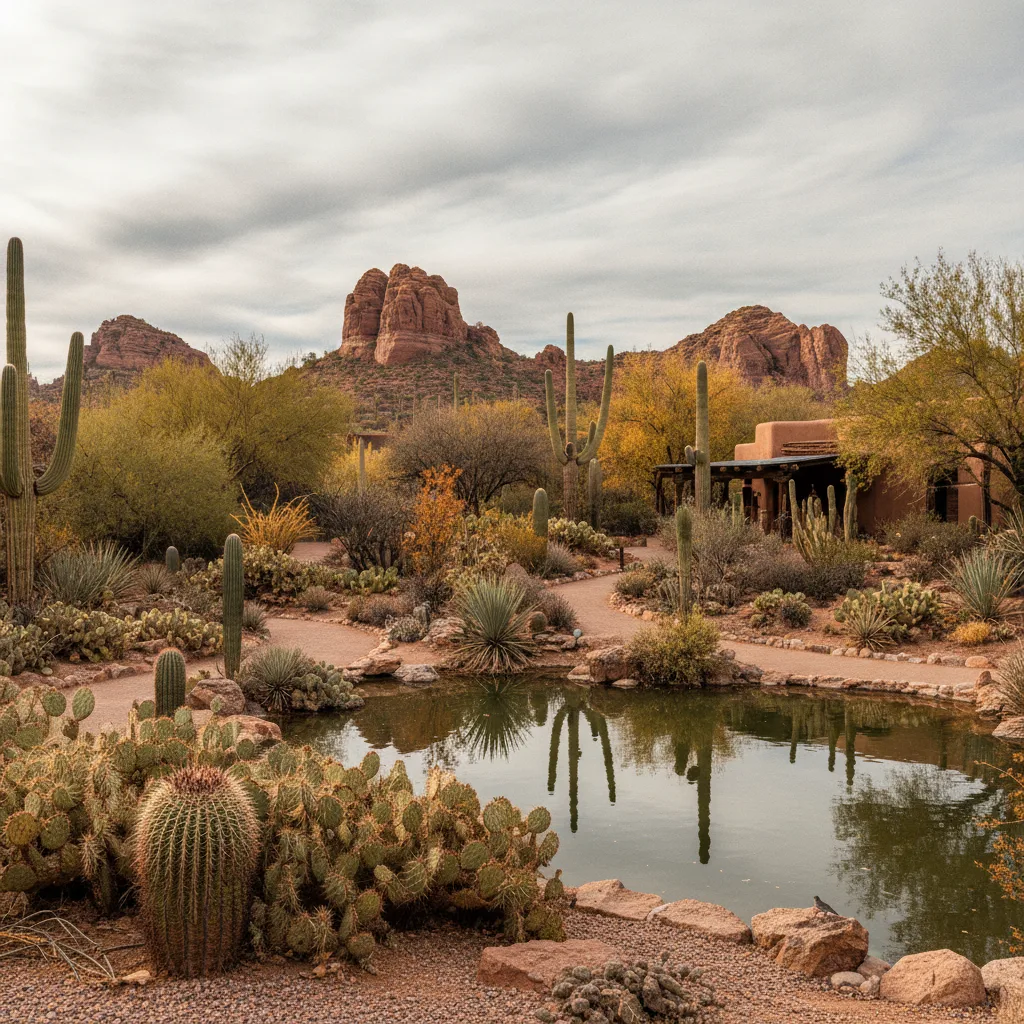
As independent US travel authorities, our team at Roam States is dedicated to bringing you the most authentic and actionable travel guides. Our focus today is on one of Arizona's true gems: the Phoenix Botanical Garden Arizona. This isn't just another pretty park; it's a vibrant, living museum showcasing the unparalleled beauty and resilience of desert flora, offering an experience unlike any other in the American Southwest. We've compiled everything you need to know for a memorable visit in 2026, from navigating its unique trails to understanding its vital conservation efforts.
Why Visit Phoenix Botanical Garden
The Phoenix Botanical Garden isn't merely a collection of cacti; it's a profound immersion into the Sonoran Desert ecosystem, a landscape often misunderstood but brimming with life and stunning beauty. Our team believes that a visit here offers a unique educational and aesthetic experience, providing a deep appreciation for arid environments. You'll witness an extraordinary diversity of plants from deserts around the world, meticulously curated and displayed across its expansive grounds.
Beyond the impressive botanical collections, the garden serves as a crucial center for research and conservation, actively working to protect endangered desert plants and scale solutions for communities thriving in a hotter, drier world. This commitment to environmental stewardship elevates the experience, making your visit not just enjoyable but also meaningful. It's a place where art, culture, and nature converge, with seasonal exhibits, concerts, and family activities enriching the natural surroundings.
Is It Worth Visiting?
Absolutely, the Phoenix Botanical Garden is worth visiting. Our team wholeheartedly recommends it as a premier destination in Phoenix. It consistently ranks among the best gardens in the country and is considered a local gem that has delighted visitors for over 85 years. For anyone with an interest in nature, photography, or simply seeking a serene escape, this oasis near Papago Park offers unforgettable experiences. The sheer variety of desert plants, from towering saguaros to delicate wildflowers, is captivating.
Even beyond the visual spectacle, the garden provides a tranquil retreat from the bustling city, allowing for peaceful walks and moments of reflection. The educational value is immense, with interpretive signs and guided tours offering insights into desert ecology and the cultural history of the region. Whether you dedicate a few hours or an entire day, the unique blend of natural beauty, artistic displays, and educational opportunities makes the Phoenix Botanical Garden a truly rewarding experience.
Who It's Best For
The Phoenix Botanical Garden caters to a remarkably diverse audience, making it an ideal destination for nearly any traveler. It's particularly well-suited for:
- Nature Enthusiasts and Botanists: With over 50,000 desert plants on display, including the world's finest collection of arid plants, it's a paradise for those who love flora. The five thematic trails offer deep dives into various aspects of desert life and conservation.
- Families with Children: The garden is incredibly family-friendly, offering dedicated spaces like the Cactus Clubhouse and engaging activities that make learning about the desert fun. We cover more on this below.
- Photographers: From the dramatic silhouettes of saguaros against the sky to the vibrant hues of wildflowers in bloom, the garden provides endless photographic opportunities. Early mornings and evenings offer exceptional light.
- Couples and Solo Travelers: The tranquil atmosphere and beautiful scenery make it perfect for a romantic stroll or a peaceful solo exploration.
- Art and Culture Seekers: The garden frequently hosts art installations and cultural events, blending human creativity with natural beauty.
- Those Seeking Relaxation: It's a wonderful place to unwind, with shaded areas, benches, and the calming presence of nature.
In essence, if you appreciate beauty, learning, and a unique natural environment, the Phoenix Botanical Garden is for you.
Visiting With Kids
Our team understands that traveling with children requires specific considerations, and the Phoenix Botanical Garden is exceptionally well-equipped for young explorers. It's a fantastic outdoor activity for kids in Phoenix, AZ, offering fun for all ages.
The highlight for families is undoubtedly the **Cactus Clubhouse**, an immersive nature play space designed for children 12 and younger. Here, kids can dig, splash, climb, play, create, and build, engaging in activities that spark their curiosity for nature and encourage exploration. It even offers both indoor and outdoor spaces, which is a great advantage, especially during warmer months. The clubhouse educators are dedicated and willing to answer any questions children might have.
Beyond the Cactus Clubhouse, the garden offers several features that make visiting with kids enjoyable:
- **Stroller-Friendly Trails:** The garden's design includes stroller-friendly paths, making it easy to navigate with toddlers and young children.
- **Activity Books:** Look for the "Cactus Keeper" activity book or Desert Guardians Activity Booklet at admissions. These booklets offer scavenger hunts, puzzles, and trivia questions that engage kids as they explore the trails.
- **Short Loops:** The trails are designed in short loops, with the longest being about a third of a mile, allowing families to choose one or two to explore without too much commitment.
- **Information Signs:** Throughout the garden, signs with short questions and answers provide digestible bits of information for curious young minds.
- **Community Day:** On the second Tuesday of each month, the garden hosts a "Pay What You Can Day," offering an accessible way for families to visit.
We recommend planning your visit during cooler parts of the day, bringing water, and allowing children to lead some of the exploration to keep them engaged. The Phoenix Botanical Garden truly makes learning about the desert an adventure for the whole family.
Getting There & Parking
The Phoenix Botanical Garden is conveniently located at 1201 N. Galvin Parkway, Phoenix, AZ 85008, nestled within Papago Park. Our team finds its accessibility a major plus for travelers.
How to Get There
Getting to Phoenix Botanical Garden is straightforward, whether you're driving or using public transportation:
- By Car: The garden is approximately a 15-minute drive from downtown Phoenix and just about 10 minutes from Phoenix Sky Harbor International Airport. Driving is a good option for small groups. We recommend using Google Maps or your GPS for precise directions from your location. From the Loop 202, take exit 4 (the 52nd Street/Van Buren exit) and follow the brown signs for the Desert Botanical Garden or Phoenix Zoo, as they are located in the same area.
- Public Transportation: The Valley Metro Rail and bus system provide an accessible way to reach the garden. From downtown Phoenix, you can take the light rail east towards Mesa and get off at the Priest/Washington stop. From there, take the northbound Valley Metro Bus Route 56 directly to the garden. The bus often displays "Desert Botanical Gardens," making it easy to identify.
- Taxi/Rideshare: For smaller groups (2-5 people), taxis, Uber, or Lyft are convenient options from anywhere in the Phoenix area.
- Charter Bus: For larger groups, a Phoenix charter bus rental can be the most convenient and affordable way to travel.
Phoenix Botanical Garden Parking
Visitors will be pleased to know that ample free parking is available on-site near the garden's entrance. Once you park, it's a short walk to the ticket booths. We always advise taking a photo of your parking spot in large lots to easily find your car after a day of exploration.
Expert Verdict: While driving offers the most flexibility, the combination of light rail and bus makes public transit a viable and often stress-free alternative for reaching the Phoenix Botanical Garden.
Top Things to Do
The Phoenix Botanical Garden offers a rich tapestry of experiences, ensuring there are always new things to do at Phoenix Botanical Garden, regardless of the season. Our team has highlighted the must-see attractions and activities:
Explore the Thematic Trails
The heart of the garden lies in its five distinct thematic trails, each offering a unique perspective on desert life. We recommend taking your time to wander these paths, discovering the incredible adaptations of desert plants.
- Desert Discovery Trail: This is an excellent introduction to desert plants, showcasing iconic cacti like saguaros and cholla. It's often paved and shaded, making it a comfortable starting point.
- Plants & People of the Sonoran Desert Trail: This trail delves into the historical and cultural relationship between native peoples and desert flora, demonstrating how indigenous communities have utilized these plants for centuries.
- Harriet K. Maxwell Desert Wildflower Loop Trail: A must-visit, especially in spring, when desert wildflowers burst into vibrant bloom, attracting butterflies and hummingbirds.
- Center for Desert Living Trail: This trail focuses on sustainable gardening practices and desert landscaping, offering ideas for drought-resistant gardens.
- Sonoran Desert Nature Loop Trail: Offering panoramic views of the surrounding Papago Buttes, this trail allows you to see a forest of organ pipe cacti and learn about the survival strategies of the Sonoran Desert.
Seasonal Exhibits and Events
The garden consistently hosts special events and seasonal exhibits that enhance the visitor experience. Be sure to check their official website for the most up-to-date schedule for 2026. Past and ongoing popular events include:
- Butterfly Pavilion: A seasonal exhibit (typically spring and fall) featuring hundreds of live butterflies, a delight for all ages.
- "Chihuly in the Desert" & "Desert Oasis Garden After Dark": The garden frequently features stunning art installations, such as Dale Chihuly's glass sculptures, which are particularly mesmerizing when illuminated at night. The "Desert Oasis Garden After Dark" experience includes 12 new glowing installations and immersive sound and light experiences.
- Las Noches de las Luminarias: A beloved holiday tradition in December, where the garden glows with thousands of luminaria bags and holiday lights.
- Concerts and Performances: Regularly scheduled live music and performances add a vibrant cultural dimension to your visit.
- Dog Days: Special events that allow visitors to bring their canine companions to explore the garden.
Dining and Shopping
After exploring, you can relax at Gertrude's by Tarbell, a full-service restaurant, or grab a quick bite at the Patio Café. The Garden Shop offers unique souvenirs, plants, and books.
Beyond the Garden: Things to Do in Phoenix
While the Phoenix Botanical Garden is a destination in itself, our team encourages you to explore the wider array of things to do in Phoenix. The garden is located within Papago Park, which also houses the Phoenix Zoo, making a combined visit a natural fit.
Other top attractions and activities in Phoenix include:
- Papago Park: Wander its hiking and biking trails for free, admiring dramatic rock formations like Hole-in-the-Rock.
- Camelback Mountain: A popular and challenging hike offering panoramic city views.
- Old Town Scottsdale: Explore its vibrant arts district, unique shops, and diverse dining and nightlife.
- Heard Museum: Discover indigenous art and culture.
- Musical Instrument Museum (MIM): A world-class museum showcasing instruments from around the globe.
- Pueblo Grande Museum and Archaeological Park: Explore 1000 years of Phoenix's history, including prehistoric Hohokam structures.
- Day Trips: Consider venturing further afield to iconic Arizona destinations. We highly recommend a trip to Antelope Canyon for its stunning slot canyons, or exploring the rich history of the Bisbee Historic District. For a truly immersive cultural experience, Canyon de Chelly offers ancient cliff dwellings and a deep connection to Navajo heritage. You can find more ideas for exploring the best places in Arizona on our state hub.
Best Time to Visit
Timing your visit to the Phoenix Botanical Garden can significantly enhance your experience. Our team advises considering both the weather and seasonal events:
- Spring (March to May): This is widely considered the best time to visit Phoenix Botanical Garden. The desert wildflowers are in full bloom, painting the landscape with vibrant colors, and the temperatures are pleasantly mild. We recommend booking tickets early during this peak wildflower season.
- Winter (November to February): Cooler temperatures make for a very pleasant visit, ideal for extended walks and enjoying the garden without the intense summer heat.
- Early Mornings or Evenings: Regardless of the season, visiting during the early morning (the garden often opens as early as 6 a.m. during warmer months) or late afternoon/evening is highly recommended. This allows you to avoid the midday heat, enjoy cooler temperatures, and experience the magical "golden hour" light, perfect for photography. During July and August, trails are actually closed from 1 p.m. to 5 p.m. due to peak heat, so morning or evening visits are essential.
The garden also offers "Garden After Dark" experiences in the evenings, which can be a unique way to see the illuminated desert. Always check the garden's official website for specific hours and any temporary closures, especially during extreme weather.
Expert Verdict: For the most comfortable and visually stunning experience, aim for a spring visit in the early morning or late afternoon. If visiting in summer, strictly adhere to early morning or evening hours.
Where to Stay Nearby
Finding the right accommodation can greatly enhance your Phoenix trip. The Phoenix Botanical Garden is situated in an area with a variety of lodging options, ranging from luxury resorts to budget-friendly hotels. Our team recommends considering hotels in Scottsdale or Tempe, which offer convenient access to the garden and other attractions.
Here are some highly-rated options and areas to consider:
- Scottsdale: Often considered more upscale, Scottsdale offers resorts and hotels with excellent amenities.
- Element by Marriott Scottsdale at SkySong: Rated highly by travelers, offering a comfortable stay.
- Embassy Suites by Hilton Scottsdale Resort: A welcoming 3.5-star hotel about 4 miles from the garden, boasting outdoor pools and mountain views.
- Scottsdale Plaza Resort: Known for its lush surroundings and commitment to sustainability.
- Hotel Valley Ho: A highly-rated option for its unique style and proximity to Old Town Scottsdale.
- The Phoenician, a Luxury Collection Resort, Scottsdale: A top-tier luxury resort for those seeking an indulgent experience.
- Tempe: Generally offers more budget-friendly and business-oriented options, often closer to Arizona State University.
- Sonesta Simply Suites Phoenix Tempe: A pet-friendly hotel located about 6 miles from the garden.
- Holiday Inn Express & Suites Phoenix - Tempe by IHG: Appreciated for its nice rooms and friendly staff.
- Motel 6 Tempe, AZ - Scottsdale South: A clean, budget-friendly option close to the airport and restaurants.
- Hampton Inn & Suites Phoenix Tempe: Another highly-rated choice in Tempe.
- Near Sky Harbor Airport: Many hotels around Phoenix Sky Harbor International Airport offer convenient access, especially if you're flying in and out.
- Residence Inn Phoenix Airport: One of the most booked hotels near the garden.
- Hilton Phoenix Airport / Home2 Suites by Hilton Phoenix Airport North / Hampton Inn Phoenix-Airport North: These offer complimentary airport shuttles and good access to the light rail.
Many hotels are within a short driving distance of the garden (1.5 to 6 miles). We recommend booking a few weeks in advance, especially during peak seasons like spring and fall, as rentals and rooms book quickly.
Sample 2-Day Itinerary
To help you make the most of your visit to the Phoenix Botanical Garden and the surrounding area, our team has crafted a sample 2-day itinerary. This plan balances immersion in the garden with exploration of other key Phoenix attractions.
Day 1: Desert Immersion
- Morning (6:00 AM - 12:00 PM): Phoenix Botanical Garden Arizona
- Start early to beat the heat and enjoy the tranquil morning light. We strongly recommend making reservations in advance.
- Begin with the Desert Discovery Trail to get acquainted with the iconic desert plants.
- Explore the Plants & People of the Sonoran Desert Trail to understand the cultural significance of the flora.
- Visit the Cactus Clubhouse if you're with kids, allowing them ample time to play and learn.
- Wander through the Harriet K. Maxwell Desert Wildflower Loop Trail, especially if visiting in spring.
- Grab lunch at Gertrude's by Tarbell or the Patio Café within the garden.
- Afternoon (1:00 PM - 5:00 PM): Papago Park & Phoenix Zoo
- Since the garden trails may close for peak heat in July and August, use this time to explore other attractions in Papago Park, which is adjacent to the botanical garden.
- Visit the Phoenix Zoo, one of the nation's largest non-profit zoos, home to over 1,400 animals.
- Hike to Hole-in-the-Rock within Papago Park for scenic views of the city.
- Evening (6:00 PM onwards): Garden After Dark or Old Town Scottsdale
- Return to the Phoenix Botanical Garden for its captivating "Desert Oasis Garden After Dark" experience, featuring illuminated trails and light installations.
- Alternatively, head to Old Town Scottsdale for dinner, exploring its unique shops and vibrant nightlife.
Day 2: Culture & Adventure
- Morning (9:00 AM - 1:00 PM): Culture and History
- Immerse yourself in Native American art and culture at the Heard Museum.
- Alternatively, explore the interactive exhibits at the Musical Instrument Museum (MIM), a truly unique experience.
- Consider a visit to the Pueblo Grande Museum and Archaeological Park to learn about the ancient Hohokam people.
- Afternoon (2:00 PM - 6:00 PM): Outdoor Adventure
- For the adventurous, tackle a hike up Camelback Mountain for rewarding panoramic views of the city. Remember to bring plenty of water and hike early if temperatures are high.
- If a strenuous hike isn't on your agenda, explore the scenic trails of South Mountain Park and Preserve, one of the largest municipal parks in the US.
- Evening (7:00 PM onwards): Culinary Exploration
- Enjoy Phoenix's diverse culinary scene. We recommend exploring the Roosevelt Row Arts District for its vibrant street art and hip eateries, or indulging in authentic Mexican cuisine.
This itinerary provides a solid framework, but feel free to adjust it based on your interests and pace. Remember to stay hydrated, especially during the warmer months, and wear appropriate sun protection.
Last updated: 2026-07-12 by the Roam States team.