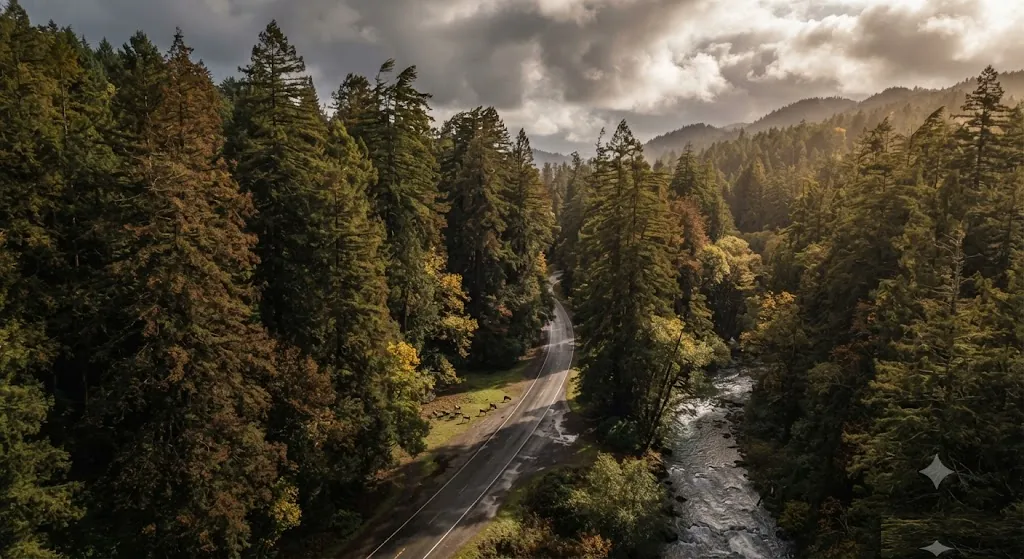
Welcome to our comprehensive guide for exploring the majestic Redwood National Park California, a truly unparalleled natural wonder along the state's northern coast. Our team at Roam States has meticulously compiled essential information to ensure your trip through these ancient giants is nothing short of spectacular. Forget generic travel fluff; we deliver confident, specific advice to help you navigate the towering forests, rugged coastline, and diverse ecosystems that define this iconic destination.
Why Visit Redwood National Park
Visiting Redwood National Park is an immersive journey into a primeval world, unlike any other. Here, you'll stand beneath the tallest trees on Earth, ancient coast redwoods that have witnessed millennia of history. The sheer scale of these living giants is humbling, creating a cathedral-like atmosphere that inspires awe and tranquility. Beyond the iconic trees, the park system protects a diverse landscape, including vast prairies, oak woodlands, wild rivers, and 40 miles of rugged coastline. It's a place where you can truly disconnect and reconnect with nature on a profound level.
Who It's Best For
Redwood National Park is an ideal destination for a wide range of travelers. It's perfect for nature enthusiasts, avid hikers, and photographers seeking to capture the ethereal beauty of old-growth forests and misty coastal scenes. Families will find numerous kid-friendly trails and opportunities for wildlife viewing, including the majestic Roosevelt elk. Road trippers will appreciate the scenic drives that weave through the heart of the redwood groves. Even those seeking solitude will find it on less-traveled trails or in the designated backcountry camping areas. Whether you're an adventurer or simply looking for a peaceful escape, the park offers an unforgettable experience.
Getting There & Parking
Understanding how to get to Redwood National Park is key to planning your visit. The park is situated in northwest California, primarily along the coast, approximately 5.5 hours north of San Francisco and 5.5 hours south of Portland, Oregon. The most practical way to access the park is by private vehicle, as there is no park-wide public transportation.
Several airports offer commercial flights to the region. The closest options include Del Norte County Airport/Jack McNamara Field (CEC) in Crescent City, California, about a 10-minute drive from the park, and Arcata-Eureka Airport (ACV) in McKinleyville, California, roughly 40 minutes from the southern part of the park. Larger airports like San Francisco International (SFO), Sacramento International (SMF), and Portland International (PDX) are about a 6-hour drive away.
Once you arrive, parking varies by location. Many areas of Redwood National and State Parks do not require an entrance fee. However, some popular day-use areas, like Gold Bluffs Beach and the Fern Canyon Trailhead, require a day-use fee and a reservation for parking between May 15th and September 15th. These fees are waived for holders of federal "America the Beautiful" passes or California State Parks passes. It's crucial to obtain these free permits in advance, as same-day reservations are not available. For the Tall Trees Grove, a free permit is required year-round to access the small parking area at the trailhead, which must be reserved at least 24 hours in advance.
Be aware that GPS navigation can be unreliable in the area; we recommend using the park's official mobile app or website for accurate directions. Also, some scenic roads, such as Howland Hill Road, are unpaved and too narrow for RVs, motorhomes, and trailers.
Top Things to Do
The array of things to do at Redwood National Park is as vast and varied as the landscape itself. From scenic drives to immersive hikes, there's an adventure for every visitor.
Scenic Drives
One of the best ways to experience the grandeur of the redwoods is by taking a scenic drive. The Newton B. Drury Scenic Parkway, a 10-mile paved alternative to Highway 101, offers continuous views of old-growth redwoods and is highly recommended. Along this parkway, you can stop at the Big Tree Wayside to marvel at one of the largest trees in the park. Howland Hill Road in Jedediah Smith Redwoods State Park is another must-do, a 5.8-mile unpaved road that winds through massive trees, though it's not suitable for large RVs or trailers.
Redwood National Park Hiking Trails
The heart of the Redwood National Park experience lies in its extensive network of hiking trails, offering over 200 miles through prairies, old-growth forests, and beaches. Here are some of our top recommendations for Redwood National Park hiking trails:
- Fern Canyon Loop Trail: This iconic 1.1-mile loop in Prairie Creek Redwoods State Park features canyon walls covered in 50-foot ferns, with a stream running through the trail. A day-use permit is required from mid-May through mid-September if accessing via Gold Bluffs Beach.
- Tall Trees Grove Trail: This moderate to strenuous 4.5-mile hike leads to a spectacular area of towering redwoods. A free permit is required year-round to access the trailhead.
- Lady Bird Johnson Grove Trail: An easy 1.5-mile loop, this popular trail meanders through a beautiful fern-covered grove where the dedication of Redwood National Park took place.
- Stout Memorial Grove Trail: Located in Jedediah Smith Redwoods State Park, this short, flat loop offers classic redwood scenery with moss-covered fallen trees and towering trunks.
- Trillium Falls Trail: This easy 2.5-mile loop in Redwood National Park leads through an ancient redwood grove to a 10-foot cascading waterfall.
- Boy Scout Tree Trail: This trail in Jedediah Smith Redwoods State Park is a favorite for its quiet atmosphere and abundant trees and ferns, leading to the impressive Boy Scout Tree and Fern Falls.
- James Irvine Trail: A beautiful and tranquil out-and-back hike that takes you through old-growth redwoods to the Pacific Ocean, often combined with Fern Canyon.
Other Activities
Beyond hiking, other things to do at Redwood National Park include:
- Wildlife Viewing: Look for herds of Roosevelt elk, particularly in Elk Prairie, and keep an eye out for gray whales migrating from Klamath River Overlook in November and December.
- Kayaking and Canoeing: Explore the Klamath River with a guided canoe tour offered by the Yurok Tribe, or kayak on lagoons and rivers.
- Horseback Riding: Experience the redwoods from a unique perspective with guided horseback tours.
- Visitor Centers: Stop by one of the five visitor centers, such as the Thomas H. Kuchel Visitor Center, for maps, information, and ranger-led programs.
- Tidepooling: Explore colorful tidepools at Enderts Beach, but be sure to check tide times in advance.
Best Time to Visit
The best time to visit Redwood National Park largely depends on your priorities, as the park offers unique experiences throughout the year due to its consistently mild temperatures.
Generally, late spring through early fall (May to September) offers the best weather, dry trails, and full park access. Temperatures during summer (June to August) are comfortable, ranging from 60 to 70 degrees Fahrenheit, with rare rain. This is prime time for camping, ranger-led programs, and seeing elk herds. However, July and August are also the busiest, with crowds peaking at major trailheads.
For fewer crowds and pleasant conditions, we recommend visiting in May, June, or September. In May, spring rains lessen, the forest is vibrant, and rhododendrons bloom. September offers lingering summer warmth, thinning fog, and the start of elk rutting season, making it excellent for wildlife viewing and photography.
Winter and early spring (October to April) bring more rain and potential closures, but also quieter trails and fewer visitors. October can be cinematically magnificent with changing skies, mist, and active elk. If you plan to visit during the wet season, pack rain gear and waterproof boots. Some trails, especially those with stream crossings, may be impassable or dangerous during heavy rains.
No matter when you choose to visit, checking current weather and park conditions is always advised.
Where to Stay Nearby
While there are no lodges or restaurants directly within Redwood National Park, numerous options for lodging and Redwood National Park camping are available within and just outside the park boundaries.
Redwood National Park Camping
Camping is the only way to stay overnight directly within Redwood National and State Parks. There are four developed campgrounds managed by California State Parks, offering essential amenities for tent and RV campers. Reservations are strongly recommended, especially during summer (Memorial Day to Labor Day). These campgrounds include:
- Jedediah Smith Campground: Located in Jedediah Smith Redwoods State Park, this campground is set in a magnificent old-growth redwood grove on the banks of the Smith River, offering hiking, swimming, and fishing. Cabins are also available.
- Mill Creek Campground: Situated in Del Norte Coast Redwoods State Park, this site allows you to sleep beneath towering maples and young redwoods, with access to Mill Creek and various hiking trails.
- Gold Bluffs Beach Campground: In Prairie Creek Redwoods State Park, this smaller campground offers Pacific Ocean views and direct trail access to old-growth redwoods and Fern Canyon. It's best for tents or shorter RVs, as trailers are prohibited due to a narrow, single-lane dirt road access.
- Elk Prairie Campground: Also in Prairie Creek Redwoods State Park, this campground offers excellent amenities, including hot showers and ranger-led programs in high season, and is known for its resident Roosevelt elk herds.
For those seeking more solitude, the park offers seven designated backcountry campsites along 200 miles of trails. A free backcountry permit is required and must be obtained at least 48 hours in advance. Dispersed camping is only allowed in the Redwood Creek area with a permit.
Hotels and Towns
Outside the park, nearby towns offer a range of accommodations, from motels to vacation rentals. Crescent City, located near the northern portion of the park, is the largest town and provides the most choices for lodging, gas, and EV charging stations. Other towns like Orick, Klamath, and Trinidad also offer lodging and dining options. For a charming coastal experience, consider staying in Trinidad, which is about a 30-minute drive from areas like Trillium Falls.
We recommend booking your accommodations well in advance, especially during peak season, to secure your preferred lodging.
Sample 2-Day Itinerary
To help you make the most of your visit to Redwood National Park California, our team has crafted a sample 2-day itinerary focusing on key highlights and experiences.
Day 1: Northern Giants & Coastal Views
- Morning (8:00 AM - 12:00 PM): Jedediah Smith Redwoods State Park
- Begin your day in Jedediah Smith Redwoods State Park. Drive Howland Hill Road, a stunning 5.8-mile unpaved route that immerses you in massive old-growth redwoods.
- Hike the short, accessible Stout Memorial Grove Trail (0.5 miles loop) to experience a classic redwood grove.
- Explore the Boy Scout Tree Trail, a moderate hike known for its impressive trees and tranquil atmosphere, leading to the iconic Boy Scout Tree and Fern Falls.
- Lunch (12:00 PM - 1:00 PM): Crescent City
- Head north to Crescent City for lunch, where you'll find various dining options.
- Afternoon (1:00 PM - 5:00 PM): Del Norte Coast Redwoods State Park & Klamath
- Drive south on Highway 101, stopping at scenic overlooks in Del Norte Coast Redwoods State Park for dramatic ocean views.
- Visit the Klamath River Overlook, an excellent spot for viewing the Pacific Ocean and, seasonally, gray whale migration.
- Evening: Dinner & Relaxation
- Enjoy dinner in Klamath or return to Crescent City.
Day 2: Prairie Creek & Southern Wonders
- Morning (8:00 AM - 12:00 PM): Prairie Creek Redwoods State Park & Fern Canyon
- Start early to visit Fern Canyon. Remember that a reservation may be required for Gold Bluffs Beach Day-Use Area (including Fern Canyon) between May 15th and September 15th. Hike the short loop through its fern-covered walls.
- Drive the Newton B. Drury Scenic Parkway, stopping at Elk Prairie to spot Roosevelt elk.
- Take a short walk at Big Tree Wayside.
- Lunch (12:00 PM - 1:00 PM): Orick or Picnic
- Grab a bite in Orick or enjoy a picnic amidst the redwoods.
- Afternoon (1:00 PM - 5:00 PM): Southern Trails & Coastal Access
- Hike the Lady Bird Johnson Grove Trail (1.5-mile loop) for an easy and iconic redwood experience.
- Consider the Trillium Falls Trail (2.5-mile loop) for a rewarding hike to a picturesque waterfall.
- If time permits and you have a permit, undertake the moderate to strenuous hike to Tall Trees Grove.
- Evening: Departure or Extended Stay
- Conclude your redwood adventure or settle into your chosen accommodation for an extended stay.
Is It Worth Visiting?
For those contemplating, "is Redwood National Park worth visiting?", our unequivocal answer is yes. This extraordinary destination offers a truly unique experience that transcends a typical national park visit. The sheer scale and ancient beauty of the coast redwoods are unlike anything else on Earth, providing a profound sense of wonder and connection to nature.
Beyond the towering trees, the combined national and state parks offer diverse landscapes from misty coastlines and rugged beaches to serene rivers and lush prairies. The opportunity to hike through fern-filled canyons, spot majestic Roosevelt elk, and drive scenic byways makes for an incredibly rich and varied trip. While some areas require permits or reservations, particularly during peak season, the planning involved is a small price to pay for access to such a magnificent natural treasure. The memories created exploring these ancient forests and dramatic coastlines will undoubtedly last a lifetime, making Redwood National Park an absolutely worthwhile destination for any traveler seeking awe-inspiring natural beauty.
FAQ
Things to do in Northern Coast
The Northern California Coast offers a wealth of activities beyond Redwood National Park. You can explore charming coastal towns like Mendocino, Eureka, and Trinidad, known for their picturesque headlands and local art scenes. Other highlights include hiking in Russian Gulch State Park, exploring Glass Beach in Fort Bragg, or kayaking the Russian River. Point Reyes National Seashore to the south offers cliffs, wildlife, and the iconic Point Reyes Lighthouse. For wine enthusiasts, the North Coast also features peaceful vineyards and craft breweries. Destinations like Point Reyes National Seashore and Big Sur & PCH offer additional coastal beauty, while California as a whole provides endless adventure.
Redwood National Park with kids
Redwood National Park is an excellent destination for families with kids. Many trails are relatively easy and short, perfect for little legs, such as the Lady Bird Johnson Grove Trail (1.5-mile loop) and the Trillium Falls Trail (2.5-mile loop). Kids often enjoy the unique experience of Fern Canyon, with its towering fern walls. Opportunities for wildlife viewing, especially spotting Roosevelt elk, are a big hit. The Junior Ranger program is a free and engaging activity for children aged four and up, allowing them to earn a badge by completing activities. Driving through a redwood tree (outside the park system) can also be a memorable experience. We recommend bringing plenty of snacks, water, and rain gear, as weather can be unpredictable.
Redwood National Park tips
Our top tips for visiting Redwood National Park include planning ahead, especially for accommodations and popular trail permits. GPS can be unreliable, so download offline maps or use the park's official app. Drive scenic routes like Newton B. Drury Scenic Parkway to truly experience the old-growth forests. Be prepared for varying weather; even in summer, coastal fog is common, so pack layers and rain gear. Reservations for developed campgrounds are highly recommended, particularly during summer. If you plan to hike Tall Trees Grove or Fern Canyon (mid-May to mid-September), secure your free permits in advance. Remember that while Redwood National Park itself is free to enter, some state park day-use areas within the system have fees.
Redwood National Park parking
Parking at Redwood National Park is generally available, but some popular areas require special permits or reservations. The main National Park areas do not have entrance fees, so parking for many trails and scenic overlooks is free. However, for high-demand spots like the Tall Trees Grove and the Gold Bluffs Beach Day-Use Area (which includes Fern Canyon), a free reservation is required for parking. For Gold Bluffs Beach/Fern Canyon, this reservation is mandatory from May 15th to September 15th and must be made online by midnight the day before. Tall Trees Grove requires a permit year-round, reserved at least 24 hours in advance. Be aware that some roads, like Howland Hill Road, are not suitable for large RVs or trailers.
Best time to visit Redwood National Park
The best time to visit Redwood National Park for optimal weather and trail access is typically from late spring through early fall, specifically May to September. During these months, you'll find pleasant temperatures, less rain, and full access to park areas. For those looking to avoid peak summer crowds while still enjoying good weather, May, June, and September are ideal. September is particularly favored for its lingering warmth, thinning fog, and the start of elk rutting season. Winter offers a quieter, moodier experience with fewer crowds, but be prepared for significant rain and potential trail closures due to wet conditions.
Redwood National Park hours and fees
Redwood National Park is open 24 hours a day, 7 days a week, allowing access to its natural wonders at any time. However, visitor centers and specific facilities have varying seasonal hours of operation. Crucially, there is no entrance fee to access Redwood National Park itself. However, the park is cooperatively managed with three California State Parks (Jedediah Smith, Del Norte Coast, and Prairie Creek Redwoods), which may collect day-use fees at developed campground entrance stations or for specific areas like Gold Bluffs Beach/Fern Canyon. These state park fees are often waived for holders of federal "America the Beautiful" passes or California State Parks passes. Additionally, free permits are required for parking at popular trailheads like Tall Trees Grove (year-round) and Gold Bluffs Beach/Fern Canyon (May 15th to September 15th), which must be reserved in advance.
Our team at Roam States believes that Redwood National Park California is a bucket-list destination that truly lives up to its legendary status. The sheer majesty of the towering redwoods, combined with the rugged beauty of the Northern California coast, creates an unforgettable experience. We urge you to plan your trip meticulously, secure necessary permits, and prepare to be awestruck by this ancient, living landscape. Whether you're hiking through a fern-laden canyon or simply gazing up at the canopy, the redwoods will leave an indelible mark on your soul. For more California adventures, explore our guides to Alcatraz Island, Anza-Borrego Desert Park, and the iconic Big Sur & PCH.
Last updated: 2026-07-13 by the Roam States team.