Resurrection Pass Trail Travel Guide — Alaska
When it comes to experiencing the raw, untamed beauty of the Last Frontier, few destinations rival the Resurrection Pass Trail Alaska. This iconic 38-mile (or 39-mile, depending on the source) multi-use trail carves its way through the heart of the Kenai Mountains, connecting the historic gold mining town of Hope with the scenic community of Cooper Landing. As independent US travel authorities, our team has explored countless trails, and we confidently declare Resurrection Pass Trail a quintessential Alaskan adventure, offering everything from challenging multi-day treks to serene day hikes amidst breathtaking landscapes.
Why Visit Resurrection Pass Trail
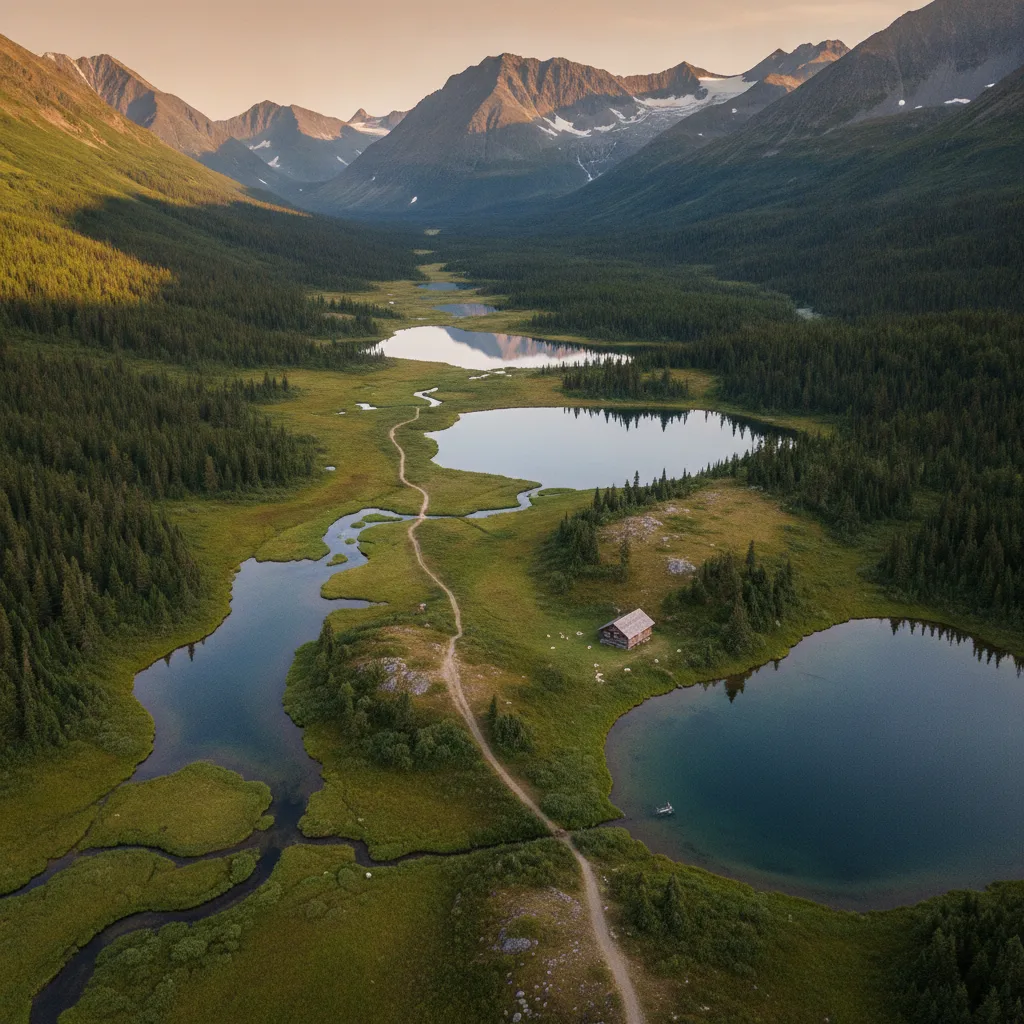
The allure of Resurrection Pass Trail lies in its remarkable diversity and accessibility. We've found that it offers a truly immersive wilderness experience without requiring extensive bushwhacking or highly technical skills, making it a favorite among both seasoned Alaskan adventurers and those new to backcountry exploration. The trail winds through several distinct ecological zones, transitioning from dense spruce-birch forests at lower elevations to expansive alpine tundra as it climbs to its 2,600-foot pass.
One of the primary reasons to visit is the sheer beauty of the Kenai Peninsula. Along the route, you'll encounter numerous alpine creeks, pristine backcountry lakes like Trout, Juneau, and Swan Lakes, and panoramic views of the surrounding mountains. It's a place where wildlife sightings are frequent, with opportunities to spot moose, black and brown bears, wolves, mountain goats, Dall sheep, lynx, marmots, beavers, bald eagles, and even caribou.
Beyond its natural splendor, the Resurrection Pass Trail holds significant historical value. It was originally a route used by early gold miners to access claims along Turnagain Arm, and remnants of this past can still be felt along the trail. This blend of natural wonder and historical intrigue makes every step along the trail a journey through Alaska's rich heritage.
Who It's Best For
Our team believes Resurrection Pass Trail is incredibly versatile, catering to a wide range of outdoor enthusiasts. It's ideal for:
- Multi-day Backpackers: With its network of eight public use cabins and numerous designated campsites, the trail is perfectly set up for 2-4 day or even longer cabin-to-cabin treks. It allows for comfortable eight-to-ten mile legs over multiple days.
- Mountain Bikers: The trail's generally smooth surface and moderate grades make it a popular destination for mountain biking, with some experienced riders even completing the entire route in a single day.
- Day Hikers: Many sections of the trail, particularly near the trailheads in Cooper Landing and Hope, offer excellent opportunities for shorter day hikes, allowing visitors to experience a taste of the wilderness without committing to an overnight trip.
- Winter Sports Enthusiasts: During the snow season, the trail transforms into a haven for cross-country skiing and snowmobiling, though specific motorized use regulations apply and vary by year.
- Families: The route is considered family-friendly and flexible, with many sections being easy to moderate in difficulty, particularly the first few miles from the Cooper Landing trailhead.
Whether you're seeking a challenging endurance test or a peaceful retreat into nature, the Resurrection Pass Trail offers an experience tailored to your adventure style.
Getting There & Parking
Understanding how to get to Resurrection Pass Trail is crucial for planning your adventure. The trail spans approximately 38 to 39 miles, connecting the communities of Hope to the north and Cooper Landing to the south. Both ends offer designated trailheads and parking.
Southern Trailhead (Cooper Landing)
The southern trailhead is located at Mile 53.2 of the Sterling Highway. Our team recommends turning north into the trailhead parking area at this marker. This trailhead is about 15.5 miles west of the junction of the Seward and Sterling Highways.
Northern Trailhead (Hope)
To reach the northern trailhead, turn south onto Resurrection Creek Road at Mile 15 of the Hope Highway. You'll travel approximately 4 miles to the trailhead parking. It's important to note that the last mile to the trailhead is typically not plowed in winter.
Parking and Shuttle Services
Parking is available at both trailheads. For those planning a point-to-point hike or bike, shuttle services are highly recommended. Our team suggests considering local shuttle services to transport you between the trailheads. For example, Wildman's store at Mile 47.5 of the Sterling Highway offers a shuttle or taxi service to and from Resurrection Pass trailheads for a group rate of $125 per hour.
Winter Access Considerations
Winter access to the southern trailhead is generally not recommended due to steep, icy, and narrow side hills. Alternate winter routes are available, such as via West Juneau Road, located just west of the southern trailhead. You can park at a highway pullout and follow this unplowed road for 2.4 miles, then turn left following orange diamond markers for 1.6 miles to the Resurrection Pass Trail. Another option is at mile 47.7 of the Sterling Highway, turning onto Bean Creek Road.
Top Things to Do
The Resurrection Pass Trail offers a wealth of activities, making it a prime destination for outdoor adventure. Our team has identified the top things to do at Resurrection Pass Trail to help you plan your unforgettable Alaskan experience.
Resurrection Pass Trail Hiking Trails
Hiking is undoubtedly the most popular activity on the Resurrection Pass Trail. The entire trail is 38 to 39 miles long and is rated as easy to moderate in difficulty during the summer months. The trail climbs gradually from both directions, with an elevation gain of approximately 2,200 to 2,947 feet. You'll traverse diverse terrain, from dense spruce-birch forests to open alpine tundra.
For those seeking shorter excursions, the southern segment of the Resurrection Pass Trail, starting from Cooper Landing, is 16.7 miles one-way and climbs gradually through spruce/birch forest for the first 3 miles before leveling off into the Juneau Creek valley. This section is particularly good for day hikes. For a truly immersive experience, consider a multi-day trek, utilizing the public use cabins along the route.
Mountain Biking
The Resurrection Pass Trail is also a fantastic destination for mountain biking. The trail is mostly non-technical with a generally mellow and smooth grade, though there can be some rooty sections, particularly on the lower Hope side. The section between Devil's Pass and Hope offers a long, gradual downhill. Many visitors rent mountain bikes in Cooper Landing to explore the trail. The trail is open to biking year-round.
Fishing
The lakes and streams along the Resurrection Pass Trail offer excellent fishing opportunities. Trout, Juneau, and Swan Lakes are particularly noted for good fishing. Remember to review Alaska Department of Fish and Game (ADF&G) regulations for hunting and fishing permits.
Wildlife Viewing
Keep your eyes peeled for Alaska's incredible wildlife. The Kenai Mountains are home to moose, black and brown bears, wolves, mountain goats, Dall sheep, lynx, marmots, beavers, and bald eagles. Caribou can also be spotted, especially in the Resurrection Pass and Devil's Pass areas, often bedding down in snow patches during warmer days.
Gold Panning
The Cooper Landing area has a rich gold rush history. You can still pan for gold in designated areas. The Cooper Landing Historical Society Museum provides more insight into the area's past.
Best Time to Visit
The best time to experience Resurrection Pass Trail largely depends on the type of adventure you're seeking, as the trail is open year-round.
Summer (June to September)
For most hikers and mountain bikers, the summer months are ideal. Snow can remain at higher elevations until mid-June. July and August offer the most reliable conditions with minimal snow and generally warmer temperatures. This is when the trail is most popular for hiking and biking. Wildflowers are abundant, and the long daylight hours allow for extended exploration. However, be prepared for mosquitoes during warmer months; insect repellent is essential.
Fall (September to October)
Early fall can be a magical time, with changing foliage adding vibrant colors to the landscape. Crowds typically thin out after Labor Day, offering a more serene experience. However, be aware that temperatures will drop, and the chance of snow increases, especially at higher elevations.
Winter (December to April)
The Resurrection Pass Trail transforms into a winter wonderland, popular for cross-country skiing and snowmobiling. Winter motorized use is allowed from December 1 to April 30, but this alternates annually between odd and even years for snowmachines, except for qualified subsistence users. For example, during December of an even year (like 2026), motorized use is generally not allowed. Winter travel can be more challenging, with icy conditions and difficulty following the trail after heavy snowfall, particularly from East Creek to Resurrection Pass. Avalanche conditions should also be monitored.
Spring (April to May)
Spring can be a transitional period. While some lower sections may be clear, heavy snow can persist in Resurrection Pass into early June. This is generally not the recommended season for a full traverse unless you are prepared for postholing through deep snow. Saddle and pack stock are restricted from April 1 to June 30.
Where to Stay Nearby
When planning your adventure on the Resurrection Pass Trail, you have several options for accommodation, ranging from rustic backcountry cabins to comfortable lodges in nearby Cooper Landing and Hope.
Resurrection Pass Trail Camping & Cabins
For an immersive backcountry experience, our team highly recommends utilizing the public use cabins or designated campsites along the trail. There are eight public use cabins available for reservation, including Trout Lake Cabin, Juneau Lake Cabin, Romig Cabin, and Swan Lake Cabin. These cabins are rustic, typically featuring wooden bunks, a table, benches, a countertop, an outhouse, and a heating stove, but do not include running water, electricity, mattresses, bedding, or cooking utensils. Reservations are required and can be made up to 180 days in advance through Recreation.gov. A stay at cabins like East Creek, Romig, or Trout Lake is $75 per night, plus a non-refundable service fee. Some cabins, like Trout Lake, even provide a rowboat during non-winter months.
If cabins are booked, or if you prefer tent camping, numerous designated campsites are spaced along the trail, often no more than a mile or two apart, except for a 5-mile stretch around Resurrection Pass. These sites typically include outhouses and bear-resistant food lockers. Private parties camping in tents do not need permits in advance, and campsites are available on a first-come, first-served basis. The North Trailhead also offers free established camping with a pit toilet.
Cooper Landing Lodging
Cooper Landing, at the southern end of the trail, offers a variety of lodging options for those seeking more amenities before or after their trek. You'll find lodges, bed & breakfasts, and cabins. Popular choices include the Inn at Tern Lake, Gwin's Lodge & Roadhouse, and Kenai Princess Wilderness Lodge. There are also nearby RV parks and campgrounds, such as the popular Russian River Campground.
Hope Lodging
The historic town of Hope, at the northern trailhead, also provides lodging options, though they may be more limited than in Cooper Landing. It's a charming small town with a strong connection to Alaska's gold rush history.
For a broader exploration of Alaskan accommodations, we invite you to check out our guide to the Best places in Alaska.
Sample 2-Day Itinerary
For those looking to experience a significant portion of the Resurrection Pass Trail without committing to a full multi-day traverse, our team has crafted a sample 2-day itinerary focusing on the southern section from Cooper Landing. This itinerary offers a taste of the trail's beauty, including a night in a rustic cabin.
Day 1: Cooper Landing to Juneau Lake Cabin (or Romig Cabin)
- Morning: Arrive at the Resurrection Pass South Trailhead at Mile 53.2 of the Sterling Highway in Cooper Landing. Ensure your vehicle is properly parked.
- Late Morning/Afternoon: Begin your hike north on the Resurrection Pass Trail. The trail gently climbs through spruce-birch forests, offering scenic views. Your destination for the night will be either Juneau Lake Cabin (approximately 9.5 miles from the trailhead) or Romig Cabin (approximately 9 miles from the trailhead). Both are excellent choices, offering rustic shelter near Juneau Lake. Remember to have your cabin reservation secured well in advance.
- Evening: Settle into your cabin. Enjoy the tranquility of the Alaskan wilderness. Prepare a backcountry meal and keep an eye out for local wildlife.
Day 2: Juneau Lake Cabin (or Romig Cabin) to Cooper Landing
- Morning: Wake up to the sounds of nature. Enjoy breakfast at your cabin. Take some time to explore the immediate vicinity of Juneau Lake, perhaps trying your hand at fishing.
- Late Morning/Afternoon: Begin your return hike to the Resurrection Pass South Trailhead. The downhill journey will likely be quicker, allowing you to appreciate the scenery from a different perspective.
- Late Afternoon: Arrive back at your vehicle in Cooper Landing. After your hike, consider exploring more of what Cooper Landing has to offer, such as a scenic float trip on the Kenai River or a visit to the Cooper Landing Historical Society Museum.
This itinerary provides a manageable yet rewarding experience of the Resurrection Pass Trail, showcasing its stunning natural beauty and the charm of its backcountry cabins. For those interested in exploring beyond the Kenai Peninsula, consider extending your trip to Denali National Park & Preserve or Kenai Fjords National Park.
Last updated: 2026-07-05 by the Visit America team.