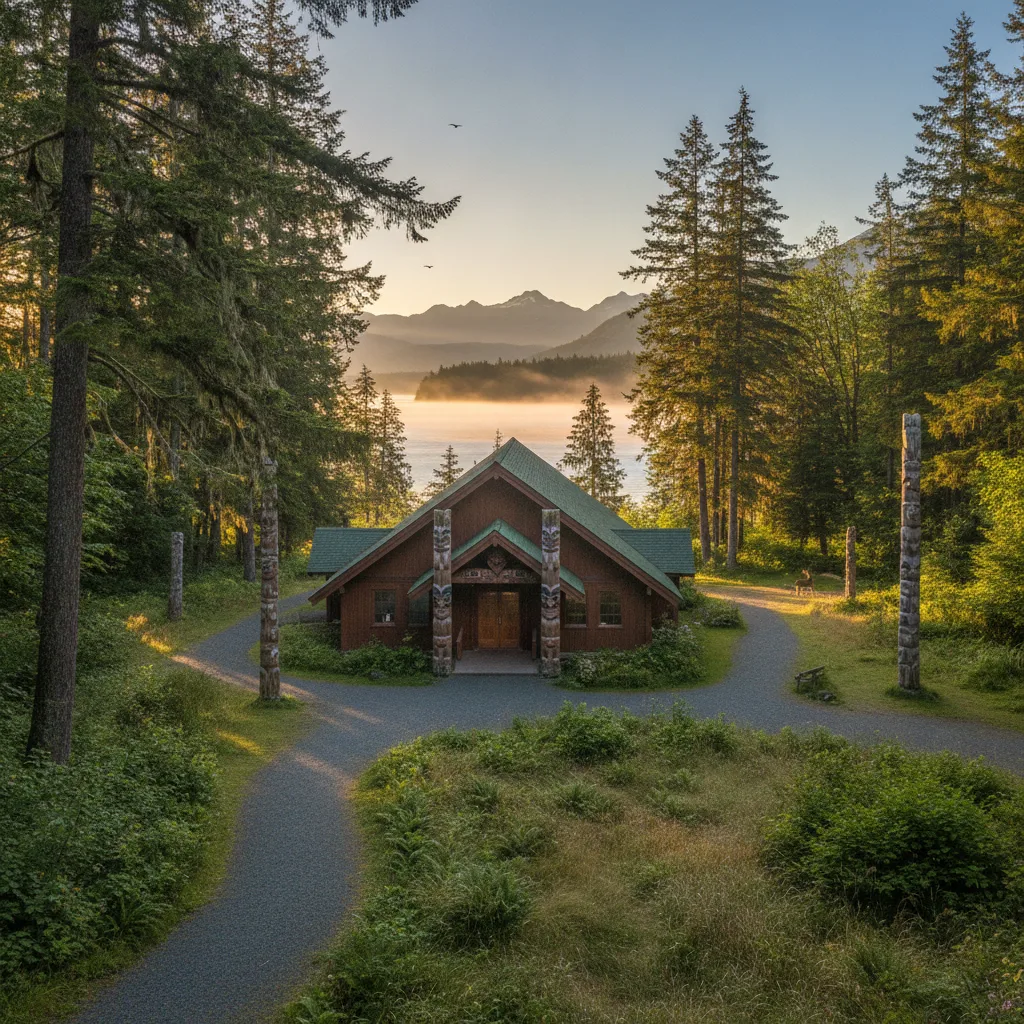
When planning an Alaskan adventure focused on rich cultural heritage and breathtaking natural beauty, our team at Roam States consistently points travelers toward Sitka National Historical Park Alaska. This isn't just another stop on the map; it's a profound journey into Tlingit culture, Russian colonial history, and the stunning temperate rainforests of Southeast Alaska. Far from generic tourist traps, this park offers an authentic, immersive experience that resonates deeply with visitors seeking genuine connection to place and past. We’ve compiled this comprehensive guide to ensure your visit is as rewarding and seamless as possible, from navigating the trails to understanding the park’s profound significance.
Why Visit Sitka National Historical Park
Our team believes that Sitka National Historical Park offers a unique blend of cultural immersion and natural splendor that sets it apart from many other historical sites. Here, you'll walk through the site of the 1804 Battle of Sitka, a pivotal moment in the conflict between the Tlingit people and Russian colonizers. The park serves as a living classroom, preserving and interpreting the stories of these two cultures and their enduring impact on Alaska. Beyond its historical significance, the park is a sanctuary of natural beauty, featuring ancient totem poles standing sentinel along scenic coastal trails, all nestled within a lush temperate rainforest. It's a place where history whispers from the trees and the ocean breeze carries tales of resilience and change.
The opportunity to witness master carvers at work in the Russian Bishop’s House, or to simply stroll the Totem Loop Trail, provides an unparalleled connection to the artistry and traditions of the Tlingit people. It's a destination that encourages reflection, education, and appreciation for the complex tapestry of Alaskan history and indigenous culture. We find it to be an essential stop for anyone truly wanting to understand the spirit of Southeast Alaska.
Who It's Best For
Sitka National Historical Park truly caters to a diverse range of travelers. It's an ideal destination for history buffs eager to delve into the intricate narratives of Tlingit resistance and Russian expansion. Cultural enthusiasts will find themselves captivated by the meticulously preserved artifacts, the traditional Tlingit and Haida totem poles, and the ongoing cultural demonstrations. Families with children will appreciate the accessible trails and engaging interpretive programs that bring history to life in an understandable way. The park’s relatively compact size and well-maintained paths make it suitable for visitors of all ages and mobility levels. Additionally, nature lovers and photographers will be drawn to the serene beauty of the temperate rainforest, the coastal views, and the majestic totem poles framed by towering trees. If you’re looking for a destination that combines education, beauty, and a tangible sense of history, our team highly recommends Sitka National Historical Park.
Getting There & Parking
Accessing Sitka National Historical Park is straightforward, whether you're arriving by cruise ship, plane, or personal vessel. The park is conveniently located within walking distance of downtown Sitka, making it easily accessible for those exploring the city on foot. For travelers arriving via the Alaska Marine Highway System, the ferry terminal is a short drive from the park, with local taxi services readily available. The Sitka Rocky Gutierrez Airport (SIT) is also just a few miles away, offering connections to major Alaskan cities like Juneau and Anchorage. From the airport, taxis and ride-sharing services can transport you directly to the park. For those wondering how to get to Sitka National Historical Park, these options provide reliable access to this significant site. We recommend checking local transportation schedules upon arrival in Sitka to plan your journey efficiently.
For those driving, ample parking is available at the visitor center. There is a "Lower lot" at 139-163 Metlakatla Street with two accessible parking spaces for private vehicles. An "Upper lot" offers parking for both private and commercial vehicles, including large buses, with 14 spaces and 2 accessible spaces. There is also an East Unit Parking Lot on Sawmill Creek Road, across from the Post Office, which is available and open. Our team advises arriving earlier in the day, especially during peak season, to secure a spot. The park grounds are open year-round for day use, and pedestrian through-traffic is allowed between Sawmill Creek Road and the visitor center parking lot at any time.
How to Get There
Reaching Sitka National Historical Park involves a journey to Sitka itself, as the city is only accessible by air or sea. For those flying, the Sitka Rocky Gutierrez Airport (SIT) offers regular service, primarily from Juneau and Anchorage. Several airlines operate flights, and we recommend booking well in advance, especially during the busy summer months. Once you land, taxis and ride-sharing services are available to take you the short distance to the park.
Many visitors arrive in Sitka via the Alaska Marine Highway System, which provides ferry service through Alaska's Inside Passage. This scenic journey offers breathtaking views and is a popular option for those with more time. Cruise ships also frequently dock in Sitka, and the park is a common shore excursion. From the cruise ship docks, the park is an easy 15–25 minute walk or a short ride via city bus or taxi. Regardless of your mode of transport, planning how to get to Sitka National Historical Park is an integral part of your Alaskan adventure.
Top Things to Do
There are numerous things to do at Sitka National Historical Park that will enrich your understanding of Alaskan history and culture. Our top recommendation is to embark on a leisurely stroll along the Totem Loop Trail. This mile-long, well-maintained path winds through a lush temperate rainforest, showcasing 18 authentic Tlingit and Haida totem poles. Each pole tells a unique story, depicting clan histories, legends, and significant events, making it an outdoor art gallery unlike any other. We suggest taking your time to read the interpretive signs that accompany each pole, offering deeper insights into their meaning and cultural significance.
Another essential experience is a visit to the Russian Bishop's House, a meticulously restored 1843 log structure that stands as one of the few surviving examples of Russian colonial architecture in North America. Tours of this historic building are offered daily, providing a glimpse into the lives of Russian Orthodox clergy and the impact of Russian colonization on the region. The park also features the site of the 1804 Battle of Sitka, a crucial conflict between the Tlingit and Russian forces, commemorated with a plaque and explored through ranger-led walks. During the summer, the Visitor Center hosts the Demonstrating Artists Program, where Alaska Native artists showcase traditional skills like woodworking, beading, weaving, and metal engraving. These are just some of the many things to do at Sitka National Historical Park that offer a profound and memorable experience.
Sitka National Historical Park hiking trails
The Sitka National Historical Park hiking trails offer an immersive experience into both the natural beauty and cultural heritage of the region. The most prominent and popular trail is the Totem Loop Trail, a mile-long, accessible path that meanders through a dense temperate rainforest. This trail is not just a walk in the woods; it's a journey through a gallery of towering Tlingit and Haida totem poles, each a masterpiece of indigenous art and storytelling. The crushed gravel surface makes it suitable for most visitors, though it can get muddy after rain, so proper footwear is advised.
Beyond the Totem Loop Trail, visitors can connect to the Russian Memorial Trail via a footbridge over the Indian River. This trail leads to the historic grounds of the Battle of Sitka, offering a more somber reflection on the conflict between Russian colonists and the Tlingit people. For those interested in more than just the totems, ranger-led walks are often available, focusing on the natural history of the area or the events of the 1804 battle. Exploring the Sitka National Historical Park hiking trails provides a profound connection to the landscape and its layered history.
Best Time to Visit
Our team consistently recommends visiting Sitka National Historical Park during the late spring, summer, and early fall months, roughly from May to September. During this period, the weather is generally milder, and all park facilities, including the Visitor Center and the Russian Bishop's House, typically operate on extended summer hours. The lush rainforest is vibrant, and the opportunities for wildlife viewing, such as bald eagles and salmon spawning in the Indian River, are at their peak. Ranger-led programs and cultural demonstrations by Alaska Native artists are also most frequent during these months, offering a richer, more interactive experience.
While summer is undeniably popular, leading to more visitors, the park's manageable size means it rarely feels overwhelmingly crowded. For those seeking a quieter experience with the added beauty of autumn foliage, early fall (September) can be a fantastic choice. The park grounds are open year-round for day use, so even winter offers a serene, snowy backdrop for peaceful walks, though services may be limited.
Where to Stay Nearby
Sitka offers a range of accommodation options to suit various preferences and budgets, all within a reasonable distance of Sitka National Historical Park. For those who prefer the convenience of being close to downtown amenities and the park, several hotels and inns are available. Options range from charming boutique hotels to more standard chain accommodations, many offering views of Sitka Sound or the surrounding mountains. We recommend booking your lodging well in advance, especially if you plan to visit during the peak summer season, as Sitka is a popular destination.
Beyond traditional hotels, visitors can find guesthouses, bed and breakfasts, and vacation rentals that offer a more personalized and often cozier experience. These can be particularly appealing for families or groups seeking more space and amenities like kitchens. While there are no lodging facilities directly within Sitka National Historical Park, the town of Sitka itself is compact, and many accommodations are within walking distance or a short taxi ride from the park entrance. For a broader exploration of the state, consider extending your trip to other incredible destinations like the Alaska Wildlife Center or Anchorage Coastal Trail, and consult our comprehensive guide to the Best places in Alaska.
Sitka National Historical Park camping
For travelers seeking to immerse themselves fully in Alaska's wilderness, it's important to note that Sitka National Historical Park camping is not available directly within the park boundaries. The park is a historical and cultural site, focused on preservation and interpretation, and as such, does not offer designated campgrounds or overnight facilities. This is a common characteristic of many National Historical Parks, which prioritize day-use activities and historical interpretation over wilderness camping experiences.
However, this doesn't mean you can't find camping options in the broader Sitka area. There are several public and private campgrounds located on Baranof Island and nearby islands, accessible by road or boat. These options provide opportunities for traditional tent camping or RV hookups, allowing you to enjoy the natural beauty of Southeast Alaska. For those interested in Sitka National Historical Park camping, we recommend researching local and state park campgrounds in the vicinity of Sitka, such as those managed by the Alaska Department of Natural Resources, to find suitable alternatives for your overnight stays.
Is It Worth Visiting?
Our editorial team emphatically believes that Sitka National Historical Park is absolutely worth visiting. While it may be Alaska's smallest national historical park at 113 acres, its significance and the depth of its offerings are immense. It provides an unparalleled opportunity to engage with the rich cultural tapestry of the Tlingit people and the complex history of Russian colonization in Alaska. The stunning collection of Tlingit and Haida totem poles, set against the backdrop of a lush temperate rainforest, is a powerful visual and cultural experience that you won't find anywhere else.
Beyond the totems, the preserved Russian Bishop's House offers a rare glimpse into a pivotal period of Alaskan history. The park's well-maintained, accessible trails make it enjoyable for all ages and abilities, encouraging a leisurely exploration and deep reflection. For anyone asking, "is Sitka National Historical Park worth visiting?", our answer is a resounding yes. It's a destination that combines education, natural beauty, and profound historical narratives into a truly memorable experience, making it a highlight of any Alaskan itinerary. We consider it one of the most quietly remarkable places in the entire National Park system.
Sample 2-Day Itinerary
To fully appreciate the depth and beauty of Sitka National Historical Park and its surroundings, our team recommends a two-day itinerary, allowing for both focused exploration and broader discovery of Sitka.
Day 1: Immerse in History and Culture
- **Morning (9:00 AM - 12:00 PM): Park Immersion.** Begin your day at the Sitka National Historical Park Visitor Center. Watch the park film, explore the exhibits of Russian and Tlingit artifacts, and check the schedule for ranger-led tours. If available, join a Totem Trail walk to gain deeper insights into the stories behind the poles.
- **Lunch (12:00 PM - 1:00 PM): Local Flavors.** Head into downtown Sitka for a casual lunch at a local cafe or restaurant, savoring fresh Alaskan seafood.
- **Afternoon (1:00 PM - 4:00 PM): Russian Bishop's House & Carving Shed.** Return to the park to tour the Russian Bishop's House, stepping back in time to the Russian colonial era. Afterwards, spend time at the carving shed, observing Alaska Native artists at work, a truly captivating experience.
- **Late Afternoon (4:00 PM - 5:00 PM): Coastal Walk.** Enjoy a final, peaceful stroll along the Totem Loop Trail, perhaps focusing on the sections you found most intriguing or simply enjoying the serene rainforest atmosphere.
- **Evening: Sitka Exploration.** Explore Sitka's charming downtown, visit St. Michael's Orthodox Cathedral, or enjoy a scenic dinner with views of Sitka Sound.
Day 2: Broader Sitka & Nature
- **Morning (9:00 AM - 12:00 PM): Wildlife and Conservation.** Dedicate your morning to Sitka's incredible wildlife. We recommend a visit to the Alaska Raptor Center, where you can observe majestic birds of prey up close and learn about their rehabilitation efforts. You might also consider a trip to Fortress of the Bear, a rescue facility for orphaned brown bears.
- **Lunch (12:00 PM - 1:00 PM): Waterfront Dining.** Grab lunch at a restaurant near the harbor, watching the activity of fishing boats and seaplanes.
- **Afternoon (1:00 PM - 4:00 PM): Outdoor Adventure or Cultural Deep Dive.** Choose your adventure:
- **Option A (Nature):** Take a boat tour into Sitka Sound to spot marine wildlife like sea otters, seals, and whales.
- **Option B (Culture):** Visit the Sheldon Jackson Museum, home to one of Alaska's oldest and most comprehensive collections of Alaska Native ethnographic material.
- **Late Afternoon/Evening: Relaxation & Departure.** Enjoy a final Alaskan dinner or prepare for your departure, reflecting on the rich history and natural beauty you've experienced. For those continuing their Alaskan journey, consider exploring destinations like Chugach State Park for more outdoor adventures.
FAQ Longtails
What are some things to do in Sitka?
Beyond Sitka National Historical Park, there are many things to do in Sitka. Our team recommends visiting the Alaska Raptor Center to see rescued birds of prey, exploring the Fortress of the Bear to observe brown bears, and touring St. Michael's Orthodox Cathedral. You can also delve into local history at the Sheldon Jackson Museum, take a boat tour of Sitka Sound for wildlife viewing, or simply wander through downtown Sitka's charming shops and galleries. For more outdoor adventures, consider exploring the nearby trails or even a fishing excursion.
Is Sitka National Historical Park good for kids?
Yes, Sitka National Historical Park is excellent for kids. The Totem Loop Trail is relatively flat and easy to navigate, making it suitable for younger children. The towering totem poles are visually engaging and spark curiosity, and the stories they tell can be fascinating for children. The Visitor Center often has interactive exhibits and during the summer, the Demonstrating Artists Program allows kids to see traditional carving and crafts in action. Many ranger-led programs are designed to be family-friendly, making it an educational and enjoyable experience for all ages.
What are some Sitka National Historical Park tips?
Our top Sitka National Historical Park tips include wearing comfortable walking shoes, as you'll be on your feet exploring the trails and buildings. Dress in layers, as Sitka's weather can change quickly, even in summer. Bring insect repellent, especially during warmer months, as mosquitos can be present in the rainforest. Allow ample time to fully appreciate the totem poles and the Russian Bishop's House, rather than rushing through. We also recommend checking the park's official website for current hours and ranger program schedules before your visit to maximize your experience. Consider starting your visit at the Visitor Center to get an overview and maps.
Where is Sitka National Historical Park parking available?
Sitka National Historical Park offers several parking options. There is a "Lower lot" at 139-163 Metlakatla Street for private vehicles, which includes accessible spaces. An "Upper lot" accommodates both private and commercial vehicles, including buses, and also has accessible parking. Additionally, an East Unit Parking Lot is located on Sawmill Creek Road, across from the Post Office. All lots are available and open. We advise arriving early, particularly during peak season, to ensure a convenient spot.
What is the best time to visit Sitka National Historical Park?
The best time to visit Sitka National Historical Park is from late spring through early fall (May to September). During these months, the weather is mildest, and all park facilities, including the Visitor Center and Russian Bishop's House, typically operate on full summer schedules. This period also offers the most frequent ranger-led programs and cultural demonstrations. While summer is popular, the park is manageable. For fewer crowds and beautiful autumn colors, consider visiting in September.
What are the Sitka National Historical Park hours and fees?
Sitka National Historical Park grounds are open year-round for day use. The Visitor Center typically operates seasonally, generally from late May to mid-September, from 9 AM to 5 PM, but it's always best to check the park's official website for specific 2026 seasonal hours. There is no entrance fee to visit Sitka National Historical Park itself. However, some guided programs or tours offered by commercial operators may have a fee. No reservations are required to enter the park.
Sitka National Historical Park is more than just a historical site; it's a vibrant testament to cultural resilience, natural beauty, and the enduring spirit of Alaska. Our team at Roam States wholeheartedly recommends adding this profound destination to your travel itinerary. Whether you're drawn by the majestic totem poles, the echoes of a pivotal battle, or the serene beauty of the rainforest, a visit here promises a deeply enriching and unforgettable experience. We encourage you to plan your trip, immerse yourself in its stories, and discover why Sitka National Historical Park remains a cherished gem in the National Park system.
Last updated: 2026-07-13 by the Roam States team.