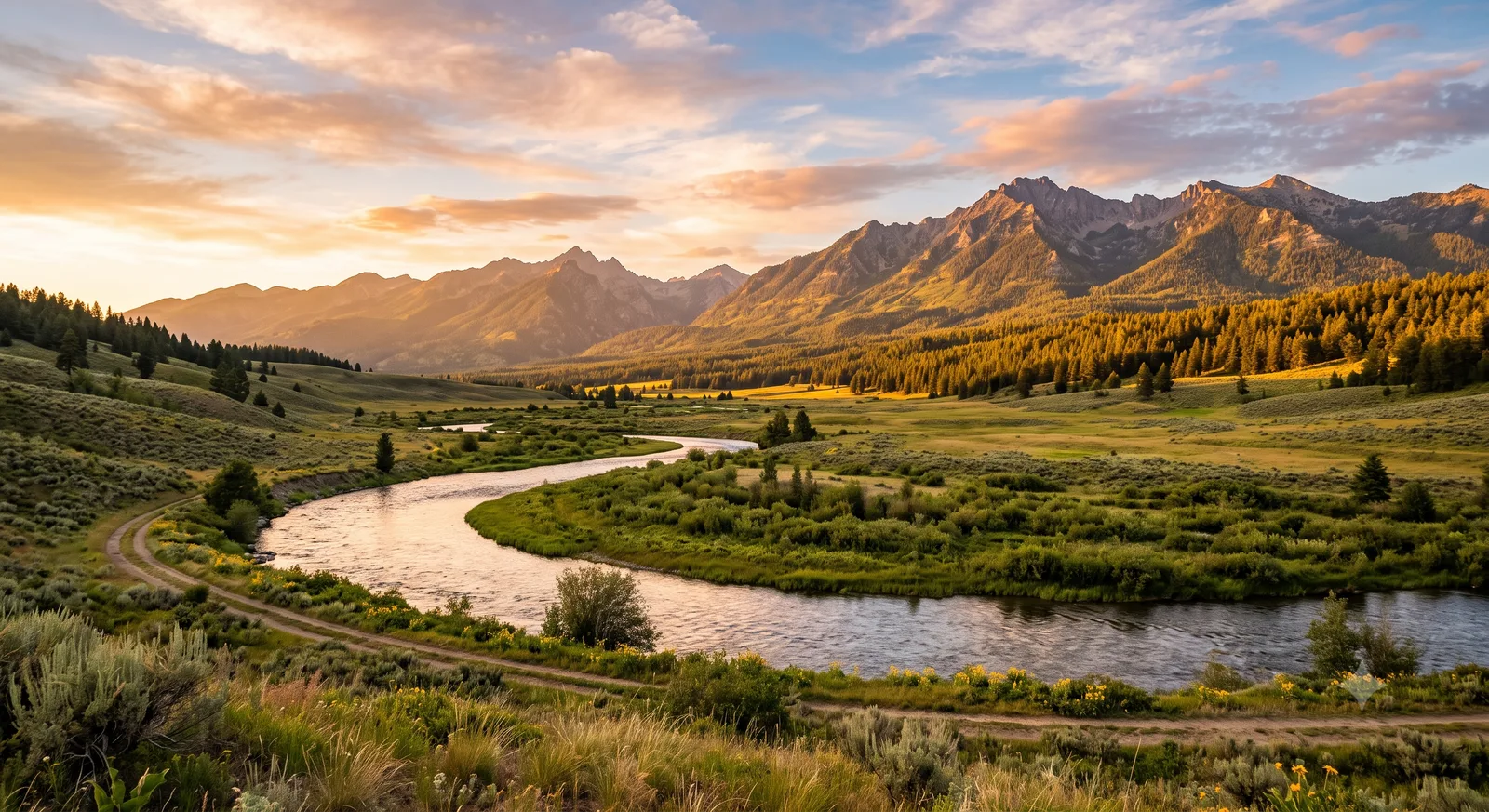
Upper Blackfoot Valley Travel Guide — Montana
Our Upper Blackfoot Valley guide covers practical planning for Upper Blackfoot Valley Montana — best time to visit, getting there, and what to do on the ground. Known for its pristine rivers and abundant wildlife, the Upper Blackfoot Valley offers exceptional fly-fishing, hiking, and wildlife viewing. It's a tranquil area celebrated for its natural beauty and conservation efforts.
The Roam States team has extensively researched this captivating corner of Big Sky Country to bring you an independent, in-depth guide. We cut through the generic fluff to provide you with confident, specific advice for planning your adventure. From navigating the scenic routes to finding the perfect spot for a quiet evening, we’ve got you covered.
Why Visit Upper Blackfoot Valley
If you're wondering if Upper Blackfoot Valley is worth visiting, our verdict is a resounding yes. This region of Montana stands out as a premier destination for those seeking genuine connection with nature, far from the crowds often found in more heavily trafficked areas. The Upper Blackfoot Valley is renowned for its crystal-clear rivers, particularly the Blackfoot River, which gained fame through Norman Maclean's "A River Runs Through It." It’s a place where conservation isn't just a buzzword, but a deeply ingrained ethos, ensuring its wild character remains intact for generations. We believe that for travelers who prioritize tranquility, outdoor adventure, and a chance to truly disconnect, the Upper Blackfoot Valley offers an unparalleled experience.
The valley's commitment to preserving its natural resources means visitors can enjoy pristine environments, whether casting a line into the legendary Blackfoot River, exploring miles of hiking trails, or simply observing elk and deer graze in vast meadows. This dedication makes the Upper Blackfoot Valley a uniquely rewarding destination. The stunning landscapes, from towering peaks to lush riparian zones, provide a backdrop for unforgettable memories, solidifying our conviction that this destination is absolutely worth visiting for the right traveler.
Who It's Best For
The Upper Blackfoot Valley caters to a specific type of traveler, and our team has identified a few key groups who will find this region particularly appealing. First and foremost, it’s an angler's paradise. Fly-fishing enthusiasts, from seasoned pros to eager beginners, will revel in the opportunities presented by the Blackfoot River and its tributaries. The challenge and reward of catching native trout in such a pristine setting are unmatched.
Beyond fishing, the valley is ideal for avid hikers and backpackers seeking solitude and breathtaking scenery. The extensive trail systems, often less crowded than those in national parks, offer a chance to immerse oneself fully in the Montana wilderness. Wildlife photographers and nature observers will also find themselves in their element, with abundant opportunities to spot elk, moose, deer, eagles, and even bears in their natural habitats.
Families looking for an unplugged vacation, where outdoor activities replace screen time, will appreciate the valley's offerings. While it's not a destination packed with amusement parks, it provides a rich educational environment for children to learn about nature, conservation, and the joy of simple outdoor play. Finally, anyone seeking a peaceful retreat, away from the hustle and bustle of city life, will find the Upper Blackfoot Valley to be the perfect sanctuary. It’s a place for quiet contemplation, stargazing, and reconnecting with the natural world.
Getting There & Parking
Reaching the Upper Blackfoot Valley, and specifically the charming town of Ovando, requires a bit of planning, but the journey itself is part of the adventure. We recommend flying into one of Montana's larger airports and then renting a car for the scenic drive. The closest major airports are Missoula International Airport (MSO) and Helena Regional Airport (HLN). From Missoula, the drive to Ovando is approximately 1.5 to 2 hours, heading northeast on Highway 200. From Helena, the drive is slightly longer, around 2 to 2.5 hours, also primarily via Highway 200. This route offers stunning views of the Montana landscape, so be prepared for a picturesque drive as you make your way to the Upper Blackfoot Valley.
When considering how to get to Upper Blackfoot Valley, remember that public transportation options are extremely limited, so a personal vehicle is essential for exploring the area effectively. Roads within the valley are generally well-maintained, but some smaller roads leading to trailheads or fishing access sites may be gravel or dirt. Always check local road conditions, especially during spring thaw or after heavy rains.
Regarding Upper Blackfoot Valley parking, you'll find ample opportunities, though specific regulations vary by location. In Ovando, street parking is generally available. For trailheads and fishing access sites along the Blackfoot River, designated parking areas are common. These are typically free, but we always advise looking for signage as some areas might require a specific permit or have time limits. For example, some fishing access sites managed by Montana Fish, Wildlife & Parks provide clear parking instructions. During peak season, particularly summer weekends, popular trailheads can fill up quickly, so arriving early is a good strategy to secure a spot.
If you're planning a longer backcountry trip, ensure your vehicle is parked in a secure, designated area and inform local authorities or a trusted contact of your itinerary. We recommend checking the specific regulations for any national forest or state land you plan to visit, as parking rules can differ. Knowing how to get to Upper Blackfoot Valley and where to park efficiently will greatly enhance your trip.
Top Things to Do
The Upper Blackfoot Valley offers an array of activities for the outdoor enthusiast, and our team has curated the best experiences to ensure you make the most of your visit. When considering things to do at Upper Blackfoot Valley, fly-fishing undoubtedly takes center stage. The Blackfoot River is legendary for its trout fishing, particularly for native cutthroat, rainbow, and brown trout. We highly recommend hiring a local guide or outfitter, especially if you're new to the area, to navigate the best spots and understand local regulations. Many outfitters in the region, such as those operating out of Ovando, offer guided trips and gear rentals.
Fly-Fishing the Blackfoot River
Spend a day (or several) on the Blackfoot River, renowned for its challenging yet rewarding fly-fishing. The river's health is a testament to ongoing conservation efforts, providing a pristine environment for both fish and anglers. Remember to obtain a valid Montana fishing license, which can be purchased online or at local sporting goods stores.
Hiking and Backpacking
Explore the vast network of trails that crisscross the valley and surrounding national forests, including portions of the Lolo National Forest. From gentle riverside strolls to strenuous mountain ascents, there's a hike for every skill level. Popular areas for hiking include access points off Highway 200 and roads leading into the mountains. Keep an eye out for wildlife, and always carry bear spray. For an immersive experience, consider a multi-day backpacking trip into the Bob Marshall Wilderness Complex, accessible from various trailheads in the region.
Wildlife Viewing and Photography
The Upper Blackfoot Valley is teeming with wildlife, making it a prime location for viewing and photography. Keep your eyes peeled for elk, deer, moose, bighorn sheep, black bears, and even grizzly bears. Birdwatchers will delight in spotting eagles, ospreys, and various waterfowl. Early morning and late evening are often the best times for wildlife sightings. Remember to maintain a safe distance from all animals and never approach them.
Exploring Ovando
Among the things to do in Ovando, this small, historic ranching community offers a glimpse into authentic Montana life. Visit the Ovando Hotel and Bar, a historic landmark that has been serving travelers and locals for over a century. The Ovando Schoolhouse, built in 1908, now serves as a community center and museum, offering insights into the area's past. The town also hosts the annual Ovando Mountain Man Rendezvous, typically in July, which recreates a 19th-century fur trapper's camp and is a fascinating cultural experience. While small, Ovando provides essential services and a charming atmosphere that perfectly complements the wild beauty of the surrounding valley. We recommend stopping here for supplies or a meal.
Paddling and Floating
Beyond fishing, the Blackfoot River is excellent for kayaking, canoeing, and leisurely floats. Several access points allow for day trips or longer excursions. Always check river conditions and water levels before embarking, especially during spring runoff. Local outfitters can provide raft or kayak rentals and shuttle services, making it easy to enjoy the river. These are just some of the many things to do at Upper Blackfoot Valley, ensuring an unforgettable adventure.
Best Time to Visit
Determining the best time to visit the Upper Blackfoot Valley depends largely on your preferred activities, as each season offers a distinct experience. Our team has outlined the seasonal considerations to help you plan your trip effectively.
Summer (June to August): This is arguably the most popular time to visit, especially for fly-fishing, hiking, and general outdoor recreation. The weather is typically warm and sunny, with long daylight hours. River levels are usually ideal for floating and fishing after the spring runoff subsides, usually by late June. However, this is also when the valley sees the most visitors, and popular fishing access sites and trailheads can be busier. Reservations for Upper Blackfoot Valley lodging and guided trips are essential during these months.
Fall (September to October): Many consider autumn to be the best-kept secret of the Upper Blackfoot Valley. The crowds thin out, the weather remains pleasant, and the larch trees turn a brilliant golden yellow, creating stunning photographic opportunities. Fishing can still be excellent, particularly for larger trout preparing for winter. Wildlife viewing is also exceptional as animals are active before the snows arrive. Be prepared for cooler temperatures, especially in the mornings and evenings.
Spring (April to May): Spring brings new life to the valley, with wildflowers blooming and migratory birds returning. While fishing can be good, particularly for pre-runoff nymphing, river levels can be high and murky due to snowmelt (runoff), making some activities challenging. Hiking trails might still have snow at higher elevations, and muddy conditions are common at lower elevations. It's a quieter time to visit, perfect for those seeking solitude and wildlife viewing before the summer rush.
Winter (November to March): The Upper Blackfoot Valley transforms into a serene, snow-covered wonderland in winter. While many services may be limited, it offers opportunities for cross-country skiing, snowshoeing, and ice fishing. Access to some areas may be restricted due to heavy snow. This season is best for experienced winter enthusiasts seeking extreme solitude. Overall, for most travelers, we recommend late spring through early fall for the most accessible and varied activities.
Where to Stay Nearby
Finding comfortable and convenient Upper Blackfoot Valley lodging is key to a successful trip, and our team has identified several types of accommodations to suit different preferences and budgets. While the Upper Blackfoot Valley itself is a sparsely populated area, the town of Ovando serves as a central hub, offering some unique options. For a truly immersive experience, consider a stay at a local guest ranch. These often provide lodging, meals, and guided activities, giving you an authentic taste of Montana ranch life.
In Ovando, you might find charming historic lodgings or cabins for rent. For example, the Ovando Inn offers rooms in a historic setting, providing a convenient base for exploring the area. Availability can be limited, especially during peak season, so we strongly recommend making reservations well in advance. Beyond Ovando, additional Upper Blackfoot Valley lodging options can be found in nearby communities such as Seeley Lake or Lincoln, which are both within a reasonable driving distance and offer more conventional hotel or motel choices, along with a wider range of services.
For those who prefer to be closer to nature, several campgrounds are available in the surrounding national forests. These range from developed campgrounds with amenities to more primitive dispersed camping sites. Always check with the Lolo National Forest for current regulations, fire restrictions, and any necessary permits for camping. Camping offers an economical and intimate way to experience the valley's natural beauty. Whether you opt for a rustic cabin, a comfortable guest ranch, or a starlit campsite, the Upper Blackfoot Valley lodging options provide a genuine Montana experience.
For a broader exploration of the state, consider extending your trip to other iconic Montana destinations like Beartooth Highway, Big Sky Resort, or Bighorn Canyon. You can find more ideas and planning resources on our main Best places in Montana page.
Sample 2-Day Itinerary
To help you visualize your adventure, our team has crafted a sample 2-day itinerary for the Upper Blackfoot Valley, focusing on its core attractions and activities. This itinerary assumes you're based in or near Ovando and have your own transportation.
Day 1: River and Ranch Life
- Morning (8:00 AM - 12:00 PM): Fly-Fishing on the Blackfoot River. Start your day with an early morning fly-fishing excursion. If you're new to the area or fishing, consider a half-day guided trip with a local outfitter. They can provide all necessary gear and local insights. Focus on one of the many public fishing access sites along the river.
- Lunch (12:00 PM - 1:00 PM): Picnic by the River or Ovando Cafe. Enjoy a packed lunch by the river, soaking in the peaceful atmosphere, or head into Ovando for a casual meal at a local eatery.
- Afternoon (1:00 PM - 5:00 PM): Explore Ovando and Local History. Spend the afternoon exploring the charming town of Ovando. Visit the historic Ovando Hotel and Bar, and take a stroll through the town to soak in its authentic Western ambiance. If available, check out the local museum or any community events.
- Evening (5:00 PM onwards): Wildlife Drive and Stargazing. As dusk approaches, take a scenic drive on one of the less-trafficked roads around the valley, keeping an eye out for elk, deer, and other wildlife. The Upper Blackfoot Valley is known for its dark skies, so find a spot away from any artificial light and enjoy some incredible stargazing.
Day 2: Hiking and Scenic Views
- Morning (8:00 AM - 1:00 PM): Hiking in the Lolo National Forest. Embark on a hike in the surrounding Lolo National Forest. Options range from moderate riverside trails to more challenging ascents offering panoramic views of the valley. Pack plenty of water, snacks, and bear spray. Consult a local map for trailheads accessible from Highway 200.
- Lunch (1:00 PM - 2:00 PM): Trailside Lunch. Enjoy a well-deserved trailside lunch amidst the wilderness.
- Afternoon (2:00 PM - 5:00 PM): Scenic Drive and Photography. Take a leisurely drive through the valley, stopping at various viewpoints and fishing access sites to capture photographs of the stunning landscapes and perhaps spot more wildlife. Consider driving towards Seeley Lake for a change of scenery, or explore a different section of the Blackfoot River.
- Evening (5:00 PM onwards): Farewell Dinner. Enjoy a final dinner in Ovando or a nearby community, reflecting on your tranquil Montana adventure.
This itinerary is flexible and can be adapted based on your interests and the time of year. Always check local conditions and hours of operation for any specific attractions or services.
FAQ
Upper Blackfoot Valley with kids
Visiting Upper Blackfoot Valley with kids can be a wonderful experience, offering a chance to connect with nature. We recommend activities like easy riverside walks, wildlife spotting (pack binoculars!), and supervised wading in shallow, calm sections of the river. Many local outfitters offer family-friendly float trips. The key is to manage expectations and ensure activities are age-appropriate. Always prioritize safety, especially around water and wildlife. Remember, the focus here is on natural exploration rather than structured entertainment, which can be a refreshing change for families.
Best hotels near Upper Blackfoot Valley
The Upper Blackfoot Valley is not known for traditional hotels. Instead, the best hotels near Upper Blackfoot Valley are often charming local inns, guest ranches, or cabin rentals. In Ovando, you might find historic accommodations like the Ovando Inn. For more conventional hotel options, you would need to look in nearby larger towns such as Seeley Lake or Lincoln, which are about a 30-60 minute drive away. These towns offer a broader range of lodging, from motels to vacation rentals. Booking well in advance is always recommended, especially during peak season.
Upper Blackfoot Valley tips
Our top Upper Blackfoot Valley tips include: always carry bear spray and know how to use it, as you are in prime grizzly country. Plan your gas stops, as services are sparse once you're deep in the valley. Pack layers of clothing, as Montana weather can change rapidly. Respect private property and adhere to Leave No Trace principles. Purchase your fishing license before you arrive, and consider hiring a local guide for fishing or backcountry excursions for expert local knowledge. Finally, embrace the solitude and disconnect – cell service can be spotty!
Where to stay near Upper Blackfoot Valley
When considering where to stay near Upper Blackfoot Valley, your primary options include the small town of Ovando, which offers limited but charming accommodations such as the historic Ovando Inn or private cabin rentals. For a more comprehensive selection of services and lodging, we recommend looking at Seeley Lake to the west or Lincoln to the east. Both towns provide a range of motels, vacation rentals, and campgrounds, along with restaurants and general stores. Guest ranches scattered throughout the broader Blackfoot Valley also offer all-inclusive experiences that can be an excellent choice for an immersive stay.
Upper Blackfoot Valley parking
Upper Blackfoot Valley parking is generally available and free at designated public access points, trailheads, and within the town of Ovando. For fishing access sites along the Blackfoot River, clear parking areas are usually marked by Montana Fish, Wildlife & Parks. In Ovando, street parking is common. During busy summer weekends, popular spots can fill up, so arriving early is advisable. Always look for specific signage regarding parking regulations, especially if you're leaving your vehicle overnight for a backpacking trip. For backcountry parking, inform a local contact of your vehicle's location and your expected return.
Best time to visit Upper Blackfoot Valley
The best time to visit Upper Blackfoot Valley largely depends on your interests. For prime fly-fishing, hiking, and general outdoor recreation, late June through September offers the most favorable weather and river conditions. July and August are the warmest and busiest months. If you prefer fewer crowds and stunning fall foliage, September and early October are ideal. Spring (April-May) is beautiful for wildflowers and wildlife viewing, but river conditions can be challenging due to snowmelt. Winter (November-March) is best for experienced snow sports enthusiasts seeking solitude.
The Upper Blackfoot Valley is a destination that truly embodies the spirit of wild Montana. Our team wholeheartedly recommends it for those seeking an authentic, nature-focused escape. From the legendary Blackfoot River to the quiet charm of Ovando, this valley offers a profound connection to the natural world and a chance to experience conservation in action. We are confident that your journey to this tranquil corner of Big Sky Country will be both memorable and deeply rewarding. For more inspiration on planning your US trip, visit our Plan Your US Trip page, or explore our USA Road Trip Planner.
Last updated: 2026-07-12 by the Roam States team.
Upper Blackfoot Valley Travel Guide — Montana
Our Upper Blackfoot Valley guide covers practical planning for Upper Blackfoot Valley Montana — best time to visit, getting there, and what to do on the ground. Known for its pristine rivers and abundant wildlife, the Upper Blackfoot Valley offers exceptional fly-fishing, hiking, and wildlife viewing. It's a tranquil area celebrated for its natural beauty and conservation efforts.
The Roam States team has extensively researched this captivating corner of Big Sky Country to bring you an independent, in-depth guide. We cut through the generic fluff to provide you with confident, specific advice for planning your adventure. From navigating the scenic routes to finding the perfect spot for a quiet evening, we’ve got you covered.
Why Visit Upper Blackfoot Valley
If you're wondering if Upper Blackfoot Valley is worth visiting, our verdict is a resounding yes. This region of Montana stands out as a premier destination for those seeking genuine connection with nature, far from the crowds often found in more heavily trafficked areas. The Upper Blackfoot Valley is renowned for its crystal-clear rivers, particularly the Blackfoot River, which gained fame through Norman Maclean's "A River Runs Through It." It’s a place where conservation isn't just a buzzword, but a deeply ingrained ethos, ensuring its wild character remains intact for generations. We believe that for travelers who prioritize tranquility, outdoor adventure, and a chance to truly disconnect, the Upper Blackfoot Valley offers an unparalleled experience.
The valley's commitment to preserving its natural resources means visitors can enjoy pristine environments, whether casting a line into the legendary Blackfoot River, exploring miles of hiking trails, or simply observing elk and deer graze in vast meadows. This dedication makes the Upper Blackfoot Valley a uniquely rewarding destination. The stunning landscapes, from towering peaks to lush riparian zones, provide a backdrop for unforgettable memories, solidifying our conviction that this destination is absolutely worth visiting for the right traveler.
Who It's Best For
The Upper Blackfoot Valley caters to a specific type of traveler, and our team has identified a few key groups who will find this region particularly appealing. First and foremost, it’s an angler's paradise. Fly-fishing enthusiasts, from seasoned pros to eager beginners, will revel in the opportunities presented by the Blackfoot River and its tributaries. The challenge and reward of catching native trout in such a pristine setting are unmatched. Outfitters in Ovando, such as Riverstone Outfitters, specialize in guided fly-fishing trips on the Blackfoot River.
Beyond fishing, the valley is ideal for avid hikers and backpackers seeking solitude and breathtaking scenery. The extensive trail systems, often less crowded than those in national parks, offer a chance to immerse oneself fully in the Montana wilderness. Wildlife photographers and nature observers will also find themselves in their element, with abundant opportunities to spot elk, moose, deer, eagles, and even bears in their natural habitats.
Families looking for an unplugged vacation, where outdoor activities replace screen time, will appreciate the valley's offerings. While it's not a destination packed with amusement parks, it provides a rich educational environment for children to learn about nature, conservation, and the joy of simple outdoor play. Finally, anyone seeking a peaceful retreat, away from the hustle and bustle of city life, will find the Upper Blackfoot Valley to be the perfect sanctuary. It’s a place for quiet contemplation, stargazing, and reconnecting with the natural world.
Getting There & Parking
Reaching the Upper Blackfoot Valley, and specifically the charming town of Ovando, requires a bit of planning, but the journey itself is part of the adventure. We recommend flying into one of Montana's larger airports and then renting a car for the scenic drive. The closest major airports are Missoula International Airport (MSO) and Helena Regional Airport (HLN). From Missoula, the drive to Ovando is approximately 52 minutes, covering about 51 miles, primarily heading northeast on Highway 200. From Helena, the drive is longer, around 2 to 2.5 hours, also primarily via Highway 200. This route offers stunning views of the Montana landscape, so be prepared for a picturesque drive as you make your way to the Upper Blackfoot Valley. You can use online tools like Google Maps for precise directions.
When considering how to get to Upper Blackfoot Valley, remember that public transportation options are extremely limited, so a personal vehicle is essential for exploring the area effectively. Roads within the valley are generally well-maintained, but some smaller roads leading to trailheads or fishing access sites may be gravel or dirt. Always check local road conditions, especially during spring thaw or after heavy rains. For instance, the Montana Department of Transportation (MDT) provides road condition reports.
Regarding Upper Blackfoot Valley parking, you'll find ample opportunities, though specific regulations vary by location. In Ovando, street parking is generally available. For trailheads and fishing access sites along the Blackfoot River, designated parking areas are common. These are typically free, but we always advise looking for signage as some areas might require a specific permit or have time limits. For example, sites like River Junction Fishing Access Site, managed by Montana Fish, Wildlife & Parks (FWP), offer gravel parking areas with no fees. During peak season, particularly summer weekends, popular trailheads can fill up quickly, so arriving early is a good strategy to secure a spot. For camping within the Lolo National Forest, vehicles may be parked along open routes within one vehicle length where safe and not obstructing traffic, or up to 300 feet from designated routes for direct access to established dispersed campsites. Knowing how to get to Upper Blackfoot Valley and where to park efficiently will greatly enhance your trip.
Top Things to Do
The Upper Blackfoot Valley offers an array of activities for the outdoor enthusiast, and our team has curated the best experiences to ensure you make the most of your visit. When considering things to do at Upper Blackfoot Valley, fly-fishing undoubtedly takes center stage. The Blackfoot River is legendary for its trout fishing, particularly for native cutthroat, rainbow, and brown trout. We highly recommend hiring a local guide or outfitter, especially if you're new to the area, to navigate the best spots and understand local regulations. Many outfitters in the region, such as those operating out of Ovando, offer guided trips and gear rentals.
Fly-Fishing the Blackfoot River
Spend a day (or several) on the Blackfoot River, renowned for its challenging yet rewarding fly-fishing. The river's health is a testament to ongoing conservation efforts, providing a pristine environment for both fish and anglers. Remember to obtain a valid Montana fishing license. As of March 1, 2026, all Montana fishing licenses must be purchased online directly through the Montana Fish, Wildlife & Parks (FWP) website (fwp.mt.gov). Non-residents will also need a Conservation License and an Angler Aquatic Invasive Species Prevention Pass (AISPP).
Hiking and Backpacking
Explore the vast network of trails that crisscross the valley and surrounding national forests, including portions of the Lolo National Forest. From gentle riverside strolls to strenuous mountain ascents, there's a hike for every skill level. Popular areas for hiking include access points off Highway 200 and roads leading into the mountains. Keep an eye out for wildlife, and always carry bear spray. For an immersive experience, consider a multi-day backpacking trip into the Bob Marshall Wilderness Complex, accessible from various trailheads in the region. The Lolo National Forest offers numerous camping opportunities, from developed campgrounds to primitive backcountry sites.
Wildlife Viewing and Photography
The Upper Blackfoot Valley is teeming with wildlife, making it a prime location for viewing and photography. Keep your eyes peeled for elk, deer, moose, bighorn sheep, black bears, and even grizzly bears. Birdwatchers will delight in spotting eagles, ospreys, and various waterfowl. Early morning and late evening are often the best times for wildlife sightings. Remember to maintain a safe distance from all animals and never approach them.
Exploring Ovando
Among the things to do in Ovando, this small, historic ranching community offers a glimpse into authentic Montana life. Visit the Ovando Hotel and Bar, a historic landmark that has been serving travelers and locals for over a century. The Ovando Schoolhouse, built in 1908, now serves as a community center and museum, offering insights into the area's past. While there isn't always a museum attendant present at the Brand Bar Museum, someone from the Blackfoot Commercial Company can assist. The town also hosts the annual Ovando Mountain Man Rendezvous, which recreates a 19th-century fur trapper's camp and is a fascinating cultural experience. While specific 2026 dates for the Ovando event were not readily available, similar "Rendezvous Days" events are held in other Montana towns in late April. While small, Ovando provides essential services and a charming atmosphere that perfectly complements the wild beauty of the surrounding valley. We recommend stopping here for supplies or a meal. These are just some of the many things to do in Ovando.
Paddling and Floating
Beyond fishing, the Blackfoot River is excellent for kayaking, canoeing, and leisurely floats. Several access points allow for day trips or longer excursions. Always check river conditions and water levels before embarking, especially during spring runoff. Local outfitters can provide raft or kayak rentals and shuttle services, making it easy to enjoy the river. However, be aware that a section of the Blackfoot River from Weigh Station Fishing Access Site downstream to the I-90 crossing in the Milltown area is closed to floating from July 15 until October 31, 2026, due to railway bridge construction. These are just some of the many things to do at Upper Blackfoot Valley, ensuring an unforgettable adventure.
Best Time to Visit
Determining the best time to visit the Upper Blackfoot Valley depends largely on your preferred activities, as each season offers a distinct experience. Our team has outlined the seasonal considerations to help you plan your trip effectively.
Summer (June to August): This is arguably the most popular time to visit, especially for fly-fishing, hiking, and general outdoor recreation. The weather is typically warm and sunny, with long daylight hours. River levels are usually ideal for floating and fishing after the spring runoff subsides, usually by late June. However, this is also when the valley sees the most visitors, and popular fishing access sites and trailheads can be busier. Reservations for Upper Blackfoot Valley lodging and guided trips are essential during these months.
Fall (September to October): Many consider autumn to be the best-kept secret of the Upper Blackfoot Valley. The crowds thin out, the weather remains pleasant, and the larch trees turn a brilliant golden yellow, creating stunning photographic opportunities. Fishing can still be excellent, particularly for larger trout preparing for winter. Wildlife viewing is also exceptional as animals are active before the snows arrive. Be prepared for cooler temperatures, especially in the mornings and evenings.
Spring (April to May): Spring brings new life to the valley, with wildflowers blooming and migratory birds returning. While fishing can be good, particularly for pre-runoff nymphing, river levels can be high and murky due to snowmelt (runoff), making some activities challenging. Hiking trails might still have snow at higher elevations, and muddy conditions are common at lower elevations. It's a quieter time to visit, perfect for those seeking solitude and wildlife viewing before the summer rush.
Winter (November to March): The Upper Blackfoot Valley transforms into a serene, snow-covered wonderland in winter. While many services may be limited, it offers opportunities for cross-country skiing, snowshoeing, and ice fishing. Access to some areas may be restricted due to heavy snow. This season is best for experienced winter enthusiasts seeking extreme solitude. Overall, for most travelers, we recommend late spring through early fall for the most accessible and varied activities.
Where to Stay Nearby
Finding comfortable and convenient Upper Blackfoot Valley lodging is key to a successful trip, and our team has identified several types of accommodations to suit different preferences and budgets. While the Upper Blackfoot Valley itself is a sparsely populated area, the town of Ovando serves as a central hub, offering some unique options. For a truly immersive experience, consider a stay at a local guest ranch. These often provide lodging, meals, and guided activities, giving you an authentic taste of Montana ranch life. An example of this is the North Fork Crossing Lodge, located just outside Ovando.
In Ovando, you might find charming historic lodgings or cabins for rent. For example, the Ovando Inn and Blackfoot Commercial Company offers comfortable and affordable rooms, with amenities like WiFi and private baths, serving as a base camp for outdoor activities. Availability can be limited, especially during peak season, so we strongly recommend making reservations well in advance. Beyond Ovando, additional Upper Blackfoot Valley lodging options can be found in nearby communities such as Seeley Lake or Lincoln, which are both within a reasonable driving distance and offer more conventional hotel or motel choices, along with a wider range of services.
For those who prefer to be closer to nature, several campgrounds are available in the surrounding national forests, including the Lolo National Forest. These range from developed campgrounds with amenities to more primitive dispersed camping sites. Dispersed camping is generally permitted where it doesn't cause resource damage, with a stay limit of 16 days at a single site and 32 cumulative days in the Northern Region per calendar year. Always check with the Lolo National Forest for current regulations, fire restrictions, and any necessary permits for camping. Camping offers an economical and intimate way to experience the valley's natural beauty. Whether you opt for a rustic cabin, a comfortable guest ranch, or a starlit campsite, the Upper Blackfoot Valley lodging options provide a genuine Montana experience.
For a broader exploration of the state, consider extending your trip to other iconic Montana destinations like Visit Montana, Beartooth Highway, Big Sky Resort, or Bighorn Canyon. You can find more ideas and planning resources on our main Best places in Montana page.
Sample 2-Day Itinerary
To help you visualize your adventure, our team has crafted a sample 2-day itinerary for the Upper Blackfoot Valley, focusing on its core attractions and activities. This itinerary assumes you're based in or near Ovando and have your own transportation.
Day 1: River and Ranch Life
- Morning (8:00 AM - 12:00 PM): Fly-Fishing on the Blackfoot River. Start your day with an early morning fly-fishing excursion. If you're new to the area or fishing, consider a half-day guided trip with a local outfitter. They can provide all necessary gear and local insights. Focus on one of the many public fishing access sites along the river, such as River Junction Fishing Access Site.
- Lunch (12:00 PM - 1:00 PM): Picnic by the River or Ovando Cafe. Enjoy a packed lunch by the river, soaking in the peaceful atmosphere, or head into Ovando for a casual meal at a local eatery.
- Afternoon (1:00 PM - 5:00 PM): Explore Ovando and Local History. Spend the afternoon exploring the charming town of Ovando. Visit the historic Ovando Hotel and Bar, and take a stroll through the town to soak in its authentic Western ambiance. You can also visit the Brand Bar Museum for local memorabilia and stories of settlers.
- Evening (5:00 PM onwards): Wildlife Drive and Stargazing. As dusk approaches, take a scenic drive on one of the less-trafficked roads around the valley, keeping an eye out for elk, deer, and other wildlife. The Upper Blackfoot Valley is known for its dark skies, so find a spot away from any artificial light and enjoy some incredible stargazing.
Day 2: Hiking and Scenic Views
- Morning (8:00 AM - 1:00 PM): Hiking in the Lolo National Forest. Embark on a hike in the surrounding Lolo National Forest. Options range from moderate riverside trails to more challenging ascents offering panoramic views of the valley. Pack plenty of water, snacks, and bear spray. Consult a local map for trailheads accessible from Highway 200. Remember that all bear attractants must be stored in a bear-resistant manner.
- Lunch (1:00 PM - 2:00 PM): Trailside Lunch. Enjoy a well-deserved trailside lunch amidst the wilderness.
- Afternoon (2:00 PM - 5:00 PM): Scenic Drive and Photography. Take a leisurely drive through the valley, stopping at various viewpoints and fishing access sites to capture photographs of the stunning landscapes and perhaps spot more wildlife. Consider driving towards Seeley Lake for a change of scenery, or explore a different section of the Blackfoot River.
- Evening (5:00 PM onwards): Farewell Dinner. Enjoy a final dinner in Ovando or a nearby community, reflecting on your tranquil Montana adventure.
This itinerary is flexible and can be adapted based on your interests and the time of year. Always check local conditions and hours of operation for any specific attractions or services.
FAQ
Upper Blackfoot Valley with kids
Visiting Upper Blackfoot Valley with kids can be a wonderful experience, offering a chance to connect with nature. We recommend activities like easy riverside walks, wildlife spotting (pack binoculars!), and supervised wading in shallow, calm sections of the river. Many local outfitters offer family-friendly float trips. The key is to manage expectations and ensure activities are age-appropriate. Always prioritize safety, especially around water and wildlife. Remember, the focus here is on natural exploration rather than structured entertainment, which can be a refreshing change for families.
Best hotels near Upper Blackfoot Valley
The Upper Blackfoot Valley is not known for traditional hotels. Instead, the best hotels near Upper Blackfoot Valley are often charming local inns, guest ranches, or cabin rentals. In Ovando, you might find historic accommodations like the Ovando Inn. For more conventional hotel options, you would need to look in nearby larger towns such as Seeley Lake or Lincoln, which are about a 30-60 minute drive away. These towns offer a broader range of lodging, from motels to vacation rentals. Booking well in advance is always recommended, especially during peak season.
Upper Blackfoot Valley tips
Our top Upper Blackfoot Valley tips include: always carry bear spray and know how to use it, as you are in prime grizzly country. Plan your gas stops, as services are sparse once you're deep in the valley. Pack layers of clothing, as Montana weather can change rapidly. Respect private property and adhere to Leave No Trace principles. Purchase your fishing license online through Montana FWP before you arrive, and consider hiring a local guide for fishing or backcountry excursions for expert local knowledge. Finally, embrace the solitude and disconnect – cell service can be spotty!
Where to stay near Upper Blackfoot Valley
When considering where to stay near Upper Blackfoot Valley, your primary options include the small town of Ovando, which offers limited but charming accommodations such as the historic Ovando Inn or private cabin rentals. For a more comprehensive selection of services and lodging, we recommend looking at Seeley Lake to the west or Lincoln to the east. Both towns provide a range of motels, vacation rentals, and campgrounds, along with restaurants and general stores. Guest ranches scattered throughout the broader Blackfoot Valley, like North Fork Crossing Lodge, also offer all-inclusive experiences that can be an excellent choice for an immersive stay.
Upper Blackfoot Valley parking
Upper Blackfoot Valley parking is generally available and free at designated public access points, trailheads, and within the town of Ovando. For fishing access sites along the Blackfoot River, clear parking areas are usually marked by Montana Fish, Wildlife & Parks, and often require no fees. In Ovando, street parking is common. During busy summer weekends, popular spots can fill up, so arriving early is advisable. Always look for specific signage regarding parking regulations, especially if you're leaving your vehicle overnight for a backpacking trip. For backcountry parking in the Lolo National Forest, vehicles can be parked along open routes or up to 300 feet from designated routes for dispersed campsites.
Best time to visit Upper Blackfoot Valley
The best time to visit Upper Blackfoot Valley largely depends on your interests. For prime fly-fishing, hiking, and general outdoor recreation, late June through September offers the most favorable weather and river conditions. July and August are the warmest and busiest months. If you prefer fewer crowds and stunning fall foliage, September and early October are ideal. Spring (April-May) is beautiful for wildflowers and wildlife viewing, but river conditions can be challenging due to snowmelt. Winter (November-March) is best for experienced snow sports enthusiasts seeking solitude.
The Upper Blackfoot Valley is a destination that truly embodies the spirit of wild Montana. Our team wholeheartedly recommends it for those seeking an authentic, nature-focused escape. From the legendary Blackfoot River to the quiet charm of Ovando, this valley offers a profound connection to the natural world and a chance to experience conservation in action. We are confident that your journey to this tranquil corner of Big Sky Country will be both memorable and deeply rewarding. For more inspiration on planning your US trip, visit our Plan Your US Trip page, or explore our USA Road Trip Planner.
Last updated: 2026-07-12 by the Roam States team.