Our Zapata Falls guide covers practical planning for Zapata Falls Colorado — best time to visit, getting there, and what to do on the ground.
As the Roam States editorial team, we’ve explored the length and breadth of the United States, and we can confidently say that Zapata Falls Colorado offers a truly unique and refreshing experience, especially when paired with a visit to the nearby Great Sand Dunes National Park. This isn't your typical roadside waterfall; it's a hidden gem requiring a bit of adventure to reach, culminating in a stunning cascade often concealed within an icy cavern during the colder months. Beyond the falls themselves, the area provides breathtaking panoramic views of the vast San Luis Valley and the towering dunes, making it an essential stop for any Colorado itinerary.
Why Visit Zapata Falls
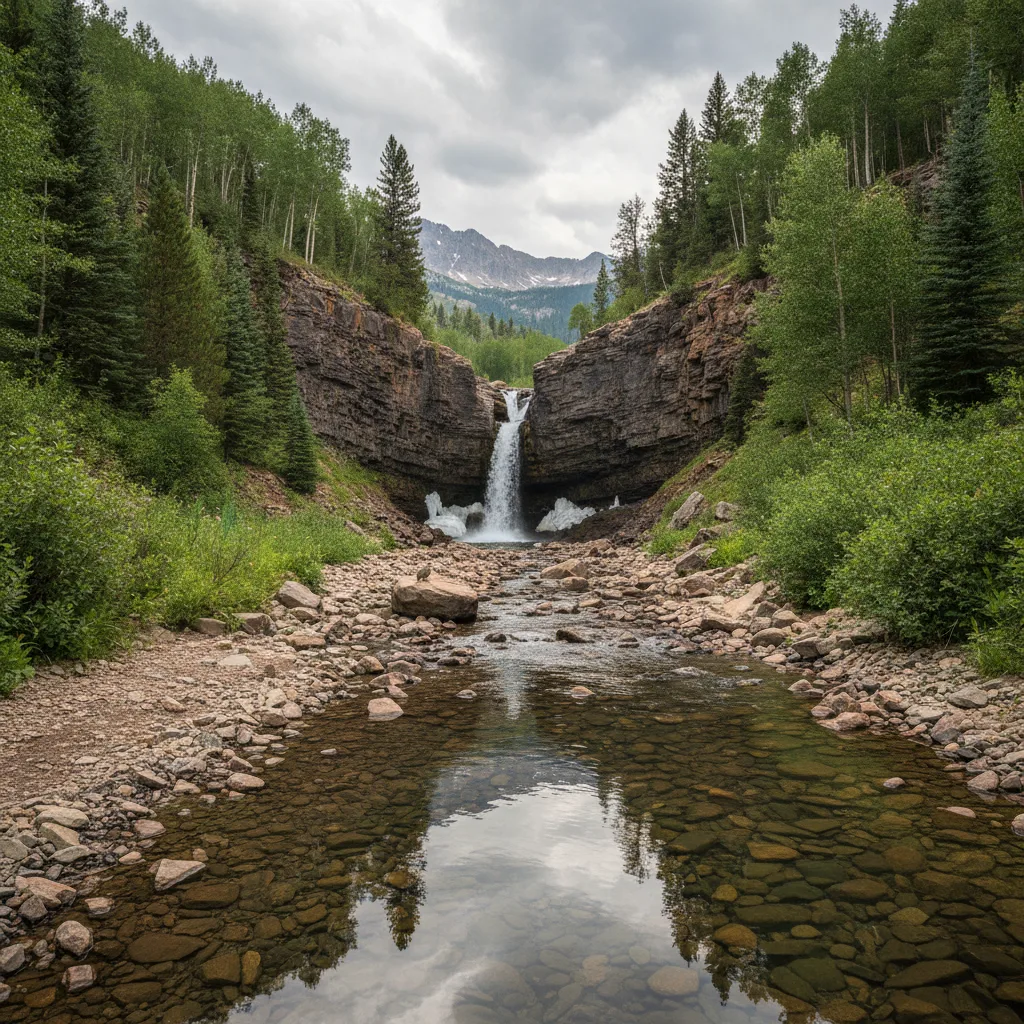
There's a certain allure to a destination that demands a little effort, and Zapata Falls delivers on that promise. We find its primary appeal lies in its dramatic contrast to the arid landscape of the San Luis Valley and the sandy expanse of Great Sand Dunes National Park. Here, a powerful 25- to 30-foot waterfall tumbles through a narrow rock crevice, offering a cool, misty respite in summer and transforming into an awe-inspiring column of ice in winter.
The journey to the falls is an adventure in itself, involving a short hike that culminates in wading through the chilly waters of South Zapata Creek or traversing a sheet of ice, depending on the season. This unique accessibility, where the waterfall is only fully revealed once you’re right upon it, makes the experience incredibly memorable. The trailhead also provides spectacular, unobstructed views of the Great Sand Dunes and the entire San Luis Valley, framed by the majestic Sangre de Cristo Mountains. It's a photographer's dream, especially during sunrise or sunset when the landscape is bathed in soft, vibrant hues. For those seeking a break from the heat of the dunes, the cool spray and shaded canyon of Zapata Falls offer a welcome natural air conditioner.
Who It's Best For
Zapata Falls is ideally suited for adventurous travelers, nature enthusiasts, and families looking for a unique outdoor experience. If you appreciate a hike that offers more than just a scenic overlook, and you don't mind getting your feet wet (or navigating ice), then this destination is for you. It's particularly appealing to:
- **Hikers of Moderate Ability:** The main trail to the falls is considered easy to moderate, about 0.5 to 1 mile round trip, with some rocky and steep sections. The challenge comes from navigating the creek bed to reach the falls themselves.
- **Families with Older Children:** While younger children might find the creek crossing challenging due to cold water and slippery rocks, older kids will likely revel in the adventure of wading upstream into the cavern.
- **Photographers:** The dramatic landscape, the hidden waterfall, and the expansive valley views provide endless photographic opportunities, especially in the early morning or late afternoon.
- **Great Sand Dunes Visitors:** Its close proximity makes it an excellent add-on to a trip to Great Sand Dunes National Park, offering a contrasting natural wonder and a chance to cool off.
- **Winter Adventurers:** When the falls freeze into an impressive ice column, it attracts ice climbers and those seeking a truly magical, quiet winter wonderland experience.
If you prefer perfectly paved paths and dislike cold water or uneven terrain, this might not be your ideal destination. But for those who embrace a bit of rugged charm, Zapata Falls promises a rewarding and memorable outing.
Getting There & Parking
Navigating to Zapata Falls requires attention to detail, especially regarding the access road. Our team always recommends checking current road conditions before you head out, as they can change with weather.
How to Get There
Zapata Falls is located in southern Colorado, managed by the Bureau of Land Management (BLM), and is conveniently situated just a few miles south of the entrance to Great Sand Dunes National Park and Preserve.
- From Alamosa: Drive US Highway 160 East for approximately 15 miles. Turn left onto Colorado State Highway 150 North. Continue on CO-150 for about 10.5 to 12.5 miles. You will see a sign for Zapata Falls Recreation Area; turn right onto the unpaved gravel road (sometimes referred to as Lake of The Falls Road).
- From Great Sand Dunes National Park: Head south on Colorado State Highway 150 for about 5 miles. The turn-off for Zapata Falls Recreation Area will be on your left.
Once you turn off CO-150, the journey continues for approximately 3 to 3.5 miles up an unpaved, gravel road. While sources indicate the access road has been improved and even partially paved in recent years, reviews consistently describe it as rough, rocky, and bumpy, often referred to as a "vehicle shaker". While a high-clearance vehicle is often recommended, passenger cars can typically make it if driven slowly and carefully. We advise taking your time on this section to avoid damage.
Parking
At the end of the gravel access road, you'll find a dedicated parking lot for Zapata Falls. This parking area is unpaved and offers around 20-25 designated spots. Due to the popularity of the falls, especially during peak season and weekends, the lot can fill up quickly.
If the main lot is full, there is additional roadside parking just past the main lot (the road dead-ends with a loop) and overflow parking along the campground road. However, even with these options, arriving early in the morning or later in the afternoon on weekends is your best bet to secure a spot. Parking at Zapata Falls is free. Restrooms (vault toilets) are available at the parking lot.
Top Things to Do
While the star attraction is undoubtedly the waterfall, there are several things to do at Zapata Falls and in the immediate vicinity that make the trip worthwhile:
- Hike to Zapata Falls: The primary activity is the short, roughly 0.5-mile (0.8 km) hike from the parking lot to the falls. The trail itself is generally easy to moderate, but the real adventure begins when you reach South Zapata Creek. To view the 25- to 30-foot waterfall, you must wade upstream through the cold, rocky creek into a narrow cavern. In spring, snowmelt makes the water levels high and the current strong, while in winter, the creek freezes into a stunning ice column. Be prepared with appropriate footwear that can get wet and offer good grip.
- Enjoy Panoramic Views: Even if you don't venture into the creek, the views from the Zapata Falls trailhead parking lot are spectacular. You'll get a bird's-eye perspective of the San Luis Valley, the Great Sand Dunes National Park, and the distant San Juan Mountains. These vistas alone are worth the drive up the access road.
- Photography: The unique nature of the falls, the icy cavern in winter, and the sweeping landscapes provide incredible opportunities for photographers. We recommend visiting during sunrise or sunset for the most dramatic lighting.
- Wildlife Viewing: Keep an eye out for local wildlife. Zapata Falls is one of the few known breeding sites for the elusive black swift bird in Colorado, which nests in the misty cliffside habitats near the falls. You might also spot other birds, deer, and elk in the surrounding area.
- Stargazing: Given its high elevation and minimal light pollution, the Zapata Falls area, including the campground, offers exceptional stargazing opportunities. On a clear night, the constellations are incredibly vivid.
- Picnicking: There are picnic sites available in the Zapata Falls Recreation Area. Pack a lunch and enjoy the stunning scenery.
These things to do at Zapata Falls offer a blend of active adventure and serene natural beauty, making it a highlight of any Colorado trip.
Best Time to Visit
The best time to visit Zapata Falls depends entirely on the experience you're seeking, as each season offers a distinct charm. Our team has visited in various conditions, and each has its unique appeal.
- Summer (June-August): This is the most popular time to visit, especially for those looking to cool off from the heat of the Great Sand Dunes. The waterfall is usually flowing strongly due to snowmelt, and the misty spray provides a refreshing break. Expect warm, sunny days, but be prepared for afternoon monsoon thunderstorms, particularly in July and August. The downside is that the trail and parking lot can be very crowded.
- Spring (April-May): Spring offers a fantastic balance. The snowmelt means high water levels, making the falls particularly impressive. The weather can be variable, with cooler temperatures and potentially muddy conditions, but you'll encounter fewer crowds than in summer. This is also a great time for photography as the landscape awakens.
- Fall (September-October): Autumn brings crisp air, fewer bugs, and the potential for beautiful golden foliage, especially in the higher elevations. The water flow in South Zapata Creek will have lessened, making the creek crossing easier to navigate. The clear skies are excellent for views and stargazing, often through October.
- Winter (November-March): For a truly unique and serene experience, visit in winter. The falls freeze into a magnificent column of ice, creating a stunning, otherworldly scene. While the access road may not be plowed and can be challenging to drive (potentially requiring a 4WD vehicle, though some sources say low clearance is fine if slow), the reward is a quiet, less crowded hike to a frozen wonderland. Be extremely cautious, as the ice can be slick and may not always be thick enough to support weight. Luminous blue water is often visible beneath the hardened surface.
Overall, we find late spring to early fall offers the most accessible and enjoyable conditions for most visitors, but the frozen falls in winter are an unforgettable sight for those prepared for colder, more challenging conditions.
Where to Stay Nearby
Finding comfortable Zapata Falls lodging is key to a successful trip, especially since the area is quite remote. While there are no hotels directly at the falls, several excellent options are available within a short drive, catering to different preferences and budgets. Our team always considers proximity to both Zapata Falls and Great Sand Dunes National Park when recommending accommodations.
Camping
For those who want to immerse themselves fully in the natural beauty, camping is a top choice:
- Zapata Falls Campground: Located right at the trailhead at an elevation of about 9,000 feet, this BLM-managed campground offers incredible bird's-eye views of the San Luis Valley and Great Sand Dunes National Park. It features 23 single campsites (11 tent, 12 RV), one group site, and a camp host site. Each site includes a picnic table, fire ring, and bear-proof food storage locker. Vault toilets are available, but there is no potable water on-site, so you must bring your own. Reservations are now required and can be made through Recreation.gov. Prices range from $11 to $20 per night. It's open year-round, though the access road is not plowed in winter.
- Piñon Flats Campground (Great Sand Dunes National Park): Located inside Great Sand Dunes National Park, this campground is another excellent option. It offers 88 individual sites with picnic tables and fire grates, as well as restrooms with flush toilets and potable water (no showers or hookups). Reservations are required from May through September, with sites being first-come, first-served in April and October.
- Dispersed Camping: For a more primitive experience, free dispersed camping is available on BLM land in the surrounding area, though you'll need to be entirely self-sufficient.
Hotels and Vacation Rentals
If you prefer a bed and indoor plumbing, several hotels and vacation rentals are available in nearby towns like Mosca, Blanca, and Alamosa.
- Great Sand Dunes Lodge: Situated about 5 miles from Zapata Falls, this lodge is a budget-friendly and pet-friendly option, offering essential amenities and a convenient base for exploring the dunes and falls.
- Wild Wind Manor (Fort Garland): Roughly 9 miles from Zapata Falls, this highly-rated bed and breakfast offers a unique off-grid experience with cozy accommodations and mountain views.
- Dunes Rest (Mosca/Blanca): This cabin rental is located in a gated community just 4 miles from the Great Sand Dunes entrance and within 9 miles of Zapata Falls. It offers incredible views, a fully equipped kitchen, and is excellent for stargazing.
- Modern Cabin w/ Hot Tub near Sand Dunes Nat'l Park (Zapata Falls area): Several vacation rentals, like this one listed on Airbnb, offer luxurious and cozy stays with amenities like hot tubs and mountain views, often less than a 10-minute drive from both the National Park and Zapata Falls.
- Alamosa Options: The town of Alamosa, about 27 miles (30 minutes) from Zapata Falls, offers a wider range of hotel chains like Best Western Alamosa Inn and Comfort Inn & Suites Alamosa, along with various dining and shopping options.
When considering Zapata Falls lodging, we recommend booking well in advance, especially during peak summer months, as options can fill up quickly.
Sample 2-Day Itinerary
To truly experience the magic of Zapata Falls and its surrounding wonders, we recommend a two-day itinerary that balances adventure with relaxation.
Day 1: Dunes and Falls Immersion
- Morning (Sunrise to Noon): Start your day early at Great Sand Dunes National Park and Preserve. Catch the sunrise over the dunes for an unforgettable spectacle. Spend the morning sandboarding, sand sledding, or hiking up High Dune. The cooler morning temperatures are ideal for exploring the vast sandy landscape.
- Lunch: Enjoy a packed lunch at the Great Sand Dunes picnic area or grab a bite at the Great Sand Dunes Oasis, near the park entrance.
- Afternoon (Early Afternoon): Head to Zapata Falls. Drive up the access road, taking your time on the bumpy sections. Hike the 0.5-mile trail to Zapata Falls, wading into the chilly creek to experience the hidden waterfall. Be sure to take in the panoramic views of the San Luis Valley and the dunes from the trailhead.
- Late Afternoon/Evening: Check into your chosen Zapata Falls lodging, whether it's a campsite at Zapata Falls Campground or a nearby vacation rental. Settle in and enjoy the quiet mountain air.
- Dinner: Prepare a campfire meal at your campsite or enjoy dinner at a local eatery in Mosca or Alamosa.
- Night: Experience world-class stargazing. The lack of light pollution in this area makes for incredibly clear night skies.
Day 2: Explore the San Luis Valley
- Morning: After a leisurely breakfast, explore more of the San Luis Valley. You could visit the Mesa Verde National Park (though this is a longer drive and might require an overnight near Mesa Verde itself) or consider a visit to the Colorado Gators Reptile Park in Mosca, a unique sanctuary for unwanted exotic pets.
- Late Morning/Lunch: Drive towards Alamosa. Explore the town, perhaps visiting the San Luis Valley Museum or enjoying lunch at a local restaurant.
- Afternoon: Depending on your interests, you could visit the San Luis State Park for birdwatching, hiking, or fishing. Alternatively, explore the Blanca Wetlands Recreation Area.
- Late Afternoon: Begin your journey home or continue your Colorado adventure. If time allows, consider a scenic drive along portions of the Los Caminos Antiguos Scenic and Historic Byway.
This itinerary provides a solid framework, but remember to adjust it based on your pace, interests, and the specific conditions during your visit to Zapata Falls Colorado.
Is It Worth Visiting?
Our unequivocal answer is yes, Zapata Falls is absolutely worth visiting, especially if you're already in the vicinity of Great Sand Dunes National Park. It offers a unique and memorable experience that stands out even among Colorado's many natural wonders.
The short, adventurous hike to the falls, which requires wading through a chilly creek into a hidden cavern, is unlike most waterfall experiences you'll encounter. It's a fun, slightly chaotic, and very memorable journey to a 25- to 30-foot cascade. Beyond the falls themselves, the panoramic views from the trailhead of the San Luis Valley and the Great Sand Dunes are breathtaking and often cited as a highlight.
Whether you're seeking a refreshing escape from the summer heat, a stunning icy spectacle in winter, or simply a unique natural attraction to complement your exploration of the dunes, Zapata Falls delivers. It's a place that offers both immediate gratification in its views and a sense of discovery as you venture into the falls. While the access road can be bumpy, the reward far outweighs the minor inconvenience. In our opinion, if you're looking for things to do at Zapata Falls, the journey and the destination combine to create an experience that truly enriches any Colorado adventure.
FAQ Longtails
Zapata Falls camping
Zapata Falls Campground, managed by the BLM, is located right at the trailhead at approximately 9,000 feet elevation. It offers 23 individual sites (for tents and RVs up to 50 feet), one group site, picnic tables, fire rings, and bear-proof food storage lockers. Vault toilets are available, but there is no potable water on-site, so campers must bring their own. Reservations are required and can be made via Recreation.gov. The campground is open year-round, but the access road is not plowed in winter. Nightly fees range from $11 to $20.
Things to do in Mosca
While Mosca itself is a small crossroads community, it serves as a gateway to numerous attractions in the San Luis Valley. Top things to do near Mosca include exploring Great Sand Dunes National Park and Preserve, visiting Zapata Falls, and experiencing the unique Colorado Gators Reptile Park. Other activities include birdwatching and fishing at San Luis State Park, hiking the Mosca Pass Trail, and enjoying the Sand Dunes Recreation Hot Springs Pool in nearby Hooper. The area is also excellent for stargazing due to minimal light pollution.
Zapata Falls with kids
Visiting Zapata Falls with kids can be a fun adventure, but preparation is key. The 0.5-mile hike to the falls is generally easy to moderate, but the final approach requires wading through the cold, rocky creek. We recommend closed-toe shoes that can get wet and provide good grip, or water shoes, for everyone, including children. Be aware that the water is snowmelt and can be very cold, potentially causing numb feet. Younger children might need assistance or to be carried through the creek. The stunning views from the parking lot and the unique experience of the hidden waterfall make it a rewarding trip for adventurous families.
Best hotels near Zapata Falls
The best hotels near Zapata Falls offer a blend of convenience and comfort. Options include the budget-friendly and pet-friendly Great Sand Dunes Lodge, located about 5 miles away. For a unique stay, Wild Wind Manor in Fort Garland (9 miles away) offers an off-grid bed and breakfast experience. Vacation rentals like Dunes Rest or modern cabins with amenities such as hot tubs are also popular, often within a 10-minute drive and boasting incredible views. For a wider selection of services, the town of Alamosa, about 27 miles away, provides hotel chains like Best Western Alamosa Inn and Comfort Inn & Suites Alamosa.
Zapata Falls tips
Our top Zapata Falls tips for a smooth visit include:
- Wear Appropriate Footwear: Bring water shoes or old sneakers with good grip for wading through the cold, rocky creek to reach the falls.
- Layer Up: Even in summer, the canyon near the falls can be significantly cooler than the surrounding area.
- Arrive Early or Late: To avoid crowds, especially during peak summer weekends, aim for early mornings or late afternoons.
- Check Road Conditions: The 3.5-mile gravel access road is bumpy; while passenger cars can make it, driving slowly is essential. Check for any closures or severe conditions, particularly in winter.
- Bring Water and Snacks: There's no potable water at the trailhead or campground.
- Consider Winter: For a unique experience, visit when the falls are frozen, but be prepared for slick conditions.
- Combine with Great Sand Dunes: Zapata Falls is an excellent complement to a visit to Great Sand Dunes National Park, offering a cool contrast to the dunes.
Where to stay near Zapata Falls
When considering where to stay near Zapata Falls, you have several excellent options. The Zapata Falls Campground, a BLM-managed site right at the trailhead, offers tent and RV spots with stunning views (reservations required via Recreation.gov). Inside Great Sand Dunes National Park, Piñon Flats Campground is another popular choice. For hotels, the Great Sand Dunes Lodge is approximately 5 miles away, offering a convenient and pet-friendly stay. Vacation rentals like Dunes Rest provide cozy cabin experiences with incredible views, often within 10 miles. Further afield, Alamosa (about 27 miles) offers more traditional hotel options and amenities.
Our team at Roam States hopes this guide inspires your adventure to Zapata Falls Colorado. It's a destination that truly embodies the spirit of discovery and offers a refreshing contrast to the more widely known attractions of the region. Whether you're drawn by the unique hidden waterfall, the expansive views of the San Luis Valley and Great Sand Dunes, or the quiet solitude of a winter visit, Zapata Falls promises an unforgettable experience. Remember to come prepared for the elements, embrace the adventure, and allow yourself to be captivated by this remarkable corner of Colorado. For more incredible places in Colorado, including Rocky Mountain National Park and Mesa Verde National Park, continue exploring our guides.
Last updated: 2026-07-05 by the Roam States team.