Our Bear River Migratory Bird Refuge guide covers practical planning for Bear River Migratory Bird Refuge Utah — best time to visit, getting there, and what to do on the ground.
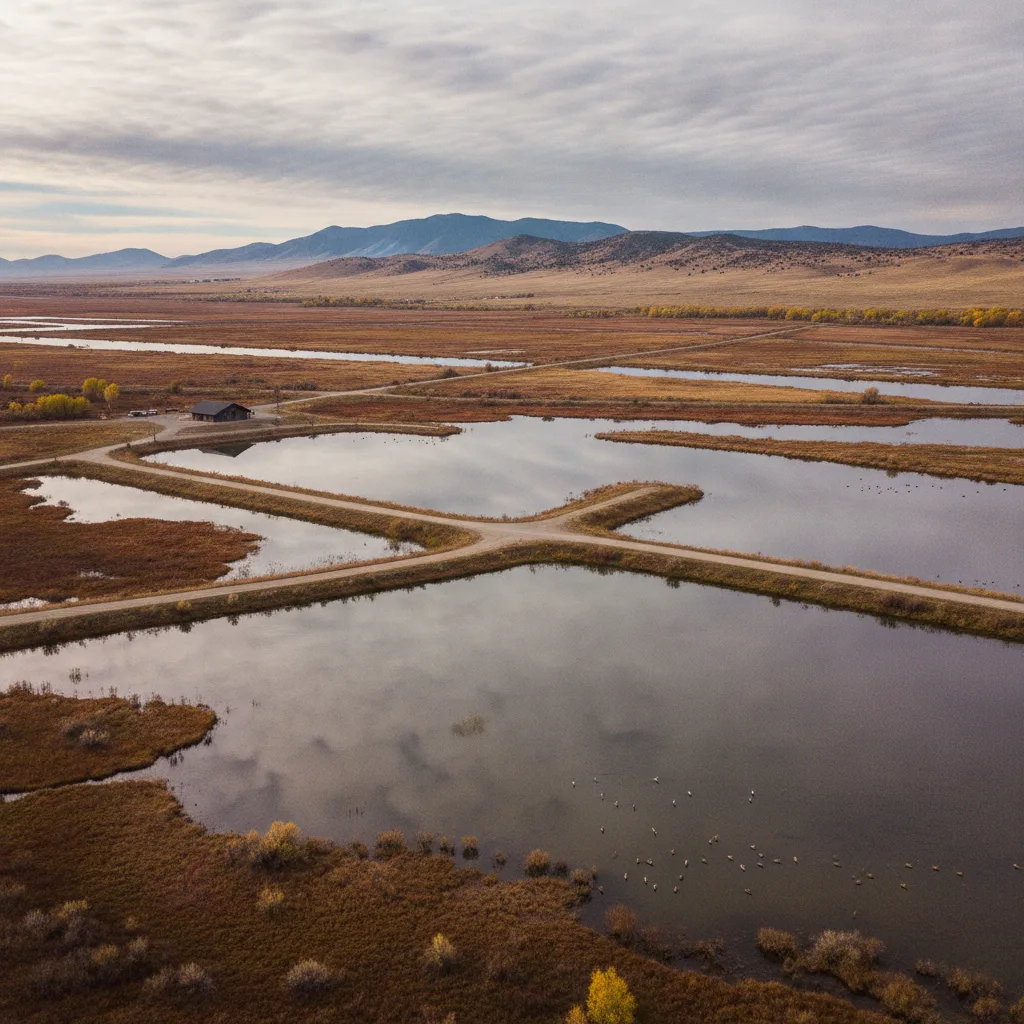
As the Roam States editorial team, we confidently assert that the Bear River Migratory Bird Refuge Utah is a truly exceptional destination for anyone seeking an immersive experience in one of North America's most vital wetland habitats. This critical wetland habitat along the Bear River hosts millions of migratory birds annually, offering exceptional birdwatching opportunities and a scenic auto tour. Situated where the Bear River empties into the northeastern arm of the Great Salt Lake, this refuge is an oasis for countless species, providing crucial resting, feeding, and nesting grounds. We've compiled this comprehensive guide to ensure your visit is as rewarding and seamless as possible.
Why Visit Bear River Migratory Bird Refuge
The Bear River Migratory Bird Refuge stands as a testament to the power and beauty of nature, drawing millions of birds and thousands of birdwatchers each year. This 77,000-acre federal wildlife preserve is a sanctuary for over 250 bird species, some residing year-round, while others make it a crucial stop on their vast migratory journeys. The refuge protects the largest freshwater component of the Great Salt Lake ecosystem, making it an indispensable resource for avian life in the Intermountain West.
Beyond the sheer spectacle of diverse bird populations, the refuge offers a profound connection to the natural world. It’s a place where the arid desert landscape gives way to vibrant marshes, creating a dynamic ecosystem teeming with life. We find that the opportunity to witness these natural processes firsthand, from the delicate dance of a snowy plover to the majestic flight of an American white pelican, is truly unparalleled. The refuge also plays a vital role in conservation, managed by the U.S. Fish and Wildlife Service to preserve this critical habitat for future generations. Whether you're a seasoned birder or simply looking to appreciate nature's grandeur, the Bear River Migratory Bird Refuge offers an experience that resonates deeply.
Who It's Best For
The Bear River Migratory Bird Refuge is a destination that truly caters to a diverse range of visitors, though it particularly shines for specific groups. It's an absolute must for **birdwatching enthusiasts** of all levels, from casual observers to dedicated ornithologists. With over 270 documented species, the opportunities for spotting unique and rare birds are immense.
We also highly recommend it for **wildlife photographers** seeking stunning natural backdrops and abundant subjects. The refuge’s expansive wetlands, diverse birdlife, and dramatic skies provide endless photographic possibilities.
Families with an interest in nature will find it incredibly rewarding, especially those with children who appreciate wildlife. The Visitor Center offers educational exhibits, and the shorter walking trails are manageable for younger explorers. For those with "antsy" young kids, the Visitor Center is an excellent starting point before committing to the longer auto tour. It’s a fantastic opportunity for environmental education and fostering an appreciation for conservation.
Additionally, **cyclists and hikers** will find enjoyment on the designated routes, allowing for a more active exploration of the refuge’s landscapes. Even those simply seeking a peaceful, scenic drive will appreciate the auto tour, offering a chance to unwind amidst nature without leaving their vehicle.
Getting There & Parking
Reaching the Bear River Migratory Bird Refuge is straightforward, with its convenient location near Brigham City, Utah. The refuge's Wildlife Education Center is situated just a quarter-mile west of I-15, accessible via Exit 363 (Forest Street exit). From I-15, simply head west about one block, and the Visitor Center will be on your left.
For those planning to experience the renowned auto tour, the entrance is located approximately 12 miles west of the Visitor Center, also off West Forest Street. The total round trip for the auto tour, including the drive to and from the Visitor Center, is about 36 miles.
Parking at the Bear River Migratory Bird Refuge is available in designated areas at the Visitor Center and along the auto tour route. We advise visitors to be mindful not to block access to roadways, parking lots, or kiosks. There are no fees to enter the refuge or use the auto tour route, making it an accessible outdoor activity. The Visitor Center's walking trails also have designated parking at the trailhead.
**Important 2026 Update:** Please be aware that the regular 12-mile Auto Tour Route is temporarily closed from Saturday, April 4, 2026, through mid-September 2026, due to a planned maintenance project on water control structures. During this period, an alternate 12-mile, one-way auto tour route is available. This alternate route will take visitors down the O-Line Canal Road and onto the D-Line Canal Road, offering glimpses of areas normally closed to the public and potentially unique wildlife sightings, including nesting birds. Maps for the alternate route are available at refuge kiosks and the Visitor Center. The Visitor Center is open Tuesday through Saturday, from 10:00 AM to 4:00 PM. The Auto Tour Route and walking trails are generally open sunrise to sunset, seven days a week.
Top Things to Do
When visiting the Bear River Migratory Bird Refuge, our team recommends focusing on activities that highlight its primary purpose: showcasing the incredible avian diversity and pristine wetland habitats. Here are the top things to do at Bear River Migratory Bird Refuge:
- Experience the Auto Tour Route: This is arguably the most popular activity and a must-do. The 12-mile, one-way gravel road winds through vast marsh and upland habitats, providing exceptional opportunities for wildlife viewing and photography from the comfort of your vehicle. Even with the temporary rerouting in 2026, the alternate route promises unique views of areas usually inaccessible. We recommend driving slowly (speed limit is 25 mph) to maximize bird sightings and fully appreciate the scenery. Allow 1.5 hours to half a day for this experience.
- Visit the Wildlife Education Center: Start your trip here to gain valuable context. The world-class Visitor Center features engaging displays about the birds and habitat of the Great Salt Lake ecosystem. You can watch the Refuge film "Wings of Thunder" or browse the Avocet Corner Nature Store. Knowledgeable staff are also on hand to answer questions. The Visitor Center is open Tuesday through Saturday, 10:00 AM to 4:00 PM.
- Walk the Nature Trails: Adjacent to the Visitor Center, several walking trails offer a chance to stretch your legs and get closer to the wetlands. The Wetland Wonders Trail is a 0.5-mile paved loop with a floating dock, while the Bulrush Bridge Trail is 0.75 miles, and the Marsh Meander Trail is 1.5 miles. These trails are flat and accessible, often revealing frogs and various bird species. Dogs are permitted on Visitor Center trails if leashed.
- Wildlife Observation and Photography: The refuge is a paradise for observing and photographing birds, butterflies, deer, toads, frogs, and weasels. Bring binoculars and a good camera. You can use your car as a photography blind on the auto tour or utilize the photography blind on the walking trails.
- Cycling: Biking is allowed on all public roadways, including West Forest Street and the Auto Tour Route. This offers a more active way to explore the refuge, with a 12-mile ride from the Visitor Center to the auto tour entrance, and then another 12 miles around the loop.
- Fishing and Hunting: Certain areas of the refuge are open for waterfowl and pheasant hunting during legal seasons, and fishing for channel catfish is available in designated river and canal systems. Consult the Utah Waterfowl Proclamation for specific regulations and seasons.
No matter your chosen activity, the Bear River Migratory Bird Refuge provides a rich canvas for nature appreciation.
Best Time to Visit
Timing your visit to the Bear River Migratory Bird Refuge can significantly enhance your experience, as the avian activity fluctuates throughout the year. Our team finds that each season offers something unique, but some periods are undeniably spectacular.
Spring (March-May) is often considered the prime time to visit. This is when the refuge truly comes alive with the spring migration, as thousands of tundra swans and numerous other species return from their wintering grounds. March and April are particularly excellent months for witnessing the tundra swans before they head north. You'll see birds in their vibrant breeding plumage, and there's a continuous flow of different species moving through the refuge. The Visitor Center's nature trails are also very active with birds and butterflies during this time.
Fall (September-November) is another incredible period, offering the reverse migration spectacle. Millions of birds again stop at the refuge to rest and feed before continuing their journey south. This season provides fantastic opportunities for birdwatching and photography as the wetlands are bustling with activity.
Summer (June-August) still offers plenty to see, especially for breeding and nesting birds. While the sheer numbers of migratory birds might be lower than peak migration, you'll have the chance to observe young birds and different species that make the refuge their summer home. The nature trails around the Visitor Center are particularly enjoyable in summer, with abundant birds, butterflies, and other creatures.
Winter (December-February), though colder, can provide unique viewing opportunities. Many raptors, like rough-legged hawks, return to the refuge, and you might spot great blue herons standing over ice holes. The auto tour route can offer closer views of birds during winter months.
Regardless of the season, the Auto Tour Route and walking trails are open sunrise to sunset, 365 days a year, weather and road conditions permitting. The Visitor Center maintains hours of Tuesday through Saturday, 10:00 AM to 4:00 PM.
Where to Stay Nearby
While camping is not permitted within the Bear River Migratory Bird Refuge itself, there are numerous comfortable and convenient lodging options in nearby towns. Our team recommends considering Brigham City as your primary base, given its proximity and range of amenities.
For those seeking hotels near Bear River Migratory Bird Refuge, Brigham City offers several reputable choices. Top-rated options include the Holiday Inn Express & Suites Brigham City - North Utah by IHG, Hampton Inn Brigham City, and the Best Western Brigham City Inn & Suites. These hotels often provide amenities like complimentary breakfast, indoor pools, and fitness centers, ensuring a comfortable stay.
Other nearby cities like Ogden (approximately 27 miles away) and Logan (approximately 15-17 miles away) also offer a wider selection of accommodations, including options like the Best Western Plus High Country Inn and La Quinta Inn & Suites by Wyndham Logan, which is pet-friendly. These cities provide more dining and entertainment options after a day of birding.
For a more home-like experience, vacation rentals such as houses, apartments, and condos are available in Brigham City, Ogden, and even closer towns like Corinne (just 12 miles from the refuge). These can be ideal for families or groups, often featuring full kitchens and laundry facilities.
If you're interested in camping near Bear River Migratory Bird Refuge, options like Brigham City KOA - On the Fruit Way and Willard Bay State Park offer facilities for RVs and tents. These campgrounds provide a great base for exploring the wider northern Utah area, including Antelope Island State Park and Golden Spike National Historical Park.
Sample 2-Day Itinerary
To truly appreciate the Bear River Migratory Bird Refuge and its surroundings, we recommend dedicating at least two days. This allows for a comprehensive exploration of the refuge and a taste of the local charm.
Day 1: Immersion in the Refuge
- Morning (9:00 AM - 12:00 PM): Visitor Center & Nature Trails
Begin your day at the Wildlife Education Center. Arrive shortly after its 10:00 AM opening (Tuesday-Saturday) to allow ample time to explore the exhibits, watch the "Wings of Thunder" film, and speak with staff about current bird sightings and conditions. Afterwards, embark on one or more of the accessible walking trails directly behind the center. The 0.5-mile Wetland Wonders Trail, 0.75-mile Bulrush Bridge Trail, or the 1.5-mile Marsh Meander Trail offer excellent opportunities for close-up bird and wildlife observation.
- Lunch (12:00 PM - 1:00 PM): Picnic at the Refuge
Pack a picnic lunch to enjoy at one of the designated picnic areas near the Visitor Center. This allows you to stay immersed in the natural setting and save time for more birding.
- Afternoon (1:00 PM - 5:00 PM): Auto Tour Route
Head out for the highlight of the refuge: the 12-mile Auto Tour Route. Remember, for 2026, you'll be using the alternate route, which still offers fantastic birding opportunities in previously inaccessible areas. Drive slowly, using your vehicle as a blind, and bring binoculars to spot everything from avocets to tundra swans. Allow at least 2-3 hours for the loop, plus the 12-mile drive to and from the Visitor Center.
- Evening: Dinner & Relaxation in Brigham City
Return to Brigham City for dinner. We suggest trying a local eatery. Afterwards, relax at your hotel, perhaps reviewing your bird checklist or planning for the next day's adventures.
Day 2: Local Exploration & Broader Utah Wonders
- Morning (9:00 AM - 12:00 PM): Brigham City & Nearby Attractions
Explore Brigham City's charming downtown. Visit the Brigham City Museum of Art & History to learn about the area's pioneer past and view local art. Consider a visit to the Box Elder County Courthouse or the historic Brigham City Tabernacle. Alternatively, if you're interested in space history, the ATK Thiokol Rocket Garden offers educational displays about the space shuttle boosters manufactured locally.
- Lunch (12:00 PM - 1:00 PM): Brigham City Dining
Enjoy lunch at another local Brigham City restaurant, perhaps sampling some of the region's famous peaches if visiting during late summer/early fall (Peach Days Festival).
- Afternoon (1:00 PM - 5:00 PM): Great Salt Lake or State Park
Depending on your interests, choose from a couple of options:
- Great Salt Lake Exploration: Head south to explore the northern reaches of the Great Salt Lake. You could visit the Bonneville Salt Flats for their surreal landscape (about an hour west of Brigham City) or drive to Antelope Island State Park, home to free-ranging bison and stunning lake views (about an hour south).
- Willard Bay State Park: Just 13 miles from the refuge, Willard Bay State Park offers opportunities for boating, swimming, and fishing on its warm waters. In winter, it's a noted wildlife watching area for nesting eagles.
- Evening: Departure or Extended Stay
Conclude your trip or opt to stay another night to explore more of Utah's incredible offerings. From here, you could easily continue your USA road trip to destinations like Arches National Park or Zion National Park.
Frequently Asked Questions about Bear River Migratory Bird Refuge Utah
Bear River Migratory Bird Refuge camping
Camping, fires, or overnight parking, including RVs, are strictly prohibited within the Bear River Migratory Bird Refuge. However, several nearby camping facilities are available. We recommend checking out Brigham City KOA - On the Fruit Way, which offers RV and tent sites and is conveniently located. Willard Bay State Park, just 13 miles from the refuge, also provides camping under tall cottonwood trees. Other options include facilities in Mantua and Willard.
things to do in Brigham City
Brigham City offers a variety of attractions beyond the refuge. Our team suggests exploring the historic downtown, visiting the Brigham City Museum of Art & History, and seeing the Box Elder County Courthouse or the Brigham City Tabernacle. For families, the ATK Thiokol Rocket Garden provides an interesting look into space exploration, and Crystal Hot Springs is a popular spot for relaxation. Brigham City also hosts annual events like the Peach Days Festival, celebrating its agricultural heritage.
Bear River Migratory Bird Refuge with kids
The Bear River Migratory Bird Refuge is an excellent destination for families with kids. We recommend starting at the Wildlife Education Center, which features engaging displays and a film, making it a great interactive learning experience. The paved, half-mile Wetland Wonders Trail near the Visitor Center is easy for little legs and offers opportunities to spot frogs and birds. While the full auto tour can be a commitment, the refuge manager suggests stopping at the Visitor Center before or after the drive for families with young, antsy children. Kids can also earn a Junior Ranger badge or Junior Ornithology pin.
best hotels near Bear River Migratory Bird Refuge
For the best hotels near Bear River Migratory Bird Refuge, our top recommendations in Brigham City include the Holiday Inn Express & Suites Brigham City - North Utah by IHG, Hampton Inn Brigham City, and Best Western Brigham City Inn & Suites. These properties consistently receive positive reviews for comfort and amenities like complimentary breakfast and pools. For a wider selection, consider hotels in Ogden or Logan, such as the Best Western Plus High Country Inn or La Quinta Inn & Suites by Wyndham Logan.
Bear River Migratory Bird Refuge tips
To make the most of your visit to Bear River Migratory Bird Refuge, we offer these essential tips:
- Check for 2026 Closures: The regular auto tour route is closed from April 4 to mid-September 2026 for maintenance, with an alternate route available. Confirm current conditions before you go.
- Bring Binoculars & Camera: These are indispensable for birdwatching and photography.
- Visit the Visitor Center First: It provides valuable context, maps, and current information.
- Drive Slowly on the Auto Tour: The 25 mph speed limit is for your benefit, allowing more opportunities to spot wildlife.
- Pack Water & Snacks: Especially for the auto tour, as services are limited.
- Dress in Layers: Weather can change quickly in the wetlands.
- Leash Your Dog: Dogs are allowed on Visitor Center walking trails but must be leashed.
where to stay near Bear River Migratory Bird Refuge
When deciding where to stay near Bear River Migratory Bird Refuge, Brigham City is the most convenient and recommended hub, offering a range of hotels and vacation rentals. Other nearby towns like Corinne (12 miles away) and Ogden (27 miles away) also provide accommodation options, including apartments and houses suitable for longer stays. For those preferring camping, Willard Bay State Park or the Brigham City KOA are excellent choices for tents and RVs.
The Bear River Migratory Bird Refuge stands as a premier destination for wildlife enthusiasts and a critical stop on any Utah itinerary. Its vast wetlands and diverse avian populations offer an unforgettable experience, whether you're driving the scenic auto tour or exploring the tranquil walking trails. We encourage you to plan your visit, embrace the natural beauty, and discover why this refuge is truly an oasis in the desert. For more information on planning your trip to the US, visit our Plan Your US Trip guide, and remember to consult official sources like the U.S. Fish & Wildlife Service and Visit Utah for the most current information.
Last updated: 2026-07-13 by the Roam States team.