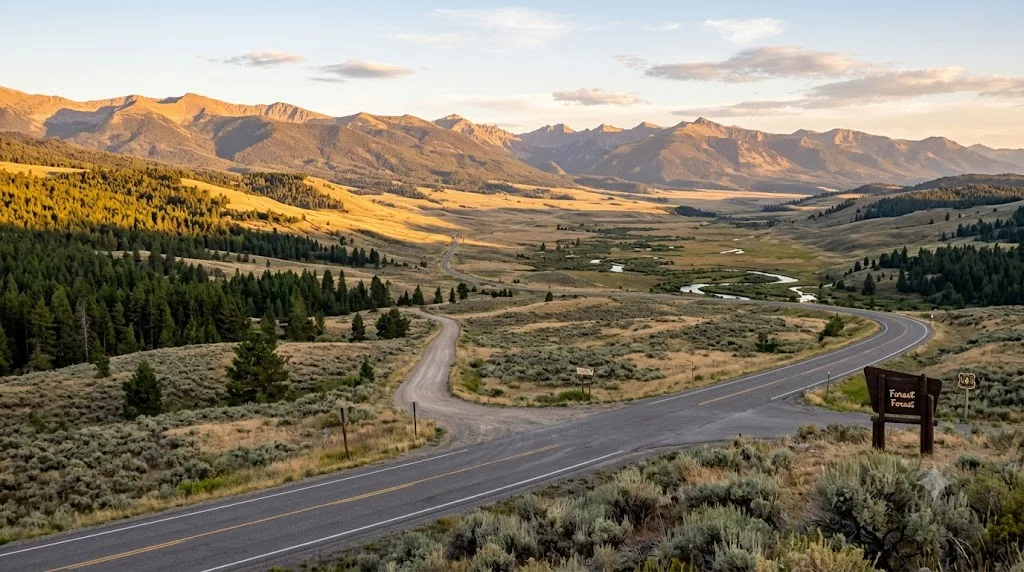
Our Big Hole Pass guide covers practical planning for Big Hole Pass Montana — best time to visit, getting there, and what to do on the ground. We've compiled our expert insights to help you navigate this stunning corner of Southwest Montana, ensuring a memorable and well-prepared adventure. From scenic drives to historical reflections, our team has scouted the best of what this high mountain pass offers for every kind of traveler.
Why Visit Big Hole Pass
For those seeking raw, untamed Montana beauty, Big Hole Pass Montana is an essential stop. This isn't just a road connecting two points; it's a journey through a landscape steeped in history and natural splendor. As you ascend, the views unfurl, revealing the vast expanse of the Beaverhead-Deerlodge National Forest and the sweeping Big Hole Valley. We find ourselves repeatedly drawn to the pass not just for its breathtaking vistas but for the profound sense of solitude and connection to the wild that it offers. It serves as a gateway to both the rugged mountains of the Bitterroot Range and the serene, expansive valleys that define this part of the state, making it a perfect base for exploration or a scenic drive in its own right.
Beyond the panoramic views, the area surrounding Big Hole Pass is rich with historical significance, particularly related to the Nez Perce War. The nearby Big Hole National Battlefield offers a poignant look into a pivotal moment in American history, adding a layer of depth to the natural beauty. We believe that understanding the land often means understanding its past, and this region provides ample opportunity for both. Whether you're a history buff, an avid photographer, or simply someone looking to escape the hustle and bustle, Big Hole Pass delivers an experience that is both visually stunning and intellectually engaging.
Who It's Best For
Big Hole Pass is ideal for a diverse range of travelers, but it particularly shines for those with a love for the outdoors, history, and a desire for genuine tranquility. We recommend it highly for:
- **Road Trippers:** The pass itself is a scenic drive, perfect for those traversing Montana or connecting to Idaho. Its stunning views make it a memorable leg of any journey through the American West.
- **History Enthusiasts:** With the Big Hole National Battlefield just a short drive away, this area offers a powerful connection to the Nez Perce War and the broader history of the American frontier.
- **Hikers & Backpackers:** The surrounding Beaverhead-Deerlodge National Forest provides countless trails, from easy day hikes to challenging multi-day treks. The pristine wilderness offers opportunities for solitude and immersion in nature.
- **Wildlife Viewers:** The diverse ecosystems around the pass are home to elk, deer, moose, and various bird species. Early mornings and late evenings often provide the best chances for sightings.
- **Photographers:** The dramatic landscapes, changing seasons, and historical sites offer endless photographic opportunities, from sweeping panoramas to intricate details of flora and fauna.
- **Families Seeking Adventure:** While some activities might be too strenuous for very young children, older kids will appreciate the history, the chance to spot wildlife, and the sheer grandeur of the mountains.
If you're looking for a destination with bustling nightlife or extensive resort amenities, Big Hole Pass might not be your primary focus. However, if your idea of a perfect getaway involves fresh mountain air, awe-inspiring views, and a deep dive into nature and history, then our team wholeheartedly recommends adding Big Hole Pass to your Montana itinerary.
Getting There & Parking
Understanding how to get to Big Hole Pass and where to park is crucial for a smooth trip. This high mountain pass is located in Southwest Montana, straddling the Continental Divide and connecting the Big Hole Valley with Idaho via Montana Highway 43. It's a truly scenic route, but preparedness is key, especially depending on the season.
Driving to Big Hole Pass
The primary way to access Big Hole Pass is by vehicle. Montana Highway 43 is generally well-maintained, but conditions can vary significantly with the weather. From the east, you'll typically approach from Dillon, Montana, taking Montana Highway 278 west to Wisdom, and then connecting to Montana Highway 43 west. From the west, you'll likely come from Salmon, Idaho, taking Idaho State Highway 28 north, which becomes Montana Highway 43 as you cross the state line into Montana.
For those flying in, the nearest major airports are:
- **Missoula International Airport (MSO):** Approximately a 3-hour drive to the north.
- **Bozeman Yellowstone International Airport (BZN):** Approximately a 3.5-hour drive to the east.
- **Idaho Falls Regional Airport (IDA):** Approximately a 3-hour drive to the south in Idaho.
We highly recommend renting a car, preferably one with good ground clearance, especially if you plan to explore unpaved forest service roads in the area. Four-wheel drive is advisable during shoulder seasons or if venturing off the main highway. Always check road conditions before you depart, particularly in spring and fall, as early snow can impact accessibility.
Big Hole Pass Parking
Parking at Big Hole Pass itself is generally straightforward. There are pull-offs and small designated parking areas at the summit and along scenic viewpoints, allowing visitors to stop, take photos, and enjoy the scenery. These spots are typically free of charge and do not require reservations.
If you plan to hike, specific trailheads in the surrounding Beaverhead-Deerlodge National Forest will have their own parking areas. These are usually well-marked. We've found that even during peak summer months, finding a spot for a standard vehicle is rarely an issue, given the vastness of the area and the spread-out nature of attractions. However, for larger RVs or trailers, some pull-offs might be tighter. There are no specific fees associated with parking directly at Big Hole Pass as of 2026.
Always ensure your vehicle is completely off the main roadway when parked, and be mindful of any signage regarding parking restrictions, especially near private land or active logging operations.
Top Things to Do
The area around Big Hole Pass Montana is a playground for outdoor enthusiasts and history buffs alike. Our team has explored many facets of this region, and we’re excited to share our top recommendations for things to do at Big Hole Pass and in the broader Southwest Montana landscape.
Explore the Big Hole National Battlefield
Just a short drive from the pass, the Big Hole National Battlefield is a powerful and somber site commemorating the 1877 battle between the U.S. Army and the Nez Perce people. We consider this a must-visit for anyone in the area. The visitor center provides excellent exhibits and a film, and interpretive trails lead through the battlefield, offering a profound sense of the historical events. As of 2026, the battlefield is open daily from 9:00 AM to 5:00 PM during the summer season (typically late May through September), with reduced hours in the off-season. There are no entrance fees.
Scenic Drives
The drive over Big Hole Pass itself on Montana Highway 43 is incredibly scenic, offering panoramic views of the Big Hole Valley and the surrounding mountains. But don't stop there! Consider these additional scenic routes:
- **Pioneer Mountains Scenic Byway:** Accessible from nearby Wisdom, this byway winds through the Pioneer Mountains, offering stunning alpine scenery, wildlife viewing opportunities, and access to numerous trailheads.
- **Skalkaho Pass Road (Highway 38):** While a bit further north, this seasonal road (usually open late May/early June through October) connects the Bitterroot Valley with the Philipsburg area, featuring the impressive Skalkaho Falls. It’s a rugged, unpaved road in sections, so a high-clearance vehicle is recommended.
Hiking and Backpacking
The Beaverhead-Deerlodge National Forest, which encompasses Big Hole Pass, offers an incredible network of trails. Whether you're looking for a short stroll or a multi-day wilderness excursion, there are abundant things to do at Big Hole Pass for hikers. Some of our favorite areas include:
- **Continental Divide Trail:** Sections of the CDT are accessible near Big Hole Pass, offering challenging and rewarding hikes with incredible views.
- **Lost Trail Pass Area:** Just a bit north, this area provides access to trails leading into the Bitterroot Wilderness.
- **Local Forest Service Trails:** Numerous marked and unmarked trails branch off from Highway 43 and surrounding forest roads. Always carry a map and be aware of your surroundings, as this is true wilderness.
Fishing
The Big Hole River, flowing through the valley below the pass, is renowned as one of Montana's premier fly-fishing destinations. It's famous for its healthy populations of brown trout, rainbow trout, cutthroat trout, and arctic grayling. Numerous access points are available along Highway 43 and other local roads. A valid Montana fishing license is required, which can be purchased online or at local sporting goods stores.
Wildlife Viewing
The diverse habitats around Big Hole Pass support a rich array of wildlife. Keep an eye out for elk, deer, moose, black bears, and various bird species, including raptors. Early mornings and late evenings are often the best times for wildlife sightings. Remember to maintain a safe distance and never approach wild animals.
Visit Nearby Towns
While the wilderness is the main draw, exploring the charming small towns in Southwest Montana adds another layer to your trip:
- **Wisdom:** A small, historic ranching community in the heart of the Big Hole Valley, offering a glimpse into authentic Montana life.
- **Jackson:** Known for its hot springs, Jackson offers a relaxing soak after a day of exploring.
- **Dillon:** A larger town with more services, including restaurants, shops, and a university. It’s a good base for resupplying.
For those looking to extend their adventure in Montana, we also highly recommend exploring other iconic destinations like Glacier National Park to the north, Yellowstone National Park (North) to the southeast, or experiencing the vibrant outdoor scene around Big Sky Resort. These destinations, while further afield, represent the pinnacle of things to do in Southwest Montana and beyond.
Best Time to Visit
Choosing the best time to visit Big Hole Pass significantly impacts your experience, as Montana's seasons bring dramatic changes to the landscape and accessibility. Our team has experienced the pass in various conditions, and here's our breakdown:
Summer (June - September)
We consider summer the prime time to visit Big Hole Pass. The weather is generally warm and pleasant, with long daylight hours. All roads, including Montana Highway 43 over the pass and most forest service roads, are typically open and clear of snow. This is the best time for hiking, fishing, camping, and exploring the Big Hole National Battlefield. Wildflowers are often in bloom in July, adding vibrant color to the landscape. However, summer is also the busiest season, so expect more visitors, especially on weekends. It's also wildfire season, so keep an eye on air quality reports and potential fire restrictions.
Fall (Late September - October)
Fall is a spectacular, albeit shorter, window. The aspens and cottonwoods in the valleys turn brilliant shades of gold, creating stunning photographic opportunities. The crowds thin out, and wildlife activity often increases as animals prepare for winter. Temperatures are cooler and can be crisp, making for excellent hiking weather. However, snow can begin to fall at higher elevations in October, and some forest service roads may close. Always check weather and road conditions before heading out.
Spring (May - Early June)
Spring is a transitional period. While the Big Hole Valley begins to green up, Big Hole Pass and higher elevations can still be snow-covered. Montana Highway 43 typically clears by late May or early June, but some side roads may remain impassable. This is a quieter time to visit, with fewer crowds, but accessibility for certain activities like high-elevation hiking will be limited. It's a great time for wildlife viewing as animals emerge from winter.
Winter (November - April)
Winter transforms Big Hole Pass into a snowy wonderland, but accessibility becomes a major concern. While Montana Highway 43 over the pass generally remains open year-round, it can be subject to temporary closures during heavy snowfall or blizzards. Many side roads and trailheads will be completely snowed in and impassable for standard vehicles. This season is best for experienced winter recreationists, such as cross-country skiers or snowmobilers, who are prepared for extreme cold and challenging conditions. We do not recommend winter travel over the pass for casual visitors due to potential hazards and limited services.
Our expert verdict: For most travelers, **late June through September** offers the most reliable weather and full access to all activities. If you prioritize fall foliage and fewer crowds, aim for late September to early October, but be prepared for cooler temperatures and potential early snow.
Expert Verdict: For optimal conditions and full access to activities, we recommend visiting Big Hole Pass between late June and September.
Where to Stay Nearby
When planning your trip to Big Hole Pass, understanding Big Hole Pass lodging options is key. While there are no hotels directly on the pass itself, several charming towns in the surrounding Big Hole Valley and beyond offer a range of accommodations, from rustic cabins to comfortable motels. Our team recommends choosing a base that suits your style of travel and provides convenient access to the areas you wish to explore.
Wisdom, Montana
Located in the heart of the Big Hole Valley, Wisdom is the closest town to Big Hole Pass and offers a genuine taste of rural Montana. Lodging options here are limited but authentic. You'll find a few small motels, cabin rentals, and potentially some vacation rentals. It's an excellent choice if you want to be immersed in the valley's quiet charm and have quick access to the Big Hole National Battlefield and the pass itself. As of 2026, expect cozy, no-frills accommodations.
Jackson, Montana
A short drive south of Wisdom, Jackson is famous for its natural hot springs. The Jackson Hot Springs Lodge offers a unique experience, combining lodging with access to the mineral-rich waters. This is a fantastic option if you're looking to relax and rejuvenate after a day of hiking or exploring. Beyond the lodge, a few other local accommodations might be available.
Dillon, Montana
Approximately an hour's drive east of Big Hole Pass, Dillon is a larger town and serves as a regional hub. Here, you'll find a wider selection of Big Hole Pass lodging, including chain motels, independent hotels, and more dining and shopping options. Dillon is a good base if you prefer more amenities and services, and it offers convenient access to the eastern side of the Beaverhead-Deerlodge National Forest and the Pioneer Mountains Scenic Byway.
Salmon, Idaho
If you're approaching Big Hole Pass from the west (Idaho side), Salmon is the closest sizable town. Located about an hour's drive from the pass, Salmon offers various hotels, motels, and restaurants. It's a good option if you plan to explore both sides of the Continental Divide or are continuing your journey into central Idaho.
Camping
For those who prefer to sleep under the stars, the Beaverhead-Deerlodge National Forest offers numerous primitive and developed campgrounds. Many are first-come, first-served, while some may offer reservations through Recreation.gov. We strongly recommend checking the US Forest Service website for specific campground information, including operating dates, fees (if any), and availability for 2026. Dispersed camping is also permitted in many areas of the national forest, provided you follow Leave No Trace principles.
Regardless of where you choose for your Big Hole Pass lodging, we advise booking well in advance, especially if traveling during the peak summer months, as options can be limited in this remote region.
Sample 2-Day Itinerary
To help you make the most of your visit, our team has crafted a sample 2-day itinerary for Big Hole Pass Montana. This plan balances scenic drives, historical exploration, and outdoor activities, ensuring a comprehensive experience.
Day 1: History and High Mountain Views
- **Morning (9:00 AM - 12:00 PM):** Arrive in the Big Hole Valley and head directly to the Big Hole National Battlefield. Spend the morning exploring the visitor center exhibits and walking the interpretive trails to understand the site's profound history. Allow at least 2-3 hours for a thorough visit.
- **Lunch (12:00 PM - 1:00 PM):** Enjoy a packed lunch amidst the serene valley or grab a bite at one of the limited local eateries in Wisdom.
- **Afternoon (1:00 PM - 5:00 PM):** Drive over Big Hole Pass on Montana Highway 43. Stop at various pull-offs to soak in the panoramic views of the Beaverhead-Deerlodge National Forest and the Big Hole Valley. Consider a short, easy hike from one of the roadside trailheads to stretch your legs and get a deeper sense of the mountain environment.
- **Evening (5:00 PM onwards):** Check into your Big Hole Pass lodging in Wisdom or Jackson. Enjoy a quiet dinner at your accommodation or a local restaurant. If staying in Jackson, consider a relaxing soak in the hot springs.
Day 2: Outdoor Adventure and Scenic Exploration
- **Morning (8:00 AM - 1:00 PM):** Dedicate your morning to an outdoor adventure. Choose from:
- **Option A (Hiking):** Head to a trailhead in the Beaverhead-Deerlodge National Forest, perhaps a section of the Continental Divide Trail, for a more challenging half-day hike.
- **Option B (Fishing):** Spend the morning fly-fishing on the renowned Big Hole River. Hire a local guide for the best experience or find a public access point.
- **Option C (Scenic Drive & Short Walks):** Drive a portion of the Pioneer Mountains Scenic Byway, stopping for short walks and wildlife viewing opportunities.
- **Lunch (1:00 PM - 2:00 PM):** Enjoy a picnic lunch at a scenic spot or return to one of the nearby towns for a meal.
- **Afternoon (2:00 PM - 5:00 PM):** Depending on your departure plans, you could:
- Revisit a favorite viewpoint on Big Hole Pass.
- Explore more of the Big Hole Valley, perhaps visiting a local ranch or gallery if available.
- Begin your journey to your next destination, whether it's further into Montana to places like our guide to the best places in Montana, or across the border into Idaho.
- **Evening:** Depart or enjoy a final evening in the tranquility of Southwest Montana.
This itinerary is flexible and can be adapted based on your interests and the amount of time you have. Remember to factor in driving times, as distances in Montana can be significant, and always check local conditions, especially for hiking trails and river access.
Is It Worth Visiting?
As the Roam States editorial team, we often weigh the value of a destination against the effort required to reach it. When it comes to Big Hole Pass, our resounding answer is yes, it is absolutely worth visiting. This isn't a destination for those seeking bustling cities or curated theme park experiences, but for travelers who appreciate raw natural beauty, profound history, and genuine solitude, Big Hole Pass delivers in spades.
The sheer scale of the landscape, from the expansive Big Hole Valley to the rugged peaks of the Beaverhead-Deerlodge National Forest, is breathtaking. The drive over the pass itself is a journey through ever-changing vistas, each more spectacular than the last. We find that the quiet majesty of this region allows for a deep connection with nature that is increasingly rare. Beyond the scenery, the proximity to the Big Hole National Battlefield adds a crucial historical dimension, offering a powerful and educational experience that complements the natural wonders. Is Big Hole Pass worth visiting for a quick drive-through? Yes, for the views alone. Is it worth visiting for a deeper exploration? Absolutely, for the hiking, fishing, and historical immersion it provides.
For those who value authenticity over artifice, who seek adventure on winding mountain roads and quiet reflection in historic landscapes, Big Hole Pass is an unparalleled destination. It embodies the spirit of wild Montana, offering an escape that rejuvenates the soul and expands the mind. We confidently recommend adding Big Hole Pass to your travel plans for an unforgettable experience.
FAQ Longtails
Big Hole Pass with kids
Visiting Big Hole Pass with kids can be a rewarding experience, especially for families who enjoy outdoor activities and history. The Big Hole National Battlefield offers engaging interpretive trails that are manageable for most children, providing a valuable history lesson. For younger kids, scenic drives with frequent stops at pull-offs for views and short, easy walks are ideal. Older children will enjoy more challenging hikes in the surrounding national forest and the chance to spot wildlife like deer and elk. We recommend packing plenty of snacks, water, and entertainment for car rides, and always supervise children closely, especially near roadsides or in wilderness areas. There are no playgrounds or specific kid-centric attractions directly on the pass, but the natural environment offers endless opportunities for exploration.
Best hotels near Big Hole Pass
The best hotels near Big Hole Pass are primarily found in the nearby towns. In Wisdom, you'll find small, locally-owned motels and cabin rentals that offer a rustic and authentic Montana experience. Jackson, a short drive south of Wisdom, is home to the Jackson Hot Springs Lodge, which combines accommodation with access to natural hot springs. For a wider selection of services and chain hotels, Dillon, about an hour east, is your best bet. Salmon, Idaho, to the west, also offers various lodging options. Our team advises booking well in advance, particularly during peak summer season, as choices are limited in this remote region. Consider vacation rentals for a more home-like stay if traveling with a family or group.
Big Hole Pass tips
Our top Big Hole Pass tips for a successful trip include: always check road conditions, especially during spring and fall, as snow can impact accessibility; pack layers of clothing, as mountain weather can change rapidly; bring plenty of water and snacks, as services are very limited on the pass itself; carry a detailed map or download offline maps, as cell service can be spotty; be prepared for wildlife encounters by maintaining a safe distance; and practice Leave No Trace principles to preserve the natural beauty. If hiking, inform someone of your plans and estimated return time. Finally, take your time and savor the views – this is a place meant for slow travel and appreciation.
Where to stay near Big Hole Pass
When considering where to stay near Big Hole Pass, your options will be in the small, charming towns surrounding the pass or in the numerous campgrounds within the Beaverhead-Deerlodge National Forest. Wisdom, Montana, is the closest town, offering a few local motels and cabin rentals. Jackson, Montana, provides a unique stay at the Jackson Hot Springs Lodge. For more amenities and a broader selection of hotels, consider Dillon, Montana, to the east, or Salmon, Idaho, to the west. For budget-friendly and immersive experiences, numerous national forest campgrounds are available, some reservable and others first-come, first-served. We recommend researching and booking your Big Hole Pass lodging ahead of time, especially during the busy summer months.
Big Hole Pass parking
Big Hole Pass parking is generally available and straightforward. There are several designated pull-offs and small parking areas at the summit and along scenic viewpoints on Montana Highway 43. These spots are typically free of charge and do not require reservations as of 2026. For specific trailheads within the Beaverhead-Deerlodge National Forest, you'll find dedicated parking lots. We advise ensuring your vehicle is completely off the main roadway when parked and being mindful of any signage. Even during peak season, finding a parking spot for standard vehicles is usually not an issue due to the expansive nature of the area.
Best time to visit Big Hole Pass
The best time to visit Big Hole Pass is during the summer months, from late June through September. During this period, the weather is generally warm and pleasant, all roads (including the pass itself and most forest service roads) are typically clear of snow, and all outdoor activities like hiking and fishing are fully accessible. Wildflowers are abundant in July, and the Big Hole National Battlefield is open with full services. Fall (late September to October) offers stunning foliage and fewer crowds but brings cooler temperatures and the possibility of early snow. Spring and winter present more challenging conditions, with potential road closures and limited access to trails due to snow.
From the Roam States team, we hope this guide inspires your journey to Big Hole Pass. This corner of Montana, with its profound history and unparalleled natural beauty, truly offers a travel experience unlike any other. Whether you're passing through or making it a destination, the Big Hole Pass Montana region promises stunning views, rich history, and a deep connection to the American West.
Last updated: 2026-07-07 by the Roam States team.
Our Big Hole Pass guide covers practical planning for Big Hole Pass Montana — best time to visit, getting there, and what to do on the ground. We've compiled our expert insights to help you navigate this stunning corner of Southwest Montana, ensuring a memorable and well-prepared adventure. From scenic drives to historical reflections, our team has scouted the best of what this high mountain pass offers for every kind of traveler.
Why Visit Big Hole Pass
For those seeking raw, untamed Montana beauty, Big Hole Pass Montana is an essential stop. This isn't just a road connecting two points; it's a journey through a landscape steeped in history and natural splendor. As you ascend, the views unfurl, revealing the vast expanse of the Beaverhead-Deerlodge National Forest and the sweeping Big Hole Valley. We find ourselves repeatedly drawn to the pass not just for its breathtaking vistas but for the profound sense of solitude and connection to the wild that it offers. It serves as a gateway to both the rugged mountains of the Bitterroot Range and the serene, expansive valleys that define this part of the state, making it a perfect base for exploration or a scenic drive in its own right.
Beyond the panoramic views, the area surrounding Big Hole Pass is rich with historical significance, particularly related to the Nez Perce War. The nearby Big Hole National Battlefield offers a poignant look into a pivotal moment in American history, adding a layer of depth to the natural beauty. We believe that understanding the land often means understanding its past, and this region provides ample opportunity for both. Whether you're a history buff, an avid photographer, or simply someone looking to escape the hustle and bustle, Big Hole Pass delivers an experience that is both visually stunning and intellectually engaging.
Who It's Best For
Big Hole Pass is ideal for a diverse range of travelers, but it particularly shines for those with a love for the outdoors, history, and a desire for genuine tranquility. We recommend it highly for:
- **Road Trippers:** The pass itself is a scenic drive, perfect for those traversing Montana or connecting to Idaho. Its stunning views make it a memorable leg of any journey through the American West.
- **History Enthusiasts:** With the Big Hole National Battlefield just a short drive away, this area offers a powerful connection to the Nez Perce War and the broader history of the American frontier.
- **Hikers & Backpackers:** The surrounding Beaverhead-Deerlodge National Forest provides countless trails, from easy day hikes to challenging multi-day treks. The pristine wilderness offers opportunities for solitude and immersion in nature.
- **Wildlife Viewers:** The diverse ecosystems around the pass are home to elk, deer, moose, and various bird species. Early mornings and late evenings often provide the best chances for sightings.
- **Photographers:** The dramatic landscapes, changing seasons, and historical sites offer endless photographic opportunities, from sweeping panoramas to intricate details of flora and fauna.
- **Families Seeking Adventure:** While some activities might be too strenuous for very young children, older kids will appreciate the history, the chance to spot wildlife, and the sheer grandeur of the mountains.
If you're looking for a destination with bustling nightlife or extensive resort amenities, Big Hole Pass might not be your primary focus. However, if your idea of a perfect getaway involves fresh mountain air, awe-inspiring views, and a deep dive into nature and history, then our team wholeheartedly recommends adding Big Hole Pass to your Montana itinerary.
Getting There & Parking
Understanding how to get to Big Hole Pass and where to park is crucial for a smooth trip. This high mountain pass is located in Southwest Montana, straddling the Continental Divide and connecting the Big Hole Valley with Idaho via Montana Highway 43. It's a truly scenic route, but preparedness is key, especially depending on the season.
Driving to Big Hole Pass
The primary way to access Big Hole Pass is by vehicle. Montana Highway 43 is generally well-maintained, but conditions can vary significantly with the weather. From the east, you'll typically approach from Dillon, Montana, taking Montana Highway 278 west to Wisdom, and then connecting to Montana Highway 43 west. From the west, you'll likely come from Salmon, Idaho, taking Idaho State Highway 28 north, which becomes Montana Highway 43 as you cross the state line into Montana.
For those flying in, the nearest major airports are:
- **Missoula International Airport (MSO):** Approximately a 3-hour drive to the north.
- **Bozeman Yellowstone International Airport (BZN):** Approximately a 3.5-hour drive to the east.
- **Idaho Falls Regional Airport (IDA):** Approximately a 3-hour drive to the south in Idaho.
We highly recommend renting a car, preferably one with good ground clearance, especially if you plan to explore unpaved forest service roads in the area. Four-wheel drive is advisable during shoulder seasons or if venturing off the main highway. Always check road conditions before you depart, particularly in spring and fall, as early snow can impact accessibility. The Montana Department of Transportation (MDT) provides road condition reports, which are updated during the winter reporting season (November through April) twice daily or as major changes occur.
Big Hole Pass Parking
Parking at Big Hole Pass itself is generally straightforward. There are pull-offs and small designated parking areas at the summit and along scenic viewpoints, allowing visitors to stop, take photos, and enjoy the scenery. These spots are typically free of charge and do not require reservations.
If you plan to hike, specific trailheads in the surrounding Beaverhead-Deerlodge National Forest will have their own parking areas. These are usually well-marked. We've found that even during peak summer months, finding a spot for a standard vehicle is rarely an issue, given the vastness of the area and the spread-out nature of attractions. However, for larger RVs or trailers, some pull-offs might be tighter. There are no specific fees associated with parking directly at Big Hole Pass as of 2026.
Always ensure your vehicle is completely off the main roadway when parked, and be mindful of any signage regarding parking restrictions, especially near private land or active logging operations.
Top Things to Do
The area around Big Hole Pass Montana is a playground for outdoor enthusiasts and history buffs alike. Our team has explored many facets of this region, and we’re excited to share our top recommendations for things to do at Big Hole Pass and in the broader Southwest Montana landscape.
Explore the Big Hole National Battlefield
Just a short drive from the pass, the Big Hole National Battlefield is a powerful and somber site commemorating the 1877 battle between the U.S. Army and the Nez Perce people. We consider this a must-visit for anyone in the area. The visitor center provides excellent exhibits and a film, and interpretive trails lead through the battlefield, offering a profound sense of the historical events. As of 2026, the battlefield's visitor center is open Sunday and Wednesday-Saturday from 9:00 AM to 5:00 PM during the summer season, and Tuesday-Saturday from 10:00 AM to 5:00 PM during winter hours (October 12–May 22). It is closed on Mondays and Tuesdays during summer, and Sundays and Mondays during winter. The park grounds are open sunrise to sunset daily. There are no entrance fees to access Big Hole National Battlefield.
Scenic Drives
The drive over Big Hole Pass itself on Montana Highway 43 is incredibly scenic, offering panoramic views of the Big Hole Valley and the surrounding mountains. But don't stop there! Consider these additional scenic routes:
- **Pioneer Mountains Scenic Byway:** Accessible from nearby Wisdom, this byway winds through the Pioneer Mountains, offering stunning alpine scenery, wildlife viewing opportunities, and access to numerous trailheads.
- **Skalkaho Pass Road (Highway 38):** While a bit further north, this seasonal road (typically closed during winter months) connects the Bitterroot Valley with the Philipsburg area, featuring the impressive Skalkaho Falls. It’s a rugged, unpaved road in sections, so a high-clearance vehicle is recommended.
Hiking and Backpacking
The Beaverhead-Deerlodge National Forest, which encompasses Big Hole Pass, offers an incredible network of trails. Whether you're looking for a short stroll or a multi-day wilderness excursion, there are abundant things to do at Big Hole Pass for hikers. Some of our favorite areas include:
- **Continental Divide Trail:** Sections of the CDT are accessible near Big Hole Pass, offering challenging and rewarding hikes with incredible views. The pass itself is traversed by the Continental Divide Trail.
- **Lost Trail Pass Area:** Just a bit north, this area provides access to trails leading into the Bitterroot Wilderness.
- **Local Forest Service Trails:** Numerous marked and unmarked trails branch off from Highway 43 and surrounding forest roads. Always carry a map and be aware of your surroundings, as this is true wilderness. The Nez Perce Camp Trail at the Big Hole National Battlefield is a 1.6-mile round-trip trail over relatively flat terrain, often accessible for wheelchair users with assistance.
Fishing
The Big Hole River, flowing through the valley below the pass, is renowned as one of Montana's premier fly-fishing destinations. It's famous for its healthy populations of brown trout, rainbow trout, cutthroat trout, and arctic grayling. Numerous access points are available along Highway 43 and other local roads. A valid Montana fishing license is required. As of 2026, Montana fishing licenses are available for online purchase via the FWP website. Special regulations, such as catch-and-release, artificial lures only, and barbless hooks, are in place on certain sections of the Big Hole River, particularly for brown trout below Dickie Bridge where the daily limit is zero. Emergency fishing restrictions may also be adopted in response to biological or environmental conditions.
Wildlife Viewing
The diverse habitats around Big Hole Pass support a rich array of wildlife. Keep an eye out for elk, deer, moose, black bears, and various bird species, including raptors. Early mornings and late evenings are often the best times for wildlife sightings. Remember to maintain a safe distance and never approach wild animals.
Visit Nearby Towns
While the wilderness is the main draw, exploring the charming small towns in Southwest Montana adds another layer to your trip:
- **Wisdom:** A small, historic ranching community in the heart of the Big Hole Valley, offering a glimpse into authentic Montana life.
- **Jackson:** Known for its hot springs, Jackson offers a relaxing soak after a day of exploring.
- **Dillon:** A larger town with more services, including restaurants, shops, and a university. It’s a good base for resupplying.
For those looking to extend their adventure in Montana, we also highly recommend exploring other iconic destinations like Glacier National Park to the north, Yellowstone National Park (North) to the southeast, or experiencing the vibrant outdoor scene around Big Sky Resort. These destinations, while further afield, represent the pinnacle of things to do in Southwest Montana and beyond.
Best Time to Visit
Choosing the best time to visit Big Hole Pass significantly impacts your experience, as Montana's seasons bring dramatic changes to the landscape and accessibility. Our team has experienced the pass in various conditions, and here's our breakdown:
Summer (June - September)
We consider summer the prime time to visit Big Hole Pass. The weather is generally warm and pleasant, with long daylight hours. All roads, including Montana Highway 43 over the pass and most forest service roads, are typically open and clear of snow. This is the best time for hiking, fishing, camping, and exploring the Big Hole National Battlefield. Wildflowers are often in bloom in July, adding vibrant color to the landscape. However, summer is also the busiest season, so expect more visitors, especially on weekends. It's also wildfire season, so keep an eye on air quality reports and potential fire restrictions.
Fall (Late September - October)
Fall is a spectacular, albeit shorter, window. The aspens and cottonwoods in the valleys turn brilliant shades of gold, creating stunning photographic opportunities. The crowds thin out, and wildlife activity often increases as animals prepare for winter. Temperatures are cooler and can be crisp, making for excellent hiking weather. However, snow can begin to fall at higher elevations in October, and some forest service roads may close. Always check weather and road conditions before heading out.
Spring (May - Early June)
Spring is a transitional period. While the Big Hole Valley begins to green up, Big Hole Pass and higher elevations can still be snow-covered. Montana Highway 43 typically clears by late May or early June, but some side roads may remain impassable. This is a quieter time to visit, with fewer crowds, but accessibility for certain activities like high-elevation hiking will be limited. It's a great time for wildlife viewing as animals emerge from winter.
Winter (November - April)
Winter transforms Big Hole Pass into a snowy wonderland, but accessibility becomes a major concern. While Montana Highway 43 over the pass generally remains open year-round, it can be subject to temporary closures during heavy snowfall or blizzards. Many side roads and trailheads will be completely snowed in and impassable for standard vehicles. This season is best for experienced winter recreationists, such as cross-country skiers or snowmobilers, who are prepared for extreme cold and challenging conditions. We do not recommend winter travel over the pass for casual visitors due to potential hazards and limited services.
Our expert verdict: For most travelers, **late June through September** offers the most reliable weather and full access to all activities. If you prioritize fall foliage and fewer crowds, aim for late September to early October, but be prepared for cooler temperatures and potential early snow.
Expert Verdict: For optimal conditions and full access to activities, we recommend visiting Big Hole Pass between late June and September.
Where to Stay Nearby
When planning your trip to Big Hole Pass, understanding Big Hole Pass lodging options is key. While there are no hotels directly on the pass itself, several charming towns in the surrounding Big Hole Valley and beyond offer a range of accommodations, from rustic cabins to comfortable motels. Our team recommends choosing a base that suits your style of travel and provides convenient access to the areas you wish to explore.
Wisdom, Montana
Located in the heart of the Big Hole Valley, Wisdom is the closest town to Big Hole Pass and offers a genuine taste of rural Montana. Lodging options here are limited but authentic. You'll find a few small motels, cabin rentals, and potentially some vacation rentals. The Nez Perce Motel, for example, offers eight clean units and a down-home atmosphere. It's an excellent choice if you want to be immersed in the valley's quiet charm and have quick access to the Big Hole National Battlefield and the pass itself. As of 2026, expect cozy, no-frills accommodations.
Jackson, Montana
A short drive south of Wisdom, Jackson is famous for its natural hot springs. The Jackson Hot Springs Lodge offers a unique experience, combining lodging with access to the mineral-rich waters. This is a fantastic option if you're looking to relax and rejuvenate after a day of hiking or exploring. Beyond the lodge, a few other local accommodations might be available. As of 2026, room rates at Jackson Hot Springs Lodge vary, with standard rooms starting around $169-$199 per night, and larger options like the Jackson House at $319 per night (plus 8% state bed tax). The pool has separate fees ($12 for adults, $9 for kids), and children under five are not allowed in the hot spring due to state law.
Dillon, Montana
Approximately an hour's drive east of Big Hole Pass, Dillon is a larger town and serves as a regional hub. Here, you'll find a wider selection of Big Hole Pass lodging, including chain motels, independent hotels, and more dining and shopping options. Popular options as of 2026 include Fairbridge Inn Express Dillon, Beaverhead Lodge Dillon, Super 8 by Wyndham Dillon, Best Western Paradise Inn, and Quality Inn Dillon I-15. Dillon is a good base if you prefer more amenities and services, and it offers convenient access to the eastern side of the Beaverhead-Deerlodge National Forest and the Pioneer Mountains Scenic Byway.
Salmon, Idaho
If you're approaching Big Hole Pass from the west (Idaho side), Salmon is the closest sizable town. Located about an hour's drive from the pass, Salmon offers various hotels, motels, and restaurants. Options as of 2026 include the Stagecoach Inn, Americas Best Value Inn Salmon, and Sacajawea Inn. The Stagecoach Inn, for instance, offers complimentary breakfast, an outdoor pool, and pet-friendly rooms.
Camping
For those who prefer to sleep under the stars, the Beaverhead-Deerlodge National Forest offers numerous primitive and developed campgrounds. Many are first-come, first-served, while some may offer reservations through Recreation.gov. For example, Grasshopper Campground, at an elevation of 6900 feet, has 24 designated campsites and charges $15 per night, with a $5 fee for extra vehicles. It's open annually from June through September, weather permitting. We strongly recommend checking the US Forest Service website or Recreation.gov for specific campground information, including operating dates, fees, and availability for 2026. Dispersed camping is also permitted in many areas of the national forest, provided you follow Leave No Trace principles.
Regardless of where you choose for your Big Hole Pass lodging, we advise booking well in advance, especially if traveling during the peak summer months, as options can be limited in this remote region.
Sample 2-Day Itinerary
To help you make the most of your visit, our team has crafted a sample 2-day itinerary for Big Hole Pass Montana. This plan balances scenic drives, historical exploration, and outdoor activities, ensuring a comprehensive experience.
Day 1: History and High Mountain Views
- **Morning (9:00 AM - 12:00 PM):** Arrive in the Big Hole Valley and head directly to the Big Hole National Battlefield. Spend the morning exploring the visitor center exhibits and walking the interpretive trails to understand the site's profound history. Allow at least 2-3 hours for a thorough visit. The visitor center is open from 9 AM to 5 PM during summer.
- **Lunch (12:00 PM - 1:00 PM):** Enjoy a packed lunch amidst the serene valley or grab a bite at one of the limited local eateries in Wisdom.
- **Afternoon (1:00 PM - 5:00 PM):** Drive over Big Hole Pass on Montana Highway 43. Stop at various pull-offs to soak in the panoramic views of the Beaverhead-Deerlodge National Forest and the Big Hole Valley. Consider a short, easy hike from one of the roadside trailheads to stretch your legs and get a deeper sense of the mountain environment.
- **Evening (5:00 PM onwards):** Check into your Big Hole Pass lodging in Wisdom or Jackson. Enjoy a quiet dinner at your accommodation or a local restaurant. If staying in Jackson, consider a relaxing soak in the hot springs, which are generally open until 11 PM.
Day 2: Outdoor Adventure and Scenic Exploration
- **Morning (8:00 AM - 1:00 PM):** Dedicate your morning to an outdoor adventure. Choose from:
- **Option A (Hiking):** Head to a trailhead in the Beaverhead-Deerlodge National Forest, perhaps a section of the Continental Divide Trail, for a more challenging half-day hike.
- **Option B (Fishing):** Spend the morning fly-fishing on the renowned Big Hole River. Hire a local guide for the best experience or find a public access point. Remember to have a valid Montana fishing license.
- **Option C (Scenic Drive & Short Walks):** Drive a portion of the Pioneer Mountains Scenic Byway, stopping for short walks and wildlife viewing opportunities.
- **Lunch (1:00 PM - 2:00 PM):** Enjoy a picnic lunch at a scenic spot or return to one of the nearby towns for a meal.
- **Afternoon (2:00 PM - 5:00 PM):** Depending on your departure plans, you could:
- Revisit a favorite viewpoint on Big Hole Pass.
- Explore more of the Big Hole Valley, perhaps visiting a local ranch or gallery if available.
- Begin your journey to your next destination, whether it's further into Montana to places like our guide to the best places in Montana, or across the border into Idaho.
- **Evening:** Depart or enjoy a final evening in the tranquility of Southwest Montana.
This itinerary is flexible and can be adapted based on your interests and the amount of time you have. Remember to factor in driving times, as distances in Montana can be significant, and always check local conditions, especially for hiking trails and river access.
Is It Worth Visiting?
As the Roam States editorial team, we often weigh the value of a destination against the effort required to reach it. When it comes to Big Hole Pass, our resounding answer is yes, it is absolutely worth visiting. This isn't a destination for those seeking bustling cities or curated theme park experiences, but for travelers who appreciate raw natural beauty, profound history, and genuine solitude, Big Hole Pass delivers in spades.
The sheer scale of the landscape, from the expansive Big Hole Valley to the rugged peaks of the Beaverhead-Deerlodge National Forest, is breathtaking. The drive over the pass itself is a journey through ever-changing vistas, each more spectacular than the last. We find that the quiet majesty of this region allows for a deep connection with nature that is increasingly rare. Beyond the scenery, the proximity to the Big Hole National Battlefield adds a crucial historical dimension, offering a powerful and educational experience that complements the natural wonders. Is Big Hole Pass worth visiting for a quick drive-through? Yes, for the views alone. Is it worth visiting for a deeper exploration? Absolutely, for the hiking, fishing, and historical immersion it provides.
For those who value authenticity over artifice, who seek adventure on winding mountain roads and quiet reflection in historic landscapes, Big Hole Pass is an unparalleled destination. It embodies the spirit of wild Montana, offering an escape that rejuvenates the soul and expands the mind. We confidently recommend adding Big Hole Pass to your travel plans for an unforgettable experience.
FAQ Longtails
Big Hole Pass with kids
Visiting Big Hole Pass with kids can be a rewarding experience, especially for families who enjoy outdoor activities and history. The Big Hole National Battlefield offers engaging interpretive trails that are manageable for most children, providing a valuable history lesson. For younger kids, scenic drives with frequent stops at pull-offs for views and short, easy walks are ideal. Older children will enjoy more challenging hikes in the surrounding national forest and the chance to spot wildlife like deer and elk. We recommend packing plenty of snacks, water, and entertainment for car rides, and always supervise children closely, especially near roadsides or in wilderness areas. There are no playgrounds or specific kid-centric attractions directly on the pass, but the natural environment offers endless opportunities for exploration.
Best hotels near Big Hole Pass
The best hotels near Big Hole Pass are primarily found in the nearby towns. In Wisdom, you'll find small, locally-owned motels and cabin rentals that offer a rustic and authentic Montana experience. Jackson, a short drive south of Wisdom, is home to the Jackson Hot Springs Lodge, which combines accommodation with access to natural hot springs. For a wider selection of services and chain hotels, Dillon, about an hour east, is your best bet, with options like Fairbridge Inn Express Dillon and Best Western Paradise Inn. Salmon, Idaho, to the west, also offers various lodging options, including the Stagecoach Inn. Our team advises booking well in advance, particularly during peak summer season, as choices are limited in this remote region.
Big Hole Pass tips
Our top Big Hole Pass tips for a successful trip include: always check road conditions with the Montana Department of Transportation (MDT), especially during spring and fall, as snow can impact accessibility; pack layers of clothing, as mountain weather can change rapidly; bring plenty of water and snacks, as services are very limited on the pass itself; carry a detailed map or download offline maps, as cell service can be spotty; be prepared for wildlife encounters by maintaining a safe distance; and practice Leave No Trace principles to preserve the natural beauty. If hiking, inform someone of your plans and estimated return time. Finally, take your time and savor the views – this is a place meant for slow travel and appreciation.
Where to stay near Big Hole Pass
When considering where to stay near Big Hole Pass, your options will be in the small, charming towns surrounding the pass or in the numerous campgrounds within the Beaverhead-Deerlodge National Forest. Wisdom, Montana, is the closest town, offering a few local motels and cabin rentals like the Nez Perce Motel. Jackson, Montana, provides a unique stay at the Jackson Hot Springs Lodge. For more amenities and a broader selection of hotels, consider Dillon, Montana, to the east, or Salmon, Idaho, to the west. For budget-friendly and immersive experiences, numerous national forest campgrounds are available, some reservable and others first-come, first-served, with fees typically around $15-$20 per night. We recommend researching and booking your Big Hole Pass lodging ahead of time, especially during the busy summer months.
Big Hole Pass parking
Big Hole Pass parking is generally available and straightforward. There are several designated pull-offs and small parking areas at the summit and along scenic viewpoints on Montana Highway 43. These spots are typically free of charge and do not require reservations as of 2026. For specific trailheads within the Beaverhead-Deerlodge National Forest, you'll find dedicated parking lots. We advise ensuring your vehicle is completely off the main roadway when parked and being mindful of any signage. Even during peak season, finding a parking spot for standard vehicles is usually not an issue due to the expansive nature of the area.
Best time to visit Big Hole Pass
The best time to visit Big Hole Pass is during the summer months, from late June through September. During this period, the weather is generally warm and pleasant, all roads (including the pass itself and most forest service roads) are typically clear of snow, and all outdoor activities like hiking and fishing are fully accessible. Wildflowers are abundant in July, and the Big Hole National Battlefield is open with full services. Fall (late September to October) offers stunning foliage and fewer crowds but brings cooler temperatures and the possibility of early snow. Spring and winter present more challenging conditions, with potential road closures and limited access to trails due to snow.
From the Roam States team, we hope this guide inspires your journey to Big Hole Pass. This corner of Montana, with its profound history and unparalleled natural beauty, truly offers a travel experience unlike any other. Whether you're passing through or making it a destination, the Big Hole Pass Montana region promises stunning views, rich history, and a deep connection to the American West.
Last updated: 2026-07-07 by the Roam States team.