Our Cane River Creole National Historical Park guide covers practical planning for Cane River Creole National Historical Park Louisiana — best time to visit, getting there, and what to do on the ground.
Cane River Creole National Historical Park Travel Guide — Louisiana
For those seeking a profound journey into a unique American story, Cane River Creole National Historical Park Louisiana offers an unparalleled experience. Our team at Roam States has explored this captivating region, and we can confidently say it's far more than just another historical site. It's a living landscape, preserving the cultural heritage of Creole life and the enduring legacy of cotton production along the Cane River. Here, you'll encounter the tangible remnants of a complex past, from historic plantation homes to the stories of the people—enslaved, free, and planter—who shaped this distinctive corner of Louisiana. We encourage you to delve deep, beyond the surface, to truly understand the resilience and richness of the Creole culture that thrived here.
Why Visit Cane River Creole National Historical Park
We believe a visit to Cane River Creole National Historical Park offers a crucial perspective on American history, one often overlooked in broader narratives. This isn't just about grand plantation houses; it's about understanding the intricate social, economic, and cultural tapestry woven by Creole families, both Black and white, who lived and worked this land for generations. We're talking about a distinct culture that blended French, Spanish, African, and Native American influences, creating a unique identity that persists today.
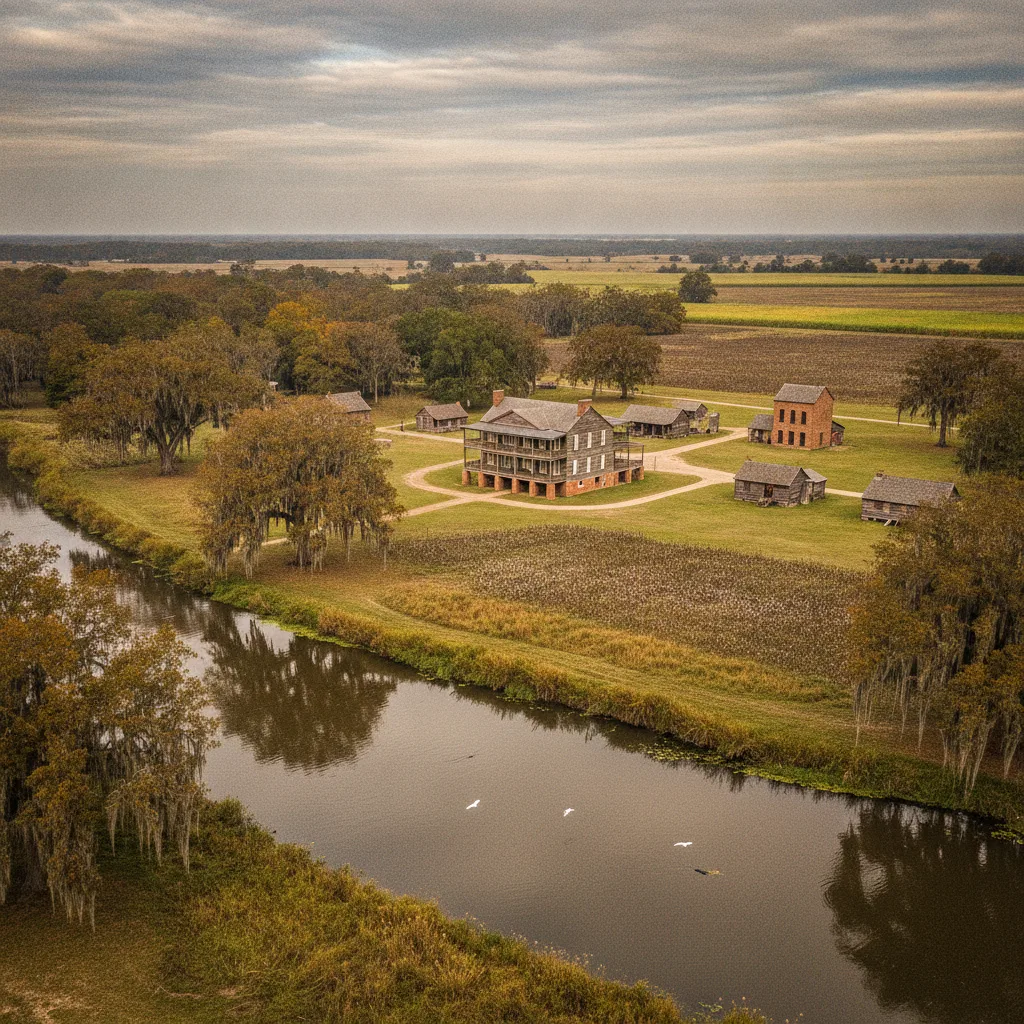
The park specifically preserves two significant plantation sites: Oakland Plantation and Magnolia Plantation. These aren't simply museums; they are working landscapes that tell a comprehensive story of agricultural life, slavery, and the rise of a free Creole community. At Oakland, you'll find one of the most complete Creole plantation complexes in the South, showcasing not only the main house but also numerous outbuildings like the pigeonnier, overseer's house, and slave cabins. Magnolia Plantation, a National Historic Landmark, offers a glimpse into a larger cotton operation, with its gin complex and slave quarters still standing. Visiting allows us to connect with the physical spaces where these powerful stories unfolded, offering a more nuanced understanding than any textbook could provide.
Beyond the historical structures, the park is dedicated to the cultural landscape itself. The Cane River, a 35-mile oxbow lake, is central to the region's identity, historically serving as a vital artery for transportation and commerce. The scenic drive along the Cane River National Heritage Trail offers breathtaking views and a sense of the enduring beauty that has sustained generations. We find that the park's commitment to presenting a multifaceted history, acknowledging both the beauty and the brutality, is what makes it such an essential destination.
Who It's Best For
Our team sees Cane River Creole National Historical Park as an ideal destination for a diverse range of travelers, though it particularly resonates with those who appreciate deep historical immersion and cultural exploration. It's perfect for history buffs, especially those interested in the antebellum South, Creole culture, and the complexities of slavery and emancipation. The detailed interpretive programs and well-preserved sites provide an unparalleled educational experience.
For families with older children and teenagers, this park offers a powerful learning opportunity. While younger children might find some of the historical details challenging, the visual aspects of the plantations and the stories shared by park rangers can spark important conversations. We recommend it for anyone seeking a more authentic and less romanticized view of plantation life, moving beyond the typical "Gone With the Wind" narratives. Researchers, genealogists, and those with a personal connection to Louisiana's Creole heritage will find the park's archives and resources invaluable. Finally, photographers and artists will be captivated by the scenic beauty of the Cane River, the architectural details of the historic buildings, and the evocative atmosphere of the cultural landscape. If you're looking for a destination that prompts reflection and offers a profound understanding of a unique American community, this park is for you.
Getting There & Parking
Understanding how to get to Cane River Creole National Historical Park is straightforward, though it requires a bit of driving, as the park's sites are spread along the Cane River. The park is located near Natchitoches, Louisiana, a charming historic town that serves as the perfect base for your visit. Natchitoches is situated in central Louisiana, approximately a 1-hour drive south of Shreveport and a 4-hour drive northwest of New Orleans. We highly recommend having your own vehicle, as public transportation options to and between the park sites are extremely limited.
If you're flying in, the closest major airport is Shreveport Regional Airport (SHV), from which you can rent a car for the approximately 60-mile drive south to Natchitoches. From Natchitoches, both Oakland and Magnolia Plantations are easily accessible via Louisiana Highway 119, which forms part of the Cane River National Heritage Trail.
Parking at both Oakland and Magnolia Plantations is free and ample. We found designated parking areas at each site, typically close to the visitor contact stations or main entrance points. There are no fees to enter Cane River Creole National Historical Park itself, nor are there fees for parking. However, guided tours or special programs might have associated costs, so it's always wise to check the official National Park Service website for the most current information. We advise checking for any potential road closures or construction updates, especially during peak travel seasons, though major disruptions are rare in this rural area.
Top Things to Do
When planning your visit, you'll find a wealth of things to do at Cane River Creole National Historical Park that extend beyond simply looking at old buildings. Our team suggests dedicating at least a full day, if not two, to truly explore both Oakland and Magnolia Plantations and absorb the rich narratives they present.
At **Oakland Plantation**, start your visit at the visitor contact station, where you can pick up maps and learn about current tour schedules. We highly recommend taking a ranger-led tour of the main house and grounds. These tours provide invaluable context, bringing the stories of the family and the enslaved people who lived and worked there to life. Explore the numerous outbuildings, including the pigeonnier, the store, the carpenter shop, and the slave cabins. The sheer number and preservation of these structures offer a rare glimpse into the daily operations of a 19th-century Creole plantation. Don't miss the opportunity to walk through the pecan orchards, which are still productive today.
**Magnolia Plantation** offers a different, yet equally compelling, experience. While the main house is privately owned and not open to the public, the park service manages the gin complex and the remaining slave cabins. The cotton gin, a rare surviving example of a steam-powered gin, is a powerful reminder of the agricultural engine that drove the region's economy. Walking through the rows of cabins, you can almost hear the echoes of generations. The interpretive signs here are excellent, providing detailed information about the lives of the enslaved people and their descendants. We found the self-guided tour of Magnolia's outbuildings to be incredibly moving and informative.
Beyond the plantations, one of the best things to do at Cane River Creole National Historical Park is to drive the **Cane River National Heritage Trail**. This scenic byway, accessible year-round, winds along the Cane River, connecting the park sites with other historic homes and picturesque landscapes. It’s a fantastic way to grasp the geographical context of the region and appreciate its enduring beauty. Consider a stop at the **Badin-Roque House**, a small Creole cottage that offers another perspective on early Creole architecture and lifestyle.
For those interested in outdoor activities, the park offers limited but pleasant opportunities. While there aren't extensive dedicated Cane River Creole National Historical Park hiking trails, both Oakland and Magnolia Plantations have walking paths that allow you to explore the grounds at your own pace. These paths are generally flat and easy, suitable for most visitors. We recommend comfortable shoes as you'll be doing a fair amount of walking between buildings and across fields. The peaceful atmosphere also lends itself to birdwatching, especially along the riverbanks.
Cane River Creole National Historical Park Hiking Trails
While Cane River Creole National Historical Park is primarily focused on historical interpretation rather than extensive wilderness exploration, visitors can still enjoy gentle walks and short excursions that allow for a deeper connection with the cultural landscape. Dedicated, long-distance Cane River Creole National Historical Park hiking trails are not a feature of the park, but the opportunities for walking within the plantation grounds are significant and highly recommended by our team.
At **Oakland Plantation**, you can spend hours exploring the expansive grounds on foot. The paths wind through the historic core, past the main house, numerous outbuildings, and through the working pecan groves. These are well-maintained, flat, and easy walks, perfect for all ages. We found that taking our time to stroll through the pecan orchards provided a serene experience, allowing us to imagine the agricultural rhythms of the past. The paths here offer excellent vantage points for photography and a chance to truly absorb the scale of the plantation complex.
Similarly, **Magnolia Plantation** offers walking paths that guide you through the cotton gin complex and the historic slave quarters. These walks are crucial for understanding the layout and daily life on a large cotton plantation. While not traditional "hiking," these paths allow for contemplative exploration and provide direct access to the interpretive signage that tells the stories of the enslaved community. The flat terrain makes these Cane River Creole National Historical Park hiking trails (or rather, walking paths) accessible to nearly everyone.
For those looking for a bit more activity, consider exploring the immediate surroundings of the park sites, which are part of the Cane River National Heritage Area. While not formally designated park trails, the quiet country roads and scenic byways offer opportunities for longer walks or bike rides, allowing you to experience the broader cultural landscape. Always be mindful of traffic on public roads. We encourage visitors to view these walks not just as exercise, but as an integral part of understanding the historical and natural environment of the Cane River region.
Best Time to Visit
Our team has found that timing your visit to Cane River Creole National Historical Park can significantly enhance your experience. We generally recommend visiting during the **spring (March to May)** or **fall (September to November)**. During these seasons, the weather in central Louisiana is typically mild and pleasant, with comfortable temperatures and lower humidity. This makes exploring the outdoor plantation grounds and walking between buildings much more enjoyable.
In the spring, you'll witness the landscape coming alive with lush greenery and blooming flowers, adding to the beauty of the historic sites. Fall brings crisp air and often vibrant foliage, particularly along the Cane River. Both seasons offer excellent conditions for photography and spending extended periods outdoors.
Summers in Louisiana (June to August) can be intensely hot and humid, with frequent afternoon thunderstorms. While the park remains open, we advise visitors during this period to plan their outdoor activities for early mornings or late afternoons, stay hydrated, and take advantage of any air-conditioned indoor spaces. Winters (December to February) are generally mild, but occasional cold snaps can occur. While fewer crowds might be a benefit, some outdoor interpretive programs might be limited due to weather. We always recommend checking the park's official website for specific operating hours, which can vary seasonally, and for any special events or closures before finalizing your travel plans.
Where to Stay Nearby
When considering Cane River Creole National Historical Park lodging, your best option is undoubtedly the nearby historic town of Natchitoches, Louisiana. Located just a short drive from both Oakland and Magnolia Plantations, Natchitoches offers a charming and convenient base for exploring the park and the surrounding Cane River National Heritage Area. We strongly recommend staying in Natchitoches for its unique atmosphere and proximity to the park.
Natchitoches boasts a variety of accommodations, from historic bed and breakfasts to modern hotels. Many of the B&Bs are located in beautifully preserved historic homes along the Cane River Lake, offering a truly immersive experience. These often provide a more personal touch and local insights that chain hotels simply can't match. For those preferring more standard accommodations, several well-known hotel chains are available, offering comfortable and reliable options. We suggest booking your Cane River Creole National Historical Park lodging in advance, especially if you plan to visit during popular events like the Natchitoches Christmas Festival, which draws large crowds.
While there isn't lodging directly within Cane River Creole National Historical Park itself, the short drive from Natchitoches is scenic and easy. Staying in town allows you to enjoy Natchitoches' historic downtown, explore its shops, and dine at its excellent local restaurants after a day of historical exploration. This combination of historical immersion at the park and charming small-town hospitality in Natchitoches makes for an ideal travel experience. For a broader exploration of the state, consider extending your trip to other iconic Louisiana destinations like the French Quarter in New Orleans or the Oak Alley Plantation, both offering different facets of the state's rich history.
Sample 2-Day Itinerary
To truly appreciate Cane River Creole National Historical Park and its surroundings, our team recommends a minimum of two full days. This allows for in-depth exploration without feeling rushed.
Day 1: Oakland Plantation & Natchitoches Charm
- **Morning (9:00 AM - 1:00 PM):** Begin your journey at Oakland Plantation. Arrive early to take advantage of cooler temperatures and fewer crowds. Start at the visitor contact station, then embark on a ranger-led tour of the main house and its extensive outbuildings, including the pigeonnier, kitchen, and slave cabins. Take your time to walk through the pecan orchards and absorb the serene, historic atmosphere.
- **Lunch (1:00 PM - 2:00 PM):** Head back towards Natchitoches for lunch. We suggest trying a local eatery in the historic district for some authentic Louisiana cuisine.
- **Afternoon (2:00 PM - 5:00 PM):** Explore the historic district of Natchitoches. Stroll along Front Street, browse the unique shops, and admire the architecture. Consider a visit to Fort St. Jean Baptiste State Historic Site to learn about the town's French colonial origins.
- **Evening:** Enjoy dinner at one of Natchitoches' acclaimed restaurants, perhaps one overlooking the Cane River Lake. Consider a leisurely walk along the riverfront after your meal.
Day 2: Magnolia Plantation & Cane River Heritage Trail
- **Morning (9:00 AM - 1:00 PM):** Drive to Magnolia Plantation. This site offers a different perspective on plantation life, focusing on the cotton gin complex and the remaining slave cabins. Take the self-guided tour, reading the interpretive signs to understand the lives of the enslaved people and the mechanics of cotton production. The scale of the operation here is truly impactful.
- **Lunch (1:00 PM - 2:00 PM):** Pack a picnic to enjoy at a scenic spot along the Cane River National Heritage Trail, or return to Natchitoches for another local dining experience.
- **Afternoon (2:00 PM - 5:00 PM):** Dedicate your afternoon to driving the full Cane River National Heritage Trail. Stop at points of interest like the Badin-Roque House or other historic churches and homes along the route. This drive provides a crucial understanding of the broader cultural landscape and the interconnectedness of the communities along the river.
- **Evening:** Enjoy a final dinner in Natchitoches, perhaps revisiting a favorite spot or trying something new. Reflect on the profound history you've encountered.
This itinerary allows for a comprehensive and reflective visit, ensuring you experience the depth of history and culture that Cane River Creole National Historical Park Louisiana has to offer. For more ideas on exploring the state, check out our guide to the Best places in Louisiana.
Is It Worth Visiting?
Without a doubt, our team believes that Cane River Creole National Historical Park is absolutely worth visiting. In an era where historical narratives can often be simplified or overlooked, this park stands out for its commitment to presenting a complex, authentic, and deeply human story. It’s not just about seeing old buildings; it’s about engaging with the profound legacy of Creole culture, the difficult truths of slavery, and the enduring spirit of a community that shaped this unique corner of Louisiana.
The park's two main sites, Oakland and Magnolia Plantations, offer distinct but complementary perspectives, allowing visitors to grasp the multifaceted nature of life along the Cane River. From the well-preserved outbuildings at Oakland to the powerful cotton gin complex at Magnolia, each element contributes to a comprehensive understanding. We find that the park's interpretive programs are thoughtful and honest, fostering a deeper appreciation for the resilience and contributions of the Creole people. If you seek a destination that offers both historical education and a rich cultural experience, then Cane River Creole National Historical Park is worth visiting. It provides a vital window into a significant chapter of American history that continues to resonate today, making it an essential stop on any Louisiana itinerary.
FAQ
Cane River Creole National Historical Park camping
There is no camping available directly within Cane River Creole National Historical Park. The park focuses on preserving historical structures and cultural landscapes, not on providing overnight accommodations. However, visitors seeking camping options will find several state parks and private campgrounds in the broader central Louisiana region. We recommend checking nearby Kisatchie National Forest for primitive camping or state parks like Chicot State Park for developed campsites. Always book well in advance, especially during peak seasons.
things to do in Natchitoches
Natchitoches, Louisiana, offers a wealth of things to do beyond the historical park. We highly recommend exploring its charming National Historic Landmark District, particularly Front Street along the Cane River Lake. You can browse unique boutiques, art galleries, and antique shops. Visit the Fort St. Jean Baptiste State Historic Site to learn about the town's French colonial origins. Take a carriage ride, enjoy a riverboat tour, or simply relax at a café. Natchitoches is also famous for its meat pies, a local culinary delight you absolutely must try. For those interested in other significant historical sites, consider a journey to the Whitney Plantation or the Oak Alley Plantation, both offering unique perspectives on Louisiana's past.
Cane River Creole National Historical Park with kids
Visiting Cane River Creole National Historical Park with kids can be a rewarding educational experience, particularly for older children and teenagers. While the historical themes can be complex, the visual aspects of the plantations—the old buildings, the cotton gin, and the vast grounds—can capture their imagination. We suggest engaging them with questions about what life was like, and encouraging them to observe details. Ranger-led tours are often engaging and can simplify complex topics. While there aren't playgrounds or dedicated children's activities, the opportunity to walk through history and learn about different cultures is invaluable. We recommend preparing younger children beforehand with age-appropriate information to enhance their understanding and interest.
best hotels near Cane River Creole National Historical Park
The best hotels near Cane River Creole National Historical Park are located in Natchitoches, Louisiana. Our team suggests considering the historic bed and breakfasts in the downtown area for a unique and charming experience, such as the Steel Magnolia House B&B or the Samuel Guy House. For those preferring modern amenities, options like the Fairfield Inn & Suites by Marriott Natchitoches or the Comfort Suites Natchitoches offer comfortable stays. These hotels provide easy access to the park sites and allow you to enjoy the vibrant atmosphere of Natchitoches' historic district. We advise booking in advance, especially during popular local events.
Cane River Creole National Historical Park tips
Our top tips for visiting Cane River Creole National Historical Park include: wear comfortable walking shoes, as you'll be exploring extensive grounds; bring water, especially during warmer months, as much of the experience is outdoors; and allocate ample time, preferably a full day or two, to fully appreciate both Oakland and Magnolia Plantations. We also recommend starting your visit at the park's visitor contact station to get maps and current information on tours and programs. Check the official National Park Service website for the most up-to-date hours of operation and any special events. Finally, be open to learning and engaging with the complex history presented—it's a truly enriching experience.
where to stay near Cane River Creole National Historical Park
For visitors wondering where to stay near Cane River Creole National Historical Park, the town of Natchitoches, Louisiana, is the definitive answer. It's the closest and most convenient hub, offering a range of accommodations from quaint bed and breakfasts to modern hotels. Staying in Natchitoches allows for easy access to both Oakland and Magnolia Plantations, as well as the opportunity to explore Natchitoches' own rich history and vibrant downtown. We find that combining your park visit with the charm of Natchitoches creates a perfectly rounded travel experience.
Conclusion
Our journey through Cane River Creole National Historical Park Louisiana has reinforced our belief that some of the most profound travel experiences come from engaging with history in its most authentic forms. This park is a testament to the resilience of the human spirit and the intricate tapestry of American culture. From the grand houses to the humble slave cabins, from the working pecan groves to the historic cotton gin, every element tells a vital story. We leave with a deeper appreciation for the Creole people who shaped this land and a renewed understanding of the complex forces that defined their lives. It's a destination that challenges, educates, and ultimately enriches the traveler, leaving an indelible mark on all who visit.
Our expert verdict is clear: Cane River Creole National Historical Park is an essential stop for anyone seeking a comprehensive and honest understanding of Louisiana's unique Creole heritage and the profound impact of plantation life. Its well-preserved sites and thoughtful interpretation offer an unparalleled educational journey.
Last updated: 2026-07-06 by the Roam States team.