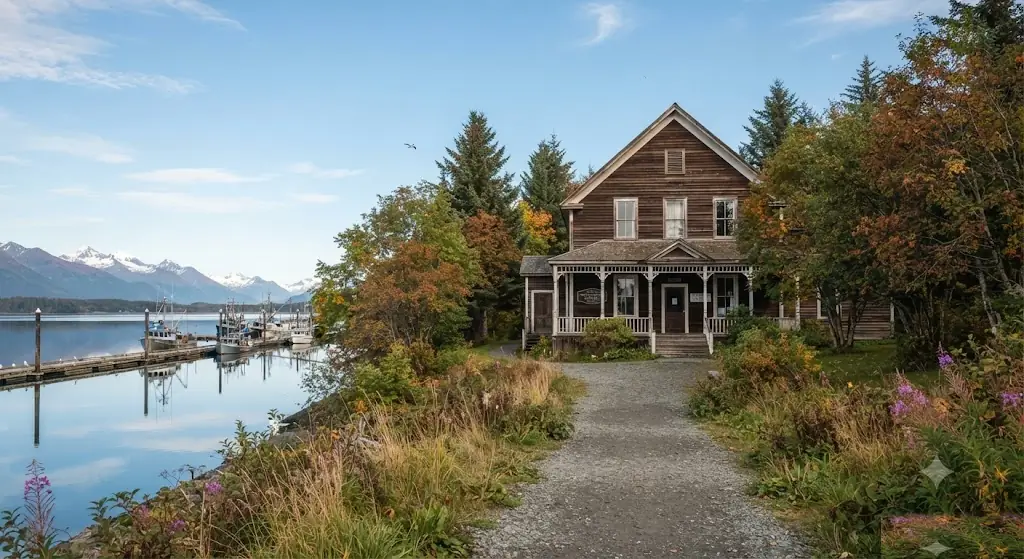
Our Cordova Historical Society Museum guide covers practical planning for Cordova Historical Society Museum Alaska — best time to visit, getting there, and what to do on the ground. We’ve compiled the latest 2026 facts on hours, fees, parking, and lodging to ensure your trip to this captivating Alaskan destination is seamless and enriching. From the rich history of its fishing industry to the legacy of the Copper River and Northwestern Railway and the vibrant local Native culture, we provide insights that will help you make the most of your 2026 visit.
Why Visit Cordova Historical Society Museum
For those drawn to the authentic heart of Alaska, the Cordova Historical Society Museum Alaska offers an unparalleled journey into a past that shaped a resilient community. Our team believes that a visit here is essential for understanding the unique blend of natural beauty and human endeavor that defines Cordova. This isn't your average small-town museum; it's a meticulously curated repository of stories, artifacts, and exhibits that bring the region's history to life. From the pioneering spirit of early settlers to the enduring traditions of Native Alaskans, the museum provides a comprehensive narrative.
The museum's permanent exhibits delve deep into the area's rich heritage, showcasing the vital role of the fishing industry that has been the lifeblood of Cordova for generations. You'll discover how the waters of Prince William Sound and the Copper River Delta have sustained commercial fishing for over a century, with displays detailing the evolution of salmon, crab, and clam fisheries.
Another cornerstone of Cordova's history, prominently featured, is the Copper River and Northwestern Railway. This ambitious engineering feat, often nicknamed "Can't Run and Never Will" due to the extreme challenges of its construction, was built to transport valuable copper ore from the Kennecott mines to the tidewater port of Cordova. The museum vividly recounts the railway's construction from 1906 to 1911, its 27 years of operation, and its eventual abandonment in 1938 when the copper ore ran out. Visitors can trace the railway's path and understand its profound impact on the region's development.
Furthermore, the museum is dedicated to preserving and interpreting the local Native culture, particularly that of the Eyak people, along with the Alutiiq, Ahtna, and Tlingit. Exhibits feature artifacts and language preservation efforts, highlighting the "Where Cultures Meet" theme that exemplifies the diversity of the collection. You'll gain insights into the traditional ways of life, the significance of the Copper River Delta, and the ongoing efforts to maintain these rich cultural legacies. The museum also touches upon more recent history, including the devastating 1964 Great Alaska Earthquake and the 1989 Exxon Valdez oil spill, and their lasting effects on the community and environment.
Who It's Best For
The Cordova Historical Society Museum is an ideal destination for a wide array of travelers. History buffs will revel in the detailed exhibits covering the Copper River and Northwestern Railway, the evolution of Cordova's commercial fishing industry, and the impact of major historical events. Those interested in Alaska Native cultures will find the displays on the Eyak, Alutiiq, Ahtna, and Tlingit peoples particularly enlightening, offering a chance to connect with the region's indigenous heritage.
Families with children will appreciate the engaging, hand-crafted displays and photographic records that encourage curiosity and personal connection to Cordova's history. While the museum itself is not massive, its depth of content is surprising, making it accessible and informative for various age groups. Educators and researchers will find the archives and research room invaluable for in-depth study of the area's past. Anyone seeking a deeper understanding of Alaska beyond its stunning landscapes will find this museum a rewarding experience. It's especially suited for visitors who prefer independent exploration and appreciate well-preserved local narratives over large, impersonal institutions.
Getting There & Parking
Understanding how to get to Cordova Historical Society Museum is crucial, as Cordova is not connected to Alaska's main road system. This isolation is part of its charm, but it requires advance planning for visitors in 2026.
By Air
The most common way to reach Cordova is by air. Alaska Airlines offers direct flights from Anchorage and Yakutat, providing connections to the rest of the state. The Cordova Mudhole Smith Airport (CDV) is the primary arrival point. Flight times from Anchorage to Cordova can be as short as 57 minutes for nonstop flights. As of July 2026, round-trip flights from Anchorage can start around $388, with one-way tickets from $194.
Upon arrival at Mudhole Smith Airport, which is about 20 miles from downtown Cordova, you'll need ground transportation. Shuttle services are available, and pre-booking is preferred. For example, some services charge around $35 per person, plus a 7% city sales tax, with a minimum fee per trip. Children under 10 may ride free. If no scheduled pick-ups are present, shuttles can arrive at the airport within 20-30 minutes. Local car rental outfits are also available, but we strongly recommend reserving one well in advance.
By Water
Another scenic option for how to get to Cordova Historical Society Museum is via the Alaska Marine Highway System (AMHS) ferry. You can walk or drive your car onto the ferry in Whittier for a half-day trip through Prince William Sound. Ferry service to Cordova from Whittier and Valdez is available, though schedules can vary by season and are subject to change. For July 2026, the Cordova-Whittier crossing is approximately 7 hours, with tickets ranging from $80-$300. The Cordova-Valdez ferry takes about 5 hours and 30 minutes. We advise checking the official Alaska Marine Highway timetable for the most up-to-date 2026 schedules, especially for winter sailings, which are open for public comment through July 22, 2026, for the October 2026-April 2027 season.
Cordova Historical Society Museum Parking
The Cordova Historical Society Museum is centrally located on the main floor of the Cordova Center at 601 First Street. As for Cordova Historical Society Museum parking, Cordova is a small, walkable town. While specific details on dedicated museum parking aren't readily available, street parking is generally accessible in downtown Cordova. If you've rented a car, finding a spot nearby should not be an issue. For those arriving by ferry without a vehicle, shuttle services from the ferry terminal to lodging are often available, and the museum is within walking distance of many downtown accommodations.
Top Things to Do
When planning your visit, you'll find there are many things to do at Cordova Historical Society Museum, and a wealth of other things to do in Cordova itself. Our team recommends allocating ample time to immerse yourself in both the museum's offerings and the surrounding natural and cultural attractions.
At the Cordova Historical Society Museum
The Cordova Historical Society Museum is a highlight of the city's Cordova Center, offering a deep dive into the region's past. Here are some top things to do at Cordova Historical Society Museum:
- Explore Permanent Exhibits: The museum's permanent exhibits occupy over half of its public space, featuring carefully curated displays with preserved artifacts, vivid staging, and photographic records. Topics include "Sense of Time, Sense of Place: A Timeline of Events," "Nature's Wonders" (reflecting on the landscape and creatures), "First Peoples" (preserving Native culture), "Alaska and Empire" (tracing early explorers), and extensive sections on the "Fishing" industry and the "Copper River & Northwestern Railway."
- Discover the Cape St. Elias Fresnel Lens: An unmatched beauty, this lens provides atmosphere for a collection of shipwreck memorabilia, offering a glimpse into Cordova's maritime history.
- Learn About the Exxon Valdez Oil Spill: The museum addresses the lasting impact of the 1989 Exxon Valdez oil spill on the local environment and community, emphasizing lessons from the past.
- Browse the Gift Shop: A small gift shop offers books and local art, perfect for finding a unique souvenir or deepening your understanding of Cordova.
- Attend Monthly Programs: The museum hosts monthly evening programs, which can be a great way to engage with specific historical topics or local experts if your visit aligns.
- Visit the Copper River Gallery: In addition to the historical exhibits, the museum features the Copper River Gallery, showcasing local artists and locally-inspired works.
Beyond the Museum: Things to Do in Cordova
Cordova is a haven for adventurers and those seeking an authentic Alaskan experience. Here are some of the top things to do in Cordova:
- Drive the Copper River Highway: Rent a car in advance and explore the Copper River Highway. This scenic drive takes you across the sprawling Copper River Delta, offering opportunities for hiking, wildlife viewing, camping, canoeing, sport fishing, and birding. You can travel as far as Mile 36, where a bridge is currently washed out.
- Visit Childs Glacier & the Million Dollar Bridge: While no longer road-accessible, you can take a boat tour up the Copper River to see Childs Glacier, one of Alaska's most active glaciers, and the historic Million Dollar Bridge (officially Miles Glacier Bridge). This four-span trestle, completed in 1910, was damaged in the 1964 earthquake but has been rehabilitated, allowing visitors to walk across it for stunning views.
- Kayaking and Rafting: Prince William Sound and the Copper River offer fantastic opportunities for water adventures. Rent kayaks to paddle Orca Inlet or join a guided tour. The Copper River provides options for both calm floats and thrilling whitewater rafting.
- Hiking and Camping: Cordova boasts impressive, well-maintained trails in the Chugach National Forest. With 40 miles of road-accessible trails and over 100 miles in total, you can explore diverse landscapes from muskeg meadows to alpine ridges. U.S. Forest Service cabins are accessible via trails like McKinley Lake, Pipeline Lakes, and Power Creek.
- Wildlife Viewing: The Copper River Delta is a critical habitat for diverse wetland animals, including trumpeter swans, moose, brown bears, and shorebirds. The Alaganik Slough Trail at Mile 17 of the Copper River Highway offers an accessible boardwalk for excellent viewing. In early May, millions of shorebirds migrate through the Delta. Cordova is also known as the "sea otter capital of the world"; look for them in Orca Inlet.
- Fishing: Cordova is renowned for its world-famous Copper River salmon (sockeye and Chinook), as well as halibut, rockfish, and lingcod. You can fish in streams along the Copper River Highway or book an ocean fishing charter from Cordova's harbor.
- Visit the Ilanka Cultural Center: Operated by the Native Village of Eyak, this cultural center on the Cordova waterfront celebrates the culture, art, history, and ecological wisdom of the region's Native heritage. It features exhibits, lore, and an impressive orca whale skeleton.
- Skiing at Mount Eyak: In winter, Mount Eyak offers skiing and snowboarding with a single chairlift and 30 trails. Heli-skiing options are also available for thrill-seekers.
- Explore Downtown Cordova: Wander through town, visit local shops like The Net Loft for local art and workshops, and enjoy local eateries.
Best Time to Visit
The best time to visit Cordova, and by extension the Cordova Historical Society Museum Alaska, largely depends on the type of experience you're seeking. Alaska's seasons dramatically influence accessibility and available activities.
Summer (June - August)
Summer is arguably the most popular time to visit Cordova. The weather is generally warmest, with temperatures ranging from 60-65 degrees Fahrenheit in July and August. This season offers the widest range of outdoor activities, making it ideal for those interested in hiking, kayaking, rafting, fishing, and wildlife viewing. The days are long, providing ample time for exploration. The Cordova Historical Society Museum also extends its hours during the summer, typically open Monday-Saturday from 10 AM to 6 PM and Sunday from 2 PM to 4 PM. This period is perfect for experiencing Cordova's vibrant fishing season and seeing the Copper River salmon runs.
Spring (May - Early June)
Spring, particularly early May, is exceptional for birdwatching, as millions of shorebirds migrate from South America and stop to rest and feed on the Copper River Delta mudflats at Hartney Bay. While some outdoor activities might be ramping up, you'll encounter fewer crowds than in peak summer. The museum hours typically transition from winter to summer schedules around this time.
Fall (September - October)
Fall brings cooler temperatures and changing foliage, offering a different kind of beauty. It's still a good time for hiking and wildlife viewing, especially as bears are active before winter. September can be one of the rainiest months, so waterproof gear is highly recommended. The museum generally shifts to its winter hours by October.
Winter (November - April)
Winter in Cordova is for those who embrace the cold and snow. Mount Eyak Ski Area operates, offering skiing and snowboarding. While many outdoor activities are limited, the quiet solitude can be appealing. The Cordova Historical Society Museum operates on reduced winter hours, typically Tuesday-Friday from 10 AM to 5 PM and Saturday from 1 PM to 5 PM, remaining closed on Sundays and Mondays. Travel during winter can be more challenging due to weather and reduced ferry schedules.
Our team recommends visiting between May and September for the most accessible and diverse experience of Cordova and its historical society museum. Always check current weather forecasts and museum/ferry schedules close to your travel dates for the most accurate information.
Where to Stay Nearby
When planning your trip to the Cordova Historical Society Museum, finding comfortable and convenient Cordova Historical Society Museum lodging is key. While Cordova is a smaller community, it offers a range of accommodations that cater to different preferences. Our team has identified some excellent options for Cordova Historical Society Museum lodging, from lodges offering adventure packages to cozy inns and vacation rentals.
One of the prominent options is the Orca Adventure Lodge. This budget-friendly retreat is nestled in Cordova and provides a blend of rustic charm and adventure. It's ideal for outdoor enthusiasts, offering easy access to hiking trails and fishing spots. The lodge also features yoga sessions, spa treatments, and a café serving fresh seafood. They even offer remote wilderness camps for those seeking deeper immersion.
For a more intimate experience, the Northern Nights Inn offers three roomy suites and one "sleeping room" furnished with antiques, commanding a dramatic view of Orca Inlet a few blocks from downtown. The owner often provides airport transportation, which is a convenient perk.
Other lodging options in Cordova include various vacation rentals and apartments, many of which are centrally located and offer views of Orca Inlet or are within walking distance of downtown amenities. Some examples include 1st Street Hideout, Eagles Crest, and Serenity Adventures - Sunnyside Bunkhouse, which offer features like free WiFi, laundry facilities, and in-room coffeemakers. These can be excellent choices for those seeking more space or a home-away-from-home feel.
You might also find options like Alaskan Hotel, Bear Country Lodge, and Bears Den Cabins LLC, which cater to a range of needs, from in-town convenience to more remote, adventure-focused stays. Some cabins are specifically geared towards fishing on the Eyak River.
While Cordova itself has a good selection, it's worth noting that Travelocity's database, as of July 2026, indicates that there aren't many traditional hotel chains directly within Cordova. However, nearby cities like Valdez (about 45 miles away by water) offer more conventional hotel choices such as the Totem Inn and Suites and Best Western Valdez Harbor Inn. If you're considering a multi-destination trip, these could be viable options, though they would require ferry travel to reach Cordova.
Given Cordova's popularity, especially during peak season, we strongly recommend booking your Cordova Historical Society Museum lodging well in advance. This ensures you secure the best options for your stay and can focus on enjoying your historical and natural explorations.
Sample 2-Day Itinerary
To help you make the most of your visit to Cordova and the Cordova Historical Society Museum Alaska, our team has crafted a sample 2-day itinerary, balancing historical immersion with outdoor adventure.
Day 1: History, Culture, and Downtown Charm
Morning: Immerse in Local History Begin your day with a visit to the Cordova Historical Society Museum. Located in the Cordova Center (601 First Street), the museum opens at 10 AM on weekdays and 12 PM on Saturdays (closed Sundays and Mondays). Allow 2-3 hours to explore the permanent exhibits detailing the fishing industry, the Copper River and Northwestern Railway, and local Native cultures. Pay special attention to the artifacts from the Eyak people and the exhibits on the Exxon Valdez oil spill. Pick up a copy of "Cordova's Historic Walking Tour" pamphlet here.
Lunch: Waterfront Dining Enjoy lunch at a local eatery near the harbor. Many establishments offer freshly caught seafood, a true taste of Cordova. The Reluctant Fisherman Hotel Inn is a popular choice, and places like Coastal Cravings are known for salmon poke and halibut.
Afternoon: Native Heritage and Local Exploration After lunch, make your way to the Ilanka Cultural Center, operated by the Native Village of Eyak. This museum celebrates the rich Native heritage of the Eyak, Alutiiq, Ahtna, and Tlingit peoples, featuring exhibits and an impressive orca whale skeleton. Afterward, take a leisurely stroll through downtown Cordova, using your walking tour pamphlet. Explore local shops like The Net Loft for unique Alaskan art and crafts.
Evening: Sunset Views and Local Brews Head up the hill at the base of Mt. Eyak Ski Area for a short, scenic hike that offers beautiful views of the harbor and Orca Inlet, especially at sunset. Conclude your day with a visit to Copper River Brewing, where you can sample local beers and seltzers made with wild and foraged ingredients.
Day 2: Glaciers, Wildlife, and Outdoor Adventure
Morning: Copper River Delta Exploration & Glacier Views Start early with a drive along the Copper River Highway. If you've rented a car, this is an essential part of your Cordova experience. Drive past the Cordova Airport to Mile 14 for a short walk to see Sheridan Glacier. Continue further to the Alaganik Slough Trail at Mile 17, where an accessible boardwalk provides excellent opportunities for wildlife viewing in the Copper River Delta wetlands – keep an eye out for trumpeter swans, moose, and various bird species.
Lunch: Picnic or Packaged Meal Pack a picnic lunch to enjoy amidst the stunning scenery of the Copper River Delta, or grab a quick bite from a local deli in town before heading out.
Afternoon: Water Adventure or Hiking Choose your adventure:
- Option A (Water): Book a guided kayaking tour of Orca Inlet or a rafting trip on the Copper River. Local outfitters can arrange tours tailored to your skill level.
- Option B (Hiking): Explore one of the well-maintained trails in the Chugach National Forest, such as the Saddlebag Glacier Trail (Mile 24.6 on the Copper River Highway), an easy 6.2-mile round trip.
Evening: Farewell Dinner Enjoy a final dinner in Cordova, perhaps trying another local seafood spot or a restaurant with harbor views. Reflect on the rich history and wild beauty you've experienced in this unique Alaskan town.
This itinerary provides a robust overview, but remember that Cordova's appeal lies in its flexibility for exploration. For further Alaskan adventures, consider extending your trip to other incredible destinations like the Alaska Wildlife Center, exploring the Chugach State Park, or hiking the Anchorage Coastal Trail. For more comprehensive planning, visit our Best Places in Alaska guide.
FAQ Longtails
Cordova Historical Society Museum with kids
Absolutely! The Cordova Historical Society Museum is an excellent destination for families with kids. Our team finds that the museum's displays are mostly hand-crafted and feature preserved artifacts, vivid staging, and photographic records, designed to inspire curiosity. The limited descriptions encourage children to find their own connections to Cordova's history, making it an engaging and interactive learning experience rather than a passive one. Children under 18, and members of the Cordova Historical Society or Museums Alaska, receive free admission, with a suggested $1 donation for adults.
best hotels near Cordova Historical Society Museum
The Cordova Historical Society Museum is centrally located in downtown Cordova, making several local accommodations convenient. While there aren't major hotel chains directly adjacent, our team recommends options like the Orca Adventure Lodge for a blend of rustic charm and outdoor access, or the Northern Nights Inn for an antique-furnished stay with views of Orca Inlet. Many vacation rentals and apartments, such as 1st Street Hideout, Eagles Crest, and Serenity Adventures properties, are also available within walking distance of the museum and downtown amenities, often offering free WiFi and laundry facilities. We advise booking well in advance, especially during the peak summer season.
Cordova Historical Society Museum tips
To maximize your visit to the Cordova Historical Society Museum, our team offers these tips: First, check the museum's current 2026 operating hours before you go; they typically operate Tuesday-Friday from 10 AM to 5 PM and Saturday from 12 PM to 5 PM, with summer hours sometimes extending. While admission is free, donations are encouraged and help support the museum's mission. Allow at least 2-3 hours to thoroughly explore the exhibits on the fishing industry, the Copper River and Northwestern Railway, and Native culture. Don't forget to pick up a free "Cordova's Historic Walking Tour" pamphlet at the museum to extend your historical exploration to the surrounding downtown area. Consider also visiting the nearby Ilanka Cultural Center for a deeper dive into Native Alaskan heritage.
where to stay near Cordova Historical Society Museum
For convenience to the Cordova Historical Society Museum, we recommend staying in downtown Cordova. Options include the Orca Adventure Lodge, offering a blend of comfort and access to outdoor activities, or the Northern Nights Inn, known for its charming, antique-filled suites and proximity to downtown. Vacation rentals and apartments like 1st Street Hideout and Serenity Adventures' various properties are also excellent choices, often providing amenities like kitchens and multiple bedrooms, ideal for families or longer stays. These accommodations place you within easy walking distance of the museum, shops, and restaurants, allowing for a more immersive local experience.
Cordova Historical Society Museum parking
The Cordova Historical Society Museum is located within the Cordova Center at 601 First Street, in the heart of downtown Cordova. While specific dedicated Cordova Historical Society Museum parking information is not widely advertised, Cordova is a small, walkable town, and street parking is generally available in the downtown area. If you've rented a car, you should be able to find a suitable spot nearby without significant difficulty. For those arriving by ferry without a vehicle, shuttle services from the terminal to your lodging are often available, and the museum is easily accessible on foot from most downtown accommodations.
best time to visit Cordova Historical Society Museum
Our team suggests visiting the Cordova Historical Society Museum during the summer months (June to August) for the most pleasant weather and extended museum hours. During this peak season, the museum is typically open Monday-Saturday from 10 AM to 6 PM and Sunday from 2 PM to 4 PM, allowing ample time for exploration. This period also coincides with the best weather for enjoying Cordova's numerous outdoor activities, such as fishing, hiking, and wildlife viewing. If you prefer fewer crowds and are interested in birdwatching, early May is also an excellent time. Always verify the museum's specific 2026 hours closer to your travel date.
The Cordova Historical Society Museum offers a profound connection to the spirit of this unique Alaskan town. From the towering legacy of the Copper River and Northwestern Railway to the enduring traditions of its Native peoples and the relentless rhythm of its fishing industry, the stories held within its walls are a testament to Cordova's resilience and charm. We are confident that a visit here will not only educate but also inspire, leaving you with a deeper appreciation for this remarkable corner of the Last Frontier. We encourage you to plan your 2026 trip, explore its rich history, and discover the vibrant community that continues to thrive on Prince William Sound.
Last updated: 2026-07-13 by the Roam States team.