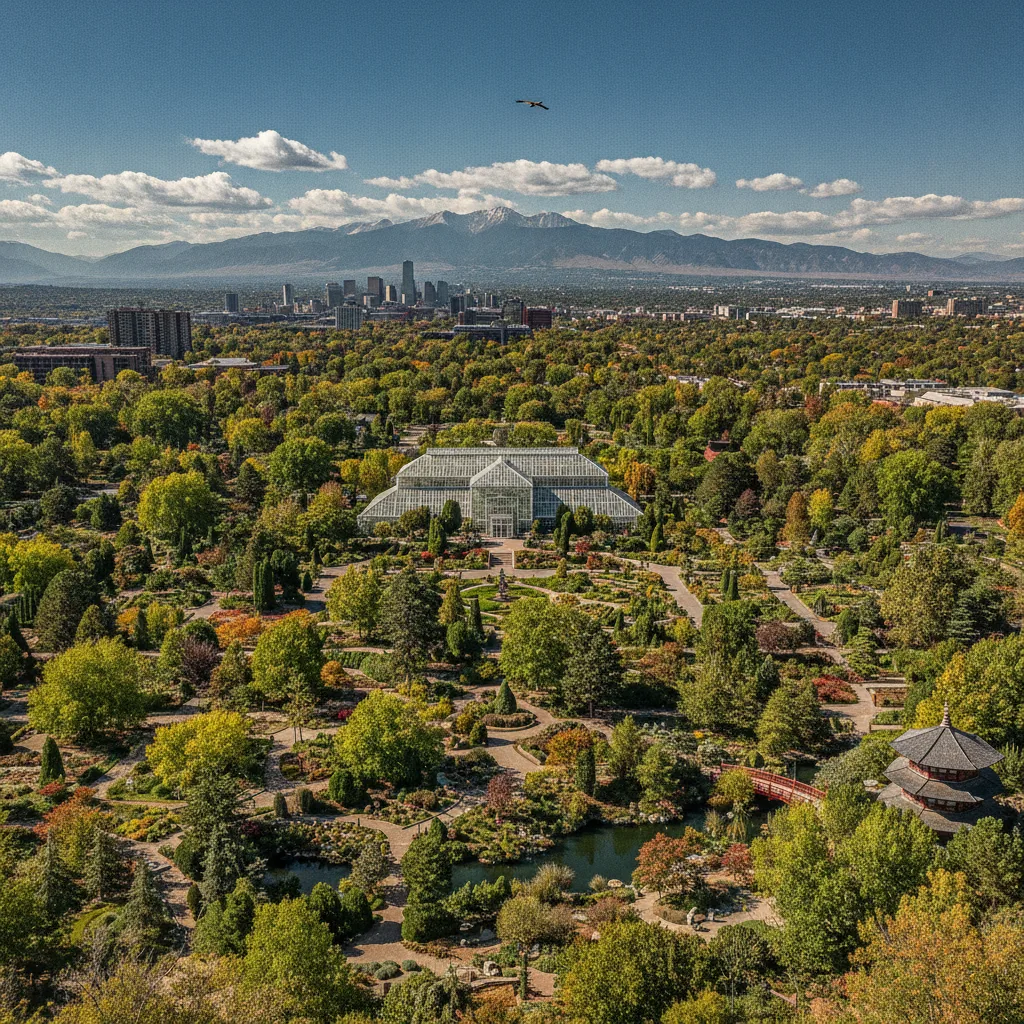
As the Visit America editorial team, we’re here to cut through the noise and provide you with an authoritative, first-person plural perspective on one of Denver's most cherished urban oases. We believe that a visit to the Denver Botanic Gardens Colorado offers an unparalleled blend of natural beauty, horticultural innovation, and cultural enrichment, making it a cornerstone of any Colorado travel itinerary.
Why Visit Denver Botanic Gardens
For those seeking a vibrant escape within the Mile High City, the Denver Botanic Gardens stands as a testament to the power and artistry of nature. We consider it a premier destination, not just for its stunning botanical collections but also for its commitment to conservation and education. Imagine strolling through 24 acres of meticulously curated gardens, each offering a unique theme and aesthetic, from arid landscapes to lush tropical conservatories. It's a place where the grandeur of Colorado's natural habitats meets internationally inspired designs, creating a truly global botanical experience right in the heart of Denver. Our team finds immense value in the diverse plant life, the thoughtful landscaping, and the tranquil atmosphere that pervades the grounds, providing a serene contrast to the bustling city outside.
Beyond the visual spectacle, the Denver Botanic Gardens serves as a living museum, actively involved in plant conservation and research. Visitors can learn about sustainable gardening practices and the importance of preserving biodiversity, particularly through its more than 10 no-water and low-water display gardens. We appreciate that a visit here is not just passive enjoyment; it's an opportunity for engagement and learning, fostering a deeper connection to the natural world. The gardens also host a variety of art exhibitions, such as the "Jaume Plensa: A New Humanism" exhibition running from April 18, 2026, to September 7, 2026, which seamlessly integrates monumental sculptures with the botanical landscape, offering a unique cultural dimension to your exploration. This blend of horticulture, art, and science makes it a truly enriching experience for all ages.
Who It's Best For
The Denver Botanic Gardens truly offers something for everyone, making it a versatile destination for a wide array of visitors. Our team confidently recommends it for families, couples, solo travelers, and nature enthusiasts alike. Families, in particular, will find it an engaging and educational outing, especially with the dedicated Mordecai Children's Garden. This three-acre space, located atop the parking structure, is designed for kids and families to play, explore, and discover, making it an ideal spot for children aged 3-15. We’ve observed that the interactive elements and diverse plantings captivate young minds, offering a fantastic opportunity for outdoor learning and imaginative play.
Couples seeking a romantic stroll will find countless picturesque spots, from the serene Japanese Garden to the vibrant Ornamental Gardens. The changing seasonal displays ensure that each visit offers a fresh perspective, making it a perfect backdrop for a quiet afternoon or a memorable date. For solo travelers, the gardens provide a peaceful sanctuary for contemplation, photography, or simply unwinding amidst natural beauty. Photographers, both amateur and professional, will discover endless inspiration in the diverse flora, architectural elements, and stunning vistas. Accessibility is also a priority; most indoor and outdoor gardens are wheelchair accessible, and manual wheelchairs and strollers are available for free on a first-come, first-served basis, ensuring that visitors with limited mobility can also enjoy the experience.
Furthermore, the Denver Botanic Gardens caters to art lovers, with its rotating exhibitions integrated throughout the grounds and in the Freyer–Newman Center's art galleries. Music enthusiasts will also appreciate the Summer Concert Series, held in the UMB Amphitheater, featuring a diverse lineup of artists throughout the warmer months. Whether you're a seasoned horticulturist or simply looking for a beautiful place to relax and recharge, we believe the Denver Botanic Gardens provides an exceptional experience.
Getting There & Parking
Navigating to the Denver Botanic Gardens is straightforward, whether you're driving, using public transport, or cycling. The main York Street location is situated at 1007 York Street, Denver, CO 80206. Our team always advises planning your journey in advance, especially during peak season or for special events, to ensure a smooth arrival.
How to Get There
For those opting for public transportation, the Regional Transportation District (RTD) offers convenient bus routes. You can use routes #24 (York and Josephine Streets) and/or #10 (12th Avenue) to access the Gardens directly. The "12th Ave & Race St" stop is a popular choice, with the line 10 bus from 12th Ave & Pennsylvania St taking approximately 6 minutes, departing every 30 minutes. From Denver Union Station, the line 10 bus via 17th St & Market St takes about 29 minutes and costs $3. We find this to be an affordable and environmentally friendly way to reach the gardens, allowing you to avoid parking hassles. Cycling is also encouraged, with bike racks available at the York Street main entrance. If you're staying nearby, walking is a pleasant option; for instance, a walk from central Denver to the Botanic Gardens is approximately 1.6 miles and takes about 31 minutes.
Parking at Denver Botanic Gardens
If you prefer to drive, limited free parking is available in the public parking complex located between York and Josephine streets during regular operating hours. However, our team must emphasize that this parking fills up very quickly, especially on busy days, weekends, and during special events like the Summer Concert Series. For this reason, we highly recommend considering alternate transportation. Electric vehicle (EV) charging stations are available for free in two-hour increments on the main parking level, north of the elevator bank.
Street parking is available in the surrounding Cheesman Park or Congress Park neighborhoods, but be aware that resident permits are required on most blocks directly surrounding the Gardens, and parking restrictions are strictly enforced. Cars parked illegally are subject to fines of $50 or more, and the Denver Botanic Gardens is not responsible for parking tickets. For those driving vans, due to height restrictions, they should park on the top deck of the parking complex. RVs are not permitted in the parking complex due to weight restrictions. If the on-site parking is full, you might find paid parking options nearby through services like SpotHero, with various garages and lots within a reasonable walking distance.
Top Things to Do
A visit to the Denver Botanic Gardens is an immersive experience, offering a wealth of attractions and activities that cater to diverse interests. Our team has explored every corner to bring you the definitive list of things to do at Denver Botanic Gardens, ensuring you make the most of your time in this urban oasis.
Explore the Diverse Gardens and Conservatories
The core of the Denver Botanic Gardens experience lies in its extensive collection of themed gardens. We highly recommend dedicating ample time to wander through these living exhibits. Don't miss the serene **Shofu-en Japanese Garden**, a tranquil space designed for contemplation, or the **Rock Alpine Garden**, showcasing resilient plants from high-altitude environments. The **Mordecai Children's Garden** is a must-visit for families, providing interactive play areas and educational opportunities for young visitors. Indoors, the **Boettcher Memorial Tropical Conservatory** transports you to a lush rainforest, home to exotic blooms and tropical plants. The **Cactus and Succulent House** offers a fascinating look at arid-land flora, demonstrating the incredible diversity and adaptability of plants. Each garden tells a unique story, reflecting the Gardens' commitment to horticulture and conservation.
Engage with Art and Culture
Beyond the botanical wonders, the Denver Botanic Gardens seamlessly integrates art and culture into its landscape. The **Freyer–Newman Center** houses three art galleries, offering rotating exhibitions that complement the natural surroundings. In 2026, visitors can experience "Jaume Plensa: A New Humanism," a striking exhibition of monumental, contemplative works, on display from April 18 to September 7. The center also features the Helen Fowler Library and free films in the Sturm Family Auditorium, providing additional avenues for intellectual and artistic engagement. We find that these cultural offerings enrich the overall visit, providing a holistic experience that stimulates both mind and spirit.
Attend Special Events and Concerts
The Denver Botanic Gardens is renowned for its vibrant calendar of events. The **Summer Concert Series**, held in the UMB Amphitheater at the York Street location, is a highlight, featuring a diverse lineup of artists. In 2026, the series includes performers like Grace Potter, Allen Stone, Soccer Mommy, Chris Botti, Judy Collins with Bruce Cockburn, and Trombone Shorty & Orleans Avenue. Tickets for these concerts must be purchased in advance and often sell out quickly. Additionally, the "Evenings al Fresco" series offers intimate performances by Colorado musicians throughout the gardens. During the holiday season, the **Blossoms of Light** transforms the gardens into a dazzling display of festive lights, a truly magical experience. At the Chatfield Farms location, the **Lavender Festival** in July, featuring over 2,000 lavender plants, offers guided garden tours, scavenger hunts, live music, and local artisan products. These events provide unique things to do at Denver Botanic Gardens throughout the year.
Explore the Science Pyramid and Conservation Efforts
For those interested in the scientific mission of the gardens, the **Science Pyramid** offers interactive exhibits that delve into connections between plants, animals, people, and water. The Gardens actively engages in research and conservation, with several no-water and low-water display gardens highlighting sustainable practices. We encourage visitors to take the time to appreciate these efforts, which contribute to the preservation of Colorado's precious natural resources. This focus on environmental stewardship is a key aspect of what makes the Denver Botanic Gardens Colorado a truly significant institution.
Top Things to Do in Denver Beyond the Gardens
While the Denver Botanic Gardens offers a full day of exploration, we understand that visitors often want to experience more of what the Mile High City has to offer. Just a short distance away, you can immerse yourself in the vibrant arts scene at the Denver Art Museum or delve into natural history at the Denver Museum of Nature & Science. For a taste of Colorado's iconic landscapes, consider a day trip to Rocky Mountain National Park, easily accessible from Denver, or explore the unique rock formations at Garden of the Gods. Other notable attractions include the historic Mesa Verde National Park, the majestic Great Sand Dunes National Park, and the world-famous Red Rocks Amphitheatre, which hosts concerts and offers stunning views. For a deeper dive into the state's natural wonders, explore our guide to the best places in Colorado. These options provide a fantastic complement to your visit to the Denver Botanic Gardens Colorado, ensuring a comprehensive Denver experience.
Best Time to Visit
Determining the best time to visit the Denver Botanic Gardens largely depends on your interests, as each season offers a unique charm. Our team believes that while the gardens are a year-round destination, certain periods truly shine.
Spring (April-May)
Spring is a spectacular time as the gardens awaken from winter. From April 1 to May 9, the York Street location operates on Spring Hours, from 9 a.m. to 7 p.m.. You'll witness a riot of color as tulips, daffodils, and other spring ephemerals burst into bloom. The air is fresh, and the crowds are generally lighter than in the peak summer months. It's an ideal time for photography and enjoying the delicate beauty of new growth. We particularly enjoy the crisp mornings and the vibrant energy that permeates the gardens during this period.
Summer (June-August)
Summer is arguably the most popular time to visit, with the gardens in full splendor and longer operating hours. From May 10 to September 7, the York Street location is open from 9 a.m. to 8 p.m.. This is when the annuals, roses, and water lilies are at their peak, creating breathtaking displays. The Summer Concert Series and Evenings al Fresco also take place during these months, adding a lively cultural dimension to your visit. However, be prepared for larger crowds and warmer temperatures. We recommend arriving early in the morning or later in the afternoon to avoid the midday heat and busiest times. The Lavender Festival at Chatfield Farms in July is another summer highlight, offering a sensory delight with over 2,000 lavender plants.
Autumn (September-November)
As summer transitions to fall, the gardens take on a new palette of rich, warm hues. From September 8-30, Autumn Hours are 9 a.m. to 7 p.m., then shift to 9 a.m. to 4 p.m. from October 1 to November 18. The changing leaves on the trees, particularly in the Japanese Garden, offer stunning photographic opportunities. The cooler temperatures make for comfortable strolling, and the crowds begin to thin out. The "Glow at the Gardens" and "Blossoms of Light" events typically begin in late fall, transforming the landscape with captivating light installations, making it a magical experience as the days shorten.
Winter (December-March)
While many gardens go dormant in winter, the Denver Botanic Gardens remains a captivating destination. Winter Hours from January 12 to March 31 are 9 a.m. to 4 p.m., with Holiday Hours from November 19 to December 31, 9 a.m. to 2:30 p.m.. The "Blossoms of Light" continues into early January, offering a festive and unique experience. The conservatories provide a warm escape, showcasing tropical and desert plants that thrive year-round. Even the outdoor gardens, with their skeletal structures and evergreens, possess a stark beauty, especially after a fresh snowfall. We find that winter offers a peaceful and less crowded experience, perfect for quiet reflection and enjoying the indoor collections.
Ultimately, the best time to visit Denver Botanic Gardens depends on your preference for blooms, events, or tranquility. For the fullest floral displays and most events, summer is ideal. For fewer crowds and beautiful transitional colors, spring and autumn are excellent choices. For a peaceful, unique experience, winter holds its own charm. We always recommend checking the official Denver Botanic Gardens website for specific seasonal hours, early closings, and event schedules for 2026 before your visit.
Where to Stay Nearby
Choosing the right accommodation can significantly enhance your Denver Botanic Gardens experience. While there isn't lodging directly within the gardens, several excellent options are available in nearby neighborhoods, offering convenience and a range of styles to suit every traveler. Our team has identified some top picks to help you decide where to stay nearby.
Cherry Creek North
Just a short drive or a pleasant walk from the Denver Botanic Gardens, Cherry Creek North is an upscale neighborhood known for its boutique shops, art galleries, and fine dining. This area offers a sophisticated atmosphere and a selection of high-end hotels. Options like the **Halcyon - A Hotel in Cherry Creek** and **The Jacquard, Autograph Collection** provide luxurious stays with excellent amenities. The **Moxy Denver Cherry Creek** is another stylish choice in this vibrant district. Staying here puts you within easy reach of the gardens while also providing access to a lively evening scene.
Capitol Hill / Cheesman Park
For those who prefer to be closer and experience more of Denver's historic charm, the Capitol Hill and Cheesman Park neighborhoods offer a mix of historic homes, local cafes, and independent businesses. The **Flora House Denver** is a highly-rated option just 0.48 miles from the Gardens, offering a charming and intimate experience. The **Holiday Chalet Victorian** is another historic brownstone mansion located about 0.6 miles away, providing a unique stay. These areas allow for easy walks to the gardens and a more local, neighborhood feel.
Downtown Denver
If you're looking for a wider range of hotel options, including major chains, and want to be closer to other downtown attractions, staying in Downtown Denver is a great choice. Many hotels here are within 2-3 miles of the Denver Botanic Gardens and offer good public transportation links. The **Grand Hyatt Denver** and **Hyatt Regency Denver at Colorado Convention Center** are both highly-rated 4-star options about 2 miles from the gardens. For family-friendly accommodations, the **Homewood Suites by Hilton Denver Downtown-Convention Center** is a solid choice, offering spacious suites with kitchens and free cribs, located about 2.5 miles away. Budget-friendly options like the **Days Inn by Wyndham Denver Downtown** are also available, approximately 0.93 miles from the gardens. From downtown, you can easily catch an RTD bus to the gardens, making it a convenient base for exploring more of Denver's attractions.
No matter your preference or budget, we are confident that you'll find a suitable place to stay nearby that allows you to fully enjoy your visit to the Denver Botanic Gardens Colorado.
Sample 2-Day Itinerary
To help you maximize your visit to the Denver Botanic Gardens and the surrounding area, our team has crafted a sample 2-day itinerary. This plan balances immersive garden exploration with other key Denver attractions, ensuring a memorable trip.
Day 1: Immerse Yourself in the Denver Botanic Gardens
- Morning (9:00 AM - 1:00 PM): York Street Exploration
Begin your day early at the main Denver Botanic Gardens Colorado location on York Street. We recommend purchasing your tickets online in advance to save time and ensure entry, especially during peak seasons. Start by exploring the **Shofu-en Japanese Garden**, the tranquil **Rock Alpine Garden**, and the vibrant **Ornamental Gardens**. Don't miss the **Boettcher Memorial Tropical Conservatory** for a warm, lush experience, and the **Cactus and Succulent House** for unique arid-land plants. Allow plenty of time for leisurely strolls and photography.
- Lunch (1:00 PM - 2:00 PM): On-Site Dining or Picnic
Enjoy lunch at one of the Gardens' on-site dining options, such as Offshoots Café or Hive Garden Bistro. Alternatively, you can bring your own picnic and enjoy it in designated areas like the Amphitheater or the Orangery/Marnie's Pavilion in case of bad weather.
- Afternoon (2:00 PM - 5:00 PM): Children's Garden, Art & Science
If visiting with kids, head to the **Mordecai Children's Garden** for interactive play and discovery. Afterwards, explore the **Freyer–Newman Center** to view the current art exhibitions and visit the Helen Fowler Library. The **Science Pyramid** also offers engaging exhibits on plant, animal, and water connections.
- Evening (6:00 PM onwards): Summer Concert Series or Dinner in Cherry Creek North
If your visit aligns with the **Summer Concert Series** (June-August), consider attending an evening performance at the UMB Amphitheater (tickets must be purchased separately and in advance). Otherwise, head to the nearby Cherry Creek North neighborhood for a delightful dinner at one of its many acclaimed restaurants.
Day 2: Denver City Highlights & Nearby Natural Wonders
- Morning (9:00 AM - 1:00 PM): Denver Museum of Nature & Science or Denver Art Museum
Dedicate your morning to one of Denver's other top cultural institutions. The Denver Museum of Nature & Science, located in City Park, is excellent for families and science enthusiasts, offering exhibits on dinosaurs, space, and wildlife. Alternatively, the Denver Art Museum, known for its extensive collection of Western American art and modern architecture, provides a rich cultural experience.
- Lunch (1:00 PM - 2:00 PM): Downtown Denver
Enjoy lunch at a restaurant in Downtown Denver, perhaps near the 16th Street Mall, offering a variety of culinary choices.
- Afternoon (2:00 PM - 5:00 PM): Red Rocks Amphitheatre or Garden of the Gods
Choose between two iconic Colorado natural attractions. Drive west to Red Rocks Amphitheatre (approx. 30-minute drive) to marvel at its stunning geological formations and legendary concert venue. Alternatively, for a slightly longer but rewarding drive south, visit Garden of the Gods in Colorado Springs (approx. 1 hour 15 minutes), famous for its dramatic red rock formations and hiking trails. Both offer incredible photo opportunities and a taste of Colorado's unique landscapes.
- Evening: Relax and Reflect
Return to your accommodation, perhaps enjoying a casual dinner in your chosen neighborhood, reflecting on the natural beauty and cultural richness you've experienced in Denver and its surroundings. For further exploration of Colorado's diverse offerings, consult our comprehensive guide to Best places in Colorado, or consider adding a trip to Rocky Mountain National Park or Mesa Verde National Park if your schedule allows.
Last updated: 2026-07-05 by the Visit America team.