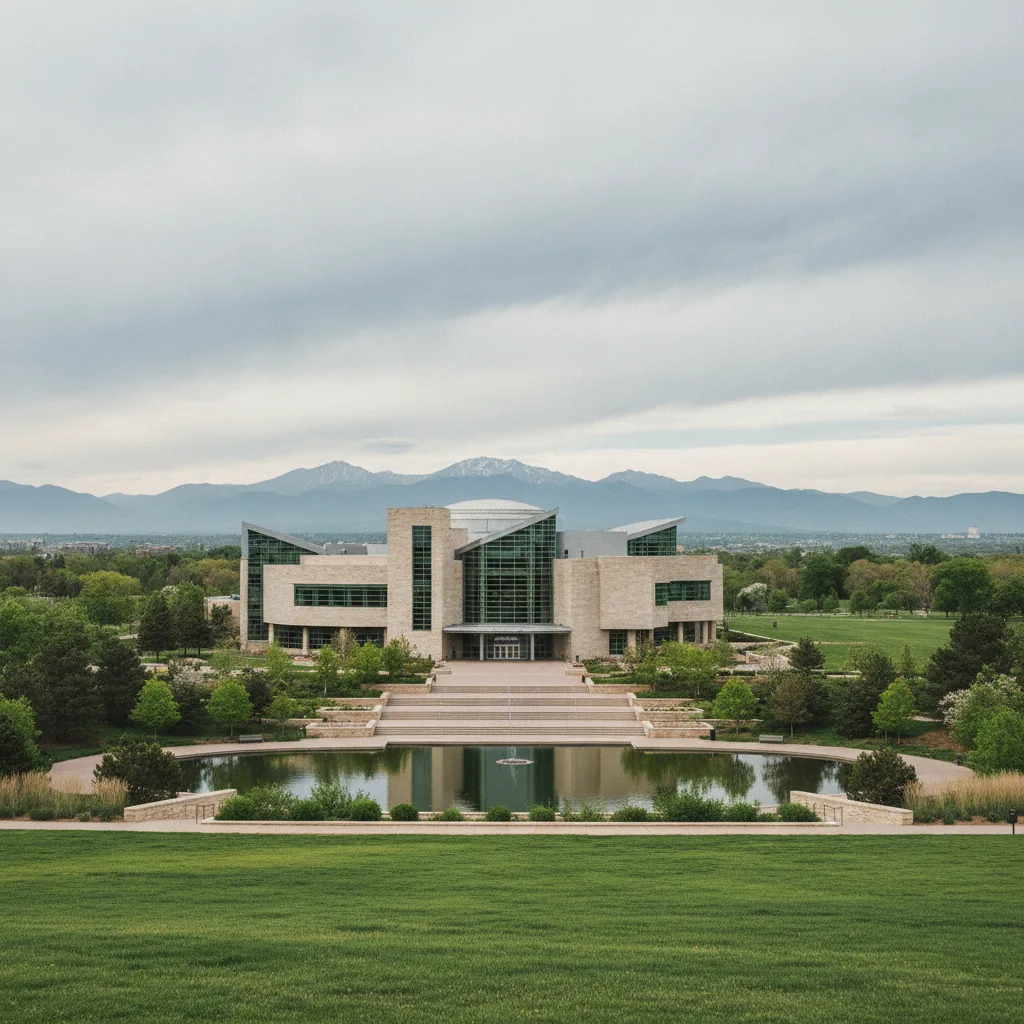
Our Denver Museum of Nature & Science guide covers practical planning for Denver Museum of Nature & Science Colorado — best time to visit, getting there, and what to do on the ground.
As the Roam States editorial team, we’re dedicated to providing independent, confident, and specific travel insights that cut through generic fluff. When it comes to cultural experiences in the Mile High City, the Denver Museum of Nature & Science Colorado stands as a premier destination. This institution invites visitors to delve into the mysteries of the cosmos, marvel at lifelike wildlife dioramas, and engage with compelling exhibits on ancient worlds and Colorado's unique ecosystems. We've compiled this comprehensive guide to ensure your visit is as enriching and seamless as possible in 2026.
Why Visit Denver Museum of Nature & Science
Is the Denver Museum of Nature & Science worth visiting? Absolutely. We consider it an essential stop for anyone exploring Denver, offering a dynamic blend of education and entertainment that appeals to a wide range of interests. The museum serves as a vital resource for informal science education in the Rocky Mountain region, continually evolving its offerings to inspire curiosity and discovery.
Beyond its impressive permanent collections, the museum regularly hosts captivating temporary exhibitions. For instance, in 2026, visitors can explore "The World's Largest Dinosaurs," running through September 7, 2026, which delves into the biology and anatomy of sauropods with interactive displays and a towering 60-foot Mamenchisaurus model. Another compelling exhibit, "Changing Landscapes: Inside Venice, Mesa Verde, and Rapa Nui," open from June 12, 2026, through January 3, 2027, uses large-scale projections and interactive experiences to highlight how climate change impacts UNESCO World Heritage Sites, including Colorado's own Mesa Verde. Additionally, "Brick Planet: A magical journey made with LEGO® bricks" is on display through May 3, 2026, offering a playful and artistic exploration of global ecosystems. These rotating exhibits ensure that there's always something new and exciting to discover, making the Denver Museum of Nature & Science worth visiting repeatedly.
The museum is also undergoing significant enhancements. The Hall of Gems & Minerals closed on April 15, 2026, for a $30 million renovation and 50% expansion, set to reopen in 2027 as the Dea Family Gems & Minerals Hall. This transformation promises more immersive environments and interactive displays, connecting guests to the essential role minerals play in our daily lives. While this popular exhibit is temporarily unavailable, the broader museum remains open, with most impacts contained to the existing gallery and adjacent areas.
Who It's Best For
The Denver Museum of Nature & Science is a truly versatile destination, catering to a diverse audience. We find it particularly ideal for:
- Families with Children: With interactive exhibits, engaging temporary shows like "Brick Planet" and "The World's Largest Dinosaurs," and the dedicated Discovery Zone for young children, the museum is a fantastic educational outing. Kids can engage with magnetic puzzles, digital rock art tracing, and hands-on activities that spark curiosity about the natural world and beyond.
- Science Enthusiasts: From paleontology to astrophysics, the museum's extensive collections and state-of-the-art Planetarium and Infinity Theater offer deep dives into scientific discovery. The "World's Largest Dinosaurs" exhibit, for example, provides detailed insights into sauropod biology.
- Lifelong Learners: Adults will appreciate the depth of information in the wildlife dioramas, the cultural significance explored in exhibits like "Changing Landscapes," and the opportunity to attend speaker series and lectures.
- Visitors Seeking Cultural Experiences: As a top cultural experience in Denver, the museum provides a window into ancient civilizations, global ecosystems, and the wonders of the universe, making it a rich cultural immersion.
- Accessibility-Focused Travelers: The museum is committed to being a welcoming place for all guests, offering accessible parking, barrier-free entrances, elevators throughout the building, and wheelchair availability. They also provide assistive listening devices and American Sign Language interpreters for live programs with advance notice.
Whether you're planning a trip to the US with young explorers or seeking a solo intellectual adventure, the Denver Museum of Nature & Science offers something compelling for everyone.
Getting There & Parking
Understanding how to get to the Denver Museum of Nature & Science and where to park is crucial for a smooth visit. The museum is conveniently located at 2001 Colorado Blvd, Denver, CO 80205.
By Car & Parking
If you're driving, parking is available and, notably, it is free at the museum. The main parking lot is situated on the north side of the museum, facing City Park's ball fields. For added convenience, an underground parking garage entrance is located on the west side of the north parking lot, near the main entrance, offering 550 spaces across two levels. Accessible parking spaces are available in both the main lot and the underground garage. Additional parking can be found along E. 22nd Avenue just north of the main lot, along Lake Avenue to the west of the Museum, and just north of the Denver Zoo in City Park. While parking is free, on particularly busy days, the garage can fill up, so having alternative plans or arriving early is advisable.
For those using navigation, the address is 2001 Colorado Blvd, Denver, CO. Directions are straightforward: from I-70, take Exit 276-B (Colorado Boulevard South); from I-25, take Exit 204 (Colorado Boulevard North).
Public Transportation
Public transportation is a highly recommended and often cost-effective way to reach the museum, especially to avoid potential parking challenges on peak days. RTD buses #20 and #40 stop near the museum on Colorado and Montview Boulevards. If you're coming from Union Station, we recommend taking bus #20 (from 17th & Larimer) or bus #32 (from 16th & Wazee). The bus journey from 17th St & Market St to Colorado Blvd & Montview Blvd takes approximately 20 minutes and costs around $3. RTD riders under age 19 can ride free under RTD's Zero Fare for Youth program. For detailed route information and schedules, you can contact RTD at 303.299.6000 or 1.800.366.RIDE. This option is particularly useful for visitors wondering how to get to the Denver Museum of Nature & Science without a car.
Rideshare & Accessibility Improvements
Rideshare services like Lyft are also an option, and the museum often partners with them for discounts (e.g., use code DMNSNEW for $5 off 3 rides for new users). Furthermore, the ongoing East Wing Project, set for a Grand Opening in Summer 2026, includes new sidewalks connecting surrounding neighborhoods and bus riders to the north entrance, along with new accessibility ramps on the east side, enhancing overall access to the museum.
Top Things to Do
When planning your visit, you'll find an incredible array of things to do at the Denver Museum of Nature & Science. Our team suggests prioritizing a mix of permanent exhibits and current temporary features to get the most out of your day.
Explore Permanent Exhibitions
- Wildlife Halls: Immerse yourself in lifelike dioramas showcasing diverse ecosystems from Colorado and around the world. These beautifully crafted exhibits provide an intimate look at animals in their natural habitats.
- Prehistoric Journey: Step back in time to explore the history of life on Earth, from ancient microbes to the age of dinosaurs. This hall features impressive fossil displays and offers a comprehensive overview of evolution.
- Space Odyssey: Journey through the cosmos, explore our solar system, and learn about the universe's mysteries. This interactive area is a highlight for aspiring astronauts and stargazers alike.
- Egyptian Mummies: Discover ancient Egyptian culture through a remarkable collection of mummies, artifacts, and interactive displays that bring this fascinating civilization to life.
- North American Indian Cultures: Gain insight into the rich history and diverse cultures of Native American peoples across North America through artifacts, art, and stories.
Experience Special Exhibitions (2026)
The museum consistently brings in world-class temporary exhibits. For 2026, some of the top things to do at the Denver Museum of Nature & Science include:
- "The World's Largest Dinosaurs" (Through Sept. 7, 2026): This exhibit is a must-see for dinosaur enthusiasts. It explores the biology and anatomy of sauropods, featuring a 60-foot-long Mamenchisaurus model and interactive displays on how these colossal animals lived.
- "Brick Planet: A magical journey made with LEGO® bricks" (Through May 3, 2026): Sean Kenney's incredible LEGO® sculptures bring global ecosystems to life. This family-friendly exhibit offers hands-on opportunities for building and sketching, making it a playful and educational experience.
- "Changing Landscapes: Inside Venice, Mesa Verde, and Rapa Nui" (June 12, 2026 – Jan. 3, 2027): Explore UNESCO World Heritage Sites and learn how climate change is impacting them through large-scale projections and interactive experiences. This exhibit includes a focus on Colorado's Mesa Verde.
- "The Secret World of Elephants" (Oct. 24, 2025 – Jan. 25, 2026): Discover the remarkable science behind elephants, from their communication methods to their role in ecosystems, through hands-on interactive stations.
Catch a Show
- Gates Planetarium: Delve into astronomy with immersive shows that transport you across the universe. A separate ticket is typically required for Planetarium shows, even on free admission days.
- Sturm Infinity Theater: Experience breathtaking films on a giant screen, covering a range of scientific and natural history topics. Like the Planetarium, a separate, timed ticket is required for Infinity Theater films. The Infinity Theater was recently updated as part of the East Wing Project, featuring an advanced projection system and improved accessibility.
Remember that while general museum admission is free on certain SCFD Community Free Days, separate tickets are usually needed for temporary exhibitions, Planetarium, and Infinity Theater shows. We strongly encourage purchasing tickets in advance online, especially for these special experiences.
Denver Museum of Nature & Science Hiking Trails & Nearby Outdoor Activities
While the Denver Museum of Nature & Science itself doesn't feature traditional hiking trails, its prime location within City Park offers fantastic opportunities for outdoor activity right outside its doors. City Park is one of Denver's largest and most beloved urban parks, providing ample space for walking, jogging, and enjoying nature. You can easily spend time strolling around Ferril Lake, admiring the views of the Denver skyline and the Rocky Mountains, or visiting the Denver Zoo, which is also located within City Park.
For those looking for more extensive Denver Museum of Nature & Science hiking trails or nature experiences, Colorado offers an abundance of options within a short drive. Consider exploring the Garden of the Gods in Colorado Springs for stunning rock formations and easy walking paths, or venture further into the mountains to destinations like Rocky Mountain National Park for world-class hiking. Even closer, the Denver Botanic Gardens offers beautifully curated outdoor spaces for a more relaxed natural experience. We recommend checking out the official Colorado Tourism Office website for a comprehensive guide to outdoor adventures across the state.
Best Time to Visit
To maximize your experience at the Denver Museum of Nature & Science Colorado, timing your visit is key. We've observed that certain periods offer a more relaxed atmosphere, while others provide unique opportunities.
Least Crowded Times
Generally, weekday afternoons tend to be less crowded than weekends or school holidays. If your schedule allows, we recommend visiting on a Tuesday, Wednesday, or Thursday, especially outside of peak summer months (June-August) and major holiday breaks. Arriving right at opening (9 a.m.) or later in the afternoon (after 2 p.m.) can also help you avoid the largest crowds, particularly school groups.
Peak Times to Be Aware Of
- Weekends and School Holidays: Expect higher attendance during these times, particularly Saturday mornings.
- SCFD Community Free Days: The museum offers several free admission days throughout 2026, thanks to the Scientific & Cultural Facilities District. While these days offer fantastic access, they are significantly more crowded. If you plan to visit on a Free Day (e.g., Sunday, January 11; Sunday, February 1; Monday, February 9; Friday evening, March 6; Monday, April 13; Sunday, April 26; Friday, June 19; Monday, August 24; Tuesday evening, September 1; Sunday, October 11; Saturday evening, November 7; Monday, November 16), be prepared for larger crowds and longer lines. Note that temporary exhibitions and theater shows may still require a separate ticket on free days.
- Special Events: Check the museum's official website for any special events, lectures, or evening programs that might draw additional visitors.
Seasonal Considerations
- Spring (March-May) & Fall (September-November): These shoulder seasons often provide pleasant weather for exploring City Park before or after your museum visit, and the museum itself tends to be less busy than in summer.
- Summer (June-August): While popular, summer can be busy with families and tourists. If visiting in summer, aim for early mornings or late afternoons on weekdays.
- Winter (December-February): The museum offers a warm and engaging indoor activity during colder months. Be mindful of holiday crowds, especially around Christmas (the museum is closed on December 25).
The museum is open daily from 9 a.m. to 5 p.m., with extended hours on most Fridays until 9 p.m.. The last entry time is 60 minutes before closing. We strongly recommend purchasing tickets in advance online, especially if you plan to see a temporary exhibition or a show in the Planetarium or Infinity Theater, as these often sell out.
Where to Stay Nearby
Finding suitable Denver Museum of Nature & Science lodging can greatly enhance your visit, allowing for easy access to the museum and other Denver attractions. We've identified several excellent options, ranging from luxury to more budget-friendly choices, all within a reasonable distance.
Hotels Closest to the Museum (City Park Area)
The immediate vicinity of City Park offers a few convenient choices. While direct "on-site" Denver Museum of Nature & Science lodging is not available, several hotels are just a short drive or even a walk away:
- Flora House Denver: Highly rated and located in Denver's Capitol Hill, this hotel receives exceptional guest reviews and is a short distance from the museum.
- All Inn: A 3-star option located on E Colfax Avenue, offering quick access to the nearby Bluebird Theater and a reasonable distance from the museum.
- Park Hill Bungalow With Main Floor Bed & Bath Denver: This accommodation is noted for being approximately a 5-minute walk from the Denver Museum of Nature & Science, making it incredibly convenient.
- Spacious City Park Golf House - Hot Tub & Theater Denver: Located about a 13-minute walk from the museum, this villa offers more space and amenities like a hot tub.
Downtown Denver & Cherry Creek Options
Downtown Denver and the Cherry Creek neighborhood offer a broader selection of upscale and mid-range Denver Museum of Nature & Science lodging, often with excellent amenities and good access to public transportation or a short rideshare to the museum.
- Luxury Stays:
- Hotel Clio, a Luxury Collection Hotel, Denver Cherry Creek: A highly-rated luxury option in the upscale Cherry Creek area.
- Four Seasons Hotel Denver: Known for its exceptional service and prime downtown location.
- The Crawford Hotel: Located within Union Station, offering a unique and luxurious experience with great connectivity.
- The Ramble Hotel: A boutique hotel in the RiNo Art District, known for its unique character.
- Mid-Range & Business-Friendly:
- Hyatt Regency Denver at Colorado Convention Center: A 4-star hotel about 3 miles from the museum, offering eco-friendly accommodations and good amenities.
- Grand Hyatt Denver: A 4.5-star property about 2 miles from the museum, ideal for families and adventure-seekers with sustainable luxury.
- Hyatt Place Denver Downtown: A 3.5-star hotel about 3 miles away, pet-friendly and offering complimentary breakfast.
- Warwick Denver: A well-regarded hotel in Capitol Hill.
Budget-Friendly Accommodations
For travelers seeking more affordable Denver Museum of Nature & Science lodging, several options provide comfort without breaking the bank:
- Days Inn by Wyndham Denver Downtown: A budget-friendly hotel in Capitol Hill with good reviews for cleanliness and staff.
- Quality Inn & Suites Denver Stapleton: Offers comfortable rooms at an affordable price, including complimentary breakfast, with easy access to the museum.
- Super 8 by Wyndham Denver Stapleton: Another economical choice in the Central Park area.
When considering where to stay near the Denver Museum of Nature & Science, we recommend weighing proximity against budget and desired amenities. Many hotels offer easy access to public transport or rideshares, making locations slightly further out still very convenient. For a broader exploration of Colorado, consider extending your trip to destinations like Breckenridge Historic District or Aspen & Maroon Bells Colorado.
Sample 2-Day Itinerary
To help you make the most of your visit to the Denver Museum of Nature & Science Colorado and the surrounding area, we've crafted a sample 2-day itinerary. This plan balances museum exploration with other key Denver attractions.
Day 1: Deep Dive into the Museum
- Morning (9:00 AM - 1:00 PM): Arrive at the Denver Museum of Nature & Science right at opening. Head directly to the "The World's Largest Dinosaurs" exhibit (if visiting before Sept. 7, 2026) to avoid larger crowds. Spend ample time exploring the Prehistoric Journey and Wildlife Halls.
- Lunch (1:00 PM - 2:00 PM): Grab a bite at the T-Rex Cafe within the museum or pack a picnic to enjoy in City Park, weather permitting. The newly renovated East Plaza, opening Summer 2026, will offer a welcoming space for park visitors to gather and eat.
- Afternoon (2:00 PM - 5:00 PM): Explore the Space Odyssey and Egyptian Mummies exhibits. Catch a show at the Gates Planetarium or the Sturm Infinity Theater (remember to book timed tickets in advance for these). If visiting between June 12, 2026, and January 3, 2027, dedicate time to the "Changing Landscapes" exhibit.
- Evening: Enjoy dinner at a restaurant in the nearby Cherry Creek North neighborhood, known for its upscale dining and boutiques.
Day 2: Denver City Exploration
- Morning (9:30 AM - 12:30 PM): Start your day with a visit to the Denver Botanic Gardens, a beautiful urban oasis offering diverse plant collections and art installations.
- Lunch (12:30 PM - 1:30 PM): Have lunch in the Capitol Hill or Golden Triangle Creative District, offering a variety of cafes and eateries.
- Afternoon (1:30 PM - 5:00 PM): Explore downtown Denver. We recommend a visit to the Red Rocks Amphitheatre for its stunning natural beauty and iconic status, or the Denver Art Museum for its impressive collections. Alternatively, take a stroll along the 16th Street Mall.
- Evening: Experience Denver's vibrant food scene. Consider a brewery tour in the RiNo Art District or a performance at the Denver Center for the Performing Arts.
This itinerary provides a robust two days, but Denver offers so much more. For extended stays, consider venturing further into the state to experience the rugged beauty of Black Canyon of the Gunnison Colorado or the breathtaking views from Colorado National Monument. You can find more ideas on our Best places in Colorado guide or use our USA Road Trip Planner.
Last updated: 2026-07-12 by the Roam States team.