Fossil Springs Travel Guide — Arizona
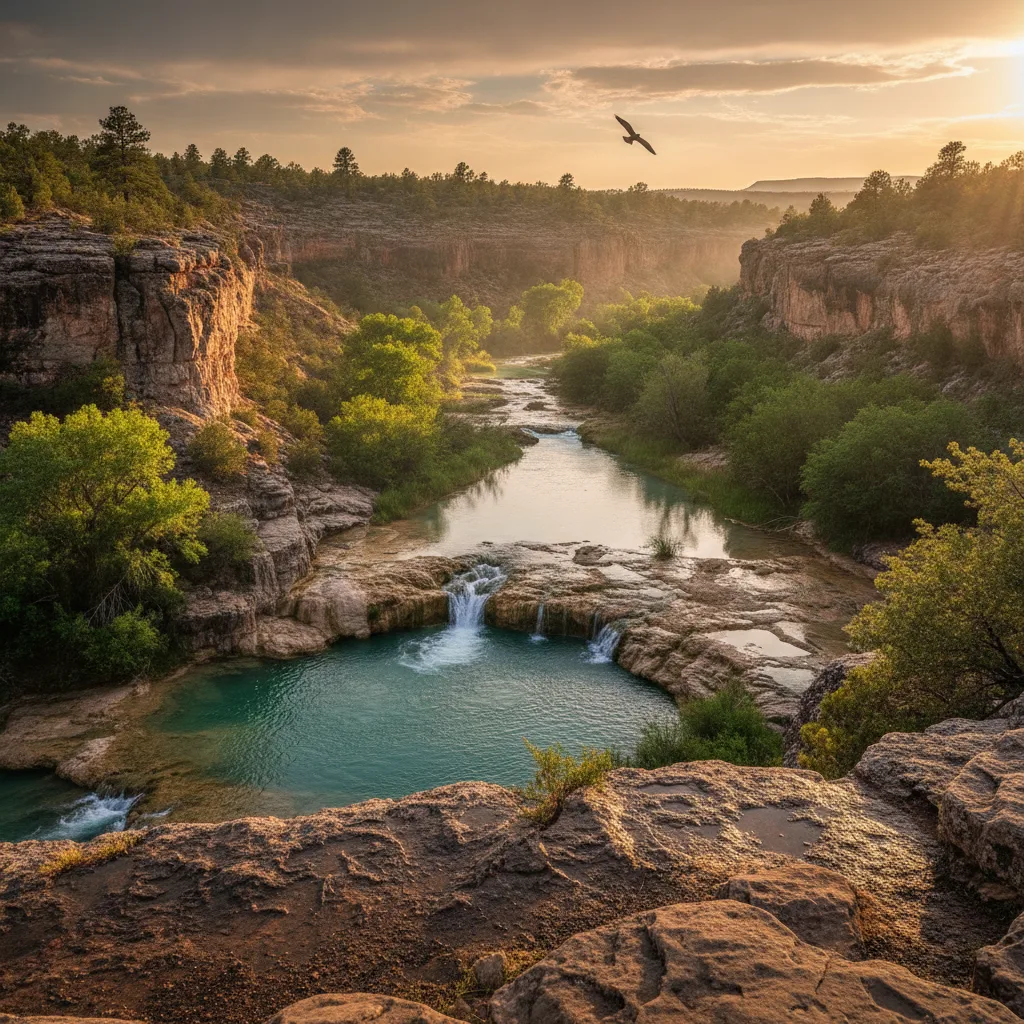
Fossil Springs Arizona — Our team at Visit America knows that some of the most rewarding destinations require a bit of effort to reach, and Fossil Springs is a prime example. This isn't your average roadside attraction; it's a challenging, yet incredibly rewarding, journey to a pristine oasis of turquoise waters, cascading waterfalls, and lush riparian beauty nestled deep within the Coconino National Forest. We're here to cut through the generic travel fluff and give you the definitive guide to planning your adventure to this remarkable natural wonder.
Why Visit Fossil Springs
We believe that true adventure lies in discovering places that challenge and inspire, and Fossil Springs delivers on both fronts. This isn't just a swimming hole; it's a geological marvel, home to one of Arizona's most unique water sources. The springs emit a constant flow of 20,000 gallons of water per minute, rich in calcium carbonate, which has created stunning travertine formations over thousands of years. The result is a series of vibrant, mineral-rich pools and waterfalls that stand in stark contrast to the surrounding desert landscape.
For us, the allure of Fossil Springs lies in its unspoiled beauty and the sense of accomplishment that comes with earning your dip in its refreshing waters. It’s a place where you can truly disconnect from the everyday, immerse yourself in nature, and experience a side of Arizona that few get to see. Unlike more accessible spots, the journey to Fossil Springs is part of the experience, ensuring that those who make the trek are genuinely seeking the tranquility and natural splendor it offers.
Beyond the swimming, the area boasts a rich ecosystem, supporting diverse plant and animal life that thrives in the constant flow of water. It’s a sanctuary for birdwatchers, photographers, and anyone looking to reconnect with the wild. We consider it an essential stop for anyone seeking an authentic Arizona outdoor experience, especially if you appreciate destinations that demand a little more from you.
Who It's Best For
Fossil Springs is unequivocally best suited for adventurous, physically fit individuals and small groups who are prepared for a strenuous hike and a primitive outdoor experience. This is not a destination for casual sightseers, those with mobility issues, or very young children. Our team emphasizes that the difficulty of the trails, combined with the need for self-sufficiency, makes it ideal for experienced hikers, backpackers, and nature enthusiasts who are comfortable navigating challenging terrain.
We particularly recommend Fossil Springs for those who appreciate destinations that require a permit and strict adherence to Leave No Trace principles. This commitment to preservation ensures that the springs remain pristine, and those who visit are typically individuals who share that respect for nature. If you're someone who thrives on the challenge of a rewarding hike and dreams of cooling off in crystal-clear, natural pools far from the crowds, then Fossil Springs is absolutely for you. It's also a fantastic spot for photographers looking to capture unique landscapes, and for those seeking a truly memorable swimming experience in a breathtaking natural setting.
However, if your idea of a relaxing day involves easy access, paved paths, and amenities, we strongly advise looking elsewhere. Fossil Springs demands preparation, endurance, and a deep appreciation for raw, untamed wilderness.
Getting There & Parking
Understanding how to get to Fossil Springs is crucial, as access is limited and requires careful planning. There are two primary access points, both leading to the Fossil Creek Wild and Scenic River area, which encompasses Fossil Springs. The most common and direct route for most visitors is via Forest Road 708 (Fossil Creek Road) from Strawberry or Camp Verde. This road is unpaved, often rough, and typically requires a high-clearance vehicle, though 4x4 isn't always strictly necessary if conditions are dry. Our team advises checking road conditions with the Coconino National Forest before you depart, especially after rain or snow.
For 2026, a permit is required for day-use access to the Fossil Creek Wild and Scenic River area from April 1st through October 1st. This permit system is in place to protect the delicate ecosystem and manage visitor numbers. Permits are released monthly, a month in advance, and can only be obtained online through Recreation.gov. We cannot stress enough: secure your permit well in advance, as they sell out rapidly, often within minutes of release. Without a permit, you will be turned away at the access gates, and there are no on-site sales.
Parking for Fossil Springs is designated and requires a permit during the peak season. There are several parking lots along Fossil Creek Road, each serving different trailheads. The most popular trailhead for reaching the main Fossil Springs swimming area is the Fossil Springs Trailhead (often referred to as the "Waterfall Trailhead"), which is accessed from the Fossil Springs Road (FR 502) turnoff from FR 708. This route involves a steep, approximately 4-mile descent into the canyon. Parking at this trailhead is extremely limited and requires a specific permit reservation for that lot. Ensure your permit specifies the correct parking zone for your intended destination. Our team recommends arriving early, even with a permit, to secure your spot, especially on weekends. There are no fees beyond the permit cost for parking at the designated lots.
Another option, though less direct for the main springs, is the Waterfall Trailhead from the Camp Verde side via FR 708. This also requires a permit for parking. Be aware that cell service is unreliable, if not non-existent, in the canyon and along much of Fossil Creek Road, so download maps and permit information beforehand. Planning how to get to Fossil Springs meticulously will save you considerable frustration.
Top Things to Do
Once you've successfully navigated the permit system and the challenging journey, a world of natural wonders awaits. Our team has identified the absolute top things to do at Fossil Springs, ensuring you make the most of your visit to this extraordinary destination.
- Swim in the Turquoise Pools: This is, without a doubt, the primary draw. The mineral-rich waters of Fossil Springs create stunning turquoise and emerald pools that are incredibly refreshing after a strenuous hike. Find a quiet spot, wade in, and let the cool water wash away the trail dust. The water temperature remains a consistent 70 degrees Fahrenheit (21 degrees Celsius) year-round, making it a perfect escape from Arizona's heat.
- Explore the Waterfalls: Fossil Springs is famous for its travertine waterfalls. The main waterfall, often called the "Fossil Springs Waterfall," is a spectacular sight, with water cascading over mineral-encrusted formations. There are also numerous smaller falls and cascades throughout the creek bed, each offering unique photo opportunities and tranquil spots to relax.
- Cliff Jumping (with caution): For the adventurous, there are several spots where visitors safely jump from low cliffs into deep pools. However, we strongly advise extreme caution. Always check water depth before jumping, and never jump headfirst. Rocks and submerged hazards can shift, and injuries are common for those who are careless.
- Photography: The vibrant colors of the water, the lush greenery, and the unique travertine formations make Fossil Springs a photographer's paradise. Bring a waterproof camera or a protective case for your phone to capture the stunning scenery. Early morning light offers the best conditions for capturing the vibrant hues.
- Picnicking: Pack a lunch and enjoy a picnic by the creek. Remember, all trash must be packed out – Leave No Trace principles are paramount here. There are no trash receptacles, so be prepared to carry everything you bring in, out.
- Wildlife Viewing: The riparian corridor along Fossil Creek supports a surprising array of wildlife, including various bird species, reptiles, and even larger mammals like deer. Keep an eye out for unique flora and fauna that thrive in this oasis.
These things to do at Fossil Springs offer a perfect blend of relaxation and adventure, making your strenuous journey truly worthwhile. Remember to always prioritize safety and respect the natural environment.
Best Time to Visit
Our team considers the shoulder seasons — late spring (April-May) and early fall (September-October) — to be the absolute best time to visit Fossil Springs. During these periods, the Arizona temperatures are more moderate, making the strenuous hike much more enjoyable. The water, which remains a constant 70°F (21°C), is incredibly refreshing after the descent, and the surrounding foliage can be particularly vibrant.
The permit system is in effect from April 1st through October 1st. While summer (June-August) offers the hottest weather, making the cool water incredibly appealing, it also means higher temperatures on the trail and increased competition for permits. We advise against visiting during the peak heat of July and August unless you are extremely well-prepared for intense sun exposure and heat exhaustion risks on the hike out.
Outside of the permit season (October 2nd through March 31st), permits are not required for day use, and the area is open to visitors. However, access roads may be closed due to snow or adverse weather conditions, particularly during winter months. While the creek still flows, the water can feel quite cold when air temperatures are low, and the hike can be more challenging with potentially icy patches. We recommend checking the Coconino National Forest website for road conditions and closures if planning a winter visit. For the quintessential Fossil Springs experience, aiming for a spring or fall visit when permits are required but the weather is ideal is our top recommendation.
Where to Stay Nearby
Given the remote nature of Fossil Springs and the early start often required for permitted access, finding suitable Fossil Springs lodging is an important part of your trip planning. Our team recommends staying in the nearby towns of Strawberry, Pine, or Camp Verde, all of which offer a range of accommodations and amenities.
- Strawberry & Pine: These charming mountain towns are the closest options to the northern access point of Fossil Creek Road (FR 708). They offer a quaint, small-town atmosphere with a few independent motels, cabins, and vacation rentals. You'll find basic services, local eateries, and a peaceful escape. For those seeking a rustic, authentic experience, these towns are excellent choices.
- Camp Verde: Located to the south, Camp Verde provides more extensive lodging options, including chain hotels, motels, and a wider variety of restaurants and services. It's a more convenient base if you're approaching Fossil Springs from the Phoenix area or planning to explore other attractions in the Verde Valley. Camp Verde also offers easier access to the southern end of Fossil Creek Road.
- Sedona & Cottonwood: While a bit further afield (approximately 1-1.5 hours drive to the trailheads), Sedona and Cottonwood offer a much broader selection of upscale resorts, boutique hotels, and fine dining. If you're combining your Fossil Springs trip with a more luxurious Arizona experience, perhaps exploring the red rocks of Sedona & Oak Creek Canyon, these towns are viable options. Just be prepared for an early start on your Fossil Springs day.
Camping is another option, though it's also subject to strict regulations and permits within the Fossil Creek area. Dispersed camping is generally not allowed directly along Fossil Creek Road during the permit season. There are designated campgrounds in the surrounding Coconino National Forest that may be available, but always verify current regulations and availability with the Forest Service. When considering Fossil Springs lodging, prioritize proximity and ease of access to your chosen trailhead, especially for that early morning start.
Sample 2-Day Itinerary
Our team has crafted a sample 2-day itinerary to help you maximize your Fossil Springs adventure, combining the challenging hike with nearby attractions for a well-rounded Arizona experience.
Day 1: Arrival & Fossil Springs Immersion
- Morning (6:00 AM - 7:00 AM): Depart from your lodging in Strawberry, Pine, or Camp Verde. Drive to your permitted Fossil Springs trailhead, ensuring you have your printed permit, plenty of water (at least 1 gallon per person), snacks, and sun protection.
- Morning (7:00 AM - 11:00 AM): Begin the strenuous hike down to Fossil Springs. The descent is steep, so take your time and enjoy the changing landscape.
- Late Morning/Afternoon (11:00 AM - 3:00 PM): Arrive at Fossil Springs. Spend your time swimming in the pristine pools, exploring the travertine waterfalls, finding a quiet spot for a picnic lunch, and capturing stunning photographs. Remember to pack out everything you pack in.
- Late Afternoon (3:00 PM - 7:00 PM): Begin the challenging ascent back to your vehicle. The hike out is uphill and can be particularly demanding, especially in warmer weather. Pace yourself and take frequent breaks.
- Evening (7:00 PM onwards): Return to your lodging. Enjoy a well-deserved dinner at a local restaurant in Strawberry, Pine, or Camp Verde. Reflect on the day's incredible natural beauty.
Day 2: Verde Valley Exploration & Departure
- Morning (8:00 AM - 10:00 AM): Enjoy a leisurely breakfast. Depending on your location, you might explore the small shops and local charm of Strawberry or Pine.
- Late Morning (10:00 AM - 1:00 PM): Head towards Camp Verde. Visit the Fort Verde State Historic Park to learn about Arizona's frontier history, or explore the Out of Africa Wildlife Park for an engaging animal encounter.
- Afternoon (1:00 PM - 2:00 PM): Have lunch in Camp Verde.
- Afternoon (2:00 PM onwards): Consider a scenic drive through the Verde Valley, perhaps stopping at a local winery in Cottonwood or touring the ancient cliff dwellings at Montezuma Castle National Monument. For those continuing their Arizona adventure, this is a great jumping-off point for destinations like Grand Canyon National Park or even further north to Monument Valley Navajo Park. If time allows, you can also head towards the state capital for more Best places in Arizona.
This itinerary balances the rigor of Fossil Springs with opportunities to explore the rich cultural and natural attractions of the surrounding region, ensuring a memorable trip.
Fossil Springs hiking trails
The Fossil Springs hiking trails are central to the experience, and understanding their characteristics is paramount for a safe and enjoyable visit. The most popular and direct route to the main swimming holes and waterfalls is via the Fossil Springs Trail, often referred to as the "Waterfall Trail" or "Fossil Springs Trailhead" accessed from the Fossil Springs Road (FR 502) turnoff from FR 708. This trail is approximately 4 miles one-way, descending about 1,500 feet into the canyon. Our team rates this as a strenuous hike, primarily due to the steep, rocky, and often exposed terrain. The return journey, a continuous uphill climb, is particularly challenging, especially during warmer months. Hikers should be prepared for significant elevation gain and loss.
Another option is the shorter, but still challenging, Flume Trail, which follows the old flume line. This trail is less direct to the main springs but offers different perspectives of the creek. Additionally, the Fossil Creek Dam Trail offers a relatively flat, 1-mile (one-way) hike to the site of the former Fossil Creek Dam, which was removed to restore the creek's natural flow. While less strenuous, this trail doesn't lead directly to the main swimming areas of Fossil Springs. Regardless of which of the Fossil Springs hiking trails you choose, proper hiking footwear with good ankle support, plenty of water, and sun protection are non-negotiable. Always stay on marked trails to protect the fragile ecosystem and ensure your safety.
Is It Worth Visiting?
Our expert verdict: Is Fossil Springs worth visiting? Absolutely, for the right type of traveler. This is not a casual day trip; it’s an adventure that demands preparation, physical exertion, and a deep respect for nature. But for those willing to put in the effort, the reward is unparalleled. The pristine turquoise waters, the unique travertine formations, and the sheer beauty of this secluded oasis are unlike anything else in Arizona. We consider it one of the state's true hidden gems, offering a truly immersive natural experience that stands in stark contrast to more developed tourist destinations.
However, we are also candid about its challenges. The permit system, the rough access roads, and the strenuous hike mean it's not for everyone. If you're seeking an easy-access swimming hole or prefer a less rugged experience, you might find the effort outweighs the reward. But if you thrive on adventure, appreciate untouched wilderness, and are prepared for a demanding day, then yes, is Fossil Springs worth visiting? Without a doubt, it offers an unforgettable experience that will be a highlight of your Arizona travels.
Fossil Springs camping
Fossil Springs camping within the immediate Fossil Creek Wild and Scenic River area is highly regulated. During the permit season (April 1st - October 1st), dispersed camping is generally prohibited along Fossil Creek Road (FR 708) and within a quarter-mile of the creek itself. There are no developed campgrounds directly at Fossil Springs. However, primitive camping is available outside the permit area in the surrounding Coconino National Forest, often requiring a short drive. Always check the Coconino National Forest website for the most up-to-date regulations, fire restrictions, and designated camping areas, as rules can change. If you plan to camp, ensure you have a valid permit for your chosen camping location and adhere strictly to Leave No Trace principles.
things to do in Strawberry
Strawberry, Arizona, while small, offers a charming respite and a few delightful things to do, especially as a base for Fossil Springs. Our team recommends exploring the historic Strawberry Schoolhouse, Arizona's oldest standing one-room schoolhouse, which offers a glimpse into pioneer life. You can also visit the local shops for unique crafts and souvenirs. For outdoor enthusiasts, the surrounding Tonto National Forest provides opportunities for hiking on less strenuous trails than Fossil Springs, and scenic drives. Dining options are limited but offer a cozy, local feel, perfect for unwinding after a day of adventure.
Fossil Springs with kids
Our team strongly advises against bringing young children to Fossil Springs. The hike to Fossil Springs is strenuous, with steep elevation changes, rocky terrain, and exposure to the sun, making it unsuitable for most children under 10-12 years old. The return hike, which is entirely uphill, can be particularly challenging for little legs and can lead to exhaustion and dehydration. Furthermore, the deep, cold pools and potential for slippery rocks around the waterfalls pose safety concerns. If you are considering Fossil Springs with older, experienced, and fit teenagers, ensure they are well-prepared, carry ample water, and are accustomed to challenging hikes. For families with younger children, we recommend exploring more family-friendly swimming holes and trails in other parts of Arizona.
best hotels near Fossil Springs
When searching for the best hotels near Fossil Springs, our team recommends focusing on Camp Verde for a wider selection of modern amenities, or Strawberry/Pine for a more rustic, closer-to-nature experience. In Camp Verde, you'll find reliable chain hotels like the Comfort Inn Camp Verde and Super 8 by Wyndham Camp Verde, offering comfortable stays and essential services. For a more unique experience in Strawberry or Pine, consider local independent motels, cabins, or vacation rentals available through platforms like Airbnb or VRBO. While there aren't luxury resorts directly adjacent to Fossil Springs, these options provide convenient and comfortable bases for your adventure, ensuring you're well-rested before and after your hike.
Fossil Springs tips
Our top Fossil Springs tips focus on safety and preparedness. First and foremost, secure your permit well in advance for the peak season (April-October) – without it, you won't get in. Carry at least one gallon of water per person for the hike, more if it's hot. Wear sturdy, broken-in hiking boots with good ankle support. Pack plenty of high-energy snacks and a first-aid kit. Start your hike early to avoid the midday heat and allow ample time for the strenuous return journey. Remember, there is no cell service, so download maps and inform someone of your itinerary. Finally, practice Leave No Trace principles diligently: pack out all trash, including food scraps, and leave the area as pristine as you found it.
where to stay near Fossil Springs
For those wondering where to stay near Fossil Springs, our team suggests the towns of Strawberry, Pine, or Camp Verde. Strawberry and Pine are the closest options to the northern access points of Fossil Creek Road, offering a quaint, small-town atmosphere with local motels and vacation rentals. Camp Verde, located further south, provides a broader range of accommodations, including chain hotels and more dining options, making it a convenient hub if you're coming from Phoenix or exploring other Verde Valley attractions. Both areas serve as excellent jumping-off points for your Fossil Springs adventure, allowing for an early start to secure your permitted parking spot.
Our Visit America team firmly believes that Fossil Springs is an unparalleled natural wonder, but it's a destination that demands respect, preparation, and a genuine love for challenging outdoor experiences. It's not for the faint of heart, but for those who embrace the journey, the reward of its crystal-clear waters and stunning travertine falls is truly unforgettable. Plan meticulously, secure your permits, and prepare for an adventure that will leave you refreshed and invigorated, reminding you of the raw beauty that Arizona has to offer.
Last updated: 2026-07-05 by the Visit America team.
Fossil Springs Travel Guide — Arizona
Fossil Springs Arizona — Our team at Visit America knows that some of the most rewarding destinations require a bit of effort to reach, and Fossil Springs is a prime example. This isn't your average roadside attraction; it's a challenging, yet incredibly rewarding, journey to a pristine oasis of turquoise waters, cascading waterfalls, and lush riparian beauty nestled deep within the Coconino National Forest. We're here to cut through the generic travel fluff and give you the definitive guide to planning your adventure to this remarkable natural wonder.
Why Visit Fossil Springs
We believe that true adventure lies in discovering places that challenge and inspire, and Fossil Springs delivers on both fronts. This isn't just a swimming hole; it's a geological marvel, home to one of Arizona's most unique water sources. The springs emit a constant flow of 20,000 gallons of water per minute, rich in calcium carbonate, which has created stunning travertine formations over thousands of years. The result is a series of vibrant, mineral-rich pools and waterfalls that stand in stark contrast to the surrounding desert landscape.
For us, the allure of Fossil Springs lies in its unspoiled beauty and the sense of accomplishment that comes with earning your dip in its refreshing waters. It’s a place where you can truly disconnect from the everyday, immerse yourself in nature, and experience a side of Arizona that few get to see. Unlike more accessible spots, the journey to Fossil Springs is part of the experience, ensuring that those who make the trek are genuinely seeking the tranquility and natural splendor it offers.
Beyond the swimming, the area boasts a rich ecosystem, supporting diverse plant and animal life that thrives in the constant flow of water. It’s a sanctuary for birdwatchers, photographers, and anyone looking to reconnect with the wild. We consider it an essential stop for anyone seeking an authentic Arizona outdoor experience, especially if you appreciate destinations that demand a little more from you.
Who It's Best For
Fossil Springs is unequivocally best suited for adventurous, physically fit individuals and small groups who are prepared for a strenuous hike and a primitive outdoor experience. This is not a destination for casual sightseers, those with mobility issues, or very young children. Our team emphasizes that the difficulty of the trails, combined with the need for self-sufficiency, makes it ideal for experienced hikers, backpackers, and nature enthusiasts who are comfortable navigating challenging terrain.
We particularly recommend Fossil Springs for those who appreciate destinations that require a permit and strict adherence to Leave No Trace principles. This commitment to preservation ensures that the springs remain pristine, and those who visit are typically individuals who share that respect for nature. If you're someone who thrives on the challenge of a rewarding hike and dreams of cooling off in crystal-clear, natural pools far from the crowds, then Fossil Springs is absolutely for you. It's also a fantastic spot for photographers looking to capture unique landscapes, and for those seeking a truly memorable swimming experience in a breathtaking natural setting.
However, if your idea of a relaxing day involves easy access, paved paths, and amenities, we strongly advise looking elsewhere. Fossil Springs demands preparation, endurance, and a deep appreciation for raw, untamed wilderness.
Getting There & Parking
Understanding how to get to Fossil Springs is crucial, as access is limited and requires careful planning. There are two primary access points, both leading to the Fossil Creek Wild and Scenic River area, which encompasses Fossil Springs. The most common and direct route for most visitors is via Forest Road 708 (Fossil Creek Road) from Camp Verde, using SR 260. This road is unpaved, often rough, and a high-clearance vehicle is highly recommended. There is no vehicle access to the main creek-side parking lots from Strawberry via Forest Road 708; that route only leads to the Bob Bear Trailhead. Our team advises checking road conditions with the Coconino National Forest before you depart, especially after rain or snow.
For 2026, a permit is required for day-use access to the Fossil Creek Wild and Scenic River area from April 1st through October 1st. This permit system is in place to protect the delicate ecosystem and manage visitor numbers. Permits are released monthly, a month in advance, and can only be obtained online through Recreation.gov. We cannot stress enough: secure your permit well in advance, as they sell out rapidly, often within minutes of release. Without a permit, you will be turned away at the access gates, and there are no on-site sales. The permit costs $6 per vehicle.
Parking for Fossil Springs is designated and requires a permit during the peak season. There are several parking lots along Fossil Creek Road, each serving different trailheads. The most popular trailhead for reaching the main Fossil Springs swimming area is the Fossil Springs Trailhead (now often referred to as the Bob Bear Trailhead), which is accessed from the Strawberry side via Forest Road 708. This route involves a steep, approximately 4-mile (one-way) descent into the canyon, with a 1,500-foot elevation change. Parking at this trailhead is extremely limited and requires a specific permit reservation for that lot. Ensure your permit specifies the correct parking zone for your intended destination. Our team recommends arriving early, even with a permit, to secure your spot, especially on weekends. The parking lots open at 8 a.m. and close at 8 p.m., with access gates closing at 3 p.m. daily for some lots. There are no fees beyond the permit cost for parking at the designated lots. Cell service is unreliable, if not non-existent, in the canyon and along much of Fossil Creek Road, so download maps and permit information beforehand. Planning how to get to Fossil Springs meticulously will save you considerable frustration.
Top Things to Do
Once you've successfully navigated the permit system and the challenging journey, a world of natural wonders awaits. Our team has identified the absolute top things to do at Fossil Springs, ensuring you make the most of your visit to this extraordinary destination.
- Swim in the Turquoise Pools: This is, without a doubt, the primary draw. The mineral-rich waters of Fossil Springs create stunning turquoise and emerald pools that are incredibly refreshing after a strenuous hike. The water temperature remains a consistent 70-72 degrees Fahrenheit (21-22 degrees Celsius) year-round, making it a perfect escape from Arizona's heat.
- Explore the Waterfalls: Fossil Springs is famous for its travertine waterfalls. The main waterfall, often called the "Fossil Springs Waterfall," is a spectacular sight, with water cascading over mineral-encrusted formations. There are also numerous smaller falls and cascades throughout the creek bed, each offering unique photo opportunities and tranquil spots to relax.
- Cliff Jumping (with caution): For the adventurous, there are several spots where visitors safely jump from low cliffs into deep pools. However, we strongly advise extreme caution. Always check water depth before jumping, and never jump headfirst. Rocks and submerged hazards can shift, and injuries are common for those who are careless.
- Photography: The vibrant colors of the water, the lush greenery, and the unique travertine formations make Fossil Springs a photographer's paradise. Bring a waterproof camera or a protective case for your phone to capture the stunning scenery. Early morning light offers the best conditions for capturing the vibrant hues.
- Picnicking: Pack a lunch and enjoy a picnic by the creek. Remember, all trash must be packed out – Leave No Trace principles are paramount here. There are no trash receptacles, so be prepared to carry everything you bring in, out.
- Wildlife Viewing: The riparian corridor along Fossil Creek supports a surprising array of wildlife, including various bird species, reptiles, and even larger mammals like deer. Keep an eye out for unique flora and fauna that thrive in this oasis.
These things to do at Fossil Springs offer a perfect blend of relaxation and adventure, making your strenuous journey truly worthwhile. Remember to always prioritize safety and respect the natural environment. Glass containers are prohibited in the Fossil Creek area.
Best Time to Visit
Our team considers the shoulder seasons — late spring (April-May) and early fall (September-October) — to be the absolute best time to visit Fossil Springs. During these periods, the Arizona temperatures are more moderate, making the strenuous hike much more enjoyable. The water, which remains a constant 70-72°F (21-22°C), is incredibly refreshing after the descent, and the surrounding foliage can be particularly vibrant.
The permit system is in effect from April 1st through October 1st. While summer (June-August) offers the hottest weather, making the cool water incredibly appealing, it also means higher temperatures on the trail and increased competition for permits. We advise against visiting during the peak heat of July and August unless you are extremely well-prepared for intense sun exposure and heat exhaustion risks on the hike out.
Outside of the permit season (October 2nd through March 31st), permits are not required for day use, and the area is open to visitors. However, access roads may be closed due to snow or adverse weather conditions, particularly during winter months. While the creek still flows, the water can feel quite cold when air temperatures are low, and the hike can be more challenging with potentially icy patches. We recommend checking the Coconino National Forest website or calling the Fossil Creek hotline at (928) 226-4611 for road conditions and closures if planning a winter visit. For the quintessential Fossil Springs experience, aiming for a spring or fall visit when permits are required but the weather is ideal is our top recommendation.
Where to Stay Nearby
Given the remote nature of Fossil Springs and the early start often required for permitted access, finding suitable Fossil Springs lodging is an important part of your trip planning. Our team recommends staying in the nearby towns of Strawberry, Pine, or Camp Verde, all of which offer a range of accommodations and amenities.
- Strawberry & Pine: These charming mountain towns are the closest options to the northern access point of the Bob Bear Trailhead. They offer a quaint, small-town atmosphere with a few independent motels, cabins, and vacation rentals, such as The Strawberry Inn or Cabins on Strawberry Hill. You'll find basic services, local eateries, and a peaceful escape. For those seeking a rustic, authentic experience, these towns are excellent choices.
- Camp Verde: Located to the south, Camp Verde provides more extensive lodging options, including chain hotels, motels, and a wider variety of restaurants and services. It's a more convenient base if you're approaching Fossil Springs from the Phoenix area or planning to explore other attractions in the Verde Valley. Camp Verde also offers easier access to the southern end of Fossil Creek Road (FR 708) for other creek access points.
- Sedona & Cottonwood: While a bit further afield (approximately 1-1.5 hours drive to the trailheads), Sedona and Cottonwood offer a much broader selection of upscale resorts, boutique hotels, and fine dining. If you're combining your Fossil Springs trip with a more luxurious Arizona experience, perhaps exploring the red rocks of Sedona & Oak Creek Canyon, these towns are viable options. Just be prepared for an early start on your Fossil Springs day.
Camping is another option, though it's also subject to strict regulations and permits within the Fossil Creek area. During the Spring-Summer Season (April 1st to October 1st), camping is prohibited anywhere in the permit area, including parking lots. Dispersed camping may be allowed outside the permit area during the Fall-Winter Season (October 2nd to March 31st), but certain restrictions still apply, such as prohibitions between Fossil Creek Bridge and Fossil Creek Dam year-round. Always verify current regulations and availability with the Forest Service. When considering Fossil Springs lodging, prioritize proximity and ease of access to your chosen trailhead, especially for that early morning start.
Sample 2-Day Itinerary
Our team has crafted a sample 2-day itinerary to help you maximize your Fossil Springs adventure, combining the challenging hike with nearby attractions for a well-rounded Arizona experience.
Day 1: Arrival & Fossil Springs Immersion
- Morning (6:00 AM - 7:00 AM): Depart from your lodging in Strawberry, Pine, or Camp Verde. Drive to your permitted Fossil Springs trailhead, ensuring you have your printed permit, plenty of water (at least 1 gallon per person is recommended), snacks, and sun protection.
- Morning (7:00 AM - 11:00 AM): Begin the strenuous hike down to Fossil Springs via the Bob Bear Trail (approximately 4-5 miles one-way, 1,500 feet descent). The descent is steep, so take your time and enjoy the changing landscape.
- Late Morning/Afternoon (11:00 AM - 3:00 PM): Arrive at Fossil Springs. Spend your time swimming in the pristine pools, exploring the travertine waterfalls, finding a quiet spot for a picnic lunch, and capturing stunning photographs. Remember to pack out everything you pack in.
- Late Afternoon (3:00 PM - 7:00 PM): Begin the challenging ascent back to your vehicle. The hike out is uphill and can be particularly demanding, especially in warmer weather. Pace yourself and take frequent breaks.
- Evening (7:00 PM onwards): Return to your lodging. Enjoy a well-deserved dinner at a local restaurant in Strawberry, Pine, or Camp Verde. Reflect on the day's incredible natural beauty.
Day 2: Verde Valley Exploration & Departure
- Morning (8:00 AM - 10:00 AM): Enjoy a leisurely breakfast. Depending on your location, you might explore the small shops and local charm of Strawberry or Pine.
- Late Morning (10:00 AM - 1:00 PM): Head towards Camp Verde. Visit the Fort Verde State Historic Park to learn about Arizona's frontier history, or explore the Out of Africa Wildlife Park for an engaging animal encounter.
- Afternoon (1:00 PM - 2:00 PM): Have lunch in Camp Verde.
- Afternoon (2:00 PM onwards): Consider a scenic drive through the Verde Valley, perhaps stopping at a local winery in Cottonwood or touring the ancient cliff dwellings at Montezuma Castle National Monument. For those continuing their Arizona adventure, this is a great jumping-off point for destinations like Grand Canyon National Park or even further north to Monument Valley Navajo Park. If time allows, you can also head towards the state capital for more Best places in Arizona.
This itinerary balances the rigor of Fossil Springs with opportunities to explore the rich cultural and natural attractions of the surrounding region, ensuring a memorable trip.
Fossil Springs hiking trails
The Fossil Springs hiking trails are central to the experience, and understanding their characteristics is paramount for a safe and enjoyable visit. The most popular and direct route to the main swimming holes and waterfalls is via the Bob Bear Trail (formerly Fossil Springs Trail), accessed from the Strawberry side. This trail is approximately 4-5 miles one-way, descending about 1,500 feet into the canyon. Our team rates this as a strenuous hike, primarily due to the steep, rocky, and often exposed terrain. The return journey, a continuous uphill climb, is particularly challenging, especially during warmer months. Hikers should be prepared for significant elevation gain and loss.
Another option, though less direct for the main springs, is the Flume Trail, which follows an old flume line and is accessible from the Camp Verde side. This trail is longer, around 10 miles round trip, but often considered moderate with a more gradual incline, potentially offering a less crowded experience. Additionally, the Fossil Creek Dam Trail offers a relatively flat, 1-mile (one-way) hike to the site of the former Fossil Creek Dam. While less strenuous, this trail doesn't lead directly to the main swimming areas of Fossil Springs. Regardless of which of the Fossil Springs hiking trails you choose, proper hiking footwear with good ankle support, plenty of water (at least one gallon per person), and sun protection are non-negotiable. Always stay on marked trails to protect the fragile ecosystem and ensure your safety.
Is It Worth Visiting?
Our expert verdict: Is Fossil Springs worth visiting? Absolutely, for the right type of traveler. This is not a casual day trip; it’s an adventure that demands preparation, physical exertion, and a deep respect for nature. But for those willing to put in the effort, the reward is unparalleled. The pristine turquoise waters, the unique travertine formations, and the sheer beauty of this secluded oasis are unlike anything else in Arizona. We consider it one of the state's true hidden gems, offering a truly immersive natural experience that stands in stark contrast to more developed tourist destinations.
However, we are also candid about its challenges. The permit system, the rough access roads, and the strenuous hike mean it's not for everyone. If you're seeking an easy-access swimming hole or prefer a less rugged experience, you might find the effort outweighs the reward. But if you thrive on adventure, appreciate untouched wilderness, and are prepared for a demanding day, then yes, is Fossil Springs worth visiting? Without a doubt, it offers an unforgettable experience that will be a highlight of your Arizona travels.
Fossil Springs camping
Fossil Springs camping within the immediate Fossil Creek Wild and Scenic River area is highly regulated. During the permit season (April 1st - October 1st), camping is prohibited anywhere in the permit area, including all eight parking lots and creek-access sites. There are no developed campgrounds directly at Fossil Springs. However, primitive camping may be allowed outside the permit area in the surrounding Coconino and Tonto National Forests during the non-permit season (October 2nd - March 31st), but with specific restrictions, such as prohibitions between Fossil Creek Bridge and Fossil Creek Dam. Always check the Coconino National Forest website for the most up-to-date regulations, fire restrictions (campfires are prohibited in the permit area year-round), and designated camping areas, as rules can change. If you plan to camp, ensure you have a valid permit for your chosen camping location and adhere strictly to Leave No Trace principles.
things to do in Strawberry
Strawberry, Arizona, while small, offers a charming respite and a few delightful things to do, especially as a base for Fossil Springs. Our team recommends exploring the historic Strawberry Schoolhouse, Arizona's oldest standing one-room schoolhouse, which offers a glimpse into pioneer life. You can also visit the local shops in downtown Pine for unique crafts and souvenirs. For outdoor enthusiasts, the surrounding Tonto National Forest provides opportunities for hiking on less strenuous trails than Fossil Springs, and scenic drives, such as exploring the Mogollon Rim. Dining options are limited but offer a cozy, local feel, perfect for unwinding after a day of adventure, with places like Old County Inn or The Pie Bar. Strawberry also hosts local events and festivals throughout the year, such as the Pine/Strawberry Festival in June.
Fossil Springs with kids
Our team strongly advises against bringing young children to Fossil Springs. The hike to Fossil Springs (Bob Bear Trail) is strenuous, with steep elevation changes (1,500 feet), rocky terrain, and exposure to the sun, making it unsuitable for most children under 10-12 years old. The return hike, which is entirely uphill, can be particularly challenging for little legs and can lead to exhaustion and dehydration. Furthermore, the deep, cold pools and potential for slippery rocks around the waterfalls pose safety concerns. If you are considering Fossil Springs with older, experienced, and fit teenagers, ensure they are well-prepared, carry ample water (at least 1 gallon per person), and are accustomed to challenging hikes. For families with younger children, we recommend exploring more family-friendly swimming holes and trails in other parts of Arizona.
best hotels near Fossil Springs
When searching for the best hotels near Fossil Springs, our team recommends focusing on Camp Verde for a wider selection of modern amenities, or Strawberry/Pine for a more rustic, closer-to-nature experience. In Camp Verde, you'll find reliable chain hotels like the Comfort Inn Camp Verde and Days Inn Camp Verde. For a more unique experience in Strawberry or Pine, consider local independent motels, cabins, or vacation rentals. The Strawberry Inn is a popular boutique option, and there are various cabin rentals that can accommodate families or groups, such as Fossil Creek Cabin Retreat or Cabins on Strawberry Hill. While there aren't luxury resorts directly adjacent to Fossil Springs, these options provide convenient and comfortable bases for your adventure, ensuring you're well-rested before and after your hike.
Fossil Springs tips
Our top Fossil Springs tips focus on safety and preparedness. First and foremost, secure your permit well in advance for the peak season (April-October) – without it, you won't get in. Carry at least one gallon of water per person for the hike, more if it's hot. Wear sturdy, broken-in hiking boots with good ankle support (no flip-flops). Pack plenty of high-energy snacks and a first-aid kit. Start your hike early to avoid the midday heat and allow ample time for the strenuous return journey. Remember, there is no cell service in the canyon, so download maps and inform someone of your itinerary. Finally, practice Leave No Trace principles diligently: pack out all trash, including food scraps, and leave the area as pristine as you found it. Campfires and glass containers are prohibited.
where to stay near Fossil Springs
For those wondering where to stay near Fossil Springs, our team suggests the towns of Strawberry, Pine, or Camp Verde. Strawberry and Pine are the closest options to the northern access points of the Bob Bear Trailhead, offering a quaint, small-town atmosphere with local motels, cabins, and vacation rentals. Camp Verde, located further south, provides a broader range of accommodations, including chain hotels and more dining options, making it a convenient hub if you're coming from Phoenix or exploring other Verde Valley attractions. Both areas serve as excellent jumping-off points for your Fossil Springs adventure, allowing for an early start to secure your permitted parking spot.
Our Visit America team firmly believes that Fossil Springs is an unparalleled natural wonder, but it's a destination that demands respect, preparation, and a genuine love for challenging outdoor experiences. It's not for the faint of heart, but for those who embrace the journey, the reward of its crystal-clear waters and stunning travertine falls is truly unforgettable. Plan meticulously, secure your permits, and prepare for an an adventure that will leave you refreshed and invigorated, reminding you of the raw beauty that Arizona has to offer.
Last updated: 2026-07-05 by the Visit America team.