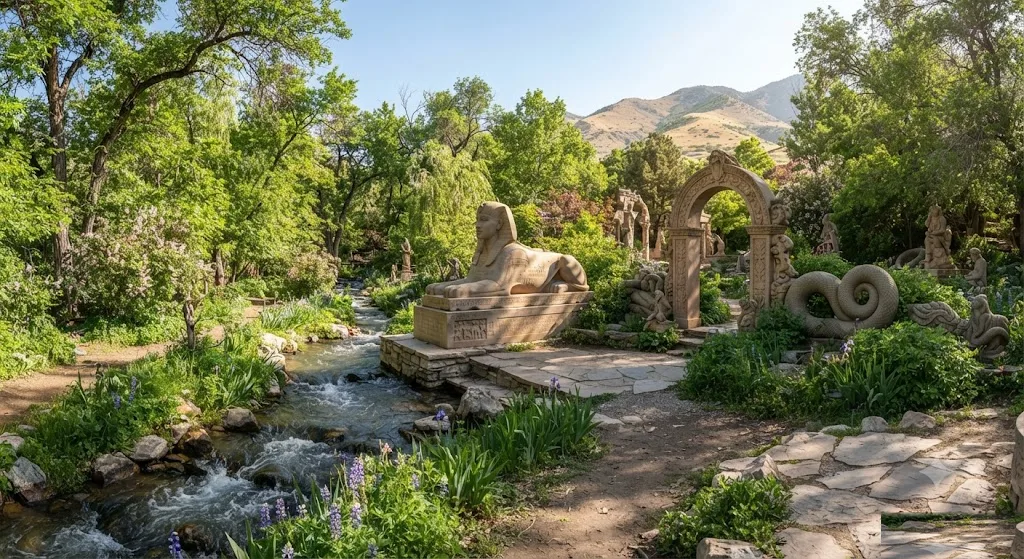
Our Gilgal Sculpture Garden guide covers practical planning for Gilgal Sculpture Garden Utah — best time to visit, getting there, and what to do on the ground.
Tucked away in the heart of Salt Lake City, the Gilgal Sculpture Garden Utah is a truly singular destination that defies easy categorization. This isn't your typical manicured botanical garden; instead, we find a contemplative and artistic experience crafted from stone, scripture, and profound personal conviction. It’s a hidden gem featuring twelve original sculptures and over 70 stones engraved with scriptures and literary texts, offering visitors a unique journey into the mind of its creator, Thomas Battersby Child, Jr. As an independent US travel authority, our team at Roam States is here to guide you through this extraordinary site, ensuring you have all the practical information needed for an enriching visit.
Why Visit Gilgal Sculpture Garden
Visiting Gilgal Sculpture Garden offers a profound departure from the ordinary. This isn't just a collection of statues; it's a deeply personal "visionary art environment" envisioned and created by Thomas Battersby Child, Jr., a masonry contractor and Latter-day Saint bishop, between 1945 and 1963. Child sought to give physical form to his spiritual and philosophical beliefs, using stones gathered from across Utah to symbolize religious and personal perspectives rooted in the region's Latter-day Saint cultural context.
The garden's most iconic piece, a sphinx with the face of Joseph Smith (founder of The Church of Jesus Christ of Latter-day Saints), immediately signals that this is no ordinary park. Each of the twelve sculptures and over 70 engraved stones invites contemplation, featuring scriptures, poems, and literary texts that reflect Child's lifelong spiritual quest. The artistic importance of Gilgal Sculpture Garden has been recognized nationally, documented by the Smithsonian Institution's Art Inventories Catalog, and it was the first Utah property recognized as a Distinctive Destination by the National Trust for Historic Preservation in July 2020.
We recommend a visit not only for the unique artistry but also for the sense of discovery it offers. Many visitors are still unaware of its existence, enjoying a true sense of finding a secret garden. It’s a place to slow down, ponder, and engage with art that is both eccentric and deeply meaningful. The garden is maintained by the Friends of Gilgal Garden (FOGG), who worked to preserve it from development and ensure its public enjoyment, becoming a Salt Lake City park in 2000.
Who It's Best For
The Gilgal Sculpture Garden appeals to a diverse range of visitors, though it particularly resonates with those seeking a unique and contemplative experience. It's an ideal destination for:
- **Art Enthusiasts:** Those who appreciate outsider art, folk art, or visionary environments will find Gilgal fascinating. The unconventional sculptures and the story behind their creation offer a rich artistic study.
- **History Buffs & Spiritual Seekers:** Given its deep ties to Latter-day Saint themes and the personal spiritual journey of its creator, Thomas Battersby Child, Jr., visitors interested in Utah's religious history and philosophical inquiry will find the garden particularly engaging.
- **Families with Curious Minds:** While not a playground, the garden can be an intriguing stop for families. We suggest using a scavenger hunt or encouraging an "I Spy" game to keep younger visitors engaged with the unique sculptures and engraved stones.
- **Anyone Seeking Tranquility:** The garden offers a peaceful retreat from the urban bustle of Salt Lake City. It's a quiet space for reflection, a leisurely stroll, or even a picnic amidst the greenery and unique art.
- **Budget Travelers:** With no admission fee, Gilgal Sculpture Garden is an excellent, free attraction, making it accessible to all.
While some of the themes are rooted in Mormonism, the garden's broader message of spiritual exploration and artistic expression transcends any single faith, making it a compelling visit for anyone open to unique cultural experiences.
Getting There & Parking
Understanding how to get to Gilgal Sculpture Garden is straightforward, whether you're driving or using public transportation in Salt Lake City.
By Car
The garden is located at 749 East 500 South in Salt Lake City, Utah. It's somewhat tucked away in a residential area, behind houses and businesses, which contributes to its "hidden gem" feel.
Parking: Free parking is available along 500 South, specifically between 700 and 800 East, directly in front of the garden's entrance. This makes it convenient for visitors arriving by car. The garden is also fully accessible for wheelchairs, with designated parking options.
By Public Transportation
Salt Lake City boasts a robust public transportation system, making it easy to reach the garden without a car. We recommend utilizing the Utah Transit Authority (UTA) services. You can plan your trip using the Transit app or the UTA website (rideuta.com).
- Bus: Several bus lines serve the area. Bus lines 205 and 9 stop near Gilgal Sculpture Garden. The closest bus stops are 900 S / 500 E (Eb), approximately a 2-minute walk, and 500 E / 900 S (Sb), about a 3-minute walk.
- Light Rail (TRAX): The nearest light rail station is Library Station, which is about a 21-minute walk from the garden. From Library Station, you can also take a bus or consider a short ride-share to cover the remaining distance.
- Streetcar (S-Line): The S-Line streetcar also has stops that can get you close to the garden.
For those wondering how to get to Gilgal Sculpture Garden via public transport, these options provide convenient access from various points in Salt Lake City.
Top Things to Do
The Gilgal Sculpture Garden, while compact, offers a surprisingly rich experience. Our team recommends focusing on these key things to do at Gilgal Sculpture Garden:
Explore the Sculptures and Engraved Stones
The primary draw of Gilgal is, of course, its unique collection of art. We encourage you to take your time with each of the twelve original sculptures and over 70 engraved stones. Each piece tells a story, often drawing from scriptures, poems, and literary texts that held deep meaning for creator Thomas Battersby Child, Jr.. Look for the famous sphinx with the head of Joseph Smith, a striking and thought-provoking piece. Other notable sculptures include interpretations of King Nebuchadnezzar's dream, a sacrificial altar, and a monument to peace. Walking tour brochures are available at the garden to help you understand the symbolism and history behind each piece.
Attend a May Mornings Open House
If your visit coincides with May, we highly recommend attending the "May Mornings at Gilgal Garden" events. These open houses are held every Sunday in May from 10 AM to 12 PM. During these sessions, you can chat with a historian, gaining deeper insights into the garden's history and the artistry of its creator. It's an excellent opportunity to enhance your understanding and appreciation of this unique space.
Enjoy a Quiet Moment or Picnic
The garden's tranquil atmosphere makes it an ideal spot for quiet contemplation. There are benches and shady areas where you can sit, reflect, and enjoy the peaceful surroundings. We also suggest bringing a picnic lunch to enjoy amidst the unique art and beautiful flowers, making for a memorable and serene experience. Dogs are welcome, provided they are on a leash and owners clean up after them. These are wonderful things to do at Gilgal Sculpture Garden for a relaxed visit.
Discover Nearby Salt Lake City Attractions
After immersing yourself in Gilgal, you'll find plenty of other things to do in Salt Lake City. The garden's central location makes it a great starting point for further exploration. Here are a few of our top recommendations:
- Trolley Square: Just a 7-minute walk from Gilgal, Trolley Square is a historic shopping center housed in former trolley barns, offering shops, restaurants, and entertainment.
- Temple Square: A must-visit, this iconic 10-acre complex is the headquarters of The Church of Jesus Christ of Latter-day Saints and features stunning architecture, gardens, and historical buildings like the Salt Lake Temple and Tabernacle. You can learn more about its history at Temple Square.
- The Leonardo: This science and art museum offers interactive exhibits for all ages.
- Liberty Park: Salt Lake City's second-largest public park, offering green spaces, a pond, and recreational facilities.
- Red Butte Garden: A beautiful botanical garden and arboretum, perfect for nature lovers.
- City Creek Center: An upscale open-air shopping mall with a retractable roof and a stream running through it.
- Natural History Museum of Utah: Explore Utah's natural history, including dinosaur fossils and geological exhibits.
- Great Salt Lake: Venture out to see the expansive Great Salt Lake itself, a unique natural wonder. For a closer look at its wildlife, consider a trip to Antelope Island State Park.
These things to do in Salt Lake City complement a visit to Gilgal Sculpture Garden, providing a well-rounded experience of the city's culture, history, and natural beauty.
Best Time to Visit
To make the most of your visit to Gilgal Sculpture Garden, timing is key. Our team has assessed the optimal periods based on weather, crowds, and special events.
Seasonal Considerations
- Spring (April-May): We consider spring an excellent time to visit. The weather is generally mild and pleasant, and the garden's flowers and shrubbery are often in bloom, adding to its beauty. Crucially, May offers the "May Mornings at Gilgal Garden" open houses every Sunday from 10 AM to 12 PM, where you can engage with a historian and delve deeper into the garden's stories. The hours during April and May are 8 AM to 8 PM daily.
- Summer (June-September): Summer is also a popular time, with long daylight hours allowing for extended visits. The garden remains lush, and the warm weather is ideal for strolling and enjoying a picnic. However, Salt Lake City summers can be hot, so we recommend visiting in the mornings or late afternoons to avoid the peak heat. The garden maintains its 8 AM to 8 PM daily hours during these months.
- Fall (October-November): Early fall brings cooler temperatures and potentially beautiful autumn foliage, creating a different, yet equally appealing, ambiance. The garden's hours shift to 9 AM to 5 PM daily from October through March.
- Winter (December-March): While the garden is open in winter, the hours are shorter (9 AM to 5 PM daily), and snow can cover some of the landscaping, altering the visual experience. It is closed on New Year's Day, Thanksgiving, and Christmas. If you don't mind the colder temperatures and potential snow, a winter visit can offer a stark, serene beauty.
Daily Timing
Regardless of the season, we generally recommend visiting Gilgal Sculpture Garden in the **morning or late afternoon**. These times typically offer softer light for photography and fewer crowds, allowing for a more peaceful and personal experience. Since there is no admission fee and it's a relatively small park, you can easily combine your visit with other nearby attractions in Salt Lake City.
Where to Stay Nearby
Finding comfortable and convenient Gilgal Sculpture Garden lodging is easy, as the garden is situated in a central part of Salt Lake City with numerous options ranging from luxurious hotels to charming bed & breakfasts. Our team suggests considering accommodations that offer good access to downtown attractions and public transport.
Hotels Near Gilgal Sculpture Garden
Many excellent hotels are located within a short drive or even walking distance of the garden. Here are some options for Gilgal Sculpture Garden lodging:
- Anniversary Inn - 5th South: This romantic bed & breakfast is conveniently located near Gilgal Sculpture Garden and the University of Utah. It offers uniquely themed rooms and a complimentary breakfast.
- The Grand America Hotel: A five-star luxury hotel in downtown Salt Lake City, offering world-class dining and exceptional service. It provides views of the Wasatch and Oquirrh Mountains, the Salt Lake Valley, and the Great Salt Lake.
- Little America Hotel: Another highly-rated option in downtown Salt Lake City, known for its comfortable accommodations.
- Hyatt Regency Salt Lake City: Connected to the Salt Palace Convention Center, this hotel is within walking distance of many downtown attractions.
- Anton Boxrud Bed & Breakfast Inn: A Victorian-style inn located in a historic region of the city, about six blocks from Temple Square.
- evo Hotel Salt Lake City: A 3.5-star option in Downtown Salt Lake City, offering good value.
- Asher Adams, Autograph Collection: A 4-star hotel also located in Downtown Salt Lake City.
Considerations for Your Stay
When choosing your Gilgal Sculpture Garden lodging, we recommend:
- Proximity to Public Transport: Opting for a hotel near a TRAX station or bus stop can simplify getting around Salt Lake City without a car, especially if you plan to explore beyond the immediate vicinity of the garden.
- Downtown Salt Lake City: Staying downtown places you within easy reach of not only Gilgal but also Temple Square, City Creek Center, and various dining and entertainment options.
- University of Utah Area: This area is also close to the garden and offers a vibrant atmosphere with access to the university campus and its amenities.
No matter your preference or budget, Salt Lake City offers a wide array of accommodations to ensure a comfortable and enjoyable trip to Gilgal Sculpture Garden and beyond.
Sample 2-Day Itinerary
To help you make the most of your visit to the Gilgal Sculpture Garden Utah and the surrounding area, our team has crafted a sample 2-day itinerary. This plan balances art, history, and natural beauty, giving you a comprehensive Salt Lake City experience.
Day 1: Art, History & Downtown Salt Lake City
- Morning (9:00 AM - 12:00 PM): Gilgal Sculpture Garden
Begin your day at the Gilgal Sculpture Garden. Arrive shortly after opening to enjoy the serene atmosphere and fewer crowds. Take your time exploring each of the twelve sculptures and over 70 engraved stones. Pick up a walking tour brochure to understand the rich symbolism and history behind Thomas Battersby Child, Jr.'s visionary art. If visiting on a Sunday in May, take advantage of the "May Mornings" open house to chat with a historian.
- Lunch (12:00 PM - 1:00 PM): Trolley Square
Walk the short 7 minutes to Trolley Square. Enjoy lunch at one of the restaurants within this historic shopping center, housed in former trolley barns.
- Afternoon (1:00 PM - 5:00 PM): Temple Square & Downtown Exploration
Head to the iconic Temple Square, the spiritual heart of Salt Lake City. Explore the beautiful grounds, visit the Salt Lake Temple (exterior views only for non-members), the Tabernacle, and the Family History Library. Consider a guided tour to learn about the history and significance of the area. From Temple Square, you can easily explore other downtown attractions like the City Creek Center for some shopping or the Salt Lake City Public Library for its architecture and art exhibits.
- Evening (6:00 PM onwards): Dining & Entertainment
Enjoy dinner at one of Salt Lake City's diverse restaurants. Afterwards, catch a performance at the Eccles Theater or enjoy a leisurely stroll through the illuminated downtown area.
Day 2: Nature & Broader Utah Wonders
- Morning (9:00 AM - 1:00 PM): Great Salt Lake & Antelope Island State Park
Dedicate your morning to exploring the unique natural wonders surrounding Salt Lake City. Drive or take a tour to the Great Salt Lake, one of the largest saltwater lakes in the Western Hemisphere. Continue to Antelope Island State Park, the largest island in the Great Salt Lake, where you can spot bison, antelope, and various bird species. Enjoy the scenic views and perhaps a short hike.
- Lunch (1:00 PM - 2:00 PM): Picnic or Local Eatery
Pack a picnic to enjoy at Antelope Island or find a local eatery on your way back towards the city.
- Afternoon (2:00 PM - 5:00 PM): Red Butte Garden or Natural History Museum of Utah
Choose between two excellent attractions near the University of Utah:
- Red Butte Garden: Immerse yourself in the stunning botanical displays and themed gardens.
- Natural History Museum of Utah: Discover the region's rich paleontological and geological history, with impressive dinosaur exhibits.
- Evening (6:00 PM onwards): Farewell Dinner
Conclude your trip with a memorable dinner in Salt Lake City, perhaps trying a restaurant you noted on Day 1 or one recommended by your lodging.
This itinerary provides a solid framework, but feel free to adjust it based on your interests. For those planning a longer adventure through the state, our Best places in Utah guide and USA Road Trip Planner offer further inspiration, including iconic destinations like Arches National Park and the Bonneville Salt Flats.
Is It Worth Visiting?
When considering if is Gilgal Sculpture Garden worth visiting, our unequivocal answer is yes, especially for travelers who appreciate the unconventional and seek experiences beyond typical tourist attractions. This garden is not just a collection of art; it's a profound, personal statement carved in stone, a testament to one man's spiritual journey, and the only designated "visionary art environment" in Utah.
The garden offers a unique blend of folk art, religious symbolism, and serene natural beauty. You won't find anything quite like the Joseph Smith sphinx or the other deeply symbolic sculptures and engraved stones anywhere else. It provides a quiet, reflective space that encourages thought and curiosity, as its creator, Thomas Battersby Child, Jr., intended.
Furthermore, the fact that admission is free makes it an accessible and budget-friendly attraction for everyone. It's a place where you can spend anywhere from 30 minutes to an hour, or even longer if you delve into the meanings of each piece, making it an easy addition to any Salt Lake City itinerary. For those wondering if is Gilgal Sculpture Garden worth visiting, we confidently say that its distinctive character and contemplative atmosphere make it a truly rewarding stop for any curious traveler.
FAQ
Gilgal Sculpture Garden with kids
Yes, Gilgal Sculpture Garden can be a unique stop for families with kids. While it's not a playground, its quirky and unusual sculptures, like the sphinx with Joseph Smith's head and the grasshopper made from green stone, can spark curiosity. We recommend engaging children with a scavenger hunt to spot specific sculptures or engraved stones, or playing "I Spy" to keep them entertained. The garden is also a nice spot for a quiet picnic, and dogs on leashes are welcome, which can be a plus for families traveling with pets.
Best hotels near Gilgal Sculpture Garden
The best hotels near Gilgal Sculpture Garden are typically found in downtown Salt Lake City or near the University of Utah, offering convenient access to the garden and other city attractions. Our top recommendations for best hotels near Gilgal Sculpture Garden include The Grand America Hotel for luxury, the Anniversary Inn - 5th South for a romantic bed & breakfast experience, and the Hyatt Regency Salt Lake City for its central location and connection to the convention center. Other well-regarded options include Little America Hotel, evo Hotel Salt Lake City, and Asher Adams, Autograph Collection.
Gilgal Sculpture Garden tips
To enhance your visit to Gilgal Sculpture Garden, we offer these tips:
- Grab a Brochure: Pick up a free walking tour brochure at the garden entrance to understand the symbolism and history of each sculpture and engraved stone.
- Visit During Off-Peak Hours: Mornings or late afternoons generally offer a more serene experience with fewer visitors.
- Check for May Mornings: If visiting in May, attend the Sunday open houses (10 AM - 12 PM) to learn from a historian.
- Plan for a Picnic: The garden has shady spots and benches, making it ideal for a quiet picnic.
- Leashed Dogs Welcome: If you're traveling with a canine companion, they are permitted on a leash, just remember to clean up after them.
- Combine with Nearby Attractions: The garden is relatively small, so plan to combine your visit with other Salt Lake City sights like Trolley Square or Temple Square.
Where to stay near Gilgal Sculpture Garden
For those looking for where to stay near Gilgal Sculpture Garden, we suggest focusing on accommodations in downtown Salt Lake City or the areas surrounding the University of Utah. These locations provide easy access to the garden, either by a short walk, drive, or public transportation. Hotels like the Anniversary Inn - 5th South are very close, while larger establishments such as The Grand America Hotel and Little America Hotel offer more amenities and are still conveniently located within Salt Lake City's vibrant core.
Gilgal Sculpture Garden parking
Parking for Gilgal Sculpture Garden is free and readily available. You can find street parking directly on 500 South, between 700 and 800 East, right in front of the garden's entrance. The garden is also wheelchair accessible, and the parking area accommodates this. Since it's located in a neighborhood, street parking is generally convenient.
Best time to visit Gilgal Sculpture Garden
The best time to visit Gilgal Sculpture Garden is during the spring (April-May) or early fall (October-November). Spring offers mild weather, blooming flowers, and the special "May Mornings" open houses every Sunday from 10 AM to 12 PM, where you can learn from a historian. Early fall provides pleasant temperatures and potentially beautiful foliage. Summer is also good, but we recommend morning or late afternoon visits to avoid the heat. The garden is open daily from 8 AM to 8 PM from April to September and 9 AM to 5 PM from October to March, closing only on New Year's Day, Thanksgiving, and Christmas.
In conclusion, the Gilgal Sculpture Garden stands as a testament to individual vision and artistic dedication, offering a truly unique experience in Salt Lake City. Our team at Roam States hopes this guide empowers you to explore this fascinating outdoor museum, delve into its mysteries, and discover the profound beauty within its stone creations. Whether you're an art aficionado, a history enthusiast, or simply a curious traveler, Gilgal promises a memorable and contemplative journey.
Last updated: 2026-07-13 by the Roam States team.