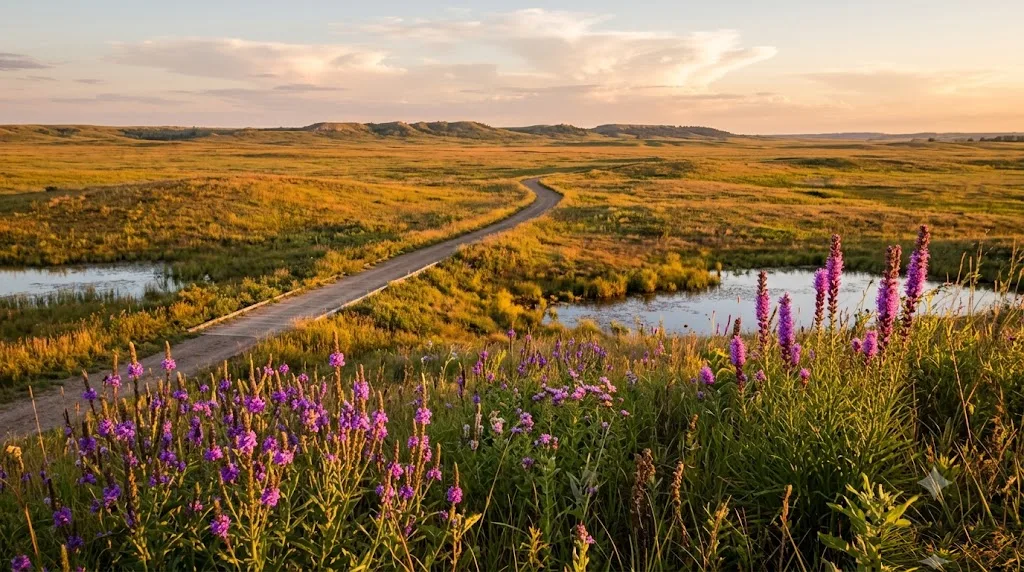
Glacial Ridge National Wildlife Refuge Travel Guide — Minnesota
Our Glacial Ridge National Wildlife Refuge guide covers practical planning for Glacial Ridge National Wildlife Refuge Minnesota — best time to visit, getting there, and what to do on the ground.
As the Roam States editorial team, we’ve explored countless natural wonders across the United States, and few places captivate us quite like Glacial Ridge National Wildlife Refuge Minnesota. This expansive refuge, nestled in northwestern Minnesota's Polk County, represents one of North America's most ambitious and successful prairie and wetland restoration projects. It's a testament to conservation efforts, transforming former agricultural lands back into thriving ecosystems that support a remarkable diversity of wildlife. We’re here to cut through the generic travel advice and give you the definitive guide to planning your visit to this truly special place in 2026.
Why Visit Glacial Ridge National Wildlife Refuge
Visiting Glacial Ridge National Wildlife Refuge offers a unique opportunity to witness a landscape reborn. This isn't just another pretty park; it's a living laboratory and a triumph of ecological restoration, aiming to encompass over 37,000 acres of restored tallgrass prairie, oak savanna, and prairie wetlands. The refuge plays a critical role in protecting and expanding habitats for species that were once on the brink in this region. We’re talking about the iconic greater prairie chicken, whose booming calls echo across the grasslands, and the elegant sandhill crane, often seen dancing in the wetlands.
Beyond its conservation significance, Glacial Ridge provides an unparalleled setting for quiet outdoor recreation. Unlike some of Minnesota's more bustling natural attractions, a trip here promises solitude and an intimate connection with nature. Whether you're a seasoned birder, an avid photographer, or simply someone seeking a peaceful escape, the refuge offers a chance to slow down and observe the intricate beauty of a prairie ecosystem. The sheer scale of the restoration project is impressive, with efforts including filling in over 100 miles of drainage ditches to restore natural hydrology, creating ideal conditions for wetland-dependent species. It’s a place that inspires hope and demonstrates the profound impact dedicated conservation can have.
Who It's Best For
Glacial Ridge National Wildlife Refuge is tailor-made for specific types of travelers who appreciate its unique offerings. Our team confidently recommends it for:
- **Birdwatchers:** With its restored prairies and wetlands, the refuge is a haven for migratory birds and resident wildlife. Expect to see greater prairie chickens, sandhill cranes, upland sandpipers, marbled godwits, and various grassland songbirds. Rarer sightings can include bald eagles, peregrine falcons, and even whooping cranes.
- **Nature Photographers:** The expansive landscapes, dramatic skies, and abundant wildlife provide endless photographic opportunities. Early mornings and late afternoons are particularly magical for capturing the golden light and active wildlife.
- **Hikers and Walkers:** While not mountainous terrain, the refuge offers peaceful trails through diverse habitats, perfect for those who enjoy a contemplative stroll or a moderate hike.
- **Families Seeking Quiet Exploration:** This isn't an amusement park, but for families interested in teaching children about nature, conservation, and wildlife, it's an excellent educational destination. The auto tour routes make wildlife viewing accessible for all ages.
- **Conservation Enthusiasts:** Anyone interested in large-scale ecological restoration will find the story of Glacial Ridge deeply compelling and inspiring.
If your ideal trip involves bustling crowds, adrenaline-pumping activities, or extensive amenities, this refuge might not be your primary destination. However, for those who seek tranquility, natural beauty, and a chance to witness conservation in action, Glacial Ridge delivers an unforgettable experience.
Getting There & Parking
Reaching Glacial Ridge National Wildlife Refuge requires a bit of planning, as it's located in a more remote, rural part of northwestern Minnesota. The refuge headquarters and visitor center are managed through the nearby Rydell National Wildlife Refuge, which is located at 17788 349th St SE, Erskine, MN 56535.
From major hubs like Minneapolis-St. Paul, expect a drive of approximately 4-5 hours northwest. From Fargo, North Dakota, it's a much shorter drive, typically around an hour and a half east. We recommend using GPS navigation to the Erskine, MN address, and then consulting the official refuge maps for specific access points and auto tour routes within Glacial Ridge itself. The refuge is generally accessible via well-maintained gravel and paved roads.
Parking is available at designated areas within the refuge. For information and maps, the Rydell NWR office can provide guidance. Specific parking coordinates are sometimes provided for key areas like the Old Pembina Road (N47 42.159, W96 19.852) and the Rydell NWR office (N47 39.487, W96 5.600). There are no fees to enter Glacial Ridge National Wildlife Refuge, nor are there any parking fees. This makes it an incredibly accessible natural destination for all. We always advise checking the official U.S. Fish & Wildlife Service website for any temporary alerts or road conditions before your visit.
Top Things to Do
The primary draw of Glacial Ridge National Wildlife Refuge is its immersive natural experience. Our team has identified the top things to do at Glacial Ridge National Wildlife Refuge, focusing on activities that highlight its unique environment:
The refuge is open from half an hour before sunrise until half an hour after sunset for approved outdoor activities.
Wildlife Viewing & Photography
This is arguably the main event here. Glacial Ridge's vast prairies and wetlands are teeming with life. We recommend bringing binoculars and a telephoto lens if you’re serious about photography. Look for greater prairie chickens, especially during their spring booming season (typically April to early May), when males perform elaborate courtship dances. Sandhill cranes are a common sight, as are various waterfowl, shorebirds, and grassland songbirds. Auto tour routes are an excellent way to view wildlife from your vehicle, often allowing for closer observations as your car acts as a natural blind.
Hiking Glacial Ridge National Wildlife Refuge Hiking Trails
While extensive backcountry trails aren't the focus, Glacial Ridge offers serene hiking opportunities. The primary Glacial Ridge National Wildlife Refuge hiking trails include the Old Pembina Trail, a 1.75-mile route, and Herman Ridge Road, which spans 3.3 miles. These trails provide intimate access to the prairie and wetland habitats, allowing for closer observation of plants and smaller wildlife. Remember that all property brought onto the refuge, including photography equipment and portable stands, must be removed at the end of each day.
Birding
For dedicated birders, Glacial Ridge is a must-visit. The refuge is a crucial stopover and breeding ground for numerous species. Keep an eye out for rare species like the western prairie fringed orchid. The diversity of habitats, from wet meadows to tallgrass prairie, supports a wide array of avian life, making it a prime location for adding to your life list. You'll find excellent birding opportunities throughout the refuge, making it one of the best things to do at Glacial Ridge National Wildlife Refuge.
Hunting & Fishing
Hunting is permitted for white-tailed deer, migratory birds, and upland game birds, following state and federal regulations. Fishing is also available, with anglers needing to adhere to state and federal guidelines regarding season dates, size, day, and possession limits. We advise consulting the U.S. Fish & Wildlife Service website or contacting the refuge office directly for the most current regulations and specific areas open to hunting and fishing.
Photography Workshops & Interpretive Programs
The refuge occasionally offers interpretive programs and events. For example, the Friends of Rydell & Glacial Ridge Refuges Association hosts events like photography presentations. These can enhance your visit by providing deeper insights into the refuge's ecology and history. Check their events calendar for current offerings. Please note that launching drones is prohibited on the refuge to avoid disturbing wildlife.
Best Time to Visit
The best time to visit Glacial Ridge National Wildlife Refuge largely depends on your interests, as each season offers unique experiences. Our team has a few recommendations:
- **Spring (April-May):** This is arguably the most dynamic time. The prairie awakens with wildflowers, and migratory birds return in droves. Most notably, the greater prairie chickens engage in their spectacular booming rituals, a truly unforgettable sight and sound. Temperatures are generally mild, but spring weather in Minnesota can be unpredictable, so pack layers.
- **Summer (June-August):** The prairies are lush and green, with a vast array of wildflowers in bloom. This is an excellent time for general wildlife viewing, hiking, and enjoying longer daylight hours. However, be prepared for warmer temperatures and insects, especially mosquitoes near wetlands.
- **Fall (September-October):** The prairie grasses turn golden and russet, creating stunning photographic opportunities. Migratory birds begin their southward journey, offering another peak birding season. Temperatures are usually pleasant, making it ideal for hiking.
- **Winter (November-March):** While less active for many species, winter offers a stark beauty and opportunities for cross-country skiing and snowshoeing at nearby Rydell NWR. Some hardy wildlife, like deer and certain raptors, can still be observed. The refuge is open from dawn until dusk.
For specific wildlife events, such as the prairie chicken booming, we strongly recommend contacting the refuge office directly for the most accurate timing, as it can vary slightly year to year based on weather conditions.
Where to Stay Nearby
While Glacial Ridge National Wildlife Refuge itself does not permit camping or overnight parking, there are several excellent Glacial Ridge National Wildlife Refuge lodging options in nearby towns that cater to different preferences. Our team suggests considering the following:
Erskine, Minnesota
The closest town to the refuge, Erskine offers a convenient base. You'll find options like 2Annes Lakeside RV Park, which provides RV sites with electrical, water, and sewer hook-ups, along with showers, restrooms, and even cable television. For those seeking a more traditional camping experience, the Farmers Union Campground (Lake Sarah) and Union Lake Sarah Campground offer 72 campsites, many wooded, with amenities like showers, flush toilets, dump stations, water, and electrical hook-ups. These campgrounds are ideal for fishing enthusiasts, with opportunities for walleye, northern, bass, crappie, and sunfish.
Fosston, Minnesota
A short drive from the refuge, Fosston provides additional lodging choices, including LePier Lodge. It's a good alternative if you prefer a hotel or motel setting.
Crookston, Minnesota
For more amenities and dining options, Crookston is a larger town within a reasonable driving distance. The Crookston Inn is one option here. Crookston also offers a wider range of services, including grocery stores and restaurants.
Bemidji, Minnesota
Further afield, but a popular tourist destination, Bemidji offers a broader selection of hotels, resorts, and dining. It’s about an hour's drive from the refuge but could serve as a good base if you plan to explore other parts of northern Minnesota, such as Itasca State Park, the headwaters of the Mississippi River.
Casino Resorts
For those looking for a different type of stay, Seven Clans Casino and Shooting Star Casino are also listed as lodging options in the wider region. These typically offer hotel rooms and on-site dining and entertainment.
When planning your Glacial Ridge National Wildlife Refuge lodging, we recommend booking in advance, especially during peak birding seasons or local events.
Sample 2-Day Itinerary
To make the most of your visit to Glacial Ridge National Wildlife Refuge, we’ve crafted a sample 2-day itinerary, focusing on immersive experiences:
Day 1: Arrival and Prairie Immersion
- **Morning (Arrival & Orientation):** Arrive in Erskine, check into your chosen accommodation. Head to the Rydell National Wildlife Refuge office (17788 349th St SE, Erskine, MN 56535) during their office hours (7:30 a.m. - 4:00 p.m. Monday-Friday) to pick up maps and current information.
- **Late Morning (Auto Tour & Wildlife Drive):** Begin your exploration with an auto tour through Glacial Ridge. Use your vehicle as a mobile blind to observe grassland birds, deer, and other wildlife. Keep an eye out for sandhill cranes in the wetlands.
- **Afternoon (Hiking the Prairie):** Park at a designated trailhead, such as the Old Pembina Road, and embark on a hike along the Old Pembina Trail (1.75 miles). Immerse yourself in the tallgrass prairie, listening for the sounds of the wind and birds. Bring plenty of water and wear sturdy shoes.
- **Late Afternoon (Photography & Sunset):** Find a scenic overlook or quiet spot for photography as the sun begins to dip. The golden hour light across the prairie is breathtaking.
- **Evening:** Enjoy dinner in Erskine or prepare a meal at your campsite/RV. Consider a quiet evening stroll around your lodging area.
Day 2: Deeper Exploration & Birding Focus
- **Early Morning (Prairie Chicken Booming - Seasonal):** If visiting in spring, dedicate the early morning to finding a spot to observe the greater prairie chicken booming grounds. This requires an early start, often before sunrise, and a patient, quiet approach. Check with the refuge office for specific locations and guidelines.
- **Late Morning (Herman Ridge Road Hike):** Explore the Herman Ridge Road trail (3.3 miles), another excellent Glacial Ridge National Wildlife Refuge hiking trail, offering different perspectives of the refuge's diverse habitats.
- **Afternoon (Wetland Exploration & Birding Hotspots):** Consult your refuge map for wetland areas and specific birding hotspots. Spend time observing waterfowl and shorebirds. Look for unique plant communities, including the federally threatened western prairie fringed orchid.
- **Late Afternoon (Refuge Loop & Departure):** Take one last drive through a different section of the refuge, soaking in the vastness of the restored prairie. Begin your journey home or to your next Minnesota destination, perhaps heading north to explore the Boundary Waters Canoe Area Wilderness or Voyageurs National Park.
How to Get There
Understanding how to get to Glacial Ridge National Wildlife Refuge is crucial for a smooth trip. The refuge is situated in a rural area of northwestern Minnesota, primarily in Polk County. The most direct way to plan your route is to aim for Erskine, Minnesota, which serves as the closest town and the location for the managing Rydell National Wildlife Refuge office.
If you're driving from the east, such as from the Twin Cities area (Minneapolis-St. Paul), you'll typically take US-10 W and then connect to US-2 W, eventually heading south on local roads towards Erskine. From the west, like Fargo, North Dakota, you would take US-2 E directly to the vicinity of Erskine. The refuge itself is not a single, gated entrance but rather a collection of accessible lands, so having a detailed map from the U.S. Fish & Wildlife Service website or from the Rydell NWR office is highly recommended for navigating the internal roads and access points. The roads within and around the refuge are generally gravel, but well-maintained. When planning how to get to Glacial Ridge National Wildlife Refuge, remember that cell service can be spotty in rural areas, so download maps beforehand.
Is It Worth Visiting?
As an independent US travel authority, our team wholeheartedly believes that Glacial Ridge National Wildlife Refuge is worth visiting, especially for those who prioritize authentic natural experiences and appreciate the power of conservation. This isn't a destination for thrill-seekers or those looking for curated, high-traffic attractions. Instead, it offers a profound sense of peace and a rare glimpse into a thriving tallgrass prairie ecosystem that has been painstakingly brought back from the brink.
The sheer scale of the restoration project itself makes Glacial Ridge National Wildlife Refuge worth visiting. To witness over 35,000 acres of former farmland transformed into a vibrant habitat for prairie chickens, sandhill cranes, and countless other species is truly inspiring. The opportunity for quiet wildlife observation, serene hikes, and impactful photography is exceptional. There are no entrance fees, and the refuge is open from dawn until dusk, offering flexibility for visitors. If you seek solitude, a deep connection with nature, and a chance to support a remarkable conservation success story, then Glacial Ridge National Wildlife Refuge is absolutely worth visiting. It stands as a powerful example of what dedicated effort can achieve in restoring our natural heritage, and we highly recommend it for any traveler looking for a meaningful outdoor adventure in Minnesota.
Frequently Asked Questions
Glacial Ridge National Wildlife Refuge camping
Camping is not permitted directly within Glacial Ridge National Wildlife Refuge. The refuge prohibits camping, open fires, and overnight parking to protect wildlife and habitat. However, there are several nearby camping options. 2Annes Lakeside RV Park in Erskine offers RV sites with hook-ups. For more traditional tent or RV camping, both Farmers Union Campground (Lake Sarah) and Union Lake Sarah Campground, near Erskine, provide numerous campsites with amenities like showers, restrooms, and electrical hook-ups.
things to do in Erskine
Erskine, Minnesota, while a small town, offers a few local attractions and amenities that complement a visit to Glacial Ridge. Besides being a gateway to the refuge, Erskine has city parks with activities like swimming, pickleball, baseball, and basketball courts. Golfers can enjoy the 9-hole Oak Lake Golf Course. The nearby Rydell National Wildlife Refuge, which manages Glacial Ridge, has its own visitor center and 7 miles of trails for hiking, snowshoeing, and cross-country skiing, along with wildlife observation. Erskine also hosts an annual Water Carnival, typically in early June, which includes various community events.
Glacial Ridge National Wildlife Refuge with kids
Visiting Glacial Ridge National Wildlife Refuge with kids can be a rewarding educational experience, though it's best suited for children who enjoy quiet observation and nature. The auto tour routes are excellent for families, allowing children to spot wildlife from the comfort of the car. Short, easy hikes on trails like the Old Pembina Trail can introduce them to the prairie environment. Encourage them to use binoculars, look for birds, and identify wildflowers. Nearby Erskine City Parks offer playgrounds and recreational facilities for when they need to burn off energy. Remember to pack snacks, drinks, and insect repellent, and manage expectations for a peaceful, rather than action-packed, outing.
best hotels near Glacial Ridge National Wildlife Refuge
Since direct lodging isn't available at the refuge, the best hotels near Glacial Ridge National Wildlife Refuge are found in surrounding towns. In Erskine, you'll primarily find RV parks and campgrounds like 2Annes Lakeside RV Park and the Lake Sarah campgrounds. For traditional hotel accommodations, consider the Crookston Inn in Crookston, about a 30-40 minute drive, or LePier Lodge in Fosston. Larger towns like Bemidji (approximately an hour away) will offer more extensive hotel chains and amenities if you prefer a wider selection.
Glacial Ridge National Wildlife Refuge tips
Our top tips for visiting Glacial Ridge National Wildlife Refuge include:
- **Plan Ahead:** Check the official U.S. Fish & Wildlife Service website for current conditions, maps, and any specific alerts.
- **Bring Binoculars & Camera:** Wildlife viewing and photography are prime activities.
- **Dress in Layers:** Minnesota weather can change quickly, even in summer.
- **Insect Repellent:** Especially important during warmer months near wetlands.
- **Water & Snacks:** There are no services within the refuge itself.
- **Respect Wildlife:** Maintain a safe distance and avoid disturbing animals.
- **Stay on Trails & Roads:** This protects sensitive habitats.
- **Leave No Trace:** Pack out everything you pack in. All personal property must be removed daily.
- **Visit Rydell NWR:** The managing refuge, Rydell, is nearby and offers a visitor center for information and additional trails.
where to stay near Glacial Ridge National Wildlife Refuge
When considering where to stay near Glacial Ridge National Wildlife Refuge, your best bets are the towns of Erskine, Fosston, and Crookston. Erskine offers the closest proximity with RV parks and campgrounds like 2Annes Lakeside RV Park and the Lake Sarah campgrounds. Fosston provides hotel-style lodging at LePier Lodge. For a broader range of services, including more hotels and dining, Crookston is a good option. Additionally, larger casino resorts like Seven Clans Casino and Shooting Star Casino are also available in the wider region for those seeking more amenities. For a comprehensive look at Minnesota's offerings, including other incredible destinations like the Best Places in Minnesota, we encourage you to explore our full state guide.
Conclusion
Glacial Ridge National Wildlife Refuge stands as a monumental achievement in conservation, offering a serene and profoundly rewarding experience for those who seek to connect with nature's resilience. From the sweeping vistas of restored prairie to the vibrant calls of sandhill cranes and prairie chickens, this refuge provides a unique window into a vital ecosystem. We encourage you to plan your visit, embrace the tranquility, and witness firsthand the beauty of Minnesota's wild heart. Whether you're a dedicated birder, a passionate photographer, or simply in search of a peaceful escape, Glacial Ridge promises an unforgettable journey into one of North America's most significant natural restoration stories.
Last updated: 2026-07-06 by the Roam States team.