Our Grand Staircase-Escalante National Monument guide covers practical planning for Grand Staircase-Escalante National Monument Utah — best time to visit, getting there, and what to do on the ground.
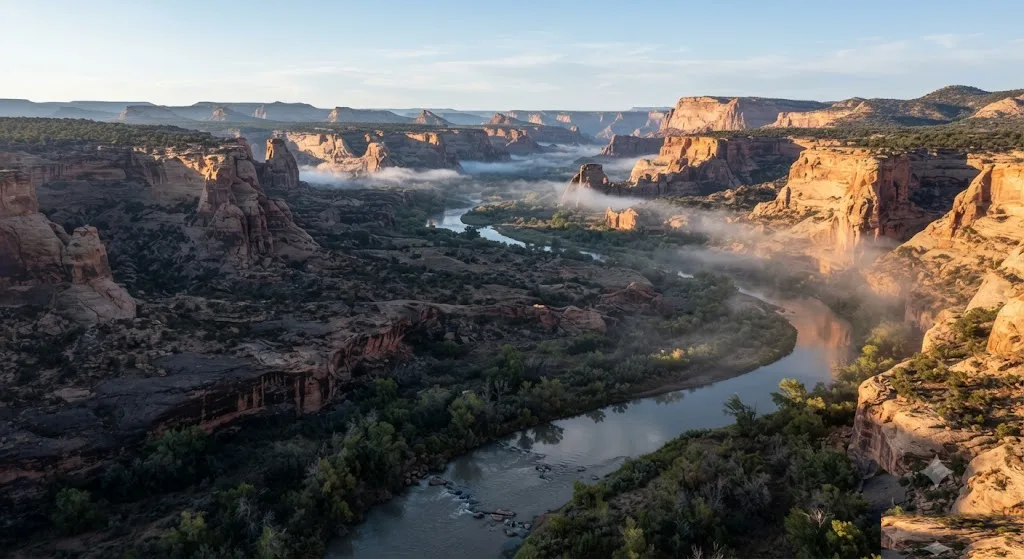
Encompassing nearly two million acres of rugged, remote wilderness, Grand Staircase-Escalante National Monument Utah is a land of unparalleled natural beauty and geological wonders. This vast expanse, managed by the Bureau of Land Management (BLM), offers a profound escape into a landscape sculpted by time, featuring intricate slot canyons, towering plateaus, and a rich tapestry of unique rock formations. It’s a destination that promises adventure and solitude, far from the crowds often found in Utah’s more famous national parks. Our team considers it one of the American Southwest's best-kept secrets, offering everything from towering sandstone cliffs and waterfalls to ancient rock art, but with significantly fewer visitors.
Why Visit Grand Staircase-Escalante National Monument
The allure of Grand Staircase-Escalante National Monument lies in its sheer scale and untouched grandeur. This is not a place of manicured trails and abundant visitor amenities; rather, it’s a raw, untamed wilderness that rewards those willing to explore its depths. We find that the monument serves as a crucial link between several of Utah's iconic national parks, including Bryce Canyon National Park and Capitol Reef National Park, offering a different, more primitive experience.
Visitors are drawn here for the extraordinary geological features that tell a story spanning millions of years. The "Grand Staircase" itself is a massive geological formation, a series of stepped plateaus descending from Bryce Canyon to the Grand Canyon, each layer revealing a different color and age of rock. Beyond the grand scale, the monument is a treasure trove of slot canyons, natural bridges, arches, and hoodoos, carved by water and wind over millennia. It's also a significant area for scientific discovery, with ongoing paleontological research uncovering dinosaur fossils and shedding light on prehistoric life.
For those seeking solitude and a profound connection with nature, the monument delivers. Its vastness means you can often find yourself completely alone, surrounded only by the monumental landscape and the quiet whispers of the desert wind. It's an ideal destination for photographers, backpackers, and anyone looking to truly disconnect and immerse themselves in the wild. We believe the opportunities for exploration here are truly unparalleled.
Who It's Best For
Grand Staircase-Escalante National Monument is best suited for adventurous travelers with a strong sense of self-reliance and a desire for raw, immersive outdoor experiences. If your ideal trip involves well-marked paths and frequent facilities, this might not be the destination for you. However, if you crave remote wilderness, challenging hikes, and the thrill of navigating less-traveled terrain, then this monument is an absolute must-visit.
It's perfect for experienced hikers, backpackers, and canyoneers who are comfortable with route-finding and prepared for varied conditions. Families with an adventurous spirit will also find rewarding experiences, particularly on easier, more accessible trails and at designated picnic areas. Photographers will be captivated by the dramatic light and unique geological formations, while geology enthusiasts will marvel at the exposed layers of earth history. Those who appreciate stargazing will find the monument's dark night skies offer an incredible spectacle. Ultimately, this destination appeals to anyone seeking an authentic, challenging, and deeply rewarding encounter with the American Southwest's wild heart.
Getting There & Parking
Understanding how to get to Grand Staircase-Escalante National Monument is key to planning your adventure, as its vastness means multiple access points and varying road conditions. The monument is situated in south-central Utah, bordered by Bryce Canyon National Park to the west, Capitol Reef National Park to the northeast, and Glen Canyon National Recreation Area to the east and south.
Main Access Routes
- Scenic Byway 12 (Highway 12): This All-American Road runs along the monument's northern boundary, connecting communities like Escalante and Boulder. It's renowned for its breathtaking views and is a primary route for accessing many popular trailheads.
- U.S. Highway 89: This highway provides access to the southwestern section of the monument, east of Kanab.
Gateway Towns and Airports
The towns of Escalante and Kanab are excellent bases for exploring the monument. Escalante, in particular, is often cited as the ideal base town. Other gateway towns include Big Water, Boulder, and Cannonville.
For air travel, we recommend flying into Las Vegas, Nevada, and renting a car. The drive to Escalante from Las Vegas is approximately five hours, while Kanab is about three hours away. St. George, Utah, also offers a regional airport and is a good option. Salt Lake City, Utah, is a longer drive (around five hours) but offers more flight options.
Road Conditions and Vehicle Recommendations
Many of the monument's most iconic trailheads and dispersed camping areas are accessed via dirt roads, such as Hole-in-the-Rock Road, Burr Trail Road, and Cottonwood Canyon Road. While portions of these roads may be passable without 4WD, a high-clearance, 4WD vehicle is highly recommended, especially for reaching more remote areas or after inclement weather. Summer thunderstorms and winter snows can quickly render dirt roads impassable due to mud, so checking current road conditions with a visitor center before heading out is crucial.
Parking
Parking is generally available at visitor centers and trailheads. For popular spots like Lower Calf Creek Falls, a parking fee may be required at the trailhead. When venturing into more remote areas, parking is often along dirt roads at informal pull-offs. Always be mindful of leaving no trace and parking in established areas to minimize impact.
Top Things to Do
Grand Staircase-Escalante National Monument offers a vast array of activities for those eager to explore its rugged beauty. From scenic drives to challenging backcountry excursions, there are plenty of things to do at Grand Staircase-Escalante National Monument that cater to various interests and fitness levels. We encourage visitors to embrace the spirit of adventure and prepare for a truly wild experience.
Scenic Drives
Even if you prefer to stay in your vehicle, the monument provides spectacular scenic drives. Highway 12, often called "The All-American Road," is a highlight, offering panoramic views as it winds through red rock canyons and alpine forests between Boulder and Bryce Canyon. Hole-in-the-Rock Road, a 56-mile dirt road departing from Escalante, offers access to many of the monument's famous slot canyons and provides a memorable day trip, though a high-clearance vehicle is recommended for the latter sections.
Grand Staircase-Escalante National Monument Hiking Trails
Hiking is undoubtedly one of the premier things to do at Grand Staircase-Escalante National Monument. The monument boasts an extensive network of Grand Staircase-Escalante National Monument hiking trails, from easy walks to multi-day backpacking trips.
- Lower Calf Creek Falls Trail: This popular, moderate 6.7-mile (10.8 km) roundtrip hike leads to an impressive 87-foot waterfall and lush riparian oasis, a welcome sight in the desert. It's a fantastic option for families and offers plenty of shade.
- Peekaboo and Spooky Gulches: For those seeking an exhilarating slot canyon experience, these two canyons, located off Hole-in-the-Rock Road, offer an unforgettable loop. Peekaboo Gulch features beautiful ripple walls and natural arches, while Spooky Gulch is known for its extremely narrow passages. No ropes or technical gear are required, making them accessible slot canyons.
- Wire Pass Trail to Buckskin Gulch: This moderate 4.9-mile (7.8 km) path offers an immersive journey through narrow slot canyons with towering sandstone walls, leading into one of the longest and deepest slot canyons in the world.
- Toadstool Hoodoos Trail: An easy 1.9-mile (3.1 km) trail leading to distinctive mushroom-shaped rock pillars, often completed in about 50 minutes.
- Willis Creek Slot Canyon: An easy and scenic slot canyon hike that is family-friendly and involves walking through a pleasant creek.
- Coyote Gulch: A highly popular multi-day backpacking trip (10-30 miles depending on the route) featuring a perennial stream, waterfalls, stone arches, massive alcoves, and natural bridges. Permits are required.
- Golden Cathedral: This 10-15 mile backpacking route takes you to a stunning natural formation in Neon Canyon, illuminated by three giant skylight potholes.
When embarking on Grand Staircase-Escalante National Monument hiking trails, we strongly recommend carrying plenty of water, a reliable GPS unit, and detailed maps, as signage can be minimal, and cell service is often nonexistent.
Canyoneering and Off-Roading
Beyond hiking, canyoneering is a thrilling way to experience the monument's deep, narrow canyons. Off-roading is also a popular activity, with many dirt roads offering opportunities for exploration, provided you have the right vehicle and are prepared for rough conditions.
Stargazing and Photography
With its remote location and minimal light pollution, Grand Staircase-Escalante offers exceptional stargazing opportunities. Photographers will find endless inspiration in the monument's diverse landscapes, from sweeping vistas to intimate slot canyon details.
Best Time to Visit
Choosing the best time to visit Grand Staircase-Escalante National Monument can significantly impact your experience, as weather conditions vary dramatically throughout the year. Our team recommends aiming for the shoulder seasons for optimal enjoyment.
- Spring (March through May): This is one of the best times to visit. Temperatures are generally mild and pleasant for hiking and exploring. The desert landscape begins to bloom, adding vibrant colors to the scenery.
- Fall (September through November): Similar to spring, fall offers cooler temperatures and fewer crowds than the peak summer months. The autumn light can be particularly beautiful for photography.
Summer (June through August): While all attractions and businesses are generally open longer during the summer, we advise caution for those planning extensive outdoor activities. Daytime high temperatures regularly exceed 100°F (38°C), making desert hiking dangerous and increasing the risk of heat-related illnesses. Flash floods can also be a concern in slot canyons during summer thunderstorms.
Winter (December through February): Winters are cold and can bring snow, especially at higher elevations (the monument sits between 5,000 and 8,000 feet). While the snow against the red rocks creates a dramatic landscape, some roads and attractions may be closed due to weather, and many facilities operate on reduced hours. This season offers the most solitude for those prepared for cold conditions.
Regardless of when you visit, always check current weather forecasts and road conditions with a visitor center before heading out. Carrying plenty of water is essential, especially during warmer months.
Where to Stay Nearby
When planning your trip to this expansive wilderness, finding suitable Grand Staircase-Escalante National Monument lodging is a key consideration. While the monument itself is largely undeveloped, several gateway towns offer a range of accommodations, from comfortable hotels and lodges to various camping options. Our team recommends basing yourself in one of these nearby communities to easily access the monument's diverse attractions.
Hotels and Lodges
The town of Escalante is often considered the best base for exploring the monument, offering a variety of lodging choices. Some highly-rated options for Grand Staircase-Escalante National Monument lodging in Escalante include:
- Canyon Country Lodge: Known for its exceptional stay and family-friendly amenities, including an indoor pool.
- Entrada Escalante Lodge: A highly-rated, budget-friendly option with attractive room amenities.
- The Loubird Inn: A charming inn offering free WiFi and parking, with renovated rooms and private patios.
- Ofland Escalante: Features an outdoor pool, sauna, and opportunities for hiking and biking nearby.
- The Padre Motel: A well-reviewed option in Escalante.
Other nearby towns like Kanab and Boulder also offer excellent accommodations. Kanab features options like Kanab Suites and various Best Western and Comfort Suites properties. Boulder Mountain Lodge in Boulder is recognized for its tranquil ambiance and views, just minutes from the monument.
Camping in Grand Staircase-Escalante National Monument
For those who prefer to sleep under the stars, Grand Staircase-Escalante offers superb camping opportunities.
- Developed Campgrounds:
- Calf Creek Recreation Area Campground: Located 16 miles northeast of Escalante, this campground offers 14 sites with fire pits, picnic tables, drinking water, and toilets.
- Deer Creek Campground: Another option within the monument with 7 sites.
- White House Campground: A small campground with five walk-in sites, located about 45 miles east of Kanab.
- Backcountry/Primitive Camping: Dispersed camping is allowed throughout much of the monument, particularly along dirt roads like Hole-in-the-Rock Road, Burr Trail Road, and Cottonwood Canyon Road. Free permits are required for all overnight stays, including backpacking and car camping, and can be obtained at visitor centers or developed trailheads. The BLM requests that campers use already disturbed areas to minimize impact.
Nearby state parks like Escalante Petrified Forest State Park and Kodachrome Basin State Park also offer camping options.
Sample 2-Day Itinerary
To truly experience the diverse wonders of Grand Staircase-Escalante National Monument, we suggest a minimum of two full days. This sample itinerary focuses on the Escalante Canyons region, which is popular for hiking. Remember that travel times on dirt roads can be slow, and conditions are subject to change, so always check with a visitor center for the latest updates. This itinerary assumes you're based in or near Escalante.
Day 1: Waterfalls, Slot Canyons, and Hoodoos
-
Morning (7:00 AM - 1:00 PM): Lower Calf Creek Falls Hike
Start your day early to beat the heat and crowds. Drive 16 miles northeast of Escalante on Scenic Byway 12 to the Calf Creek Recreation Area. Embark on the 6.7-mile (10.8 km) roundtrip hike to Lower Calf Creek Falls. This relatively easy trail winds along Calf Creek, offering lush vegetation, ancient granaries, and petroglyphs before reaching the stunning 87-foot waterfall and its refreshing pool. Allow 3-5 hours.
-
Lunch (1:00 PM - 2:00 PM): Picnic at Calf Creek
Enjoy a packed lunch at one of the picnic tables near the trailhead or along the creek. Alternatively, head back to Escalante for a meal.
-
Afternoon (2:00 PM - 6:00 PM): Peekaboo & Spooky Gulches or Toadstool Hoodoos
Depending on your energy levels and desire for adventure, choose one of these iconic spots:
- Option A (Slot Canyons - Moderate to Strenuous): Peekaboo & Spooky Gulches. Drive south on Hole-in-the-Rock Road (a dirt road, high-clearance recommended) for about 26 miles to the Dry Fork Narrows trailhead. Hike the 6.3-mile loop through Peekaboo and Spooky Gulches, experiencing their unique narrow passages and sculpted sandstone. Be prepared for some scrambling and tight squeezes.
- Option B (Easier Hike - Easy): Toadstool Hoodoos. If you prefer a shorter, easier hike, drive west on Highway 89 from Kanab (or east from Escalante/Cannonville) and look for the unsigned trailhead. This 1.9-mile roundtrip trail leads to a collection of distinctive mushroom-shaped rock formations.
-
Evening: Stargazing
After dinner in Escalante, find a spot away from town lights to enjoy the monument's incredible dark skies. Hole-in-the-Rock Road offers many pull-offs perfect for stargazing.
Day 2: Scenic Byway 12 and Geological Wonders
-
Morning (8:00 AM - 12:00 PM): Scenic Byway 12 Exploration & Head of the Rocks Overlook
Dedicate your morning to exploring more of Scenic Byway 12, recognized as one of America's most beautiful drives. Head west from Escalante towards Boulder, traversing the famous "Hogsback" section with its dramatic drop-offs and panoramic views. Stop at various overlooks, including the Head of the Rocks Overlook, for breathtaking vistas of the monument's layered geology.
Consider a brief stop at Escalante Petrified Forest State Park (just southwest of Escalante), which offers short hikes among colorful petrified wood and views of Wide Hollow Reservoir.
-
Lunch (12:00 PM - 1:00 PM): Boulder or Escalante
Enjoy lunch in the charming town of Boulder or return to Escalante, depending on your onward plans.
-
Afternoon (1:00 PM - 5:00 PM): Willis Creek Slot Canyon or Devil's Garden
Choose an afternoon activity based on your preference:
- Option A (Family-Friendly Slot Canyon - Easy): Willis Creek Slot Canyon. Head towards Cannonville (via Scenic Byway 12). From Cannonville, access Willis Creek by driving south on Skutumpah Road. This easy, accessible slot canyon hike follows a pleasant creek and is ideal for families.
- Option B (Unique Rock Formations - Easy): Devil's Garden. Drive approximately 12 miles down Hole-in-the-Rock Road from Escalante. This area is similar to Goblin Valley State Park, with unique hoodoos and rock formations perfect for exploring and photography. It's one of the few places with picnic tables in the monument.
-
Late Afternoon/Evening: Departure or Extended Stay
Conclude your visit or continue your exploration of Southern Utah. Consider heading to Bryce Canyon National Park, which is relatively close, or explore more of the best places in Utah.
Expert Verdict: This itinerary provides a solid introduction to the Grand Staircase-Escalante National Monument. We emphasize that this is a truly wild place, and flexibility is key. Road conditions can change rapidly, and some destinations require careful navigation and preparation. Always carry extra water, food, and a spare tire, especially when venturing onto dirt roads.
Last updated: 2026-07-13 by the Roam States team.