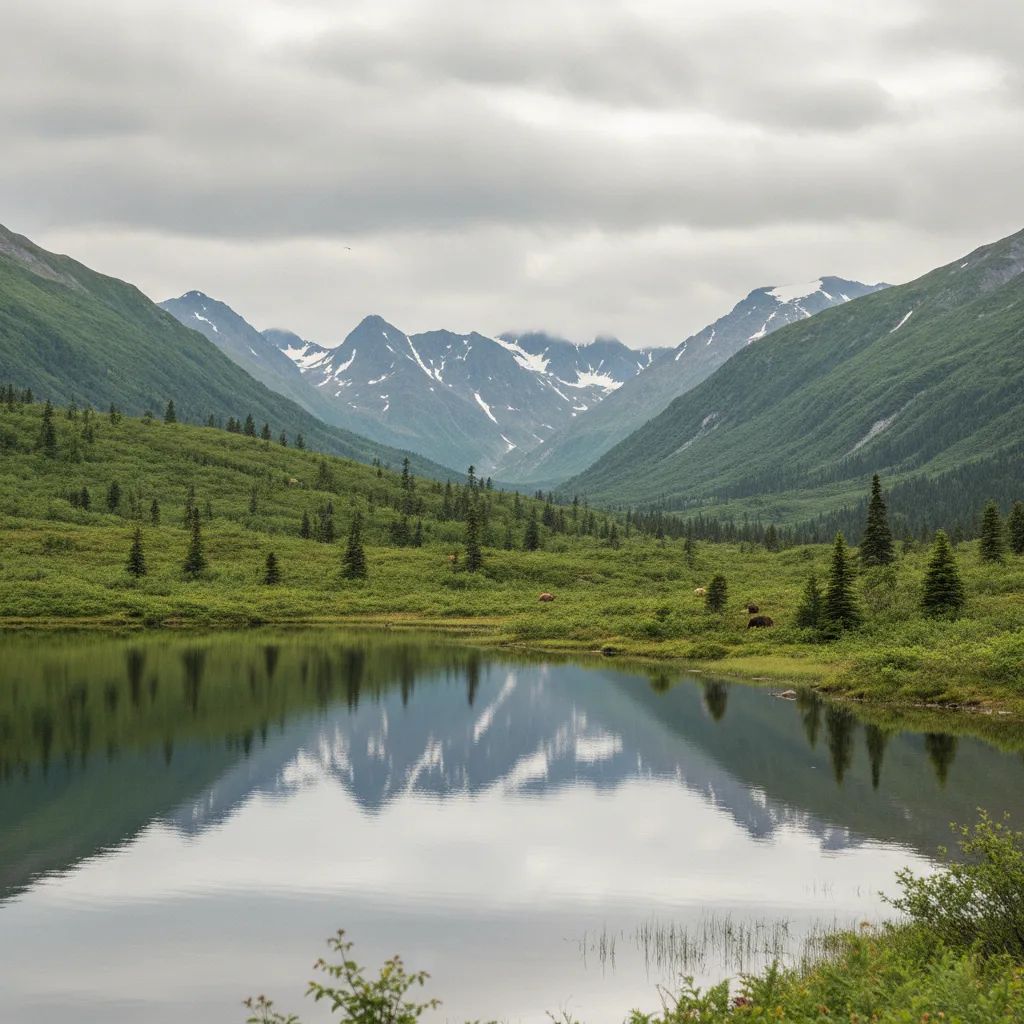
Our Kodiak National Wildlife Refuge guide covers practical planning for Kodiak National Wildlife Refuge Alaska — best time to visit, getting there, and what to do on the ground. As independent US travel authorities, our team at Roam States is here to cut through the noise and deliver the essential, actionable intelligence you need for an unforgettable journey to one of Alaska's most iconic wilderness areas.
Why Visit Kodiak National Wildlife Refuge
The Kodiak National Wildlife Refuge Alaska is not merely a destination; it's an immersion into a raw, untamed landscape where nature dictates the rhythm of life. Established in 1941 to protect the legendary Kodiak brown bear and its vital habitat, this sprawling 1.9-million-acre refuge encompasses the southwestern two-thirds of Kodiak Island, along with Uganik, Ban, and parts of Afognak Islands.
We believe the primary draw here is the unparalleled opportunity to witness the world's largest brown bears in their natural environment. With an estimated population of 2,000 to 3,500 Kodiak brown bears roaming the archipelago, your chances of a truly wild encounter are exceptionally high, particularly during the salmon spawning season.
Beyond the magnificent bears, the refuge offers a mosaic of dramatic landscapes, from towering mountains plunging into misty fjords to deep glacial valleys, riparian wetlands, and dense Sitka spruce forests. It's a place where bald eagles soar overhead, salmon choke the rivers, and a vast array of marine mammals and seabirds thrive along the rugged coastline. For those seeking true wilderness, world-class fishing, and wildlife photography opportunities that simply don't exist elsewhere, Kodiak National Wildlife Refuge stands as a testament to Alaska's wild heart.
Who It's Best For
Kodiak National Wildlife Refuge is tailor-made for the adventurous spirit. We recommend it for serious wildlife enthusiasts and photographers whose primary goal is to observe and capture the iconic Kodiak brown bear, often feasting on salmon in remote streams. Anglers will find themselves in paradise, with opportunities for world-class fishing for all five species of Pacific salmon, steelhead, and halibut.
This is also an ideal destination for experienced backpackers, kayakers, and wilderness explorers who are comfortable with self-reliance in remote, unmaintained terrain. The refuge appeals to those who prioritize authentic, off-the-grid experiences over creature comforts, understanding that access is by floatplane or boat only. If you dream of an Alaskan adventure far from the crowds of road-accessible parks, where the wild truly reigns supreme, then Kodiak National Wildlife Refuge is calling your name.
How to Get There
Reaching the Kodiak National Wildlife Refuge is an adventure in itself, as the refuge itself has no roads or maintained trails. The journey typically begins by flying into Kodiak City (Kodiak Island), which serves as the primary gateway to the refuge.
Flying to Kodiak City
Commercial airlines offer daily jet service to Kodiak from Anchorage, with the flight lasting approximately one hour. Round-trip tickets from Anchorage can cost around $400.
Ferry to Kodiak City
For a more scenic and slower approach, you can take the Alaska Marine Highway System ferry from Homer on the Kenai Peninsula. This journey takes about 9.5 hours.
Accessing the Refuge from Kodiak City
Once in Kodiak City, the true wilderness journey begins. The Kodiak National Wildlife Refuge is remote, with most areas lying at least 25 air miles away from the city. Access is exclusively by floatplane or boat charter. Several air charter services operate out of Kodiak City, flying visitors directly into the refuge's interior or to remote coastal areas.
When planning how to get to Kodiak National Wildlife Refuge, we emphasize booking your air or boat charter well in advance, especially during peak season, as these services are essential for reaching the refuge's remote areas. For those driving to the ferry in Homer, parking is available at the terminal. In Kodiak City, you'll find parking options for your vehicle while you embark on your floatplane or boat charter.
Kodiak National Wildlife Refuge Visitor Center
Before venturing into the refuge, we highly recommend a stop at the Kodiak National Wildlife Refuge Visitor Center, located at 402 Center Street in Kodiak City. The center is open Tuesday through Saturday from 12 PM to 4 PM, and is closed on Sundays, Mondays, and Federal Holidays. Here, you can learn about the refuge's ecosystems, the Kodiak brown bear, and local birds through exhibits, including a complete skeleton of a 36-foot gray whale and three full-size replicas of Kodiak brown bears. Staff can also provide valuable trip planning information and bear safety guidelines.
Top Things to Do
The Kodiak National Wildlife Refuge offers a wealth of activities for the intrepid traveler, all centered around experiencing its pristine wilderness and abundant wildlife. Our team has compiled the top things to do at Kodiak National Wildlife Refuge to help you plan your adventure.
Bear Viewing
Without a doubt, bear viewing is the premier activity here. The refuge is home to the Kodiak brown bear, the largest land carnivore in the world. The best time to see these magnificent creatures is from July through September, when salmon are spawning in the refuge's numerous rivers and streams. Popular bear viewing spots, accessible by floatplane, include Frazer Lake and the Karluk River watershed, known for some of the highest concentrations of Kodiak brown bears. Many tour operators offer guided fly-out trips, providing safe and responsible viewing opportunities.
Fishing
Kodiak is a world-renowned fishing destination. The refuge's 117 salmon-bearing streams and 16 lakes provide exceptional opportunities for sport fishing. Anglers can target all five species of Pacific salmon (King, Sockeye, Coho, Pink, Chum), as well as steelhead, Dolly Varden, and halibut. Guided backcountry fishing trips often involve floatplane access to remote rivers, offering a true Alaskan wilderness experience. Remember that fishing licenses are required and can be purchased locally.
Wildlife Observation & Photography
Beyond bears, the refuge is a haven for diverse wildlife. You can spot bald eagles, Sitka black-tailed deer, mountain goats, and introduced species like reindeer and elk. The coastal areas are teeming with marine life, including sea otters, sea lions, harbor seals, porpoises, and various whale species (fin, minke, humpback, gray). Birdwatchers will be delighted by over 250 species, including numerous seabirds and colorful puffins. Many charter boat operators specialize in wildlife viewing and photography tours, ensuring you get the best vantage points for these incredible creatures.
Kayaking & Boating
Exploring the refuge's misty fjords, deep glacial valleys, and coastal waters by kayak or boat offers a unique perspective. It allows for intimate encounters with marine wildlife and access to secluded coves and beaches. Local charter services can arrange custom sightseeing, kayaking, and boating excursions. The refuge's public-use cabins, accessible by floatplane or boat, provide rustic bases for multi-day paddling adventures.
Kodiak National Wildlife Refuge Hiking Trails
It's important to note that the Kodiak National Wildlife Refuge itself has no maintained hiking trails. Hiking within the refuge is primarily wilderness exploration, requiring significant experience, navigation skills, and a strong understanding of bear safety. However, Kodiak Island offers numerous excellent hiking opportunities, some of which are adjacent to refuge lands or provide access to similar stunning landscapes. For those seeking Kodiak National Wildlife Refuge hiking trails, consider exploring areas like Fort Abercrombie State Historical Park, located just outside Kodiak City, which features trails winding through coastal forests, past WWII-era bunkers, and along rocky beaches. The Near Island Trail System also offers accessible and scenic walks. For more adventurous and remote experiences, trails like the one to Karluk River (within refuge lands but unmaintained) or the Trail to Heitman Lake offer rugged terrain and opportunities for wildlife spotting. Always be bear aware, carry bear spray, and inform someone of your itinerary.
Best Time to Visit
The optimal time to visit Kodiak National Wildlife Refuge largely depends on your primary interests, but generally, the summer months offer the most reliable weather and best wildlife viewing opportunities. We've broken down the seasons to help you decide:
Summer (June - August)
This is peak season for a reason. June through August offers the best balance of milder temperatures (roughly 45-60°F), long daylight hours (up to 18 hours), and the most reliable access to the refuge's marine and terrestrial attractions. This period is prime for bear viewing, especially in July and August when the salmon runs are at their peak, drawing bears to the rivers. Fishing for salmon and halibut is excellent, and kayaking and wildlife viewing (including seabirds, sea otters, and whales) are also at their best. However, expect more visitors and higher demand for charters and lodging.
Fall (September - October)
Fall can be a fantastic time for those seeking fewer crowds and still-active wildlife. Salmon runs continue into September, offering excellent bear viewing and fishing. The landscape begins to change with autumn colors, and the potential for spotting the Northern Lights increases as the nights grow darker. Weather becomes more variable, with increased chances of rain and cooler temperatures, so come prepared for all conditions.
Spring (April - May)
Spring sees the thawing of the landscape and the return of many wildlife species. Access and weather can be variable, but you'll encounter far fewer people. This is a good time for birdwatching as migratory species return. However, bear viewing might be less concentrated than in summer, as the salmon runs haven't fully begun.
Winter (November - March)
Winter in Kodiak is characterized by cold temperatures, snow, and limited access, making it suitable only for the most experienced and self-sufficient adventurers. Many services are reduced, and floatplane access can be challenging due to weather. While some winter activities like snowmobiling and ice fishing are possible on Kodiak Island, visiting the remote refuge itself is generally not recommended during this period.
Our expert verdict: For most travelers, especially those focused on bear viewing and fishing, the best time to visit Kodiak National Wildlife Refuge is July and August. Book your tours and accommodations well in advance for these popular months.
Where to Stay Nearby
Given the remote nature of the refuge, Kodiak National Wildlife Refuge lodging options are varied, ranging from rustic wilderness cabins within the refuge to full-service lodges and hotels in Kodiak City. Our team has outlined the best choices to suit different travel styles.
Remote Public-Use Cabins (Within the Refuge)
For a truly immersive wilderness experience, the refuge maintains 10 rustic public-use cabins scattered throughout its vast landscape. These cabins are accessible only by floatplane or boat from Kodiak City. Each cabin is equipped with basic amenities such as bunk beds (without mattresses), a table and chairs, an oil or wood stove for heating (you'll need to bring your own fuel like kerosene or diesel), and an outhouse-style toilet. An exterior storage cache is provided for food and game meat. The nightly rate for these cabins is $45, and reservations are essential, often needing to be made up to six months in advance via Recreation.gov. Note that the Blue Fox Bay Cabin is undergoing renovations through summer 2026.
Wilderness Lodges (Near or Within the Refuge)
Several private, all-inclusive wilderness lodges operate in and around the Kodiak National Wildlife Refuge. These lodges typically offer accommodations, meals, guided excursions (including bear viewing, fishing, and kayaking), and transportation by floatplane or boat from Kodiak City. Examples include the Kodiak Brown Bear Center & Lodge, which offers stays from 4 to 8 days with world-class bear viewing experiences. These lodges provide a more comfortable and structured way to experience the refuge's remote areas, perfect for those who prefer guided adventures with amenities.
Hotels in Kodiak City
For travelers who prefer to stay closer to amenities and services, Kodiak City offers a selection of hotels. These serve as excellent bases for day trips into the refuge via air or boat charters, or for exploring other attractions on Kodiak Island. Popular options for Kodiak National Wildlife Refuge lodging in town include the Best Western Kodiak Inn and the Quality Inn Kodiak. These hotels typically offer convenient access to the harbor, airport, and local restaurants and shops.
Whether you choose the rustic charm of a public-use cabin, the guided luxury of a wilderness lodge, or the convenience of a city hotel, planning your Kodiak National Wildlife Refuge lodging in advance is crucial, especially during the busy summer season.
Sample 2-Day Itinerary
Given the remote nature of Kodiak National Wildlife Refuge, a successful trip requires careful planning. This 2-day itinerary focuses on maximizing your exposure to the refuge's highlights, assuming you're based in Kodiak City and utilizing charter services.
Day 1: Bear Viewing & Wilderness Flightseeing
- Morning (8:00 AM - 1:00 PM): Begin your day with an early morning floatplane charter from Kodiak City. This flight will take you deep into the Kodiak National Wildlife Refuge, often to renowned bear viewing areas like Frazer Lake or the Karluk River watershed. The flight itself is a breathtaking experience, offering unparalleled aerial views of the island's rugged mountains, glacial valleys, and pristine coastline. Upon arrival, your pilot/guide will lead you to prime bear viewing spots, where you can observe Kodiak brown bears fishing for salmon.
- Lunch (1:00 PM - 2:00 PM): Enjoy a packed lunch amidst the wilderness, keeping an eye out for wildlife.
- Afternoon (2:00 PM - 5:00 PM): Continue your bear viewing and wildlife photography. You might also have opportunities for short, unmaintained wilderness walks (with your guide) or simply soaking in the immense solitude of the refuge.
- Evening (5:00 PM - 6:00 PM): Your floatplane will pick you up for the return flight to Kodiak City.
- Dinner & Overnight: Enjoy dinner at a local restaurant in Kodiak City and rest at your hotel, reflecting on the day's incredible encounters.
Day 2: Fishing Charter & Coastal Exploration
- Morning (7:00 AM - 12:00 PM): Embark on a guided fishing charter from Kodiak City. Depending on the season, you could be targeting salmon in the rich coastal waters or heading out for halibut. Many charters also offer opportunities for marine wildlife viewing along the way.
- Lunch (12:00 PM - 1:00 PM): Enjoy your catch (if permitted and processed) or a packed lunch on the boat.
- Afternoon (1:00 PM - 5:00 PM): Continue your fishing adventure or switch to a dedicated marine wildlife tour. This could involve cruising along the coastline to spot sea otters, sea lions, puffins, and potentially whales. Consider a visit to Fort Abercrombie State Historical Park for some accessible hiking and historical exploration, offering stunning coastal views and WWII-era bunkers.
- Evening: Return to Kodiak City. Depending on your departure schedule, you might explore the Alutiiq Museum to learn about the indigenous culture of Kodiak Island or visit the Holy Resurrection Russian Orthodox Church.
This itinerary provides a solid introduction to the wonders of Kodiak National Wildlife Refuge. For a deeper dive, consider extending your stay at one of the remote wilderness lodges or public-use cabins, allowing for multi-day immersion in specific areas of the refuge.
Last updated: 2026-07-05 by the Roam States team.