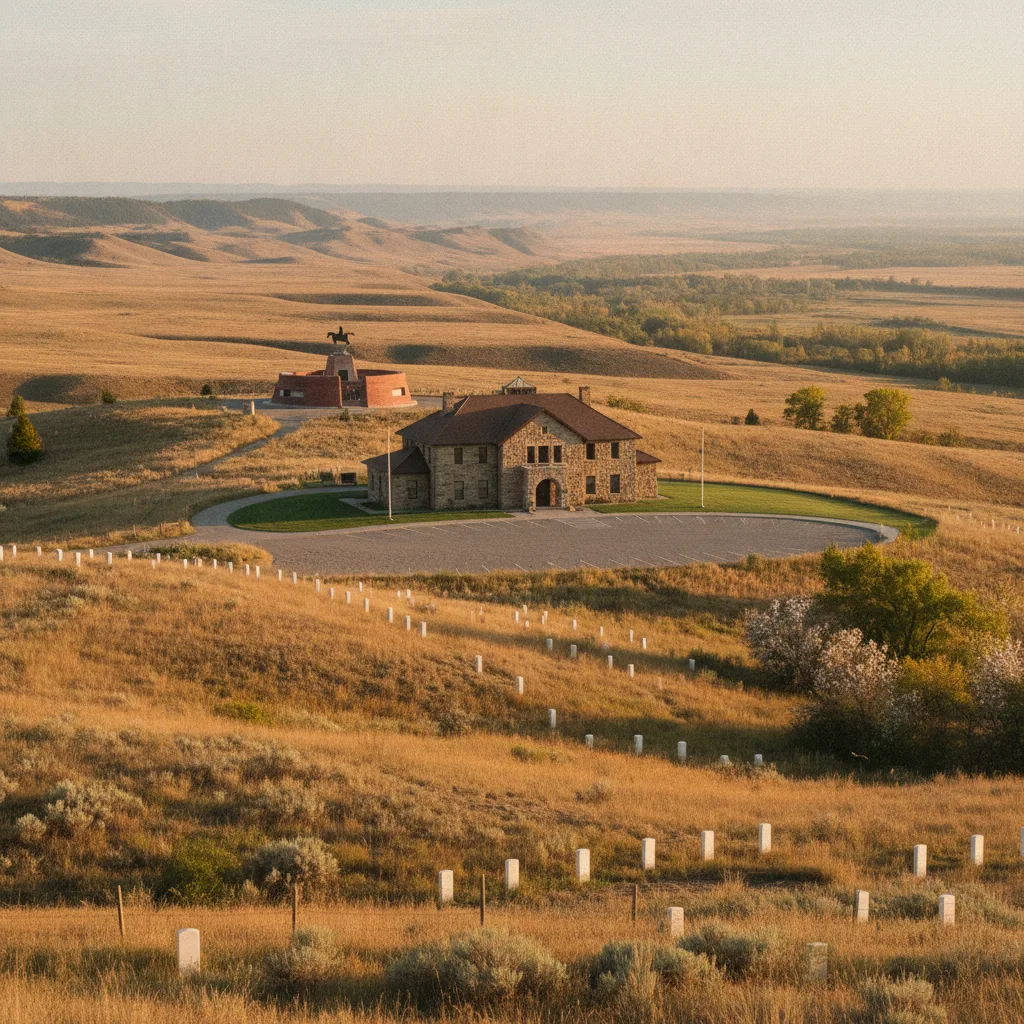
For those seeking to connect with a pivotal moment in American history, our team at Roam States can confidently say that a visit to Little Bighorn Battlefield National Monument is an experience unlike any other. This hallowed ground in southeastern Montana offers a profound journey into the 1876 conflict between the U.S. Cavalry and Northern Plains tribes, inviting deep reflection on the diverse perspectives that shaped the American West. We’ve compiled this comprehensive guide to ensure your trip is both impactful and seamless.
Little Bighorn Battlefield Travel Guide — Montana
When you're ready to delve into a significant chapter of American history, our travel guide to Little Bighorn Battlefield Montana is your essential resource. This sacred site preserves the landscape where, on June 25–26, 1876, the U.S. Army's 7th Cavalry, led by Lt. Col. George Armstrong Custer, clashed with a coalition of Lakota, Northern Cheyenne, and Arapaho warriors. The battle, often referred to as "Custer's Last Stand" or the "Battle of the Greasy Grass," remains one of the most studied and debated events in the history of the American West, offering profound lessons on conflict, courage, and cultural clashes.
Why Visit Little Bighorn Battlefield
Visiting Little Bighorn Battlefield is more than just a historical excursion; it's an immersive journey into a landscape steeped in profound human drama. Our team believes it's crucial for every American to understand this complex narrative, which reshaped the destinies of both the U.S. government and Native American nations. Here, the rolling hills and prairie winds whisper stories of a defining moment, where the struggle for land, sovereignty, and way of life culminated in a fierce, two-day engagement.
The monument offers a unique opportunity to grasp the multi-faceted perspectives of the battle. Unlike many historical sites that focus on a single viewpoint, Little Bighorn has evolved to honor all who fought, with the Indian Memorial standing as a powerful testament to the Native American warriors. Walking the grounds, you’ll encounter white marble markers indicating where U.S. soldiers fell and red markers for Native American combatants, providing a stark visual representation of the battle's scale and intensity. This balanced approach fosters a deeper, more empathetic understanding of a conflict that continues to resonate today.
For us, the power of Little Bighorn lies in its ability to transport you back in time, allowing you to visualize the events as they unfolded across the sweeping Montana landscape. It's a place of solemn remembrance, where the sacrifices of all involved are acknowledged and reflected upon, making it an essential stop for anyone seeking a comprehensive understanding of American history.
Who It's Best For
Little Bighorn Battlefield is a destination that resonates deeply with a diverse range of travelers, but our team has identified a few key groups who will find it particularly impactful:
- **History Enthusiasts:** If you're a history buff, particularly interested in the American West, military history, or Native American studies, this site is non-negotiable. The detailed interpretive exhibits, ranger programs, and the ability to walk the actual battleground provide an unparalleled learning experience.
- **Families with Older Children:** While the subject matter is serious, the monument offers educational opportunities through its Junior Ranger program and ranger-led talks that can engage older children and teenagers. It's a powerful way to introduce them to complex historical narratives and encourage critical thinking.
- **Road Trippers Exploring Montana and Wyoming:** Located conveniently off I-90, Little Bighorn is a perfect stop for those traveling between major attractions like Yellowstone National Park and the Black Hills. It offers a significant cultural and historical counterpoint to the natural wonders of the region. Consider integrating it into a broader Montana road trip.
- **Those Seeking Reflection and Understanding:** Visitors consistently describe the site as moving and sacred, appreciating the balanced narrative. If you're looking for a place to contemplate the complexities of American history, cultural conflict, and the enduring legacy of Native American resilience, you'll find it here.
While younger children might find some of the historical details less engaging, the open spaces and the visual nature of the memorials can still offer a meaningful experience for families. However, we recommend preparing them for the solemnity of the site.
Getting There & Parking
Navigating to Little Bighorn Battlefield is straightforward, primarily via Interstate 90. The monument is situated within the Crow Indian Reservation in southeastern Montana.
How to get to Little Bighorn Battlefield:
- By Car: From Interstate I-90, take Exit 510 at the Crow Agency exit, which connects to Jct. 212. Turn right at the park entrance onto Battlefield Tour Road 756 to reach the monument. If you're coming from Billings, it's approximately 56 miles east. U.S. Highway 212 also connects the monument with Yellowstone National Park and the Black Hills.
- By Air: The closest commercial airport is Billings Logan International Airport (BIL), located about 65 miles northwest of the battlefield. Sheridan County Airport in Sheridan, Wyoming, is another option, located about 73 miles to the south.
Little Bighorn Battlefield parking:
Parking at Little Bighorn Battlefield is generally available, but it's important to note some specifics for 2026. Due to ongoing construction of a new visitor center, parking may be limited, especially around the temporary contact station and along the Battle Tour Road. However, our team confirms that private vehicles are usually permitted on paved roads within the monument, with limited parking available during peak seasons. There is no specific reservation system for standard parking, but planning for potential limitations is wise.
For the 150th Anniversary commemoration on June 25-27, 2026, there will be *no public vehicle access* to the battlefield itself. Parking will be located off-site at the junction of I-90 and Highway 212 at Exit 510, with free shuttle service provided to and from the event locations. Be prepared for heavy congestion on local highways during this period.
Standard entrance fees are $10 per private vehicle or $5 for pedestrians and motorcycles. There is no charge for visiting the Custer National Cemetery. America the Beautiful passes are accepted. We advise checking the official NPS website closer to your visit for any updated parking advisories or changes, especially if you plan to visit during a special event.
Top Things to Do
A visit to Little Bighorn Battlefield is a deeply personal and reflective experience. Our team recommends dedicating ample time to fully absorb the site's significance. Here are the top things to do at Little Bighorn Battlefield and in the surrounding area:
- Explore Last Stand Hill and the 7th Cavalry Monument: This iconic site is where Lt. Col. George Armstrong Custer and his immediate command made their final stand. White marble markers dot the hillside, indicating where soldiers fell. The large obelisk serves as a memorial to the 7th Cavalry.
- Visit the Indian Memorial: Dedicated in 2003, this powerful memorial honors the Native American warriors who fought to preserve their way of life. Its circular design and inscriptions offer a crucial perspective on the battle. Many visitors find that embracing both perspectives enriches their understanding.
- Drive the 4.5-mile Tour Road to Reno-Benteen Battlefield: This self-guided driving tour connects the main Custer Battlefield with the Reno-Benteen Entrenchment site, where Major Marcus Reno and Captain Frederick Benteen's commands defended themselves. Along the route, wayside exhibits and a cell phone audio tour provide detailed narratives of soldier movements and warrior accounts, allowing you to experience the battle's unfolding.
- Walk the Deep Ravine Trail: This 1/4-mile self-guided walking tour offers a poignant look at a controversial site of intense fighting below Last Stand Hill. Trail guides are available at the bookstore.
- Tour Custer National Cemetery: Located within the monument, this cemetery is the final resting place for many veterans of America's wars, including some from the Battle of Little Bighorn. It's a place for quiet reflection and learning.
- Engage with Ranger Programs: Especially during the summer months, park rangers offer interpretive talks and guided tours that provide invaluable historical context and insights into the battle from various viewpoints.
- Visit the Temporary Visitor Contact Station and Bookstore: While a new visitor center is under construction (expected to open by fall 2026), a temporary contact station offers a place to ask questions, view exhibits, and purchase souvenirs and educational materials from the Western National Parks Association (WNPA) bookstore.
- Participate in the Junior Ranger Program: For families visiting with kids, the Junior Ranger program is an excellent way for younger visitors to engage with the park's history and earn a badge.
Beyond the monument, there are also things to do in Crow Agency and the surrounding area:
- Explore Crow Agency: As the headquarters of the Crow Indian Reservation, Crow Agency offers insights into modern Native American culture. You can visit the Apsaalooke Community Market or the Custer Battlefield Trading Post.
- Attend Crow Fair: If your visit aligns with mid-August, don't miss the annual Crow Fair, a vibrant cultural celebration that transforms Crow Agency into the "teepee capital of the world" with parades, rodeos, and traditional dances.
- Witness Battle Reenactments: While not held within the National Monument, the Real Bird family hosts a reenactment of the battle on their private property adjacent to the battlefield, typically in conjunction with Crow Native Days around June 25th each year.
- Visit Big Horn County Historical Museum in Hardin: This museum offers an orientation video, "Triumph & Tragedy Along The Little Bighorn," and provides a passport stamp for visitors during the monument's weekday closures.
We encourage you to take your time, read the waysides, and allow the solemnity of the site to truly sink in. The things to do at Little Bighorn Battlefield offer a powerful educational and emotional experience.
Best Time to Visit
Choosing the best time to visit Little Bighorn Battlefield significantly impacts your experience. Our team generally recommends the shoulder seasons to avoid extreme conditions and crowds, though each season offers unique advantages.
- Spring (April to May): Mild temperatures (50s-70s°F) and blooming wildflowers make spring a poignant time for a visit. The weather can be cool and windy with a chance of late snow, so dress in layers. Park hours are typically 8:00 a.m. to 6:00 p.m., with trails closing at 5:30 p.m.
- Summer (June to August): This is the most popular time to visit, with warm temperatures often in the 80s and 90s°F, though they can exceed 100°F. Summer offers the longest operating hours, typically 8:00 a.m. to 8:00 p.m. (Memorial Day through Labor Day), with trails closing an hour earlier. Ranger programs are most frequent during this season. However, be prepared for crowds, especially around the 150th Anniversary in June 2026. The monument is also closed Monday-Thursday through June 2026 due to visitor center construction, with a return to 7-day operations starting July 3, 2026.
- Autumn (September to October): Our team considers fall an ideal time, with mild temperatures (50s-70s°F) and fewer crowds. The landscape takes on golden tones, enhancing the solemn beauty of the site. Operating hours are generally 8:00 a.m. to 6:00 p.m., with trails closing at 5:30 p.m. The annual Crow Fair in mid-August/early September is a vibrant cultural event nearby.
- Winter (November to March): For a truly serene and solitary experience, winter offers snow-covered hills and a stark beauty. However, temperatures can be extremely cold, often below 0°F, with possible lows of -30°F. Winter hours are typically 8:00 a.m. to 4:30 p.m., with Last Stand Hill and the tour road closing at 3:30 p.m. Be prepared for harsh conditions and potential road closures due to weather.
For the 150th Anniversary of the Battle of the Little Bighorn on June 25-27, 2026, the park will be open with free admission, but expect significant crowds and required shuttle access from off-site parking. A new visitor center is under construction and is expected to open by fall 2026.
Ultimately, the best time to visit Little Bighorn Battlefield depends on your priorities. For comfortable exploration and ranger programs, late spring or early fall are excellent. If you're attending the anniversary events, be prepared for crowds and special access procedures.
Where to Stay Nearby
While the Little Bighorn Battlefield National Monument itself does not offer overnight accommodations, several nearby towns provide convenient lodging options. Our team recommends considering these communities based on your preferences for amenities and proximity:
- Hardin, Montana: Located about 15-20 miles northwest of the monument, Hardin is the closest town with a good selection of hotels and services. It offers budget-friendly options like the Homestead Inn and Suites, Lariat Motel, and Hardin Lodge. Hardin also hosts the Big Horn County Historical Museum, which can be a valuable stop for historical context.
- Crow Agency, Montana: Just 3-5 miles from the battlefield, Crow Agency is the headquarters of the Crow Indian Reservation. While lodging options are more limited here, staying in Crow Agency offers a culturally rich experience and extreme proximity to the monument. Commercial camping is also available in Crow Agency.
- Garryowen, Montana: A small community very close to the battlefield (approximately 4 miles), Garryowen is another option for those prioritizing proximity. It offers a quaint atmosphere and some unique local experiences.
- Billings, Montana: For those who prefer a wider array of dining, shopping, and lodging choices, Billings is a larger city located about 65 miles northwest of the battlefield. It offers everything from budget motels to upscale hotels, making it a good base if you're combining your visit with other Montana attractions.
- Fort Smith, Montana: Located further south, Fort Smith offers vacation rentals and cabins, particularly appealing for those interested in outdoor activities like fishing on the Bighorn River.
We advise booking accommodations in advance, especially if you plan to visit during peak season (summer) or around the 150th Anniversary in June 2026, as demand will be high. Many hotels offer free parking and breakfast.
Sample 2-Day Itinerary
To truly appreciate the depth and gravity of Little Bighorn Battlefield, our team recommends a two-day itinerary, allowing for thorough exploration and reflection without feeling rushed. This sample Little Bighorn Battlefield itinerary balances historical immersion with local cultural experiences.
Day 1: Little Bighorn Battlefield Immersion
- Morning (8:00 AM - 12:00 PM): Arrival and Main Battlefield Exploration
- Arrive at Little Bighorn Battlefield National Monument. Head to the temporary Visitor Contact Station to pick up maps, trail guides, and inquire about ranger program schedules.
- Begin your self-guided tour at Last Stand Hill, spending time at the 7th Cavalry Monument and the surrounding white marble markers. This area is the most iconic and emotionally resonant part of the battlefield.
- Walk over to the Indian Memorial, reflecting on the Native American perspective of the conflict. The design and inscriptions offer a powerful counterpoint to the traditional narrative.
- Consider walking the Deep Ravine Trail (1/4 mile) to gain a closer understanding of the terrain and where intense fighting occurred.
- Lunch (12:00 PM - 1:00 PM): Picnic or Local Fare
- Pack a picnic lunch to enjoy on the grounds (check park regulations) or head to Crow Agency for a quick bite. Dining options are limited on-site.
- Afternoon (1:00 PM - 5:00 PM): Reno-Benteen Battlefield and Ranger Program
- Drive the 4.5-mile Tour Road to the Reno-Benteen Entrenchment site. Utilize the cell phone audio tour to follow the narrative of the battle as you drive and stop at various points of interest.
- Explore the Reno-Benteen Defense Site on foot.
- Attend a ranger-led program if available. These talks provide invaluable context and answer questions.
- Visit the Custer National Cemetery for a moment of quiet contemplation.
- Evening: Dinner and Reflection in Hardin
- Head to Hardin for dinner.
- Check into your accommodation in Hardin or Crow Agency.
Day 2: Cultural Exploration and Nearby Attractions
- Morning (9:00 AM - 12:00 PM): Crow Agency and Local History
- Start your day exploring Crow Agency. Visit the Little Bighorn College, known for its modern American Indian architecture.
- Browse the Apsaalooke Community Market or Custer Battlefield Trading Post for local crafts and souvenirs.
- If visiting in mid-August, immerse yourself in the vibrant Crow Fair celebration.
- Lunch (12:00 PM - 1:00 PM): Hardin
- Enjoy lunch in Hardin, which offers more dining choices.
- Afternoon (1:00 PM - 4:00 PM): Big Horn County Historical Museum or Scenic Drive
- Visit the Big Horn County Historical Museum in Hardin for additional exhibits and the orientation video about the battle.
- Alternatively, take a scenic drive to the Bighorn Canyon National Recreation Area, offering stunning views and outdoor opportunities like fishing or boating.
- Late Afternoon/Evening: Departure or Further Montana Exploration
- Depart for your next destination, perhaps continuing your US trip to Glacier National Park or exploring more of Montana's best places.
This Little Bighorn Battlefield itinerary provides a thorough yet manageable pace, ensuring you gain a comprehensive understanding of this significant historical site and its surrounding culture.
Is It Worth Visiting?
For us, the answer is an unequivocal yes. Little Bighorn Battlefield National Monument offers an unparalleled opportunity to engage with a truly pivotal and complex event in American history. We understand that some travelers might question the value of visiting a battlefield, but this site transcends a simple historical marker; it's a place of profound education and emotional resonance.
The monument's commitment to presenting a balanced narrative, honoring both the U.S. 7th Cavalry and the Lakota, Northern Cheyenne, and Arapaho warriors, is what truly makes it worth visiting. Walking the ground where the conflict unfolded, seeing the markers for fallen soldiers and warriors, and standing at the Indian Memorial provides a visceral understanding that no textbook can replicate. It forces visitors to confront difficult questions about land, sovereignty, and cultural clashes that are still relevant today.
Furthermore, the ongoing efforts to enhance the visitor experience, including the construction of a new visitor center set to open in fall 2026, demonstrate a dedication to continually improving how this story is told. Ranger programs and interpretive materials offer deep insights, making the history accessible and engaging for all ages.
If you have an interest in American history, Native American culture, or simply seek a meaningful travel experience that encourages reflection and understanding, then Little Bighorn Battlefield is absolutely worth visiting. It's not just a site of conflict; it's a powerful reminder of the diverse stories that weave together the fabric of our nation.
Visiting With Kids
Bringing children to a site like Little Bighorn Battlefield can be a powerful educational experience, but it requires a thoughtful approach. Our team believes that visiting Little Bighorn Battlefield with kids can be incredibly rewarding, provided you prepare them for the solemnity and complexity of the history.
- Junior Ranger Program: This is our top recommendation for engaging kids. The park offers a Junior Ranger program with activity booklets designed to help children learn about the battle and the monument in an interactive way. Completing activities and attending a ranger program can earn them a badge.
- Focus on the Visuals: The white marble markers and the Indian Memorial are tangible elements that can help children grasp the reality of the events. Encourage them to count the markers, imagine the landscape, and understand that real people fought and fell here.
- Age-Appropriate Discussions: Tailor your explanations to their age. For younger children, focus on the idea of different groups of people fighting over land and beliefs, emphasizing respect for all sides. For older children, delve deeper into the historical context, the perspectives of both the U.S. Cavalry and the Native American tribes, and the long-term impacts.
- Utilize the Audio Tour: The cell phone audio tour along the 4.5-mile driving route can keep children engaged by providing narratives and stories as you drive between key points.
- Ranger Talks: During summer, ranger-led programs can be excellent for kids, as rangers are skilled at presenting complex information in an engaging and accessible manner.
- Be Prepared for the Outdoors: The battlefield is an open, exposed area. Bring plenty of water, sunscreen, and hats, especially in summer. Comfortable walking shoes are a must.
- Combine with Other Activities: Balance the solemnity of the battlefield with other, lighter activities in the surrounding areas. Exploring Crow Agency or the Bighorn Canyon National Recreation Area can provide a broader cultural and natural context for your trip.
By preparing your children and utilizing the resources available, visiting Little Bighorn Battlefield with kids can be a memorable and deeply educational family experience, fostering a deeper understanding of American history and cultural diversity.
FAQ
Little Bighorn Battlefield tips
Our top tips for visiting Little Bighorn Battlefield include arriving early to avoid crowds, especially during peak season, and allowing at least 3-4 hours for a comprehensive visit. Wear comfortable shoes and bring water, as much of the exploration involves walking outdoors with limited shade. Engage with the park's cell phone audio tour and ranger programs for deeper insights. Embrace both the U.S. Cavalry and Indian Memorial perspectives for a complete understanding of the battle. If visiting in June 2026 for the 150th Anniversary, plan for off-site parking and shuttle access.
Little Bighorn Battlefield parking
Standard parking is available at the Visitor Center and along the 4.5-mile tour road. However, due to new visitor center construction in 2026, parking may be limited, especially around the temporary contact station. For the 150th Anniversary (June 25-27, 2026), all parking will be off-site at the I-90/Highway 212 junction (Exit 510), with free shuttle service into the monument.
best time to visit Little Bighorn Battlefield
The best time to visit Little Bighorn Battlefield is during the shoulder seasons of late spring (April-May) or early fall (September-October) for milder weather and fewer crowds. Summer (June-August) offers longer hours and more ranger programs but can be very hot and crowded. Be aware of the 150th Anniversary events in June 2026, which will bring significant crowds and special access rules.
Little Bighorn Battlefield hours and fees
Little Bighorn Battlefield National Monument hours vary seasonally. During summer (Memorial Day to Labor Day), the park and visitor center are typically open 8:00 a.m. to 8:00 p.m., with trails closing earlier. Winter hours are generally 8:00 a.m. to 4:30 p.m. As of July 2026, the park is open Friday-Sunday, returning to a 7-day schedule on July 3, 2026, after visitor center construction closures. Entrance fees are $10 per private vehicle or $5 for pedestrians/motorcycles. America the Beautiful passes are accepted, and there is no charge for visiting the Custer National Cemetery. The 150th Anniversary events (June 25-27, 2026) will have free entrance.
Little Bighorn Battlefield travel guide
Our comprehensive Little Bighorn Battlefield travel guide covers everything from why to visit and who it's best for, to detailed directions, top things to do, and where to stay. We emphasize the importance of understanding the multi-faceted history, utilizing the self-guided tours and ranger programs, and planning your visit around seasonal hours and events. We also provide tips for visiting with kids and a sample 2-day itinerary for a truly immersive experience.
Little Bighorn Battlefield itinerary
A sample 2-day Little Bighorn Battlefield itinerary includes dedicating Day 1 to exploring the main battlefield sites (Last Stand Hill, Indian Memorial, Deep Ravine Trail) and driving the Tour Road to Reno-Benteen. Day 2 focuses on cultural exploration in Crow Agency, visiting the Big Horn County Historical Museum, or exploring nearby natural attractions like Bighorn Canyon. This allows for in-depth historical immersion and appreciation of the surrounding culture. We recommend checking current operating hours and special event schedules for 2026, particularly around the 150th Anniversary.
Our team at Roam States firmly believes that a journey to Little Bighorn Battlefield National Monument is an essential American experience. It’s a place that transcends simple history, offering a profound opportunity for reflection, understanding, and empathy. The windswept plains of Little Bighorn Battlefield Montana tell a story that is both tragic and deeply human, a narrative of conflict and courage that shaped the nation. We encourage you to plan your visit, immerse yourself in its powerful history, and carry forward the lessons learned from this sacred ground. This is not just a destination; it's a pilgrimage into the heart of the American story.
Last updated: 2026-07-05 by the Roam States team.