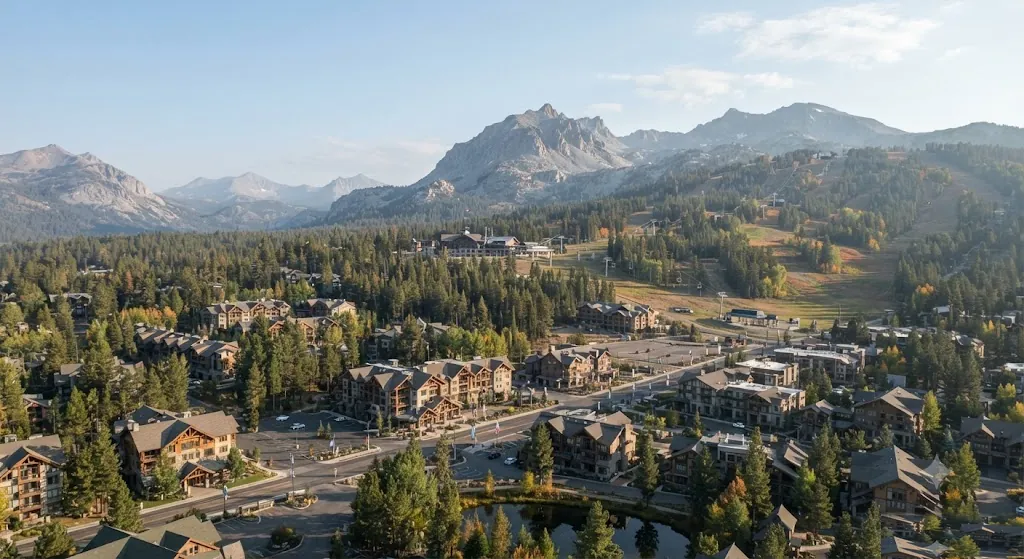
Our Mammoth Lakes guide covers practical planning for Mammoth Lakes California — best time to visit, getting there, and what to do on the ground. As the Roam States editorial team, we've compiled essential insights to help you navigate this stunning Eastern Sierra destination, ensuring your trip is as seamless as it is unforgettable. Whether you're seeking high-alpine adventure or tranquil lakeside escapes, Mammoth Lakes offers a diverse range of experiences for every traveler.
Why Visit Mammoth Lakes
Mammoth Lakes stands as a premier year-round mountain resort town, a testament to California's diverse natural beauty. We recommend it for its unparalleled access to outdoor recreation, from world-class skiing and snowboarding in the winter to an extensive network of hiking, mountain biking, and fishing opportunities in the summer. This isn't just another mountain town; it's a vibrant hub nestled in the Eastern Sierra, offering a unique blend of rugged wilderness and modern amenities. The dramatic landscapes, carved by ancient glaciers and volcanic activity, provide a breathtaking backdrop for any adventure. Beyond the adrenaline-pumping activities, the serene beauty of the surrounding lakes and forests offers a peaceful retreat for those looking to reconnect with nature. It’s a destination that truly caters to all seasons and all types of outdoor enthusiasts.
Who It's Best For
Mammoth Lakes is an ideal destination for a wide array of travelers, particularly those with a passion for the outdoors. We find it's perfect for:
- Skiers and Snowboarders: With Mammoth Mountain's extensive terrain and reliable snowfall, winter sports enthusiasts will find endless slopes to explore.
- Hikers and Backpackers: The region boasts an incredible network of trails, from easy lakeside strolls to challenging multi-day treks into the High Sierra.
- Mountain Bikers: Mammoth Bike Park offers lift-served downhill trails, while countless cross-country routes wind through forests and meadows.
- Anglers: Pristine lakes and streams are teeming with trout, providing excellent fly-fishing and spin-casting opportunities.
- Families: Many activities are suitable for all ages, including scenic gondola rides, gentle hikes, and family-friendly accommodations.
- Nature Photographers: The dramatic peaks, alpine lakes, and vibrant fall colors offer endless photographic inspiration.
- Road Trippers: Located along the scenic US-395, it's a perfect stop or basecamp for exploring the wider Eastern Sierra region, including Yosemite National Park and Death Valley National Park.
If you appreciate stunning mountain vistas, fresh air, and an active vacation, then Mammoth Lakes is undoubtedly worth visiting. It's a place where adventure is always on the horizon, whether you prefer the thrill of a downhill run or the tranquility of a lakeside picnic.
Getting There & Parking
Understanding how to get to Mammoth Lakes is key to a smooth trip, and we've got the details for 2026 travel. Mammoth Lakes is primarily accessed via US Highway 395, a scenic route that runs along the eastern side of the Sierra Nevada mountains. This makes it a popular destination for those on a USA road trip planner.
By Car: Driving is the most common way to reach Mammoth Lakes. From Southern California, the drive typically takes 5-6 hours, while from Northern California, it's about the same, though winter conditions can significantly extend travel times. We always recommend checking road conditions, especially during winter months, as passes like Tioga Pass (leading into Yosemite from the east) are typically closed from late fall through late spring. For current 2026 road conditions, we advise checking Caltrans before you depart.
By Air: For those seeking quicker access, the Mammoth Yosemite Airport (MMH) offers seasonal flights. As of 2026, direct flights are available from major hubs like Los Angeles (LAX), San Francisco (SFO), and Denver (DEN), though schedules and airlines can vary. We recommend booking well in advance, especially during peak season, as these flights tend to fill up quickly. Alternatively, larger airports like Reno-Tahoe International Airport (RNO) are about a 3-hour drive away, offering more flight options.
Public Transportation: Once you're in Mammoth Lakes, the town offers a free public transit system, the Eastern Sierra Transit Authority (ESTA) Mammoth Lakes Basin Trolley and fixed-route buses. This service is incredibly useful for getting around town, to the ski lodge, and to various trailheads, reducing the need for constant driving and parking. The Mammoth Mountain gondola also operates to transport skiers and sightseers up the mountain. For 2026, the scenic gondola typically runs daily during operating seasons, with specific hours varying by season; we recommend checking the Mammoth Mountain website for the most up-to-date schedule and pricing.
Parking: Parking in Mammoth Lakes can be challenging during peak winter weekends and holidays. Mammoth Mountain Ski Area offers several parking lots, some of which require reservations or have fees during peak times. In town, metered parking and free lots are available, but spaces fill up quickly. We strongly encourage utilizing the free bus system whenever possible to avoid parking hassles and contribute to a more sustainable visit. Overnight parking regulations vary, so always check signage carefully to avoid fines.
Top Things to Do
When considering things to do at Mammoth Lakes, the options are as vast as the Eastern Sierra landscape itself. Our team has curated a list of must-do activities that showcase the best of this incredible destination, regardless of the season.
Winter Wonders
- Skiing and Snowboarding at Mammoth Mountain: This is the undisputed king of winter activities here. Mammoth Mountain boasts over 3,500 acres of skiable terrain, a summit elevation of 11,053 feet, and an average of 400 inches of snow annually. For the 2025-2026 season, lift tickets for adults typically start around $150-$250 per day, with discounts for multi-day passes and advance purchases. We recommend checking their official website for the most current pricing and to make reservations, especially for lessons or equipment rentals.
- Cross-Country Skiing and Snowshoeing: Explore miles of groomed trails at Tamarack Cross-Country Ski Center or venture into the backcountry for a more secluded experience.
- Snowmobiling: Guided tours and rentals are available for an exhilarating way to see the snowy landscapes.
- Scenic Gondola Ride: Even if you're not skiing, take the Panorama Gondola to the summit of Mammoth Mountain for breathtaking 360-degree views of the Sierra Nevada. For 2026, round-trip scenic gondola tickets are approximately $37 for adults.
Summer Adventures
The warmer months transform Mammoth Lakes into a paradise for hikers, bikers, and water enthusiasts. There are so many things to do at Mammoth Lakes when the snow melts.
- Hiking on Mammoth Lakes Hiking Trails: The region is a hiker's dream. We recommend exploring the various Mammoth Lakes hiking trails, from easy lakeside strolls to challenging climbs. Popular options include the easy paved path around Twin Lakes, the moderate hike to Crystal Lake, or the more strenuous trek to the top of Mammoth Mountain. For a truly iconic experience, consider a day trip to Yosemite National Park, which is accessible via Tioga Pass when open.
- Mountain Biking: Mammoth Bike Park offers lift-served downhill trails for all skill levels. Numerous cross-country trails also crisscross the landscape.
- Fishing: The Mammoth Lakes Basin is dotted with pristine alpine lakes and streams, offering excellent trout fishing. Popular spots include Lake Mary, Twin Lakes, and Lake George. Always check current California fishing regulations and obtain a valid fishing license.
- Kayaking and Paddleboarding: Rent equipment and explore the calm waters of the Mammoth Lakes Basin.
- Devils Postpile National Monument: This unique geological formation, a rare example of columnar basalt, is a must-see. Access is typically via a mandatory shuttle bus from the Mammoth Lakes Welcome Center during summer months, which usually runs from mid-June to early September. Shuttle fees for 2026 are expected to be around $15 for adults. The monument itself is free to enter. We advise checking the National Park Service website for exact 2026 operating dates and shuttle schedules.
- Reds Meadow Valley: Beyond Devils Postpile, this scenic valley offers access to Rainbow Falls and various trailheads. The road to Reds Meadow is typically open from late May/early June to mid-October, weather permitting.
- June Lake Loop: A stunning 16-mile scenic drive just north of Mammoth Lakes, featuring four beautiful lakes (June, Gull, Silver, and Grant) and charming small towns. It's particularly spectacular in the fall when the aspens turn golden.
- Mono Lake: A short drive north of Mammoth Lakes, this ancient saline lake is famous for its unique tufa towers. The Mono Lake Committee Information Center and Bookstore in Lee Vining is a great place to learn about the lake's ecology and history; for 2026, it generally operates daily from 9 AM to 5 PM during the summer season.
No matter the season, the natural beauty and abundance of activities ensure that your visit to Mammoth Lakes will be packed with adventure and awe-inspiring sights. We also recommend checking out the official Visit California website for more regional attractions and events.
Best Time to Visit
The "best" time to visit Mammoth Lakes truly depends on what kind of experience you're seeking. Our team breaks down the seasons to help you plan your ideal trip.
- Winter (December - April): This is prime time for skiing and snowboarding. Mammoth Mountain typically opens in November and can stay open well into May or even June, depending on snowfall. Expect cold temperatures, heavy snow, and a bustling atmosphere. If you're coming for winter sports, this is your season. Prices for lodging and activities are generally at their highest, and reservations are essential.
- Spring (May - June): A transitional period, spring offers a unique blend of winter and summer activities. You can often ski in the morning and hike or bike in the afternoon. Snowmelt feeds waterfalls, and wildflowers begin to bloom at lower elevations. Crowds are thinner than in peak winter or summer. Roads like Tioga Pass (to Yosemite) and the Reds Meadow Road typically open later in spring or early summer, depending on snowpack.
- Summer (July - September): The most popular time for non-winter sports. The weather is warm and sunny, perfect for hiking, mountain biking, fishing, and water sports. All trails and roads are usually open, including access to Devils Postpile and the High Sierra. This is when the town is most vibrant, but also when it sees the most visitors. Book accommodations and popular activities well in advance.
- Fall (October - November): A truly spectacular time, especially for photography. The aspen trees throughout the Eastern Sierra turn brilliant shades of gold, orange, and red. The weather is crisp, crowds thin out, and many summer activities are still accessible, though some high-elevation facilities may begin to close. This is a fantastic time for hiking and scenic drives. Snow can begin to fall at higher elevations by late October.
Ultimately, Mammoth Lakes offers something special in every season. We recommend considering your primary interests to determine when this magnificent destination will best meet your travel desires.
Where to Stay Nearby
Finding the right Mammoth Lakes lodging is crucial for a comfortable and convenient trip. The town of Mammoth Lakes itself offers the most comprehensive range of options, from luxurious resorts to cozy condos and budget-friendly motels. Our team recommends considering proximity to the Village at Mammoth or the Main Lodge for easy access to lifts and amenities, especially during winter.
Mammoth Lakes Lodging Options:
- The Village at Mammoth: This central hub offers a vibrant atmosphere with shops, restaurants, and direct gondola access to Mammoth Mountain. Accommodations range from upscale hotels to condominium rentals, providing excellent walkability and amenities.
- Mammoth Mountain Inn: Located slopeside at the Main Lodge, this is ideal for ski-in/ski-out access in winter and direct access to the bike park and hiking trails in summer.
- Condominium Rentals: Many visitors opt for condos, which often provide more space, kitchens, and amenities like hot tubs, making them perfect for families or longer stays. Popular complexes include Snowcreek Resort, The Westin Monache Resort, and Juniper Springs Resort.
- Hotels and Motels: A variety of hotels and motels are available throughout the town, offering different price points and amenities.
For those seeking alternatives or exploring the wider Eastern Sierra, there are charming options within a short drive:
- June Lake Loop: Just north of Mammoth Lakes, the towns of June Lake, Gull Lake, and Silver Lake offer a quieter, more rustic experience with stunning lake views and access to fishing and hiking. These can be excellent choices for those who prefer a tranquil setting while still being close to Mammoth's offerings.
- Bishop: Approximately an hour south of Mammoth Lakes, Bishop is a larger town offering more budget-friendly lodging and dining options. It serves as a great base for exploring the southern Eastern Sierra.
- Lee Vining: Located near Mono Lake and the eastern entrance to Yosemite National Park, Lee Vining offers basic lodging and is ideal for those focusing on Mono Lake and Yosemite excursions.
When searching for Mammoth Lakes lodging, we always advise booking well in advance, particularly for peak seasons (winter holidays, spring break, and summer weekends), as popular properties fill up quickly and prices can fluctuate. Many properties offer shuttle services to the mountain or town, which can be a significant advantage for convenience.
Sample 2-Day Itinerary
To help you make the most of your visit, our team has crafted a sample 2-day itinerary for Mammoth Lakes, adaptable for both winter and summer adventures.
Winter Itinerary
Day 1: Hit the Slopes & Village Exploration
- Morning: Head straight to Mammoth Mountain. If you're skiing or snowboarding, grab your gear and hit the slopes. For non-skiers, take the scenic Panorama Gondola to the summit for incredible views of the Sierra Nevada.
- Lunch: Enjoy a casual lunch at one of the on-mountain lodges or head down to The Village at Mammoth for more dining options.
- Afternoon: Continue skiing or snowboarding. Alternatively, try cross-country skiing or snowshoeing at Tamarack Cross-Country Ski Center.
- Evening: Explore The Village at Mammoth. Enjoy apres-ski drinks, browse the shops, and have dinner at one of the many restaurants.
Day 2: Winter Wonderland & Relaxation
- Morning: Embark on a snowmobiling tour for an exhilarating way to see the snowy backcountry, or take a guided snowshoe hike to a frozen lake.
- Lunch: Grab a quick bite in town or pack a picnic to enjoy amidst the winter scenery.
- Afternoon: Relax and rejuvenate. Consider a visit to a local spa or simply unwind by a fireplace at your lodging. For a unique experience, drive to the nearby Hot Creek Geological Site (check road access in winter) to see steaming hot springs.
- Evening: Enjoy a farewell dinner at a local favorite, perhaps trying some of the regional California cuisine.
Summer Itinerary
Day 1: Lakes Basin & Iconic Sights
- Morning: Start with a visit to the Mammoth Lakes Basin. Drive or take the free trolley to Lake Mary, Twin Lakes, and Lake George. Enjoy a short, easy hike around Twin Lakes or rent a kayak or paddleboard.
- Lunch: Pack a picnic to enjoy by one of the lakes, or grab lunch at the Lakefront Restaurant at Tamarack Lodge.
- Afternoon: Take the mandatory shuttle bus to Devils Postpile National Monument. Hike to the unique columnar basalt formation and continue to Rainbow Falls for a refreshing view.
- Evening: Return to Mammoth Lakes for dinner. Consider a casual meal at a brewery or a more upscale dining experience.
Day 2: High Sierra Hiking & Scenic Drives
- Morning: Embark on a more challenging hike. Options include the trail to Crystal Lake, Duck Lake Pass, or a section of the Pacific Crest Trail accessible from the area. Remember to carry plenty of water and be prepared for changing weather conditions in the high country.
- Lunch: Enjoy a packed lunch on the trail, taking in the panoramic views.
- Afternoon: Take a scenic drive along the June Lake Loop, stopping at the charming towns and enjoying the views of the alpine lakes. Alternatively, head north to Mono Lake to see the tufa towers and learn about its unique ecosystem at the Mono Lake Committee Information Center.
- Evening: Enjoy your final dinner in Mammoth Lakes, perhaps trying a restaurant you missed on your first night.
This itinerary for Mammoth Lakes California is designed to give you a taste of the diverse activities available, but feel free to customize it to your interests and energy levels.
FAQ: Mammoth Lakes Camping
Mammoth Lakes offers a variety of camping experiences, from developed campgrounds to dispersed camping in the surrounding national forests. Most developed campgrounds in the Mammoth Lakes Basin and along the June Lake Loop are operated by the Inyo National Forest and typically open from late May or early June through October, depending on snowmelt and weather conditions. Reservations for popular campgrounds like Lake Mary Campground and Twin Lakes Campground are highly recommended, especially during summer weekends, and can often be made up to six months in advance via Recreation.gov. Dispersed camping is permitted in designated areas of the Inyo National Forest, but requires adherence to Leave No Trace principles and often a California Campfire Permit, even for a stove. Always check current fire restrictions before your trip.
FAQ: Things to Do in Mono County (Eastern Sierra)
Mono County, often referred to as the Eastern Sierra, is a treasure trove of natural wonders beyond Mammoth Lakes. We recommend exploring the dramatic tufa towers of Mono Lake, an ancient saline lake with a unique ecosystem. The June Lake Loop offers stunning scenic drives and access to multiple alpine lakes for fishing, boating, and hiking. For history buffs, Bodie State Historic Park, a well-preserved ghost town, provides a fascinating glimpse into California's Gold Rush era. Further north, the town of Bridgeport serves as a gateway to the Twin Lakes area and has its own rustic charm. The entire region is a paradise for photographers, especially during the fall when the aspen trees turn vibrant colors. You can also venture into parts of Yosemite National Park via the eastern entrance (Tioga Pass) when it's open, offering access to high-country trails and stunning vistas.
FAQ: Mammoth Lakes with Kids
Mammoth Lakes is an excellent destination for families. In winter, kids can take ski or snowboard lessons at Mammoth Mountain's ski school, enjoy tubing, or go ice skating. In summer, the options expand significantly. We recommend easy, family-friendly hikes around the Mammoth Lakes Basin, such as the paved path around Twin Lakes or the short walk to Rainbow Falls from Devils Postpile. Kids often love paddleboarding or kayaking on the calm waters of Lake Mary or Twin Lakes. The Mammoth Bike Park also has beginner-friendly trails and lessons for younger riders. The Mammoth Lakes Welcome Center often has information on current family-friendly events and activities, and many restaurants in town cater to children with dedicated menus and casual atmospheres. The free town trolley system makes getting around with kids much easier.
FAQ: Best Hotels Near Mammoth Lakes
While the town of Mammoth Lakes itself offers the most comprehensive range of accommodations, the "best" hotel often depends on your priorities. For ski-in/ski-out convenience and luxury, The Westin Monache Resort, with its full kitchens and village access, is a top choice. The Mammoth Mountain Inn provides unparalleled access to the Main Lodge lifts and bike park. For a more boutique and historic feel, particularly in summer, Tamarack Lodge & Resort on Twin Lakes offers a rustic charm with cabins and lodge rooms. If you're looking for more budget-friendly options, several motels and smaller hotels are located along Main Street and Old Mammoth Road. For those who prefer a quieter, more secluded experience, the charming lodges and cabins along the June Lake Loop, such as the Double Eagle Resort and Spa, offer a tranquil alternative just a short drive away.
FAQ: Mammoth Lakes Tips
Our top tips for visiting Mammoth Lakes include: always check road conditions (especially US-395 and mountain passes) before you travel, particularly in winter. Book accommodations and popular activities well in advance, especially during peak seasons. Hydrate frequently, as the high altitude can be taxing, and consider taking it easy on your first day to acclimate. Dress in layers, as mountain weather can change rapidly. Utilize the free town trolley and shuttle systems to minimize driving and parking hassles. Carry bear-resistant food storage if camping or backpacking. Finally, always practice Leave No Trace principles to preserve the natural beauty of this incredible region. Don't forget to visit the Mammoth Lakes Welcome Center for up-to-date information on trail conditions, events, and local insights.
FAQ: Where to Stay Near Mammoth Lakes
Beyond the immediate town of Mammoth Lakes, several charming communities offer excellent lodging options within a reasonable drive. The June Lake Loop, just north of Mammoth, features the picturesque towns of June Lake, Gull Lake, and Silver Lake, providing a quieter, more intimate alpine experience with a range of cabins, lodges, and small motels. This area is particularly stunning in the fall. To the south, Bishop, about an hour's drive, offers a wider selection of budget-friendly hotels and dining, serving as a good base for exploring the southern Eastern Sierra and areas like the Ancient Bristlecone Pine Forest. Lee Vining, located near Mono Lake and the eastern entrance to Yosemite National Park (when Tioga Pass is open), provides basic lodging and is ideal for those prioritizing Mono Lake and Yosemite excursions. Each of these nearby locations offers a distinct atmosphere and can enhance your overall Eastern Sierra adventure.
The Roam States team confidently recommends Mammoth Lakes California as a top-tier destination for any traveler seeking an authentic mountain experience. Its blend of world-class recreation, stunning natural beauty, and vibrant town amenities makes it a truly unparalleled gem in the Golden State. Whether you're carving fresh powder, hiking to an alpine lake, or simply soaking in the dramatic vistas, Mammoth Lakes delivers an unforgettable adventure. We encourage you to explore more of California's best places, from the iconic Alcatraz Island to the rugged beauty of Big Sur & PCH, and the unique landscapes of Anza-Borrego Desert Park, all part of the diverse experiences our team covers.
Last updated: 2026-07-13 by the Roam States team.