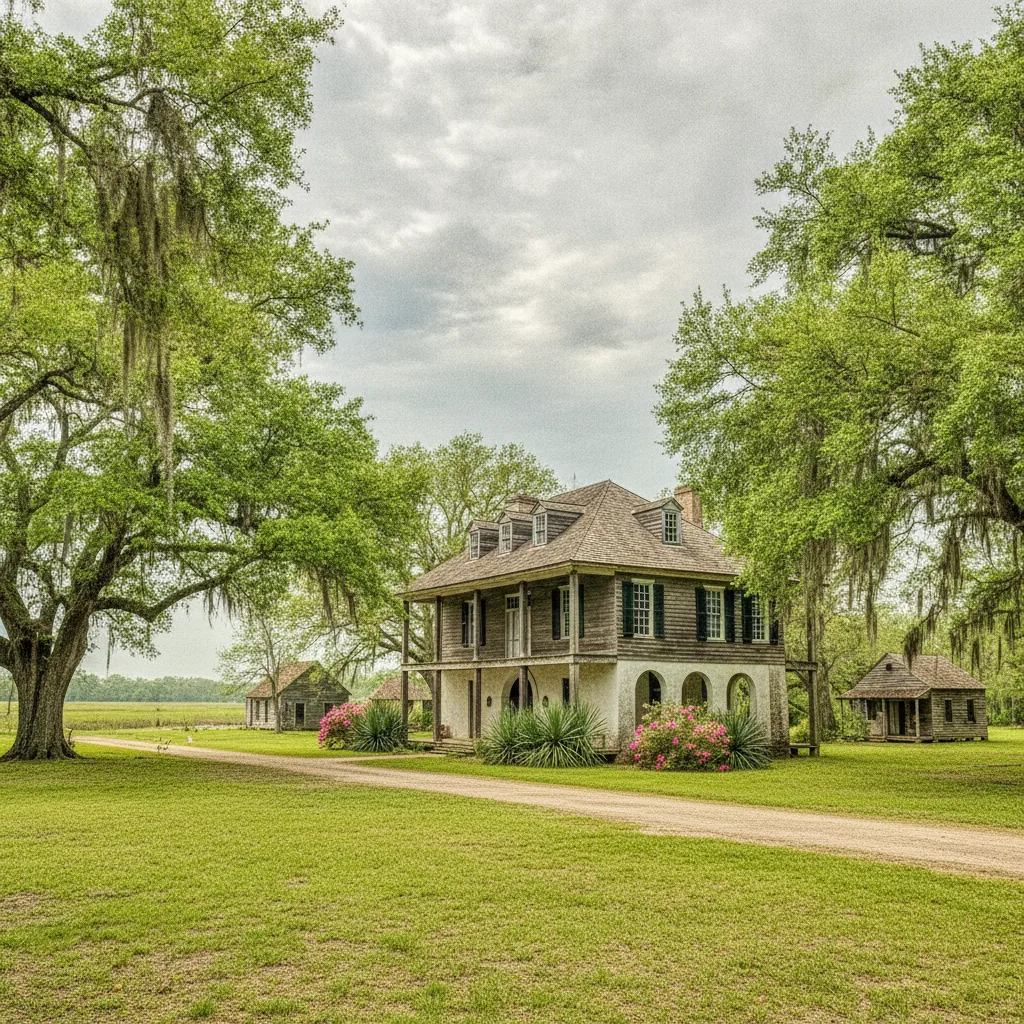
Melrose Plantation Travel Guide — Louisiana
Our team at Visit America has thoroughly researched this historic gem to bring you the most accurate and engaging information for your 2026 visit. We cut through the generic fluff to provide confident, specific advice, ensuring your trip to this iconic Louisiana landmark is unforgettable. From its profound history rooted in the Cane River Creole community to the vibrant art of Clementine Hunter, Melrose Plantation Louisiana offers a truly unique cultural experience.
Why Visit Melrose Plantation
Visiting Melrose Plantation offers a profound journey into a unique chapter of American history, far removed from the typical antebellum narrative. This isn't just another Southern plantation; it's a National Historic Landmark with a rich African American cultural legacy, founded by Louis Metoyer, the son of Marie Thérèse Coincoin, a formerly enslaved woman who became a prominent businesswoman and landowner. We believe it's an essential stop for anyone seeking a deeper understanding of Louisiana's diverse heritage.
Our team finds the story of the Isle Brevelle Creole Community, established by the Metoyer family, particularly compelling. It’s a testament to resilience, entrepreneurship, and the creation of a thriving community of free people of color along the Cane River. Beyond its foundational history, Melrose Plantation is celebrated as the home and inspiration for the world-famous self-taught African American folk artist, Clementine Hunter. Her vibrant murals, depicting daily life on the plantation, are a highlight and offer an invaluable artistic and historical perspective.
The plantation's role as an early 20th-century artists' retreat, fostered by Carmelite Garrett Henry, further distinguishes it. This environment nurtured creativity and eventually led to the discovery of Clementine Hunter's extraordinary talent. For those interested in the complexities of Southern history, the impact of the American Civil War and Reconstruction, and the establishment of the Melrose freedman school, the site offers rich interpretive experiences. We are confident that a visit here will provide an educational and emotionally resonant experience that transcends typical tourism.
Who It's Best For
Melrose Plantation is an ideal destination for history enthusiasts, art lovers, and those seeking to understand the nuanced tapestry of Louisiana's past. Our team highly recommends it for individuals and groups interested in African American history, Creole culture, and American folk art. The narratives shared here are powerful, focusing on the lives of free people of color and the extraordinary journey of Clementine Hunter.
Families with older children (ages 10 and up) will find the stories engaging and educational, offering a tangible connection to historical events and artistic expression. While younger children are welcome, the guided tours involve significant listening and walking, which might be less suited for very short attention spans. Educators and students will find Melrose Plantation an invaluable resource for studying topics ranging from colonial Louisiana and the Creole identity to post-Civil War social structures and the Civil Rights era through art.
Photographers will appreciate the picturesque grounds and historic architecture, while those simply looking for a peaceful, reflective experience away from the bustling city will find solace here. It's a place for thoughtful exploration, not superficial sightseeing. If you appreciate sites that challenge and educate as much as they charm, then Melrose Plantation is undoubtedly for you.
Getting There & Parking
Successfully navigating your way to Melrose Plantation is straightforward, though a car is essential for independent travel to this historic site. Melrose Plantation is located at 3533 Hwy 119, Melrose, Louisiana 71452, approximately 15 miles south of Natchitoches. From Natchitoches, the most common route is to take LA-1 North, which leads directly to the plantation. For precise directions, we always recommend using GPS navigation.
For those flying in, the nearest major airport is Alexandria International Airport (AEX), situated about 32 miles from Melrose Plantation. From AEX, you'll need to rent a car to complete your journey to the plantation and explore the surrounding Cane River area. While there isn't public transportation directly to the plantation, the drive through rural Louisiana offers scenic views, setting the stage for your historical immersion.
Regarding parking at Melrose Plantation, our research indicates that ample parking is available on-site, including designated bus parking. We did not find any specific mention of separate parking fees for general visitors, suggesting that parking is likely included with your admission or is complimentary. All visitors are required to check in at the gift shop, also known as the Bindery, upon arrival. This is where your guided tour will commence. We advise arriving a bit before your scheduled tour time to allow for parking and check-in, especially during peak season.
Top Things to Do
When you visit Melrose Plantation, you’re stepping into a living museum, and our team has identified the absolute top things to do to maximize your experience. The primary attraction is undoubtedly the guided tour, which offers in-depth insights into the plantation's two-hundred-year history. These tours, running approximately 45 minutes, provide access to key historic buildings like the Big House and the African House, which are not accessible with a self-guided grounds pass.
During your tour, a highlight will be exploring the nine historic buildings on the grounds. The Big House, a distinctive French Creole-style mansion built in 1833, stands as a central piece of the plantation's architectural heritage. However, the most renowned structure is the African House, a former slave quarter that houses the breathtaking murals of Clementine Hunter. Seeing these vibrant, narrative paintings in their original context is an incredibly powerful experience and truly one of the most significant things to do at Melrose Plantation.
Beyond the African House, you'll explore other significant structures such as the Yucca House, the Bindery (which also serves as the gift shop), and the Weaving Cabin. Each building tells a part of the plantation's story, from its agricultural past to its role as an artists' retreat. Don't miss the chance to see a collection of Clementine Hunter's work beyond the murals, available for viewing on-site.
Beyond the plantation grounds, there are several things to do in Melrose and the surrounding Natchitoches area. We encourage visitors to drive the scenic Cane River Trail, which connects other historic landmarks like Oakland Plantation and Magnolia Plantation, both part of the Cane River Creole National Historical Park. The historic downtown Natchitoches, just a short drive away, is a 33-block National Historic Landmark District offering charming shops, restaurants, and horse-drawn carriage tours. You can also visit the Kaffie-Frederick General Mercantile, Louisiana's oldest general store, established in 1863. For nature lovers, the Kisatchie National Forest is a short distance from Natchitoches, offering hiking, birding, and other outdoor activities across its 600,000 acres.
Best Time to Visit
Choosing the best time to visit Melrose Plantation can significantly enhance your experience, and our team has evaluated the climate and events to provide clear recommendations. Generally, the spring (March to May) and fall (October to November) offer the most pleasant weather for exploring the grounds. During these seasons, temperatures are milder, and the humidity is lower, making outdoor tours much more comfortable.
If you're planning a trip for 2026, consider visiting during the 52nd Annual Melrose Arts & Crafts Festival, scheduled for October 10th-11th, 2026. This popular event brings the plantation to life with local artisans and a festive atmosphere, offering a unique cultural experience beyond the regular tour. However, be aware that festivals will mean larger crowds, so plan accordingly and consider booking accommodations well in advance.
Summers in Melrose, Louisiana (June to September) are typically hot and humid, with average daily high temperatures often exceeding 90°F. For instance, June 2026 is forecast to see daily highs ranging from 83° to 95°F, with overnight lows between 70° and 77°F. July is generally the hottest month in Louisiana, with an average high of 87°F and low of 69°F. While the plantation is open, we recommend early morning visits during these months to avoid the peak heat. The wet season in Louisiana generally lasts from March to October, with May having the most wet days.
Winters (December to February) are moderately chilly, with average highs of 62°F and lows of 41°F in December. January is the coldest month, with average lows of 24°F and highs of 39°F. While cooler, winter can offer a quieter, more contemplative visit, especially if you prefer fewer crowds. The driest month is typically January, so you might encounter clearer skies. Regardless of the season, checking the local weather forecast before your visit is always a good idea.
Where to Stay Nearby
While Melrose itself is a small community, the charming city of Natchitoches, located approximately 13-15 miles north of Melrose Plantation, serves as the ideal base for your visit. Our team has identified several excellent lodging options in Natchitoches that cater to various preferences and budgets.
For those seeking a blend of Southern hospitality and historic charm, the Chateau St. Denis a Historic Downtown Hotel in Natchitoches comes highly recommended. It offers a unique city-themed experience with elegant architecture and modern amenities, including complimentary Wi-Fi and an on-site restaurant. Its prime downtown location allows easy access to local shops, dining, and attractions, making it an excellent base for exploring the vibrant culture of Natchitoches.
Other reliable options in Natchitoches include the Best Western Natchitoches Inn and Comfort Suites Natchitoches, both located about 14 miles from Melrose Plantation. The Best Western is known for its welcoming atmosphere and amenities suitable for both leisure and business travelers, often being pet-friendly. Comfort Suites offers spacious suites, complimentary breakfast, and an indoor pool, making it a comfortable choice, particularly for families or those needing extra space.
For a more intimate experience, Natchitoches also boasts several highly-rated bed and breakfasts and charming inns, such as the Sweet Cane Inn and Church Street Inn, which provide a taste of local character and often receive excellent reviews for their hospitality. These options provide a comfortable and convenient stay, ensuring you're well-rested for your explorations of Melrose Plantation and the surrounding Cane River area.
Sample 2-Day Itinerary
To fully immerse yourself in the history and culture of the Cane River region, our team has crafted a sample 2-day itinerary, ensuring you make the most of your visit to Melrose Plantation Louisiana and its surroundings.
Day 1: Melrose Plantation & Cane River History
- **Morning (10:00 AM - 1:00 PM):** Arrive at Melrose Plantation. Plan to check in at the Bindery/Gift Shop by 10:00 AM to catch one of the earlier guided tours. Spend approximately 2-3 hours exploring the Big House, the African House (with Clementine Hunter's murals), Yucca House, and the other historic buildings. Allow extra time to browse the gift shop.
- **Lunch (1:00 PM - 2:00 PM):** Enjoy a packed lunch on the grounds if permitted, or head back towards Natchitoches for a casual meal.
- **Afternoon (2:00 PM - 5:00 PM):** Continue your Cane River history tour by visiting nearby Oakland Plantation or Magnolia Plantation, both part of the Cane River Creole National Historical Park. These sites offer further insights into Creole life and the agricultural history of the region.
- **Evening:** Check into your accommodation in Natchitoches. Enjoy dinner at a local restaurant, perhaps trying some authentic Louisiana cuisine. Consider a leisurely stroll along Front Street in the historic downtown district.
Day 2: Natchitoches Charm & Outdoor Exploration
- **Morning (9:00 AM - 12:00 PM):** Explore the historic downtown Natchitoches National Historic Landmark District. Wander through the brick-lined streets, visit unique shops, and step back in time at Kaffie-Frederick General Mercantile, Louisiana's oldest general store. You might also consider a horse-drawn carriage tour of the district.
- **Lunch (12:00 PM - 1:00 PM):** Grab lunch at one of Natchitoches' charming cafes or eateries.
- **Afternoon (1:00 PM - 5:00 PM):** Choose your adventure:
- **Option A (Nature Lovers):** Head to Kisatchie National Forest for a hike or some birding.
- **Option B (More History):** Visit Fort St. Jean Baptiste State Historic Site to learn about the early French colonial settlement.
- **Option C (Art & Culture):** Explore local art galleries or museums in Natchitoches, which often feature regional artists.
- **Evening:** Enjoy a final dinner in Natchitoches. Depending on the season, you might catch a local event or simply relax after a full day of exploration.
This itinerary provides a robust overview, but remember to check specific operating hours and any reservation requirements for all attractions, especially for 2026. For more ideas on planning your trip to the broader region, consult our Best places in Louisiana guide. We also recommend exploring our guides to French Quarter and the National WWII Museum if your Louisiana travels extend to New Orleans.
Last updated: 2026-07-05 by the Visit America team.