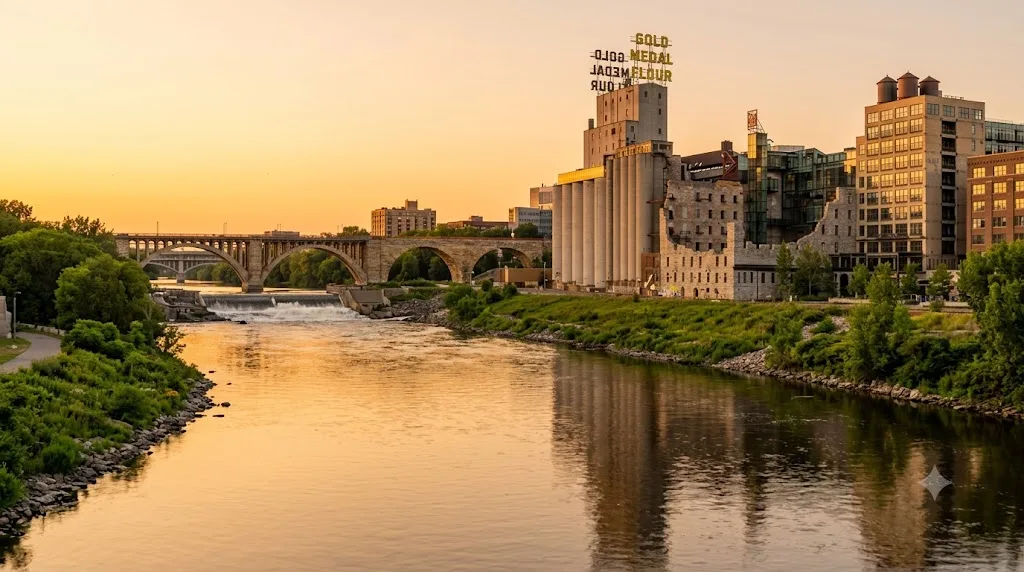
Our Mill City Museum guide covers practical planning for Mill City Museum Minnesota — best time to visit, getting there, and what to do on the ground.
As independent US travel authorities, we at Roam States are always on the lookout for destinations that offer a unique blend of history, culture, and engaging experiences. One such gem that consistently captures our imagination is the Mill City Museum Minnesota. Built dramatically within the preserved ruins of the historic Washburn A Mill, this Minneapolis landmark tells the compelling story of the city's flour milling industry and its profound impact on the region and the world. It's not just a museum; it's an immersive journey into the past, brought to life through interactive exhibits, captivating displays, and the unforgettable 'Flour Tower' show.
From its iconic Gold Medal Flour sign, which still stands atop the former mill, to its stunning views of the Mississippi River and St. Anthony Falls, the Mill City Museum offers a distinctive perspective on American ingenuity and resilience. We've explored its depths to bring you this comprehensive guide, ensuring your visit is as enriching and seamless as possible.
Why Visit Mill City Museum
We believe the Mill City Museum offers a truly unparalleled experience, making it a must-visit destination in Minneapolis. What sets it apart is its incredible setting: a modern museum meticulously integrated into the skeletal remains of what was once the world's largest flour mill. This architectural marvel alone is reason enough to visit, providing a tangible connection to the past that few other museums can replicate. The dramatic ruins of the Washburn A Mill, a National Historic Landmark, provide a powerful backdrop to the stories of innovation, disaster, and rebirth that unfolded here.
Beyond the impressive architecture, the museum delves deep into the history of Minneapolis as the "Flour Milling Capital of the World". You'll learn how the mighty Mississippi River and St. Anthony Falls powered an industry that transformed the city and the nation, shaping how food was produced and marketed globally. It’s a story of human ingenuity, catastrophic events like the 1878 flour dust explosion that claimed 18 lives, and the subsequent rebuilding with state-of-the-art technology.
The museum's commitment to interactive storytelling ensures that visitors of all ages are engaged. From hands-on exhibits to the dramatic 'Flour Tower' show, we've found that the museum makes history accessible and exciting. The panoramic views from the rooftop observation deck, overlooking the Mississippi River, St. Anthony Falls, and the Stone Arch Bridge, offer a breathtaking perspective of the city's historic riverfront. It's a place where you can truly feel the pulse of Minneapolis's industrial past and appreciate its vibrant present.
Who It's Best For
Our team confidently recommends the Mill City Museum for a wide array of travelers, proving it's far from a niche attraction. It truly offers something for everyone, making it an ideal stop for:
- History Buffs: Those with a keen interest in industrial history, American innovation, and the development of major cities will find the detailed exhibits and the story of Minneapolis's flour milling dominance utterly fascinating. The museum's setting within the actual ruins of the Washburn A Mill provides an authentic and powerful historical context.
- Families with Kids: The Mill City Museum excels at making history engaging for younger visitors. The interactive exhibits, such as the Water and Baking Labs, allow children to experience historical processes firsthand. The dramatic Flour Tower show is a particular highlight, captivating audiences of all ages with its storytelling and unique elevator ride.
- Architecture Enthusiasts: The museum itself is an architectural marvel, designed within the shell of the ruined Washburn A Mill. Visitors can appreciate the blend of historic industrial architecture with modern museum design, offering a unique study in adaptive reuse.
- Foodies and Culinary Historians: Given its focus on flour milling, the museum naturally delves into the history of food production. The Baking Lab, where visitors can grind wheat and bake bread, provides a delicious and educational experience.
- Photography Enthusiasts: The Mill City Museum offers incredible photographic opportunities, from the dramatic interior ruins to the panoramic vistas from the rooftop observation deck, showcasing the Mississippi River, St. Anthony Falls, and the Stone Arch Bridge.
- Anyone Seeking a Unique Experience: If you're looking to go beyond typical tourist attractions and immerse yourself in a truly distinctive piece of American history, the Mill City Museum delivers. It’s a powerful narrative of industry, innovation, and resilience.
Getting There & Parking
Understanding how to get to Mill City Museum and where to park is crucial for a smooth visit. Our team has gathered the latest 2026 information to ensure you arrive without a hitch.
Address and Contact
The Mill City Museum is located at 704 South 2nd Street, Minneapolis, MN 55401. For current events and additional information, you can call the museum office at (612) 341-7555.
Driving Directions
The museum is situated in downtown Minneapolis on the west bank of the Mississippi River, near the corner of Park Avenue and South 2nd Street. It's easily identifiable by the iconic Gold Medal Flour sign next door.
Public Transportation
Minneapolis offers excellent public transportation options, and we highly recommend considering them, especially during peak times or events.
- Light Rail: The Mill City Museum is accessible via the Metro Blue and Green Lines. The closest station is the U.S. Bank Stadium Station. From there, it's about a 4.5-block walk: head west half a block to Park Avenue, then north on Park Avenue for four short blocks. Trains run every 15 minutes from Minneapolis Airport (MSP) to the U.S. Bank Stadium Station, with a journey time of approximately 20 minutes and tickets costing around $2.
- Bus: Several Metro Transit bus lines serve the area. Bus #22 runs on Washington Avenue, just one block southwest of the museum. Other bus lines stopping near Mill City Museum include 10, 11, 3, 7, and METRO D LINE. The closest bus station, Washington Ave S & Park Ave, is a 3-minute walk away.
Mill City Museum Parking
While the Mill City Museum does not have its own parking lot or ramp, there are numerous city-owned options nearby. We advise planning ahead for parking, especially during busy weekends or when events are happening at U.S. Bank Stadium or the Guthrie Theater, as fees can increase and spots fill quickly.
- Mill Quarter Ramp: Located at 711 South Second Street, this fully automated ramp is directly across the street from the museum. It accepts cash and credit cards for daily parking, with fees ranging from $3 to $8. This ramp is open 24/7.
- Riverfront Municipal Ramp: Situated at 212 9th Ave S, this ramp is about one block from the museum, across South 2nd Street from the Guthrie Theater. Parking fees start from $3.
- Parking Meters: City parking meters are available outside the main entrance on South 2nd Street and within several blocks. These typically have a 4-hour limit, which is usually sufficient for a museum visit, but enforcement is strict. Rates and restrictions can vary, especially during stadium events, so always check the signs carefully.
Booking parking in advance through services like ParkMobile or SpotHero can help reduce stress and save time searching for a spot.
Top Things to Do
When you visit Mill City Museum, you're stepping into a vibrant narrative of Minneapolis's past and present. Our team has highlighted the top things to do, ensuring you make the most of your experience at this remarkable site, along with other essential things to do in Minneapolis.
At the Mill City Museum:
- The Flour Tower Show: This dramatic, multi-sensory elevator ride is a cornerstone of the Mill City Museum experience. You'll ascend through the mill's ruins, stopping at different levels to witness scenes from the mill's heyday, complete with historical accounts and special effects. It's an unforgettable journey through time that brings the milling process to life. Groups of ten or more should pre-purchase tickets to guarantee a time on the Flour Tower.
- Water & Baking Labs: Get hands-on in these interactive labs. In the Water Lab, you can experience the immense power of the Mississippi River that once drove the mills. The Baking Lab offers demonstrations and the chance to grind wheat and sample fresh bread, connecting directly to the museum's core theme of flour production. These are fantastic things to do at Mill City Museum for all ages.
- Rooftop Observation Deck: Ascend to the Koch Rooftop Observation Deck for unparalleled panoramic views. From this vantage point, you'll see the Mississippi River, the historic Stone Arch Bridge, and the powerful St. Anthony Falls, providing a stunning backdrop for photos and a deeper understanding of the mill's strategic location.
- Explore Exhibits and the Ruin Courtyard: Wander through the museum's various exhibits, which showcase antique milling equipment, vintage advertising, and the stories of the people who worked in the industry. The Ruin Courtyard, a unique and scenic space within the mill's original footprint, often hosts live music and events.
- Mill City Farmers Market: If your visit falls on a Saturday from May through October, don't miss the year-round Mill City Farmers Market, located just outside the museum. It features over 100 local farmers, food producers, and artisans, continuing the agricultural legacy of the area.
Beyond the Museum – Top Things to Do in Minneapolis:
The Mill City Museum is perfectly situated to explore other incredible things to do in Minneapolis. Our team suggests extending your adventure to include:
- Stone Arch Bridge & Mill Ruins Park: Directly adjacent to the museum, the Stone Arch Bridge offers one of the best views of the city skyline and St. Anthony Falls. Stroll or bike across this historic bridge, then explore Mill Ruins Park, which features excavated historic walls and waterpower features, telling the story of the city's milling past.
- Guthrie Theater: Just a short walk from the museum, the Guthrie Theater is an architectural marvel known for its striking design and scenic riverfront views. Consider catching a performance or simply enjoying the unique public spaces, including the "Endless Bridge."
- Minneapolis Sculpture Garden & Walker Art Center: For art lovers, the Minneapolis Sculpture Garden is an 11-acre outdoor park featuring over 40 modern art pieces, including the iconic "Spoonbridge and Cherry". It's part of the larger Walker Art Center, a renowned contemporary art museum.
- Chain of Lakes Regional Park: Minneapolis is famous for its urban lakes. The Chain of Lakes offers opportunities for kayaking, cycling, or leisurely walks around Lake Harriet and Bde Maka Ska.
- Mississippi River Activities: Dip into the Mississippi River or kayak at Boom Island Park for rejuvenating views of downtown Minneapolis. You can also take a narrated scenic tour on the Minneapolis Trolley or a Mississippi River cruise.
- Mall of America: While not in downtown Minneapolis, the Mall of America is a major attraction easily accessible by light rail. It's the largest shopping mall in America and features Nickelodeon Universe, an indoor amusement park, and the SEA LIFE Aquarium. Consider a trip to the Mall of America for a full day of entertainment.
Best Time to Visit
Choosing the best time to visit the Mill City Museum and Minneapolis can significantly enhance your experience. Our team has considered various factors to help you plan your trip in 2026.
Museum Hours and Admission (2026)
The Mill City Museum operates on the following schedule:
- Monday, Tuesday, Wednesday: Closed
- Thursday, Friday: 10:00 AM – 4:00 PM
- Saturday, Sunday: 10:00 AM – 5:00 PM
Admission costs for 2026 are:
- Adults: $15
- Seniors (65+), Veterans, Active Military, College Students: $12
- Children (5–17): $8
- Children (4 and under): Free
- MNHS Members, Blue Star Families (Armed Forces Day–Labor Day), Museums for All: Free
The Minnesota Historical Society also offers free admission days on select dates, including January 10, April 25, and June 27, 2026. Note that the Flour Tower elevator show may not be available on free admission days. For groups of ten or more, pre-purchasing tickets by calling the box office at (844) 667-8679 is recommended to guarantee a Flour Tower time. Otherwise, advance tickets are not required, and admission can be purchased upon arrival.
Seasonal Considerations
- Spring (April-May): Pleasant temperatures make spring an excellent time to visit. The crowds are typically smaller than in summer, and the surrounding parks along the riverfront begin to bloom.
- Summer (June-August): Summer is peak tourist season in Minneapolis. The weather is warm, and all outdoor attractions, including the Stone Arch Bridge and Mill Ruins Park, are in full swing. The Mill City Farmers Market is also open on Saturdays during this time. However, expect larger crowds and potentially higher prices for accommodation. Special events like the Red, White & Boom Independence Day celebration (July 4, 2026) can draw significant crowds to the riverfront area.
- Fall (September-October): Our team loves visiting Minneapolis in the fall. The weather is crisp and comfortable, and the changing leaves along the riverfront offer stunning scenery. Crowds begin to thin out after the summer rush, making for a more relaxed experience.
- Winter (November-March): Minneapolis winters are cold and snowy, but the Mill City Museum remains a fantastic indoor activity. While outdoor exploration might be limited, the museum provides a warm and engaging escape. You might even catch special winter events in the city.
Crowd Levels
Weekdays, especially Thursday and Friday mornings, typically see fewer visitors than weekends. If you prefer a quieter experience, aim for these times. Weekends, particularly Saturday afternoons, tend to be the busiest, especially when the Mill City Farmers Market is running.
Where to Stay Nearby
Finding the right Mill City Museum lodging can significantly enhance your visit to Minneapolis. Our team recommends staying in the vibrant Mill District or nearby downtown areas for convenient access to the museum and other attractions. Here are some of our top picks for Mill City Museum lodging, catering to various budgets and preferences:
Luxury Options
- Canopy by Hilton Minneapolis Mill District: This 4-star hotel boasts a remarkable guest rating and offers easy access to cultural landmarks and dining. It's a luxurious option for discerning travelers.
- The Royal Sonesta Minneapolis Downtown: Located about 0.8 miles from the Mill City Museum, this 4.5-star hotel offers a luxurious experience, blending business and family-friendly accommodations. It's also pet-friendly.
- Four Seasons Hotel Minneapolis: A top-rated luxury option in Downtown Minneapolis, offering excellent service and amenities.
- Rand Tower Hotel, Minneapolis, A Tribute Portfolio Hotel: This hotel offers an upscale experience in Minneapolis City Center, highly rated by guests.
Mid-Range Options
- Hyatt Place Minneapolis Downtown: A welcoming 3-star hotel located just 0.5 miles (about a 13-minute walk) from the Mill City Museum. It's family-friendly, offering an indoor pool, free cribs, and complimentary breakfast options.
- Aloft Minneapolis: An excellent option in the Minneapolis City Center, highly rated for its cleanliness and convenient location near the museum.
- Embassy Suites by Hilton Minneapolis Downtown: Consistently receives excellent reviews and is a great choice for those seeking comfortable suites and a good location.
- Hilton Garden Inn Minneapolis Downtown: Another highly-rated Hilton property offering a comfortable stay.
Budget-Friendly Options
- Best Western Plus The Normandy Inn & Suites: Offers comfortable accommodations at a good value, with excellent reviews from travelers.
- Tru by Hilton Minneapolis Downtown: Known for its stylish decor and great value, this hotel is a solid choice for budget-conscious travelers.
- Hotel Indigo - Minneapolis Downtown by IHG: Guests praise its ideal location for accessing restaurants, U.S. Bank Stadium, the Mill City Museum, and Target Center, with the light rail just two blocks away.
When considering your Mill City Museum lodging, we recommend checking hotel reviews for cleanliness and proximity to public transport, especially if you plan to explore Minneapolis without a car. Many hotels in the downtown area are within walking distance or a short light rail ride to the museum.
Sample 2-Day Itinerary
To help you maximize your visit to Minneapolis and the Mill City Museum, our team has crafted a sample 2-day itinerary. This plan balances historical immersion with exploration of the city's vibrant culture and natural beauty.
Day 1: Minneapolis's Milling History & Riverfront Charm
Morning: Mill City Museum Deep Dive
- 9:30 AM - 1:00 PM: Immerse Yourself in Mill City Museum Minnesota. Arrive shortly after opening to beat the crowds. Begin with the dramatic Flour Tower show for an overview of the mill's history. Explore the interactive exhibits, including the Water and Baking Labs, and take your time to read the compelling stories of Minneapolis's rise as a milling powerhouse. Don't forget to head to the rooftop observation deck for breathtaking views of the Mississippi River and St. Anthony Falls.
- 1:00 PM - 2:00 PM: Lunch in the Mill District. Enjoy a casual lunch at one of the many eateries in the historic Mill District. If it's a Saturday between May and October, grab fresh fare from the Mill City Farmers Market right outside the museum.
Afternoon: Riverfront Exploration
- 2:00 PM - 4:00 PM: Stroll Across the Stone Arch Bridge & Mill Ruins Park. After lunch, walk directly from the museum to the iconic Stone Arch Bridge. Enjoy panoramic views of the city skyline and St. Anthony Falls. Then, explore Mill Ruins Park, where you can wander through the excavated foundations of old mills and canals, gaining a deeper appreciation for the industrial landscape.
- 4:00 PM - 5:30 PM: Guthrie Theater. Head to the nearby Guthrie Theater. Even if you don't catch a show, its striking modern architecture and unique public spaces, like the "Endless Bridge," offer fantastic views and photo opportunities of the riverfront.
Evening: Dinner & Downtown Minneapolis
- 6:30 PM onwards: Dinner in Downtown East. Enjoy dinner at one of the many acclaimed restaurants in the Downtown East neighborhood, offering a range of cuisines.
- Optional: Evening Entertainment. Depending on your interests, catch a show at the Guthrie Theater, or explore other downtown Minneapolis attractions.
Day 2: Art, Lakes & Iconic Minnesota Sights
Morning: Art & Green Spaces
- 9:30 AM - 12:00 PM: Minneapolis Sculpture Garden & Walker Art Center. Start your day with a visit to the Minneapolis Sculpture Garden, home to the famous "Spoonbridge and Cherry." Explore the outdoor art installations, then head inside the adjacent Walker Art Center for a dose of contemporary art.
- 12:00 PM - 1:00 PM: Lunch Near the Lakes. Grab a quick bite near the Chain of Lakes area.
Afternoon: Lakeside Leisure or Iconic Minnesota Destinations
- 1:00 PM - 4:00 PM: Chain of Lakes Exploration. Rent a bike or take a leisurely walk around one of Minneapolis's beautiful urban lakes, such as Lake Harriet or Bde Maka Ska. Enjoy the scenic paths and vibrant atmosphere.
- Alternative: Day Trip to a Minnesota Icon. If you've already experienced the lakes or prefer a different kind of adventure, consider a day trip to another iconic Minnesota destination. We highly recommend exploring the pristine wilderness of the Boundary Waters Canoe Area Wilderness or the stunning Voyageurs National Park for a taste of northern Minnesota's natural beauty. For a different kind of experience, the Mall of America offers extensive shopping and entertainment.
Evening: Farewell Minneapolis
- 6:00 PM onwards: Dinner & Reflection. Enjoy a final Minneapolis dinner, perhaps trying a new neighborhood or revisiting a favorite spot. Reflect on the rich history and vibrant culture you've experienced in this dynamic city.
Last updated: 2026-07-06 by the Roam States team.