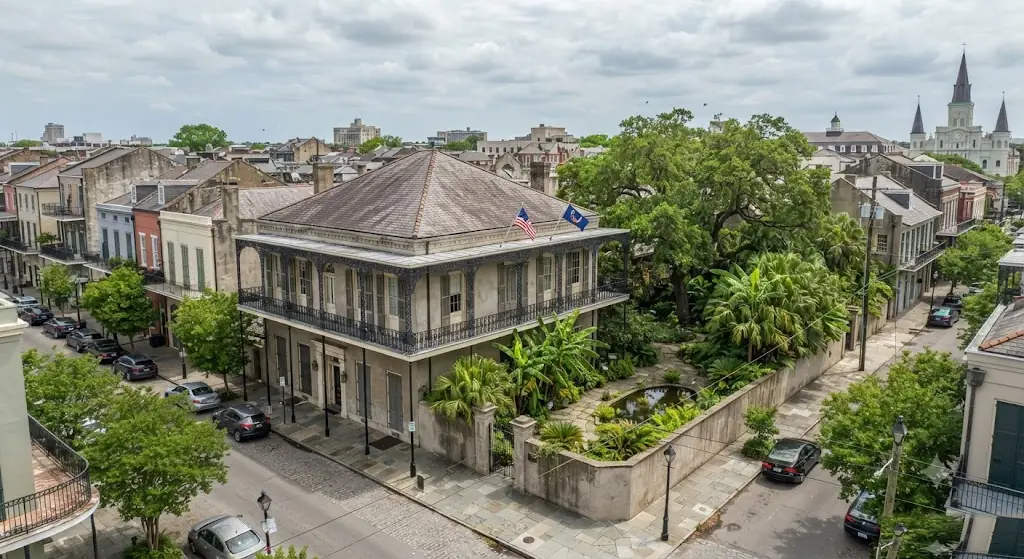
New Orleans Pharmacy Museum Travel Guide — Louisiana
Our New Orleans Pharmacy Museum guide covers practical planning for New Orleans Pharmacy Museum Louisiana — best time to visit, getting there, and what to do on the ground. This guide is your essential resource for exploring a unique piece of American medical history in the heart of the French Quarter.
For those fascinated by the evolution of medicine, the New Orleans Pharmacy Museum Louisiana offers an unparalleled glimpse into 19th-century pharmaceutical practices. Housed in an 1823 apothecary, this museum showcases antique surgical instruments, curious pharmaceutical preparations, and the often-unsettling medical theories of the past. Our team has compiled this comprehensive guide to help you plan your visit, ensuring you make the most of your time at this historically rich and utterly captivating destination.
Why Visit New Orleans Pharmacy Museum
Stepping into the New Orleans Pharmacy Museum is like traveling back in time to an era when medicine was as much art as science. This isn't just a collection of old bottles and tools; it's a narrative of discovery, a testament to human ingenuity, and a stark reminder of how far medical science has progressed. The museum preserves the original apothecary of America’s first licensed pharmacist, Louis J. Dufilho Jr., providing an authentic setting for its remarkable exhibits. We find it to be a truly unique experience, offering insights into societal views on health, disease, and treatment during the 19th century.
Visitors can explore rooms filled with bizarre medical devices, learn about the origins of common remedies, and even encounter unsettling practices like bloodletting and voodoo-inspired cures. The museum's commitment to historical accuracy and its engaging displays make it a must-see for history buffs, medical professionals, and anyone with a curious mind. It’s a place where the past comes alive, prompting reflection on the dramatic shifts in healthcare over the last two centuries. We believe it offers a fascinating counterpoint to the vibrant, modern energy of the French Quarter, providing a moment of quiet contemplation and historical immersion.
Who It's Best For
The New Orleans Pharmacy Museum appeals to a diverse range of visitors, though certain groups will find it particularly captivating. History enthusiasts, especially those interested in medical, pharmaceutical, or social history, will be enthralled by the detailed exhibits and the stories they tell. Medical and pharmacy students or professionals will find the historical context invaluable and often amusing, seeing the rudimentary beginnings of their fields.
Curious travelers looking for an off-the-beaten-path experience in New Orleans will also appreciate the museum's unique charm. It offers a distinct alternative to the more common tourist attractions, providing a deeper cultural and historical understanding of the city. While younger children might find some of the exhibits a bit macabre or less engaging, older children and teenagers with an interest in science or history will likely enjoy the intriguing displays. We recommend it for anyone seeking a thought-provoking and educational experience that delves into a lesser-known aspect of New Orleans' rich past.
Getting There & Parking
The New Orleans Pharmacy Museum is conveniently located in the heart of the French Quarter at 514 Chartres Street, making it easily accessible for visitors exploring the historic district. Understanding how to get to New Orleans Pharmacy Museum and where to park is crucial for a smooth visit.
Public Transportation
New Orleans offers several public transportation options. The streetcar system is a charming and efficient way to navigate the city. The museum is within walking distance of several streetcar stops. For example, the Riverfront Streetcar line runs along the Mississippi River and has stops near the French Quarter. The Rampart-St. Claude Streetcar line also provides access to the area. Bus routes operated by the New Orleans Regional Transit Authority (RTA) also serve the French Quarter, with numerous stops within a few blocks of the museum. We always recommend checking the RTA website for the most current routes and schedules when planning how to get to New Orleans Pharmacy Museum via public transport.
Walking
If you're already exploring the French Quarter, walking is often the easiest and most enjoyable way to reach the museum. Its central location means it's just a short stroll from Jackson Square, Bourbon Street, and other major attractions. This allows you to soak in the atmosphere of the historic streets as you make your way there.
Driving and Parking
Driving directly into the French Quarter is generally discouraged due to narrow streets, heavy pedestrian traffic, and limited parking. However, if you choose to drive, several paid parking garages and lots are available on the periphery of the French Quarter. These include lots near the French Market, on Basin Street, or along the riverfront. Expect to pay hourly or daily rates, which can vary significantly. We advise budgeting for parking fees, as they can add up, especially for extended stays. As of 2026, typical parking rates in French Quarter garages can range from $5-10 per hour or $25-40 for a full day. Street parking in the French Quarter is extremely rare and often restricted to residents or requires specific permits. We strongly recommend utilizing public garages or ride-sharing services if you're not within walking distance. For the most up-to-date parking information and availability, we suggest checking local parking apps or websites before your visit.
Top Things to Do
The New Orleans Pharmacy Museum offers a wealth of fascinating exhibits and experiences, making it a highlight for many visitors. Beyond the museum, the vibrant city of New Orleans provides an endless array of activities. Here are our top recommendations for things to do at New Orleans Pharmacy Museum and in the surrounding area.
Explore the Historic Apothecary
The main draw of the New Orleans Pharmacy Museum is the meticulously preserved 19th-century apothecary itself. Wander through the original shop, complete with antique display cases, rows of labeled bottles containing mysterious concoctions, and vintage pharmacy equipment. You'll see everything from crude surgical tools to early cosmetic preparations. Pay attention to the details, like the hand-blown glass bottles and the intricate labels, which tell stories of a bygone era. This is one of the essential things to do at New Orleans Pharmacy Museum, offering a direct connection to its historical roots.
Discover Bizarre Medical Instruments
One of the most intriguing aspects of the museum is its collection of 19th-century surgical instruments. These tools, often large and intimidating, offer a stark contrast to modern medical technology. You'll find instruments for bloodletting, trepanning, and various other procedures that highlight the often-brutal reality of medicine before anesthesia and antiseptics became commonplace. It's a sobering yet captivating look at the origins of modern surgery.
Learn About Pharmaceutical Preparations
The museum showcases a wide array of pharmaceutical preparations, from herbal remedies and tonics to more questionable elixirs containing ingredients like opium and cocaine, which were once considered legitimate medicines. Exhibits explain the process of compounding drugs and the role of the pharmacist in a community that relied heavily on these preparations for everything from common colds to chronic ailments. Understanding these preparations is a key part of the things to do at New Orleans Pharmacy Museum.
Visit the Physician's Study and Living Quarters
Beyond the main apothecary, the museum also features a physician's study and reconstructed living quarters, offering a glimpse into the daily life of a 19th-century medical practitioner. These areas provide context for the medical practices of the time, showing how a pharmacist lived and worked within the same building. It helps paint a complete picture of the period.
Explore the Courtyard and Medicinal Herb Garden
Step into the charming courtyard, a peaceful oasis in the bustling French Quarter. Here, you'll find a small but informative medicinal herb garden. This garden demonstrates the natural sources of many early pharmaceutical ingredients, connecting the botanical world to the remedies found inside the museum. It’s a lovely spot for a moment of quiet reflection.
Attend a Guided Tour or Presentation
To truly enhance your visit, we highly recommend joining one of the museum's guided tours or attending a presentation. Knowledgeable docents provide engaging narratives, sharing fascinating anecdotes and deeper insights into the exhibits that you might miss on a self-guided tour. These tours often delve into the more eccentric aspects of 19th-century medicine, including voodoo practices and bizarre cures. Check the museum's official website for current tour schedules and availability.
Things to Do in New Orleans Beyond the Museum
Once you've delved into the medical mysteries of the past, step back out into the vibrant present of New Orleans. There are countless things to do in New Orleans, especially nearby:
- Wander the French Quarter: The museum is located in the heart of the French Quarter. Spend time exploring its iconic architecture, bustling streets, and lively atmosphere. Discover hidden courtyards, browse unique shops, and enjoy the street performers.
- Visit Jackson Square: Just a short walk from the museum, Jackson Square is a historic landmark featuring artists, musicians, and street performers. It's also home to St. Louis Cathedral, a magnificent architectural marvel.
- Enjoy New Orleans Cuisine: No visit to New Orleans is complete without indulging in its world-renowned culinary scene. From beignets at Cafe Du Monde to gumbo, jambalaya, and po'boys at countless eateries, the food is an experience in itself.
- Take a Steamboat Cruise: Experience the Mississippi River on a historic steamboat. Many cruises depart from the French Quarter riverfront and offer dinner, jazz, and scenic views.
- Explore the Garden District: Take a streetcar ride to the beautiful Garden District, known for its stunning mansions and lush gardens. Consider a guided walking tour to learn about its history and famous residents.
- Visit the National WWII Museum: A world-class institution, the National WWII Museum offers an immersive and moving experience dedicated to the history of World War II. It's a bit further but easily accessible by streetcar or ride-share.
- Experience Live Music: New Orleans is the birthplace of jazz. Catch live music at clubs on Bourbon Street, Frenchmen Street, or various venues throughout the city.
- Take a Cajun Country Swamp Tour: For a taste of Louisiana's unique natural environment, consider a Cajun Country Swamp Tour outside the city. You might spot alligators and other wildlife in their natural habitat.
- Visit Atchafalaya National Basin: The Atchafalaya National Basin, a bit further afield, offers a profound experience of Louisiana's wetlands and bayous, ideal for nature lovers.
- Discover Avery Island & Tabasco: A day trip to Avery Island, home of Tabasco sauce, provides a unique culinary and cultural experience.
These are just a few of the many things to do in New Orleans, ensuring your trip is packed with memorable experiences.
Best Time to Visit
Choosing the best time to visit the New Orleans Pharmacy Museum and the city of New Orleans largely depends on your preferences for weather, crowd levels, and festival attendance. New Orleans experiences distinct seasons, each offering a different atmosphere.
Spring (March to May)
We consider spring to be one of the absolute best times to visit New Orleans. The weather is typically mild and pleasant, with comfortable temperatures and lower humidity. This makes it ideal for walking around the French Quarter and exploring outdoor attractions. Spring is also festival season, with events like the French Quarter Festival and the New Orleans Jazz & Heritage Festival drawing large crowds. If you plan to visit during these popular festivals, be sure to book your accommodations and museum reservations well in advance, as hotels fill up quickly and prices can be higher.
Fall (October to November)
Another excellent window for visiting is the fall. After the summer heat subsides, the weather becomes much more agreeable, similar to spring. Humidity levels drop, and temperatures are comfortable for sightseeing. Fall also brings a lively cultural calendar, with events such as Halloween in the French Quarter and various food and music festivals. Like spring, fall can be a popular time, so early booking is still a good idea.
Winter (December to February)
Winter in New Orleans is generally mild, with cooler temperatures and less humidity, making it a comfortable time to visit if you prefer to avoid intense heat. While it's not beach weather, it's perfect for exploring the city's historical sites and indoor attractions. The holiday season brings festive decorations and events, and of course, Mardi Gras typically falls in late winter or early spring. If you plan to experience Mardi Gras, be prepared for extremely large crowds, significantly higher prices, and the need to book everything many months in advance.
Summer (June to September)
Summer in New Orleans is characterized by high temperatures and intense humidity. While fewer tourists visit during these months, meaning potentially lower hotel prices and smaller crowds at attractions like the New Orleans Pharmacy Museum, the heat can be challenging for extended outdoor activities. If you visit in the summer, we recommend planning your outdoor excursions for early mornings or late evenings and taking advantage of air-conditioned indoor attractions during the hottest parts of the day. Hydration is key.
Best Time for the Museum Itself
Regardless of the season, the New Orleans Pharmacy Museum is an indoor attraction, making it a good option even on hot or rainy days. To avoid the largest crowds at the museum, we suggest visiting on a weekday morning, shortly after opening, or in the late afternoon. This allows for a more leisurely exploration of the exhibits. The museum is generally open Tuesday through Saturday from 10:00 AM to 4:00 PM, though we always recommend checking their official website for any changes to hours or closures before your visit.
Where to Stay Nearby
Finding the right New Orleans Pharmacy Museum lodging is key to a comfortable and convenient trip. The museum's prime location in the French Quarter means there are numerous excellent hotel options within easy walking distance, ranging from historic boutique hotels to well-known chains. Our team has identified some top recommendations for New Orleans Pharmacy Museum lodging, catering to various preferences and budgets.
Luxury and Boutique Hotels
- Hotel Monteleone: A historic landmark just a few blocks from the museum, Hotel Monteleone offers classic elegance, luxurious amenities, and its famous Carousel Bar. It's a quintessential New Orleans experience.
- The Roosevelt New Orleans, A Waldorf Astoria Hotel: While a bit further, on the edge of the French Quarter, The Roosevelt offers opulent surroundings, a renowned spa, and exceptional service. It's a short walk or quick streetcar ride to the museum.
- Dauphine Orleans Hotel: This charming boutique hotel provides a more intimate experience with a historic feel, often featuring courtyards and pools, all within a very short walk of the museum.
- Hotel Provincial: Located just a block or two from the Pharmacy Museum, Hotel Provincial offers a historic atmosphere with modern comforts, featuring beautiful courtyards and two pools. It's an excellent choice for those wanting to immerse themselves in the French Quarter's charm.
Mid-Range Options
- Holiday Inn Express New Orleans Downtown: A reliable choice offering comfortable rooms and often complimentary breakfast, located just outside the busiest part of the French Quarter but still within a manageable walk or short ride to the museum.
- French Market Inn: Situated very close to the French Market and a short walk to the Pharmacy Museum, this hotel offers a good balance of location, comfort, and value, often with charming courtyard settings.
- Bienville House Hotel: Offering a classic French Quarter experience with a courtyard and pool, the Bienville House is a solid mid-range option that provides excellent access to the museum and other attractions.
Budget-Friendly Stays
- Hostel International New Orleans: For budget-conscious travelers, this hostel offers dormitory-style and private rooms and is located a bit further out but still accessible by public transport or a longer walk.
- Prytania Park Hotel: Located in the Garden District, this hotel offers more affordable rates and a charming neighborhood feel. It requires a streetcar ride to reach the French Quarter and the museum, but it's a pleasant journey.
Considerations for New Orleans Pharmacy Museum Lodging
When choosing your New Orleans Pharmacy Museum lodging, consider the following:
- Location: Staying within the French Quarter or immediately adjacent areas (like the Central Business District or Marigny) will offer the most convenience for visiting the museum and other attractions.
- Amenities: Many hotels, especially in the French Quarter, feature beautiful courtyards and pools, which can be a welcome respite during warmer months.
- Noise: The French Quarter can be lively, especially on weekends. If you prefer quiet, look for hotels on quieter streets or those that emphasize soundproofing.
- Booking: New Orleans is a popular destination, particularly during festival seasons. We strongly advise booking your New Orleans Pharmacy Museum lodging well in advance, especially if you have specific dates or preferences.
No matter your budget or style, you'll find excellent New Orleans Pharmacy Museum lodging options that place you right in the heart of the action.
Sample 2-Day Itinerary
To help you make the most of your visit to the New Orleans Pharmacy Museum and the surrounding area, our team has crafted a sample 2-day itinerary. This plan balances historical exploration with the vibrant culture and culinary delights of New Orleans.
Day 1: French Quarter Immersion & Medical History
- Morning (9:00 AM - 12:00 PM): New Orleans Pharmacy Museum
- Start your day at the New Orleans Pharmacy Museum Louisiana. Arrive shortly after opening to enjoy fewer crowds. Allow 2-3 hours to thoroughly explore the exhibits, including the apothecary, surgical instruments, and medicinal herb garden. We highly recommend joining a guided tour for deeper insights into the fascinating and sometimes eerie history of 19th-century medicine.
- Lunch (12:00 PM - 1:30 PM): Classic French Quarter Fare
- After your museum visit, enjoy lunch at a nearby French Quarter institution. Options include classic Creole dishes at Brennan's or Commander's Palace (for a more upscale experience), or a casual po'boy at Johnny's Po-Boys.
- Afternoon (1:30 PM - 5:00 PM): Jackson Square & St. Louis Cathedral
- Walk to iconic Jackson Square, just a few blocks from the museum. Admire the artists displaying their work, watch street performers, and take in the grandeur of St. Louis Cathedral. Consider a brief tour inside the cathedral if open. Explore the shops and galleries along Royal Street.
- Evening (5:00 PM onwards): Dinner & Live Music
- Enjoy dinner at a restaurant of your choice in the French Quarter. Afterwards, head to Frenchmen Street for an authentic New Orleans live music experience. This area is known for its concentration of excellent jazz and blues clubs.
Day 2: Garden District Charm & Culinary Delights
- Morning (9:00 AM - 12:00 PM): Garden District Exploration
- Take the historic St. Charles Avenue streetcar from the French Quarter to the beautiful Garden District. Spend the morning admiring the stunning mansions, lush gardens, and historic cemeteries (like Lafayette Cemetery No. 1). Consider a guided walking tour to learn about the architecture and history of this elegant neighborhood.
- Lunch (12:00 PM - 1:30 PM): Uptown Eats
- Have lunch in the Garden District or nearby Uptown area. Options range from casual cafes to more upscale dining.
- Afternoon (1:30 PM - 5:00 PM): National WWII Museum or Oak Alley Plantation Day Trip
- Option A: National WWII Museum: Return towards the Central Business District to visit the world-class National WWII Museum. Allow at least 3-4 hours to explore its extensive exhibits.
- Option B: Oak Alley Plantation: If you prefer a day trip outside the city, consider booking a tour to one of Louisiana's historic plantations, such as Oak Alley Plantation or Houmas House Mansion. These tours typically include transportation and take a significant portion of the afternoon.
- Evening (5:00 PM onwards): Farewell Dinner & Riverfront Stroll
- Enjoy a farewell dinner back in the French Quarter or a different neighborhood. Afterwards, take a leisurely stroll along the Mississippi Riverfront, perhaps catching a glimpse of a steamboat. Consider a visit to Cafe Du Monde for beignets and chicory coffee for a sweet ending to your New Orleans adventure.
This itinerary provides a solid framework, but feel free to adjust it based on your interests and pace. New Orleans has so much to offer, from its unique history to its vibrant culture, and we encourage you to explore it at your leisure.
Is It Worth Visiting?
When planning a trip to New Orleans, many travelers ponder: is New Orleans Pharmacy Museum worth visiting? Our team unequivocally believes it is, especially for those with specific interests. This isn't your typical tourist trap; it's a niche historical gem that offers a profound and often surprising look into the past.
For history buffs, medical professionals, or anyone with a deep curiosity about how medicine evolved, the New Orleans Pharmacy Museum provides an unparalleled experience. It's a meticulously preserved slice of 19th-century life, offering tangible connections to the origins of modern healthcare. The exhibits are well-curated, and the stories they tell are both educational and thought-provoking. We find that the museum's ability to transport visitors to a different era, showcasing both the ingenuity and the often-primitive nature of early medical practices, makes it incredibly worthwhile.
However, if your primary interest in New Orleans is solely focused on music, food, or partying, and you have limited time, you might find other attractions more aligned with your priorities. While it's a fantastic educational experience, it's not a high-energy, entertainment-focused destination. That said, even for those with broader interests, the museum offers a fascinating respite from the bustling streets of the French Quarter and a unique perspective on the city's rich history. Ultimately, if you appreciate historical depth and a glimpse into a truly unique aspect of American heritage, then yes, the New Orleans Pharmacy Museum is absolutely worth visiting.
Frequently Asked Questions
New Orleans Pharmacy Museum with kids
Visiting the New Orleans Pharmacy Museum with kids can be an engaging experience for older children and teenagers, particularly those interested in science, history, or the macabre. Younger children might find some exhibits less interactive or potentially a bit unsettling (e.g., surgical instruments, discussions of bloodletting). We recommend preparing younger kids by explaining what they will see. The museum offers a unique educational opportunity to discuss the history of medicine and how much things have changed. Keep the visit shorter for younger attention spans, perhaps focusing on the more visual aspects like the old bottles and the medicinal herb garden.
Best hotels near New Orleans Pharmacy Museum
The best hotels near the New Orleans Pharmacy Museum are primarily located within the French Quarter, offering convenience and historical charm. Top recommendations include Hotel Monteleone for luxury, Hotel Provincial for a boutique experience, and French Market Inn for a mid-range option. These hotels provide easy walking access to the museum and many other French Quarter attractions. We advise booking well in advance, especially during peak seasons.
New Orleans Pharmacy Museum tips
Our top New Orleans Pharmacy Museum tips include visiting on a weekday morning shortly after opening to avoid crowds, taking advantage of a guided tour for deeper insights, and wearing comfortable shoes as you'll be standing and walking. Allow 1.5 to 2 hours for a thorough visit. Check the official website for current operating hours and any special events or closures before you go. Remember to combine your visit with other nearby French Quarter attractions for a full day of exploration.
Where to stay near New Orleans Pharmacy Museum
When considering where to stay near New Orleans Pharmacy Museum, the French Quarter is the most convenient choice, offering numerous hotels, guesthouses, and B&Bs within walking distance. Areas immediately adjacent, like the Marigny or the Central Business District, also provide good options with easy access via a short walk or streetcar ride. We suggest prioritizing proximity if you plan to spend most of your time exploring the French Quarter on foot.
New Orleans Pharmacy Museum parking
New Orleans Pharmacy Museum parking is not available directly on-site, as the museum is located in the pedestrian-heavy French Quarter. We recommend utilizing one of the many paid parking garages or lots located on the periphery of the French Quarter. Popular options include garages near the French Market or on Basin Street. Expect to pay hourly or daily rates, which can range from $5-10 per hour or $25-40 for a full day in 2026. Public transportation or ride-sharing services are often a more convenient alternative to driving and parking in this area.
Best time to visit New Orleans Pharmacy Museum
The best time to visit the New Orleans Pharmacy Museum for comfortable weather and manageable crowds is during the spring (March to May) or fall (October to November). The museum itself, being indoors, is a good option year-round, even during the hot and humid summer months. To avoid the largest crowds inside the museum, we suggest visiting on a weekday morning, shortly after it opens at 10:00 AM.
The New Orleans Pharmacy Museum offers a singular journey into the past, presenting a fascinating and often startling look at the history of medicine. Our team believes it's an essential stop for anyone seeking a deeper understanding of New Orleans' rich cultural and historical tapestry. From the curious concoctions to the antiquated instruments, it's a place that sparks conversation and contemplation long after you've left. We hope this guide helps you plan an enriching and memorable visit to this truly unique Louisiana gem. For more on exploring the diverse wonders of the state, be sure to check out our guide to the best places in Louisiana, including adventures in the Atchafalaya National Basin, the culinary delights of Avery Island & Tabasco, and thrilling Cajun Country Swamp Tours. We encourage you to Explore Louisiana and discover all it has to offer.
Last updated: 2026