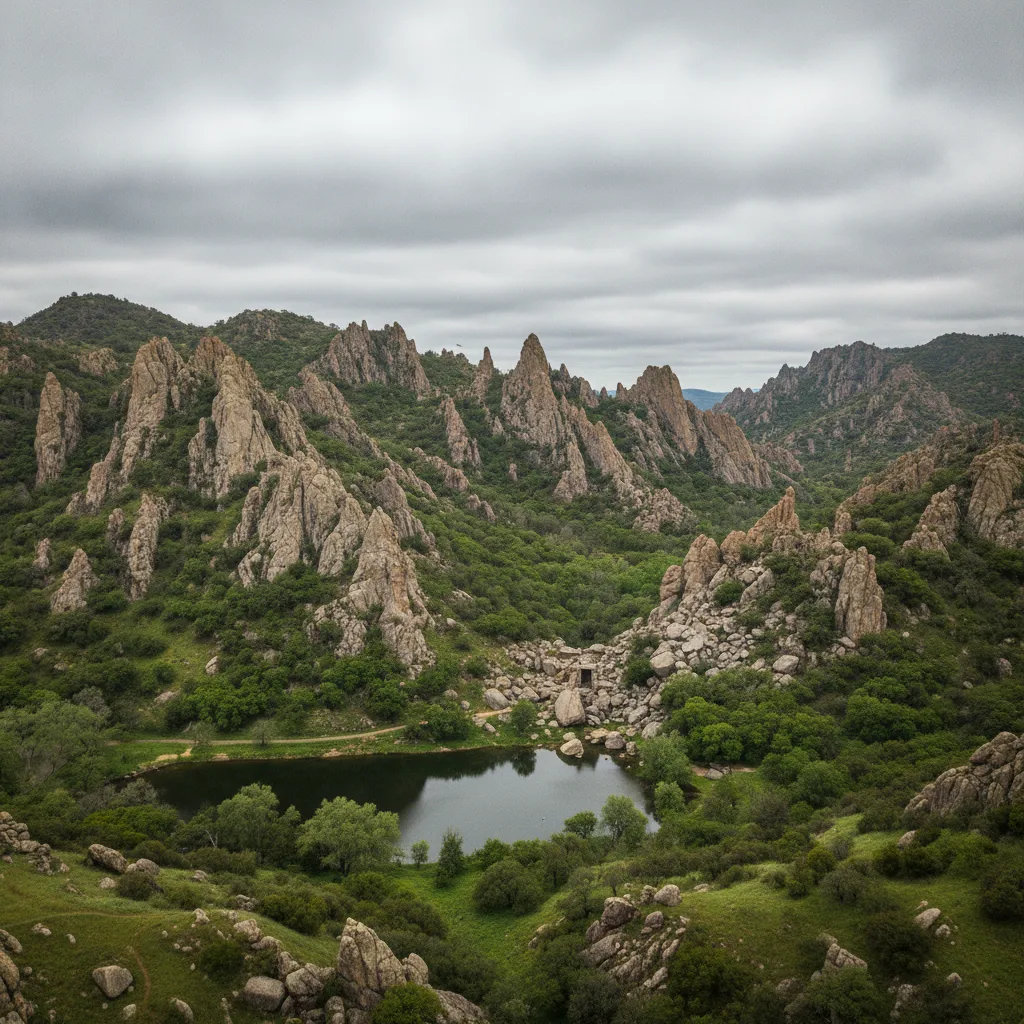
Pinnacles National Park Travel Guide — California
Our Pinnacles National Park guide covers practical planning for Pinnacles National Park California — best time to visit, getting there, and what to do on the ground.
Nestled in the heart of California’s Central Coast, Pinnacles National Park California is a geological marvel, a testament to ancient volcanic forces that sculpted a landscape unlike any other. Our team at Roam States has explored its dramatic rock spires, ventured into its unique talus caves, and marveled at its diverse wildlife, including the majestic California condor. This park offers an unparalleled blend of rugged beauty and accessible adventure, making it a must-visit for any nature enthusiast or avid hiker.
Why Visit Pinnacles National Park
Pinnacles National Park offers a captivating escape into a world shaped by millions of years of geological activity. We find ourselves drawn to its dramatic rock formations, which are remnants of an ancient volcanic field. These towering spires and crags provide a stunning backdrop for outdoor activities and offer a unique visual experience that stands apart from California's other iconic parks like Yosemite National Park or even the coastal grandeur of Big Sur.
Beyond the striking geology, the park is a vital sanctuary for diverse wildlife. It's one of the few places where you can reliably spot the critically endangered California condor soaring overhead, a truly awe-inspiring sight. We've spent countless hours observing these magnificent birds, a highlight of any visit. The park also boasts an extensive network of hiking trails, leading through chaparral, oak woodlands, and into the cool, dark talus caves. For rock climbers, the sheer rock faces present challenging and rewarding opportunities. In spring, the park transforms with vibrant wildflowers, adding another layer of beauty to its already picturesque scenery. Pinnacles is a compact park, yet it delivers an immense sense of adventure and natural wonder that leaves a lasting impression.
Who It's Best For
Pinnacles National Park caters to a wide range of visitors, though we find it particularly appealing to certain groups. It's an ideal destination for:
- **Hikers of All Levels:** With over 30 miles of trails, from easy strolls to strenuous climbs, there's a path for everyone. Families will appreciate shorter, scenic loops, while experienced trekkers can challenge themselves on trails like the High Peaks.
- **Rock Climbers:** The dramatic rock spires are a magnet for climbers, offering routes of varying difficulty. We always recommend checking for raptor advisories and closures before planning your climb, as certain areas are seasonally restricted to protect nesting birds.
- **Wildlife Enthusiasts & Birdwatchers:** The park is a prime location for spotting the California condor, especially around the High Peaks and Condor Gulch. Beyond condors, the park is home to numerous bird species, bats, and other animals, making it a rewarding spot for patient observers.
- **Nature Photographers:** The unique geological formations, diverse flora, and abundant wildlife provide endless opportunities for stunning landscape and wildlife photography.
- **Families with Adventurous Kids:** Exploring the talus caves (with flashlights!) can be an exciting and memorable experience for children, offering a taste of adventure in a relatively safe environment.
While the park offers a campground, it lacks traditional lodging within its boundaries, making it less suitable for those seeking resort-style amenities. However, for those who appreciate raw natural beauty and an active outdoor experience, Pinnacles National Park California is an exceptional choice.
How to Get There
Reaching Pinnacles National Park requires a bit of planning, primarily because the park has two entrances—East and West—that are not connected by a road within the park itself. We always advise visitors to choose their entrance based on their itinerary and where they are coming from, as driving between the two can take about 90 minutes via King City.
East Entrance
The East Entrance is generally recommended for first-time visitors, as it offers easier access to the park's only campground, the main visitor center, and popular trails leading to Bear Gulch Cave and the High Peaks. From the San Francisco Bay Area or Sacramento, we typically recommend taking US-101 South to CA-25 South, then turning onto CA-146 West which leads directly into the park. The East Entrance is located near Hollister.
West Entrance
The West Entrance is often preferred by those coming from the Central Coast, including areas like Monterey or Big Sur. To reach it, take US-101 South to Soledad, then turn onto CA-146 East. Be aware that CA-146 on the west side becomes a narrow, one-lane road as it approaches the park, and RVs and trailers are not recommended on this stretch. The West Entrance provides access to the Balconies Cave and other trails, but it does not have a campground or a full visitor center.
Regardless of which side you choose, we strongly recommend fueling up before you arrive, as there is no gas available within Pinnacles National Park, and services are limited.
Getting There & Parking
As we've mentioned, the journey to Pinnacles National Park is straightforward, but understanding the logistics of arrival and parking is crucial for a smooth visit. The park's two distinct entrances, East and West, necessitate a clear plan before you set out. There is no road connecting the East and West entrances within the park, so a drive between them requires leaving the park and taking a roughly 90-minute detour via King City.
East Entrance Access & Parking
The East Entrance, located off Highway 25 near Hollister, is the more developed side of the park. It offers 24-hour access to trails, though overnight parking is only permitted with a camping reservation. This side features the Pinnacles Visitor Center and the park's only campground. Parking here can fill up quickly, especially on weekends, holidays, and during the popular spring season. We highly advise arriving before 8:00 AM if you plan to hike popular trails like the High Peaks or Condor Gulch to secure a spot and avoid long lines and delays, which can occur between 10:00 AM and 3:00 PM. During peak times, shuttle service may operate seasonally from the campground to trailheads on the East Side, typically in late winter and spring.
West Entrance Access & Parking
The West Entrance, accessible from Highway 101 near Soledad, is open daily from 7:30 AM to 8:00 PM for day-use visitors. This side offers access to the Balconies Cave and its associated trails. While parking is available at the Chaparral Picnic Area, it is also limited and can fill early, especially on busy days. We remind visitors that no overnight parking or camping is allowed on the West Side. The road leading to the West Entrance (CA-146 East) is narrow and winding, making it unsuitable for RVs and trailers.
Fees and Entry
As of 2026, the entrance fee for Pinnacles National Park is $30 per vehicle, valid for seven days. Motorcycles are $25, and walk-ins or bicyclists pay $15. The America the Beautiful National Parks Pass is accepted, which we highly recommend if you plan to visit multiple national parks or federal recreation sites within a year. No advance reservations are required for park entry itself.
To ensure a smooth visit, always check the official National Park Service website for current conditions, including any temporary closures, parking alerts, or changes to operating hours before you depart. This is especially important for cave access, which can be affected by bat activity or high water.
Top Things to Do
Pinnacles National Park California is a playground for outdoor enthusiasts, offering a diverse array of activities centered around its unique geology and vibrant ecosystem. Our team consistently finds new ways to explore this captivating landscape. Here are the top things to do at Pinnacles National Park:
Explore the Talus Caves
One of the most distinctive things to do at Pinnacles National Park is venturing into its talus caves. These aren't typical limestone caverns but rather formed by boulders wedged in narrow canyons. The park has two main cave systems: Bear Gulch Cave on the east side and Balconies Cave on the west side. We always recommend bringing a flashlight or headlamp, as it gets genuinely dark inside, and checking the cave status before your visit.
- **Bear Gulch Cave:** Accessible from the East Entrance, this cave is a highlight for many. It's home to a maternity colony of Townsend's big-eared bats, the largest between San Francisco and Mexico, leading to seasonal closures (typically mid-May through mid-July) to protect them during pupping season. When open, the lower section is often accessible, and the entire cave may open for brief periods in March and October.
- **Balconies Cave:** Located on the west side, this cave generally has a more open schedule, closing mainly after heavy winter rains. It offers a different, sometimes more challenging, bouldering experience.
Hike the Dramatic Trails
With over 30 miles of trails, hiking is undoubtedly one of the best things to do at Pinnacles National Park. From gentle strolls to strenuous climbs, there's a route for every fitness level. Many trails offer panoramic views of the rock spires and valleys.
Spot California Condors
Pinnacles is a crucial site for the California Condor Recovery Program, making condor spotting a truly special experience. We've often seen these magnificent birds with wingspans exceeding nine feet soaring over the High Peaks in the early morning or late afternoon. The High Peaks Trail and Condor Gulch Trail are among the best places for sightings. Binoculars are highly recommended!
Go Rock Climbing
The park's unique rock formations attract climbers from around the globe. Pinnacles offers various climbing routes, but we stress the importance of checking the park's raptor advisories for seasonal closures, which are in effect from January to July to protect nesting birds of prey.
Birdwatching
Beyond condors, Pinnacles National Park is a haven for birdwatchers, with 181 documented species. The diverse habitats support a variety of birds, including peregrine falcons, golden eagles, and canyon wrens. We recommend exploring areas around the visitor center, Bear Gulch Nature Center, and Balconies Trail for excellent birding opportunities.
Pinnacles National Park Hiking Trails
The heart of any visit to Pinnacles National Park California lies in exploring its extensive network of hiking trails. With over 30 miles of paths, these Pinnacles National Park hiking trails cater to every level of adventurer, leading you through diverse landscapes of canyons, meadows, and towering rock formations. We’ve traversed many of these routes and can confidently say they offer some of the most rewarding experiences in the park.
Iconic Pinnacles National Park Hiking Trails
- **High Peaks Trail Loop (Strenuous):** This is arguably the most iconic of the Pinnacles National Park hiking trails. Ranging from 5.3 to 9.3 miles depending on the loop combination, it offers exhilarating climbs through narrow, sculpted rock with railings and steps. The High Peaks are also one of the best places to spot California condors soaring. We recommend starting early, especially in warmer months, and carrying plenty of water.
- **Condor Gulch Trail (Moderate):** Often combined with the High Peaks Trail, the Condor Gulch Trail is a fantastic option for sweeping views and excellent condor spotting opportunities. An out-and-back to the overlook is about 2 miles, offering a good taste of the park's grandeur without committing to the full High Peaks challenge.
- **Bear Gulch Cave Trail (Easy to Moderate):** This 1.5-mile round-trip trail leads into the fascinating Bear Gulch Talus Cave and to the beautiful Bear Gulch Reservoir. It’s a family-friendly adventure, but remember to bring a flashlight or headlamp. Be mindful of seasonal closures from mid-May to mid-July for the bat pupping season.
- **Balconies Cave Trail (Moderate):** Located on the west side of the park, this 2.4-mile loop takes you through another impressive talus cave system and along the Balconies Cliffs. It can be combined with the Old Pinnacles Trail for a longer hike. This cave is generally open year-round, except after heavy rains.
- **Moses Spring to Rim Trail Loop (Easy to Moderate):** A shorter loop (2.2-3.1 miles) that provides a great introduction to the park's diverse landscapes, including views of rock formations and access to the Bear Gulch Cave (when open).
- **Chalone Peak Trail (Strenuous):** For those seeking a truly challenging ascent, the 8-mile round-trip Chalone Peak Trail leads to the highest point in Pinnacles National Park, offering expansive views.
Hiking Tips from Our Team
When tackling Pinnacles National Park hiking trails, we always emphasize preparation:
- **Hydration is Key:** Carry significantly more water than you think you'll need, especially during warmer months. There's no potable water on most trails.
- **Footwear:** Sturdy hiking boots with good ankle support are essential for the rocky and uneven terrain.
- **Sun Protection:** Many trails are exposed. A wide-brimmed hat, sunglasses, and sunscreen are crucial.
- **Flashlight/Headlamp:** Absolutely mandatory for exploring the talus caves. A phone flashlight is often insufficient.
- **Check Conditions:** Always verify trail and cave statuses on the NPS website before heading out, as closures can occur due to weather, bat activity, or raptor nesting.
- **Arrive Early:** Parking lots, particularly on the East Side, fill up quickly, especially on weekends and during spring.
These Pinnacles National Park hiking trails offer an intimate connection with the park's rugged beauty and incredible wildlife. Choose your adventure wisely, prepare thoroughly, and you're in for an unforgettable experience.
Best Time to Visit
Choosing the best time to visit Pinnacles National Park is crucial for maximizing your experience, as the weather can dramatically impact trail conditions and wildlife viewing. Our team generally recommends visiting during the cooler months to truly enjoy all that Pinnacles National Park California has to offer.
Spring (March to May)
Spring is arguably the most popular time to visit. The temperatures are mild, typically ranging from 64°F to 77°F, creating ideal conditions for hiking and rock climbing. A major draw is the explosion of wildflowers that carpet the landscape, painting the hillsides with vibrant colors. California condors are also highly active during this period. However, be prepared for crowds, especially on weekends and holidays. Parking lots can fill early, and you might experience delays entering the park between 10:00 AM and 3:00 PM. Bear Gulch Cave may be fully open for a short period in March, but the upper section typically closes mid-May for bat pupping season.
Fall (October to November)
Fall offers another excellent window for a visit. After the summer heat breaks, temperatures become much more pleasant, ranging from 68°F to 79°F in October and November. Crowds are generally lighter than in spring, making it a great time for tackling more challenging trails. Condor activity remains high, and the seasonal swimming pool at the campground is usually open through October.
Winter (December to February)
Winter brings cooler temperatures, with highs around 60°F, and is the wettest season. While some talus caves might close due to high water, the park is generally less crowded. It’s a peaceful time to explore, and the stark beauty of the rock formations against a winter sky can be quite striking. The condors are active, and the hiking conditions are often ideal for serious hikers.
Summer (June to September)
We generally advise caution when visiting in summer. Temperatures can soar, often exceeding 100°F, making strenuous hiking unsafe and uncomfortable. Many trails are exposed, and heat-related illnesses are a significant risk. If you must visit in summer, limit strenuous activity to early mornings and late evenings, carry ample water, and be aware that Bear Gulch Cave is typically closed from mid-May through mid-July. While the campground pool is a welcome amenity during this season, the primary draw of hiking is severely limited.
In summary, for the best weather, wildflowers, and overall experience, we recommend targeting a trip to Pinnacles National Park California in spring or fall. Always check the park's current conditions and weather forecast before your visit.
Where to Stay Nearby
While there is no traditional lodging within Pinnacles National Park itself, visitors have several excellent options for Pinnacles National Park lodging in the surrounding communities. Our team understands that proximity and comfort are key after a day of exploring the park's rugged terrain.
Pinnacles Campground (Inside the Park - East Side)
For those who want to stay as close as possible to the action, the Pinnacles Campground is the only option within the park boundaries, located on the East Side. It offers tent and RV sites, as well as non-electric and electric cabins. We appreciate that it provides amenities like showers, flush toilets, and a seasonal outdoor swimming pool (typically open from April through October). Reservations are highly recommended, especially for spring weekends, and can be made through the Pinnacles Campground website.
Hotels and Motels in Nearby Towns
For those preferring more conventional Pinnacles National Park lodging, several towns are within a reasonable driving distance:
- **Soledad (West Side Access):** Located along US-101, Soledad is the closest town to the West Entrance of Pinnacles National Park. It offers budget-friendly options such as Motel 6 Soledad, CA and Soledad Motel 8. These are convenient if you plan to focus your visit on the west side.
- **Hollister (East Side Access):** Situated near the East Entrance, Hollister provides more choices, including the Holiday Inn Express and Suites Hollister by IHG and SureStay Hotel by Best Western Hollister. This is a good base if your itinerary centers around the East Entrance and its trails.
- **Salinas:** A larger city further north, Salinas offers a wider range of hotels, including the Holiday Inn Express & Suites Salinas by IHG, Best Western Salinas Monterey Hotel, and Hampton Inn & Suites Salinas. While a bit further out, Salinas provides more dining and amenity options.
- **King City & Greenfield:** Located south of the park, these towns offer additional budget-friendly choices like Quality Inn Near Fort Hunter Liggett, Motel 6 King City, CA, and Travel Inn Greenfield. These are viable options, particularly if you are approaching the park from the south.
Unique Stays and Vacation Rentals
Beyond standard hotels, you might find unique Pinnacles National Park lodging options like the Pinnacles Ranch, a hillside home overlooking the park, or various vacation rentals in the wider San Benito County area. For those with RVs or seeking cabins, San Benito RV & Camping Resort and Casa de Fruta Cabins & RV Resort are also available.
We advise booking your Pinnacles National Park lodging well in advance, especially during peak seasons (spring and fall), as options directly adjacent to the park are limited.
Sample 2-Day Itinerary
To truly experience the diverse landscapes and unique features of Pinnacles National Park, we recommend dedicating at least two days. This allows you to explore both the East and West sides without rushing, considering they are not connected by road through the park. Here's a sample itinerary crafted by our team to help you make the most of your visit to Pinnacles National Park California.
Day 1: East Side Exploration & Condor Quest
- **Morning (Arrive Early!):** Aim to arrive at the East Entrance before 8:00 AM, especially during peak seasons, to secure parking. Pay the $30 vehicle entrance fee (valid for 7 days) or use your America the Beautiful Pass. Head straight to the Bear Gulch Day Use Area.
- **Late Morning - Early Afternoon: Bear Gulch Cave & Reservoir Hike:** Embark on the Moses Spring to Bear Gulch Reservoir and Cave Trail loop (approx. 2.2-3.1 miles, easy to moderate). Bring a headlamp or flashlight for the cave. Check the cave status beforehand, as it may be closed seasonally for bats. Enjoy the tranquility of Bear Gulch Reservoir.
- **Afternoon: High Peaks & Condor Gulch:** From Bear Gulch, connect to the Condor Gulch Trail, ascending to the Condor Gulch Overlook for panoramic views. For a more strenuous challenge and higher chances of spotting California condors, continue onto the High Peaks Trail. This section involves narrow ledges and steps. Return via the High Peaks Trail and Rim Trail back to Bear Gulch. (Total loop can be 5.3-9.3 miles depending on route).
- **Evening:** Head to Pinnacles Campground for check-in if you have reservations, or drive to your chosen lodging in Hollister or Salinas. Enjoy dinner and relax after a day of strenuous hiking.
Day 2: West Side Wonders & Scenic Drives
- **Morning: Balconies Cave & Cliffs:** Drive to the West Entrance, near Soledad (remember it's about a 90-minute drive from the East Entrance). Arrive early to secure parking at the Chaparral Picnic Area. Hike the Balconies Cave Loop (approx. 2.4-5.6 miles, moderate). This trail takes you through the Balconies Talus Cave and along impressive cliffs, offering a different geological perspective. Remember your flashlight! This cave is usually open year-round unless there are heavy rains.
- **Late Morning - Early Afternoon: Juniper Canyon Trail or Old Pinnacles Trail:** For more hiking, explore parts of the Juniper Canyon Trail from the West Side, offering views of the High Peaks from a different angle. Alternatively, link up with the Old Pinnacles Trail for a longer loop.
- **Afternoon: Scenic Drives & Local Exploration:** After your hike, take a scenic drive out of the West Entrance, enjoying the views of vineyards and the Salinas Valley. Consider a stop at Mission Nuestra Senora de la Soledad for a touch of local history.
- **Evening:** Depart from Pinnacles National Park, or if time allows, explore more of San Benito County. Perhaps visit Mission San Juan Bautista, the largest California mission, or enjoy a wine tasting at a local vineyard.
This itinerary provides a comprehensive overview of Pinnacles National Park, allowing you to experience its dramatic geology, thrilling caves, and diverse wildlife. Remember to pack plenty of water, snacks, and appropriate gear for all hikes.
Is It Worth Visiting?
When considering a trip to California, with its abundance of iconic national parks and attractions like the Golden Gate Bridge, Yosemite National Park, or even Disneyland Resort, a common question we encounter is: is Pinnacles National Park worth visiting? Our resounding answer is yes, absolutely.
Pinnacles National Park California may be one of California's smaller and newer national parks, but its unique character and concentrated beauty make it an incredibly rewarding destination. We find that its dramatic rock spires, formed by ancient volcanic activity, offer a geological spectacle distinct from the granite domes of Yosemite or the vast deserts of Death Valley. The opportunity to explore talus caves, clambering through dark passages with a headlamp, provides an adventurous thrill unlike any other park experience.
Furthermore, Pinnacles is a critical sanctuary for the California condor, and the chance to witness these magnificent, endangered birds soaring overhead is a truly unforgettable experience. The park's diverse hiking trails, ranging from easy walks to strenuous climbs through the High Peaks, ensure that there's an adventure for every fitness level. For rock climbers, the park presents unique challenges on its volcanic formations.
While it might not have the sprawling grandeur of some larger parks, its accessibility from major cities like San Francisco (about 120 miles south) makes it an excellent choice for a day trip or a weekend getaway. The sense of discovery, the intimate encounters with wildlife, and the sheer geological wonder make us confident in saying that Pinnacles National Park is worth visiting for anyone seeking a distinctive and active outdoor adventure in California. It truly offers a unique slice of California's natural heritage that should not be overlooked.
Frequently Asked Questions About Pinnacles National Park
Pinnacles National Park camping
Pinnacles National Park offers one campground located on the East Side of the park. It provides tent sites, RV sites, and even tent and electric cabins. The campground is well-equipped with amenities including showers, flush toilets, and a seasonal outdoor swimming pool, which is typically open from April through October. We strongly recommend making reservations far in advance, especially if you plan to visit during the popular spring weekends, as sites fill up quickly. No overnight parking is allowed outside of the campground area on the East Side, and no camping or overnight parking is permitted on the West Side.
Things to do in San Benito County
Beyond Pinnacles National Park, San Benito County offers a charming array of activities and attractions. We suggest visiting Mission San Juan Bautista, the largest of California's missions, known for its historical significance and beautiful architecture. [cite: 20
Pinnacles National Park Travel Guide — California
Our Pinnacles National Park guide covers practical planning for Pinnacles National Park California — best time to visit, getting there, and what to do on the ground.
Nestled in the heart of California’s Central Coast, Pinnacles National Park California is a geological marvel, a testament to ancient volcanic forces that sculpted a landscape unlike any other. Our team at Roam States has explored its dramatic rock spires, ventured into its unique talus caves, and marveled at its diverse wildlife, including the majestic California condor. This park offers an unparalleled blend of rugged beauty and accessible adventure, making it a must-visit for any nature enthusiast or avid hiker.
Why Visit Pinnacles National Park
Pinnacles National Park offers a captivating escape into a world shaped by millions of years of geological activity. We find ourselves drawn to its dramatic rock formations, which are remnants of an ancient volcanic field. These towering spires and crags provide a stunning backdrop for outdoor activities and offer a unique visual experience that stands apart from California's other iconic parks like Yosemite National Park or even the coastal grandeur of Big Sur.
Beyond the striking geology, the park is a vital sanctuary for diverse wildlife. It's one of the few places where you can reliably spot the critically endangered California condor soaring overhead, a truly awe-inspiring sight. We've spent countless hours observing these magnificent birds, a highlight of any visit. The park also boasts an extensive network of hiking trails, leading through chaparral, oak woodlands, and into the cool, dark talus caves. For rock climbers, the sheer rock faces present challenging and rewarding opportunities. In spring, the park transforms with vibrant wildflowers, adding another layer of beauty to its already picturesque scenery. Pinnacles is a compact park, yet it delivers an immense sense of adventure and natural wonder that leaves a lasting impression.
Who It's Best For
Pinnacles National Park caters to a wide range of visitors, though we find it particularly appealing to certain groups. It's an ideal destination for:
- **Hikers of All Levels:** With over 30 miles of trails, from easy strolls to strenuous climbs, there's a path for everyone. Families will appreciate shorter, scenic loops, while experienced trekkers can challenge themselves on trails like the High Peaks. [cite: 10]
- **Rock Climbers:** The dramatic rock spires are a magnet for climbers, offering routes of varying difficulty. We always recommend checking for raptor advisories and closures before planning your climb, as certain areas are seasonally restricted to protect nesting birds. [cite: 14, 15]
- **Wildlife Enthusiasts & Birdwatchers:** The park is a prime location for spotting the California condor, especially around the High Peaks and Condor Gulch. [cite: 11, 22, 24] Beyond condors, the park is home to numerous bird species, bats, and other animals, making it a rewarding spot for patient observers.
- **Nature Photographers:** The unique geological formations, diverse flora, and abundant wildlife provide endless opportunities for stunning landscape and wildlife photography.
- **Families with Adventurous Kids:** Exploring the talus caves (with flashlights!) can be an exciting and memorable experience for children, offering a taste of adventure in a relatively safe environment.
While the park offers a campground, it lacks traditional lodging within its boundaries, making it less suitable for those seeking resort-style amenities. However, for those who appreciate raw natural beauty and an active outdoor experience, Pinnacles National Park California is an exceptional choice.
How to Get There
Reaching Pinnacles National Park requires a bit of planning, primarily because the park has two entrances—East and West—that are not connected by a road within the park itself. We always advise visitors to choose their entrance based on their itinerary and where they are coming from, as driving between the two can take about 90 minutes via King City. [cite: 2, 5, 13]
East Entrance
The East Entrance is generally recommended for first-time visitors, as it offers easier access to the park's only campground, the main visitor center, and popular trails leading to Bear Gulch Cave and the High Peaks. [cite: 13, 20] From the San Francisco Bay Area or Sacramento, we typically recommend taking US-101 South to CA-25 South, then turning onto CA-146 West which leads directly into the park. [cite: 25] The East Entrance is located near Hollister. [cite: 2]
West Entrance
The West Entrance is often preferred by those coming from the Central Coast, including areas like Monterey or Big Sur. To reach it, take US-101 South to Soledad, then turn onto CA-146 East. [cite: 2, 33] Be aware that CA-146 on the west side becomes a narrow, one-lane road as it approaches the park, and RVs and trailers are not recommended on this stretch. [cite: 2] The West Entrance provides access to the Balconies Cave and other trails, but it does not have a campground or a full visitor center. [cite: 3, 13]
Regardless of which side you choose, we strongly recommend fueling up before you arrive, as there is no gas available within Pinnacles National Park, and services are limited. [cite: 13]
Getting There & Parking
As we've mentioned, the journey to Pinnacles National Park is straightforward, but understanding the logistics of arrival and parking is crucial for a smooth visit. The park's two distinct entrances, East and West, necessitate a clear plan before you set out. There is no road connecting the East and West entrances within the park, so a drive between them requires leaving the park and taking a roughly 90-minute detour via King City. [cite: 2, 5, 13]
East Entrance Access & Parking
The East Entrance, located off Highway 25 near Hollister, is the more developed side of the park. It offers 24-hour access to trails, though overnight parking is only permitted with a camping reservation. [cite: 4] This side features the Pinnacles Visitor Center and the park's only campground. Parking here can fill up quickly, especially on weekends, holidays, and during the popular spring season. We highly advise arriving before 8:00 AM if you plan to hike popular trails like the High Peaks or Condor Gulch to secure a spot and avoid long lines and delays, which can occur between 10:00 AM and 3:00 PM. [cite: 4, 5, 15] During peak times, shuttle service may operate seasonally from the campground to trailheads on the East Side, typically in late winter and spring. [cite: 4]
West Entrance Access & Parking
The West Entrance, accessible from Highway 101 near Soledad, is open daily from 7:30 AM to 8:00 PM for day-use visitors. [cite: 4, 5] This side offers access to the Balconies Cave and its associated trails. While parking is available at the Chaparral Picnic Area, it is also limited and can fill early, especially on busy days. [cite: 5, 18] We remind visitors that no overnight parking or camping is allowed on the West Side. [cite: 4] The road leading to the West Entrance (CA-146 East) is narrow and winding, making it unsuitable for RVs and trailers. [cite: 2]
Fees and Entry
As of 2026, the entrance fee for Pinnacles National Park is $30 per vehicle, valid for seven days. Motorcycles are $25, and walk-ins or bicyclists pay $15. [cite: 2, 3, 27] The America the Beautiful National Parks Pass is accepted, which we highly recommend if you plan to visit multiple national parks or federal recreation sites within a year. [cite: 2, 3, 23, 37] No advance reservations are required for park entry itself. [cite: 5]
To ensure a smooth visit, always check the official National Park Service website for current conditions, including any temporary closures, parking alerts, or changes to operating hours before you depart. This is especially important for cave access, which can be affected by bat activity or high water. [cite: 5, 15, 28, 39]
Top Things to Do
Pinnacles National Park California is a playground for outdoor enthusiasts, offering a diverse array of activities centered around its unique geology and vibrant ecosystem. Our team consistently finds new ways to explore this captivating landscape. Here are the top things to do at Pinnacles National Park:
Explore the Talus Caves
One of the most distinctive things to do at Pinnacles National Park is venturing into its talus caves. These aren't typical limestone caverns but rather formed by boulders wedged in narrow canyons. The park has two main cave systems: Bear Gulch Cave on the east side and Balconies Cave on the west side. [cite: 2, 41] We always recommend bringing a flashlight or headlamp, as it gets genuinely dark inside, and checking the cave status before your visit. [cite: 5, 10, 13]
- **Bear Gulch Cave:** Accessible from the East Entrance, this cave is a highlight for many. It's home to a maternity colony of Townsend's big-eared bats, the largest between San Francisco and Mexico, leading to seasonal closures (typically mid-May through mid-July) to protect them during pupping season. [cite: 13, 15, 23, 28, 41] When open, the lower section is often accessible, and the entire cave may open for brief periods in March and October. [cite: 13, 28]
- **Balconies Cave:** Located on the west side, this cave generally has a more open schedule, closing mainly after heavy winter rains. [cite: 5, 41] It offers a different, sometimes more challenging, bouldering experience. [cite: 5]
Hike the Dramatic Trails
With over 30 miles of trails, hiking is undoubtedly one of the best things to do at Pinnacles National Park. From gentle strolls to strenuous climbs, there's a route for every fitness level. Many trails offer panoramic views of the rock spires and valleys. [cite: 9, 10]
Spot California Condors
Pinnacles is a crucial site for the California Condor Recovery Program, making condor spotting a truly special experience. We've often seen these magnificent birds with wingspans exceeding nine feet soaring over the High Peaks in the early morning or late afternoon. [cite: 11, 13, 22, 24] The High Peaks Trail and Condor Gulch Trail are among the best places for sightings. [cite: 11, 22, 29, 34] Binoculars are highly recommended!
Go Rock Climbing
The park's unique rock formations attract climbers from around the globe. Pinnacles offers various climbing routes, but we stress the importance of checking the park's raptor advisories for seasonal closures, which are in effect from January to July to protect nesting birds of prey. [cite: 14, 15]
Birdwatching
Beyond condors, Pinnacles National Park is a haven for birdwatchers, with 181 documented species. [cite: 34] The diverse habitats support a variety of birds, including peregrine falcons, golden eagles, and canyon wrens. We recommend exploring areas around the visitor center, Bear Gulch Nature Center, and Balconies Trail for excellent birding opportunities. [cite: 34]
Pinnacles National Park Hiking Trails
The heart of any visit to Pinnacles National Park California lies in exploring its extensive network of hiking trails. With over 30 miles of paths, these Pinnacles National Park hiking trails cater to every level of adventurer, leading you through diverse landscapes of canyons, meadows, and towering rock formations. [cite: 10] We’ve traversed many of these routes and can confidently say they offer some of the most rewarding experiences in the park.
Iconic Pinnacles National Park Hiking Trails
- **High Peaks Trail Loop (Strenuous):** This is arguably the most iconic of the Pinnacles National Park hiking trails. Ranging from 5.3 to 9.3 miles depending on the loop combination, it offers exhilarating climbs through narrow, sculpted rock with railings and steps. [cite: 9, 12, 18] The High Peaks are also one of the best places to spot California condors soaring. [cite: 11, 13] We recommend starting early, especially in warmer months, and carrying plenty of water.
- **Condor Gulch Trail (Moderate):** Often combined with the High Peaks Trail, the Condor Gulch Trail is a fantastic option for sweeping views and excellent condor spotting opportunities. [cite: 9, 12, 29] An out-and-back to the overlook is about 2 miles, offering a good taste of the park's grandeur without committing to the full High Peaks challenge. [cite: 29]
- **Bear Gulch Cave Trail (Easy to Moderate):** This 1.5-mile round-trip trail leads into the fascinating Bear Gulch Talus Cave and to the beautiful Bear Gulch Reservoir. [cite: 18, 23] It’s a family-friendly adventure, but remember to bring a flashlight or headlamp. Be mindful of seasonal closures from mid-May to mid-July for the bat pupping season. [cite: 13, 23, 28]
- **Balconies Cave Trail (Moderate):** Located on the west side of the park, this 2.4-mile loop takes you through another impressive talus cave system and along the Balconies Cliffs. [cite: 8, 18] It can be combined with the Old Pinnacles Trail for a longer hike. [cite: 8] This cave is generally open year-round, except after heavy rains. [cite: 41]
- **Moses Spring to Rim Trail Loop (Easy to Moderate):** A shorter loop (2.2-3.1 miles) that provides a great introduction to the park's diverse landscapes, including views of rock formations and access to the Bear Gulch Cave (when open). [cite: 8, 9]
- **Chalone Peak Trail (Strenuous):** For those seeking a truly challenging ascent, the 8-mile round-trip Chalone Peak Trail leads to the highest point in Pinnacles National Park, offering expansive views. [cite: 18]
Hiking Tips from Our Team
When tackling Pinnacles National Park hiking trails, we always emphasize preparation:
- **Hydration is Key:** Carry significantly more water than you think you'll need, especially during warmer months. There's no potable water on most trails. [cite: 13, 22]
- **Footwear:** Sturdy hiking boots with good ankle support are essential for the rocky and uneven terrain.
- **Sun Protection:** Many trails are exposed. A wide-brimmed hat, sunglasses, and sunscreen are crucial. [cite: 9]
- **Flashlight/Headlamp:** Absolutely mandatory for exploring the talus caves. A phone flashlight is often insufficient. [cite: 5, 10, 13]
- **Check Conditions:** Always verify trail and cave statuses on the NPS website before heading out, as closures can occur due to weather, bat activity, or raptor nesting. [cite: 5, 15, 28, 39]
- **Arrive Early:** Parking lots, particularly on the East Side, fill up quickly, especially on weekends and during spring. [cite: 4, 5, 15]
These Pinnacles National Park hiking trails offer an intimate connection with the park's rugged beauty and incredible wildlife. Choose your adventure wisely, prepare thoroughly, and you're in for an unforgettable experience.
Best Time to Visit
Choosing the best time to visit Pinnacles National Park is crucial for maximizing your experience, as the weather can dramatically impact trail conditions and wildlife viewing. Our team generally recommends visiting during the cooler months to truly enjoy all that Pinnacles National Park California has to offer. [cite: 5, 36]
Spring (March to May)
Spring is arguably the most popular time to visit. The temperatures are mild, typically ranging from 64°F to 77°F, creating ideal conditions for hiking and rock climbing. [cite: 7] A major draw is the explosion of wildflowers that carpet the landscape, painting the hillsides with vibrant colors. [cite: 7, 12] California condors are also highly active during this period. [cite: 22] However, be prepared for crowds, especially on weekends and holidays. Parking lots can fill early, and you might experience delays entering the park between 10:00 AM and 3:00 PM. [cite: 4, 5, 15] Bear Gulch Cave may be fully open for a short period in March, but the upper section typically closes mid-May for bat pupping season. [cite: 13, 28]
Fall (October to November)
Fall offers another excellent window for a visit. After the summer heat breaks, temperatures become much more pleasant, ranging from 68°F to 79°F in October and November. [cite: 7] Crowds are generally lighter than in spring, making it a great time for tackling more challenging trails. [cite: 5, 7, 22] Condor activity remains high, and the seasonal swimming pool at the campground is usually open through October. [cite: 22]
Winter (December to February)
Winter brings cooler temperatures, with highs around 60°F, and is the wettest season. [cite: 36] While some talus caves might close due to high water, the park is generally less crowded. [cite: 5, 10] It’s a peaceful time to explore, and the stark beauty of the rock formations against a winter sky can be quite striking. The condors are active, and the hiking conditions are often ideal for serious hikers. [cite: 9, 22]
Summer (June to September)
We generally advise caution when visiting in summer. Temperatures can soar, often exceeding 100°F, making strenuous hiking unsafe and uncomfortable. [cite: 5, 9, 13] Many trails are exposed, and heat-related illnesses are a significant risk. If you must visit in summer, limit strenuous activity to early mornings and late evenings, carry ample water, and be aware that Bear Gulch Cave is typically closed from mid-May through mid-July. [cite: 13, 15, 28] While the campground pool is a welcome amenity during this season, the primary draw of hiking is severely limited.
In summary, for the best weather, wildflowers, and overall experience, we recommend targeting a trip to Pinnacles National Park California in spring or fall. Always check the park's current conditions and weather forecast before your visit. [cite: 5, 15]
Where to Stay Nearby
While there is no traditional lodging within Pinnacles National Park itself, visitors have several excellent options for Pinnacles National Park lodging in the surrounding communities. Our team understands that proximity and comfort are key after a day of exploring the park's rugged terrain.
Pinnacles Campground (Inside the Park - East Side)
For those who want to stay as close as possible to the action, the Pinnacles Campground is the only option within the park boundaries, located on the East Side. [cite: 3, 9, 26] It offers tent and RV sites, as well as non-electric and electric cabins. We appreciate that it provides amenities like showers, flush toilets, and a seasonal outdoor swimming pool (typically open from April through October). [cite: 3, 22, 26, 37] Reservations are highly recommended, especially for spring weekends, and can be made through the Pinnacles Campground website. [cite: 22, 37]
Hotels and Motels in Nearby Towns
For those preferring more conventional Pinnacles National Park lodging, several towns are within a reasonable driving distance:
- **Soledad (West Side Access):** Located along US-101, Soledad is the closest town to the West Entrance of Pinnacles National Park. It offers budget-friendly options such as Motel 6 Soledad, CA and Soledad Motel 8. [cite: 6, 17, 19, 32] These are convenient if you plan to focus your visit on the west side.
- **Hollister (East Side Access):** Situated near the East Entrance, Hollister provides more choices, including the Holiday Inn Express and Suites Hollister by IHG and SureStay Hotel by Best Western Hollister. [cite: 31] This is a good base if your itinerary centers around the East Entrance and its trails.
- **Salinas:** A larger city further north, Salinas offers a wider range of hotels, including the Holiday Inn Express & Suites Salinas by IHG, Best Western Salinas Monterey Hotel, and Hampton Inn & Suites Salinas. [cite: 17, 31, 32] While a bit further out, Salinas provides more dining and amenity options.
- **King City & Greenfield:** Located south of the park, these towns offer additional budget-friendly choices like Quality Inn Near Fort Hunter Liggett, Motel 6 King City, CA, and Travel Inn Greenfield. [cite: 6, 19, 31, 32] These are viable options, particularly if you are approaching the park from the south.
Unique Stays and Vacation Rentals
Beyond standard hotels, you might find unique Pinnacles National Park lodging options like the Pinnacles Ranch, a hillside home overlooking the park, or various vacation rentals in the wider San Benito County area. [cite: 6, 19] For those with RVs or seeking cabins, San Benito RV & Camping Resort and Casa de Fruta Cabins & RV Resort are also available. [cite: 19]
We advise booking your Pinnacles National Park lodging well in advance, especially during peak seasons (spring and fall), as options directly adjacent to the park are limited.
Sample 2-Day Itinerary
To truly experience the diverse landscapes and unique features of Pinnacles National Park, we recommend dedicating at least two days. This allows you to explore both the East and West sides without rushing, considering they are not connected by road through the park. Here's a sample itinerary crafted by our team to help you make the most of your visit to Pinnacles National Park California.
Day 1: East Side Exploration & Condor Quest
- **Morning (Arrive Early!):** Aim to arrive at the East Entrance before 8:00 AM, especially during peak seasons, to secure parking. [cite: 4, 15] Pay the $30 vehicle entrance fee (valid for 7 days) or use your America the Beautiful Pass. [cite: 2, 3, 27] Head straight to the Bear Gulch Day Use Area.
- **Late Morning - Early Afternoon: Bear Gulch Cave & Reservoir Hike:** Embark on the Moses Spring to Bear Gulch Reservoir and Cave Trail loop (approx. 2.2-3.1 miles, easy to moderate). [cite: 8, 9] Bring a headlamp or flashlight for the cave. Check the cave status beforehand, as it may be closed seasonally for bats. [cite: 13, 15, 28] Enjoy the tranquility of Bear Gulch Reservoir.
- **Afternoon: High Peaks & Condor Gulch:** From Bear Gulch, connect to the Condor Gulch Trail, ascending to the Condor Gulch Overlook for panoramic views. [cite: 9, 12] For a more strenuous challenge and higher chances of spotting California condors, continue onto the High Peaks Trail. [cite: 11, 13, 22] This section involves narrow ledges and steps. Return via the High Peaks Trail and Rim Trail back to Bear Gulch. (Total loop can be 5.3-9.3 miles depending on route). [cite: 9, 18]
- **Evening:** Head to Pinnacles Campground for check-in if you have reservations, or drive to your chosen lodging in Hollister or Salinas. Enjoy dinner and relax after a day of strenuous hiking.
Day 2: West Side Wonders & Scenic Drives
- **Morning: Balconies Cave & Cliffs:** Drive to the West Entrance, near Soledad (remember it's about a 90-minute drive from the East Entrance). [cite: 2] Arrive early to secure parking at the Chaparral Picnic Area. Hike the Balconies Cave Loop (approx. 2.4-5.6 miles, moderate). [cite: 8, 18] This trail takes you through the Balconies Talus Cave and along impressive cliffs, offering a different geological perspective. Remember your flashlight! This cave is usually open year-round unless there are heavy rains. [cite: 41]
- **Late Morning - Early Afternoon: Juniper Canyon Trail or Old Pinnacles Trail:** For more hiking, explore parts of the Juniper Canyon Trail from the West Side, offering views of the High Peaks from a different angle. Alternatively, link up with the Old Pinnacles Trail for a longer loop. [cite: 8, 29]
- **Afternoon: Scenic Drives & Local Exploration:** After your hike, take a scenic drive out of the West Entrance, enjoying the views of vineyards and the Salinas Valley. Consider a stop at Mission Nuestra Senora de la Soledad for a touch of local history. [cite: 17]
- **Evening:** Depart from Pinnacles National Park, or if time allows, explore more of San Benito County. Perhaps visit Mission San Juan Bautista, the largest California mission, or enjoy a wine tasting at a local vineyard. [cite: 21]
This itinerary provides a comprehensive overview of Pinnacles National Park, allowing you to experience its dramatic geology, thrilling caves, and diverse wildlife. Remember to pack plenty of water, snacks, and appropriate gear for all hikes.
Is It Worth Visiting?
When considering a trip to California, with its abundance of iconic national parks and attractions like the Golden Gate Bridge, Yosemite National Park, or even Disneyland Resort, a common question we encounter is: is Pinnacles National Park worth visiting? Our resounding answer is yes, absolutely.
Pinnacles National Park California may be one of California's smaller and newer national parks, but its unique character and concentrated beauty make it an incredibly rewarding destination. [cite: 3] We find that its dramatic rock spires, formed by ancient volcanic activity, offer a geological spectacle distinct from the granite domes of Yosemite or the vast deserts of Death Valley. The opportunity to explore talus caves, clambering through dark passages with a headlamp, provides an adventurous thrill unlike any other park experience. [cite: 41]
Furthermore, Pinnacles is a critical sanctuary for the California condor, and the chance to witness these magnificent, endangered birds soaring overhead is a truly unforgettable experience. [cite: 24, 25] The park's diverse hiking trails, ranging from easy walks to strenuous climbs through the High Peaks, ensure that there's an adventure for every fitness level. [cite: 9, 10] For rock climbers, the park presents unique challenges on its volcanic formations. [cite: 9]
While it might not have the sprawling grandeur of some larger parks, its accessibility from major cities like San Francisco (about 120 miles south) makes it an excellent choice for a day trip or a weekend getaway. [cite: 2, 3] The sense of discovery, the intimate encounters with wildlife, and the sheer geological wonder make us confident in saying that Pinnacles National Park is worth visiting for anyone seeking a distinctive and active outdoor adventure in California. It truly offers a unique slice of California's natural heritage that should not be overlooked.
Frequently Asked Questions About Pinnacles National Park
Pinnacles National Park camping
Pinnacles National Park offers one campground located on the East Side of the park. It provides tent sites, RV sites, and even tent and electric cabins. The campground is well-equipped with amenities including showers, flush toilets, and a seasonal outdoor swimming pool, which is typically open from April through October. [cite: 3, 22, 26, 37] We strongly recommend making reservations far in advance, especially if you plan to visit during the popular spring weekends, as sites fill up quickly. [cite: 22, 37] No overnight parking is allowed outside of the campground area on the East Side, and no camping or overnight parking is permitted on the West Side. [cite: 4, 9]
Things to do in San Benito County
Beyond Pinnacles National Park, San Benito County offers a charming array of activities and attractions. We suggest visiting Mission San Juan Bautista, the largest of California's missions, known for its historical significance and beautiful architecture. [cite: 20