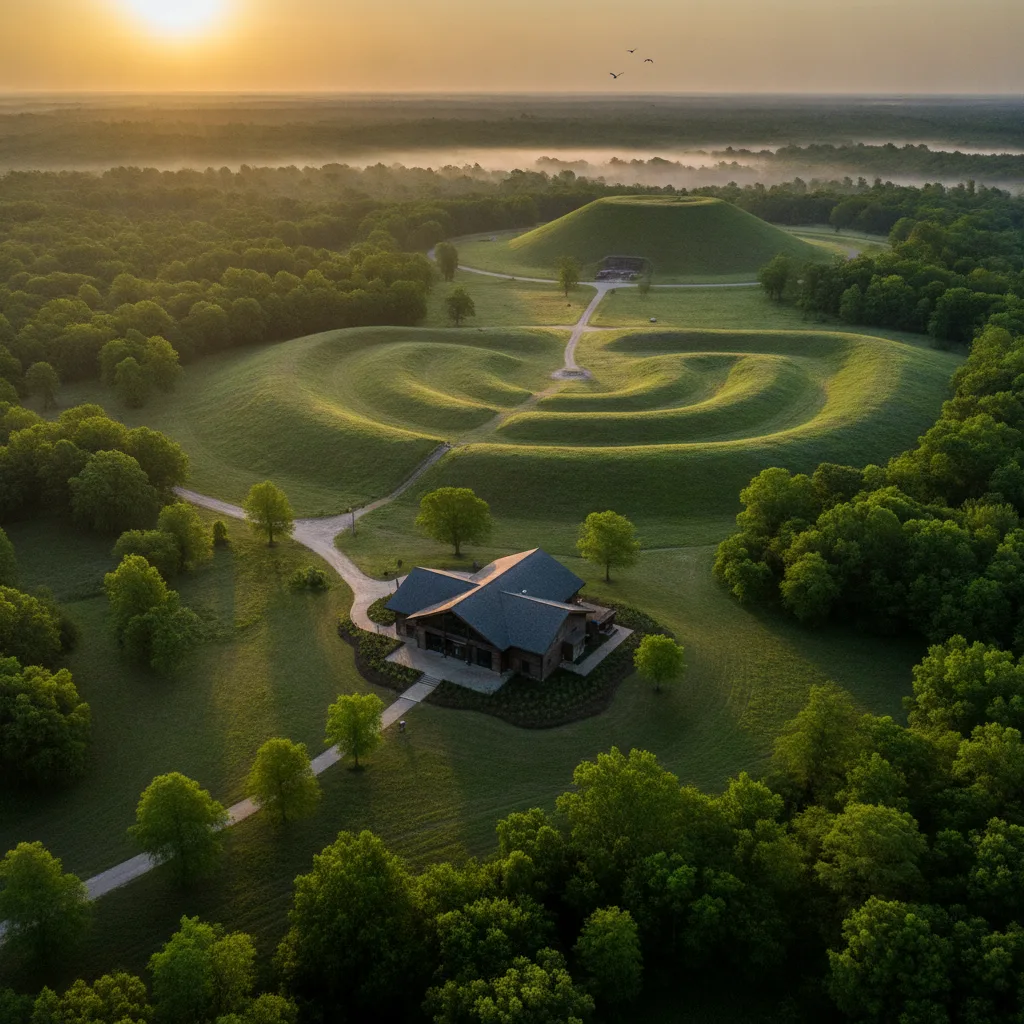
Our Poverty Point World Heritage Site guide covers practical planning for Poverty Point World Heritage Site Louisiana — best time to visit, getting there, and what to do on the ground.
As the Roam States editorial team, we’ve explored countless corners of the United States, but few destinations captivate us quite like the Poverty Point World Heritage Site Louisiana. This UNESCO World Heritage Site, nestled in the rich alluvial lands of northeastern Louisiana near Delhi, offers an unparalleled glimpse into the sophisticated lives of ancient indigenous hunter-gatherers. Dating back to around 1500 B.C., the massive earthworks here represent an extraordinary feat of engineering and social organization, built by people who thrived without agriculture, the wheel, or metal tools. We consider it a profound testament to early North American civilizations, a place where history isn't just read, but felt beneath your feet.
Why Visit Poverty Point World Heritage Site
Visiting Poverty Point World Heritage Site is an immersion into a mystery that continues to unfold. We’re talking about an archaeological marvel that predates many of the world's most famous ancient structures, including the Mayan pyramids. Imagine a society, 3,400 years ago, meticulously constructing a complex of enormous earthen mounds and concentric ridges, all by hand. This wasn't just a settlement; it was a bustling hub of commerce, ceremony, and community, a monumental landscape that once housed thousands of people.
Our team believes the sheer scale of the earthworks is reason enough to visit. Mound A, often called the Bird Mound, stands an impressive 72 feet tall and covers eight acres, a staggering achievement that required moving an estimated 390,000 tons of dirt, basketful by basketful. The intricate design, featuring six C-shaped concentric ridges and a central plaza, speaks volumes about the advanced understanding of geometry and labor organization possessed by the Poverty Point culture. Beyond the physical structures, the site offers a unique opportunity to connect with the deep history of North America, challenging conventional narratives about prehistoric societies.
Furthermore, the artifacts discovered at Poverty Point reveal an extensive trade network that stretched over 1,000 miles, bringing materials like soapstone from the Appalachians, copper from the Great Lakes, and flint from the Ohio Valley to this remote Louisiana location. This evidence paints a picture of a dynamic, interconnected society, making Poverty Point a crucial piece of the puzzle in understanding early human ingenuity and cultural exchange. We find it truly remarkable that such a sophisticated society flourished here, leaving behind an enduring legacy that continues to inspire awe and academic inquiry.
Who It's Best For
Poverty Point World Heritage Site is a destination that truly appeals to a diverse range of travelers, though some will find it particularly enriching. Our team confidently recommends it for history buffs and archaeology enthusiasts. If you’re fascinated by ancient civilizations, indigenous cultures, and monumental engineering feats, this site will undoubtedly captivate you. The interpretive museum, detailed signage, and guided tours provide a wealth of information, allowing visitors to delve deep into the mysteries of the Poverty Point culture.
Educators and students will find the site an invaluable outdoor classroom. The tangible evidence of a complex pre-agricultural society offers a powerful learning experience, bringing textbook lessons about early North American history to life. Families with curious children will also appreciate the opportunity to explore the vast landscape and learn about a civilization that existed thousands of years ago. While younger children might not grasp every nuance, the sheer size of the mounds and the open spaces provide an engaging environment for exploration. We suggest preparing them with some background information to enhance their understanding and excitement.
Nature lovers and birdwatchers will also find much to appreciate. The site is situated along the edge of the Bayou Macon, providing a habitat for various bird species, including Mississippi Kites, Cooper's Hawks, and several woodpeckers. The 2.6-mile hiking trail offers a chance to enjoy the natural beauty of the area while exploring the earthworks. Finally, anyone seeking a peaceful and reflective experience, away from the hustle and bustle of more conventional tourist attractions, will find solace and inspiration in the ancient landscape of Poverty Point World Heritage Site.
Getting There & Parking
Understanding how to get to Poverty Point World Heritage Site is crucial for a smooth visit. The site is located at 6859 LA Hwy. 577, Pioneer, LA 71266, in northeastern Louisiana. For most visitors, driving is the most practical option, as public transportation to this rural area is limited.
If you're traveling from Interstate 20, we recommend taking Exit 153 towards Delhi. From there, drive north on Highway 17 for approximately 11 miles. When you reach the town of Epps, turn right onto Highway 134 and continue for about 6 miles. Finally, turn left onto Highway 577, and the entrance to Poverty Point World Heritage Site will be about one mile on your right. The drive from Monroe, Louisiana, or Vicksburg, Mississippi, typically takes about an hour.
Regarding Poverty Point World Heritage Site parking, visitors will be pleased to know that ample parking is available directly on-site, and there is no parking fee. The visitor center and museum are easily accessible from the parking area. We always appreciate when sites make it easy for travelers, and Poverty Point certainly delivers on this front. Just remember to follow the signage once you arrive, as the site is quite expansive.
For those considering a longer journey through Louisiana, integrating a visit to Poverty Point with other iconic destinations can create a truly memorable trip. You can find more ideas and planning resources on our Plan Your US Trip page. While Poverty Point is a bit off the beaten path compared to the vibrant streets of New Orleans' French Quarter or the solemn history of the National WWII Museum, its unique historical significance makes the journey entirely worthwhile.
Top Things to Do
When planning your visit to this remarkable archaeological treasure, you'll find a variety of engaging things to do at Poverty Point World Heritage Site. Our team suggests dedicating at least two hours to fully experience the site.
- Explore the Earthworks: The primary attraction, of course, is the monumental earthworks themselves. You can walk the 2.6-mile hiking trail that loops around the site, offering panoramic views of the mounds and concentric ridges. This allows for a deeper appreciation of their scale and the incredible effort involved in their construction. Be sure to make the extra effort to go up the viewing platform for the best perspective.
- Visitor Center and Museum: Start your visit here. The on-site museum features millions of artifacts found at Poverty Point, providing crucial clues about the daily lives, trade networks, and ceremonial practices of the ancient inhabitants. An introductory video offers an excellent overview of the site's history and significance, helping to contextualize what you'll see outdoors.
- Take a Tram Tour: For those who prefer a less strenuous exploration or have mobility limitations, guided tram tours are an excellent option. These tours are offered Wednesday through Sunday at 10:00 a.m., 11:30 a.m., 1:00 p.m., and 3:00 p.m., from March through October, weather permitting. The cost for the tram tour is $4 per person, with children aged 6 and under riding free. A knowledgeable park ranger will provide insights into the site's archaeology and the culture that created it.
- Attend Guided Programs and Demonstrations: Throughout the year, the site hosts guided tours, demonstrations, and special programs that delve deeper into the life of the Poverty Point people. These can include insights into their tool-making, hunting, and gathering techniques. Check the official website or call ahead for the current schedule.
- Picnic Amidst History: The site offers picnic areas, providing a serene setting to enjoy a meal surrounded by thousands of years of history.
- Birdwatching: As a designated wildlife sanctuary along Bayou Macon, Poverty Point is an excellent spot for birdwatching. Keep an eye out for local species like Mississippi Kites, Cooper's Hawks, and various waterfowl in the cypress-tupelo swamp habitats.
Things to Do in Delhi and Nearby
While the Poverty Point World Heritage Site is the main draw, our team also encourages exploring the surrounding area. There are several things to do in Delhi and the wider region of northeastern Louisiana that can complement your visit:
- Poverty Point Reservoir State Park: Just a short drive from the World Heritage Site, this state park offers excellent outdoor recreation opportunities. It features a 2,700-acre fishing lake known for bass, crappie, and catfish, along with boat launches, camping, and nature trails. It’s a great spot for fishing, water sports, or simply enjoying the natural beauty of the area.
- Black Bear Golf Club & Lodge: Located in Delhi, this golf course offers a chance to hit the links if you're looking for a recreational break.
- Louisiana State Cotton Museum: Situated in Lake Providence, a bit further afield, this museum offers insights into the history of cotton cultivation in Louisiana and its impact on the region's culture and economy.
- Chemin-a-Haut State Park: North of Delhi in Bastrop, this park provides cabins, camping, and opportunities for fishing, hiking, and birdwatching along Bayou Bartholomew.
- Lake Bruin State Park: East of Poverty Point, near St. Joseph, this park on an oxbow lake is perfect for water sports, fishing, and camping.
- Lake D'Arbonne State Park: Located near Farmerville, this park offers a beautiful setting for fishing, boating, and hiking, with cabins and campgrounds available.
These nearby attractions provide a good balance to the historical depth of Poverty Point, offering opportunities for outdoor activities and further cultural exploration in Louisiana. For a more comprehensive look at the state's offerings, visit our Best Places in Louisiana guide.
Best Time to Visit
Choosing the best time to visit Poverty Point World Heritage Site can significantly enhance your experience. Our team generally recommends visiting in the spring (March-May) or fall (October-November). During these seasons, the weather in northeastern Louisiana is typically mild and pleasant, with comfortable temperatures and lower humidity. This makes exploring the expansive outdoor earthworks and walking the trails much more enjoyable.
Summers in Louisiana (June-August) can be very hot and humid, with temperatures often soaring and frequent afternoon thunderstorms. While the site is open year-round, we advise against visiting during the peak summer months if you're sensitive to heat, especially if you plan on doing extensive walking. If you must visit in the summer, we suggest arriving right when the site opens at 9 a.m. to beat the worst of the heat and humidity. Winters (December-February) are generally mild, but occasional cold snaps can occur. However, if you don't mind cooler temperatures, winter can offer a peaceful visit with fewer crowds.
The Poverty Point World Heritage Site is open daily from 9 a.m. to 5 p.m. It is closed only on Thanksgiving Day, Christmas Day, and New Year's Day. This consistent schedule makes planning relatively straightforward. Tram tours, which are a popular way to see the site, operate Wednesday through Sunday from March through October, weather permitting. If a tram tour is high on your priority list, planning your visit within these months and on these days is essential. We always recommend checking the official Poverty Point World Heritage Site website or calling ahead for the most up-to-date information on hours and tour availability, especially if weather might be a factor.
Where to Stay Nearby
When planning your trip to the Poverty Point World Heritage Site Louisiana, securing comfortable and convenient Poverty Point World Heritage Site lodging is an important consideration. While the immediate vicinity of Pioneer, LA, is quite rural, there are several towns within a reasonable driving distance that offer accommodations. Our team suggests looking for options in Delhi, Monroe, or even Vicksburg, Mississippi, for a broader selection.
Delhi, Louisiana
Delhi is the closest town of significant size to Poverty Point, making it a convenient base for your visit. While options might be more limited than in larger cities, you can often find local motels or guesthouses that provide a comfortable stay. The advantage here is minimizing travel time to and from the World Heritage Site. We recommend searching for "hotels in Delhi, LA" to see the most current availability. Keep in mind that booking in advance, especially during peak travel seasons, is always a good idea.
Monroe, Louisiana
Approximately an hour's drive west of Poverty Point, Monroe offers a wider array of Poverty Point World Heritage Site lodging options, from national chain hotels to boutique accommodations. This city provides more dining choices and amenities, making it a good base if you prefer more urban conveniences after a day of exploring ancient history. Monroe also has its own attractions, such as the Chennault Aviation & Military Museum, which could be an interesting addition to your itinerary. We suggest searching for hotels in Monroe, LA, to find options that suit your budget and preferences.
Vicksburg, Mississippi
Roughly an hour's drive east across the Mississippi River, Vicksburg, Mississippi, is another viable option for lodging. Vicksburg is a city rich in Civil War history, offering numerous historical sites, museums, and a charming downtown area. Staying here allows you to combine your visit to Poverty Point with a deeper dive into American history. You'll find a good selection of hotels, bed and breakfasts, and restaurants. However, remember to factor in the daily drive to and from Poverty Point. We often recommend Vicksburg for travelers who want to extend their trip to include more historical exploration.
Poverty Point Reservoir State Park
For those who enjoy camping or prefer a more nature-oriented stay, Poverty Point Reservoir State Park, located very close to the World Heritage Site, offers cabins and campsites. This can be a fantastic option for families or travelers looking for an immersive outdoor experience. We advise checking the Louisiana State Parks website for reservation details and availability, as these spots can fill up quickly, especially during weekends and holidays. Staying at the reservoir allows for easy access to fishing, boating, and other water activities, complementing your historical exploration.
Regardless of where you choose for your Poverty Point World Heritage Site lodging, we always advise booking your accommodations in advance, particularly if your visit coincides with holidays or local events. This ensures you get the best selection and rates for your trip to this extraordinary corner of Louisiana.
Sample 2-Day Itinerary
Our team has crafted a sample 2-day itinerary to help you make the most of your visit to Poverty Point World Heritage Site and the surrounding region. This plan balances historical exploration with local charm and outdoor activities.
Day 1: Immersing in Ancient History
- Morning (9:00 AM - 1:00 PM): Poverty Point World Heritage Site Exploration
- Arrive at Poverty Point World Heritage Site shortly after opening. Head directly to the Visitor Center and Museum. Watch the introductory video and spend time exploring the exhibits and artifacts. This will provide essential context for the outdoor site.
- Embark on a guided tram tour (if available, Wednesday-Sunday, March-October) to get an overview of the massive earthworks, including Mound A and the concentric ridges.
- After the tram tour, take some time to walk parts of the 2.6-mile hiking trail, focusing on areas that offer the best views of the mounds and the central plaza. Don't miss the viewing platform for a unique perspective.
- Lunch (1:00 PM - 2:00 PM): Picnic at the Site or Local Eatery
- Enjoy a packed lunch at one of the picnic areas within the Poverty Point World Heritage Site, or head to Delhi for a casual meal at a local restaurant.
- Afternoon (2:00 PM - 5:00 PM): Deeper Dive or Relaxation
- Return to specific areas of the earthworks that piqued your interest for a more in-depth walk, or revisit the museum to examine particular exhibits.
- Alternatively, if you're staying at Poverty Point Reservoir State Park, head there to check into your cabin or campsite and enjoy some relaxation by the water.
- Evening: Dinner & Stargazing
- Have dinner in Delhi or at your accommodation. The rural location of Poverty Point offers excellent opportunities for stargazing on clear nights.
Day 2: Local Culture & Nature
- Morning (9:00 AM - 12:00 PM): Poverty Point Reservoir State Park
- Spend the morning at the nearby Poverty Point Reservoir State Park. Enjoy fishing, boating, or kayaking on the 2,700-acre lake. Alternatively, explore some of the park's nature trails.
- Lunch (12:00 PM - 1:00 PM): Lakeside or Delhi Dining
- Enjoy a picnic lunch at the state park or return to Delhi for another local dining experience.
- Afternoon (1:00 PM - 5:00 PM): Regional Exploration
- Choose one of the other regional attractions based on your interests:
- Visit the Louisiana State Cotton Museum in Lake Providence to learn about the region's agricultural history.
- Explore Chemin-a-Haut State Park for more hiking and natural beauty.
- If you're a golf enthusiast, consider a round at the Black Bear Golf Club & Lodge in Delhi.
- For those interested in other significant Louisiana destinations, consider extending your trip to explore the Oak Alley Plantation, the Whitney Plantation, or the vast Atchafalaya National Basin.
- Choose one of the other regional attractions based on your interests:
- Evening: Departure or Extended Stay
- Begin your journey home or extend your stay to further explore the unique charm of northeastern Louisiana.
Last updated: 2026-07-05 by the Roam States team.