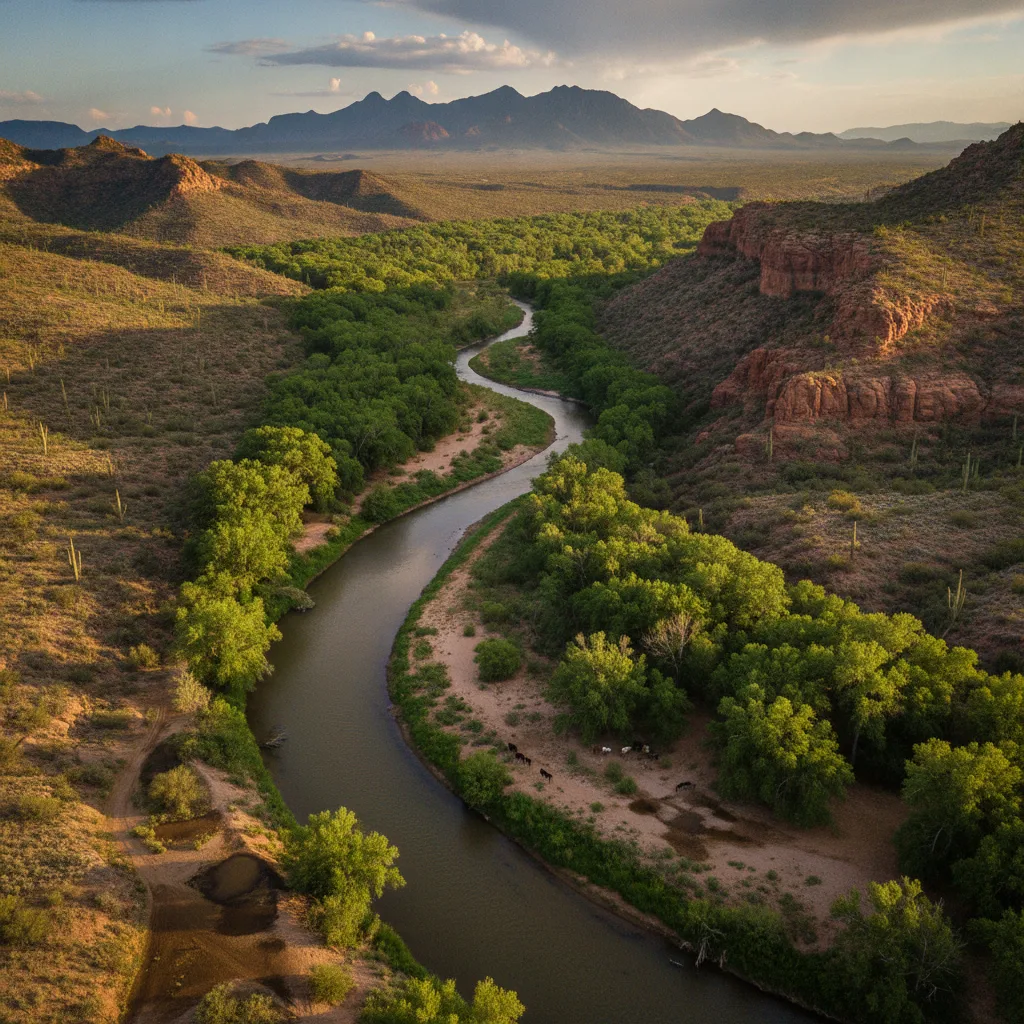
Salt River Travel Guide — Arizona
For those seeking an authentic Arizona adventure beyond the well-trodden paths, the Salt River offers a refreshing escape into diverse desert landscapes. Known affectionately as 'Arizona's other Grand Canyon,' the Salt River Arizona region provides thrilling opportunities for tubing, white-water rafting, and the unique chance to spot wild horses roaming freely along its banks. Our team at Roam States has compiled this comprehensive guide to help you plan an unforgettable trip to this natural wonder.
Why Visit Salt River
The allure of the Salt River lies in its remarkable blend of accessibility and untamed wilderness. Just a short drive from Phoenix, this vibrant waterway carves its way through the Tonto National Forest, offering a stark contrast to the urban sprawl. We recommend it for its unique combination of recreational activities set against a stunning backdrop of Sonoran Desert flora and fauna. Where else can you float down a river, surrounded by towering saguaros, with the possibility of seeing wild horses graze at the water's edge? It's an experience that truly encapsulates the spirit of the American Southwest, providing both relaxation and adventure in equal measure.
Who It's Best For
The Salt River caters to a wide spectrum of travelers, making it a versatile destination for many. It's ideal for families looking for a fun and relatively easy outdoor activity like tubing, especially during the warmer months. Adventure seekers will find their thrill in the upper stretches of the river, where white-water rafting offers a more intense experience. Nature enthusiasts and photographers are drawn to the area for its incredible wildlife viewing opportunities, particularly the wild horses, and the dramatic desert scenery. Even those simply looking for a scenic drive or a peaceful picnic spot will find solace here. However, visitors should be prepared for varying crowd levels, especially on weekends during peak season, and understand that some activities require a certain level of physical fitness or swimming ability. It's an outdoor destination, so comfort with sun exposure and desert conditions is a must.
How to Get There
Reaching the Salt River is straightforward, particularly for those traveling from the greater Phoenix metropolitan area. The most common access points are located within the Tonto National Forest, east of Mesa. To get to Salt River from central Phoenix, you'll typically take US-60 East, then exit north onto Power Road, which turns into Bush Highway. This scenic route winds directly through the desert landscape, leading to various recreation sites along the river. For specific tubing operations or rafting launch points, follow the signs once you're on Bush Highway. We always recommend checking current road conditions, especially during monsoon season, as heavy rains can sometimes affect accessibility. The journey itself is part of the experience, offering stunning views of the desert mountains and saguaro cacti.
Getting There & Parking
Accessing the Salt River recreation areas generally requires a Tonto Pass or a specific recreation pass for the area. As of 2026, a daily Tonto Pass costs $8 per vehicle, and an annual pass is available for $60. These passes can often be purchased at local gas stations and convenience stores near the Tonto National Forest entrance, or online through authorized vendors. Always display your pass clearly on your dashboard. Parking is available at designated recreation sites along the Bush Highway, such as Phon D Sutton, Granite Reef, and Coon Bluff. During peak season, especially on weekends, these lots can fill up quickly, so arriving early is advisable. Some tubing outfitters also provide their own parking and shuttle services, which might be included in their rental fees. We advise confirming parking availability and any associated fees directly with your chosen outfitter or the Tonto National Forest service before your visit to ensure a smooth arrival. To get to Salt River, most visitors drive, as public transportation options are limited.
Top Things to Do
The Salt River is a playground for outdoor enthusiasts, offering a diverse array of activities that capitalize on its unique desert river environment. When considering things to do at Salt River, tubing is arguably the most iconic experience, drawing thousands of visitors each summer.
Tubing the Salt River
Floating down the Salt River on an inner tube is a quintessential Arizona summer activity. The Salt River Tubing & Recreation company operates a popular service that includes tube rentals and shuttle transportation for various float lengths. For the 2026 season, tube rentals generally range from $21-$25 per tube, which includes the shuttle service. They are typically open from May through September, with hours usually from 9:00 AM to 6:30 PM, though these can vary based on river conditions and demand. We recommend checking their official website or calling ahead for the most up-to-date operating schedule and any reservation requirements, especially for large groups. Remember to bring plenty of water, sunscreen, and secure any valuables in waterproof bags. This is one of the most popular things to do at Salt River, so expect crowds on weekends.
White-Water Rafting
For a more adventurous experience, the upper stretches of the Salt River offer exhilarating white-water rafting opportunities. The Salt River Canyon, often referred to as 'Arizona's other Grand Canyon,' features rapids ranging from Class II to Class IV, making it suitable for both beginners and experienced rafters. Rafting season is typically shorter, often running from March through May, depending on snowmelt and water levels. Several licensed outfitters offer guided trips, ranging from half-day excursions to multi-day camping trips. Permits are often required for private trips, and outfitters handle these for their guided tours. We highly recommend booking well in advance, as permits and guide availability can be limited. This is a fantastic way to experience the rugged beauty of the Salt River Canyon.
Wildlife Viewing, Especially Wild Horses
One of the most captivating aspects of the Salt River is the presence of its famous wild horses. These majestic animals can often be spotted grazing along the riverbanks, particularly in the early mornings or late afternoons. Designated viewing areas and pull-offs along the Bush Highway offer opportunities to observe them from a safe distance. Remember that these are wild animals; never approach, feed, or harass them. Binoculars are highly recommended for the best viewing experience. Beyond horses, the area is home to diverse desert wildlife, including various bird species, javelina, and coyotes. Birdwatching is particularly rewarding along the riparian corridors. This makes wildlife viewing one of the most rewarding things to do at Salt River.
Hiking Salt River Hiking Trails
The Tonto National Forest surrounding the Salt River offers numerous opportunities for hiking, with a variety of Salt River hiking trails catering to different skill levels. Many trails provide panoramic views of the river, the desert landscape, and glimpses of wildlife. Popular trails include those accessible from the various recreation sites along Bush Highway, such as the Phon D Sutton Recreation Area, which offers relatively flat paths ideal for a leisurely stroll or birdwatching. For more challenging hikes, trails further into the Tonto National Forest provide steeper climbs and more rugged terrain. Always carry plenty of water, wear appropriate footwear, and be aware of desert wildlife. Check the Tonto National Forest website for current trail conditions, potential closures, and any specific regulations before heading out. Exploring the Salt River hiking trails allows for a deeper connection with the natural beauty of the area.
Kayaking and Paddleboarding
For those who prefer a more active paddle, kayaking and stand-up paddleboarding (SUP) are popular on the calmer stretches of the Salt River. Many visitors bring their own equipment, but some local rental companies offer kayaks and SUPs for rent, often with delivery to popular launch points. This provides a different perspective of the river and allows for more exploration of quieter coves and channels. It's a great alternative to tubing for those seeking a bit more exercise and control over their river journey.
Best Time to Visit
The best time to visit the Salt River largely depends on the activities you plan to pursue. For tubing and general river recreation, the summer months (May through September) are prime, when Arizona's scorching temperatures make a cool river float incredibly appealing. However, be prepared for large crowds, especially on weekends and holidays. The average daily temperature in July 2026 is expected to be around 105°F (40.5°C), with water temperatures providing a refreshing contrast.
For white-water rafting, the season is typically earlier, from March to May, when snowmelt from the mountains contributes to higher and faster water levels. This period also offers more comfortable hiking temperatures before the intense summer heat sets in. Spring (March-April) and Fall (October-November) are ideal for hiking, wildlife viewing, and enjoying the scenic beauty without the extreme heat or the large tubing crowds. During these shoulder seasons, temperatures are milder, making outdoor exploration much more pleasant. Winter offers the fewest crowds and cooler temperatures, perfect for hiking, though river activities like tubing are generally not available.
Salt River Lodging
While there isn't direct Salt River lodging right on the banks of the recreational areas, numerous options are available in the surrounding communities, offering convenient access to the river. The closest major city with a wide range of accommodations is Mesa, Arizona. Here, you'll find everything from budget-friendly motels to mid-range hotels and vacation rentals. Scottsdale, a bit further west, offers more upscale and resort-style Salt River lodging options, perfect for those seeking a luxurious retreat after a day on the river. Other nearby towns like Fountain Hills also provide charming lodging choices with beautiful desert views. When planning your trip, consider the type of experience you desire – whether it's proximity to the river for early morning access or a more amenities-rich stay with dining and entertainment options. We recommend booking your Salt River lodging well in advance, especially if you're visiting during peak season or a local event.
Sample 2-Day Itinerary
Our team has crafted a sample 2-day itinerary to help you make the most of your Salt River adventure:
Day 1: River Thrills and Wild Encounters
- Morning (9:00 AM - 1:00 PM): Tubing Adventure. Head to the Salt River Tubing & Recreation facility early to beat the crowds. Rent your tubes and enjoy a leisurely float down the river. The average float time can range from 2 to 5 hours depending on the chosen route and river flow.
- Lunch (1:00 PM - 2:00 PM): Riverside Picnic. Pack a cooler with sandwiches and snacks to enjoy at one of the designated picnic areas along the Bush Highway, such as Phon D Sutton.
- Afternoon (2:00 PM - 5:00 PM): Wild Horse Spotting and Scenic Drive. Drive slowly along Bush Highway, keeping an eye out for the famous Salt River wild horses. Stop at pull-offs like Coon Bluff or Blue Point to observe them from a safe distance. Continue enjoying the scenic desert views.
- Evening: Dinner in Mesa. Head back to Mesa for dinner. Explore local eateries or enjoy a casual meal at your chosen accommodation.
Day 2: Hiking, History, or Desert Exploration
- Morning (8:00 AM - 12:00 PM): Desert Hike. Choose one of the Salt River hiking trails in the Tonto National Forest. The Hawes Trail System near Mesa offers excellent mountain biking and hiking opportunities with stunning desert vistas. For a more relaxed option, explore the paths around the Goldfield Ghost Town for a blend of history and scenery.
- Lunch (12:00 PM - 1:00 PM): Local Eats. Grab lunch at a local cafe in Mesa or consider a short drive to Fountain Hills for a different dining experience.
- Afternoon (1:00 PM - 5:00 PM): Cultural Immersion or Further Exploration.
- Option A (Culture): Visit the Desert Botanical Garden in Phoenix (approx. 45-minute drive) to learn about the unique Sonoran Desert ecosystem.
- Option B (History): Explore the Bisbee Historic District (a longer drive, but worth it if you're extending your trip) or the Jerome Historic Ghost Town.
- Option C (Scenic Drive): Continue exploring other parts of the Tonto National Forest, perhaps driving towards Canyon Lake for stunning lakeside views and potential additional wildlife sightings.
- Evening: Relax and Reflect. Enjoy a relaxing evening, perhaps by a pool at your hotel or enjoying a sunset view over the desert.
Is It Worth Visiting?
Absolutely, yes. Our team firmly believes that the Salt River is worth visiting for anyone seeking an authentic and accessible Arizona outdoor experience. It offers a unique combination of thrilling water activities, serene natural beauty, and unparalleled wildlife viewing opportunities, particularly the iconic wild horses. Unlike the more famous Grand Canyon National Park, the Salt River provides a more intimate and hands-on interaction with Arizona's diverse landscapes, often within a short drive of a major metropolitan area. The chance to float down a river surrounded by towering saguaros and potentially spot wild horses makes the Salt River worth visiting in its own right. It's a destination that truly embodies the spirit of adventure and natural wonder that defines the American Southwest.
Salt River camping
Camping is a popular option along the Salt River, primarily within the Tonto National Forest. There are several developed campgrounds, such as Coon Bluff and Blue Point, which offer basic amenities like restrooms and picnic tables. Dispersed camping is also permitted in many areas, though regulations and fire restrictions should always be checked with the Tonto National Forest Service. For 2026, most developed campgrounds operate on a first-come, first-served basis, while some may offer reservations through Recreation.gov. Fees for developed campsites typically range from $10-$20 per night. We strongly advise checking the official Tonto National Forest website for current conditions, fire bans, and any specific permits required for camping, especially during dry seasons.
things to do in Tonto National Forest (east of Phoenix)
The Tonto National Forest, east of Phoenix, is a vast recreational area offering a multitude of activities beyond the Salt River itself. Besides tubing and rafting on the Salt River, visitors can enjoy extensive hiking and mountain biking trails, exploring scenic lakes like Canyon Lake, Saguaro Lake, and Apache Lake for boating, fishing, and kayaking. Off-roading and ATV adventures are popular on designated trails. The forest also encompasses historical sites and offers abundant wildlife viewing opportunities. We recommend visiting the Visit Arizona website or the National Park Service site for detailed information on specific areas and activities within the Tonto National Forest.
Salt River with kids
The Salt River is a fantastic destination for families with kids, especially for tubing. The main tubing section is generally calm and shallow enough in most areas for supervised children to enjoy. We recommend bringing life vests for younger children, even if they are strong swimmers, and ensuring they are comfortable in the water. Beyond tubing, kids will love spotting wild horses, exploring easy hiking trails, and having picnics by the river. Consider visiting during the shoulder seasons (spring or fall) for milder temperatures and fewer crowds, which can be more comfortable for younger children. Always pack plenty of water, snacks, and sun protection for the whole family.
best hotels near Salt River
The best hotels near Salt River are primarily found in the nearby cities of Mesa and Scottsdale. In Mesa, options like the Delta Hotels by Marriott Phoenix Mesa or the Hyatt Place Mesa offer comfortable stays with good amenities. For a more upscale experience, Scottsdale boasts numerous luxury resorts such as the Hyatt Regency Scottsdale Resort & Spa at Gainey Ranch or The Phoenician, a Luxury Collection Resort. These hotels provide excellent facilities like pools, dining, and spa services, perfect for relaxing after a day of adventure. We recommend choosing a hotel that aligns with your budget and desired level of amenities, keeping in mind that Scottsdale options will be further from the immediate river access points.
Salt River tips
To ensure a smooth and enjoyable Salt River experience, our team offers these essential tips: Arrive early, especially on weekends, to secure parking and avoid long lines for tube rentals. Hydrate constantly; the Arizona sun is intense, even on the water. Protect yourself from the sun with sunscreen, hats, and long-sleeved shirts. Secure all your belongings in waterproof bags – phones, keys, and wallets are easily lost in the river. Wear appropriate footwear that can get wet and protect your feet from rocky riverbeds. Pack out everything you pack in to help keep the Salt River beautiful. Finally, respect the wildlife, especially the wild horses, by observing them from a distance and never feeding them.
where to stay near Salt River
When deciding where to stay near Salt River, your primary options will be the cities of Mesa, Scottsdale, and Fountain Hills. Mesa offers the closest and most direct access to the main tubing and recreation areas, with a range of hotels and vacation rentals suitable for various budgets. Scottsdale provides a more luxurious and resort-focused experience, ideal for those who want to combine outdoor adventure with high-end dining and shopping. Fountain Hills offers a quieter, more scenic setting with some charming boutique lodging options and beautiful desert views. We advise considering your priorities – proximity to the river, amenities, or overall atmosphere – when choosing where to stay near Salt River.
The Salt River is truly a gem in Arizona's diverse landscape, offering unparalleled opportunities for adventure, relaxation, and wildlife encounters. From the thrilling rapids of its upper canyon to the leisurely floats of its lower stretches, and the captivating presence of its wild horses, it promises an experience that will leave a lasting impression. We encourage you to plan your visit and discover why this remarkable waterway is cherished by locals and visitors alike. For more incredible Arizona destinations, explore our guide to the Best places in Arizona, including iconic sites like Antelope Canyon and the historical richness of Canyon de Chelly.
Last updated: 2026-07-12 by the Roam States team.