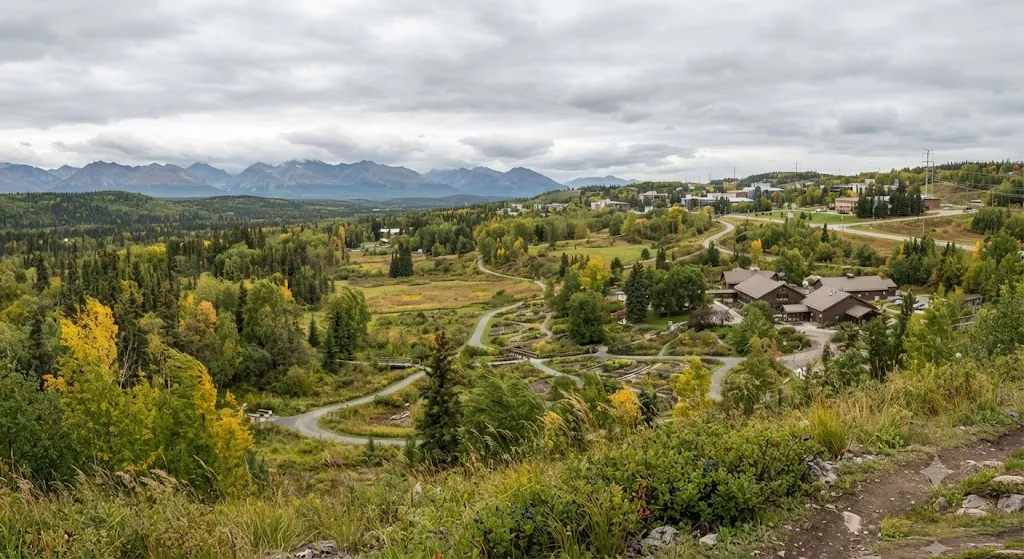
University of Alaska Fairbanks Arboretum Travel Guide — Alaska
Our Fairbanks guide covers practical planning for University of Alaska Fairbanks Arboretum Alaska — best time to visit, getting there, and what to do on the ground.
The University of Alaska Fairbanks Arboretum, an integral part of the renowned Georgeson Botanical Garden, offers a unique window into the resilience and beauty of subarctic flora. Our team at Roam States has compiled this comprehensive guide to help you navigate this fascinating destination, showcasing plants adapted to Interior Alaska's challenging climate. It's a place where educational opportunities blend seamlessly with a peaceful setting for nature walks, providing a distinctive experience for any traveler to the Last Frontier. We're confident that our insights will equip you for an unforgettable visit to this remarkable Alaskan treasure.
Why Visit University of Alaska Fairbanks Arboretum
Visiting the University of Alaska Fairbanks Arboretum offers a singular experience for anyone intrigued by the natural world, particularly the remarkable adaptations of plants in extreme environments. We find it to be a living laboratory, a place where subarctic horticulture isn't just studied, but celebrated. Here, you'll witness firsthand how a diverse array of herbs, ornamental trees, vegetables, and flowers not only survive but thrive within 100 miles of the Arctic Circle. It's a testament to nature's ingenuity and the dedicated research conducted by the Georgeson Botanical Garden, which has roots stretching back to the early 1900s as an agricultural experiment station.
For us, the draw is multifaceted. Beyond the sheer beauty of the cultivated displays, there's a profound educational value. The arboretum serves as a critical center for education and research in subarctic horticulture, offering insights into plant hardiness, variety trials, and sustainable growing methods in high latitudes. We recommend it for its commitment to showcasing Alaska native plants, providing visitors with an understanding of indigenous flora and their traditional uses. It's a tranquil escape, a place where you can wander well-maintained paths and immerse yourself in the vibrant, albeit brief, Alaskan growing season.
Who It's Best For
The University of Alaska Fairbanks Arboretum caters to a wide range of visitors, making it a versatile destination for many types of travelers. We believe it's particularly ideal for:
- **Nature Enthusiasts and Gardeners:** If you have a passion for plants, especially those with unique adaptations, you'll be captivated by the subarctic flora and experimental gardens. It’s a chance to see how plants flourish under the midnight sun.
- **Families with Children:** The Children's Garden, complete with a hedge maze, tree house, and splashing fountain, provides an engaging and educational experience for younger visitors. It's a fantastic way to introduce kids to botany in a fun, interactive setting.
- **Researchers and Students:** As an active research facility, the arboretum offers invaluable insights into high-latitude horticulture. Those with an academic interest in agronomy, botany, or environmental science will find a wealth of information and ongoing projects.
- **Peace Seekers and Photographers:** The serene setting, beautiful displays, and vibrant colors during peak bloom make it a perfect spot for peaceful contemplation, a leisurely stroll, or capturing stunning photographs.
- **Accessibility-Minded Travelers:** With approximately 2.5 miles of paved pathways, designated accessible parking, and on-site wheelchair/e-scooter rentals, the arboretum is designed to be welcoming for visitors with limited mobility.
Ultimately, whether you're looking for an educational outing, a relaxing afternoon, or a unique botanical experience, the University of Alaska Fairbanks Arboretum offers something truly special.
How to Get There
Reaching the University of Alaska Fairbanks Arboretum is straightforward, whether you're driving or using public transportation. The arboretum is part of the Georgeson Botanical Garden, located on the University of Alaska Fairbanks campus at 2180 W Tanana Dr, Fairbanks, AK 99775.
Driving and Parking
If you're driving, the arboretum is approximately a 15-minute drive from downtown Fairbanks. We recommend using GPS to navigate to the Georgeson Botanical Garden or the Fairbanks Experiment Farm, as signage for the garden itself can be smaller.
Parking is generally available at the UAF Agricultural and Forestry Experiment Station. For visitors, a parking permit is required Monday through Friday, from 8 AM to 5 PM. Parking is free after 5 PM, on weekends, and on holidays. Short-term parking is available via pay-by-plate kiosks or the PassportParking mobile app, costing $1.50 per hour or $6 for a full day in regular decal lots. We advise checking UAF's current parking regulations if you're visiting during academic sessions, as permit requirements can vary. Designated accessible parking is conveniently located near the main entrance. For events like "Music in the Garden," a free shuttle service is often provided from the Nenana parking lot, across from the Patty Center, to alleviate limited on-site parking. This is a great tip on how to get to University of Alaska Fairbanks Arboretum without worrying about finding a spot.
Public Transportation
For those preferring not to drive, the Fairbanks North Star Borough's Metropolitan Area Commuter System (MACS) bus offers a reliable way to get to the UAF campus. The MACS bus system operates Monday through Saturday, with routes generally running from 6 AM or 7 AM until 7 PM or 8:45 PM on weekdays. The regular adult fare is $1.50.
Several bus lines serve the UAF campus. The Blue line, for instance, stops at the UAF Wood Center and the UA Museum of the North, both within walking distance of the arboretum. The journey from downtown Fairbanks to the University of Alaska Fairbanks Arboretum by bus typically takes about 34 minutes and costs around $2. We recommend checking the bus schedules and route maps on the Fairbanks North Star Borough's MACS website (www.fnsb.us/macs) or using Google Maps for real-time information to plan your trip effectively. Utilizing public transit is a practical way on how to get to University of Alaska Fairbanks Arboretum, especially if you want to avoid campus parking.
Top Things to Do
The University of Alaska Fairbanks Arboretum, as part of the Georgeson Botanical Garden, offers a diverse array of activities that showcase its unique subarctic horticulture and tranquil setting. Our team has highlighted the top things to do at University of Alaska Fairbanks Arboretum to ensure you make the most of your visit.
- Explore the Display Gardens: Wander through the beautifully maintained display gardens, which feature a wide collection of far-north plants, including vibrant flowers, ornamental trees, and various herbs and vegetables. You'll see varieties that have performed exceptionally well in experimental plant trials, such as peonies, violets, columbines, dahlias, sweet peas, lilacs, and daylilies. The central pathway, approximately half a mile long, connects all the garden zones.
- Discover the Agricultural Experiment Gardens: A highlight among the things to do at University of Alaska Fairbanks Arboretum is observing the agricultural experiment plots. Here, you can witness the remarkable effect of Alaska's nearly 20 hours of summer sunshine on everyday vegetables, leading to famously oversized produce like cabbages weighing over 50 pounds (22 kilograms) and peonies that reach hip-high. The Ohlsen Family Food Garden specifically demonstrates various fruit, vegetable, and grain crops adapted to the Interior, including research on Russian apples and perennial onions.
- Visit the Children's Garden: For families, the Babula Children's Garden is a must-see. It features all-ages attractions, including one of Alaska's largest hedge mazes, a secret garden, a tree house, a log cabin, and a splashing water fountain, providing a botanical adventure for kids.
- Stroll through the Alaska Native Plant Garden: Explore the Native Pond area, which features a cascading waterfall, a small pond, a wetland, and a collection of Alaska native plants. This zone is excellent for identifying common Alaskan wildflowers and understanding their use in local landscapes.
- Attend a Garden Event: The arboretum hosts a variety of special events throughout the year. During the summer, don't miss "Music in the Garden," a free, family-friendly live music event held weekly on Thursdays from May 21 to August 13, 2026, featuring local bands. Other events include "Wine and Peonies" and "Peony Fest" in July 2026, celebrating the garden's extensive peony collection, and the Far North Currant Festival on August 22, 2026.
- Take a Guided Tour: Consider joining a 1-hour guided tour to gain deeper insights into the thousands of varieties of herbs, vegetables, and flowers, and learn about the history of the original experimental farmstead.
- Enjoy the Drew Amphitheater: Climb the hill to the James and Marilyn Drew Amphitheater for one of the best views in the garden. This outdoor classroom hosts special events and offers a peaceful spot for reflection.
These things to do at University of Alaska Fairbanks Arboretum provide a comprehensive experience, blending education, relaxation, and unique Alaskan charm.
University of Alaska Fairbanks Arboretum Hiking Trails
While the University of Alaska Fairbanks Arboretum itself is primarily a botanical garden with paved pathways, it is situated within the broader University of Alaska Fairbanks campus, which offers access to a network of trails perfect for nature walks and light hiking. We encourage visitors to explore these routes to fully appreciate the surrounding boreal forest and natural landscapes.
The Georgeson Botanical Garden features a central pathway that is about half a mile long, connecting its various zones. Beyond the cultivated areas, the UAF campus boasts several self-guided interpretive trails. For instance, the Wildfire Walk is an excellent opportunity to learn about Alaska wildfire, research, and management, starting from the UAF Large Animal Research Station parking lot. These trails provide a chance to experience the typical Interior Alaska terrain and observe local wildlife in a more natural setting.
Additionally, the campus area includes the Skarland Trails and the Viereck Nature Trail. The Viereck Nature Trail is specifically designated for walking, running, and leashed dogs, prohibiting horses and bikes, making it a peaceful option for a nature stroll. The Skarland Trails offer multipurpose routes for various muscle-powered uses. While these are not exclusively University of Alaska Fairbanks Arboretum hiking trails, they are easily accessible from the arboretum and offer a wonderful extension to your visit, allowing you to delve deeper into the subarctic wilderness. Parking for trail users is often available without a decal for short-term use, particularly in west campus parking lots during evenings and weekends. Remember to consult a campus map for the most current trail information and access points.
Best Time to Visit
The optimal time to visit the University of Alaska Fairbanks Arboretum largely depends on what you wish to experience, but generally, the summer months offer the most vibrant displays.
- Summer (Late May through Early September): We highly recommend visiting during the Alaskan summer. The Georgeson Botanical Garden is officially open for summer visitors daily from 8 AM to 8 PM, from Memorial Day through Labor Day. This period, especially mid-summer (June and July), is when the garden is in its peak bloom, showcasing an explosion of colors and the famously oversized vegetables. The extended daylight hours, often referred to as the "midnight sun," contribute to the lush growth and intense vibrancy of the plants. This is also when many events, like "Music in the Garden" and the "Peony Fest," take place.
- Late Summer/Early Fall (Late August to Mid-September): While the peak blooms might be slightly past, late summer can still offer a beautiful and peaceful experience with fewer crowds. You might catch the beginning of fall colors and still see many interesting plants, though some visitors note fewer flowers in late September.
- Winter (December to February): Although the garden beds are put to rest, visitors are still welcome in winter. Paths are cleared of snow, and the "Arctic Lights" event, with illuminations from 5 PM to 9 PM on Thursdays, Fridays, and Saturdays (December 18 - February 14, 2026), offers a unique, festive experience. This can be a magical time to visit if you're in Fairbanks for the Northern Lights.
For the most comprehensive botanical experience and to enjoy the full splendor of the cultivated gardens, our team suggests aiming for July, when the peonies are in bloom and the experimental crops are at their most impressive.
Where to Stay Nearby
Finding comfortable and convenient University of Alaska Fairbanks Arboretum lodging is easy, with several excellent options in Fairbanks that cater to different preferences and budgets. We’ve identified some top choices that offer good access to the arboretum and other local attractions.
- SpringHill Suites by Marriott Fairbanks: Located approximately 2.9 miles from the University of Alaska Fairbanks, this hotel is highly rated by travelers. It offers spacious suites with kitchenettes, an indoor pool, and a hot tub, making it a great option for families.
- Pike's Waterfront Lodge: Situated about 2 miles from the University of Alaska Fairbanks, Pike's Waterfront Lodge blends city convenience with natural beauty. This 3-star hotel is a popular choice for its location along the Chena River and proximity to campus.
- Best Western Plus Pioneer Park Inn: Also about 2 miles from UAF, this hotel combines comfort with an adventure theme. It's ideal for those looking to explore the Alaskan wilderness, with easy access to ski lifts (in winter) and nearby adventure sports.
- Westmark Fairbanks Hotel & Conference Center: About 4 miles from the University of Alaska Fairbanks, this 3.5-star hotel is a solid choice for both business and leisure travelers, offering comprehensive amenities.
- Hampton Inn & Suites Fairbanks: Located approximately 4.1 miles from the University of Alaska Fairbanks, this hotel is another well-regarded option offering comfortable stays.
- Sophie Station Suites: A popular hotel in Fairbanks, known for its comfortable accommodations and good guest ratings.
- Aspen Suites Hotel Fairbanks: This hotel is also frequently mentioned for its excellent reviews and proximity to the university area.
Many of these hotels offer free parking and breakfast options, which can be a significant advantage for travelers. When considering University of Alaska Fairbanks Arboretum lodging, we recommend booking in advance, especially during the busy summer season, to secure your preferred accommodation.
Sample 2-Day Itinerary
To fully experience the University of Alaska Fairbanks Arboretum and the surrounding Fairbanks area, we've crafted a sample 2-day itinerary that balances botanical exploration with other unique Alaskan adventures.
Day 1: Botanical Wonders and Campus Exploration
- Morning (9:00 AM - 12:00 PM): University of Alaska Fairbanks Arboretum Deep Dive
Begin your day with a thorough exploration of the Georgeson Botanical Garden. Arrive early to enjoy the tranquility and beat any potential crowds. Focus on the main display gardens, marvel at the oversized vegetables in the agricultural experiment plots, and spend time in the Alaska Native Plant Garden. Consider a guided tour if available to gain deeper insights into subarctic horticulture.
- Lunch (12:00 PM - 1:00 PM): Campus Dining or Picnic
Grab lunch at one of the UAF campus dining options or pack a picnic to enjoy amidst the arboretum's serene setting. Food trucks are often on campus during summer weekdays from 11 AM to 1 PM.
- Afternoon (1:00 PM - 4:00 PM): UA Museum of the North and Children's Garden
Head to the University of Alaska Museum of the North, located nearby on campus. Discover millions of years of biodiversity and thousands of years of cultural traditions, including hand-carved Alaska Native art and the state's largest gold display. Afterwards, if traveling with kids, dedicate time to the Babula Children's Garden within the arboretum, letting them explore the hedge maze and other interactive features.
- Evening (4:00 PM onwards): Chena Riverwalk and Dinner
Descend from the campus to downtown Fairbanks. Enjoy a leisurely stroll along the Chena Riverwalk, which passes by historic sites and Pioneer Park. Have dinner at one of Fairbanks' many local restaurants. If it's a Thursday in summer, consider returning to the arboretum for the free "Music in the Garden" concert series.
Day 2: Alaskan Culture and Natural Wonders
- Morning (9:00 AM - 12:00 PM): Pioneer Park and Local History
Start your day at Pioneer Park, Alaska's only historical theme park. Explore its museums, Gold Rush-era buildings, and enjoy a ride on the carousel. This provides a great overview of Fairbanks' rich history. Alternatively, visit the Fountainhead Antique Auto Museum to see pre-World War II cars and 1920s fashion.
- Lunch (12:00 PM - 1:00 PM): Local Eatery
Enjoy lunch at a local Fairbanks eatery, perhaps trying some Alaskan specialties.
- Afternoon (1:00 PM - 5:00 PM): Wildlife or Hot Springs Excursion
Choose your adventure:
- Wildlife Focus: Head to Creamer's Field Migratory Waterfowl Refuge, a former dairy farm now protected for migratory birds, offering excellent birdwatching opportunities.
- Relaxation Focus: Take a scenic drive to Chena Hot Springs Resort, about an hour from Fairbanks. Soak in the geothermal heated rock pool and visit the Aurora Ice Museum.
- Evening (5:00 PM onwards): Northern Lights or Local Events
Depending on the season, dedicate your evening to chasing the Northern Lights (best seen from late August to April). Many tour operators offer aurora viewing excursions. If it's summer, check for local festivals or events happening in Fairbanks.
This itinerary offers a balanced blend of the unique botanical offerings of the University of Alaska Fairbanks Arboretum with the broader cultural and natural attractions that make Fairbanks a captivating Alaskan destination. For more ideas on exploring the region, consult Travel Alaska.
Is It Worth Visiting?
Our team at Roam States firmly believes that the University of Alaska Fairbanks Arboretum is absolutely worth visiting for a variety of reasons, especially for those seeking a unique natural and educational experience in Interior Alaska. It's far more than just a collection of plants; it's a vibrant testament to life's adaptability in the subarctic.
For us, the primary draw is the unparalleled opportunity to observe plants that thrive under the extreme conditions of high latitudes, including the famed oversized vegetables and a stunning array of peonies. This alone makes the question "is University of Alaska Fairbanks Arboretum worth visiting" an easy yes for any curious traveler or gardening enthusiast. The garden's role as an active research facility means you're not just seeing pretty flowers, but witnessing ongoing scientific inquiry into subarctic horticulture.
Beyond the botanical marvels, the arboretum offers a peaceful and accessible environment for nature walks, with paved pathways suitable for all mobility levels. Families will find the Children's Garden, with its hedge maze, a delightful and engaging feature. The seasonal events, such as the free "Music in the Garden" concerts and the "Peony Fest," add a lively cultural dimension to the visit. While some visitors note fewer blooms in the late season, the overall layout, research displays, and serene atmosphere are consistently appreciated. Considering its affordable suggested donation for entry and its distinct offerings, we wholeheartedly recommend adding the University of Alaska Fairbanks Arboretum to your Alaskan itinerary. It truly answers the question, "is University of Alaska Fairbanks Arboretum worth visiting," with a resounding yes, providing a memorable glimpse into Alaska's unique botanical world.
Frequently Asked Questions
University of Alaska Fairbanks Arboretum camping
While direct camping is not available within the University of Alaska Fairbanks Arboretum or the Georgeson Botanical Garden, there are several camping options in and around Fairbanks. The Chena River State Recreation Area, for example, offers accessible riverside campsites and is popular for various outdoor activities. Harding Lake, located after North Pole, also provides a camping area. For those seeking a more rustic experience, numerous public lands and designated campgrounds are available within a reasonable driving distance of Fairbanks. We recommend checking the Alaska State Parks website or local visitor centers for current information on campgrounds and availability.
Things to do in Fairbanks
Fairbanks, known as the "Golden Heart City," offers a wealth of activities year-round. Beyond the University of Alaska Fairbanks Arboretum, we highly recommend visiting the UA Museum of the North to delve into Alaskan history and art. A trip to Chena Hot Springs Resort for a relaxing soak and a visit to the Aurora Ice Museum is a popular excursion. Explore Pioneer Park, an historical theme park with museums and Gold Rush-era buildings. For wildlife viewing, Creamer's Field Migratory Waterfowl Refuge is an excellent spot. Depending on the season, you can go dog sledding, chase the Northern Lights (late August to April), or enjoy river activities on the Chena River. Festivals, local markets, and a variety of dining experiences also add to the vibrant local scene. For more ideas, explore our Fairbanks & Northern Lights guide.
University of Alaska Fairbanks Arboretum with kids
The University of Alaska Fairbanks Arboretum is an excellent destination for families with children. The highlight for younger visitors is the Babula Children's Garden, which features one of Alaska's largest hedge mazes, a secret garden, a tree house, a little log cabin, and a splashing water fountain, providing a fun and educational botanical adventure. The paved pathways throughout the garden are stroller-friendly, and the open spaces offer room for kids to explore. Educational opportunities abound, allowing children to learn about subarctic plants and agriculture in an engaging setting. Remember that pets are not allowed, with the exception of service animals.
Best hotels near University of Alaska Fairbanks Arboretum
Several highly-rated hotels are conveniently located near the University of Alaska Fairbanks Arboretum. Our top recommendations for the best hotels near University of Alaska Fairbanks Arboretum include SpringHill Suites by Marriott Fairbanks (2.9 miles away), Pike's Waterfront Lodge (2 miles away), and Best Western Plus Pioneer Park Inn (2 miles away). Other excellent options with good traveler ratings are the Westmark Fairbanks Hotel & Conference Center (4 miles away), Hampton Inn & Suites Fairbanks (4.1 miles away), and Sophie Station Suites. Many of these offer amenities like free parking, breakfast, and family-friendly facilities such as indoor pools, making them ideal choices for your stay in Fairbanks.
University of Alaska Fairbanks Arboretum tips
To enhance your visit to the University of Alaska Fairbanks Arboretum, we offer a few key tips:
- Visit in Mid-Summer: For the most vibrant floral displays and impressive experimental crops, plan your visit for July.
- Check Event Schedules: Look up the schedule for "Music in the Garden" (Thursdays in summer) or other special events like "Peony Fest" to coincide with your visit.
- Consider Public Transport or Shuttle: During peak event times, parking can be limited. Utilize the free shuttle service offered for events like "Music in the Garden" or the MACS bus system.
- Wear Comfortable Shoes: While many paths are paved, you'll be doing a fair amount of walking, especially if you explore the surrounding campus trails.
- Bring Water and Snacks: Especially on warm summer days, staying hydrated is important. There are picnic areas available.
- Respect the Research: Remember it's an active research facility. Be mindful of marked areas and ongoing experiments.
- Pets Policy: Only ADA-certified service animals are permitted inside the garden.
Where to stay near University of Alaska Fairbanks Arboretum
When deciding where to stay near University of Alaska Fairbanks Arboretum, you have a range of choices from hotels to bed and breakfasts, primarily located in Fairbanks. Popular options include SpringHill Suites by Marriott Fairbanks, located 2.9 miles away, known for its amenities and family-friendly suites. Pike's Waterfront Lodge, approximately 2 miles from the university, offers a scenic setting by the Chena River. Other highly-rated establishments include Best Western Plus Pioneer Park Inn, Westmark Fairbanks Hotel & Conference Center, and Hampton Inn & Suites Fairbanks. Many of these provide free parking and are well-connected to the university via short drives or public transport, ensuring convenient access to the arboretum and other Fairbanks attractions.
Conclusion
The University of Alaska Fairbanks Arboretum, a vital component of the Georgeson Botanical Garden, stands as a premier destination for anyone seeking to understand and appreciate the unique botanical wonders of Interior Alaska. Our team has highlighted its role as a living laboratory, showcasing the extraordinary adaptability of plants in a subarctic climate, from vibrant flower displays to impressively oversized vegetables. We encourage you to explore its peaceful pathways, engage with its educational exhibits, and immerse yourself in the serene beauty that defines this special place. Whether you're a seasoned botanist, a family on an Alaskan adventure, or simply a traveler seeking tranquility, the arboretum offers a rich and rewarding experience.
As you plan your broader Alaskan journey, remember that the arboretum is just one of many incredible sites. We invite you to delve into our other guides for more inspiration, whether you're considering the wild expanses of Denali National Park & Preserve, the coastal beauty of the Anchorage Coastal Trail, or the rugged landscapes of Chugach State Park. Alaska is a state of unparalleled natural grandeur, and we're here to help you discover its every facet. For comprehensive trip planning, be sure to visit our Plan Your US Trip and USA Road Trip Planner resources.
Last updated: 2026-07-13 by the Roam