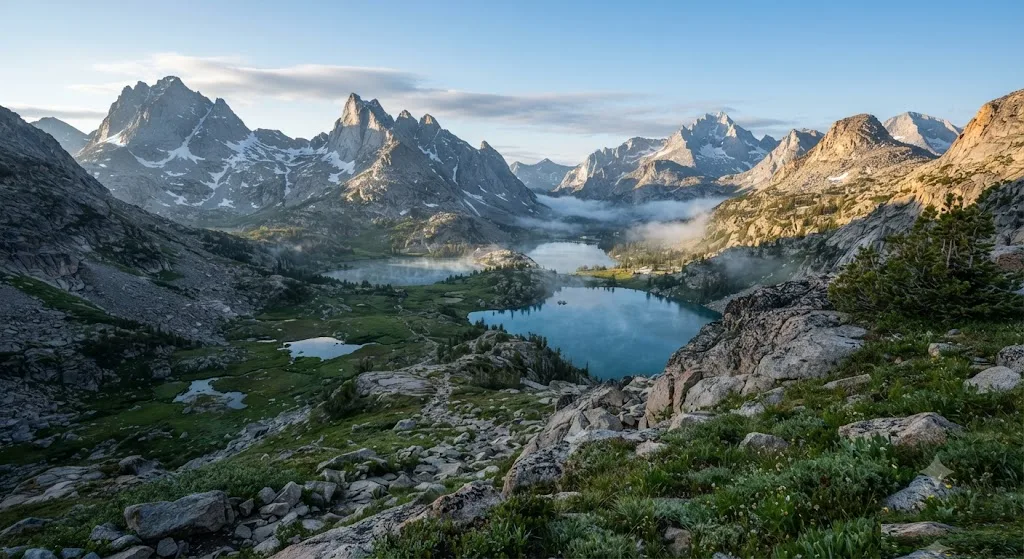
Wind River Range (Titcomb Basin) Travel Guide — Wyoming
As the Roam States editorial team, we are dedicated to bringing you the most authentic and actionable travel advice for America's wild spaces. Our comprehensive guide to the Wind River Range (Titcomb Basin) Wyoming is crafted to equip you with everything you need for an unforgettable journey into one of the Lower 48's most pristine and challenging wilderness areas. Forget generic itineraries; we provide the specific details and expert insights necessary to navigate this iconic destination, from trailheads to high alpine lakes.
Why Visit Wind River Range (Titcomb Basin)
The Wind River Range, and specifically the legendary Titcomb Basin, represents the pinnacle of high-alpine wilderness in Wyoming. It’s a place where granite spires pierce impossibly blue skies, where glaciers cling to north-facing slopes, and where solitude is not just a possibility but a guarantee for those willing to venture deep. We consider it a quintessential American wilderness experience, offering unparalleled opportunities for backpacking, mountaineering, and truly disconnecting from the modern world. The sheer scale and raw beauty of the landscape are enough to captivate any outdoor enthusiast, but it's the profound sense of accomplishment after navigating its rugged terrain that truly sets the Wind River Range (Titcomb Basin) apart. Expect breathtaking views around every bend, from the shimmering waters of Island Lake to the dramatic cirque of Titcomb Basin itself, framed by towering peaks like Fremont Peak and Mount Sacagawea.
Is It Worth Visiting?
Absolutely, the Wind River Range (Titcomb Basin) is unequivocally worth visiting for anyone seeking a profound wilderness experience. If you crave dramatic mountain scenery, challenging multi-day hikes, and the chance to witness some of Wyoming's most untouched landscapes, then this destination should be at the top of your list. We firmly believe that the effort required to reach Titcomb Basin is richly rewarded by the unparalleled beauty and solitude it offers. Unlike more accessible national parks, the Wind River Range (Titcomb Basin) demands a commitment, but in return, it delivers an authentic backcountry adventure that few places can match. For those prepared for the challenge, the answer to "is Wind River Range (Titcomb Basin) worth visiting" is a resounding yes.
Who It's Best For
The Wind River Range (Titcomb Basin) is not a casual destination; it’s best suited for experienced backpackers, mountaineers, and resilient outdoor adventurers. This is a place for those who are comfortable with multi-day trips in remote, high-altitude terrain, capable of self-sufficiency, and possess a strong understanding of Leave No Trace principles. Families with very young children or those new to backpacking may find the strenuous trails and lack of amenities overwhelming. However, for well-prepared groups, seasoned hikers, and individuals seeking a true wilderness challenge, the rewards are immense. If you thrive on rugged beauty, solitude, and the satisfaction of earning your views, then the Wind River Range (Titcomb Basin) is your ideal destination. It's also a prime location for photographers, anglers seeking high-alpine trout, and anyone looking to escape the crowds often found in more popular national parks like Yellowstone National Park or Grand Teton National Park.
Getting There & Parking
Reaching the Wind River Range (Titcomb Basin) requires planning, as access points are remote. The primary trailhead for Titcomb Basin is Elkhart Park, located northeast of Pinedale, Wyoming. From Pinedale, you'll take State Highway 191 north, then turn onto Fremont Lake Road (County Road 113) which eventually becomes Elkhart Park Road. This paved road leads directly to the Elkhart Park Trailhead. The drive itself offers stunning views of the Front Range of the Winds. We recommend ensuring your vehicle is in good condition, as cell service can be spotty once you leave Pinedale.
As for parking, the Elkhart Park Trailhead offers a substantial parking area. However, given the popularity of multi-day trips into the wilderness, it can fill up quickly, especially during peak summer weekends. We strongly advise arriving early in the morning, particularly if you're starting your hike on a Friday or Saturday. There are no fees to park at the Elkhart Park Trailhead as of 2026. Overnight parking is permitted, but always double-check for any updated signage or regulations upon arrival. We haven't found any information regarding a mandatory reservation system for parking as of 2026, but always check the Bridger-Teton National Forest website for the latest updates before your trip. When planning how to get to Wind River Range (Titcomb Basin), remember that the journey itself is part of the adventure, so allocate ample travel time.
Top Things to Do
The Wind River Range (Titcomb Basin) offers a concentrated dose of high-alpine adventure. Our team has identified the essential experiences that define a trip to this incredible wilderness. The primary attraction, of course, is the journey to Titcomb Basin itself, a multi-day backpacking trip that culminates in one of the most spectacular cirques in the Rockies. But beyond the destination, the journey offers a wealth of activities.
- Backpacking to Titcomb Basin: This is the quintessential experience. The trail from Elkhart Park to Titcomb Basin is approximately 14 miles one-way, passing through stunning landscapes including Photographer's Point, Miller Lake, Island Lake, and the Seneca Lake area. Allow at least 3-5 days for this round trip, accounting for elevation gain and time to explore the basin.
- High-Alpine Lake Fishing: The numerous lakes along the trail and within Titcomb Basin itself are teeming with various trout species, including cutthroat, rainbow, and brook trout. A valid Wyoming fishing license is required.
- Photography: From panoramic vistas at Photographer's Point to intimate shots of wildflowers and wildlife, the photographic opportunities are endless. The dramatic light at sunrise and sunset over the granite peaks is particularly captivating.
- Peak Bagging: For experienced mountaineers, the Titcomb Basin serves as a base camp for ascents of surrounding peaks like Fremont Peak (13,745 ft), Mount Sacagawea (13,569 ft), and Mount Helen (13,620 ft). These are technical climbs requiring appropriate gear and expertise.
- Wildlife Viewing: Keep an eye out for marmots, pikas, elk, moose, and various bird species. While rare, bears (both black and grizzly) inhabit the Wind River Range, so proper food storage is crucial.
- Stargazing: Far from any light pollution, the night skies in the Wind River Range are incredibly dark, offering spectacular views of the Milky Way and countless stars.
These are just a few of the top things to do at Wind River Range (Titcomb Basin), each offering a unique way to immerse yourself in this remarkable environment.
Best Time to Visit
The optimal window for visiting the Wind River Range (Titcomb Basin) is typically from mid-July through early September. During this period, most of the snow has melted from the higher elevations, making trails more accessible, and the weather is generally more stable. However, even in summer, be prepared for unpredictable mountain weather, including afternoon thunderstorms, hail, and even snow at higher altitudes.
- Mid-July to August: This is peak season. Wildflowers are often in full bloom, and temperatures are at their warmest, though still cool at night. Expect more fellow hikers on the trail, especially on weekends.
- Early September: A fantastic time to visit for those seeking fewer crowds and crisp, clear days. Fall colors begin to emerge in the lower elevations, and the chances of encountering early season snow increase, particularly towards the end of the month.
We generally advise against visiting before mid-July due to significant snowpack, which can obscure trails, make creek crossings dangerous, and necessitate ice axe and crampon use. Late September and October bring increasingly cold temperatures, shorter days, and a higher likelihood of significant snowfall, making conditions much more challenging and potentially hazardous. Always check the latest weather forecasts and trail conditions from the Bridger-Teton National Forest before embarking on your trip.
Where to Stay Nearby
Given the remote nature of the Wind River Range (Titcomb Basin), "nearby" typically refers to the town of Pinedale, Wyoming, which serves as the primary gateway. Pinedale offers the last chance for supplies, a hot meal, and a comfortable bed before heading into the wilderness.
- Pinedale, Wyoming: This charming mountain town provides a range of accommodations, from budget-friendly motels to more upscale lodges. You'll find grocery stores, outdoor gear shops, restaurants, and a visitor center here. It’s an excellent spot for a pre- or post-hike stay.
- Camping near Elkhart Park: For those who prefer to be closer to the trailhead, several developed and dispersed camping options exist along the road to Elkhart Park. These are generally first-come, first-served.
- Green River Lakes: While a longer drive from the Titcomb Basin trailhead, the Green River Lakes area offers stunning scenery and camping opportunities for those looking to explore a different part of the northern Wind River Range.
While there are no hotels directly at the Elkhart Park Trailhead, Pinedale offers all the essential services and comforts needed to prepare for or recover from your Wind River Range (Titcomb Basin) adventure. Remember to book accommodations in Pinedale well in advance, especially during the peak summer months.
Sample 2-Day Itinerary
While we highly recommend at least 3-5 days to fully experience Titcomb Basin, for those with limited time or seeking a taste of the Wind River Range, a shorter trip focusing on the approach to Island Lake is feasible. This sample itinerary assumes a strong fitness level and an early start.
Day 1: Elkhart Park to Island Lake
- Morning: Arrive at Elkhart Park Trailhead early (before 7 AM) to secure parking. Begin your hike on the well-marked trail. The initial miles climb steadily through pine forests, offering glimpses of the surrounding peaks.
- Mid-day: Reach Photographer's Point (approx. 4.5 miles), a fantastic spot for panoramic views of the entire range. Continue past Miller Lake and ascend towards Seneca Lake.
- Afternoon: Push on past Seneca Lake, enjoying the dramatic scenery, and make your way to Island Lake (approx. 11 miles from trailhead). Set up camp in a designated area, ensuring you are at least 200 feet from water sources and trails.
- Evening: Enjoy dinner with stunning views of the surrounding peaks reflected in Island Lake. Take in the sunset and prepare for a chilly night.
Day 2: Explore Island Lake Area & Return to Elkhart Park
- Morning: Wake early to catch the sunrise over Island Lake. Enjoy a quick breakfast and pack up camp. You can choose to explore the immediate vicinity of Island Lake further, perhaps a short scramble up a nearby ridge for different perspectives.
- Late Morning/Afternoon: Begin your descent back towards Elkhart Park. The return journey, though downhill, is still long and requires stamina.
- Late Afternoon/Evening: Arrive back at Elkhart Park Trailhead. Celebrate your accomplishment in Pinedale with a well-deserved meal.
This itinerary is strenuous and covers a significant distance and elevation gain in two days. It provides a challenging introduction to the Wind River Range (Titcomb Basin) but does not allow for a deep exploration of Titcomb Basin itself. For that, we recommend adding at least one more day.
Wind River Range (Titcomb Basin) Hiking Trails
The Wind River Range (Titcomb Basin) is a hiker's paradise, offering trails that range from moderate day hikes to multi-week expeditions. The primary access point for Titcomb Basin is the Elkhart Park Trailhead, which serves as the gateway to a network of trails leading deep into the Bridger Wilderness. When considering Wind River Range (Titcomb Basin) hiking trails, it's crucial to understand the commitment involved.
- Elkhart Park to Titcomb Basin: This is the flagship trail, covering approximately 14 miles one-way with significant elevation gain. The trail is generally well-maintained but becomes rockier and more challenging as you gain altitude. Key landmarks along this route include Photographer's Point, Miller Lake, Seneca Lake, and Island Lake. Beyond Island Lake, the trail to Titcomb Basin becomes more rugged and less defined, requiring careful navigation.
- Side Trips from Island Lake: From Island Lake, numerous opportunities exist for day hikes or short overnights to other stunning areas, such as Indian Basin or the high passes leading towards the Continental Divide Trail. These side trips often involve off-trail navigation and scrambling.
- Continental Divide Trail (CDT): The CDT traverses portions of the Wind River Range, offering incredibly scenic and challenging long-distance hiking. Sections of the CDT can be accessed from various points within the range, including trails near Titcomb Basin.
Always carry a detailed topographic map and compass (and know how to use them), or a reliable GPS device, as trail markers can be sparse in the deeper wilderness. Be prepared for creek crossings, rocky terrain, and potential snowfields even in summer. The Wind River Range (Titcomb Basin) hiking trails demand respect and preparation, but they deliver an unmatched wilderness experience.
Wind River Range (Titcomb Basin) Camping
Camping in the Wind River Range (Titcomb Basin) is a truly immersive wilderness experience, but it comes with significant responsibilities due to the fragile alpine environment. All camping within the Bridger Wilderness, which encompasses Titcomb Basin, is primitive backcountry camping; there are no developed campgrounds with facilities once you leave the immediate trailhead area. When planning your Wind River Range (Titcomb Basin) camping trip, adherence to Leave No Trace principles is paramount.
- Permits: As of 2026, a free self-issue permit is required for all overnight stays in the Bridger Wilderness. These permits can typically be obtained at the Elkhart Park Trailhead. Always check the Bridger-Teton National Forest website for the most current permit requirements.
- Campsite Selection: Choose established campsites whenever possible. If no established site is available, select a durable surface (rock, bare ground) at least 200 feet from lakes, streams, and trails. Avoid camping on fragile vegetation.
- Food Storage: Bear canisters are highly recommended and often required in certain areas of the Bridger Wilderness to protect food from bears and other wildlife. Hanging food from trees is an alternative where suitable trees exist, but bear canisters offer superior protection and are easier to manage above treeline.
- Fires: Campfires are generally permitted below 10,000 feet in elevation, but always check for current fire restrictions, especially during dry periods. Above 10,000 feet, campfires are usually prohibited to protect the fragile environment. Use a small, established fire ring or a mound fire.
- Human Waste: Pack out all toilet paper and bury human waste in a cathole 6-8 inches deep and at least 200 feet from water, trails, and campsites.
The experience of camping under the stars in the Wind River Range (Titcomb Basin) is unforgettable, but it requires diligent planning and a commitment to preserving this pristine landscape for future generations. There are no specific reservations for backcountry campsites; it's first-come, first-served based on permit availability and Leave No Trace principles.
FAQ
What are things to do in Sublette County?
Sublette County, Wyoming, is a haven for outdoor enthusiasts, with the Wind River Range (Titcomb Basin) being a crown jewel. Beyond backpacking, visitors can enjoy fishing in the Green River and New Fork River, boating and kayaking on Fremont Lake and Half Moon Lake, and exploring the Bridger-Teton National Forest. The town of Pinedale offers local museums, art galleries, and events, while the nearby Bridger Wilderness provides endless opportunities for hiking, horseback riding, and wildlife viewing. It's a prime destination for those seeking genuine Western adventure.
Can you visit Wind River Range (Titcomb Basin) with kids?
Visiting the Wind River Range (Titcomb Basin) with kids is possible, but it requires careful consideration of their age, experience, and fitness levels. The challenging terrain, high altitude, and multi-day nature of the trip make it more suitable for older, experienced children who are accustomed to strenuous backpacking. For younger children, we recommend shorter day hikes into the Wind River Range from trailheads like Elkhart Park, or exploring more accessible areas of Sublette County. If bringing kids, ensure they are well-prepared with appropriate gear, plenty of snacks, and a positive attitude for the demanding journey.
What are some Wind River Range (Titcomb Basin) tips?
Our top Wind River Range (Titcomb Basin) tips include: acclimatize to the altitude in Pinedale for a day or two before starting your hike; pack light but be prepared for all weather conditions, including cold temperatures and snow, even in summer; carry a detailed map, compass, and GPS, and know how to use them; practice Leave No Trace principles diligently; bring a bear canister for food storage; and inform someone of your itinerary before you go. Additionally, filtering all water is essential, and sturdy, broken-in hiking boots are a must.
What are the Wind River Range (Titcomb Basin) parking options?
The primary parking option for accessing Titcomb Basin is the large, free parking lot at the Elkhart Park Trailhead, located northeast of Pinedale, Wyoming. As of 2026, there are no fees for parking here. While substantial, this lot can fill up quickly during peak summer weekends, so an early arrival is highly recommended. Overnight parking is permitted. There are no reservation systems for parking at Elkhart Park, but always check the Bridger-Teton National Forest website for any updated regulations before your trip.
What is the best time to visit Wind River Range (Titcomb Basin)?
The best time to visit Wind River Range (Titcomb Basin) is generally from mid-July through early September. This period offers the most favorable weather conditions, with most high-elevation snow melted and trails more accessible. Wildflowers are typically in bloom in July and August, while early September brings fewer crowds and crisp, clear days. We advise against visiting earlier than mid-July due to heavy snowpack and later than early September due to increasing cold and potential for significant snowfall.
What are Wind River Range (Titcomb Basin) hours and fees?
As a wilderness area within the Bridger-Teton National Forest, the Wind River Range (Titcomb Basin) does not have specific "hours" in the traditional sense; it is open 24/7. There are no entrance fees to access the Wind River Range or Titcomb Basin. However, a free self-issue permit is required for all overnight stays in the Bridger Wilderness, which can typically be obtained at the Elkhart Park Trailhead as of 2026. Always verify current permit requirements and any potential changes to fees or regulations on the Bridger-Teton National Forest website before your trip.
Our team at Roam States stands by the Wind River Range (Titcomb Basin) as one of America's truly wild and rewarding destinations. It demands respect, preparation, and a spirit of adventure, but in return, it offers an unparalleled connection to nature and a sense of accomplishment that few other places can provide. We encourage you to plan meticulously, pack thoughtfully, and embrace the challenge of this magnificent Wyoming wilderness. For more incredible adventures in the Cowboy State, explore our guide to Best Places in Wyoming, including iconic spots like Yellowstone National Park and Grand Teton National Park.
Last updated: 2026-07-08 by the Roam States team.