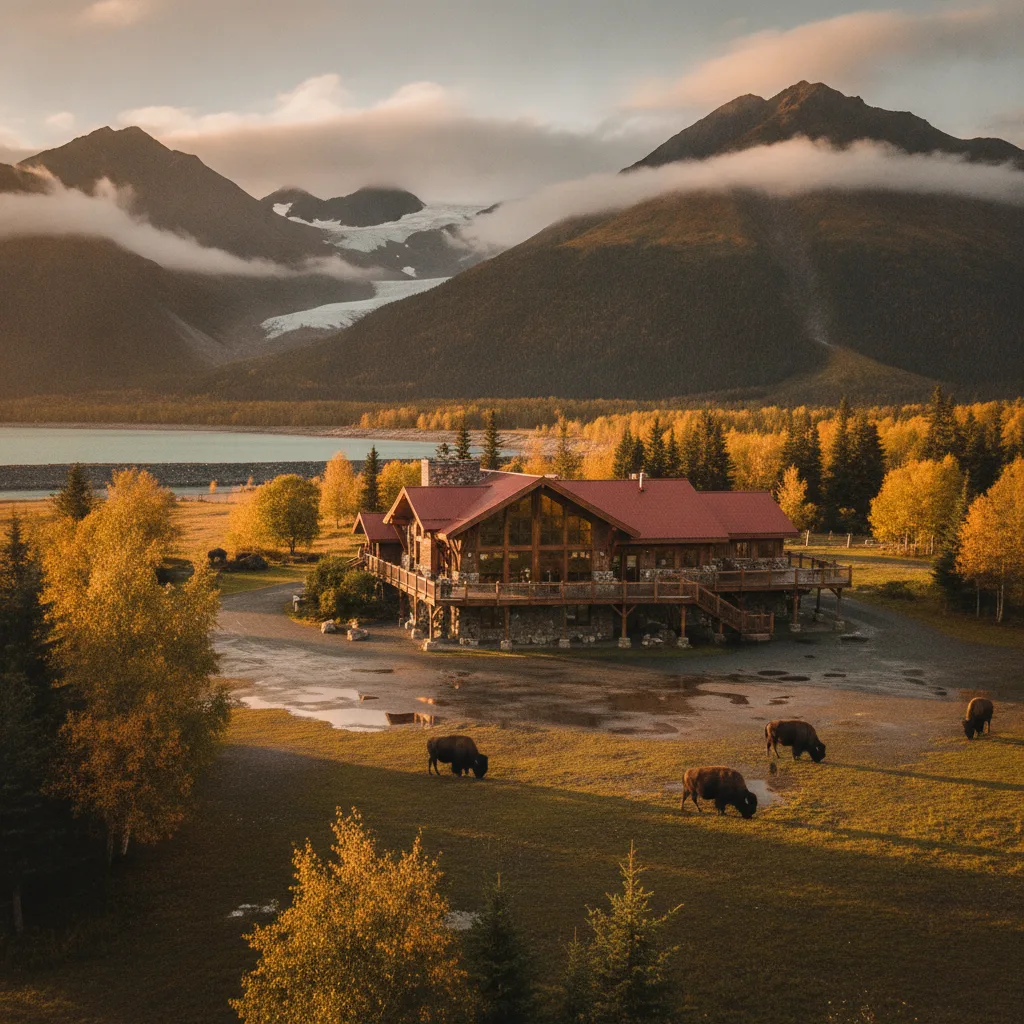
Our Alaska Wildlife Conservation Center guide covers practical planning for Alaska Wildlife Conservation Center Alaska — best time to visit, getting there, and what to do on the ground.
As independent US travel authorities, our team at Roam States can confidently say that the Alaska Wildlife Conservation Center (AWCC) stands out as a truly special destination. This isn't just another roadside attraction; it's a vital, 200-acre non-profit sanctuary dedicated to the rehabilitation and education of Alaska's iconic wildlife. Here, orphaned and injured animals find a permanent home, offering visitors an unparalleled opportunity to observe magnificent Alaskan creatures up close in spacious, naturalistic habitats. We've compiled this guide to ensure your visit is as informative and awe-inspiring as possible, focusing on all the essential details for planning your trip in 2026.
Why Visit Alaska Wildlife Conservation Center
There are countless reasons why we believe the Alaska Wildlife Conservation Center Alaska is a must-visit on any Alaskan itinerary. First and foremost, it's an ethical and educational experience. The AWCC provides a crucial safe haven for animals that cannot survive in the wild, whether due to injury, orphanhood, or being born in captivity. Your visit directly supports their conservation efforts, animal care, and educational programs, making it a meaningful stop that goes beyond mere sightseeing.
Beyond its noble mission, the sheer accessibility to Alaska's diverse wildlife is a major draw. Imagine seeing brown bears swimming, moose gracefully strutting, wood bison roaming, and muskox playing, all within a safe and expansive environment. We've found that the AWCC offers a unique chance to observe these animals displaying their natural behaviors, often closer than you might ever get in the wild. The stunning backdrop of the Chugach Mountain Range and Turnagain Arm Inlet only adds to the experience, creating a peaceful and scenic setting that truly embodies the Alaskan wilderness.
Who It's Best For
The Alaska Wildlife Conservation Center truly caters to a wide range of visitors, making it an ideal stop for nearly everyone exploring the Last Frontier. We find it's particularly well-suited for families with children, as the center provides a safe, engaging, and educational environment. Kids can marvel at the animals, learn about conservation, and enjoy picnic spots and stroller-friendly paths.
Animal lovers, photographers, and nature enthusiasts will also find themselves completely at home here. The spacious enclosures offer excellent visibility for capturing stunning wildlife photos, and the opportunity to witness a variety of Alaskan species, from majestic bears and towering moose to elusive wolves and unique muskoxen, is simply unforgettable. For those interested in the natural world, the interpretive signs and potential naturalist-led programs offer deep insights into animal adaptations and conservation efforts.
Even if you're on a tight schedule or prefer a more relaxed pace, the AWCC accommodates. You can drive the 1.5-mile loop and stop at various habitats, or take a leisurely walk. It's also an excellent option for those who might not have the time or ability to venture deep into more remote areas like Denali National Park & Preserve or Kenai Fjords National Park but still wish to experience Alaska's incredible fauna.
Getting There & Parking
Understanding how to get to Alaska Wildlife Conservation Center is straightforward, and the journey itself is part of the Alaskan adventure. The AWCC is conveniently located at Mile 79 of the scenic Seward Highway (AK Route 1), approximately 47 miles south of Anchorage. This puts it just before the turnoff for Portage Glacier Road and about 11 miles south of Girdwood.
If you're driving from Anchorage, expect a picturesque journey along the Turnagain Arm, often cited as one of Alaska's most beautiful stretches of road. Keep an eye out for beluga whales in the inlet and Dall sheep on the mountainsides. The drive typically takes about an hour, depending on traffic and how many scenic photo stops you make.
For those without a rental car, various tour operators offer shuttle services and guided day trips from Anchorage that include a stop at the AWCC. Options range from direct shuttles to more comprehensive tours that combine the center with other attractions like the Alyeska Resort tram or a Portage Glacier cruise.
Regarding parking, you'll be pleased to know that the Alaska Wildlife Conservation Center offers ample free parking on-site. The center's 1.5-mile loop, which provides access to all the animal habitats, is designed to be explored by foot, bike, or car, so you can park and walk or drive the loop at your leisure. If you opt for a rideshare service like Uber or Lyft, our team recommends arranging for your driver to wait for you, as dispatching a pick-up from Portage can be challenging.
Top Things to Do
When planning your visit, you'll find there are many exciting things to do at Alaska Wildlife Conservation Center. The primary experience revolves around exploring the 200-acre sanctuary and observing its resident animals. We recommend dedicating at least 2-3 hours to fully immerse yourselves.
- Self-Guided Tour of the 1.5-Mile Loop: This is the core of the AWCC experience. You can drive your vehicle, walk, or even bike along the scenic 1.5-mile loop that winds through the animal habitats. Interpretive signs at each enclosure provide fascinating details about the animals' stories, behaviors, and the center's conservation efforts. Expect to see a diverse array of Alaskan wildlife, including brown bears, moose, wood bison, muskox, wolves, lynx, caribou, and various raptors like bald eagles.
- Animal Encounters & Guided Tours: For a truly up-close and personal experience, consider booking one of the special animal encounters. These often include opportunities like feeding a moose, a bear encounter, or a "Walk on the Wild Side" tour where you might feed another animal with a naturalist guide. These specialized tours are popular and require advanced reservations, so we advise booking early, especially during peak season.
- Naturalist-Led Programs: Throughout the year, the AWCC offers various educational programs led by naturalists. These can range from guided walking tours, where you learn about animal adaptations and wildlife stewardship, to specific presentations like the Porcupine Presentation, offering a close look at an ambassador animal.
- Gift Shop & Dining: Don't forget to stop by the Be Wild Gift Shop for souvenirs that support the center's mission. During the summer months (May-September), an on-site food truck is available, offering options like reindeer hot dogs. We also suggest bringing your own snacks and water, especially if visiting during off-peak times.
- Photography: With stunning mountain views, alpine glaciers, and the Turnagain Arm as a backdrop, the AWCC offers incredible photographic opportunities. Bring a good camera or phone, and a zoom lens can be particularly helpful for capturing detailed shots of the animals.
Our team emphasizes that respecting the animals by not touching or feeding them is paramount for their well-being and your safety.
Best Time to Visit
The Alaska Wildlife Conservation Center is open year-round, and each season offers a unique experience. However, based on our experience and visitor feedback, we generally recommend visiting during the summer months for the most active wildlife viewing and the widest range of activities.
- Summer (May - September 15): This is arguably the best time to visit. The weather is milder, the animals are typically more active, and you might even witness "Baby Season," seeing the center's youngest residents. Hours are extended, from 8:30 AM to 7 PM daily, with last entry at 6 PM. Many special programs and tours are also more readily available during this period. Be prepared for potential crowds, and remember to bring bug spray and sunscreen due to the long daylight hours.
- Fall (September 16 - October): Fall brings cooler temperatures and the stunning beauty of changing foliage. Wildlife remains active, and the fewer crowds can make for a more serene experience. The center is open daily from 10 AM to 6 PM. Note that the AWCC will be closed on Saturday, October 3, 2026, for a fundraiser.
- Winter (November - February): A winter visit offers a magical, snow-covered landscape and a chance to observe animals in their winter coats and behaviors. The center operates on a reduced schedule during these months, typically Friday through Monday, with hours from 10 AM to 4 PM or 5 PM. Heavy winter clothing is essential, and traction cleats can be helpful if you plan to walk the loop as it may be snowy or icy.
- Spring (March - April): As the snow begins to melt, spring offers a transition period. Animals become more active, and the center is open daily from 10 AM to 6 PM. It's a great time to avoid peak summer crowds while still enjoying longer daylight hours.
Regardless of when you visit, we always advise checking the weather forecast for Portage, Alaska, and dressing in layers, as Alaskan weather can be unpredictable. A waterproof jacket and comfortable walking shoes are highly recommended year-round.
Where to Stay Nearby
While there is no Alaska Wildlife Conservation Center lodging directly on site, several excellent options are available in the surrounding area, particularly in the nearby community of Girdwood, which is just about 10 minutes north of the AWCC. Our team often recommends Girdwood as a base due to its amenities and proximity to other attractions.
Hotels and Resorts:
- Alyeska Resort: Located in Girdwood, the Hotel Alyeska is a premier destination offering luxurious accommodations, dining, and activities like the scenic aerial tram. It's an excellent choice for those seeking comfort and a full-service experience.
- Other Girdwood Accommodations: Girdwood also offers a variety of smaller hotels, lodges, and vacation rentals that cater to different budgets and preferences. Searching for "hotels in Girdwood Alaska" will yield numerous results.
Alaska Wildlife Conservation Center Camping Options:
For those who prefer to stay closer to nature, there are several camping options near the AWCC:
- Williwaw Campground: Nestled among glaciers in Portage Valley, this campground offers a serene camping experience and is a great option for RV travelers, even though the AWCC itself doesn't have RV facilities.
- Blueberry Lake Campground: Located on Thompson Pass, this campground boasts spectacular 360-degree mountain views and offers 21 sites near the lake. It provides vault toilets and a water pump.
- Palmer/Anchorage North KOA Journey: While a bit further north near Palmer, this KOA offers a convenient base for exploring the wider region, including the AWCC, and is open year-round with various amenities.
- Kenai National Wildlife Refuge: Further south on the Kenai Peninsula, the Kenai National Wildlife Refuge offers two campgrounds with varying amenities, from developed sites to primitive backcountry options. Reservations are recommended, especially during peak season.
Many campgrounds in the region support both tent and RV camping. We advise checking specific campground details for amenities like hookups, pet policies, and reservation requirements.
Sample 2-Day Itinerary
To help you make the most of your trip, our team has crafted a sample 2-day itinerary focusing on the Alaska Wildlife Conservation Center and the surrounding Portage Valley, a perfect complement to a broader Alaska adventure.
Day 1: Wildlife Immersion at AWCC & Portage Valley Exploration
- Morning (9:00 AM - 1:00 PM): Alaska Wildlife Conservation Center Alaska
Arrive early at the Alaska Wildlife Conservation Center to beat any potential crowds and enjoy the animals at their most active. Spend a leisurely 3-4 hours exploring the 1.5-mile loop. We recommend starting with a self-guided walk, allowing you to linger at habitats that capture your interest, such as the brown bear enclosure, the moose habitat, or the wood bison plains. Consider booking an early animal encounter (like a Moose Encounter or Walk on the Wild Side Tour) in advance to deepen your experience.
- Lunch (1:00 PM - 2:00 PM): Picnic or On-Site Food Truck
Enjoy a picnic lunch at one of the designated spots within the AWCC, or grab a bite from the on-site food truck during the summer months.
- Afternoon (2:00 PM - 5:00 PM): Portage Glacier & Begich Boggs Visitor Center
After your wildlife experience, head a few miles down Portage Glacier Road to the Begich Boggs Visitor Center. Here, you can learn about the area's geology and glaciers. Consider taking a one-hour narrated boat tour on Portage Lake to get up close to Portage Glacier itself.
- Evening: Dinner in Girdwood & Relaxation
Drive north to Girdwood for dinner. This charming ski town offers several excellent dining options. Afterwards, check into your chosen lodging in Girdwood or a nearby campground.
Day 2: Hiking, Glaciers & Coastal Exploration
- Morning (9:00 AM - 12:00 PM): Portage Valley Hiking
Start your day with a hike in Portage Valley. We suggest the easy 1.4-mile Byron Glacier Trail, which leads through a beautiful river valley to views of Byron Glacier. Alternatively, explore sections of the 5-mile Trail of Blue Ice, a gravel route with boardwalks connecting various glaciers and campgrounds.
- Lunch (12:00 PM - 1:00 PM): Packed Lunch or Girdwood
Enjoy a packed lunch amidst the scenic beauty of Portage Valley, or return to Girdwood for a casual meal.
- Afternoon (1:00 PM - 5:00 PM): Whittier & Prince William Sound
For an adventurous afternoon, drive through the Anton Anderson Memorial Tunnel (check tunnel schedule in advance) to the unique town of Whittier. From here, you can take a glacier and wildlife cruise into Prince William Sound, go kayaking, or explore the town's distinct character.
- Evening: Depart or Continue Your Alaska Journey
From Whittier or Girdwood, you can easily head back to Anchorage, or continue your journey south towards the Kenai Peninsula, perhaps exploring Kenai Fjords National Park.
Our team's expert verdict: This itinerary balances immersive wildlife viewing with stunning glacial landscapes and opportunities for outdoor activity, providing a comprehensive taste of the Portage Valley region around the Alaska Wildlife Conservation Center.
Last updated: 2026-07-05 by the Roam States team.