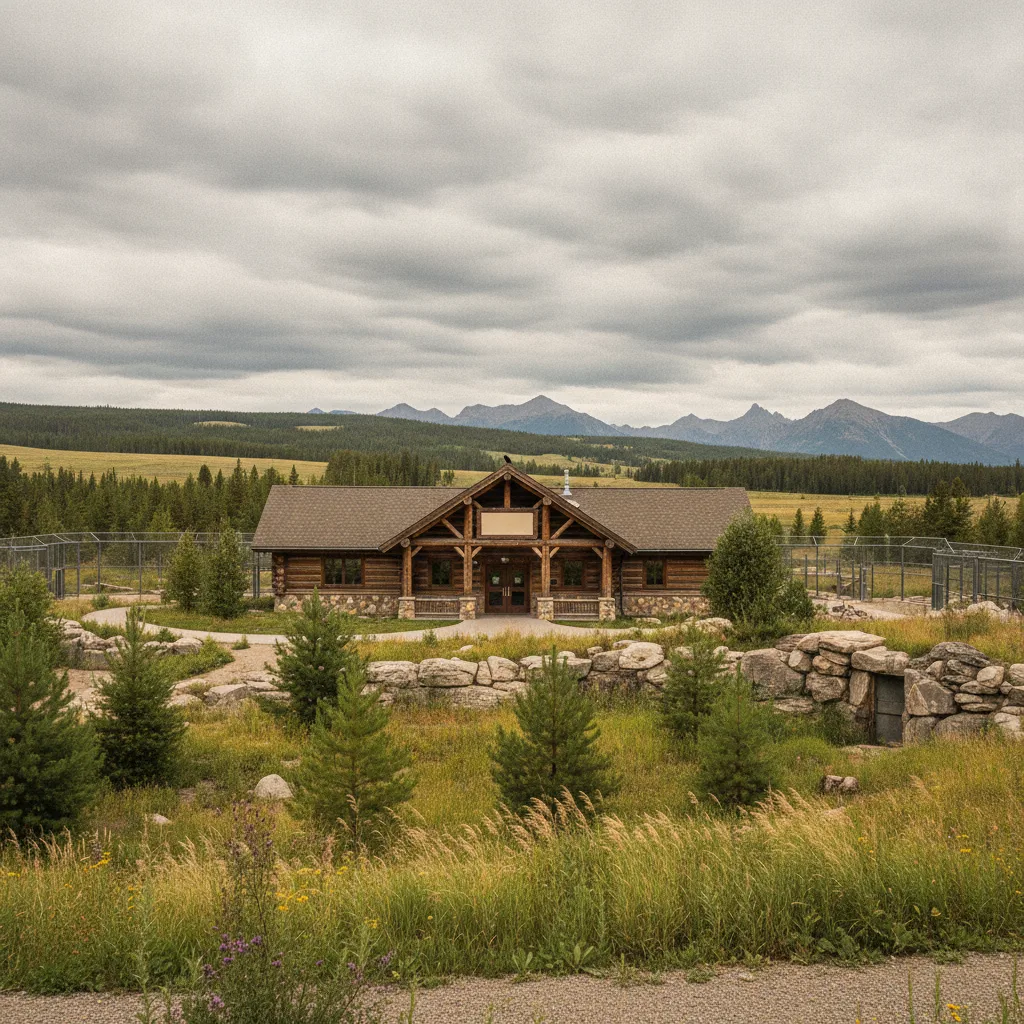
Grizzly & Wolf Discovery Center Travel Guide — Montana
For travelers seeking an authentic and educational wildlife experience near Yellowstone National Park, the Grizzly & Wolf Discovery Center Montana offers a unique opportunity. Our team at Roam States has compiled this comprehensive guide to help you plan your visit, ensuring you gain a deeper understanding of North America's iconic megafauna and the vital conservation efforts dedicated to their survival.
Why Visit Grizzly & Wolf Discovery Center
The Grizzly & Wolf Discovery Center (GWDC) is more than just a wildlife park; it's an AZA-accredited, not-for-profit educational facility committed to the welfare of its resident animals and the broader conservation of their wild counterparts. We consider it a crucial stop for anyone entering or leaving Yellowstone National Park, offering a unique perspective on the region's top predators.
The animals residing here—grizzly bears, gray wolves, river otters, and raptors—are all individuals who cannot survive in the wild for various reasons, often due to food-conditioned habituation to humans. At the GWDC, they serve as ambassadors, providing visitors with an invaluable opportunity to observe their natural behaviors up close and learn about the challenges these species face.
Beyond direct animal observation, the center plays a critical role in bear-human conflict prevention. It is the only facility approved by the Interagency Grizzly Bear Committee (IGBC) for testing bear-resistant food and garbage storage containers. This rigorous testing ensures that products available to consumers, parks, and municipalities are genuinely effective at keeping bears out of human food, a vital step in preventing conflicts that often lead to bears being euthanized or placed in captivity.
Who It's Best For
The Grizzly & Wolf Discovery Center caters to a broad audience, making it an excellent addition to nearly any Montana itinerary. We particularly recommend it for:
- Families with Children: Interactive exhibits, children's programs like "Keeper Kids," and the chance to see animals up close make it highly engaging for younger visitors. The educational focus is presented in an accessible and fun way.
- Wildlife Enthusiasts: For those passionate about North American megafauna, the GWDC provides unparalleled viewing opportunities and in-depth information about grizzly bears, wolves, and other predators of the Greater Yellowstone Ecosystem.
- Conservation-Minded Travelers: Visitors interested in learning about wildlife conservation, bear safety, and the importance of human-wildlife coexistence will find the center's mission and programs highly informative.
- Yellowstone Visitors: Located just one block from the west entrance of Yellowstone National Park, it serves as an ideal complement to a park visit, offering guaranteed sightings of animals that can be elusive in the wild.
- Year-Round Travelers: Unlike many seasonal attractions, the GWDC is open 365 days a year, including holidays, as the bears do not hibernate there. This makes it a perfect destination regardless of when you visit West Yellowstone.
Is It Worth Visiting?
Our team confidently asserts that the Grizzly & Wolf Discovery Center is worth visiting. It provides an educational and engaging experience that complements a trip to nearby Yellowstone National Park. The opportunity to observe grizzly bears and gray wolves, often difficult to spot in the wild, in a naturalistic setting is a significant draw.
The center's commitment to animal welfare, housing animals that cannot survive in the wild, and its unique role in bear-resistant product testing distinguish it from typical zoos. For those wondering, "is Grizzly & Wolf Discovery Center worth visiting?", we highlight its dual purpose: offering intimate wildlife viewing alongside critical conservation education. The admission, which is valid for two consecutive days, also allows for a relaxed and thorough exploration of all exhibits and programs.
Getting There & Parking
Understanding how to get to Grizzly & Wolf Discovery Center is straightforward, as it's conveniently located in West Yellowstone, Montana. The center's address is 201 South Canyon Street, just one block from the west entrance to Yellowstone National Park.
For those driving, we recommend using GPS to navigate to this address. West Yellowstone is easily accessible via US Highway 191 from Bozeman and US Highway 20 from Idaho. The drive from Big Sky, Montana, takes approximately 45 minutes via Highway 191.
When it comes to parking, visitors will be pleased to know that parking at the Grizzly & Wolf Discovery Center is free. This amenity simplifies your visit, allowing you to focus on the experience rather than searching for parking or incurring additional costs. No reservations are required for individual parking. For groups, however, it's advisable to contact the center's Group Tour Coordinator for any specific arrangements or guidance on how to get to Grizzly & Wolf Discovery Center with a large vehicle.
Top Things to Do
The Grizzly & Wolf Discovery Center offers a dynamic array of activities and exhibits designed for all ages. Our team recommends allocating ample time to fully experience all the things to do at Grizzly & Wolf Discovery Center. Here are some of the highlights:
- Observe Grizzly Bears: Spend time watching the resident grizzly bears forage, play, and interact in their spacious habitats. These bears, often "problem bears" from the wild, provide a powerful lesson in bear safety.
- Wolf Viewing at the Naturalist Cabin: Get exceptional views of two separate wolf packs from the comfort of the Naturalist Cabin. Floor-to-ceiling windows offer intimate glimpses into their complex social lives. Early morning and evening visitors may even witness active wolf howling.
- River Otter & Riparian Habitat: Come nose-to-nose with North American river otters in a dynamic exhibit that replicates their natural habitat with ponds, streams, and waterfalls. This multi-species building showcases connections within Yellowstone's native species.
- Bird-of-Prey Aviaries: Discover various raptor species native to the Yellowstone region in the live bird-of-prey exhibits.
- "BEARS: Imagination & Reality" Museum: Explore this interactive museum exhibit, produced by the Science Museum of Minnesota. It contrasts the bear of myth and folklore with the scientific understanding of bears, featuring taxidermic mounts and information on their habits.
- Keeper Kids Program: For children aged 5-12, this twice-daily program allows them to help animal keepers hide food in the bear habitats and learn about bear diets and care. There's a $5 participation fee per child, and sign-up is in person.
- Educational Programs and Ranger Talks: Throughout the day, naturalists host various presentations, including "Bear Basics" guided tours, "Bear Spray Demonstrations," "Wildlife Watching" tips, "Wolf Pack Chat," and "Raptor Rap." From June 15th through September 12th, 2026, Yellowstone National Park rangers host free "Fireside Chats" in the evening at the GWDC Amphitheater.
- Bear-Resistant Product Testing: Witness the fascinating process of the bears testing bear-resistant containers. This is an entertaining and educational demonstration of how products are certified to prevent bear-human conflicts.
These things to do at Grizzly & Wolf Discovery Center offer a rich and varied experience, combining entertainment with crucial educational insights into wildlife and conservation.
Grizzly & Wolf Discovery Center Hiking Trails
While the Grizzly & Wolf Discovery Center itself is a wildlife park with naturalistic habitats and walking paths for viewing animals, it does not feature extensive hiking trails in the traditional sense of wilderness treks. The focus within the center is on observing the resident animals and engaging with educational exhibits.
However, the prime location of the Grizzly & Wolf Discovery Center in West Yellowstone means that visitors have immediate access to a wealth of genuine hiking opportunities just outside its doors. West Yellowstone is bordered by the Gallatin National Forest and is the west entrance to Yellowstone National Park, both offering thousands of miles of trails.
For those seeking Grizzly & Wolf Discovery Center hiking trails in the broader sense of the region, we highly recommend exploring the nearby areas. Options include the Rendezvous Trail, which opens to hikers and bikers in summer, or the Riverside Trail, leading into Yellowstone National Park and along the Madison River. The pet-friendly Boundary Trail also runs along the park's edge. Within Yellowstone National Park itself, over 1,000 miles of trails await, ranging from easy strolls to rugged backcountry adventures. Always be bear aware when hiking in this region and carry bear spray.
Best Time to Visit
The Grizzly & Wolf Discovery Center is open year-round, making it accessible regardless of the season. However, the best time to visit often depends on your overall travel plans and preferences for crowds and weather.
- Summer (June-August): This is peak tourist season in West Yellowstone due to its proximity to Yellowstone National Park. The weather is warm, and all programs are typically running. Expect larger crowds, especially in July and August. However, the center's admission is valid for two consecutive days, allowing you to spread out your visit.
- Spring (May) and Fall (September-October): These shoulder seasons offer a fantastic balance. Crowds are generally lighter than in summer, and the weather can still be pleasant. Wildlife activity in the surrounding areas, including Yellowstone, is often high in spring with new births and in fall during the elk rut. September, in particular, combines active wildlife with fewer crowds in Yellowstone.
- Winter (November-April): West Yellowstone transforms into a winter wonderland, and the GWDC remains open. While many roads in Yellowstone National Park close to wheeled vehicles, the center offers a warm, indoor-outdoor experience. It's a quieter time to visit, and the animals are often very active in the snow.
For specific program schedules, which can vary daily, we advise checking at the admissions desk upon arrival.
Where to Stay Nearby
As the Grizzly & Wolf Discovery Center is located in West Yellowstone, Montana, the town itself offers numerous lodging options. We recommend staying in West Yellowstone for its convenience, especially if you plan to visit Yellowstone National Park's west entrance.
You'll find a range of accommodations, from hotels and motels to cabins and RV parks. Some popular choices include Kelly Inn West Yellowstone, Gray Wolf Inn & Suites, and The Hibernation Station. For a more upscale experience, consider the Starlite Yellowstone, Tapestry Collection by Hilton.
Staying in West Yellowstone allows you to walk to many attractions, including the GWDC, local shops, restaurants, and the Yellowstone IMAX Theatre.
For those looking to explore more of Montana, West Yellowstone also serves as a great base for day trips to destinations like Big Sky Resort, about 45 minutes north, or even a scenic drive along the Beartooth Highway (seasonal access). For a broader Montana adventure, explore our guide to Best places in Montana.
Grizzly & Wolf Discovery Center Camping
While there's no Grizzly & Wolf Discovery Center camping directly on-site, the town of West Yellowstone and its surrounding areas are a prime destination for RV and tent campers, offering numerous options just a short distance from the center. This makes Grizzly & Wolf Discovery Center camping easily integrated into a broader outdoor adventure.
For full hookups and proximity to town amenities, we suggest commercial RV parks in West Yellowstone such as Yellowstone Grizzly RV Park and Cabins, Wagon Wheel RV Campground, and Buffalo Crossing RV Park. These are often within walking distance of the GWDC and the Yellowstone National Park west entrance. Yellowstone Grizzly RV Park, for instance, is less than half a mile from the west entrance and offers full hookups, laundry, showers, and Wi-Fi.
If you prefer a quieter setting with some amenities, U.S. Forest Service campgrounds around Hebgen Lake, a few miles north of West Yellowstone, provide water and electric access. Options include Bakers Hole, Rainbow Point, Lonesomehurst, and Cherry Creek.
Inside Yellowstone National Park, the Madison Campground is the closest option to the west entrance, about 14 miles in. However, it offers no electric, water, or sewer hookups, though a dump station is available. Reservations are required for Madison Campground.
For those seeking a more rustic experience, dispersed camping is permitted in the surrounding Custer Gallatin National Forest, though strict food storage rules apply in bear country. Tent camping options near West Yellowstone also include primitive sites like Targhee Creek and Upper Cherry Creek.
Remember that live-bear testing at the GWDC is generally conducted between April 1 and September 30 each year, which aligns well with the typical camping season.
Sample 2-Day Itinerary
Our team has crafted a sample 2-day itinerary to help you make the most of your visit to the Grizzly & Wolf Discovery Center and the surrounding West Yellowstone area.
Day 1: Wildlife Immersion at the GWDC
- Morning (9:00 AM - 1:00 PM): Arrive at the Grizzly & Wolf Discovery Center. Begin by observing the grizzly bears and wolves in their habitats. Attend a "Bear Basics" or "Wolf Pack Chat" program to learn more about these animals.
- Lunch (1:00 PM - 2:00 PM): Enjoy a picnic at the center's picnic tables or grab a bite at one of West Yellowstone's many local eateries.
- Afternoon (2:00 PM - 5:00 PM): Explore the River Otter & Riparian Habitat, the Bird-of-Prey aviaries, and the "BEARS: Imagination & Reality" museum. If traveling with children, participate in the "Keeper Kids" program.
- Late Afternoon/Evening (5:00 PM onwards): Use your two-day admission to revisit a favorite exhibit or attend a "Bear Spray Demonstration." Afterwards, explore West Yellowstone's shops or enjoy dinner.
Day 2: Yellowstone Exploration & Local Culture
- Morning (8:00 AM - 1:00 PM): Head into Yellowstone National Park via the West Entrance, just a block from the GWDC. Focus on the park's western and southern loops, visiting iconic geothermal features like Old Faithful or Grand Prismatic Spring.
- Lunch (1:00 PM - 2:00 PM): Pack a picnic for the park or enjoy a meal at one of Yellowstone's lodges.
- Afternoon (2:00 PM - 5:00 PM): Continue exploring Yellowstone, perhaps taking a short, easy hike on one of the many trails accessible from the West Entrance, such as the Riverside Trail. Alternatively, explore the National Park Service website for trail options.
- Evening (5:00 PM onwards): Return to West Yellowstone. Consider catching a show at the Playmill Theatre or experiencing a film at the Yellowstone Giant Screen Theatre. From June 15th to September 12th, 2026, you could attend a free Yellowstone Park Ranger "Fireside Chat" at the GWDC Amphitheater.
This itinerary provides a balanced blend of wildlife education, natural wonders, and local entertainment, ensuring a memorable trip to the Grizzly & Wolf Discovery Center Montana and its vibrant surroundings.
Last updated: 2026-07-13 by the Roam States team.