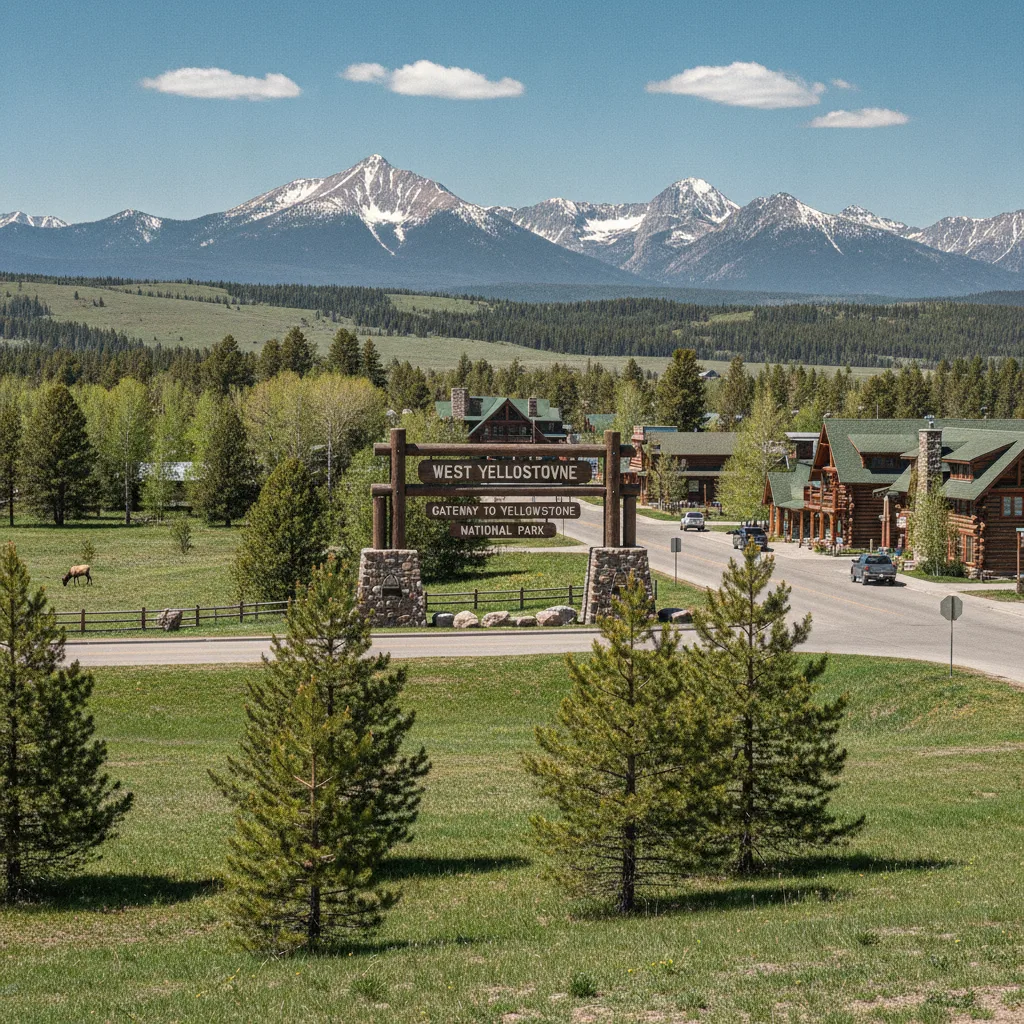
Welcome to our comprehensive guide for exploring West Yellowstone Montana, the vibrant western gateway to Yellowstone National Park. As independent US travel authorities, our team has curated this guide to help you navigate the best of this iconic Montana town and its surrounding natural wonders. We cut through the noise to bring you the specific, actionable insights you need for an unforgettable trip, whether you're seeking adventure, wildlife, or simply a breathtaking escape into the American West.
Why Visit West Yellowstone
For many, West Yellowstone serves as the quintessential entry point to the world's first national park, and for good reason. This bustling town, nestled right at the western edge of Yellowstone National Park, offers unparalleled access to some of the park's most famous geysers, hot springs, and wildlife viewing areas. But to ask "is West Yellowstone worth visiting" solely for its proximity to the park misses a significant part of its appeal. We believe it absolutely is worth visiting, not just as a base, but as a destination in its own right. Beyond the park gates, West Yellowstone pulses with its own unique energy, offering a wide array of activities, dining, and lodging options that cater to every type of traveler. From world-class fly-fishing on the Madison River to exhilarating snowmobiling in winter, the town itself is a hub of outdoor adventure. It’s a place where the spirit of the Old West meets modern convenience, making it an ideal choice for those looking to immerse themselves in the Montana wilderness while still enjoying comfortable amenities.
The strategic location of West Yellowstone Montana means less travel time to iconic park features like Old Faithful and Grand Prismatic Spring, allowing you to maximize your exploration within Yellowstone. Furthermore, the town's infrastructure is built around supporting park visitors, meaning you'll find ample services, gear rentals, and expert guides readily available. We find that the blend of immediate park access and robust local offerings truly makes West Yellowstone a standout choice for any Montana adventure.
Who It's Best For
West Yellowstone is remarkably versatile, making it an excellent destination for a diverse range of travelers. It’s undeniably perfect for **first-time visitors to Yellowstone National Park** who want convenient access to the park's main attractions without the hassle of long drives. Families with children will appreciate the abundance of kid-friendly activities both in town and within the park, from wildlife viewing to interactive museums. Adventure seekers will find their paradise here, with endless opportunities for hiking, mountain biking, fishing, whitewater rafting, and in winter, snowmobiling and cross-country skiing.
Wildlife enthusiasts will be in their element, as the areas accessible from the West Entrance are prime for spotting bison, elk, and even bears. Photographers will revel in the dramatic landscapes and geothermal features. Even those seeking a more relaxed pace will find charm in the town's shops, local eateries, and the sheer beauty of the surrounding Gallatin National Forest. While it can be busy during peak season, we find that West Yellowstone caters effectively to both those who thrive in a lively atmosphere and those who can use it as a springboard to quieter, more secluded natural experiences. It’s also an excellent base for exploring other parts of Montana, including the nearby Big Sky Resort and the wider Best places in Montana.
Getting There & Parking
Understanding how to get to West Yellowstone is crucial for a smooth trip. The town is primarily accessed by road, with several scenic routes leading to its doorstep. Most visitors arrive via US Highway 191 from the north (Bozeman), US Highway 20 from the west (Idaho Falls), or US Highway 287 from the south. The closest major airport is Bozeman Yellowstone International Airport (BZN), located approximately 90 miles north. From BZN, you can rent a car and enjoy a picturesque drive south through the Gallatin Canyon to West Yellowstone. Idaho Falls Regional Airport (IDA) is another option, about 108 miles to the southwest.
Once you arrive, parking in West Yellowstone is generally manageable, though it can get busy during the peak summer months (June-August). Many hotels and motels offer complimentary on-site parking for their guests. For day visitors, there are public parking lots available throughout the town, particularly near the main attractions and the West Entrance to Yellowstone National Park. We recommend arriving early, especially if you plan to enter the park, to secure a good spot. Yellowstone National Park itself has numerous parking areas at trailheads and attractions, but these fill up quickly during peak hours. Be prepared for potential congestion and consider utilizing shuttle services within the park if available for specific areas. There are no specific reservations required for general park entry in 2026, but always check the official Yellowstone National Park website for any updates on road closures or temporary restrictions before your visit.
For those wondering how to get to West Yellowstone without a personal vehicle, shuttle services from Bozeman are available, particularly during the peak summer season. These services can transport you directly to your accommodation in West Yellowstone, though having your own car offers the most flexibility for exploring both the town and the park.
Top Things to Do
When it comes to things to do in West Yellowstone, the options are as vast as the Montana sky. While its primary draw is undoubtedly the proximity to Yellowstone National Park, the town itself offers a wealth of activities. Our team has spent considerable time exploring, and we're confident in recommending these highlights.
Explore Yellowstone National Park's West Entrance
This is, without question, the main event. The West Entrance provides direct access to some of Yellowstone's most iconic features. Within a short drive, you can witness the awe-inspiring eruption of Old Faithful, marvel at the vibrant colors of Grand Prismatic Spring, and explore the Upper, Midway, and Lower Geyser Basins. We advise getting an early start to beat the crowds and maximize your wildlife viewing opportunities. The park entrance fee for a private vehicle in 2026 is $35, valid for seven days for both Yellowstone and Grand Teton National Parks. The park is open 24 hours a day, year-round, but some roads and services close seasonally. For current road conditions and any potential reservation requirements for specific areas (which are not currently in effect for general entry in 2026), always check the official Yellowstone National Park website.
Grizzly & Wolf Discovery Center
A must-visit, especially if you're visiting West Yellowstone with kids, this AZA-accredited wildlife sanctuary provides a unique opportunity to observe grizzly bears, wolves, otters, and raptors up close in naturalistic habitats. These animals are unable to survive in the wild. It’s an educational and engaging experience that offers insight into the region's magnificent wildlife. The center is open daily from 8:30 AM to 7:00 PM during peak summer (mid-May to September) and 8:30 AM to 4:30 PM in the shoulder and winter seasons in 2026. Admission for adults is $18.00, seniors $17.00, and children (5-12) $13.00, with children under 4 free.
Museum of the Yellowstone
Delve into the rich history of Yellowstone National Park and the surrounding region at this informative museum. Exhibits cover everything from the early days of exploration and the park's establishment to the impact of the 1988 fires. It's a fantastic way to gain context for your park visit. The museum is typically open from late May to late September, with hours usually from 9:00 AM to 5:00 PM daily in 2026. General admission is $8.00, with discounts for seniors and children.
Yellowstone IMAX Theatre
For an immersive cinematic experience, catch a film at the Yellowstone IMAX Theatre. The giant screen brings the park's stunning landscapes and wildlife to life, offering a different perspective on its wonders. It's a great option for an evening activity or a break from the elements. Showtimes vary, but they typically run multiple shows daily, especially during the summer. We recommend checking their schedule upon arrival. Ticket prices are usually around $15-18 for adults.
Outdoor Adventures Beyond the Park
The things to do at West Yellowstone extend far beyond the park gates. The surrounding Gallatin National Forest offers endless opportunities for hiking, mountain biking, and horseback riding. The Madison River, just outside of town, is renowned for its world-class fly-fishing. Numerous outfitters in West Yellowstone can arrange guided fishing trips, whitewater rafting excursions on the Gallatin River, or even ATV and UTV rentals for exploring designated trails. In winter, West Yellowstone transforms into a snowmobiling mecca, with hundreds of miles of groomed trails both inside and outside the park. You can rent snowmobiles and take guided tours to explore the winter wonderland. We highly recommend exploring these local offerings to fully appreciate the region's diverse recreational landscape.
Best Time to Visit
The best time to visit West Yellowstone largely depends on what kind of experience you're seeking. Each season offers a distinct charm:
- Summer (June-August): This is peak season, and for good reason. All park roads are typically open, and the weather is generally warm and sunny, ideal for hiking, wildlife viewing, and exploring. However, it's also the busiest time, meaning larger crowds, higher prices for accommodations, and more competition for parking. If you visit during summer, we recommend booking everything well in advance and starting your park excursions early in the morning.
- Spring (April-May): A shoulder season that offers a quieter experience. Wildlife is abundant as animals emerge from winter, and the landscape begins to green. Many park roads start to open in late April and May, but some higher elevation areas may still be snow-covered. Be prepared for variable weather, including potential snow. This is a great time for photography and fewer crowds.
- Fall (September-October): Another fantastic shoulder season. The crowds thin out, the aspen trees turn brilliant gold, and the elk rut (mating season) provides incredible wildlife viewing opportunities. The weather is crisp and pleasant, though snow can begin to fall in late October. Most park roads remain open until early November. It’s one of our favorite times to visit for photography and a more serene experience.
- Winter (November-March): West Yellowstone truly shines as a winter wonderland. While most park roads are closed to vehicular traffic (except the road from Gardiner to Cooke City), the West Entrance becomes a hub for snowmobiling and cross-country skiing into the park. The town itself is a major snowmobiling destination, with hundreds of miles of groomed trails. Wildlife viewing can be excellent against the snowy backdrop. This season offers a unique and peaceful perspective of Yellowstone, though you'll need to be prepared for cold temperatures and specialized winter gear.
Ultimately, there's no single "best" time, but understanding these seasonal differences will help you plan your ideal trip to West Yellowstone Montana.
Where to Stay Nearby
West Yellowstone offers a wide range of accommodation options, from rustic cabins to modern hotels, catering to various budgets and preferences. Because of its popularity as a gateway town, we always recommend booking your lodging well in advance, especially for summer and winter peak seasons.
- Hotels & Motels: You'll find numerous national chain hotels and independent motels directly in West Yellowstone. These offer convenience, amenities like pools and complimentary breakfast, and easy access to town attractions and the park entrance. Popular options include the Yellowstone Park Hotel, Holiday Inn West Yellowstone, and various Best Western properties.
- Cabins & Vacation Rentals: For those seeking a more private or home-like experience, many cabins and vacation rentals are available in and around West Yellowstone. These often come with kitchens, making them ideal for families or longer stays.
- Campgrounds & RV Parks: If you prefer camping, there are several private campgrounds and RV parks in West Yellowstone, offering full hookups and amenities. Additionally, within Yellowstone National Park itself, there are numerous campgrounds (reservations are highly recommended and often required months in advance).
- Lodging Inside Yellowstone National Park: For an immersive experience, consider staying at one of the nine lodges within Yellowstone National Park. These book up incredibly fast, often a year or more in advance. The closest to the West Entrance would be Old Faithful Inn, Old Faithful Lodge Cabins, and Old Faithful Snow Lodge.
While West Yellowstone provides excellent lodging, you might also consider staying slightly further afield if you're looking for different vibes. For example, the luxurious Big Sky Resort is about an hour's drive north and offers high-end accommodations and additional recreational activities, particularly for skiing in winter.
Sample 2-Day Itinerary
To help you make the most of your visit to West Yellowstone Montana, our team has crafted a sample 2-day itinerary focusing on key highlights. This assumes you're visiting during the summer or early fall when all park roads are open.
Day 1: Geysers, Hot Springs, and Iconic Views
- Morning (Early Start!): Enter Yellowstone National Park via the West Entrance. Head directly to the Upper Geyser Basin to witness the eruption of Old Faithful. Check the predicted eruption times at the Visitor Center upon arrival. Spend time exploring the boardwalks around Old Faithful, including Grand Geyser and Castle Geyser.
- Late Morning/Lunch: Drive north to the Midway Geyser Basin to marvel at the vibrant colors of Grand Prismatic Spring and the Excelsior Geyser Crater. Pack a picnic lunch to enjoy at one of the designated picnic areas within the park, or grab a quick bite at the Old Faithful General Store.
- Afternoon: Continue exploring the Lower Geyser Basin, including Fountain Paint Pot and the Firehole Lake Drive (if open). Keep an eye out for bison and elk grazing in the meadows.
- Evening: Exit the park and return to West Yellowstone. Enjoy dinner at a local restaurant. Consider a visit to the Yellowstone IMAX Theatre for an entertaining and educational film about the park.
Day 2: Wildlife, History, and Local Charm
- Morning: Start your day with a visit to the Grizzly & Wolf Discovery Center in West Yellowstone. This provides an excellent opportunity to see local wildlife up close and learn about conservation efforts.
- Late Morning: Immerse yourself in the region's past at the Museum of the Yellowstone, gaining a deeper appreciation for the park's history and the town's development.
- Afternoon: Choose your adventure! Depending on your interests, you could:
- Go fly-fishing on the Madison River with a local guide.
- Rent mountain bikes and explore trails in the surrounding Gallatin National Forest.
- Take a scenic drive north on US-191 towards Big Sky, enjoying the views of the Gallatin River.
- Browse the unique shops and art galleries in downtown West Yellowstone.
- Evening: Enjoy a final dinner in West Yellowstone, perhaps trying some local Montana cuisine. Reflect on your incredible journey through this corner of the American West.
This itinerary can be easily adapted for winter visits, focusing on snowmobiling, cross-country skiing, and exploring the town's winter activities. Remember to check current conditions and opening hours for all attractions.
FAQ
West Yellowstone tips
Our top tips for visiting West Yellowstone include booking accommodations and any guided tours well in advance, especially for peak season. Arrive at Yellowstone National Park's West Entrance early in the morning to beat the crowds and increase your chances of spotting wildlife. Always carry bear spray when hiking, stay at least 100 yards from bears and wolves, and 25 yards from all other wildlife. Bring layers of clothing, as weather can change rapidly, and stay hydrated. Finally, respect park rules and leave no trace.
West Yellowstone parking
Parking in West Yellowstone is generally available, with many hotels offering guest parking. Public parking lots are located throughout the town, particularly near main attractions and the Yellowstone National Park West Entrance. Inside the park, parking lots at popular geysers and viewpoints fill up quickly during peak hours, so plan to arrive early or be prepared to wait for a spot. There are no specific parking reservations required for general park entry in 2026.
best time to visit West Yellowstone
The best time to visit West Yellowstone depends on your preferences. Summer (June-August) offers warm weather and full access but comes with large crowds. Spring (April-May) and Fall (September-October) are shoulder seasons with fewer crowds, abundant wildlife, and beautiful scenery, though weather can be variable. Winter (November-March) transforms the area into a snowmobiling and cross-country skiing paradise, offering a unique, serene experience of Yellowstone. We believe fall offers a fantastic balance of good weather, fewer people, and excellent wildlife viewing.
West Yellowstone hours and fees
Yellowstone National Park's West Entrance is generally open 24 hours, year-round, though some roads and services close seasonally. The park entrance fee for a private vehicle in 2026 is $35, valid for seven days. The Grizzly & Wolf Discovery Center is open daily from 8:30 AM to 7:00 PM in summer and 8:30 AM to 4:30 PM in shoulder/winter seasons in 2026, with adult admission at $18.00. The Museum of the Yellowstone is typically open late May to late September, 9:00 AM to 5:00 PM daily in 2026, with adult admission around $8.00. Always check specific attraction websites for the most current 2026 hours and fees before your visit.
West Yellowstone itinerary
A typical 2-day West Yellowstone itinerary might include: Day 1: Early entry to Yellowstone National Park via the West Entrance, visiting Old Faithful, Grand Prismatic Spring, and other geyser basins. Day 2: Explore West Yellowstone town with visits to the Grizzly & Wolf Discovery Center and the Museum of the Yellowstone, followed by an afternoon of outdoor activities like fishing, hiking, or shopping. Adjust based on your interests and the season.
West Yellowstone travel guide
This West Yellowstone travel guide, curated by our Roam States team, provides comprehensive information for planning your trip. We cover why to visit, who it's best for, how to get there and parking, top things to do (including Yellowstone National Park, Grizzly & Wolf Discovery Center, Museum of the Yellowstone, and outdoor adventures), the best time to visit, where to stay, and a sample 2-day itinerary. We also provide essential tips and 2026 facts on hours, fees, and operations to ensure a smooth and memorable experience in West Yellowstone Montana.
Our expert verdict is clear: West Yellowstone Montana offers an unparalleled blend of direct access to Yellowstone's wonders and a vibrant, adventure-filled town experience. It's an essential stop for anyone exploring the American West, providing a perfect base for creating lasting memories. We encourage you to dive in, explore, and let this incredible destination capture your imagination.
Last updated: 2026-07-05 by the Roam States team.
Welcome to our comprehensive guide for exploring West Yellowstone Montana, the vibrant western gateway to Yellowstone National Park. As independent US travel authorities, our team has curated this guide to help you navigate the best of this iconic Montana town and its surrounding natural wonders. We cut through the noise to bring you the specific, actionable insights you need for an unforgettable trip, whether you're seeking adventure, wildlife, or simply a breathtaking escape into the American West.
Why Visit West Yellowstone
For many, West Yellowstone serves as the quintessential entry point to the world's first national park, and for good reason. This bustling town, nestled right at the western edge of Yellowstone National Park, offers unparalleled access to some of the park's most famous geysers, hot springs, and wildlife viewing areas. But to ask "is West Yellowstone worth visiting" solely for its proximity to the park misses a significant part of its appeal. We believe it absolutely is worth visiting, not just as a base, but as a destination in its own right. Beyond the park gates, West Yellowstone pulses with its own unique energy, offering a wide array of activities, dining, and lodging options that cater to every type of traveler. From world-class fly-fishing on the Madison River to exhilarating snowmobiling in winter, the town itself is a hub of outdoor adventure. It’s a place where the spirit of the Old West meets modern convenience, making it an ideal choice for those looking to immerse themselves in the Montana wilderness while still enjoying comfortable amenities.
The strategic location of West Yellowstone Montana means less travel time to iconic park features like Old Faithful and Grand Prismatic Spring, allowing you to maximize your exploration within Yellowstone. Furthermore, the town's infrastructure is built around supporting park visitors, meaning you'll find ample services, gear rentals, and expert guides readily available. We find that the blend of immediate park access and robust local offerings truly makes West Yellowstone a standout choice for any Montana adventure.
Who It's Best For
West Yellowstone is remarkably versatile, making it an excellent destination for a diverse range of travelers. It’s undeniably perfect for **first-time visitors to Yellowstone National Park** who want convenient access to the park's main attractions without the hassle of long drives. Families with children will appreciate the abundance of kid-friendly activities both in town and within the park, from wildlife viewing to interactive museums. Adventure seekers will find their paradise here, with endless opportunities for hiking, mountain biking, fishing, whitewater rafting, and in winter, snowmobiling and cross-country skiing.
Wildlife enthusiasts will be in their element, as the areas accessible from the West Entrance are prime for spotting bison, elk, and even bears. Photographers will revel in the dramatic landscapes and geothermal features. Even those seeking a more relaxed pace will find charm in the town's shops, local eateries, and the sheer beauty of the surrounding Gallatin National Forest. While it can be busy during peak season, we find that West Yellowstone caters effectively to both those who thrive in a lively atmosphere and those who can use it as a springboard to quieter, more secluded natural experiences. It’s also an excellent base for exploring other parts of Montana, including the nearby Big Sky Resort and the wider Best places in Montana.
Getting There & Parking
Understanding how to get to West Yellowstone is crucial for a smooth trip. The town is primarily accessed by road, with several scenic routes leading to its doorstep. Most visitors arrive via US Highway 191 from the north (Bozeman), US Highway 20 from the west (Idaho Falls), or US Highway 287 from the south. The closest major airport is Bozeman Yellowstone International Airport (BZN), located approximately 90 miles north. From BZN, you can rent a car and enjoy a picturesque drive south through the Gallatin Canyon to West Yellowstone. Idaho Falls Regional Airport (IDA) is another option, about 108 miles to the southwest.
Once you arrive, parking in West Yellowstone is generally manageable, though it can get busy during the peak summer months (June-August). Many hotels and motels offer complimentary on-site parking for their guests. For day visitors, there are public parking lots available throughout the town, particularly near the main attractions and the West Entrance to Yellowstone National Park. We recommend arriving early, especially if you plan to enter the park, to secure a good spot. Yellowstone National Park itself has numerous parking areas at trailheads and attractions, but these fill up quickly during peak hours. Be prepared for potential congestion and consider utilizing shuttle services within the park if available for specific areas. There are no specific reservations required for general park entry in 2026, but always check the official Yellowstone National Park website for any updates on road closures or temporary restrictions before your visit.
For those wondering how to get to West Yellowstone without a personal vehicle, shuttle services from Bozeman are available, particularly during the peak summer season. These services can transport you directly to your accommodation in West Yellowstone, though having your own car offers the most flexibility for exploring both the town and the park. Note that construction on US Highway 191 near West Yellowstone is expected to start in mid-July 2026 and last for approximately one month, which may cause temporary parking restrictions and lane closures.
Top Things to Do
When it comes to things to do in West Yellowstone, the options are as vast as the Montana sky. While its primary draw is undoubtedly the proximity to Yellowstone National Park, the town itself offers a wealth of activities. Our team has spent considerable time exploring, and we're confident in recommending these highlights.
Explore Yellowstone National Park's West Entrance
This is, without question, the main event. The West Entrance provides direct access to some of Yellowstone's most iconic features. Within a short drive, you can witness the awe-inspiring eruption of Old Faithful, marvel at the vibrant colors of Grand Prismatic Spring, and explore the Upper, Midway, and Lower Geyser Basins. We advise getting an early start to beat the crowds and maximize your wildlife viewing opportunities. The park entrance fee for a private vehicle in 2026 is $35.00, valid for seven days for both Yellowstone and Grand Teton National Parks. Non-US residents aged 16 and older will pay an additional $100 surcharge per person for entry to Yellowstone National Park, unless admitted with an Annual or America the Beautiful Pass. The West Entrance typically opens on the third Friday in April. Once open for the season, the park gates remain open around the clock. For current road conditions and any potential reservation requirements for specific areas (which are not currently in effect for general entry in 2026), always check the official Yellowstone National Park website.
Grizzly & Wolf Discovery Center
A must-visit, especially if you're visiting West Yellowstone with kids, this AZA-accredited wildlife sanctuary provides a unique opportunity to observe grizzly bears, wolves, otters, and raptors up close in naturalistic habitats. These animals are unable to survive in the wild. It’s an educational and engaging experience that offers insight into the region's magnificent wildlife. The center is open every day of the year, including holidays, as the bears do not hibernate. Admission is good for two consecutive days. During peak summer, the hours are typically 8:30 AM to 7:00 PM, with the last entry at 6:30 PM. In shoulder and winter seasons, hours are generally 8:30 AM to 4:30 PM. Admission for adults (13 years and older) is $16.50, seniors (age 62 and up) are $15.50, and children (5-12 years) are $11.50, with children under 5 free. From June 15th through September 12th, 2026, Yellowstone National Park rangers will host free evening programs at the GWDC Amphitheater from 7:00–7:45 PM.
Museum of the Yellowstone
Delve into the rich history of Yellowstone National Park and the surrounding region at this informative museum. Exhibits cover everything from the early days of exploration and the park's establishment to the impact of the 1988 fires. It's a fantastic way to gain context for your park visit. The museum is open for the 2026 season from 8:00 AM to 8:00 PM daily. Admission for adults is $10.00, seniors and military are $9.00, and children 0-17 are free. Admission is good for two consecutive days.
Yellowstone IMAX Theatre
For an immersive cinematic experience, catch a film at the Yellowstone IMAX Theatre. The giant, six-story high screen with over 12,000 watts of digital surround sound brings the park's stunning landscapes and wildlife to life, offering a different perspective on its wonders. It's a great option for an evening activity or a break from the elements. The theater is open seven days a week from 10:15 AM until 8:00 PM. Ticket prices for the feature film "Yellowstone" are $10.75 for adults and $8.00 for children.
Outdoor Adventures Beyond the Park
The things to do at West Yellowstone extend far beyond the park gates. The surrounding Gallatin National Forest offers endless opportunities for hiking, mountain biking, and horseback riding. The Madison River, just outside of town, is renowned for its world-class fly-fishing. Numerous outfitters in West Yellowstone can arrange guided fishing trips, whitewater rafting excursions on the Gallatin River, or even ATV and UTV rentals for exploring designated trails. In winter, West Yellowstone transforms into a snowmobiling mecca, with hundreds of miles of groomed trails both inside and outside the park. You can rent snowmobiles and take guided tours to explore the winter wonderland. We highly recommend exploring these local offerings to fully appreciate the region's diverse recreational landscape.
Best Time to Visit
The best time to visit West Yellowstone largely depends on what kind of experience you're seeking. Each season offers a distinct charm:
- Summer (June-August): This is peak season, and for good reason. All park roads are typically open by early June, and the weather is generally warm and sunny, ideal for hiking, wildlife viewing, and exploring. However, it's also the busiest time, meaning larger crowds, higher prices for accommodations, and more competition for parking. If you visit during summer, we recommend booking everything well in advance and starting your park excursions early in the morning.
- Spring (April-May): A shoulder season that offers a quieter experience. Wildlife is abundant as animals emerge from winter, and the landscape begins to green. Many park roads start to open in late April and May, but some higher elevation areas may still be snow-covered. Be prepared for variable weather, including potential snow. This is a great time for photography and fewer crowds.
- Fall (September-October): Another fantastic shoulder season. The crowds thin out, the aspen trees turn brilliant gold, and the elk rut (mating season) provides incredible wildlife viewing opportunities. The weather is crisp and pleasant, though snow can begin to fall in late October. Most park roads remain open until early November. It’s one of our favorite times to visit for photography and a more serene experience.
- Winter (November-March): West Yellowstone truly shines as a winter wonderland. While most park roads are closed to vehicular traffic (except the road from Gardiner to Cooke City), the West Entrance becomes a hub for snowmobiling and cross-country skiing into the park. The town itself is a major snowmobiling destination, with hundreds of miles of groomed trails. Wildlife viewing can be excellent against the snowy backdrop. This season offers a unique and peaceful perspective of Yellowstone, though you'll need to be prepared for cold temperatures and specialized winter gear.
Ultimately, there's no single "best" time, but understanding these seasonal differences will help you plan your ideal trip to West Yellowstone Montana.
Where to Stay Nearby
West Yellowstone offers a wide range of accommodation options, from rustic cabins to modern hotels, catering to various budgets and preferences. Because of its popularity as a gateway town, we always recommend booking your lodging well in advance, especially for summer and winter peak seasons.
- Hotels & Motels: You'll find numerous national chain hotels and independent motels directly in West Yellowstone. These offer convenience, amenities like pools and complimentary breakfast, and easy access to town attractions and the park entrance. Popular options include the Yellowstone Park Hotel, Holiday Inn West Yellowstone, and various Best Western properties.
- Cabins & Vacation Rentals: For those seeking a more private or home-like experience, many cabins and vacation rentals are available in and around West Yellowstone. These often come with kitchens, making them ideal for families or longer stays.
- Campgrounds & RV Parks: If you prefer camping, there are several private campgrounds and RV parks in West Yellowstone, offering full hookups and amenities. Additionally, within Yellowstone National Park itself, there are numerous campgrounds. For the 2026 season, all campsites in Yellowstone National Park require advanced reservations online or by phone, with the exception of Mammoth Campground which offers first-come, first-served sites from October 15 - April 1. Reservations for lodging and campground/RV stays can be made up to 13 months in advance.
- Lodging Inside Yellowstone National Park: For an immersive experience, consider staying at one of the nine lodges within Yellowstone National Park. These book up incredibly fast, often a year or more in advance. The closest to the West Entrance would be Old Faithful Inn, Old Faithful Lodge Cabins, and Old Faithful Snow Lodge.
While West Yellowstone provides excellent lodging, you might also consider staying slightly further afield if you're looking for different vibes. For example, the luxurious Big Sky Resort is about an hour's drive north and offers high-end accommodations and additional recreational activities, particularly for skiing in winter.
Sample 2-Day Itinerary
To help you make the most of your visit to West Yellowstone Montana, our team has crafted a sample 2-day itinerary focusing on key highlights. This assumes you're visiting during the summer or early fall when all park roads are open.
Day 1: Geysers, Hot Springs, and Iconic Views
- Morning (Early Start!): Enter Yellowstone National Park via the West Entrance. Head directly to the Upper Geyser Basin to witness the awe-inspiring eruption of Old Faithful. Check the predicted eruption times at the Visitor Center upon arrival. Spend time exploring the boardwalks around Old Faithful, including Grand Geyser and Castle Geyser.
- Late Morning/Lunch: Drive north to the Midway Geyser Basin to marvel at the vibrant colors of Grand Prismatic Spring and the Excelsior Geyser Crater. Pack a picnic lunch to enjoy at one of the designated picnic areas within the park, or grab a quick bite at the Old Faithful General Store.
- Afternoon: Continue exploring the Lower Geyser Basin, including Fountain Paint Pot and the Firehole Lake Drive (if open). Keep an eye out for bison and elk grazing in the meadows.
- Evening: Exit the park and return to West Yellowstone. Enjoy dinner at a local restaurant. Consider a visit to the Yellowstone IMAX Theatre for an entertaining and educational film about the park.
Day 2: Wildlife, History, and Local Charm
- Morning: Start your day with a visit to the Grizzly & Wolf Discovery Center in West Yellowstone. This provides an excellent opportunity to see local wildlife up close and learn about conservation efforts.
- Late Morning: Immerse yourself in the region's past at the Museum of the Yellowstone, gaining a deeper appreciation for the park's history and the town's development.
- Afternoon: Choose your adventure! Depending on your interests, you could:
- Go fly-fishing on the Madison River with a local guide.
- Rent mountain bikes and explore trails in the surrounding Gallatin National Forest.
- Take a scenic drive north on US-191 towards Big Sky, enjoying the views of the Gallatin River.
- Browse the unique shops and art galleries in downtown West Yellowstone.
- Evening: Enjoy a final dinner in West Yellowstone, perhaps trying some local Montana cuisine. Reflect on your incredible journey through this corner of the American West.
This itinerary can be easily adapted for winter visits, focusing on snowmobiling, cross-country skiing, and exploring the town's winter activities. Remember to check current conditions and opening hours for all attractions.
FAQ
West Yellowstone tips
Our top tips for visiting West Yellowstone include booking accommodations and any guided tours well in advance, especially for peak season. Arrive at Yellowstone National Park's West Entrance early in the morning to beat the crowds and increase your chances of spotting wildlife. Always carry bear spray when hiking, stay at least 100 yards from bears and wolves, and 25 yards from all other wildlife. Bring layers of clothing, as weather can change rapidly, and stay hydrated. Finally, respect park rules and leave no trace.
West Yellowstone parking
Parking in West Yellowstone is generally available, with many hotels offering guest parking. Public parking lots are located throughout the town, particularly near main attractions and the Yellowstone National Park West Entrance. Inside the park, parking lots at popular geysers and viewpoints fill up quickly during peak hours, so plan to arrive early or be prepared to wait for a spot. There are no specific parking reservations required for general park entry in 2026. Note that construction on US Highway 191 near West Yellowstone in mid-July 2026 may cause temporary parking restrictions.
best time to visit West Yellowstone
The best time to visit West Yellowstone depends on your preferences. Summer (June-August) offers warm weather and full access but comes with large crowds. Spring (April-May) and Fall (September-October) are shoulder seasons with fewer crowds, abundant wildlife, and beautiful scenery, though weather can be variable. Winter (November-March) transforms the area into a snowmobiling and cross-country skiing paradise, offering a unique, serene experience of Yellowstone. We believe fall offers a fantastic balance of good weather, fewer people, and excellent wildlife viewing.
West Yellowstone hours and fees
Yellowstone National Park's West Entrance typically opens on the third Friday in April and is generally open 24 hours once open for the season. The park entrance fee for a private vehicle in 2026 is $35.00, valid for seven days. Non-US residents aged 16 and older will pay an additional $100 surcharge. The Grizzly & Wolf Discovery Center is open daily from 8:30 AM to 7:00 PM in summer and 8:30 AM to 4:30 PM in shoulder/winter seasons in 2026, with adult admission at $16.50. The Museum of the Yellowstone is open for the 2026 season from 8:00 AM to 8:00 PM daily, with adult admission at $10.00. The Yellowstone IMAX Theatre is open seven days a week from 10:15 AM to 8:00 PM, with adult tickets for the "Yellowstone" film at $10.75. Always check specific attraction websites for the most current 2026 hours and fees before your visit.
West Yellowstone itinerary
A typical 2-day West Yellowstone itinerary might include: Day 1: Early entry to Yellowstone National Park via the West Entrance, visiting Old Faithful, Grand Prismatic Spring, and other geyser basins. Day 2: Explore West Yellowstone town with visits to the Grizzly & Wolf Discovery Center and the Museum of the Yellowstone, followed by an afternoon of outdoor activities like fishing, hiking, or shopping. Adjust based on your interests and the season. This itinerary can be adapted for winter visits, focusing on snowmobiling, cross-country skiing, and exploring the town's winter activities.
West Yellowstone travel guide
This West Yellowstone travel guide, curated by our Roam States team, provides comprehensive information for planning your trip. We cover why to visit, who it's best for, how to get there and parking, top things to do (including Yellowstone National Park, Grizzly & Wolf Discovery Center, Museum of the Yellowstone, and outdoor adventures), the best time to visit, where to stay, and a sample 2-day itinerary. We also provide essential tips and 2026 facts on hours, fees, and operations to ensure a smooth and memorable experience in West Yellowstone Montana.
Our expert verdict is clear: West Yellowstone Montana offers an unparalleled blend of direct access to Yellowstone's wonders and a vibrant, adventure-filled town experience. It's an essential stop for anyone exploring the American West, providing a perfect base for creating lasting memories. We encourage you to dive in, explore, and let this incredible destination capture your imagination.
Last updated: 2026-07-05 by the Roam States team.