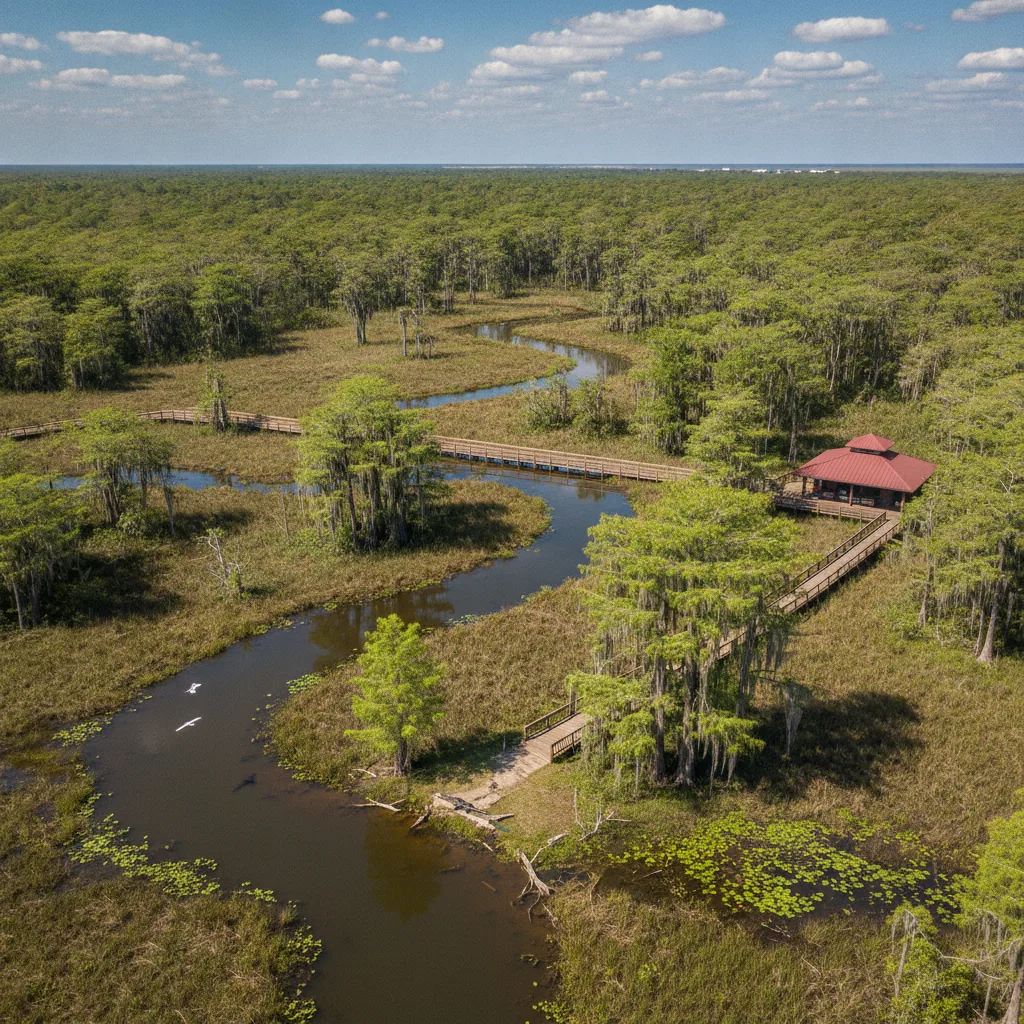
When we set out to explore the heart of Louisiana's wetlands and delve into its rich cultural tapestry, the Jean Lafitte Historical Park Louisiana quickly rose to the top of our list. This expansive National Historical Park and Preserve offers an unparalleled opportunity to connect with the unique ecosystems, historical narratives, and vibrant cultures that define this incredible state. From winding boardwalks through cypress swamps to poignant historical sites, our team found an adventure awaiting at every turn, far removed from generic tourist traps.
Why Visit Jean Lafitte Historical Park
For travelers seeking an authentic Louisiana experience beyond the bright lights of Bourbon Street, Jean Lafitte Historical Park offers a compelling blend of natural beauty, historical significance, and cultural immersion. We believe it's an essential stop for anyone wanting to understand the intricate relationship between people and the environment in the Mississippi Delta. The park isn't just a single destination; it's a collection of six distinct sites, each telling a different part of the Louisiana story. While our focus here is primarily on the Barataria Preserve unit in Marrero, its proximity to New Orleans makes it an accessible escape into the wild, offering a stark and beautiful contrast to city life.
We're talking about a chance to witness alligators in their natural habitat, stroll through ancient cypress and tupelo forests, and learn about the Acadian culture that shaped so much of south Louisiana. It's an educational journey wrapped in breathtaking scenery, perfect for those who appreciate both ecological wonder and historical depth. The commitment to preserving these invaluable landscapes and stories is evident throughout the park, making every visit feel like a meaningful exploration.
Who It's Best For
Jean Lafitte Historical Park is remarkably versatile, making it suitable for a wide array of visitors. Our team has identified several key groups who will find this destination particularly rewarding:
- Nature Enthusiasts and Birdwatchers: With its diverse ecosystems, including swamps, marshes, and bayous, the Barataria Preserve is a haven for wildlife. Birdwatchers will delight in spotting numerous species, and the chance to see alligators, turtles, and other swamp creatures up close is a major draw.
- Families with Children: The accessible boardwalks and well-maintained trails make it easy for families with strollers or young children to explore safely. The visitor centers often have educational exhibits and ranger programs that engage younger minds, making learning about nature and history fun.
- History Buffs: Beyond the natural preserves, other units of Jean Lafitte Historical Park, like the Chalmette Battlefield, offer profound insights into American history, particularly the War of 1812. The cultural centers also provide deep dives into Acadian and Creole heritage.
- Active Travelers: While not strenuous, the hiking and paddling opportunities provide a refreshing way to stay active amidst stunning scenery. Kayaking through the bayous offers a unique perspective on the wetlands.
- Those Seeking Tranquility: Away from the urban hustle, the park offers a peaceful retreat. The quiet beauty of the swamps and the gentle rustle of the leaves provide a serene environment for reflection and relaxation.
In essence, if you're looking for an authentic, educational, and visually stunning experience that connects you deeply with Louisiana's natural and cultural heritage, Jean Lafitte Historical Park is for you.
Getting There & Parking
Our team emphasizes accessibility for all travelers. Understanding how to get to Jean Lafitte Historical Park, specifically the Barataria Preserve, and where to park is crucial for a stress-free visit.
The Barataria Preserve unit of Jean Lafitte National Historical Park and Preserve is conveniently located just a short drive from New Orleans, making it an ideal day trip. From downtown New Orleans, you'll head west across the Mississippi River via the Crescent City Connection (US-90 Business W). Continue on US-90 W, then take Louisiana Highway 45 (Barataria Blvd.) south. The entrance to the preserve is well-marked on Barataria Blvd. in Marrero, Louisiana. The drive typically takes about 30-45 minutes, depending on traffic conditions and your starting point in New Orleans.
For those relying on public transportation, options are more limited directly to the preserve. While regional bus services might get you close to Marrero, a car is generally recommended for direct access and flexibility. Ride-sharing services are also an option, though availability for a return trip from the preserve might vary.
Parking: We're pleased to report that parking at the Barataria Preserve is ample and, as of 2026, free of charge. There are designated parking lots near the visitor center and trailheads. We always recommend arriving earlier in the day, especially on weekends or during peak seasons, to secure the best spots and avoid any potential crowds on the trails. The parking areas are well-maintained and provide easy access to the visitor center and the start of the boardwalk trails. When planning how to get to Jean Lafitte Historical Park, we suggest factoring in a little extra time for the scenic drive and to ensure you have plenty of time to explore once you arrive.
Top Things to Do
The Jean Lafitte Historical Park offers a wealth of activities, particularly at its Barataria Preserve unit, allowing visitors to deeply engage with Louisiana's natural environment. Our team has curated a list of the top things to do at Jean Lafitte Historical Park to help you make the most of your visit.
Explore the Boardwalk Trails: The most popular and accessible way to experience the Barataria Preserve is by walking its extensive network of boardwalk trails. These elevated pathways wind through cypress and tupelo swamps, hardwood forests, and freshwater marshes, offering incredible opportunities for wildlife viewing. We've often spotted alligators sunning themselves, turtles swimming in the bayous, and countless bird species flitting through the trees. The "Palmetto Trail" and "Bayou Coquille Trail" are particularly rewarding, providing immersive experiences into the heart of the wetlands. Remember to stay on the boardwalks to protect the delicate ecosystem and for your own safety.
Visit the Barataria Preserve Visitor Center: Before heading out onto the trails, we always recommend stopping at the visitor center. Here, you can pick up maps, learn about current trail conditions, and speak with knowledgeable park rangers. The center also features interpretive exhibits that delve into the ecology of the wetlands and the cultural history of the region, providing valuable context for your explorations. It's an excellent starting point for understanding the ecosystem you're about to enter.
Go Birdwatching: The preserve is a designated Important Bird Area, attracting a diverse array of migratory and resident birds. Bring your binoculars and keep an eye out for herons, egrets, ospreys, and various songbirds. Early mornings are typically the best time for birdwatching when the birds are most active.
Take a Ranger-Led Program: The park frequently offers free ranger-led programs, including guided walks and talks. These programs provide deeper insights into the park's natural and cultural resources. Check the park's official website or inquire at the visitor center for the most up-to-date schedule of things to do at Jean Lafitte Historical Park.
Canoeing or Kayaking (Seasonal/Limited): For a more intimate experience with the bayous, canoeing or kayaking can be an unforgettable adventure. While the park itself does not rent boats, local outfitters sometimes offer tours or rentals in the vicinity. This allows you to paddle through the waterways, getting closer to the wildlife and experiencing the tranquility of the swamp from a different perspective.
Photography: The unique landscapes of the Barataria Preserve offer endless photographic opportunities. From the intricate patterns of cypress knees to the vibrant colors of marsh grasses and the serene reflections on the water, you'll find stunning subjects around every bend. We encourage visitors to capture the beauty responsibly and respectfully.
While the Barataria Preserve is our primary focus for nature-based activities, remember that Jean Lafitte National Historical Park and Preserve encompasses several units. For those interested in history, a visit to the Chalmette Battlefield and National Cemetery offers a poignant look at the Battle of New Orleans. The French Quarter Visitor Center in New Orleans also provides an excellent introduction to the city's history and culture, and we highly recommend exploring the French Quarter itself for its vibrant atmosphere and historic architecture.
Best Time to Visit
Choosing the best time to visit Jean Lafitte Historical Park can significantly enhance your experience, particularly when considering the weather and wildlife activity. Our team has found that certain periods offer more comfortable conditions and greater opportunities for enjoyment.
Fall (October to November): We consider the fall months to be the absolute best time to visit. The oppressive summer heat and humidity begin to recede, and temperatures become pleasantly mild, typically ranging from the 60s to 70s Fahrenheit (15-25°C). This cooler weather makes walking the trails much more enjoyable. Furthermore, fall is an excellent time for birdwatching as migratory species begin to pass through the preserve. The chances of encountering mosquitoes are also significantly lower than in the summer.
Winter (December to February): Winter is another excellent period, offering the coolest and driest weather. Temperatures can drop into the 40s and 50s Fahrenheit (5-15°C), and while occasional cold snaps occur, sunny days are common. Wildlife, especially alligators, may be less active and harder to spot as they seek warmer spots, but the comfortable hiking conditions and fewer insects make it appealing. It's also a great time to avoid crowds, especially outside of holiday periods.
Spring (March to May): Spring brings warmer temperatures, with averages climbing into the 70s and 80s Fahrenheit (20-30°C). The wetlands come alive with new growth, and many plants are in bloom. Wildlife activity increases significantly, making it a prime time for spotting alligators and other reptiles as they become more active. However, with warmer temperatures comes an increase in humidity and the emergence of mosquitoes, especially in late spring. We advise bringing insect repellent if visiting during this season.
Summer (June to September): We generally advise caution when planning a summer visit. Louisiana summers are notoriously hot and humid, with daily temperatures often exceeding 90°F (32°C) and high humidity. Thunderstorms are also common. While the park is open, the intense heat and abundance of mosquitoes can make outdoor activities less comfortable. If you must visit in summer, we recommend going early in the morning, staying hydrated, and bringing plenty of insect repellent. The visitor center provides a cool respite.
In summary, for the most comfortable and rewarding experience, our team highly recommends planning your trip to Jean Lafitte Historical Park during the fall or winter months.
Where to Stay Nearby
While Jean Lafitte Historical Park itself is a natural preserve, there are no lodging options within the Barataria Preserve unit. However, its proximity to New Orleans means you have a vast array of accommodation choices just a short drive away. Our team recommends considering these options based on your preferences and budget:
New Orleans (Westbank - Algiers/Gretna): For convenience to the park without being directly in the bustling heart of the city, consider staying on the Westbank of New Orleans, in areas like Algiers or Gretna. These neighborhoods are just across the Mississippi River from downtown New Orleans and offer a quicker drive to the Barataria Preserve. You'll find a mix of chain hotels and local accommodations, often at a slightly lower price point than in the core tourist areas. This allows for easier access to the park while still being close enough to enjoy New Orleans' attractions.
New Orleans (Downtown/French Quarter): If your primary goal is to experience the vibrant culture, dining, and nightlife of New Orleans, then staying in the French Quarter, Central Business District (CBD), or the New Orleans Garden District is an excellent choice. From these areas, the drive to Jean Lafitte Historical Park is manageable, typically 30-45 minutes. You'll have access to world-class hotels, boutique inns, and charming guesthouses. This option is ideal for those who want to combine nature exploration with a full immersion into city life, including visits to sites like the National WWII Museum.
Marrero/Harvey/Gretna (Local Options): For visitors who prioritize being as close as possible to the Barataria Preserve, there are limited chain hotel options in the immediate Marrero, Harvey, and Gretna areas. These are typically budget-friendly hotels that cater to business travelers or those passing through. While they might lack the charm of New Orleans accommodations, they offer practical convenience for early morning park visits.
When selecting your lodging, we suggest considering the balance between proximity to Jean Lafitte Historical Park and your desire to explore other parts of Louisiana. For a comprehensive trip, combining a stay in New Orleans with day trips to the park and other regional attractions like Oak Alley Plantation or Whitney Plantation often provides the best experience.
Sample 2-Day Itinerary
To help you make the most of your visit to Jean Lafitte Historical Park and the surrounding area, our team has crafted a sample 2-day itinerary. This plan balances nature exploration with cultural immersion, ensuring you experience the best of what this part of Louisiana has to offer.
Day 1: Immersion in the Barataria Preserve
- Morning (8:00 AM - 12:00 PM): Explore Barataria Preserve. Start your day early to beat the heat and increase your chances of spotting wildlife. Head directly to the Barataria Preserve unit of Jean Lafitte Historical Park. Begin at the visitor center to gather maps and information. Then, embark on a leisurely walk along the boardwalk trails, such as the Palmetto Trail and Bayou Coquille Trail. Keep your eyes peeled for alligators, turtles, and a variety of bird species. Allow ample time to fully absorb the serene beauty of the cypress swamps and marshes.
- Lunch (12:00 PM - 1:30 PM): Local Flavors in Marrero/Gretna. After your morning exploration, grab a casual lunch at a local eatery in Marrero or Gretna. You'll find options for classic Louisiana po'boys, seafood, or Cajun/Creole dishes.
- Afternoon (1:30 PM - 4:00 PM): Continue Nature Exploration or Head to New Orleans. Depending on your energy levels, you can either delve deeper into another section of the Barataria Preserve or begin your journey back towards New Orleans. If you're feeling adventurous, consider a short kayak or canoe trip with a local outfitter (if available and pre-arranged) for a different perspective of the bayous.
- Evening (5:00 PM onwards): New Orleans Culinary and Cultural Experience. Settle into your accommodation in New Orleans. For dinner, explore the vibrant culinary scene, perhaps in the French Quarter or the Garden District. Consider catching some live jazz music afterwards.
Day 2: History, Culture, and Beyond
- Morning (9:00 AM - 12:00 PM): Chalmette Battlefield. Begin your day with a visit to the Chalmette Battlefield and National Cemetery, another unit of Jean Lafitte Historical Park. This significant site commemorates the Battle of New Orleans during the War of 1812. Explore the battlefield, read the interpretive signs, and visit the Chalmette Monument. Park rangers are often on hand to provide historical context.
- Lunch (12:00 PM - 1:30 PM): New Orleans Lunch. Head back into New Orleans for lunch. You might try a classic muffuletta or some fresh oysters.
- Afternoon (1:30 PM - 5:00 PM): New Orleans Exploration. Dedicate your afternoon to exploring more of New Orleans. We highly recommend a visit to the National WWII Museum, a world-class institution. Alternatively, take a leisurely stroll through the historic New Orleans Garden District, admiring its stunning architecture.
- Evening (5:00 PM onwards): Farewell Louisiana. Enjoy a final Louisiana dinner, perhaps indulging in some fine dining or a casual seafood boil. Reflect on your journey through the natural wonders and rich history of the region. This itinerary provides a solid foundation, but remember that Louisiana offers so much more, from the vast Atchafalaya National Basin to other significant historical sites.
Jean Lafitte Historical Park Hiking Trails
Our team considers the Jean Lafitte Historical Park hiking trails at the Barataria Preserve to be among the most accessible and rewarding ways to experience Louisiana's unique wetland ecosystems.
The Barataria Preserve unit of Jean Lafitte National Historical Park and Preserve is renowned for its well-maintained and mostly boardwalk-style Jean Lafitte Historical Park hiking trails, making them suitable for visitors of all ages and mobility levels. These trails provide an immersive journey through diverse habitats, including cypress-tupelo swamps, freshwater marshes, and hardwood forests.
Key Trails and What to Expect:
- Palmetto Trail: This is one of the most popular trails, offering a relatively short and easy loop through a palmetto and hardwood forest. It's a great introduction to the preserve's flora and fauna and often yields sightings of various bird species.
- Bayou Coquille Trail: This trail extends deeper into the cypress swamp, featuring long stretches of boardwalk over the water. It's an excellent spot for alligator viewing, especially during warmer months when they often bask near the boardwalks. The trail also offers interpretive signs explaining the ecology of the swamp.
- Marsh Overlook Trail: As its name suggests, this trail leads to an overlook providing panoramic views of the freshwater marsh. It's a fantastic spot for birdwatching and appreciating the vastness of the wetland landscape.
- Park Headquarters Trail: A shorter loop that connects to other trails, offering a quick glimpse into the swamp environment right near the visitor center.
The beauty of the Jean Lafitte Historical Park hiking trails is their accessibility. The boardwalks keep you dry and elevated above the swamp, allowing for comfortable exploration without the need for specialized gear. We always recommend wearing comfortable walking shoes, bringing water, and applying insect repellent, especially during warmer months. Remember to stay on the marked trails to protect the delicate ecosystem and ensure your safety. These trails are a testament to the park's commitment to providing an educational and engaging experience for everyone.
Jean Lafitte Historical Park Camping
When planning a visit to Jean Lafitte Historical Park, particularly the Barataria Preserve unit, our team often gets asked about overnight accommodations. It's important to clarify that direct Jean Lafitte Historical Park camping is not permitted within the boundaries of the Barataria Preserve or any other units of the Jean Lafitte National Historical Park and Preserve. As a national historical park and preserve focused on conservation and interpretation, the park does not offer campgrounds or overnight facilities.
However, this doesn't mean you can't enjoy an overnight stay in the region. For those interested in Jean Lafitte Historical Park camping or staying close to nature, there are several options in the broader New Orleans metropolitan area and surrounding parishes:
- Private Campgrounds: You'll find a number of private RV parks and campgrounds in the greater New Orleans area, particularly on the Westbank (near Marrero) or in neighboring parishes like St. Charles or Jefferson Parish. These often offer amenities such as hookups for RVs, tent sites, restrooms, and sometimes even pools or recreational facilities. A quick search for "campgrounds near Marrero, LA" or "RV parks New Orleans" will yield current options.
- State Parks: Louisiana State Parks often provide excellent camping opportunities. While not immediately adjacent to the Barataria Preserve, parks like Bayou Segnette State Park in Westwego (just a short drive away) offer cabins, RV sites, and tent camping. Bayou Segnette is known for its wave pool and proximity to both nature and city attractions, making it a viable option for those seeking Jean Lafitte Historical Park camping alternatives. We recommend checking the Louisiana State Parks website for reservations and availability, especially during peak seasons.
While you won't be pitching a tent directly within the preserve, these nearby options allow you to combine your nature explorations at Jean Lafitte Historical Park with an overnight camping experience. Always book in advance, especially for state parks, as spots can fill up quickly.
Is It Worth Visiting?
Our unequivocal answer is yes, Jean Lafitte Historical Park is absolutely worth visiting. As independent US travel authorities, we've explored countless national parks and natural areas, and Jean Lafitte stands out as a truly unique and enriching destination.
What makes it so compelling? For starters, its accessibility. Located just a stone's throw from the vibrant heart of New Orleans, it offers an immediate and profound escape into the wild, untamed beauty of Louisiana's wetlands. This ease of access means you can combine a world-class urban experience with an authentic natural immersion, all within a single trip to Louisiana. We find this dual appeal to be a significant advantage, allowing travelers to experience both the cultural richness of the city and the ecological wonders of the swamp without extensive travel.
Beyond convenience, the sheer diversity of experiences available within Jean Lafitte Historical Park is remarkable. Whether you're a nature lover eager to spot alligators and exotic birds along the boardwalks, a history enthusiast keen to delve into the Battle of New Orleans at Chalmette Battlefield, or someone seeking to understand the enduring Acadian culture at one of the park's cultural centers, there's something here for everyone. The educational value is immense, with well-curated exhibits and knowledgeable rangers who bring the stories of the land and its people to life. We believe that understanding these intricate connections is vital, and the park facilitates this beautifully.
Furthermore, the park offers a tranquil respite from the hustle and bustle. The quiet beauty of the cypress swamps, the gentle sounds of nature, and the fresh air provide a rejuvenating experience. It’s a place where you can slow down, observe, and connect with an environment unlike almost anywhere else in the United States. For us, the opportunity to witness such a vital and unique ecosystem firsthand, and to learn about the efforts to preserve it, makes asking "is Jean Lafitte Historical Park worth visiting" a resounding and enthusiastic "yes." It's an essential stop for anyone looking for an authentic and memorable Louisiana adventure.
FAQ Longtails
What are things to do in Marrero?
While Marrero itself is primarily a residential community, the absolute top thing to do in Marrero is to visit the Barataria Preserve unit of Jean Lafitte National Historical Park and Preserve. This expansive natural area offers miles of boardwalk trails through swamps and marshes, excellent opportunities for wildlife viewing (including alligators and birds), and a visitor center with interpretive exhibits. Beyond the preserve, Marrero offers local dining experiences and is a convenient base for exploring other nearby attractions on the Westbank of New Orleans.
Is Jean Lafitte Historical Park good with kids?
Yes, Jean Lafitte Historical Park is excellent for kids, especially the Barataria Preserve unit. The boardwalk trails are flat, well-maintained, and safe, making them perfect for strollers and young walkers. Kids will be fascinated by the chance to see alligators, turtles, and various birds in their natural habitat. The visitor center often has engaging, kid-friendly exhibits and ranger programs designed to educate and entertain children about the wetlands and local wildlife. It's an educational and exciting outdoor adventure for the whole family.
What are some Jean Lafitte Historical Park tips?
Our top Jean Lafitte Historical Park tips include: 1) Visit early in the morning for cooler temperatures, fewer crowds, and more active wildlife. 2) Bring plenty of water, especially during warmer months. 3) Wear comfortable walking shoes, as you'll be on trails for extended periods. 4) Apply insect repellent, particularly from spring through fall, as mosquitoes can be prevalent. 5) Stop at the visitor center first for maps, current conditions, and to speak with a ranger. 6) Stay on marked trails to protect the environment and for your safety. 7) Bring binoculars for birdwatching and a camera to capture the stunning scenery.
What are the Jean Lafitte Historical Park parking options?
Parking at Jean Lafitte Historical Park, specifically at the Barataria Preserve unit in Marrero, is ample and free of charge. There are large, well-maintained parking lots conveniently located near the visitor center and the main trailheads. We recommend arriving earlier in the day, especially on weekends, to ensure you get a good spot. Parking is generally straightforward and easily accessible for all visitors.
What is the best time to visit Jean Lafitte Historical Park?
The best time to visit Jean Lafitte Historical Park is during the fall (October to November) and winter (December to February) months. During these periods, the weather is significantly cooler and less humid, with temperatures ranging from the 40s to 70s Fahrenheit (5-25°C), making outdoor exploration much more comfortable. Mosquito activity is also much lower. While spring offers blooming flora and active wildlife, it also brings increasing heat, humidity, and insects. We generally advise against visiting in the summer due to intense heat and high humidity.
What are Jean Lafitte Historical Park hours and fees?
As of 2026, the Barataria Preserve unit of Jean Lafitte National Historical Park and Preserve is generally open daily from 9:00 AM to 5:00 PM, with the visitor center typically operating during these hours. The trails are usually accessible during daylight hours. There are no entrance fees to access Jean Lafitte Historical Park or its trails. This makes it a fantastic free attraction for visitors. We always recommend checking the official National Park Service website for the most current operating hours and any potential closures before your visit, as schedules can occasionally change.
Last updated: 2026-07-05 by the Visit America team.