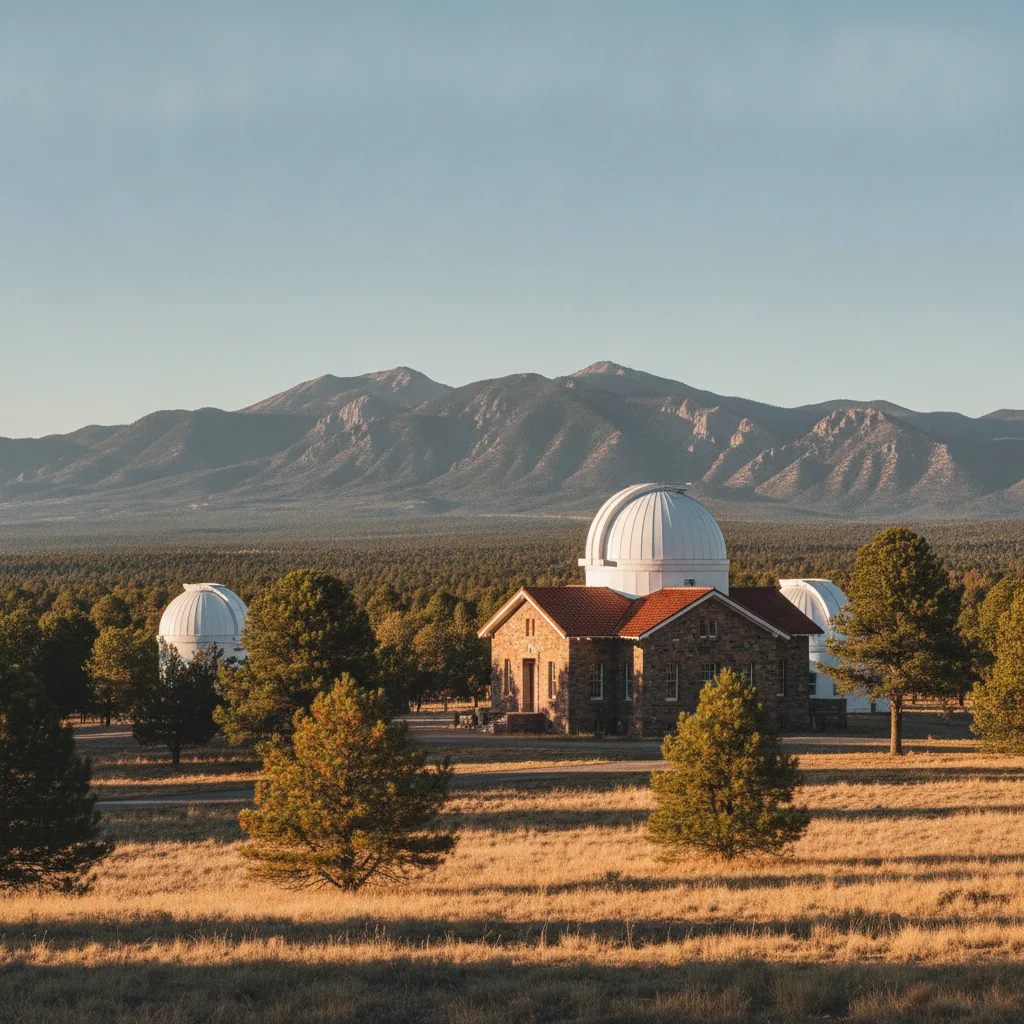
We aim to provide the most comprehensive and up-to-date information for your visit to this historic astronomical site. For anyone planning a trip to the American Southwest, a visit to Lowell Observatory Arizona is an absolute must. This iconic institution, nestled in the ponderosa pines of Flagstaff, offers a rare glimpse into the universe and the history of scientific discovery. From the very spot where Pluto was discovered to state-of-the-art telescopes, our team has explored every facet to ensure you have an unforgettable experience.
Expert Verdict: Lowell Observatory is more than just a place to look at stars; it’s a journey through astronomical history and a vibrant center for ongoing research. The blend of historical significance, engaging public programs, and stunning night sky views makes it a standout destination. We confidently recommend dedicating at least half a day, if not a full day, to exploring its wonders, especially if you can stay for the evening telescope viewing.
Why Visit Lowell Observatory
Stepping onto the grounds of Lowell Observatory is like stepping into a living museum of astronomy. Founded in 1894 by Percival Lowell, it stands as one of the oldest observatories in the United States, steeped in a rich legacy of groundbreaking discoveries. It was here, in 1930, that Clyde Tombaugh famously discovered Pluto, forever changing our understanding of our solar system. Beyond this monumental achievement, the observatory has been instrumental in mapping the Moon for the Apollo missions, studying planetary atmospheres, and contributing to exoplanet research.
Our team finds that the allure of Lowell Observatory extends beyond its historical significance. It's a place where the universe feels accessible, where you can connect with the cosmos in a tangible way. Imagine gazing through the same telescope used by Percival Lowell or witnessing the rings of Saturn through a modern instrument. The passion of the educators and astronomers is palpable, making complex scientific concepts understandable and exciting for visitors of all ages. It’s a truly inspiring destination that reminds us of humanity’s enduring curiosity about the stars.
Who It's Best For
Lowell Observatory truly offers something for everyone, making it a versatile destination for a wide range of travelers. Our team believes it's an ideal spot for:
- Families with Children: The observatory excels at making astronomy engaging for younger audiences. With interactive exhibits, hands-on activities, and dedicated children's programs, kids can learn about space in a fun and memorable way. The excitement of seeing planets and stars through powerful telescopes often sparks a lifelong interest in science.
- Science Enthusiasts and Aspiring Astronomers: For those with a keen interest in space, this is hallowed ground. The historical telescopes, the detailed exhibits on planetary science, and the opportunity to speak with actual astronomers provide an unparalleled experience. You'll appreciate the depth of research and the impact Lowell has had on our understanding of the universe.
- History Buffs: Beyond the scientific discoveries, the observatory itself is a historical landmark. The preserved buildings, the story of Percival Lowell, and the narrative of Pluto's discovery offer a fascinating look into early 20th-century scientific endeavors.
- Couples and Solo Travelers: The serene setting, especially during evening viewing sessions, can be incredibly romantic or profoundly contemplative. Stargazing together or simply taking in the vastness of the night sky offers a unique and memorable experience.
- Anyone Visiting Flagstaff: If you're in Flagstaff, a visit here is practically mandatory. It's a cornerstone of the city's identity and provides a unique cultural and educational experience that complements the natural beauty of the surrounding area.
While the observatory is largely accessible, those with significant mobility challenges should check the accessibility information on their official website, as some older buildings and telescope domes may have stairs. However, modern facilities are generally wheelchair-friendly.
Getting There & Parking
Understanding how to get to Lowell Observatory is straightforward, as it's conveniently located just a short distance from downtown Flagstaff, Arizona. Its elevated position on Mars Hill provides excellent viewing conditions and makes it easily identifiable.
By Car
The most common way to reach Lowell Observatory is by car. From Interstate 40, take exit 195 toward Historic Route 66/Milton Road. Head north on Milton Road, which will eventually turn into Humphreys Street. Follow signs for Lowell Observatory, turning west onto Mars Hill Road. The drive from most points in Flagstaff is typically less than 10-15 minutes. Our team recommends using a GPS for the most precise directions, especially if you're arriving after dark.
Parking at Lowell Observatory
Lowell Observatory offers ample free parking for visitors on Mars Hill. There are designated parking areas near the main visitor center and additional spots further up the hill. During peak season or special events, parking lots can fill up, so arriving earlier in the day or utilizing rideshare services might be a good option. Our team verified that as of 2026, parking remains free and readily available, though it's always wise to check their official website for any updates on event-specific parking arrangements.
Public Transportation & Rideshare
While Flagstaff does have a public bus system (Mountain Line), direct routes to Lowell Observatory are limited. However, rideshare services like Uber and Lyft are readily available in Flagstaff and provide a convenient way to get to and from the observatory, especially if you plan to enjoy the evening programs and prefer not to drive after dark. This is often our team's preferred method for evening visits to avoid navigating unfamiliar roads in the dark.
Top Things to Do
When planning your visit, you’ll find an abundance of things to do at Lowell Observatory, catering to all interests and ages. Our team has curated a list of the must-do activities to ensure you make the most of your time at this incredible institution.
Explore the Historic Clark Telescope
No visit to Lowell Observatory is complete without experiencing the 24-inch Clark Refractor. This magnificent telescope, built in 1896, was used by Percival Lowell to map Mars and by Clyde Tombaugh in his search for Planet X. You can peer through this very instrument during daytime and evening viewing sessions. Our team found the experience of looking through a century-old telescope to be profoundly moving, connecting you directly to the pioneers of astronomy. Check the daily schedule for specific viewing times.
Visit the Pluto Discovery Telescope
Walk in the footsteps of Clyde Tombaugh at the Pluto Discovery Telescope, a 13-inch astrograph. While you can't typically look through this instrument, the building houses exhibits detailing the fascinating story of Pluto's discovery. It's a powerful reminder of the dedication and perseverance required for scientific breakthroughs. This is one of the essential things to do at Lowell Observatory for any history or astronomy buff.
Engage with Interactive Exhibits at the Steele Visitor Center
The Steele Visitor Center is the hub of modern engagement. Here, you'll find a variety of interactive exhibits that explain astronomical concepts, the history of the observatory, and current research. From learning about exoplanets to understanding the scale of the universe, these exhibits are designed to be both educational and entertaining for all ages. Our team particularly enjoyed the displays on light pollution and the importance of dark skies.
Participate in Daytime and Evening Programs
Lowell Observatory offers a packed schedule of programs throughout the day and into the evening. Daytime activities often include solar viewing through specialized telescopes, guided tours of the campus, and presentations on various astronomical topics. In the evenings, the real magic happens. Public telescope viewing through various instruments, including the Clark Telescope and modern reflecting telescopes, allows you to observe planets, the Moon, star clusters, and nebulae. Our team strongly advises staying for an evening program; the night sky views from Mars Hill are exceptional. Be sure to check their website for the daily schedule and any reservation requirements for specific programs.
Attend a Live Science Presentation
Throughout the day, astronomers and educators host engaging presentations in the G.W. Anderson Family Rotunda and other venues. These talks cover a wide range of topics, from the latest discoveries in space to the history of the observatory's research. They are an excellent opportunity to deepen your understanding and ask questions directly to experts.
Explore the Giovale Open Deck Observatory (GODO)
The Giovale Open Deck Observatory (GODO) is a fantastic addition, featuring six advanced telescopes on an open deck. This allows for multiple viewing opportunities simultaneously, reducing wait times and offering diverse celestial targets. Our team appreciates the variety of instruments available here, providing different perspectives on the cosmos. It’s a highlight for public viewing.
Shop at the Starry Skies Shop
Before you leave, browse the Starry Skies Shop for unique souvenirs, books, astronomy-themed gifts, and educational toys. It’s a great place to pick up a memento of your visit or find a gift for an aspiring astronomer.
Beyond the Observatory: Things to Do in Flagstaff
While Lowell Observatory is a primary draw, Flagstaff itself is a vibrant city with plenty of other things to do in Flagstaff. Our team recommends extending your stay to explore the surrounding area.
- Historic Downtown Flagstaff: Wander through the charming streets of downtown, filled with historic buildings, unique shops, art galleries, and diverse restaurants. It's a great place for a leisurely stroll and a meal.
- Route 66 Attractions: Flagstaff sits directly on Historic Route 66, offering classic diners, motels, and photo opportunities that harken back to the golden age of American road trips.
- Museum of Northern Arizona: Discover the natural and cultural history of the Colorado Plateau, with extensive exhibits on Native American cultures, geology, and biology.
- Arizona Snowbowl: Depending on the season, you can enjoy skiing and snowboarding in winter or scenic gondola rides in summer for breathtaking views of the San Francisco Peaks and the surrounding landscape.
- Walnut Canyon National Monument: Explore ancient cliff dwellings and learn about the Sinagua people who once inhabited this beautiful canyon, just a short drive east of Flagstaff.
- Wupatki National Monument and Sunset Crater Volcano National Monument: These two national monuments, located north of Flagstaff, offer a fascinating look at ancient pueblos and a relatively young volcanic landscape.
Flagstaff also serves as an excellent base for exploring some of Arizona's most iconic natural wonders, including Grand Canyon National Park, Sedona & Oak Creek Canyon, and Monument Valley Navajo Park, all within a reasonable driving distance. For more ideas on exploring the state, check out our guide to the Best places in Arizona.
Best Time to Visit
Determining the best time to visit Lowell Observatory largely depends on your priorities, but our team has some clear recommendations.
For Stargazing and Clear Skies:
The dry, clear air of Northern Arizona makes Flagstaff an ideal location for astronomy, so much so that it was designated the world's first International Dark Sky City. Generally, the shoulder seasons of **spring (April-May)** and **fall (September-October)** offer the most consistently clear nights with comfortable temperatures. Summer evenings can also be excellent, though Flagstaff experiences its monsoon season from July through mid-September, which can bring afternoon thunderstorms that occasionally linger into the evening, potentially obscuring views. Winter nights (November-March) often provide the clearest, crispest views, but temperatures can drop significantly, requiring warm clothing.
For Mild Weather and Daytime Exploration:
**Late spring (May-June)** and **early fall (September-October)** are superb for daytime visits. The weather is typically mild and pleasant, perfect for walking around the campus and enjoying the outdoor exhibits without the intense heat of summer or the chill of winter. Summer (July-August) can be warm, but Flagstaff's elevation keeps it cooler than much of Arizona, making it a popular escape from the desert heat.
Avoiding Crowds:
If you prefer fewer crowds, consider visiting on **weekdays during the off-peak seasons** (late fall to early spring, excluding holidays). Weekends and school holidays, especially in summer, tend to be the busiest. Our team finds that arriving right when the observatory opens or later in the evening for specific programs can also help manage crowd levels.
Special Events:
Keep an eye on Lowell Observatory's event calendar. They frequently host special events, lectures, and viewing parties for astronomical phenomena like meteor showers, planetary conjunctions, or lunar eclipses. While these can be crowded, they offer unique and memorable experiences.
Overall, our team leans towards **late spring or early fall** as the optimal time for a well-rounded visit, offering a balance of pleasant weather and excellent stargazing opportunities.
Where to Stay Nearby
Finding comfortable and convenient Lowell Observatory lodging is easy, as Flagstaff offers a wide array of options to suit every budget and preference. Our team recommends staying within Flagstaff itself, as it provides easy access to the observatory and other local attractions.
Hotels Near Lowell Observatory
Many hotels are located just a short drive from Mars Hill. Here are a few categories and specific recommendations for Lowell Observatory lodging:
- Boutique & Historic Hotels:
- Hotel Monte Vista: Located in the heart of historic downtown Flagstaff, this iconic hotel offers unique, individually decorated rooms and a vibrant atmosphere. It’s a great choice if you want to be close to restaurants and nightlife.
- Weatherford Hotel: Another historic gem downtown, offering Victorian charm and a rooftop bar with excellent views.
- Mid-Range & Family-Friendly Options:
- Drury Inn & Suites Flagstaff: Known for its complimentary breakfast, evening reception, and indoor/outdoor pool, it's a solid choice for families and offers good value.
- Little America Hotel Flagstaff: Set amidst 500 acres of ponderosa pine forest, this hotel offers spacious rooms, a heated outdoor pool, and a tranquil setting while still being close to town.
- Residence Inn by Marriott Flagstaff: Ideal for longer stays or families, offering suites with full kitchens.
- Budget-Friendly Stays:
- Numerous chain hotels along Milton Road and near I-40 offer reliable and affordable accommodations, such as Days Inn by Wyndham, Hampton Inn, and Holiday Inn Express. These provide good access to the observatory and other Flagstaff attractions.
Vacation Rentals
For groups, families, or those seeking a more local experience, vacation rentals (via platforms like Airbnb or Vrbo) are plentiful in Flagstaff. You can find charming cabins, spacious homes, or apartments, many within a short drive of Lowell Observatory. This can be a great option for enjoying amenities like a full kitchen and multiple bedrooms.
Camping & RV Parks
If you prefer to be closer to nature, Flagstaff and the surrounding Coconino National Forest offer several campgrounds and RV parks. These are typically open seasonally, from late spring through early fall. Options like Fort Tuthill County Park or campgrounds within the national forest provide a more rustic experience, though they will require a short drive to the observatory.
Our team suggests booking your Lowell Observatory lodging well in advance, especially during peak summer months or around major Flagstaff events, as accommodations can fill up quickly.
Sample 2-Day Itinerary
To help you make the most of your visit, our team has crafted a sample 2-day itinerary focusing on Lowell Observatory and the best of Flagstaff.
Day 1: Immersion at Lowell Observatory
- Morning (9:00 AM - 1:00 PM): Historical Discoveries & Daytime Exploration
- Arrive at Lowell Observatory shortly after opening. Head straight to the Steele Visitor Center to get oriented and check the day's program schedule.
- Explore the interactive exhibits, learning about planetary science, exoplanets, and the observatory's history.
- Take a guided tour of the campus, focusing on the historic Clark Telescope Dome and the Pluto Discovery Telescope.
- Participate in a daytime solar viewing session (if available) to safely observe the sun.
- Lunch (1:00 PM - 2:00 PM): Downtown Flagstaff Flavors
- Drive down to historic downtown Flagstaff (about a 10-15 minute drive). Enjoy lunch at a local eatery. Our team recommends checking out places along San Francisco Street for diverse options.
- Afternoon (2:00 PM - 5:00 PM): Flagstaff's Charm
- Spend the afternoon exploring downtown Flagstaff. Browse the unique shops, art galleries, and historic Route 66 landmarks.
- Alternatively, visit the Museum of Northern Arizona to delve deeper into the region's natural and cultural heritage.
- Dinner (5:00 PM - 6:30 PM): Pre-Stargazing Meal
- Grab an early dinner in Flagstaff. Consider something casual and quick so you can head back to the observatory refreshed.
- Evening (6:30 PM - Closing): Cosmic Wonders
- Return to Lowell Observatory for its renowned evening programs. This is a highlight of any visit.
- Engage in public telescope viewing at the Giovale Open Deck Observatory (GODO) and the historic Clark Telescope (check schedule for specific times).
- Attend a live astronomy presentation or lecture.
- Enjoy the incredible dark skies of Flagstaff.
Day 2: Beyond the Stars – Flagstaff's Natural & Ancient Wonders
- Morning (9:00 AM - 12:00 PM): Ancient Cliff Dwellings
- Drive east to Walnut Canyon National Monument (approximately 15-20 minutes). Hike the Island Trail to explore ancient Sinagua cliff dwellings and enjoy the scenic canyon views.
- Lunch (12:00 PM - 1:00 PM): Picnic or Local Fare
- Enjoy a packed picnic lunch at Walnut Canyon or head back to Flagstaff for a meal.
- Afternoon (1:00 PM - 5:00 PM): Volcanic Landscapes & Pueblos
- Continue your exploration north of Flagstaff to Sunset Crater Volcano National Monument and Wupatki National Monument (approximately 30-45 minutes drive from Flagstaff).
- At Sunset Crater, walk the Lava Flow Trail to see the cinder cone and lava fields.
- At Wupatki, explore the impressive multi-story pueblo and learn about the ancient inhabitants.
- Evening (5:00 PM onwards): Farewell Flagstaff
- Enjoy a final dinner in Flagstaff, perhaps trying one of the local breweries or a restaurant you didn't get to on Day 1.
- Consider a scenic drive up to Arizona Snowbowl (in summer) for sunset views if time permits, or simply relax.
This itinerary provides a robust experience, but feel free to adjust based on your interests. For those with more time, Flagstaff is an ideal gateway to other Arizona marvels like Grand Canyon National Park, Monument Valley Navajo Park, and Antelope Canyon.
Frequently Asked Questions
Lowell Observatory with kids
Our team finds that Lowell Observatory is an excellent destination for kids of all ages. They offer numerous engaging programs specifically designed for younger audiences, including hands-on activities, interactive exhibits in the Steele Visitor Center, and the thrill of looking through powerful telescopes. Many of the educators are adept at explaining complex topics in an accessible way, making astronomy exciting and understandable for children. We recommend checking their daily schedule for kid-friendly presentations and activities.
Best hotels near Lowell Observatory
The best hotels near Lowell Observatory are typically found in and around downtown Flagstaff, which is just a 5-15 minute drive away. Our team recommends options like Hotel Monte Vista for a historic downtown experience, Drury Inn & Suites Flagstaff for family-friendly amenities, or Little America Hotel Flagstaff for a more secluded, resort-like feel. For budget-conscious travelers, there are many reliable chain hotels along Milton Road. Consider your budget and desired amenities when choosing, and book in advance, especially during peak season.
Lowell Observatory tips
Our top tips for visiting Lowell Observatory include: check the daily program schedule online before you go, especially for evening telescope viewing times and special events. Arrive early for evening programs to secure parking and good spots. Dress in layers, as Flagstaff's high elevation means temperatures can drop significantly after sunset, even in summer. Consider purchasing tickets online in advance to save time. Finally, don't rush; allow ample time to explore both the historical and modern aspects of the observatory, and definitely stay for the evening stargazing if possible.
Where to stay near Lowell Observatory
For convenience to Lowell Observatory, staying in Flagstaff is key. Our team suggests looking for accommodations in the downtown area or along Milton Road, as these areas offer the quickest access to the observatory via a short drive. Options range from charming historic hotels to modern chain hotels and vacation rentals. All these areas provide easy access to dining, shopping, and other Flagstaff attractions, making them ideal bases for your visit.
Lowell Observatory parking
Lowell Observatory provides free parking on Mars Hill, with several designated lots available near the visitor center. Our team confirmed that as of 2026, parking remains complimentary. During peak times or special events, lots can fill up, so arriving earlier in the day or considering a rideshare service for evening visits can be a good strategy to ensure a hassle-free experience. Always check the official Lowell Observatory website for the most current parking information and any event-specific guidelines.
Best time to visit Lowell Observatory
The best time to visit Lowell Observatory depends on your priorities. For optimal stargazing with comfortable temperatures, our team recommends late spring (May-June) or early fall (September-October). These months typically offer clear skies and mild evenings. Summer (July-August) is popular but can experience monsoon thunderstorms. Winter offers crisp, clear views but requires warm clothing. If avoiding crowds is a priority, weekdays during the shoulder seasons are ideal. Always check the weather forecast and the observatory's program schedule before your visit.
Last updated: 2026-07-05 by the Visit America team.